
REVIEW · JAPANESE CRAFT AND CALLIGRAPHY WORKSHOPS
Handmade Japanese Glass Art Sandblasting Workshop in Tokyo
A glass sandblasting workshop in Tokyo sounds niche. That is the charm, you leave with a handmade keepsake shaped by your own design, not a store-bought souvenir. In a small room near Asakusabashi, you’ll learn the basics and decorate a glass with Japanese motifs like Mt. Fuji and traditional patterns.
I especially like the maximum of four participants. You get real attention while you work, plus you can ask questions without feeling rushed. I also like that the workshop owner gives step-by-step guidance as you use the sandblasting setup to bring your design to life.
One thing to consider is that this is not a passive tour. If you want low-effort sightseeing, you may find the hands-on sandblasting part a bit more involved than you expected.
In This Review
- Key things that make this workshop worth your time
- A small-group sandblasting workshop near Asakusabashi
- What you’ll make: Mt. Fuji, kimonos, geisha, and more
- Inside the 90-minute flow: planning, creating, and using the sandblaster
- The “real instruction” part: why Aki San’s teaching style matters
- Price and value: $53.43 for materials and a true keepsake
- Who this workshop is best for (and who might want something else)
- Your Tokyo day plan: how to fit this near Asakusabashi
- Small details that improve the experience
- Taking your glass artwork home (the part you’ll actually keep)
- Booking tips: when to reserve and what to ask yourself
- FAQ
- FAQ
- How long is the Japanese glass sandblasting workshop?
- What is the group size?
- What kinds of designs can I make?
- Is instruction provided for beginners?
- Are materials included in the price?
- What is the meeting point address?
- Is hotel pickup or drop-off included?
- Will I receive a ticket on my phone?
- When will I get confirmation after booking?
- What is the cancellation policy?
- Should you book this sandblasting workshop in Tokyo?
Key things that make this workshop worth your time
- Small group, up to 4, so you get hands-on help when you need it
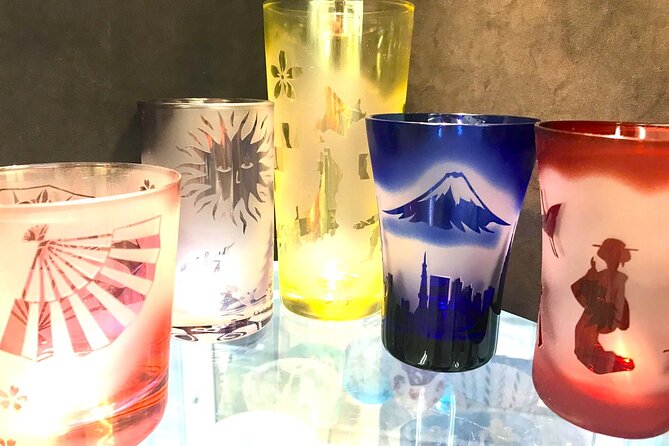
- Japanese motifs on glass, from Mt. Fuji to kimono patterns and samurai themes
- Step-by-step instruction from the workshop owner, including basics for first-timers
- You control the design, with lots of pictures to choose from while you plan your motif
- A take-home keepsake you’ll actually keep, not just photos for later
Make something to take home. Other workshops
- Tokyo Shinjuku Chopsticks Making Class
★ 5.0 · 1,763 reviews - Chopstick Making Workshop in Ginza
★ 4.8 · 1,366 reviews - Tokyo Sumo Experience: Chanko & Mochi with a Former Pro
★ 4.8 · 567 reviews - Kintsugi Experience: Art of Golden Joinery in Tokyo
★ 5.0 · 467 reviews
A small-group sandblasting workshop near Asakusabashi
Tokyo has a lot of great culture that is meant for watching. This is the opposite. You’ll sit down, plan a design, and use the sandblasting technique to decorate a glass item with Japanese motifs.
The class caps at four participants. That number matters in real life. With fewer people, the instructor can check your progress, correct a placement issue before you move on, and still keep everyone moving at a steady pace. It is also easier for kids to stay focused and not get overwhelmed, since there is less noise and less waiting.
The meeting point is in Asakusabashi, Taito City (1-chōme-26-12). It is near public transportation, so you should be able to reach it without a complicated plan. Just note there is no hotel pickup or drop-off, so you will need to get there on your own.
What you’ll make: Mt. Fuji, kimonos, geisha, and more
The heart of the experience is your design. You’ll decorate a glass with Japanese motifs such as Mt. Fuji, kimono patterns, geisha-inspired themes, and samurai designs. The exact set of options can vary by what the workshop provides that day, but you should expect classic, recognizable Japanese visuals rather than abstract shapes.
What I like about the motif focus is that it makes your finished piece feel instantly meaningful. Even if you are not an artist, you can choose a pattern that looks like Japan to you. And since the sandblasting method transfers your design into the glass surface, your result has a texture and permanence that feels different from stickers or paint.
A detail from the experience that I found especially encouraging: there are a lot of pictures to help you design your glass. If you freeze at the start, you are not on your own. You can pick something close to what you want, then adjust it with the guidance you get during class.
Inside the 90-minute flow: planning, creating, and using the sandblaster
This workshop runs about 1 hour 30 minutes. That is long enough to feel like you accomplished something real, but short enough to fit into a busy Tokyo schedule.
Here is what the experience looks like in practice, step by step:
- Arrive and get oriented. When you show up, you will likely see a setup that makes it clear where you should be. One nice touch people have noted is an easel out front with a name, so you can get your bearings fast.
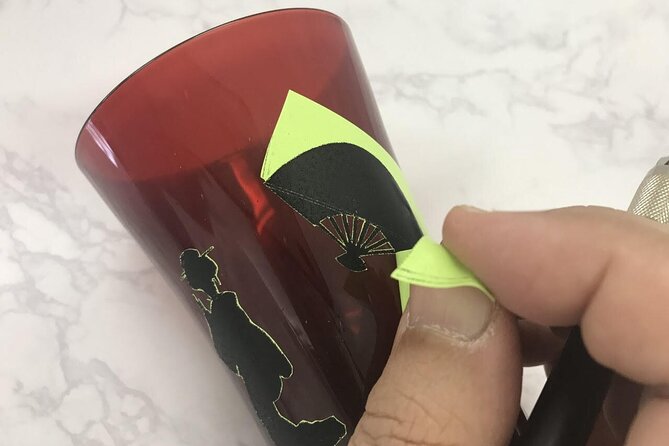
- Pick your design and placement. You’ll look through provided picture ideas and choose a motif. The workshop gives tools and direction, so beginners are not expected to design from scratch.
- Learn the basics of sandblasting on glass. The workshop owner teaches you how the technique works and how to handle the process safely and correctly. This is where small-group size really helps, because you can ask a question before you make a mistake.
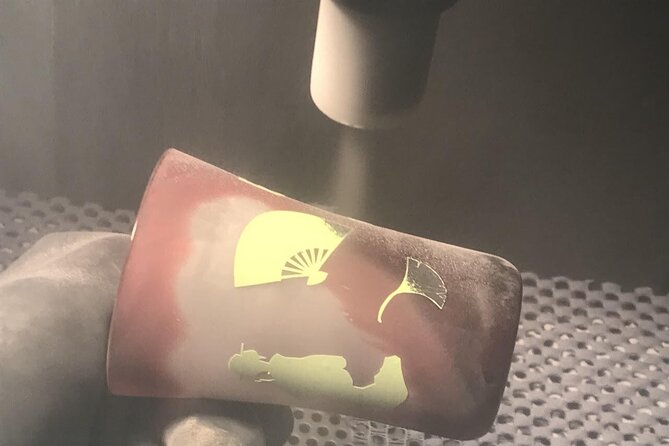
- Create your artwork. Once you understand the technique, you do the work. You’ll use the sandblasting machine to transfer your design into the glass surface.
- Finish and take your piece home. When your design is complete, you leave with your finished glass artwork as a souvenir.
One key point: people describe the experience as relaxing. That does not mean it is mindless. It means the pace is managed well, and the instruction is patient enough that you can focus on creating without stress.
- Mt Fuji and Hakone 1-Day Bus Tour Return by Bullet Train★ 5.0 · 26,383 reviews
- 1-Day Tokyo Bus Tour★ 5.0 · 14,250 reviews
- Tokyo: teamLab Planets TOKYO Digital Art Museum Entry Ticket★ 4.6 · 9,779 reviews
- Mt Fuji & Hakone Cruise, Drum Show Bullet Train 1 Day from Tokyo★ 4.0 · 7,413 reviews
- Tokyo Mt Fuji 5th St & Hakone Cruise Bus Tour w/Bullet Train★ 4.4 · 5,024 reviews
The “real instruction” part: why Aki San’s teaching style matters
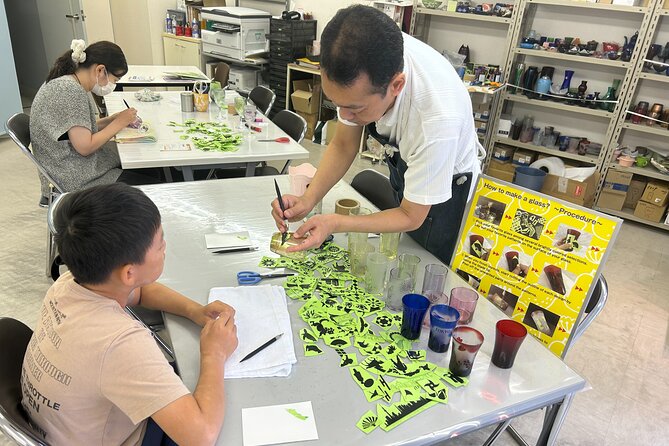
In one of the most enthusiastic accounts of the class, the workshop teacher was named Aki San. The standout theme was patience. That matters more than you might think.
Sandblasting is not complicated, but it does require care. The instructor’s job is to translate technique into something you can do in one session. When the teacher is patient, you feel comfortable asking small questions, like how to adjust your motif size or what to do if you are unsure where your design should go.
This kind of teaching also helps kids and adults work together. When the instructor can explain step by step and keep everyone progressing, the class stops being a “sit and watch” activity and turns into a shared creative moment.
So if you are wondering whether this is beginner-friendly, the evidence is in the teaching approach: clear direction, plus someone who stays calm when you need another look.
Price and value: $53.43 for materials and a true keepsake
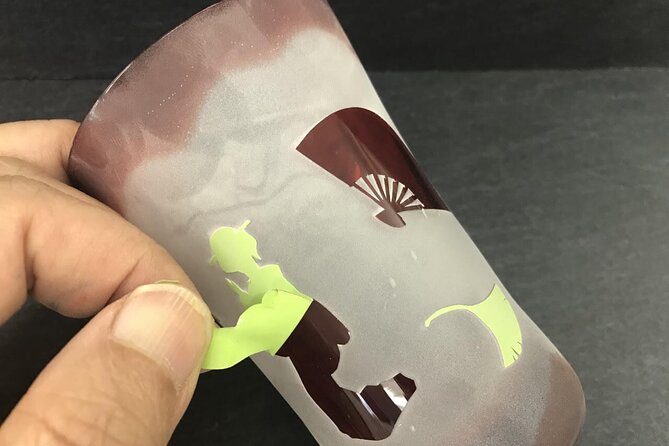
The price is $53.43 per person, and it includes the lesson and material fee, plus consumption tax. That is the part that makes it feel like good value. You are paying for instruction and the tools and materials needed to make the piece, not just entry into a workshop where you bring your own supplies.
If you have ever bought a souvenir in Tokyo that looked great in the shop and then sat in a drawer at home, you know the difference. A sandblasted glass piece is personal. Even if the design is inspired by a reference image, you still make the choices and do the work. That ownership changes how you feel about the object.
Also, the experience lasts about 90 minutes. That time matters. You get enough duration to learn, create, and finish, without it dragging like some longer classes do.
One practical note on timing: this is commonly booked about 88 days in advance on average. That is a signal it can sell out or have limited openings. If you have specific dates, I would book early rather than wait for last-minute plans.
Who this workshop is best for (and who might want something else)
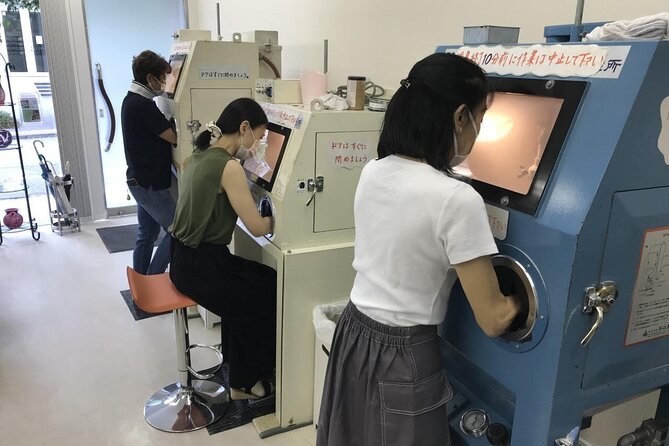
This class is described as suitable for beginners and art lovers. You do not need prior experience. The guidance is step by step, and the workshop provides lots of pictures to help you decide.
It also works for families. The small group and patient pace make it easier for kids to enjoy the process. People specifically talk about kids and adults having fun creating something to bring home, which tells me the experience is not geared only toward adults.
Who might prefer a different option? If you strongly dislike hands-on activities, or you only want to shop and look, you may feel boxed in by the creative process. This is a craft class. You will be using tools and working at your table.
Your Tokyo day plan: how to fit this near Asakusabashi
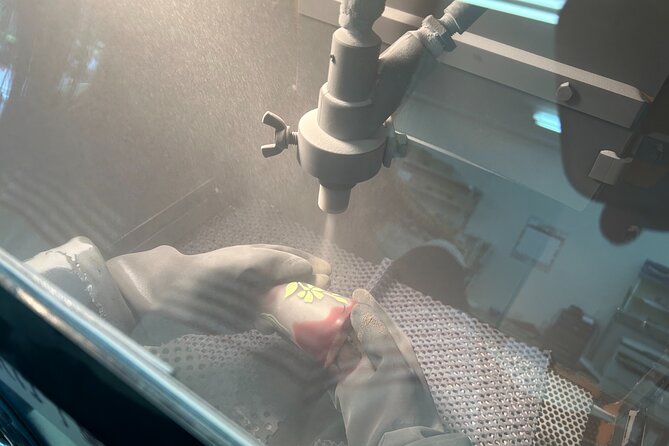
Location is Asakusabashi in Taito City, and it ends back at the meeting point. That means you can plan your day around it without a complex route. It is near public transportation, so you can combine it with other nearby stops.
Because there is no hotel pickup, you’ll want to plan buffer time for getting there. Tokyo transit is efficient, but small delays happen, and you do not want to rush through the start of class.
A practical rhythm that works well:
- Schedule it after you have done a morning walk or museum time, when you are ready for a seated activity.
- Keep your next stop flexible. You might want time afterward to store your glass safely and grab a snack.
Small details that improve the experience
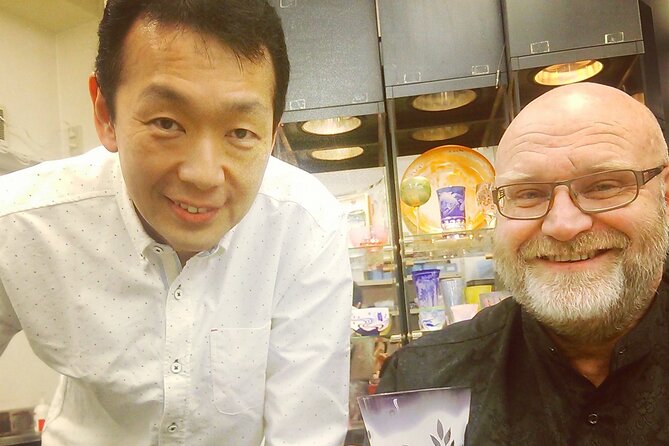
A couple of details show how the workshop runs day to day:
- Personal attention from the workshop owner due to the four-person cap.
- A setup that helps you find your place quickly, including an easel with names for participants.
- Lots of visual ideas to help you design your glass, so you can make decisions without getting stuck.
- A relaxed pace with patient instruction, which people highlight as the key to enjoying it.
One more perk: because it is a mobile ticket, you do not need to worry about printing anything. Just keep your phone ready.
Taking your glass artwork home (the part you’ll actually keep)
Your finished glass artwork is the souvenir. That means you are taking home something created within the class time, guided by an instructor, and shaped by your design choices.
A sandblasted glass item also has a tactile quality. The texture and etched look tend to feel more “real” than painted souvenirs. It is the kind of object you might use, display, or at least keep close.
To protect your new keepsake on the way home, treat it like something breakable, because it is. Bring a careful bag strategy. If your next plans involve crowds or lots of transit switches, consider how you will carry it.
Booking tips: when to reserve and what to ask yourself
Since the average booking window is about 88 days ahead, I recommend reserving early if your trip dates are firm. Popular workshop times tend to fill.
Before you book, ask yourself two questions:
- Do you want a hands-on souvenir creation experience more than another sightseeing activity?
- Are you okay dedicating 90 minutes to making something, not just looking?
If the answer is yes, this is a strong match.
If you are traveling with kids, the four-person limit and step-by-step instruction are a big plus. It feels designed for families rather than for only experienced artists.
FAQ
FAQ
How long is the Japanese glass sandblasting workshop?
It lasts about 1 hour 30 minutes.
What is the group size?
The class has a maximum of 4 travelers, so you get personal attention.
What kinds of designs can I make?
You can decorate glass with Japanese motifs such as Mt. Fuji, kimonos, geisha themes, samurai designs, and more.
Is instruction provided for beginners?
Yes. You get step-by-step instruction from the workshop owner, including the basics of the sandblasting technique.
Are materials included in the price?
Yes. The material fee is included, along with the lesson fee and consumption tax.
What is the meeting point address?
Start at 1-chōme-26-12 Asakusabashi, Taito City, Tokyo 111-0053, Japan.
Is hotel pickup or drop-off included?
No. You’ll need to make your own way to the meeting point.
Will I receive a ticket on my phone?
Yes, you get a mobile ticket.
When will I get confirmation after booking?
Confirmation is received within 48 hours of booking, subject to availability.
What is the cancellation policy?
You can cancel for a full refund if you cancel at least 24 hours before the experience start time. If you cancel within 24 hours, the amount paid is not refunded.
Should you book this sandblasting workshop in Tokyo?
Book it if you want a Japan-themed souvenir that comes from your own hands, not a quick purchase. The small group size, the patient step-by-step instruction, and the ability to choose motifs like Mt. Fuji and kimono patterns make it feel personal and manageable.
Skip it if you are only looking for sightseeing with minimal effort. This class asks you to participate. It is not a long day trip, but it is a real craft session.
If you can spare 90 minutes and you like the idea of taking home a handmade glass keepsake, this is a smart, good-value choice in Tokyo.
Made by Hand, and Yours to Keep



Newest Tokyo write-ups from the Loving Japan desk






Japanese Craft and Calligraphy Workshops, side by side.
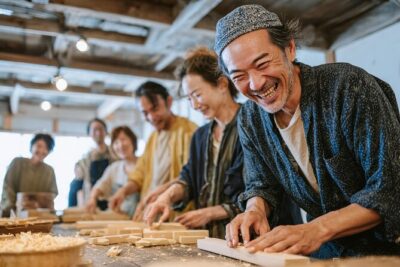 ★ 5.0Tokyo Shinjuku Chopsticks Making ClassFrom $201,763 reviews
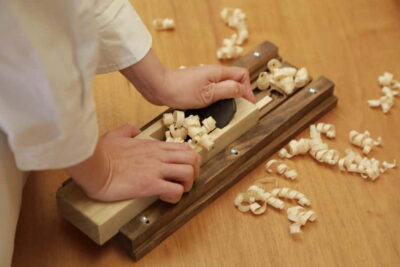 ★ 4.8Chopstick Making Workshop in GinzaFrom $251,366 reviews
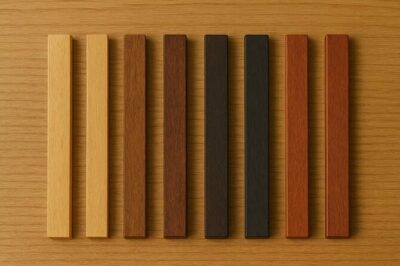 ★ 5.0Chopsticks Making Workshop in Gion with Engraving OptionFrom $15958 reviews
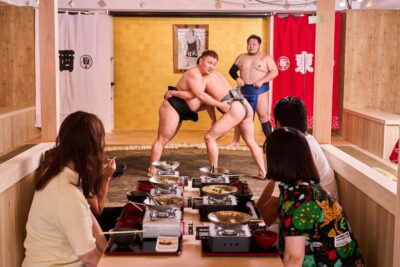 ★ 4.8Tokyo Sumo Experience: Chanko & Mochi with a Former ProFrom $103567 reviews
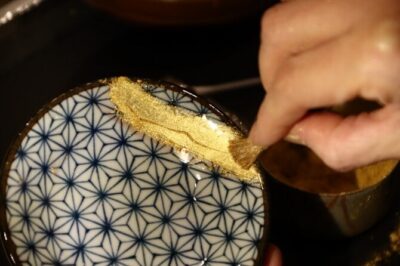 ★ 5.0Kintsugi Experience: Art of Golden Joinery in TokyoFrom $59467 reviews
 ★ 5.0Tokyo Chopstick Making Workshop with ArtisanFrom $26466 reviews
 ★ 4.9Matcha Making Experience with Mochi Sweets in AsakusaFrom $22388 reviews
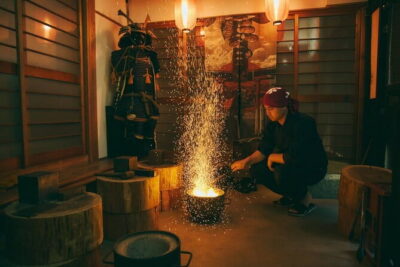 ★ 4.8Authentic knife making experience at a blacksmith in KyotoFrom $154350 reviews
Filed on these lists too