
REVIEW · HIROSHIMA AND MIYAJIMA DAY TRIPS
Hiroshima: Peace Cycling Tour with Local Guide
Two wheels make Hiroshima hit harder. This Hiroshima Peace Cycling Tour uses an easy electric bicycle to connect the big monuments with the lived reality around them. I love how the local guide stories make the events feel close to home, and how you see Hiroshima beyond the Peace Memorial Park core.
You start at the Peace Memorial Park area, learn what was destroyed within about a 2.5 km radius of the hypocenter, then roll toward other A-bomb-linked landmarks and suburban townscapes. I especially like the chance to hear local perspectives about the Peace Park and its message, plus the practical rhythm of cycling that keeps you moving without feeling rushed.
The one drawback to plan for is that this is not a light sightseeing ride. Expect an emotional, reflective tour, and you do need to be comfortable on a bike for 2 to 3 hours, since it’s a small shared group with other people’s paces to consider.
Key things you’ll notice on this bike tour
- Electric bike comfort that makes a Peace-focused route feel doable for most people
- Local guide storytelling, often with family connections shared in English
- A-bomb-linked stops beyond the Peace Park, including suburbs with real town life
- Atomic Bomb Dome area timing, paired with a broader look at what came next
- A-Bombed Streetcars as a standout stop on the shorter course
- Small group size (up to 10) that helps questions and conversation
In This Review
- What You Are Really Buying: Context, Not Just Stops
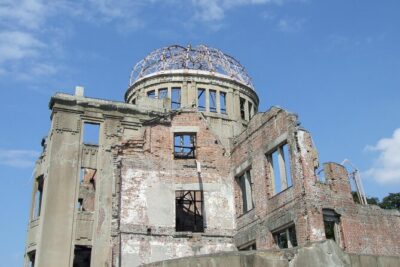
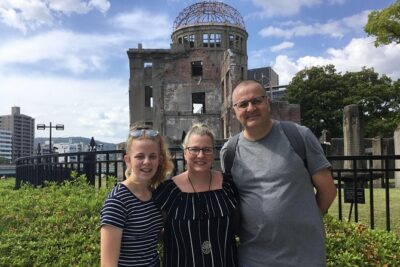
- Entering the Peace Park Area, With the Atomic Bomb Dome in View
- Why the 2.5 km Radius Lesson Changes How You See the City
- Going Beyond the Tourist Core: Suburbs and A-bomb Heritage Sites
- The A-Bombed Streetcars Stop That People Keep Remembering
- The 3 Hour Route: Hiroshima Castle to the Bridges and River Stops
- Hiroshima Castle and Gokoku Shrine Gate as a Cultural Anchor
- Hiroshima Central Park to the Bridge Crossings
- Atomic Bomb Dome Area: The Photo Spot With Meaning
- Hospitals, Rail, and Riverfront Stops That Feel Grounded
- Peace Boulevard as a Closing Thread
- How the Electric Bikes Change the Experience
- Who This Tour Fits Best, and Who Might Feel Mismatched
- Price and Value: What $52 Buys You Here
- Practical Tips So You Enjoy the Ride
- Should You Book This Hiroshima Peace Cycling Tour?
What You Are Really Buying: Context, Not Just Stops
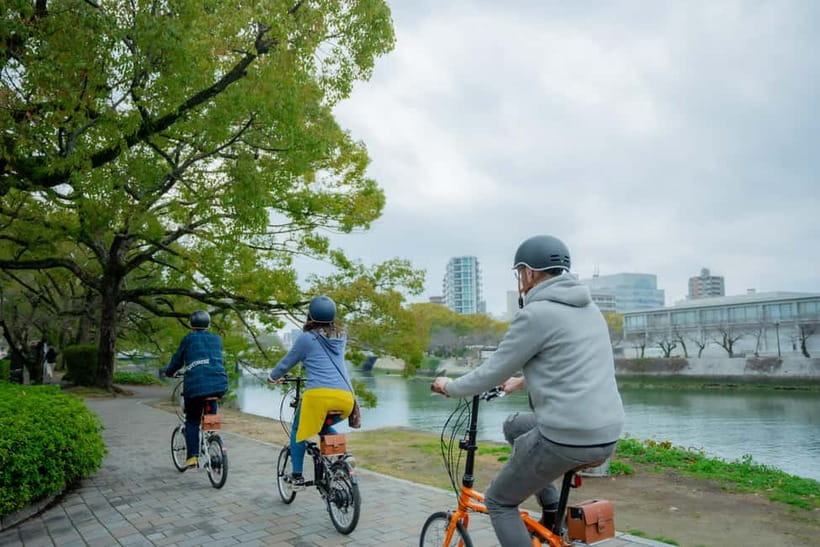
This tour sells something deeper than checkmarks on a map. You’re paying about $52 per person for a guide-led way to understand how Hiroshima thinks about the bombing and the Peace Park mission today, not just what happened in 1945. The bike matters here. Cycling turns the city into a “you are inside it” experience, so you can see how the landscape changed and how neighborhoods feel now.
Another big value is the human scale of the stories. Guides like Shin, Kana, Moe, Tomas, Mai, Bella, and Hugo show up in the reviews with strong English and personal connection, often described as family memory passed down. That kind of perspective is hard to get from guidebooks, and it’s one reason so many people rate this tour so highly.
One more practical plus: insurance for bicycle accidents is included, and you’re given the rental bicycle. So you’re not just renting a bike, you’re buying a guided, managed experience.
Pairing the city with Miyajima. Other itineraries
- Hiroshima: Hiroshima and Miyajima UNESCO Sites 1-Day Tour
★ 4.9 · 2,330 reviews - Hiroshima / Miyajima Full-day Private Tour with Government Licensed Guide
★ 5.0 · 1,298 reviews - Hiroshima Historical Walking Tour – Why A-Bomb was Dropped
★ 4.8 · 893 reviews - Hiroshima Peace (Heiwa) Walking Tour at World Heritage Sites
★ 5.0 · 872 reviews
Entering the Peace Park Area, With the Atomic Bomb Dome in View
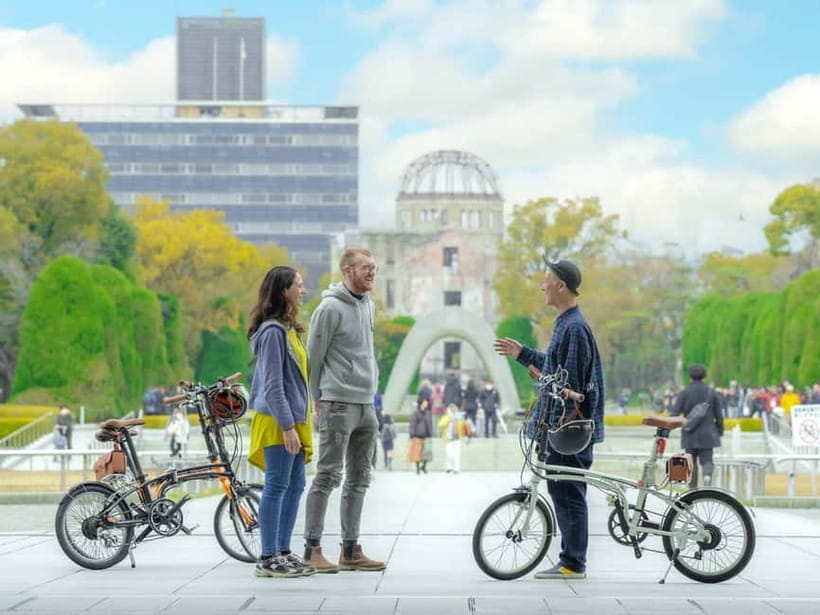
Meeting happens at the Rest House of Hiroshima Peace Park. From Hiroshima Station, you take the Hiroshima Electric Railway about 20 minutes to Atomic Bomb Dome Station, then walk about 5 minutes to the start. That matters because it gets you into the right zone quickly, with less time spent figuring out transit before the tour’s emotional center.
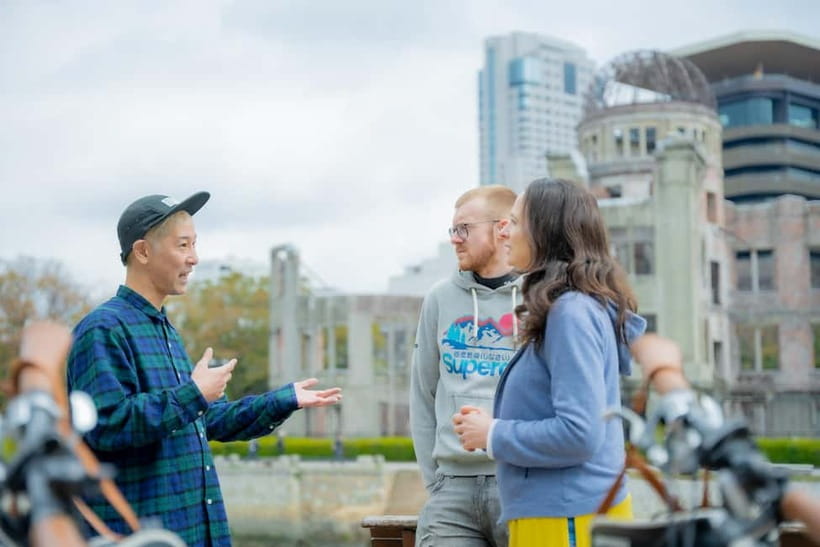
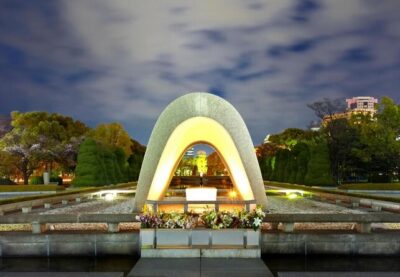
From there, you focus first on the Peace Memorial Park and the monuments around it. This is where the tour grounds the rest of the ride in the core facts and imagery. You’ll learn about the memories contained in the monuments and the Atomic Bomb Dome, and you’ll also hear how locals talk about what happened about 70 years ago.
Two things I like about starting here:
- It sets the “why” before the “where,” so the later neighborhoods and bridges make sense.
- The Peace Park area is intense, but it’s also the easiest place to take a slow mental breath before you move.
If you’re someone who prefers lots of quiet time in one place, you may find this opening stage more discussion-based than stillness-based. But the tradeoff is that you’ll leave with a fuller picture than just standing and staring.
Why the 2.5 km Radius Lesson Changes How You See the City
You’re taught that the area within a 2.5 km radius from the hypocenter was severely damaged. That single detail is a huge lens for the whole tour.
Once you understand that kind of distance, the city stops feeling like separate “attractions” and starts feeling like one affected landscape that rippled outward. As you ride, you can connect what you see now with what those areas went through, then notice how Hiroshima rebuilt itself into a greener, more livable place.
This is where cycling helps. On foot, you can only cover so much. By bike, you can see more of the edges where the story continues, and you can compare the feeling of different blocks while it’s still fresh in your mind.
Going Beyond the Tourist Core: Suburbs and A-bomb Heritage Sites
One of the smartest parts of this tour is that you do not stay fenced inside the busiest heritage cluster. Instead, you ride into Hiroshima’s surrounding areas, where you can get that “real city” sense beyond the most photographed spots.
The tour is designed around A-bomb heritage sites, plus the episodes locals keep passing down. That approach helps you understand how the bombing shaped community identity, not just how it changed buildings.
You also get something practical here: your guide helps interpret the townscape while you’re moving through it. That can mean pointing out how places relate to the bombing era and what to pay attention to as you ride.
In the reviews, guides often stand out for balancing facts and emotion. People repeatedly mention that the tour feels reflective, but never chaotic, and that questions are welcome at stops. If you’re traveling with kids or teens, the electric bike and the managed pace can turn a difficult subject into something your whole family can handle.
Cover Hiroshima on two wheels instead
- Hiroshima 2hr Peace Cycling Tour with Local Guide★ 5.0 · 321 reviews
- Hiroshima 3hr Peace Cycling Tour with Local Guide★ 5.0 · 131 reviews
- Hiroshima: Best of Hiroshima Guided Bike Tour★ 4.9 · 89 reviews
The A-Bombed Streetcars Stop That People Keep Remembering
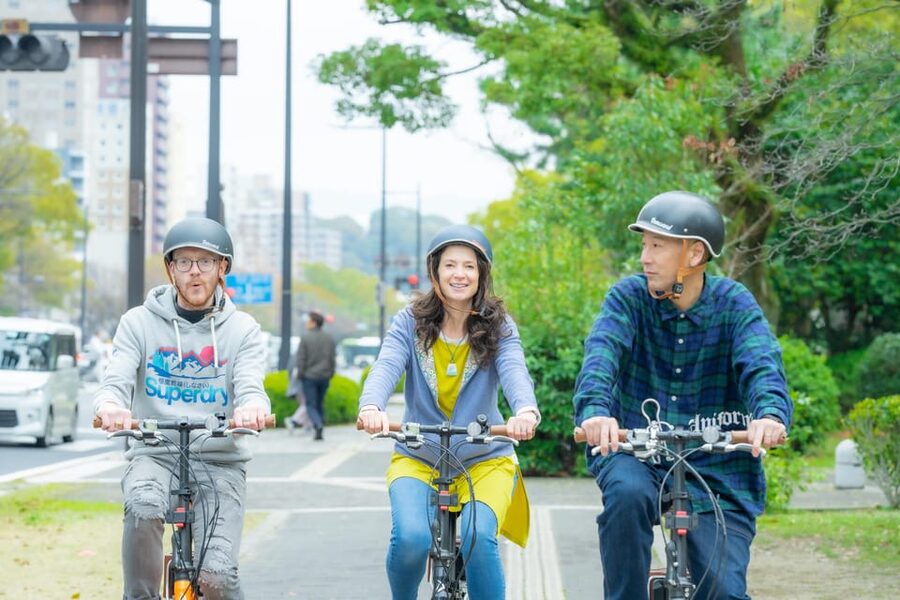
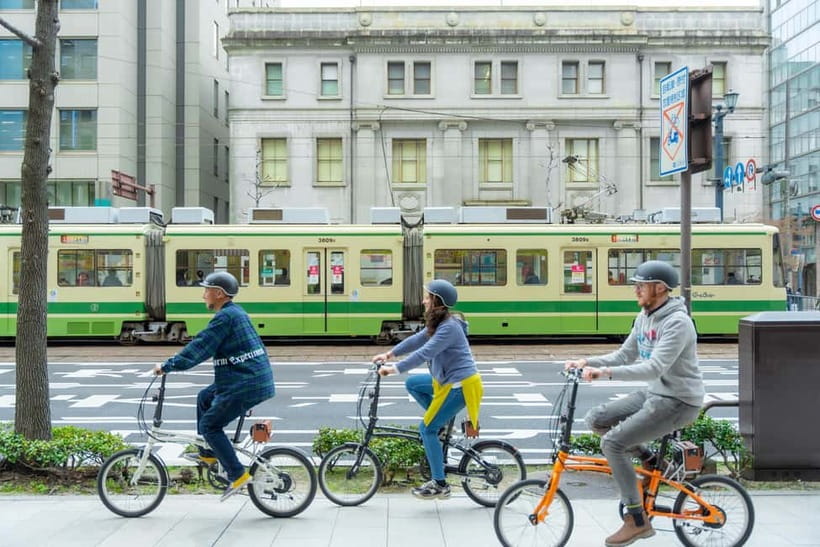
On the 2 hour course, one of the special moments is the visit to A-bomb heritage connected to the surviving tram, often called the A-Bombed Streetcars. The tour includes a point about there still being a train running today that survived the atomic bombing.
That’s a powerful stop for a simple reason: it’s not only a memorial object. It’s part of daily life. You can feel the contrast between the past and the present in the most literal way possible, because you’re standing in a city where movement has continued for decades.
If you’re choosing between course lengths and you care about something less monument-focused and more “living survival,” the shorter course has a memorable edge.
The 3 Hour Route: Hiroshima Castle to the Bridges and River Stops
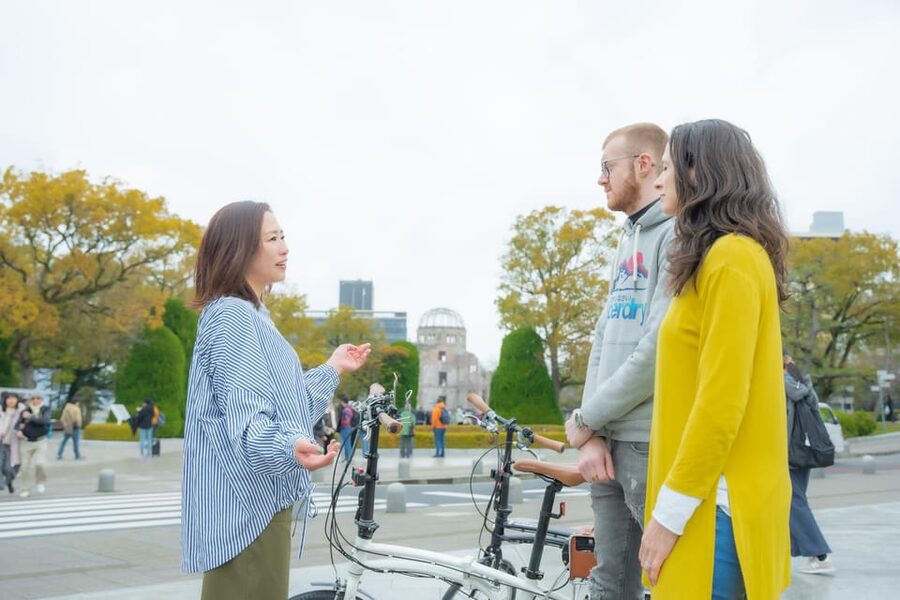
The longer option adds more stops tied to the bombing story and Hiroshima’s recovery. This is great if you want a broader sweep without needing to plan your own day from scratch.
Here’s how the stops tend to work in real life, and what each one gives you:
Hiroshima Castle and Gokoku Shrine Gate as a Cultural Anchor
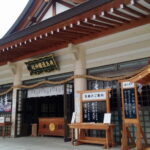
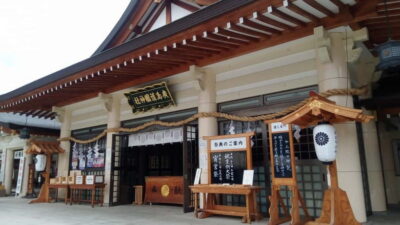
You begin with Hiroshima Castle, followed by Hiroshima Gokoku Shrine and the shrine gate. These aren’t just scenic pauses. They help frame the city as more than a memorial zone. You get a sense of local heritage and place, then the tour can contrast that with the trauma that hit the area.
A practical note: if you’re sensitive to emotional content, having these cultural anchors early can make the rest of the ride easier to process.
Hiroshima Central Park to the Bridge Crossings
Next comes Hiroshima Central Park, then the tour moves toward Aioi Bridge. From there, you encounter stops tied to the Motoyasu River and Peace Bridge.
Bridges are a smart part of the route because they connect sides of the city and naturally cue big stories. Even when you’re not reading every plaque, your guide can help you understand what these locations meant in the past and why the symbolism continues in modern Hiroshima.
Atomic Bomb Dome Area: The Photo Spot With Meaning
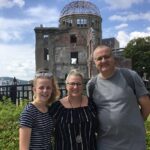
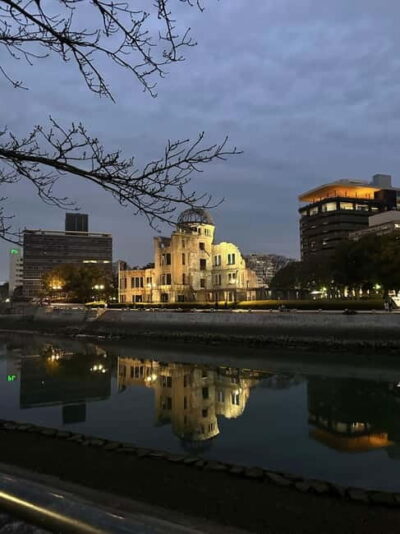
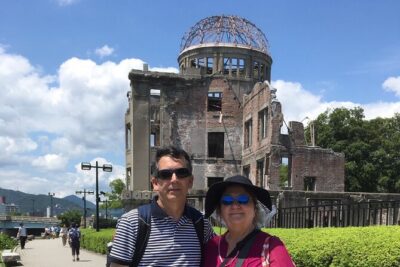
Atomic Bomb Dome is included on the 3 hour course, too. If you’ve seen the dome in photos before, the real value is having context while you’re there. The guide work ties the visual landmark to what happened and why the memorial was built.
Also, you’re not stuck doing a long self-guided photo sprint. The bike timing keeps you moving, and you still get a chance to ask questions.
Hospitals, Rail, and Riverfront Stops That Feel Grounded
The route continues with Hiroshima Red Cross Hospital, Hiroshima Railway, Miyuki Bridge and Kobayashi River, and then a stop at the Surviving Weeping Willow Tree.
These are the kinds of locations that make the story feel concrete. Rather than only monumental structures, you’re also looking at places tied to care, movement, and community continuity. That helps you understand that the bombing hit the systems of daily life, not only the skyline.
Peace Boulevard as a Closing Thread
Finally, Peace Boulevard rounds out the ride on the longer course. This ending can feel like the tour’s theme becomes clearer: the city’s current identity and the Peace message are not separate from daily life. They’re woven into how people move through the city now.
How the Electric Bikes Change the Experience
The tour is built around comfortable electric bicycles. That’s not a small detail. It changes who can participate without turning the experience into a fitness challenge.
Many reviews emphasize that the bikes are easy to ride. Guides also adjust the pace if the group includes people who are not accustomed to cycling, especially when children are involved. If you’re a nervous rider, still plan to wear comfortable shoes and keep your attention on intersections and crossings.
The electric assist matters most in a tour like this, because you want your brain on the story, not on the workout.
Who This Tour Fits Best, and Who Might Feel Mismatched
This tour is a great fit if you want:
- A focused, guided way to understand the bombing and Hiroshima’s recovery
- An English-speaking local guide who can translate local perspective into clear context
- More than just the Peace Memorial Park highlights, including suburban townscapes and A-bomb linked sites
It’s less of a match if you:
- Want a long, quiet self-paced visit where you linger for as long as you want at one monument
- Are not comfortable riding a bike for 2 to 3 hours
- Are under 145 cm, because the adult electric bike requires a height of 145 cm or more
For families, children are accommodated through child bike options, and the tour can be adjusted for pacing when cycling comfort is different across the group.
Price and Value: What $52 Buys You Here
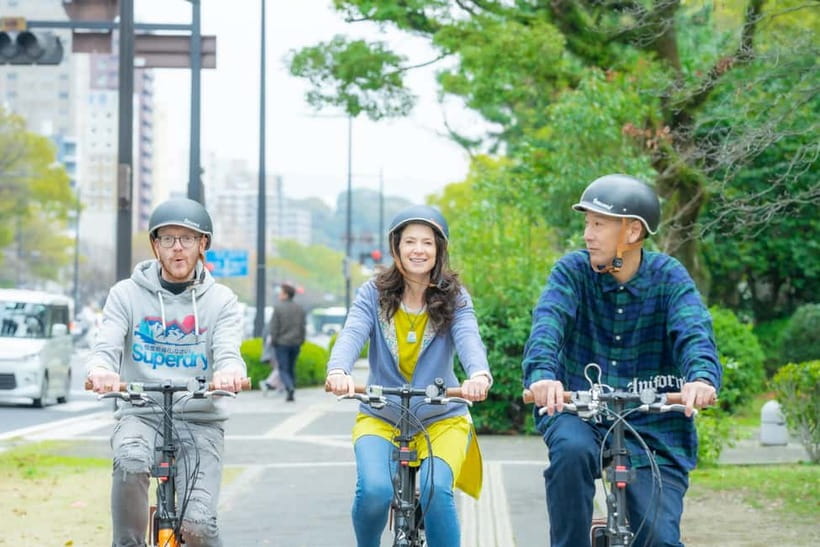
At $52 per person for a 2 to 3 hour guided experience, the value is in three parts.
First, you’re getting a rental electric bicycle plus insurance for bicycle accidents. That reduces the hassle and risk factors that often come with “just rent a bike and go.”
Second, you’re paying for interpretation. The emotional weight of Hiroshima is real, and facts alone do not always land the same way. A local guide like Shin, Kana, Moe, Tomas, Mai, Bella, or Hugo can connect the places to the way Hiroshima people carry the memory.
Third, you’re buying efficiency. You cover multiple sites tied to the bombing story without needing to map transit and route design yourself. That matters if you only have a day or a half-day in Hiroshima.
Practical Tips So You Enjoy the Ride
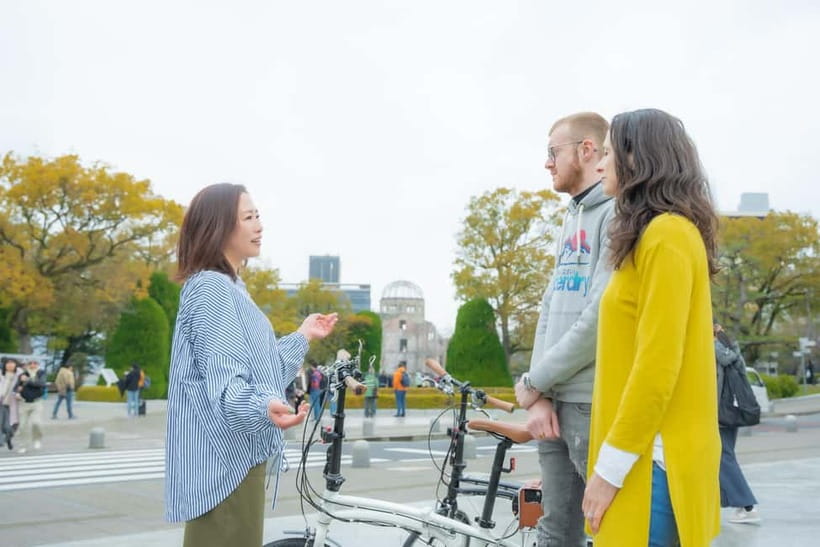
This tour asks for a few basics. You should bring comfortable shoes, a towel, and drinks, plus comfortable clothes. High-heeled shoes are not allowed.
Also, plan your expectations for weather. The reviews show people getting attention to comfort, including cooling items carried by some guides. You can’t assume that for every guide every day, but you can trust that the tour is run with comfort in mind, since the pacing includes shared-group adjustments.
If you like having travel photos, there’s another small perk: you’re given data of the photos taken on the day.
Should You Book This Hiroshima Peace Cycling Tour?
Yes, if you want a guided, electric-bike way to understand Hiroshima’s atomic bombing story with local perspective, and you’re comfortable cycling for a short, managed tour window. The strongest reason to book is the combination of A-bomb-linked stops plus a local guide who can explain why the Peace message matters to today’s people.
Skip it only if you’re mainly after a long solo visit to the Peace Memorial Park area, or you feel unsure about cycling for 2 to 3 hours. In that case, you might prefer a slower, self-paced plan.
If you do book, choose the 2 hour course for the leanest route with the A-Bombed Streetcars highlight, or choose the 3 hour course if you want more sites tied to the bombing era and Hiroshima’s recovery through bridges, riverfront places, and additional landmarks.
Bicycles and E-Bikes We Have Ridden
Hiroshima and Miyajima Together
Newest Hiroshima write-ups from the Loving Japan desk
Hiroshima and Miyajima Day Trips, side by side.
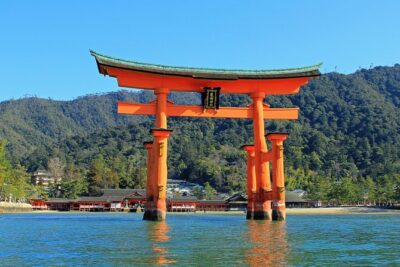 ★ 5.0Peaceful Hiroshima & Miyajima UNESCO 1 Day Bus TourFrom $1295,309 reviews
 ★ 4.9Hiroshima and Miyajima UNESCO Sites 1-Day TourFrom $1222,330 reviews
 ★ 5.0Hiroshima / Miyajima Full-day Private Tour with Government Licensed GuideFrom $2021,298 reviews
 ★ 4.7Osaka/Kyoto: Hiroshima Miyajima Bus Tour & Shinkansen TicketFrom $277919 reviews
 ★ 4.8Hiroshima Historical Walking Tour – Why A-Bomb was DroppedFrom $35893 reviews
 ★ 5.0Hiroshima Peace (Heiwa) Walking Tour at World Heritage SitesFrom $94872 reviews
 ★ 5.0Hiroshima in a Nutshell: Morning Bike AdventureFrom $72524 reviews
 ★ 5.0Hiroshima City 4hr Private Walking Tour with Licensed GuideFrom $122437 reviews
Filed on these lists too