
REVIEW · SAMURAI, NINJA AND SWORD EXPERIENCES
Honor – Experience Samurai & traditional Culture to the fullest
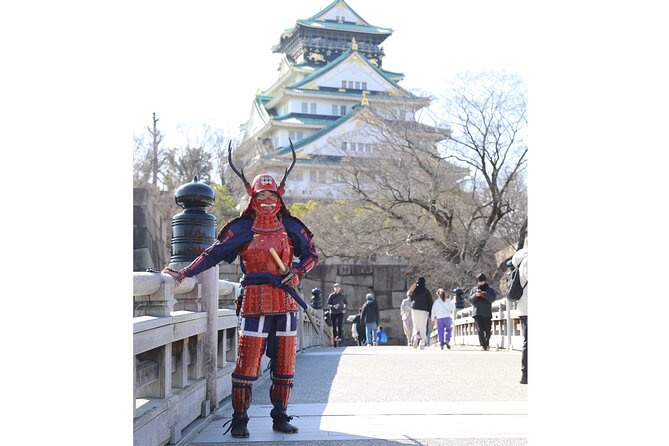
Wear armor, then practice real sword moves. I love that you are fitted with well-made samurai armor and you walk the Osaka Castle grounds, and I love the guided calligraphy session that results in a takeaway you can keep. It mixes culture plus hands-on martial arts, not just a staged photoshoot.
Before you book, the main thing to consider is your body and your schedule. This experience is not recommended for back problems or heart conditions, and the day involves sweating in hakama and armor while you practice sword moves. Also, if you are more than 30 minutes late, entry may be refused, so plan a buffer and use the restroom before dressing.
In This Review
- Key Samurai Honor Moments That Make This Tour Worth It
- Why This SamuraiHonor Experience Feels Different From a Photo Shoot
- The 3-Hour Flow Near Osaka Castle, Stop by Stop
- Stop 1, Osaka Castle Park: getting in character
- Stop 2, Osaka Castle grounds: armor walk and photo time
- Fitting the Armor and Hakama: what to wear and expect
- Calligraphy With a Samurai Mindset, including a character practice
- Tea Ceremony Etiquette: matcha, wagashi, and the pause in the schedule
- Iaido Lesson and Sword Trial Cutting: safety, instruction, and the real feel
- Battle of Osaka Role-Play: armor, character, and castle-ground photos
- Professional Photos and Optional Video Upgrade: what you get
- Price and Value: is 181.19 USD per person worth it
- The Staff Dynamic That People Love, including named instructors
- Who This SamuraiHonor Experience Fits Best
- Should You Book This Tour Near Osaka Castle?
- FAQ
- What is the duration of the SamuraiHonor experience?
- What is included in the price?
- Is it a private experience?
- What language is available?
- Can I take photos with my smartphone?
- Is the experience safe for everyone?
Key Samurai Honor Moments That Make This Tour Worth It
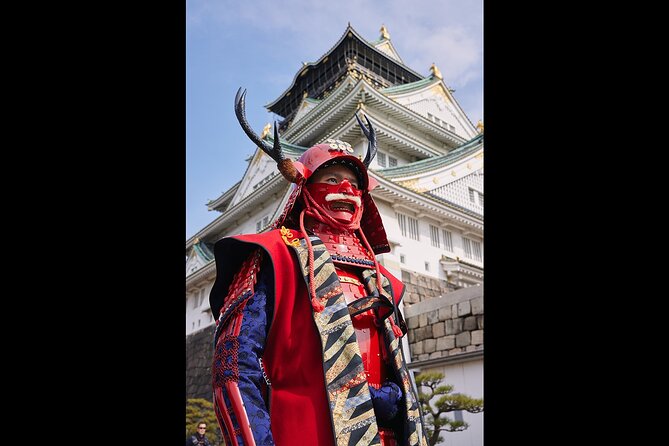
- Replica armor you actually wear, including hakama, with assistance from staff
- A calligraphy lesson with a large brush and a character tied to samurai mindset
- Tea ceremony etiquette, matcha and wagashi included for a proper pause in the middle
- Iaido instruction plus a sword trial, taught by an instructor with 10 years of swordsmanship experience
- Professional photo coverage plus downloadable photo data sent to your email
Blade work and stagecraft, other sessions
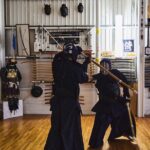
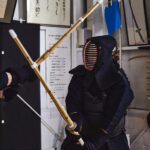
- Samurai Training Experience KENDO in Osaka
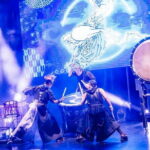
★ 5.0 · 515 reviews - OSAKA NIGHT FUSION Japanese Taiko Kabuki Samurai Dance Show
★ 4.8 · 155 reviews - Osaka: Samurai Training Experience KENDO in Osaka
★ 5.0 · 111 reviews - Osaka: A Modern Samurai, Kabuki, Taiko, & Dance Show
★ 4.5 · 66 reviews
Why This SamuraiHonor Experience Feels Different From a Photo Shoot
Most “samurai experiences” are basically a costume with a camera. Here, the costume is only the start. You spend real time learning the cultural basics that go with the image, from posture and brush control in calligraphy to the quiet etiquette of a tea ceremony. Then you move into the martial side with an Iaido-style lesson and a sword trial cutting exercise.
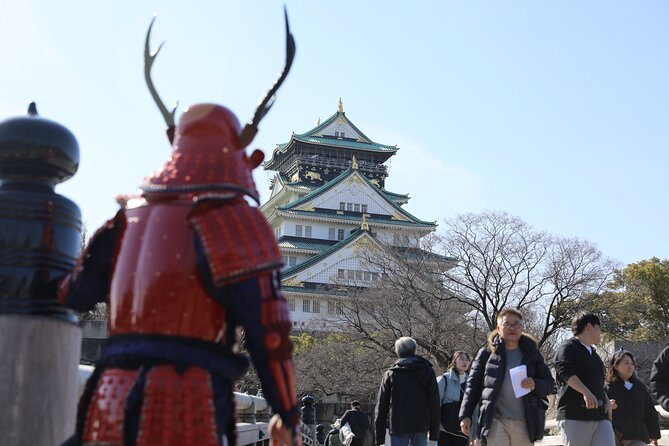
The other reason it works is the setting. You do not just pose in a studio. You get to put on your armor and head out near Osaka Castle for guided photo moments. That is where the experience turns from themed entertainment into something you can feel in your body, like learning to operate within a different mindset, even for a short 3-hour window.
The 3-Hour Flow Near Osaka Castle, Stop by Stop
This runs about 3 hours, and it has a clear rhythm: mind first, manners second, then martial arts, then battle role-play and photos.
Stop 1, Osaka Castle Park: getting in character
You start in the area around Osaka Castle Park. Before any sword work, you ease into the “bushido starts with dressing” idea. Staff help you with your clothing and posture, so you are not stuck fighting fabric and straps while everyone else waits.
You will also get the pacing right from the beginning. The workshop style matters because it keeps the day from turning into a rushed checklist. Even if you are solo, the structure supports that small-class feel.
- Osaka Go Karting Tour with Funny Costume★ 5.0 · 2,658 reviews
- Osaka Castle: Museum and Tower Entry Ticket★ 4.5 · 2,380 reviews
- Osaka: Shinsekai Food Tour with 13-15 Dishes at 5 Eateries★ 4.8 · 2,204 reviews
- Osaka Food Tour: 13 Dishes at 5 Local Eateries★ 5.0 · 2,149 reviews
- Hungry Osaka Street Food Tour:15 Tastings & 3 Drinks with a Local★ 5.0 · 1,727 reviews
Stop 2, Osaka Castle grounds: armor walk and photo time
Once you are in armor, you get to walk and be photographed with Osaka Castle in the background. This is not framed as a quick costume change and run. You get multiple photo moments tied to what you are learning, including your samurai battle character scenes.
One practical note: smartphone photography is allowed, but you cannot take selfies or photograph other guests. Also, they ask you not to use fixed tripods or record videos during the session, since that can disrupt others.
Fitting the Armor and Hakama: what to wear and expect
You are not expected to dress yourself. Assistants help you put on hakama and armor, which is a huge comfort if you have never worn traditional clothing before.
This is also where you should read the fine print for your own comfort:
- Not recommended for people with back problems or heart conditions
- You will sweat easily while wearing hakama and armor and practicing swordsmanship
- Armor sizing depends on height and weight, with typical suitability up to 185 cm and 100 kg, but you may not wear your preferred set
- Stroller access is not available
- Pets are not suitable
So what should you do? Arrive in comfortable clothes that are easy to remove and re-dress over. If you can, wear something breathable and avoid anything restrictive. And yes, use the restroom before dressing, because once you are in armor, stops are less convenient.
Calligraphy With a Samurai Mindset, including a character practice
If you want one part of this experience that most people remember, it is the calligraphy. The lesson is not random. It connects brush technique with the samurai way of thinking.
You practice how to hold the brush and use the tools properly, then you write in a samurai theme connected to the idea of resignation. The concept they teach is that resignation can mean stepping away from this world, a goodbye as someone prepares to die. That may sound heavy, but the point in class is about focus, form, and control, not dramatic role-play.
A couple useful details from the guided experience:
- You handle brushes and tools under instruction, so you are learning the mechanics, not just copying a model
- Many people end up writing a kanji of their choice and, in family situations, sometimes even writing names for kids
- The lesson is set up so you end with something big enough to take home, not a tiny sample
In one of the most detailed accounts, the calligraphy instructor is Sakuma San. That matters because the staff feedback is consistently about patience and guidance, especially when people are unsure how to hold a brush. If you are the kind of traveler who likes doing one “serious” craft well, this is a standout.
Tea Ceremony Etiquette: matcha, wagashi, and the pause in the schedule
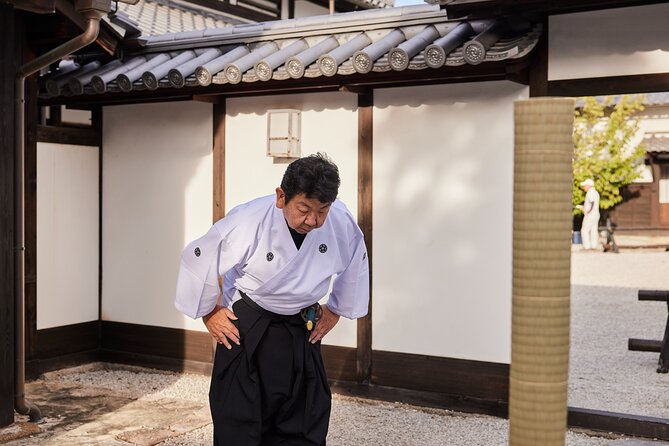
Right in the middle, you slow down for a tea ceremony. This is not just tasting matcha. You learn etiquette, manners, beautiful gestures, and the spirit of hospitality, guided by a tea master who prepares and serves powdered green tea to the guests.
What I like about this stop is the pacing. After armor and craft work, the tea ceremony gives you a reset that feels cultural, not like a break you have to rush through. Matcha and wagashi (Japanese sweets) are included, so you are not doing the usual expense add-on mid-experience.
If you are traveling with someone who does not care about swords, tea ceremony and calligraphy still give them meaningful participation. You both get to do something, sit, watch, ask questions, and then keep moving.
Iaido Lesson and Sword Trial Cutting: safety, instruction, and the real feel
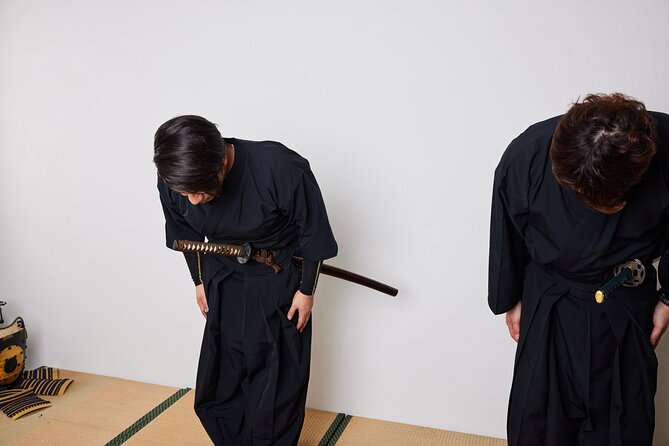
The martial arts portion is what many people book for, and it is also where the tour is careful about basics.
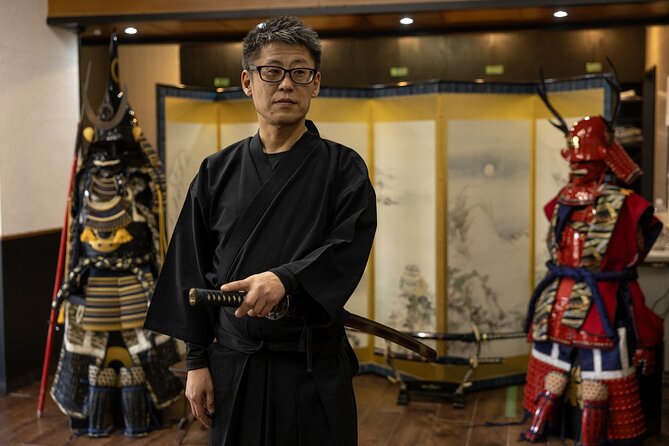
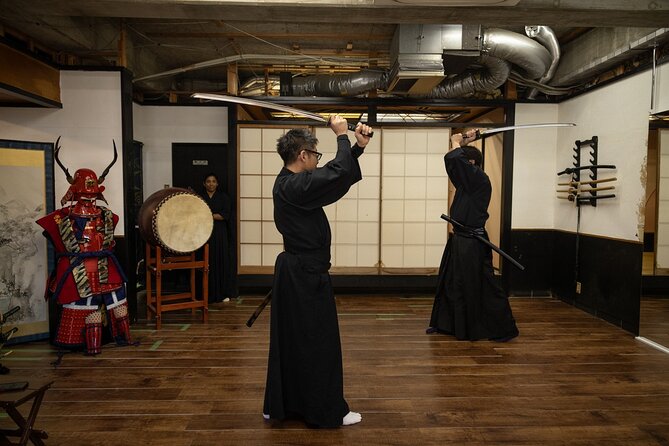
You get a lesson in Iaido from an Iaido master. Before you start cutting, an instructor with 10 years of swordsmanship experience handles the Japanese sword and provides instruction. That is important because it signals you are not just picking up a prop.
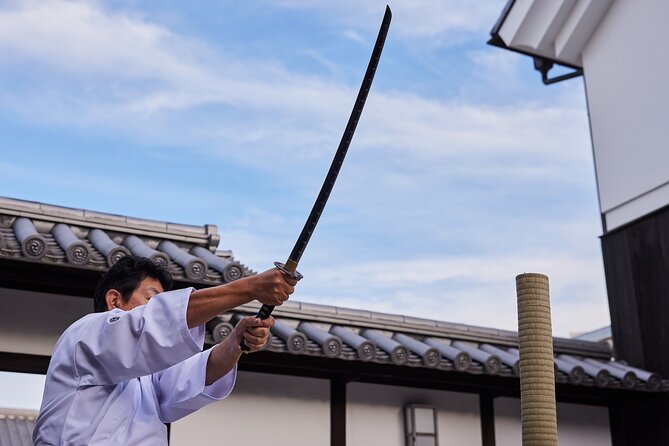
They include a sword trial cutting portion, designed with time set aside (the cutting practice is listed as about 30 minutes). You should expect a guided introduction to safe handling and movement before you attempt the cutting. In practice, people describe cutting a target and also mention bamboo cutting, so the exercise is likely designed to be controlled and repeatable for participants.
Practical considerations:
- Drawing swords is dangerous, so you should not do it without permission
- There are rules around filming and tripods during the session, which helps keep the area clear and safer for everyone
- If you have any mobility limits, this is not the experience to force. The physical portion happens while you are dressed in layers and moving in a formal way
If you like hands-on activities, this part delivers because you are doing something physical while also learning the meaning behind the discipline.
Battle of Osaka Role-Play: armor, character, and castle-ground photos
After the sword work, you shift into a role-play moment tied to history. The workshop stages an armor session connected to the Battle of Osaka in April 1615. You play a soldier on the Toyotomi side, then you are photographed on the grounds of Osaka Castle as part of that battle scene.
Think of this as theater with a cultural foundation. You are not just pretending to be a warrior for laughs. The tour treats it like a continuation of the earlier lessons: posture matters, controlled movement matters, and what you do with your body changes how you feel.
One small drawback here is also part of the realism: the photos happen while you are in costume and likely after a more active segment. If you are sensitive to heat or physical discomfort, plan to go slow with your breathing during photo breaks.
Professional Photos and Optional Video Upgrade: what you get
One reason this tour earns top marks is photography. You get professional photo prints and photo data, sent to a designated email address. There is also an optional video upgrade if you want that extra media.
From reviews, the photos are often described as plentiful and genuinely high quality, which is the big difference between cheap costume packages and something you can treat like a once-a-trip memory.
Personal shooting with a smartphone is allowed as long as you follow the rules: no selfies, no filming other guests, and avoid tripods or video recording that would disrupt.
Price and Value: is 181.19 USD per person worth it
At about $181.19 per person for roughly 3 hours, this is not a budget add-on. But it is also not overpriced for what is included.
Here is what you are actually paying for:
- A full traditional outfit experience with samurai armor plus hakama, fitted with staff help
- Real instruction: calligraphy with a large brush, tea ceremony guidance, and Iaido-style sword instruction
- A structured sword trial portion with guided safety and movement
- Snacks included: matcha and wagashi
- Photography handled professionally, including prints and digital photo files sent to your email
Because so many components are “taught and guided,” the value holds better than a simple dress-up session. The pro photo deliverables also matter. If you want good photos without fighting with other people to capture your moment, this is built for that.
Where the cost can feel harder to justify is if you only want one thing, like photos or just tea. If that is your goal, you might compare options. But if you want a full cultural and martial combo, this price starts to make sense.
The Staff Dynamic That People Love, including named instructors
A lot of the best feedback centers on how smoothly the workshop runs and how patient the staff are while you learn something unfamiliar.
You may work with translators and instructors who guide the process in English. One translator mentioned by name is Camila San. The sword expert is mentioned as Taguchi San in a detailed account. And the calligraphy instructor Sakuma San is also named.
That matters because these tours live or die by coaching. If you are nervous about calligraphy or unsure about sword movement, having staff who explain step-by-step keeps it fun instead of stressful.
Who This SamuraiHonor Experience Fits Best
This is a great match if you:
- Want a hands-on cultural day, not just sightseeing
- Like making things, like calligraphy you take home
- Are curious about Iaido and sword discipline but want a safe, guided trial first
- Care about professional-quality photos as part of the memory
It is not a great match if you:
- Have back problems or heart conditions
- Have trouble with physical activity while wearing layered clothing
- Need stroller access
- Need to travel with pets
Should You Book This Tour Near Osaka Castle?
If you want one memorable, structured activity that connects samurai armor, calligraphy, tea etiquette, and a sword trial in a single half-day block, I think this is a strong book.
The best reason to choose it is balance. You get craft and calm (calligraphy and tea), then you get controlled action (Iaido and cutting), then you get photos in a real location (Osaka Castle grounds). If you handle heat well and can arrive on time, you will likely come away with both stories and keepsakes.
FAQ
What is the duration of the SamuraiHonor experience?
It runs about 3 hours.
What is included in the price?
Samurai outfit (armor and hakama), photography data sent to your email address, and traditional snacks (matcha and wagashi) are included. Taxes and gratuities are also included.
Is it a private experience?
Yes. It is listed as a private tour or activity, with only your group participating.
What language is available?
The default language is English. Other languages can sometimes be requested, but you have to inquire because limited staff availability may prevent accommodations.
Can I take photos with my smartphone?
Yes, personal photography with smartphones is permitted, as long as you do not take selfies or photograph other guests. Avoid fixed tripods or recording videos that could disturb others.
Is the experience safe for everyone?
It is not recommended for people with back problems or heart conditions. The tour requires you to sign a liability waiver, and drawing swords is dangerous, so you should only do so with permission.
Blade Work and Stagecraft

Newest Osaka write-ups from the Loving Japan desk
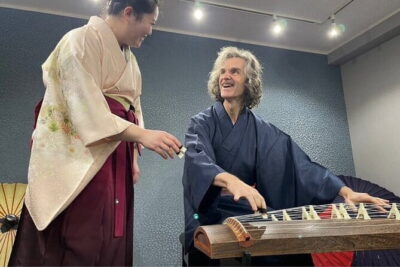
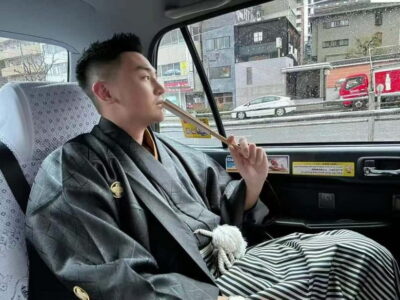

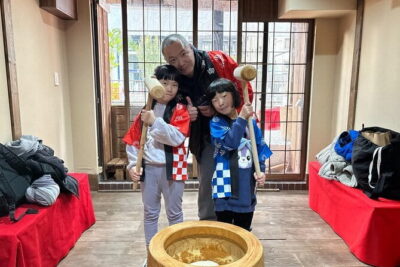
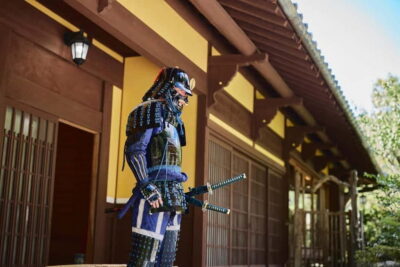
Samurai, Ninja and Sword Experiences, side by side.
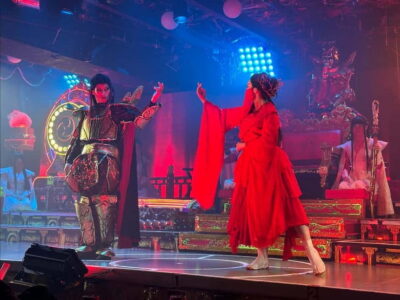 ★ 4.5Samurai Restaurant Show Ticket with 2 DrinksFrom $551,307 reviews
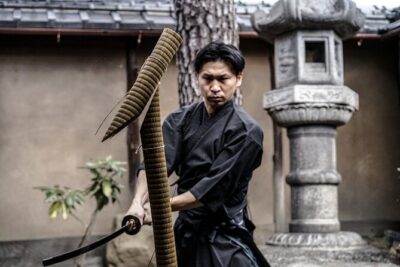 ★ 5.0Kyoto Samurai ExperienceFrom $1191,294 reviews
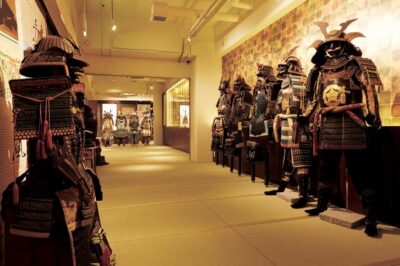 ★ 4.6Samurai Ninja Museum Guided tour and ExperienceFrom $271,010 reviews
 ★ 4.9Kendo and Samurai Experience with Uniform and GearFrom $103815 reviews
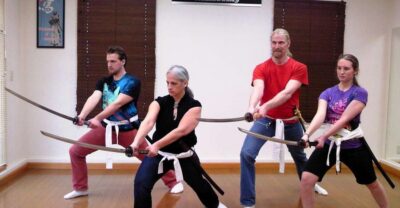 ★ 4.9Samurai Sword Class by Experts in Traditional ArtsFrom $64657 reviews
 ★ 4.5Skip the lines Basic Ticket at SAMURAI NINJA MUSEUM KYOTOFrom $28632 reviews
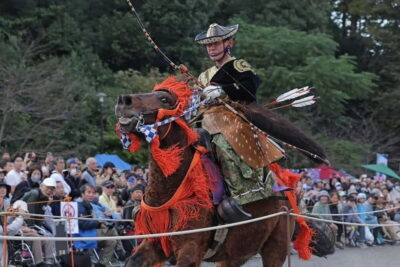 ★ 5.0Samurai Sword & Archery Class from Samurai DescendantFrom $193603 reviews
 ★ 5.0Samurai Training Experience KENDO in OsakaFrom $131515 reviews
Filed on these lists too