
REVIEW · JAPANESE CRAFT AND CALLIGRAPHY WORKSHOPS
IKEBANA experience
Ikebana turns Tokyo stress into quiet craft. This private class with Hiromi’s IKEBANA takes you into a real Japanese-house studio in Meguro, and the teaching is handled in English from the start. One thing to keep in mind, the experience is weather dependent, so you may need a backup plan if conditions are poor.
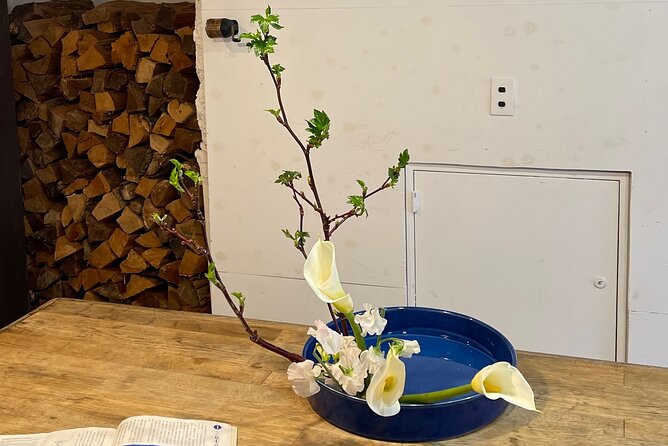
I love the way the lesson is structured: the instructor makes a sample while following the textbook, then you copy the process with step-by-step guidance and corrections. You also get a photo at the end, which sounds small until you realize you’ll want something to remember your first arrangement.
The class runs about 1 hour 30 minutes, and it’s designed for beginners. If you have time after the lesson, you’ll be offered Japanese sweets and matcha, and if you’re interested, you can also learn basic tea ceremony steps.
In This Review
- Key highlights you’ll notice right away
- Getting Oriented in Meguro: Meet at Toritsu-daigaku Station
- A Private Lesson in Hiromi’s Japanese Home Studio
- How the Class Teaches Ikebana, Step by Step
- The Matcha and Wagashi Break After Your Arrangement
- Price and Value: Is $115.31 Worth It?
- Who This Ikebana Class Fits Best (and Who Might Hesitate)
- What to Do Before You Go (So You Get More Out of It)
- Should You Book Hiromi’s IKEBANA?
- FAQ
- How long is the ikebana experience?
- What language is the class taught in?
- Is this a private class?
- Where do I meet for the class?
- Is matcha and dessert included?
- What if the weather is bad?
Key highlights you’ll notice right away
- A private home setting in Meguro gives you that lived-in Tokyo feeling, not a studio that could be anywhere.
- English instruction with gentle corrections helps you keep up even if you’ve never touched ikebana before.
- Learn the basics through a textbook sample, then build your own arrangement.
- Photo at the end so you leave with a clear record of what you made.
- Matcha and wagashi (Japanese sweets) are part of the experience if timing allows.
- Optional basic tea ceremony is available if it’s on your interest list.
Make something to take home. Other workshops
- Tokyo Shinjuku Chopsticks Making Class
★ 5.0 · 1,763 reviews - Chopstick Making Workshop in Ginza
★ 4.8 · 1,366 reviews - Tokyo Sumo Experience: Chanko & Mochi with a Former Pro
★ 4.8 · 567 reviews - Kintsugi Experience: Art of Golden Joinery in Tokyo
★ 5.0 · 467 reviews
Getting Oriented in Meguro: Meet at Toritsu-daigaku Station
This experience starts near Toritsu-daigaku Station, in Meguro City, Tokyo. That matters because it keeps your day simple. You’re not planning a complicated route across multiple neighborhoods just to find the class, and you can line up lunch or sightseeing before or after without stress.
Tokyo station names can feel like a maze. Here, you have a clear target: Toritsu-daigaku Station, then the session ends back at the meeting point. In practice, that means you can treat the class as its own neat block of time.
One extra touch: in at least one class story, Hiromi guided guests from the station and even carried an umbrella in strong sun. You should not rely on that happening for every departure, but it signals how attentive the host is about making the walk comfortable. If you’re visiting in the hottest or wettest season, bring a compact umbrella anyway.
A Private Lesson in Hiromi’s Japanese Home Studio
This is a private tour/activity, meaning only your group participates. For something hands-on like ikebana, that’s a big deal. You get more direct attention, and you can ask questions without the rhythm being interrupted every few minutes.
The setting is also part of the value. The class happens in Japanese-style rooms in the host’s home, so you’re not just learning about tradition. You’re experiencing the calm architecture and atmosphere that makes the art feel different from a typical craft class.
From the descriptions, you should expect a traditional, quieter environment with space to focus. Several guests highlighted the “relaxed” feeling and the welcome into a beautiful studio space. That’s exactly what you want if you’re looking for a break from the speed and noise of sightseeing.
Also, it’s not only flowers. The instructor includes history and context, so you’re learning what you’re doing and why it matters. That’s one of the reasons this class lands well for couples, solo travelers, and even multi-generation groups.
How the Class Teaches Ikebana, Step by Step
The format is beginner friendly, but not watered down. First, Hiromi makes a sample arrangement while looking at the textbook. This is smart because you can see the logic of the steps instead of copying movements blindly.
Then you create your own ikebana. The instructor comments during the process and revises your arrangement as needed. That “hands-on coaching” is where you get real improvement fast, even if you’re starting from zero.
Pay attention to the way ikebana is described: it focuses on the beauty of lines and the relationship of flowers and water. You typically won’t use a huge quantity of flowers, so the class doesn’t drag. Instead of fighting with a big pile of materials, you learn how a small number of elements can create shape and meaning.
Also, many people find it helpful that the session includes clear flower cutting guidance. When you know how to cut properly and how to place stems with intention, the whole arrangement clicks.
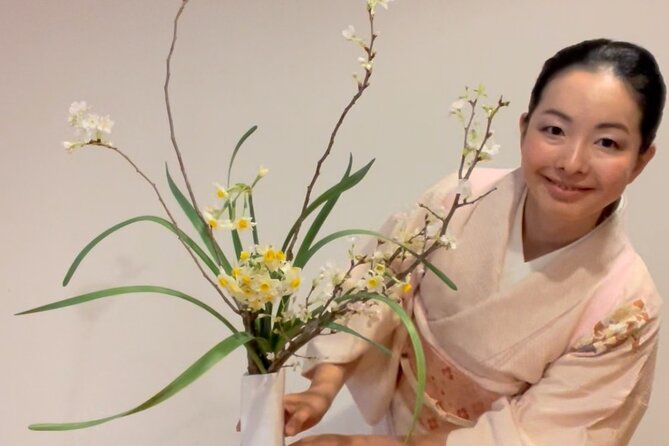
You’ll leave with your own creation and a photo. That photo is genuinely useful. Later, when you try to repeat the lesson at home, it becomes a reference point, not just a memory.
- Mt Fuji and Hakone 1-Day Bus Tour Return by Bullet Train★ 5.0 · 26,383 reviews
- 1-Day Tokyo Bus Tour★ 5.0 · 14,250 reviews
- Tokyo: teamLab Planets TOKYO Digital Art Museum Entry Ticket★ 4.6 · 9,779 reviews
- Mt Fuji & Hakone Cruise, Drum Show Bullet Train 1 Day from Tokyo★ 4.0 · 7,413 reviews
- Tokyo: Shinjuku Food Tour (13 Dishes at 4 Local Eateries)★ 5.0 · 6,603 reviews
The Matcha and Wagashi Break After Your Arrangement
The class is about ikebana, but the end of the lesson has a soft landing built in. If there’s time after you finish, the host prepares Japanese sweets and matcha.
This part matters more than it sounds. Matcha and wagashi are not random treats. They fit the theme of small, intentional experiences, where you slow down long enough to appreciate the work you just did. In multiple accounts, guests described finishing the class feeling relaxed.
The tea connection can go even further. If you’re interested in tea ceremony, the instructor can also teach basic tea ceremony steps. Even if you don’t plan to master it, learning a few fundamentals gives you context for what you’ll see at tea experiences later in your trip.
If you’re the type who plans everything tightly, note this: sweets and matcha are offered “if you have time after the lesson.” So build a bit of breathing room in your schedule. If you have a train to catch immediately afterward, consider keeping a buffer.
Price and Value: Is $115.31 Worth It?
At $115.31 per person, this isn’t a budget activity. But it also isn’t overpriced in the way some niche workshops can be.
Here’s what you’re really paying for:
- Private instruction for your group, not a crowded class where you wait your turn.
- A home-studio setting, including Japanese-style rooms, which makes the experience feel authentic rather than generic.
- A structured method that takes you from sample to your own arrangement with corrections.
- A photo at the end, plus the option of matcha and Japanese sweets if timing allows.
- The added cultural layer of history and conversation, including chances to ask about Tokyo or Japan.
You’re also told the experience is commonly booked about 28 days in advance on average. That’s a hint the dates fill up. If you’re traveling soon, don’t assume you can wait until the last minute.
If you compare this to DIY ikebana attempts, you’re not just buying flowers. You’re buying coaching and context. Without instruction, it’s easy to end up with something that looks messy but isn’t rooted in the basic principles. With this class, you learn the principles during the same session you’re building.
The other practical value is the mobile ticket. You can keep everything on your phone and reduce the paperwork load when you’re hopping around Tokyo.
Who This Ikebana Class Fits Best (and Who Might Hesitate)
This is a great fit if you:
- Want a calmer, more personal Tokyo activity.
- Are a beginner and want clear guidance without intimidation.
- Like cultural experiences that include history, not just the final product.
- Travel with a partner, friends, or even multiple generations who want something creative.
It also works well if your English is comfortable enough for conversation. Instruction is carefully and gently taught in English, and guests specifically highlighted Hiromi’s strong English ability and patience.
You might hesitate if:
- You hate hands-on activities. This class is about making.
- You’re aiming for a very fast, high-energy sightseeing day. Plan it as a relaxed block of time.
- You’re traveling during a period where weather changes are frequent and you cannot move dates at all. The experience requires good weather, so flexibility helps.
What to Do Before You Go (So You Get More Out of It)
You don’t need special preparation to enjoy the lesson. Still, you can set yourself up for success.
First, keep your expectations aligned with a beginner-friendly flow. You’ll make an arrangement, and you’ll get guidance. That’s the whole point, even if your first try is not something you’d frame and sell.
Second, come ready to ask questions. The host encourages questions about what you want to know about Tokyo or Japan. If you’re curious about etiquette, seasons, flower types, or everyday life, this is a good place to ask, because the class format makes it feel natural.
Third, think about your schedule. Since there may be sweets, matcha, and possibly basic tea ceremony instruction if time allows, leaving a little buffer after the 1 hour 30 minute lesson is the smartest move.
Finally, consider that you may want to continue practicing at home. In one class experience, guests noted they could purchase supplies so they could keep making ikebana after returning. Even if you don’t buy anything, ask about what to look for, so you can continue practicing without guessing.
Should You Book Hiromi’s IKEBANA?
If you want an authentic, low-stress cultural experience in Tokyo, I think this class is worth booking. It combines three things that rarely line up perfectly: an English-friendly lesson, a real Japanese home setting, and a structured path to your own finished arrangement. The matcha and sweets (when timing allows) add that extra soft landing that makes the experience feel complete.
Book it especially if you:
- Want something different from temples and big museums.
- Prefer small, personal activities where questions are welcome.
- Like creating something tangible, not just taking photos.
The only real “wait and see” factor is weather. If you’re flexible, this is exactly the kind of experience that turns into a highlight. If you absolutely cannot shift dates, pick a window with some slack, or be ready to reschedule.
Overall, this is the kind of class that leaves you with more than a souvenir. You leave knowing how to think about ikebana, how to place stems with intention, and how to slow down long enough to appreciate what you made.
FAQ
How long is the ikebana experience?
The class runs for about 1 hour 30 minutes.
What language is the class taught in?
The instructor teaches in English, and the lesson is described as careful and gentle.
Is this a private class?
Yes. It’s listed as a private tour/activity, so only your group will participate.
Where do I meet for the class?
You meet at Toritsu-daigaku Station, near 1-chōme-5-1 Nakane, Meguro City, Tokyo 152-0031, Japan. The activity ends back at the meeting point.
Is matcha and dessert included?
If there is time after the lesson, Japanese sweets and matcha are prepared. Tea ceremony basics may also be taught if you’re interested.
What if the weather is bad?
The experience requires good weather. If it’s canceled due to poor weather, you’ll be offered a different date or a full refund. You can cancel for a full refund up to 24 hours in advance.
Made by Hand, and Yours to Keep


Newest Tokyo write-ups from the Loving Japan desk


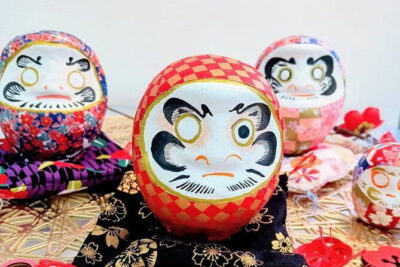

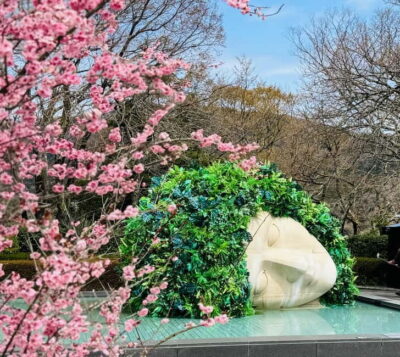
Japanese Craft and Calligraphy Workshops, side by side.
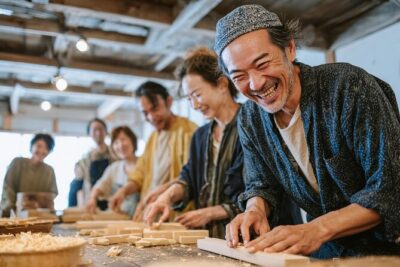 ★ 5.0Tokyo Shinjuku Chopsticks Making ClassFrom $201,763 reviews
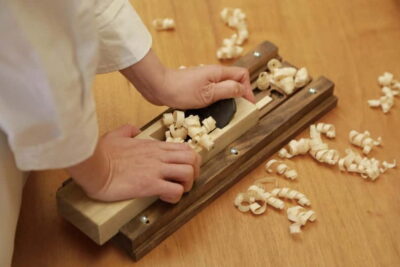 ★ 4.8Chopstick Making Workshop in GinzaFrom $251,366 reviews
 ★ 5.0Chopsticks Making Workshop in Gion with Engraving OptionFrom $15958 reviews
 ★ 4.8Tokyo Sumo Experience: Chanko & Mochi with a Former ProFrom $103567 reviews
 ★ 5.0Kintsugi Experience: Art of Golden Joinery in TokyoFrom $59467 reviews
 ★ 5.0Tokyo Chopstick Making Workshop with ArtisanFrom $26466 reviews
 ★ 4.9Matcha Making Experience with Mochi Sweets in AsakusaFrom $22388 reviews
 ★ 4.8Authentic knife making experience at a blacksmith in KyotoFrom $154350 reviews
Filed on these lists too