
REVIEW · JAPANESE CRAFT AND CALLIGRAPHY WORKSHOPS
Japanese flower arranging (Ikebana) Experience/Workshop in Tokyo
Tokyo gets loud fast, but flowers help. In this ikebana workshop, you trade the city buzz for a hands-on, mindful 90 minutes, plus personalized coaching from your instructor. I love how relaxed the session feels, and how you get real context on why ikebana matters, not just a how-to. One thing to consider: if you want the finished look with the right base, the container and kenzan are available to buy, but they are not included in the price.
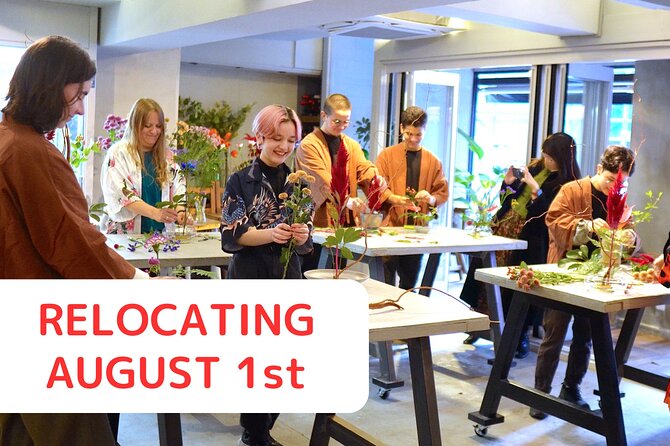
The best part is the attention you get while you work. With a small group (up to 15), I like that the instructor can guide your choices as you go, from flower selection to how you place stems on a base. You also get a more playful approach than the super strict, rule-heavy version people sometimes picture with ikebana.
If you’re hoping for a fully finished, ready-to-display arrangement with no extra purchases, plan ahead. The tools and flowers are included, but the container and kenzan are add-ons if you want them.
In This Review
- Key things that make this ikebana workshop work
- Where Tokyo quiet happens, inside a florist studio
- What you actually do in 90 minutes (and why it feels doable)
- The flowers and tools: everything you need, minus the base you might buy
- How the instruction feels in a small group of up to 15
- The mindful part: a reset you can carry home
- Photos, souvenirs, and keeping the memory real
- Price and value: what you’re paying for at $100
- Who should book this ikebana workshop (and who might want a different fit)
- Should you book this ikebana workshop in Tokyo?
- FAQ
- How long is the ikebana workshop?
- Is the class in a small group?
- What is included in the price?
- What is not included?
- Do I need to bring any materials or tools?
- Where is the meeting point?
- Does the workshop include instruction in English?
- Are kids and families welcome?
- Are pets allowed?
- How flexible is cancellation?
Key things that make this ikebana workshop work
- Small-group instruction that helps you finish your arrangement without feeling rushed
- A history and symbolism primer that makes each flower choice feel meaningful
- All tools and fresh flowers provided, so you can show up and start immediately
- Mindful, calming pace designed as a break from Tokyo chaos
- Shared event photos so you can remember the process, not just the result
- Family-friendly format (kids can join) plus pets welcome
Make something to take home. Other workshops
- Tokyo Shinjuku Chopsticks Making Class
★ 5.0 · 1,763 reviews - Chopstick Making Workshop in Ginza
★ 4.8 · 1,366 reviews - Tokyo Sumo Experience: Chanko & Mochi with a Former Pro
★ 4.8 · 567 reviews - Kintsugi Experience: Art of Golden Joinery in Tokyo
★ 5.0 · 467 reviews
Where Tokyo quiet happens, inside a florist studio
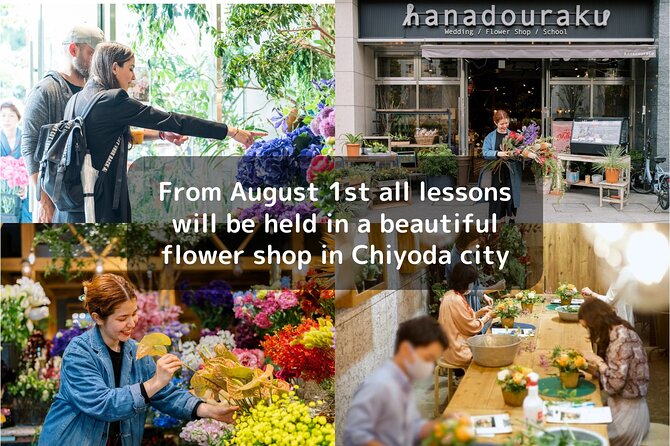
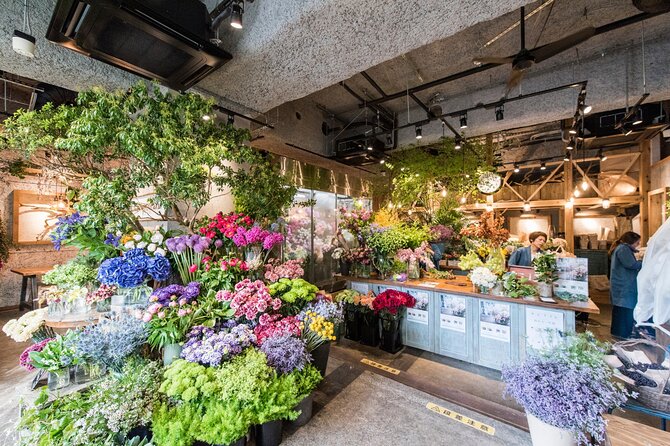
This workshop is set in a Tokyo florist space, which matters more than you might think. You are not doing ikebana in a generic classroom. The vibe is more like stepping into a working flower studio, surrounded by blooms and foliage, which helps your brain switch from transit mode to creation mode.
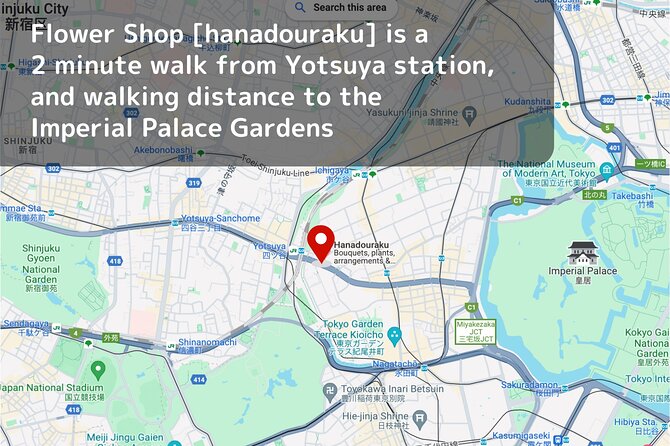
Location is in Tokyo’s Chiyoda area, with the meeting point at Kojimachi (6-chome). It’s also near public transportation, which is ideal when your day is already packed with temples, trains, and quick meals. The session ends back at the meeting point, so you are not stuck trying to figure out a long route after you leave with wet hands and a fresh bouquet.
Duration is about 1 hour 30 minutes. That timing is a big deal in Tokyo. You can fit it between sightseeing stops without turning the rest of your day into a logistics puzzle.
What you actually do in 90 minutes (and why it feels doable)
This is not a marathon class. The format is hands-on from the start, with a simple rhythm: learn a bit, make a choice, adjust your arrangement, repeat.
You start with an introduction to ikebana, including its history and why flowers have been important to humans over time. That background is not just trivia. It gives you a lens for the arrangement you’re making, so it feels more intentional than random stem placement.
Then you shift into the practical part. Expect guidance on building your composition, using the same core tools used in traditional ikebana, but with a more free and playful approach. That is a relief if you have no prior experience. You are not being tested on strict rules. Instead, you’re using ikebana’s philosophy to express something with form and balance.
One helpful detail: you are taught in a way that supports both first-timers and people who like to tinker. Reviews mention that instruction includes tips while you work, and that the guidance is easy to follow in English. If you’ve ever watched a craft class and felt lost after the first step, you’ll probably appreciate how much support you get here.
The flowers and tools: everything you need, minus the base you might buy
You do not have to bring equipment. The workshop includes:
- Ikebana tools
- Flowers used in your arrangement
- The flowers you need to complete your composition during the class
This is the value sweet spot. For $100, you are paying for the instructor’s time, fresh materials, and a structured session where you can finish something you’re proud of.
But there’s a catch worth knowing. The container used for your arrangement is not included in the price, and neither is the kenzan. Both are available for purchase. That means two things for you:
1) You may be able to arrange during class with what’s provided.
2) If you want your finished piece to match a specific look, or you want the proper base for displaying it, you’ll likely want to buy one.
If you’re the type who wants an easy take-home outcome, bring a little extra budget. If you’re okay using the arrangement as a shorter-term keepsake, you might not need the extra purchases as much.
- Mt Fuji and Hakone 1-Day Bus Tour Return by Bullet Train★ 5.0 · 26,383 reviews
- 1-Day Tokyo Bus Tour★ 5.0 · 14,250 reviews
- Tokyo: teamLab Planets TOKYO Digital Art Museum Entry Ticket★ 4.6 · 9,779 reviews
- Mt Fuji & Hakone Cruise, Drum Show Bullet Train 1 Day from Tokyo★ 4.0 · 7,413 reviews
- Tokyo: Shinjuku Food Tour (13 Dishes at 4 Local Eateries)★ 5.0 · 6,603 reviews
How the instruction feels in a small group of up to 15
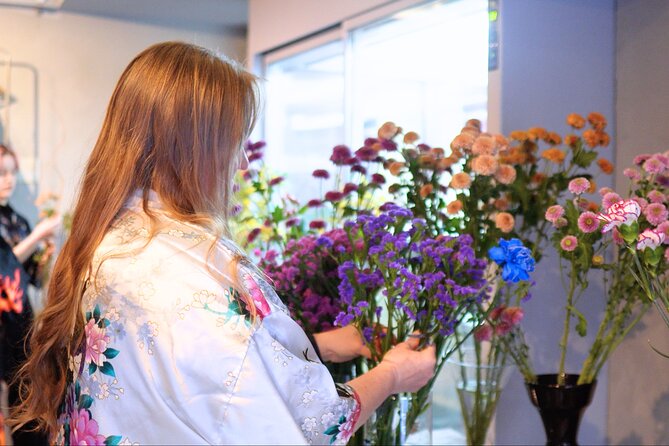
This workshop keeps the group small, with a maximum of 15 travelers. That number changes the experience. In a big class, you get a quick demo, then you figure it out alone. Here, you get closer guidance, and that helps you correct small mistakes before they snowball.
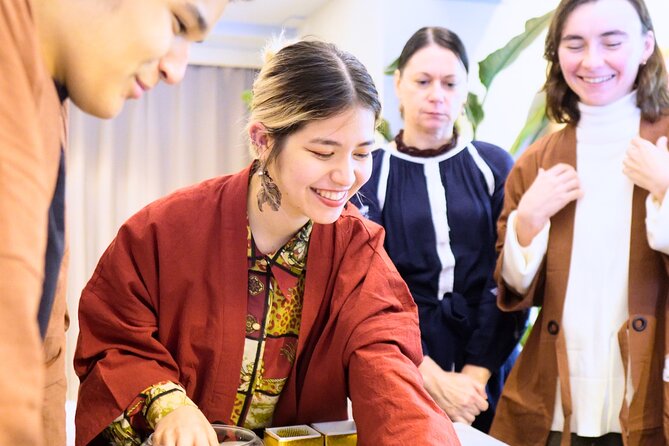
I also like how the teaching is described as personalized. The instructor can respond to how you’re holding stems, how you’re aiming for balance, and how you’re building your composition. Reviews highlight help with flower choice and placement, and many people mention that English instruction is clear.
Instructors associated with this experience include Aki and Ruby. The consistent theme across their style is encouragement. Instead of pushing you into one single way to do ikebana, they guide you to connect with the blooms you’re using and make choices that feel natural.
That mindset matters. Ikebana is not about filling space with flowers. It’s about structure, negative space, and intention. A good instructor helps you notice those things without making it stressful.
The mindful part: a reset you can carry home
Tokyo sightseeing can be constant input. This workshop is designed as a break, and you can feel that in the pace. You wind down through focused work, using your hands while your attention narrows to stems, angles, and texture.
The mindfulness angle is practical, not just poetic. When you’re cutting, placing, and adjusting, you are not scrolling a map every two minutes. You’re present, and the class gives you a task that naturally slows you down.
You also learn why flowers symbolize and matter. Reviews mention learning about flower symbolism, which helps you make choices with more meaning. Even if you treat the session as art class only, that context makes the work stick in your memory.
And yes, it helps mental health in the simple way: it gives you a calm moment you control. You’re not waiting in line. You’re not bargaining. You’re creating.
Photos, souvenirs, and keeping the memory real
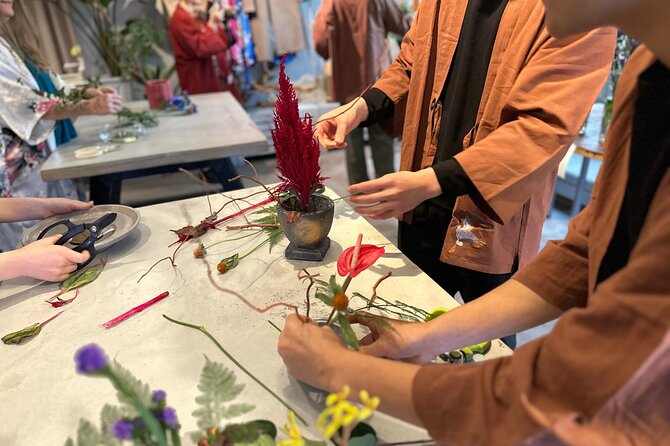
A lot of activities in Tokyo give you photos of the building, or they give you a selfie opportunity. This one includes photos taken during the event, then shared with you after.
That’s useful because ikebana is process-heavy. What you need to remember is not just the final arrangement, it’s the moment you got it right, the way your stems looked before you adjusted them, and the group energy while you worked. Shared photos help you relive that.
Also, you might want to take extra care transporting your arrangement. Some people mentioned buying the vases so they could transport the finished piece safely and enjoy it back at their accommodation. If you plan to do that, consider timing. Try not to schedule a long day immediately after class if you can avoid it.
Price and value: what you’re paying for at $100
$100 for a 90-minute workshop can feel steep until you see what’s included. Here’s what you get that usually costs extra elsewhere:
- Fresh flowers for your arrangement
- Provided ikebana tools
- Time with an instructor guiding you step-by-step
- Photos taken and shared from the event
- A small group setup (max 15)
In other words, you are paying for a complete, guided making session, not just watching a demonstration.
What you might still pay for (depending on your preferences):
- Container used for the arrangement
- Kenzan base
That’s the main “value decision” you’ll face. If you want a true take-home display, set aside some extra yen for the base and container options. If you’re more focused on the experience and learning, you can treat the add-ons as optional.
Either way, the class length is a big part of the value. 1.5 hours is enough to feel productive without eating your whole day.
Who should book this ikebana workshop (and who might want a different fit)
This fits best if you want:
- A calm, hands-on activity in the middle of a busy Tokyo itinerary
- Personalized help, especially if you’re a beginner
- A creative break that includes context on Japanese culture through flowers
- Something you can do with kids or as a family-friendly outing
- A class where pets are welcome, which is rare for arts workshops
It might be less ideal if:
- You only want activities with no potential extra purchases after the workshop
- You want strict, traditional rule training rather than a more free and playful approach
- You’re looking for a long multi-day course (this is short, by design)
Also, if you like the idea of learning through symbolism and structure, the history and flower-meaning parts are more than filler.
Should you book this ikebana workshop in Tokyo?
Yes, if you want a break that actually feels different from sightseeing, this is a strong choice. The small-group format, included tools and flowers, and the coaching you receive are the core reasons it’s worth your time. The shared photos add a nice layer, since you’ll remember the process.
Book it especially if you’re the type who gets stressed by crowded schedules. This class gives you focus, hands-on progress, and a take-home memory.
Just go in with one small plan: if you want your arrangement displayed nicely afterward, expect that you may choose to buy the container and/or kenzan. That little decision is what can turn a good experience into a perfect souvenir.
FAQ
How long is the ikebana workshop?
It runs for about 1 hour 30 minutes.
Is the class in a small group?
Yes. The experience has a maximum of 15 travelers.
What is included in the price?
The price includes use of ikebana tools, the flowers used in your arrangement, and sharing photos taken during the event.
What is not included?
The containers used in the arrangement and the kenzan are not included in the price. They are available for purchase.
Do I need to bring any materials or tools?
No. All tools and necessary equipment are provided.
Where is the meeting point?
The meeting point is in Tokyo, Chiyoda City, Kojimachi 6-chome 46.
Does the workshop include instruction in English?
Yes. Reviews mention English-proficient instruction.
Are kids and families welcome?
Yes. Kids and families are welcome.
Are pets allowed?
Yes. Pets are welcome, and service animals are allowed.
How flexible is cancellation?
Free cancellation is available up to 24 hours in advance for a full refund. If you cancel less than 24 hours before the experience starts, the amount paid is not refunded.
Made by Hand, and Yours to Keep



Newest Tokyo write-ups from the Loving Japan desk


Japanese Craft and Calligraphy Workshops, side by side.
 ★ 5.0Tokyo Shinjuku Chopsticks Making ClassFrom $201,763 reviews
 ★ 4.8Chopstick Making Workshop in GinzaFrom $251,366 reviews
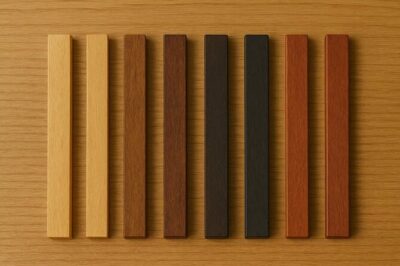 ★ 5.0Chopsticks Making Workshop in Gion with Engraving OptionFrom $15958 reviews
 ★ 4.8Tokyo Sumo Experience: Chanko & Mochi with a Former ProFrom $103567 reviews
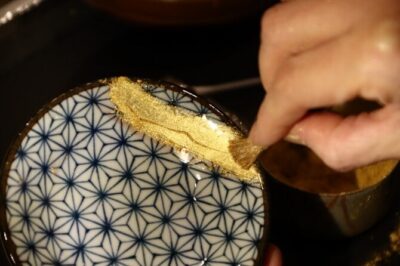 ★ 5.0Kintsugi Experience: Art of Golden Joinery in TokyoFrom $59467 reviews
 ★ 5.0Tokyo Chopstick Making Workshop with ArtisanFrom $26466 reviews
 ★ 4.9Matcha Making Experience with Mochi Sweets in AsakusaFrom $22388 reviews
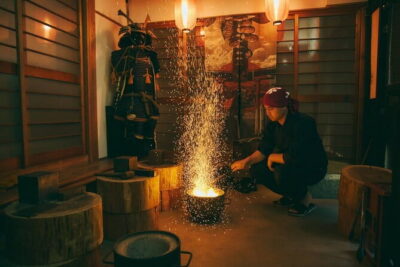 ★ 4.8Authentic knife making experience at a blacksmith in KyotoFrom $154350 reviews
Filed on these lists too