
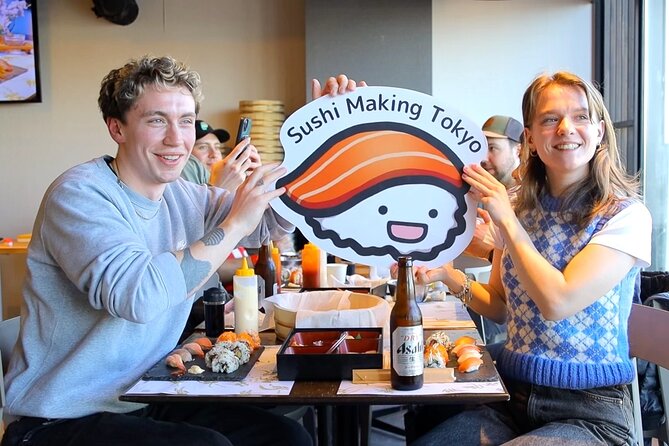
REVIEW · ASAKUSA, SENSO-JI AND TOKYO SKYTREE
Japanese Food Cooking Class in Asakusa, Tokyo
Sushi and matcha, right by Sensoji. I like that you learn two iconic skills in one go, from matcha whisking to making sushi, and I also like the calm, step-by-step pace in a neighborhood that feels properly old-school Tokyo. One possible drawback is that it runs about 3 hours, so you will want to schedule it when you can focus instead of stacking it with tight transfers.
What makes this class practical is the teaching style. You get an English-speaking instructor, the ingredients are included, and you end up with real food you can confidently take in hand and eat. It is also a small group setup, with a maximum of 15 people, which helps when you want someone to check your roll and nori wrap before you go full sushi artist.
In This Review
- Key highlights
- Asakusa is the perfect setting for matcha and sushi
- What you make: matcha first, then sushi roll and nigiri
- How the instructors teach, from patient coaching to English clarity
- The best part: lots of sushi, plus a meal you actually look forward to
- Price and value: $85.87 for a group up to 1, with ingredients included
- Timing and logistics for a smooth 3-hour block
- Who this Japanese cooking class fits best in your Tokyo plan
- Should you book the Asakusa sushi and matcha class?
- FAQ
- Do I need any cooking experience to join this class?
- How long is the Japanese food cooking class in Asakusa?
- Where do I meet the instructor?
- What is included in the price?
- Is hotel pickup and drop-off included?
- Can I cancel and get a full refund?
Key highlights
- Two hands-on skills in one session: whisk matcha, then make sushi roll and nigiri
- English instruction throughout: step-by-step guidance with patient coaching
- Small group size: a max of 15 people means you are not shouting over a crowd
- You eat what you make: ingredients and meal are included in the class
- Asakusa, near Sensoji: a great cultural stop that fits naturally into a sightseeing day
Still on the Sumida side? A few more Asakusa options
- Tokyo: Japanese Dance Cabaret Theater Asakusa-Kaguwa Ticket
★ 4.8 · 2,270 reviews - Tokyo: Meiji Shrine, Asakusa, Skytree Bus Tour and Cruise
★ 4.7 · 1,986 reviews - Tokyo: Roll and Authentic Sushi Making Class in Asakusa
★ 4.9 · 1,957 reviews - Tokyo: Asakusa Walking Tour with Sensoji Temple Visit
★ 4.8 · 1,583 reviews
Asakusa is the perfect setting for matcha and sushi
Asakusa is one of those Tokyo areas where old meets everyday, and that matters for this class. The meeting point puts you close to the famous Sensoji Temple, so you can treat the cooking lesson like a natural next step in your day instead of a separate chore.
The address is 2-chōme-17-9 Kaminarimon, Taito City, Tokyo 111-0034. The class runs without hotel pickup, so you will get there on your own, using public transportation and walking the last bit. If you like easy logistics while you travel, this setup is a win.
What you make: matcha first, then sushi roll and nigiri
This is a 2-part cooking class: matcha for about 1 hour, then sushi for about 1 hour 40 minutes. That rhythm helps, because you start with something lighter and more focused, then shift into the hands-on work of sushi rolling and shaping.
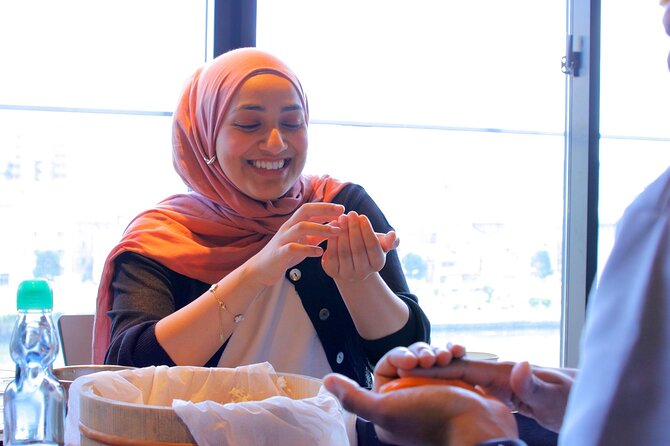
During the matcha portion, you learn the traditional way to whisk Japanese matcha. Even if you have only had matcha as a drink before, this part teaches the difference between just mixing something and doing it with the right technique and intention.
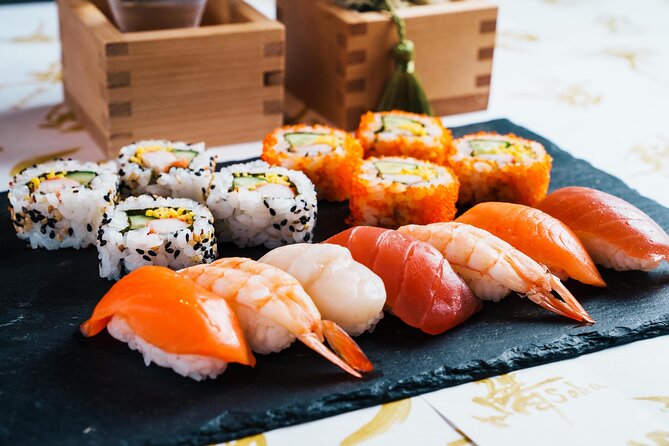
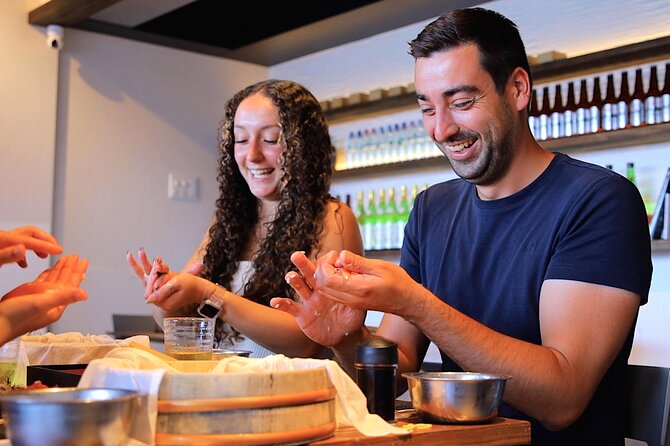
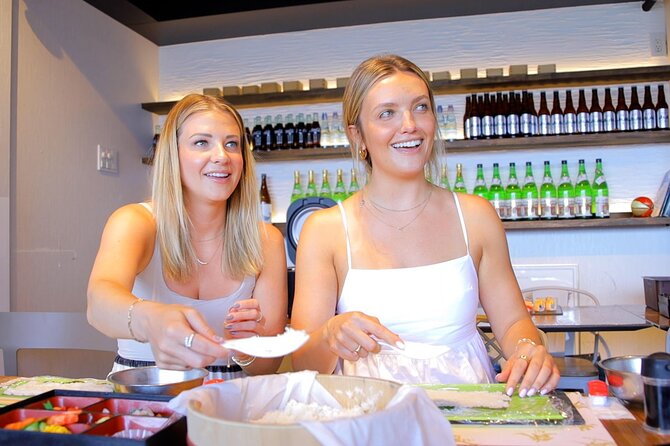
Then comes sushi making. You get guided help to prepare sushi using fresh ingredients, and you do more than one style. The class covers making both maki (sushi roll) and nigiri, and the instruction is paced so you can actually keep up instead of watching from the sidelines. Several people highlight that the teachers walk you through each step and make sure you finish with sushi you are proud to eat.
How the instructors teach, from patient coaching to English clarity
The biggest reason this class gets such high marks is the teaching tone. Instructors are friendly, funny, and patient, and they stick with you as you build each skill. Names you may hear in the class include Jun and Kazu, both mentioned for being helpful and supportive while students practiced.
The instruction is in English, step-by-step. That matters because sushi has small details that are hard to guess, like how you handle rice and how you get a roll snug instead of loose. When someone is there to correct your grip and pacing, you avoid the frustration loop of making the same mistake over and over.
The class also shares some context. People mention learning history and background about sushi, not just technique. That small add-on helps you understand what you are doing, so the food feels less random and more like a skill you are inheriting for a day.
Cook it yourself instead. Other kitchens in Tokyo
- Sushi Making Tokyo Roll and Authentic Japanese Sushi Class★ 5.0 · 3,971 reviews
- Tokyo: Sushi Making Class in a Happi Coat near a Famous Spot★ 4.9 · 1,377 reviews
- Tokyo Sushi Making Class in Tsukiji with Professional Chef★ 5.0 · 1,177 reviews
- Ramen & Gyoza Cooking Class in Tokyo with Local Supermarket Visit★ 5.0 · 823 reviews
- Tsukiji Fish Market Guided Tour and Sushi Making with Pro Chef★ 5.0 · 775 reviews
The best part: lots of sushi, plus a meal you actually look forward to
This is not a tiny tasting. The class includes ingredients and a meal, and the experience is built so you end up making enough sushi to enjoy. Many people call out that there is lots of sushi to make, and that the final food is delicious.
That is part practical and part psychological. Practically, you leave fed after a hands-on cooking session. Psychologically, it turns the class from a fun activity into a satisfying meal experience, since you did the work with your own hands and watched the instructor guide you to the finish line.
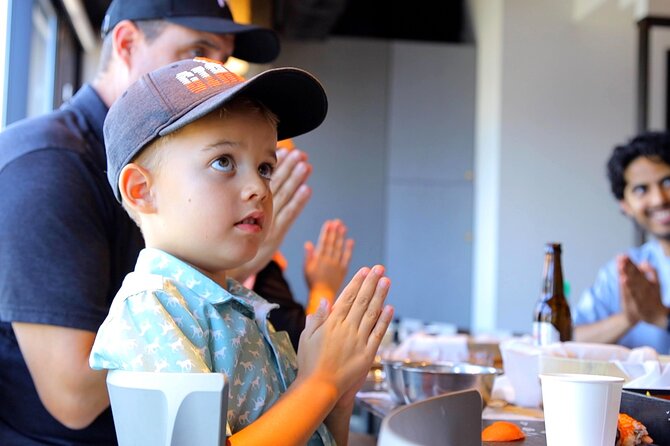
If you are traveling with kids, this part is especially useful. One family mention notes kids ages 7 and 9 were excited to eat their sushi right away, and the step-by-step format helped them stay engaged. The class is also described as welcoming with no prior experience needed, which makes it a good fit when you want a kid-friendly activity that still feels authentic.
Price and value: $85.87 for a group up to 1, with ingredients included
The price is listed as $85.87 per group (up to 1). That wording suggests you are paying for a booking tailored to a small group size, so do not treat it like a low-cost public workshop. You are paying for instructor time, English guidance, and the ingredient portion that supports both matcha and sushi making.
Here is how I think about the value. You are essentially getting a cooking lesson plus a meal in one package. If you were to buy sushi elsewhere in Tokyo, you would still not get the technique lesson, and if you booked a generic class without ingredients, you would likely end up spending extra anyway.
The class also keeps the group capped at 15, which often improves the quality of help. You are not trying to learn precision cooking while a huge crowd rotates through stations. For $85.87, the key question is simple: do you want to learn the process, not just eat the result? If yes, the value tends to feel fair.
Timing and logistics for a smooth 3-hour block
Plan for about 3 hours total. The matcha segment is about 1 hour, and sushi runs about 1 hour 40 minutes, with the rest of the time tied up in instructions and getting everything ready.
The activity ends back at the meeting point. That is helpful because you do not have to guess how you will get to your next destination. You simply resume your day where you started, which is nice when you are pairing the lesson with nearby sights like Sensoji.
You will also use a mobile ticket. That is one less paper thing to manage while you are out walking around Tokyo. Just make sure your phone has enough battery and your ticket is ready to show.
Hotel pickup and drop-off are not included. So build in time for getting yourself there. If your day is already packed, this matters, because you cannot rely on a van to bring you back on schedule.
Who this Japanese cooking class fits best in your Tokyo plan
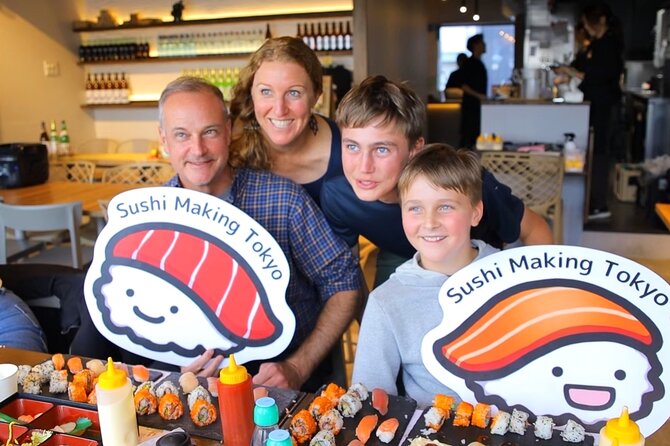
This is a strong choice if you want a real cultural activity that is hands-on. You will learn how to roll sushi, shape nigiri, and whisk matcha in a traditional way, with an instructor guiding you in English.
It is especially good for:
- Food lovers who want technique, not just a meal
- First-time sushi makers who want someone to correct you before you get too confident
- Families looking for an activity kids can enjoy while still eating something they helped make
- Solo travelers who want a small class that feels social but not overwhelming
If you are the type who hates cooking classes that feel like lectures, this one likely suits you better. The class focuses on doing, and the reviews highlight that instructors walk you through each step.
Should you book the Asakusa sushi and matcha class?
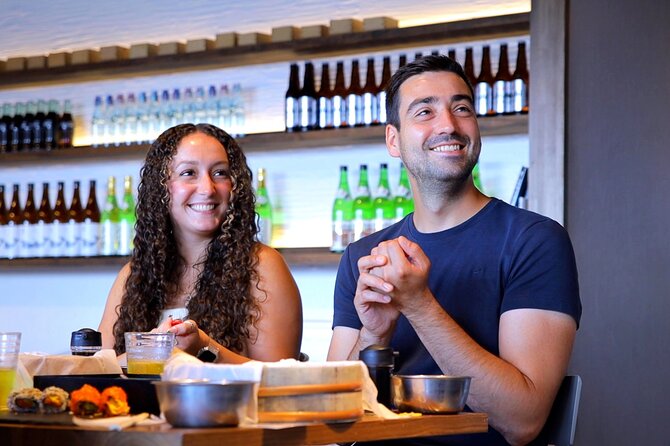
If your goal is a hands-on food memory in Tokyo, I would book it. You get two skills in one session, English support, ingredients included, and a small group size that keeps the experience practical. It also fits neatly near Sensoji Temple, so it can anchor your day rather than disrupt it.
I would think twice if you are the type who needs constant downtime built into your schedule. It is a compact, focused 3-hour lesson, and you will want your energy for rolling rice and shaping sushi.
Practical tip before you go: come with the mindset that your first attempt might not look perfect, and that is exactly what the instructor is there for. By the end, you should be eating sushi you made, not just collecting photos.
FAQ
Do I need any cooking experience to join this class?
No experience is needed. The class is designed for people who want step-by-step guidance, and the instructor helps you as you work.
How long is the Japanese food cooking class in Asakusa?
The class takes about 3 hours total, split into roughly 1 hour for matcha making and about 1 hour 40 minutes for sushi making.
Where do I meet the instructor?
The meeting point is 2-chōme-17-9 Kaminarimon, Taito City, Tokyo 111-0034, Japan. The activity ends back at the meeting point.
What is included in the price?
The class includes an English speaking instructor and the ingredients of the cooking class and meal. Admission tickets for both parts are also included.
Is hotel pickup and drop-off included?
No. Hotel pickup and drop-off are not included, so you will need to get to the meeting point yourself using public transportation.
Can I cancel and get a full refund?
Yes. You can cancel for free up to 24 hours in advance of the experience start time for a full refund. If you cancel less than 24 hours before the start time, the amount paid will not be refunded.
Kitchens You Can Book Into


Asakusa and the Skytree, Keep Going

Newest Tokyo write-ups from the Loving Japan desk

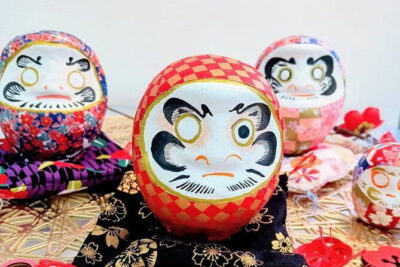

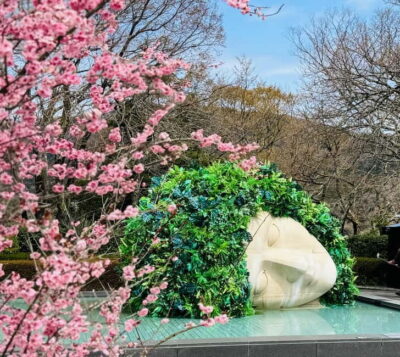
Asakusa, Senso-ji and Tokyo Skytree, side by side.
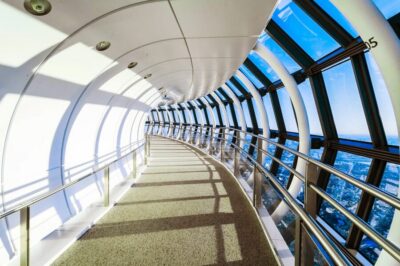 ★ 4.5TOKYO SKYTREE® Admission ticketFrom $1311,192 reviews
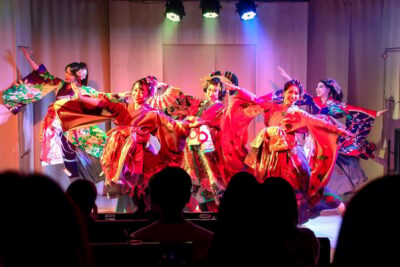 ★ 4.8Japanese Dance Cabaret Theater Asakusa-Kaguwa TicketFrom $492,270 reviews
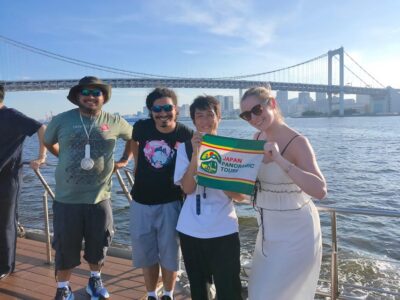 ★ 4.7Meiji Shrine, Asakusa, Skytree Bus Tour and CruiseFrom $1221,986 reviews
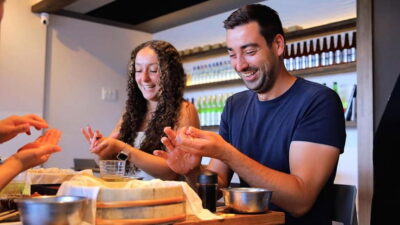 ★ 4.9Roll and Authentic Sushi Making Class in AsakusaFrom $581,957 reviews
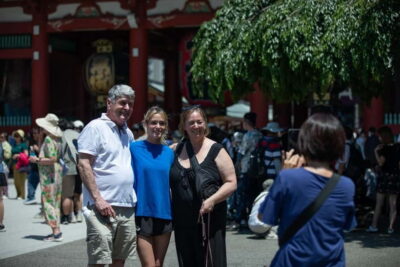 ★ 4.8Asakusa Walking Tour with Sensoji Temple VisitFrom $221,583 reviews
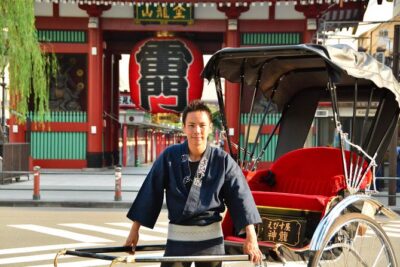 ★ 5.0Tokyo Asakusa Rickshaw TourFrom $421,375 reviews
 ★ 4.5Tokyo Panoramic 1 Day: Meiji Shrine, Asakusa, Odaiba and SKYTREE®From $851,222 reviews
 ★ 5.0Tokyo Go Kart: Asakusa, Skytree, and Akihabara **IDP MUST**From $99988 reviews