
REVIEW · ASAKUSA, SENSO-JI AND TOKYO SKYTREE
Japanese Katsu Curry Cooking Class–near YANAKA, Tokyo!
Curry from scratch, in a real Tokyo kitchen. This hands-on Japanese katsu curry cooking class near Yanaka has you work from a home-chef kitchen with YUZU WASHOKU STUDIO, so you learn the technique behind comfort-food favorites instead of relying on premade mixes. I like that you’re doing curry roux from scratch and tasting what you make, not just watching; and I also like the tonkatsu frying practice, where small adjustments matter. One thing to consider, though, is that there’s no hotel pick-up, so you’ll want to plan how you’ll reach the studio in advance.
You’ll start in a calm residential pocket of old Tokyo, not a tourist-packed classroom. The class is kept to a small group size, so you can ask practical questions about flavor and frying, and you’ll leave with a meal you can actually repeat at home. If you care about getting Japanese curry right, this format makes a big difference.
The main drawback is simple logistics: because it’s near public transportation but not linked to your hotel, you’ll need to arrive on time under your own steam. If you’re staying far from Arakawa City, budget a little extra time for the route.
In This Review
- Key highlights to look for
- Entering YUZU WASHOKU STUDIO near Yanaka at 10:00
- The first briefing: learning the logic of Japanese home cooking
- Making Japanese curry roux from scratch, not from cubes
- Tonkatsu frying practice for crisp, golden results
- The seasonal vegetable side dish that makes the meal feel right
- Lunch tasting: eat what you made, with green tea
- Small-group cooking: why a max of 6 changes everything
- Budget and value: what $111.67 really buys you
- Dietary needs and ingredient swaps, without drama
- Timing, getting there, and what to wear
- Should you book this katsu curry class near Yanaka?
- FAQ
- How long is the Japanese Katsu Curry Cooking Class?
- Where do I meet for the class?
- Is lunch included?
- Do you use store-bought curry roux cubes?
- Is the group size limited?
- Do they offer vegetarian options?
- Can tonkatsu be made without pork?
- Are aprons and towels provided?
- Is hotel pick-up included?
- What is the cancellation policy?
Key highlights to look for
- Curry roux from scratch so you can customize the flavor rather than following a box
- Perfect tonkatsu frying technique aimed at crispy, golden results you can recreate
- Small-group class with a max of 6 people, which makes Q&A realistic
- Seasonal vegetable side dish so the plate feels balanced, not just heavy comfort food
- Diet swaps on request, including vegetarian options and tonkatsu using chicken or tofu
- Lunch included with green tea, so you get the full payoff in one sitting
Still on the Sumida side? A few more Asakusa options
- Tokyo: Japanese Dance Cabaret Theater Asakusa-Kaguwa Ticket
★ 4.8 · 2,270 reviews - Tokyo: Meiji Shrine, Asakusa, Skytree Bus Tour and Cruise
★ 4.7 · 1,986 reviews - Tokyo: Roll and Authentic Sushi Making Class in Asakusa
★ 4.9 · 1,957 reviews - Tokyo: Asakusa Walking Tour with Sensoji Temple Visit
★ 4.8 · 1,583 reviews
Entering YUZU WASHOKU STUDIO near Yanaka at 10:00
This class is set up like a visit to a real Japanese home kitchen, just with a shared schedule. You meet at YUZU WASHOKU STUDIO at 10:00 a.m., and then you ease into it rather than being thrown straight into cooking. The studio itself is in a quiet residential neighborhood, close to Yanaka, so the experience feels grounded in everyday Tokyo life.
A big part of the value here is the pace. After you gather, you get a short lecture about Japanese home cooking and a Tokyo guide, which helps you understand what you’re making and how Japanese cooks think about texture, balance, and timing. Even if you already cook, I find it useful because you’re learning the why behind the steps, not just the steps themselves.
Also, plan for your arrival. The class does not include hotel pick-up, so you’ll want to use the studio address and figure out the train plus walking time the day before. Once you’re there, the rest is smooth: you’ll get a rental apron and a hand towel, and you’ll be ready to cook.
The first briefing: learning the logic of Japanese home cooking
Between 10:15 and 10:30, you’ll get a lecture focused on Japanese home cooking and a Tokyo guide. It sounds small, but it matters because it frames what comes next. Japanese curry and tonkatsu might feel like casual comfort food, but the method is structured, especially when you’re making curry roux from scratch.
This is also where you can get your questions in early. If you’re the type who likes to understand what affects flavor, this is the moment to ask. For example, the difference between a curry that tastes flat versus one that tastes deep often comes from how the roux is built, and the lecture segment helps you pay attention to that.
If you’re coming with dietary needs, this early moment also helps you confirm how swaps will work. You can let the staff know in advance about vegetarian preferences, allergies, or other requirements, and tonkatsu can often be made using chicken or tofu when arranged ahead of time.
Making Japanese curry roux from scratch, not from cubes
The heart of the class is the curry roux. You’re not using premade curry roux cubes. Instead, you make the roux from scratch, which means you control the flavor profile rather than following someone else’s idea of perfect.
Why that matters to you: Japanese curry is forgiving, but it’s not random. The roux stage is where you learn how texture and taste build together. When you make it yourself, you can adjust the final result to match what you like, whether you prefer a slightly milder curry, a richer one, or something that feels more balanced with the rice.
You’ll also get simple, easy-to-follow recipes and tips on substituting ingredients with ones you can find in your home country. That last part is the quiet win. A lot of cooking classes teach you what to do, but don’t help you do it again later. Here, you’ll learn how to translate Japanese ingredients into what’s available where you live.
In practice, you can expect a structured workflow: you’ll prep and build the roux, then use it to bring together your Japanese curry rice. Because you’re cooking together as a group of up to 6, the timing is tight but not hectic. It’s hands-on, and it’s paced so you can understand what step comes next and why.
Cook it yourself instead. Other kitchens in Tokyo
- Sushi Making Tokyo Roll and Authentic Japanese Sushi Class★ 5.0 · 3,971 reviews
- Tokyo: Sushi Making Class in a Happi Coat near a Famous Spot★ 4.9 · 1,377 reviews
- Tokyo Sushi Making Class in Tsukiji with Professional Chef★ 5.0 · 1,177 reviews
- Ramen & Gyoza Cooking Class in Tokyo with Local Supermarket Visit★ 5.0 · 823 reviews
- Tsukiji Fish Market Guided Tour and Sushi Making with Pro Chef★ 5.0 · 775 reviews
Tonkatsu frying practice for crisp, golden results
After the curry roux work, you shift into tonkatsu. The class focuses on frying it to a crisp, golden-brown finish, and that’s a skill you can actually carry home. Tonkatsu looks simple when you see it at a restaurant, but the crisp crust is the product of careful frying and handling.
What I like about this part of the experience is that it’s technique-forward. You’re not just making a dish, you’re learning how to get a specific texture. If you’ve ever made breaded cutlets at home and ended up with something pale, soggy, or uneven, this is the kind of lesson that helps you fix that.
You’ll also have options for what the cutlet is made from. Tonkatsu is typically made with pork, but you can request substitutions like chicken or tofu when you reserve. Vegetarian options are also available if you mention your preference ahead of time.
This flexibility matters because it keeps the core lesson intact. You’re still learning the frying method and how the coating behaves, just with the ingredient that fits your needs.
The seasonal vegetable side dish that makes the meal feel right
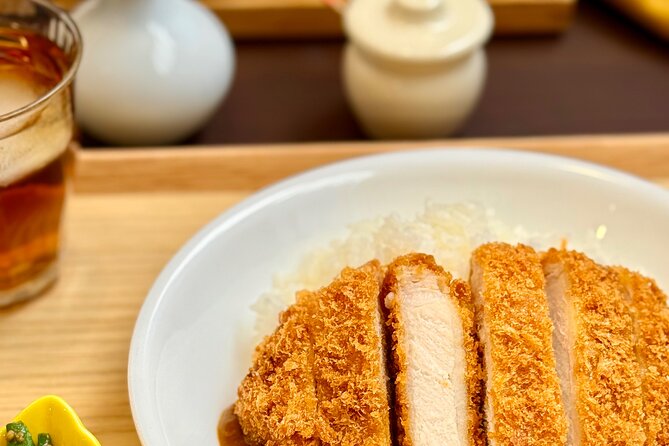
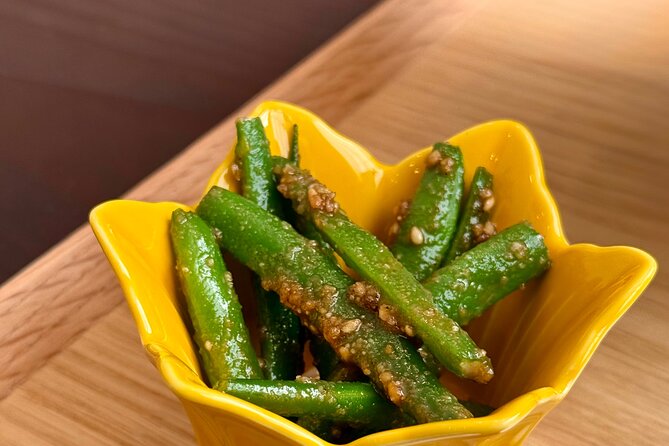
Curry rice can be heavy, even when it’s delicious. One of the best touches here is the seasonal vegetable side dish you prepare during the class. It’s refreshing and it gives your plate contrast in both taste and texture.
Because vegetables vary with the season, you’re not just repeating the same recipe every time you travel. You get what’s appropriate for the time of year, which also makes the class feel more like cooking in a real home kitchen where menus respond to what’s fresh.
Even if you’re new to Japanese cooking, a side dish is a smart learning tool. It teaches you how Japanese meals get built, with an emphasis on balance rather than only chasing big flavors. You’ll finish this portion and then sit down for tasting, so you can immediately connect the prep to how it tastes on the plate.
Lunch tasting: eat what you made, with green tea
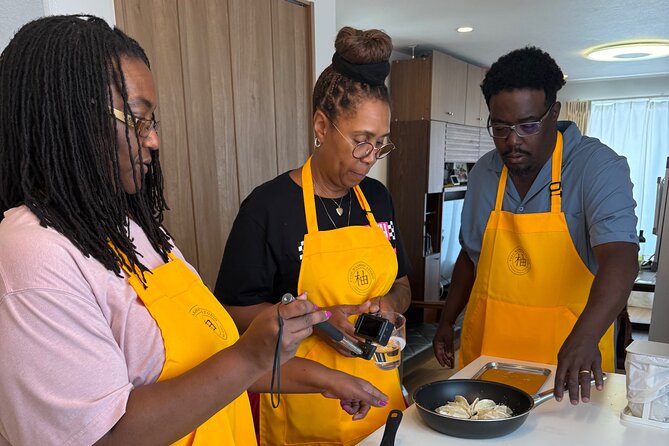
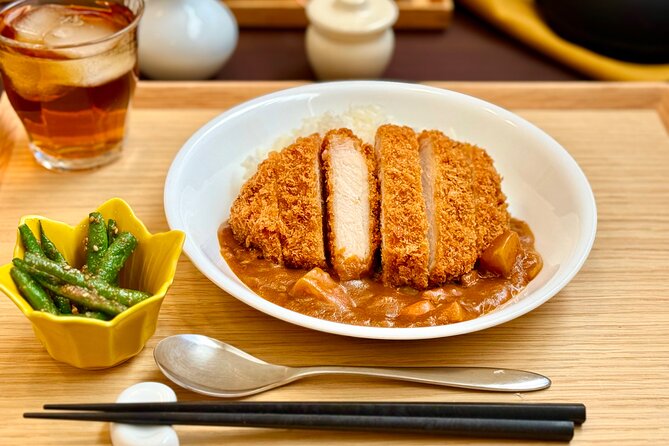
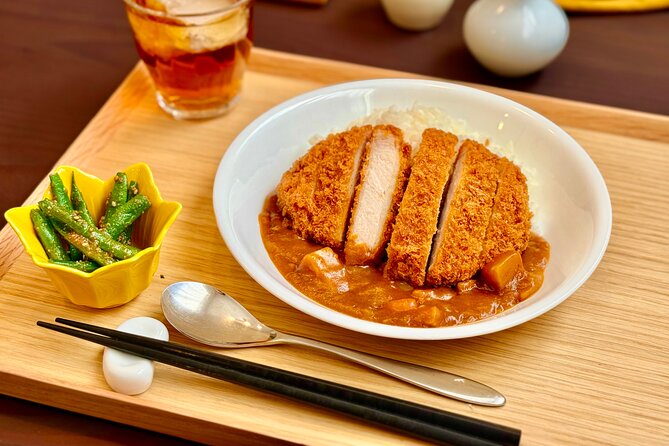
From 10:30 to 12:30, you’ll be cooking and tasting. The meal included is Japanese curry rice, tonkatsu, the seasonal vegetable side dish, plus green tea and water. For value, this is important. You’re paying for instruction plus a full lunch outcome, not paying for a quick sample.
Green tea is also a smart pairing here. It helps reset your palate between bites of curry and fried cutlet. That matters because curry can be rich, and tonkatsu is best when it stays crisp even as you eat.
The fact that you actually taste what you cooked is part of what makes the class feel complete. You can also compare what you did with what you were trying to achieve. If something tastes slightly off, you’ll have enough context from the earlier explanation to know where to focus next time.
Small-group cooking: why a max of 6 changes everything
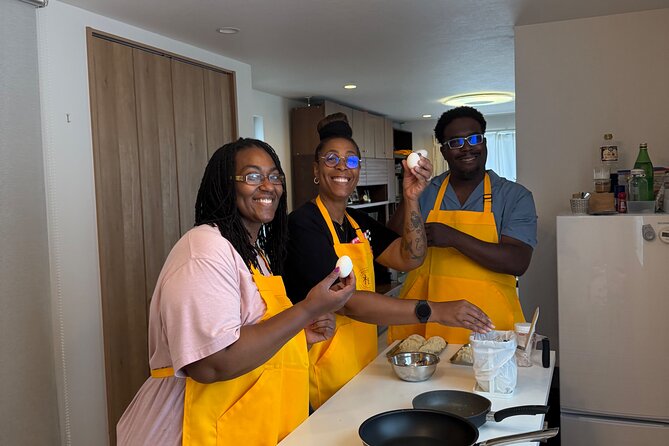
The class caps at 6 travelers, which is a big deal for hands-on cooking. In larger groups, instructors can only check in occasionally, and you end up cooking on guesswork. Here, you’re close enough to get real feedback, especially around the roux and the frying, where tiny changes can affect results.
This group size also makes it easier for you to interact during the short lecture and while you’re actively cooking. If you want to ask about ingredient swaps or how to tailor curry to your taste, you’ll have a better chance of getting a clear answer rather than a rushed one.
And since the class is in a quiet residential neighborhood, it feels calmer than many central-city cooking activities. You’re not constantly battling crowds, and that makes it easier to focus on cooking.
Budget and value: what $111.67 really buys you
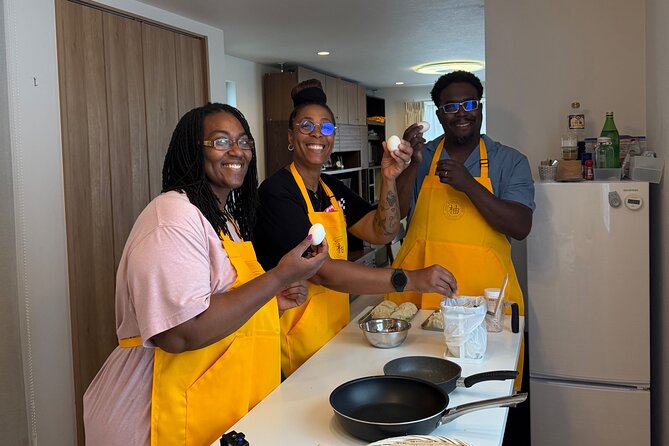
At $111.67 per person, this isn’t a budget snack class. But it also isn’t just a meal ticket. You’re getting:
- Instruction that covers curry roux from scratch
- Technique for tonkatsu frying
- Preparation of a seasonal vegetable side dish
- Lunch plus green tea and water
- Rental apron and a hand towel
- A small-group setting with up to 6 people
- Guidance on substituting ingredients you might not find at home
If you’ve ever tried to recreate Japanese curry at home, you already know the hardest part isn’t the idea, it’s getting the flavor right. Learning roux from scratch saves you from guessing with store-bought shortcuts. And tonkatsu frying is one of those skills that rewards instruction, because crispness is fragile.
For the price, I think it’s best viewed as a cooking lesson that ends with lunch. You’re paying for the skill transfer, not just the food.
Dietary needs and ingredient swaps, without drama
You can request vegetarian options and you can also swap tonkatsu from pork to chicken or tofu if you let them know when booking. Allergies and special dietary needs should be shared in advance, so the kitchen can plan appropriately.
One of the most practical perks is that the class includes tips on substituting ingredients based on what you can find in your home country. That is exactly the kind of help that stops a recipe from turning into a travel souvenir. You’ll learn how to think about the ingredients, not just copy the exact brand names.
If you’re traveling with a partner or friends, this class works well for groups that want a shared activity with actual outcomes. You leave with a meal you can eat together and a technique you can try again once you’re back home.
Timing, getting there, and what to wear
The class runs about 2 hours 30 minutes total, starting at 10:00 a.m. You’ll meet at the studio and then cook and taste through the end time. Because there is no pick-up, your biggest planning job is getting there on schedule.
For clothing, go with practical, comfortable layers. You’ll be in an active cooking setting. The rental apron and hand towel are provided, but you should still wear something you’re comfortable getting a little warm in.
If you’re pairing this with other sightseeing in the Yanaka area, keep a buffer in mind. Cooking classes do not always start exactly like a museum entry line, and you’ll want time to settle in, wash up, and get ready.
Should you book this katsu curry class near Yanaka?
Book it if you want to leave Tokyo with more than photos. This is a skill-based class, especially because you make curry roux from scratch and you practice tonkatsu frying for crisp, golden results. The seasonal side dish and included lunch make it satisfying on the day, and the ingredient-substitution guidance makes it useful later.
Skip it if you only want a casual food stop or you prefer to watch from the sidelines. This is hands-on. You’ll cook, you’ll taste, and you’ll learn how to control texture and flavor. If that sounds like your kind of travel, you’ll likely enjoy it a lot.
If you like the idea of comfort food with method, and you want Japanese home cooking taught in a calm neighborhood setting near Yanaka, this class is a strong choice.
FAQ
How long is the Japanese Katsu Curry Cooking Class?
It runs for about 2 hours 30 minutes, from 10:00 a.m. through the cooking and tasting period.
Where do I meet for the class?
You meet at 1-chōme-58-4 Nishinippori, Arakawa City, Tokyo 116-0013, Japan.
Is lunch included?
Yes. You’ll have Japanese curry rice, tonkatsu, a seasonal vegetable side dish, plus green tea and water.
Do you use store-bought curry roux cubes?
No. You make Japanese curry roux from scratch as part of the class.
Is the group size limited?
Yes. The class has a maximum of 6 travelers.
Do they offer vegetarian options?
Vegetarian options are available. You need to let them know your preferences when making the reservation.
Can tonkatsu be made without pork?
Tonkatsu is typically pork, but you can request substitutions such as chicken or tofu if you let them know in advance.
Are aprons and towels provided?
Yes. A rental apron and hand towel are included.
Is hotel pick-up included?
No. Hotel pick-up is not included.
What is the cancellation policy?
Free cancellation is available up to 24 hours before the experience start time for a full refund. If you cancel less than 24 hours before, the amount paid will not be refunded. Weather can also affect whether dates are offered or refunded.
Kitchens You Can Book Into


Asakusa and the Skytree, Keep Going


Newest Tokyo write-ups from the Loving Japan desk






Asakusa, Senso-ji and Tokyo Skytree, side by side.
 ★ 4.5TOKYO SKYTREE® Admission ticketFrom $1311,192 reviews
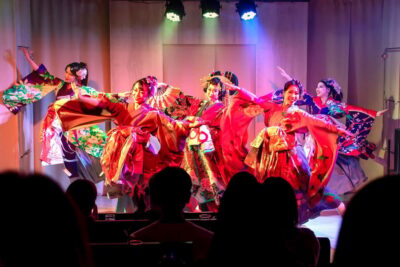 ★ 4.8Japanese Dance Cabaret Theater Asakusa-Kaguwa TicketFrom $492,270 reviews
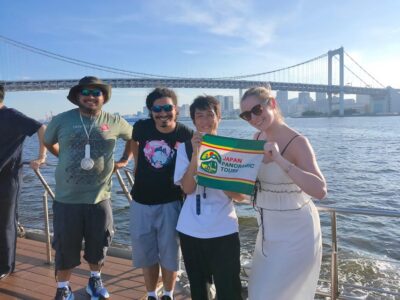 ★ 4.7Meiji Shrine, Asakusa, Skytree Bus Tour and CruiseFrom $1221,986 reviews
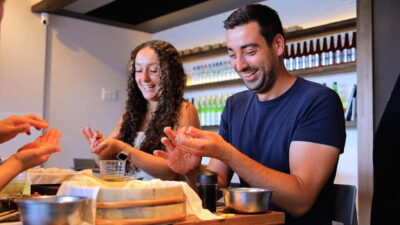 ★ 4.9Roll and Authentic Sushi Making Class in AsakusaFrom $581,957 reviews
 ★ 4.8Asakusa Walking Tour with Sensoji Temple VisitFrom $221,583 reviews
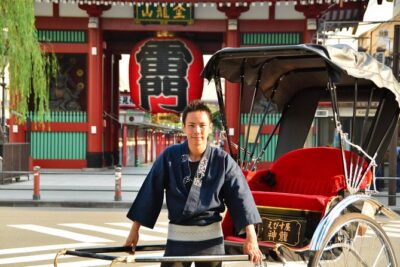 ★ 5.0Tokyo Asakusa Rickshaw TourFrom $421,375 reviews
 ★ 4.5Tokyo Panoramic 1 Day: Meiji Shrine, Asakusa, Odaiba and SKYTREE®From $851,222 reviews
 ★ 5.0Tokyo Go Kart: Asakusa, Skytree, and Akihabara **IDP MUST**From $99988 reviews
Filed on these lists too