
REVIEW · JAPANESE CRAFT AND CALLIGRAPHY WORKSHOPS
Japanese Pottery Class in Tokyo
Clay in an hour, Tokyo in peace. I love the small-group feel and how you leave with a real one-of-a-kind souvenir plan, not just a photo stop. It is a hands-on way to learn pottery making from a sensei in a convenient part of the city.
The main thing to plan for is the extra firing fee. The class fee covers the trial, but the finished pieces require kiln time and often a wait of about a month.
In This Review
- Key things to know before you go
- Entering Uzumako Ceramic Art School in Shiba
- Your first 10 minutes: forms, samples, and how the lesson flows
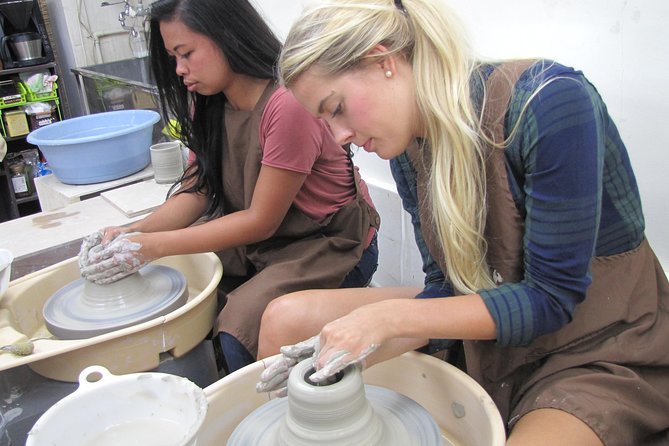
- Making pottery in one hour: what you actually do at the wheel
- Choosing which pieces to fire (and why that decision matters)
- Color picking and the staff finishing steps
- Tokyo logistics: how to plan the timing and get there
- Small-group size: why 15 people makes a difference
- Price and value: the $26.73 class fee versus the real total cost
- Shipping reality: EMS is optional, Brazil needs extra care
- Who this class is best for (and who might want a different plan)
- Should you book this Japanese pottery class in Tokyo?
- FAQ
- How long is the Japanese pottery class in Tokyo?
- How many pottery pieces will I make during the class?
- Is the firing fee included in the price?
- How long does it take after making for the pieces to be ready?
- Are EMS shipping fees included?
- Can I receive class-made pieces by mail?
- Where is the meeting point?
- Do I need to print anything?
- What group size should I expect?
- Is there free cancellation?
Key things to know before you go
- Small group, personal pace: capped at 15 for a more guided experience, with the activity listing a max of 25.
- You make 2-3 works in an hour: fast, focused sessions that still let you try different shapes and colors.
- You choose what gets fired: you will select pieces for the kiln, so think about what you truly want to keep.
- Glaze and color choices matter: you pick colors after making, then the staff helps handle finishing steps.
- Shipping is optional, with rules by country: EMS is optional, and Brazil has special customs challenges.
Make something to take home. Other workshops
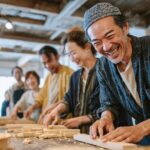
- Tokyo Shinjuku Chopsticks Making Class
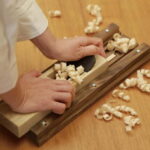
★ 5.0 · 1,763 reviews - Chopstick Making Workshop in Ginza
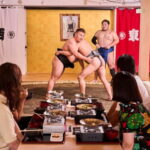
★ 4.8 · 1,366 reviews - Tokyo Sumo Experience: Chanko & Mochi with a Former Pro
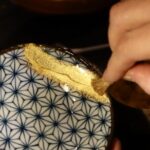
★ 4.8 · 567 reviews - Kintsugi Experience: Art of Golden Joinery in Tokyo
★ 5.0 · 467 reviews
Entering Uzumako Ceramic Art School in Shiba
Tokyo pottery sounds fancy, until you try to picture how it actually works. This class keeps it simple: you come to a ceramic art school in Shiba (Minato City) and get a guided session focused on making, choosing, and cleaning up. The mobile ticket makes it easy to check in without hunting for printouts, which matters when your day is already packed with trains.
I like the location logic here. It is described as close to public transportation, so you are not forced into a half-day detour. The meeting point is listed at Shiba 3-chome, 清水ハウス, so you can treat it like a planned stop between other Tokyo sights rather than an all-day project.
One more small comfort: the vibe is set up for visitors, not only experienced makers. The information says most travelers can participate, and the reviews back that up with plenty of first-timers. If you want pottery without the intimidation factor, this kind of structure helps a lot.
Your first 10 minutes: forms, samples, and how the lesson flows
Right when the class starts, you do paperwork. You begin with an application form, then the instructor prepares a sample so you can see what good looks like before you touch the clay. That matters because pottery is mostly about technique you do once the right way, then repeat with confidence.
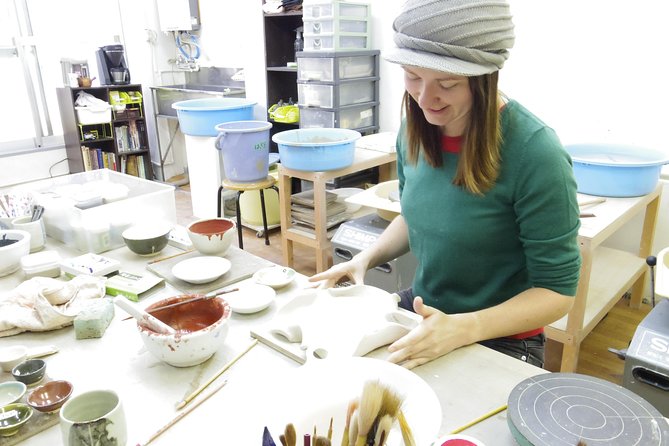
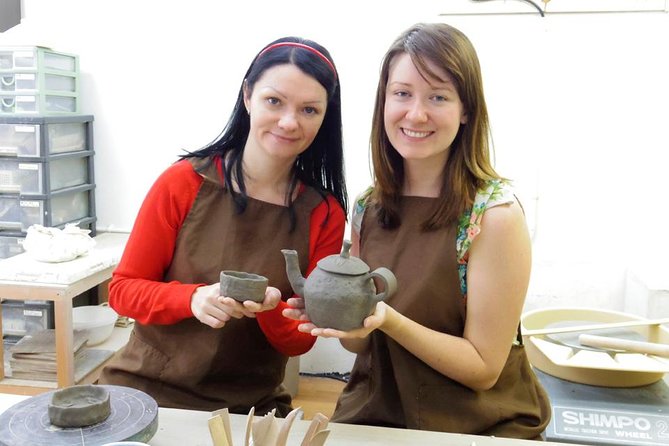
After the demo, you get hands-on time. Within about one hour, you will make roughly 2-3 works. That is a sweet spot. It is enough to feel creative and productive, but not so long that you lose steam or feel rushed.
Depending on the session, you might meet instructors such as Ruth, Stephen, Viki, Kaia/Kya, Jumpai (spelling varies in reviews), or Mr. Hoshi. Reviews describe a range of teaching styles, but the consistent theme is patient guidance, clear instructions in English, and help when you hit a tricky step. If you are worried you will not understand, that is the best kind of reassurance.
Making pottery in one hour: what you actually do at the wheel
The class plan is built around a steady rhythm. You will work the clay, shape your forms, and experiment enough to end with items you care about. The studio time is not described as a quick hands-off demo where you watch and hope. You do the making.
A typical flow looks like this:
- You get instructor guidance and a demonstration first.
- You make your own pieces (about 2-3 works total in the hour).
- You clean up before moving on to selection and payment.
In the real world, your hour will probably include a moment where you wonder if you are doing it right. That is normal. The good part is that the format is short enough that you can course-correct immediately, rather than feeling stuck with a mistake for the rest of the day.
Also, keep your expectations realistic. You will not walk out with a finished glazed item the same day. The pieces you make are chosen for later firing, and you will learn that decision point soon.
- Mt Fuji and Hakone 1-Day Bus Tour Return by Bullet Train★ 5.0 · 26,383 reviews
- 1-Day Tokyo Bus Tour★ 5.0 · 14,250 reviews
- Tokyo: teamLab Planets TOKYO Digital Art Museum Entry Ticket★ 4.6 · 9,779 reviews
- Mt Fuji & Hakone Cruise, Drum Show Bullet Train 1 Day from Tokyo★ 4.0 · 7,413 reviews
- Tokyo: Shinjuku Food Tour (13 Dishes at 4 Local Eateries)★ 5.0 · 6,603 reviews
Choosing which pieces to fire (and why that decision matters)
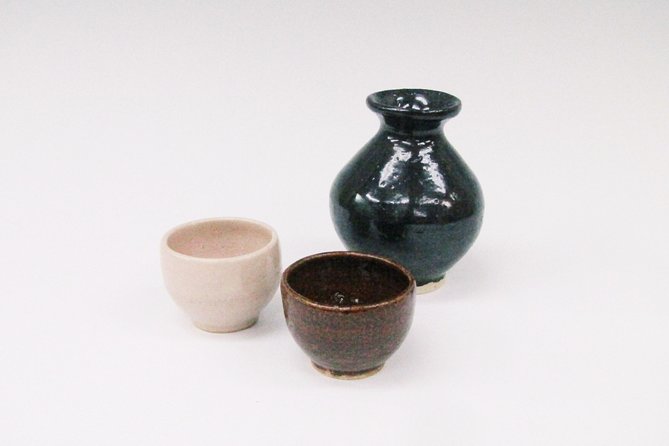
Here is the part people often miss: the class fee is for the pottery trial, not for kiln firing. The information is explicit that the firing fee is not included, and it is charged for each selected work. Reviews echo this, with reminders that you pay kiln and delivery fees if you want to bring finished pieces home.
That means you should choose like a minimalist, not like a hoarder. If you make 2-3 pieces and you only really love one, pick one for firing. You can still enjoy the others as practice, but firing costs can add up fast.
You are also told that it takes about one month to prepare the works after making. So the reward is delayed. You are paying for the craft process, not a microwave-style souvenir. If you like the idea of receiving art later, like a small post-trip gift to yourself, this format fits.
Color picking and the staff finishing steps
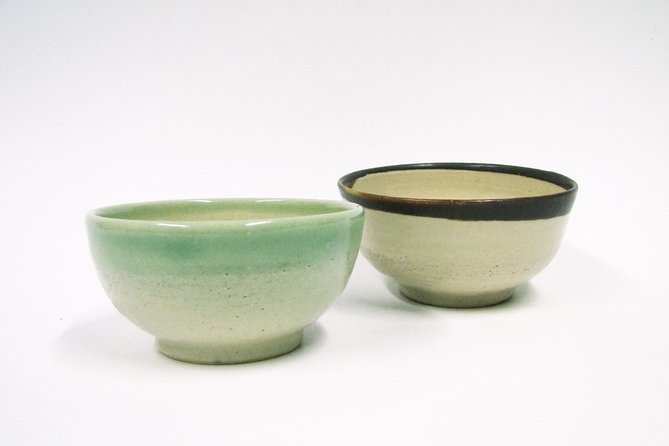
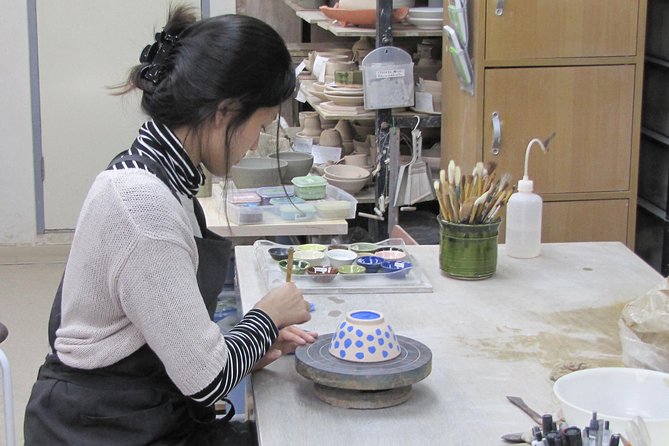
In the class, you get to make key choices after shaping. You will choose the colors and then do cleaning. That choice moment is more than a decorative step. It is when your work becomes yours, not just the clay shape you formed under instruction.
After you select the pieces for firing, the work moves into the hands of the kiln process and finishing. The guidance provided with the class indicates that the works you select are kept for later completion, which aligns with that month-long preparation time. Reviews also support that staff handle later steps for finished output and shipping.
So think of the hour you spend as two jobs: learn the technique, then decide what you want to become the final product. That is how you get something meaningful, instead of just collecting evidence that you tried pottery.
Tokyo logistics: how to plan the timing and get there
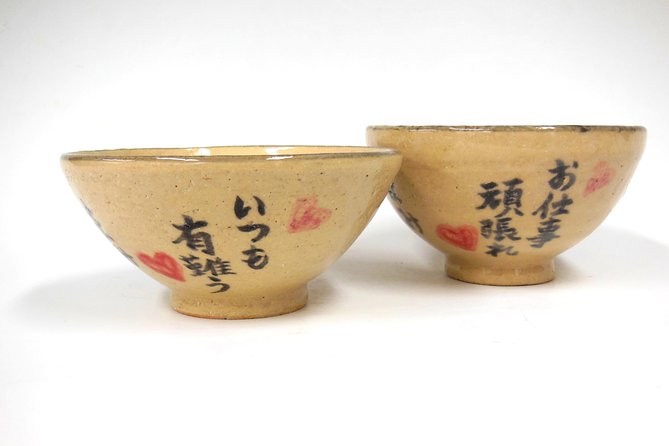
The class runs for about 1 hour (approx.), so it is easy to place into a travel day. Since the meeting is in central Tokyo and described as near a Metro station, you can treat it as an evening-friendly activity too, especially if you are visiting nearby attractions during daylight.
The meeting point address is:
Shiba 3-chōme2911 清水ハウス, Minato City, Tokyo 105-0014, Japan.
That is specific, which helps. If you are used to Japan navigation, you can use the address directly and plan to arrive a few minutes early. A short buffer matters because you will check in and settle before the lesson begins.
Also, confirm what you want from the day before you show up. If you want functional pieces and not just a fun craft session, pick your best shape early in the hour, then commit to firing selection later.
Small-group size: why 15 people makes a difference
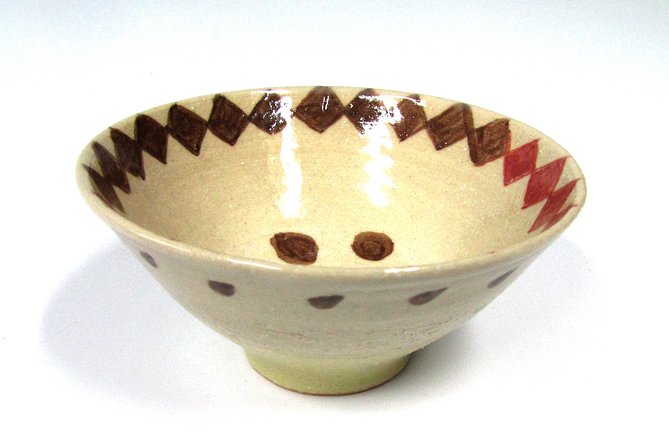
Small group size is not just marketing here. A max of 15 is stated to ensure a more personal experience, and the overall activity listing also references a higher max capacity of 25. Either way, it is far from the huge workshop style.
In a class where you make clay, time with the instructor is what you are really buying. When the group is small, you are more likely to get hands-on help when something goes off script. Reviews repeatedly call out attentive teaching, encouragement, and help when fixing shapes.
There is also a psychological benefit. Pottery is relaxing, until you think everyone else already knows what they are doing. A smaller group tends to reduce that stress. You can ask questions without feeling like you are interrupting a machine.
And because you only have about an hour, you want each minute to count. Small groups help the class move at your pace rather than a one-size-fits-all rhythm.
Price and value: the $26.73 class fee versus the real total cost
The price is listed as $26.73 per person, which is pretty reasonable for a guided pottery session in central Tokyo. But the important value question is what that price actually buys, and the answer is clear: it is the basic fee for the pottery trial class.
What is not included:
- the firing fee for each work you choose to keep for firing
- the optional EMS shipping fee
So if you are budgeting, treat $26.73 as the start, not the finished total. Your real cost depends on how many pieces you select for kiln time and whether you ship.
The good news is you can control that decision. You can make 2-3 pieces, then fire only the one you truly want. That keeps costs closer to predictable, and it helps your souvenir have meaning.
The other value piece is the time delay. About one month to prepare the works means your trip gives you a creative memory now, then delivers the finished item later. If you like “future you will be happy” plans, this is a nice trade.
Shipping reality: EMS is optional, Brazil needs extra care
Shipping is where pottery workshops can surprise you. Here, EMS shipping fee is optional, so you can decide whether to receive your pieces or not. That is a flexible setup.
There is also a specific customs note for Brazil: sending class-made pieces has become challenging due to strict customs. If you are located in Brazil, the instruction is to contact before booking so the provider can discuss alternative ways to receive your work.
One review also mentions shipping restrictions for the USA at the time of writing, while other comments mention shipping being arranged for finished pieces. That tells me the best practical move is simple: if shipping matters for your home country, ask directly what countries are currently supported before you pay for firing and delivery.
Who this class is best for (and who might want a different plan)
This pottery class is a great fit if you want a hands-on Tokyo experience that feels different from shopping and museums. It is especially good for beginners because the lesson starts with a sample, then guides you step-by-step. The class format also suits people who want something calming, because your work time is focused and not crowded.
If you travel with kids, it can work too. Reviews describe a peaceful environment and suitability for families, with instruction that supports first-timers. Just keep expectations aligned: you will not produce a finished glazed item instantly, and selection of pieces for firing is part of the process.
If you are highly time-crunched and need souvenirs in hand immediately, this may not be your best match. The class process leads to later firing and preparation, about one month after making. The activity ends back at the meeting point, and the finished goods come later.
Should you book this Japanese pottery class in Tokyo?
Book it if you want a real craft souvenir plan with clear instruction and a relaxed, hands-on hour. The small-group format, the sensei demo, the chance to make 2-3 pieces, and the color selection process are the reasons this works.
Think twice if you need everything finished the same day or if you are sensitive to add-on costs. The base price is affordable, but firing and shipping fees can change the total, and shipping availability varies by country. If you want the final pieces delivered, plan for the timeline and confirm what is possible for your destination.
If you like learning by doing, and you enjoy the idea of receiving your kiln-fired creation after your trip, this is one of those Tokyo activities that actually leaves you with something personal.
FAQ
How long is the Japanese pottery class in Tokyo?
The class is about 1 hour (approx.).
How many pottery pieces will I make during the class?
You will make about 2-3 works within the 1 hour class time.
Is the firing fee included in the price?
No. The firing fee for each selected work is not included in the basic fee.
How long does it take after making for the pieces to be ready?
It takes about 1 month to prepare the works after making.
Are EMS shipping fees included?
EMS shipping is optional, so the EMS shipping fee is not included in the basic fee.
Can I receive class-made pieces by mail?
The class indicates optional EMS shipping. There is also a specific note that shipping to Brazil is challenging due to customs, so contact the provider before booking if you are in Brazil.
Where is the meeting point?
The meeting point is listed at Japan, 105-0014 Tokyo, Minato City, Shiba, 3-chōme2911 清水ハウス.
Do I need to print anything?
A mobile ticket is used.
What group size should I expect?
The tour description says a maximum of 15 ensures a personal experience, and the additional info lists a maximum of 25 travelers for the activity.
Is there free cancellation?
Yes. Free cancellation is available, and you can cancel up to 24 hours in advance for a full refund.
Made by Hand, and Yours to Keep
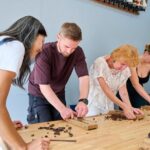
Newest Tokyo write-ups from the Loving Japan desk



Japanese Craft and Calligraphy Workshops, side by side.
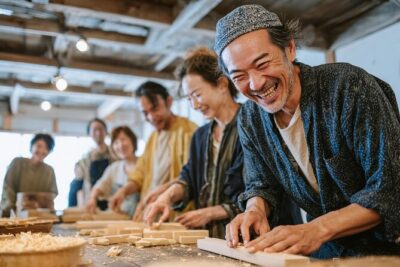 ★ 5.0Tokyo Shinjuku Chopsticks Making ClassFrom $201,763 reviews
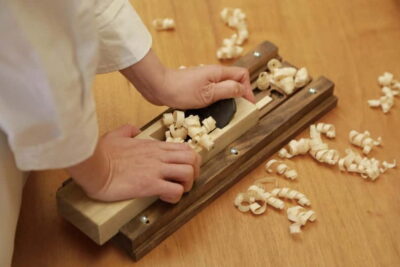 ★ 4.8Chopstick Making Workshop in GinzaFrom $251,366 reviews
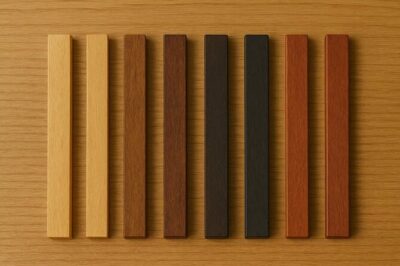 ★ 5.0Chopsticks Making Workshop in Gion with Engraving OptionFrom $15958 reviews
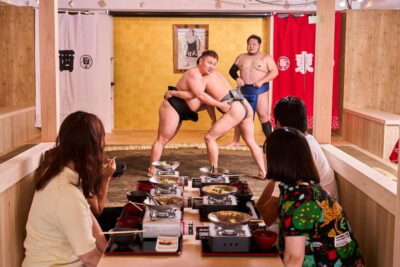 ★ 4.8Tokyo Sumo Experience: Chanko & Mochi with a Former ProFrom $103567 reviews
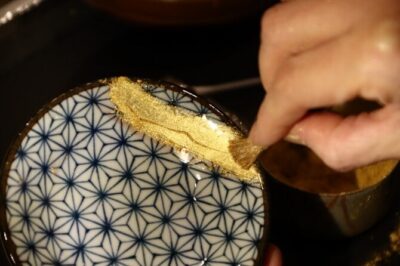 ★ 5.0Kintsugi Experience: Art of Golden Joinery in TokyoFrom $59467 reviews
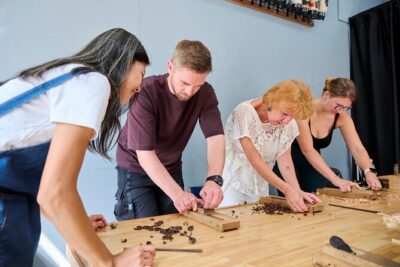 ★ 5.0Tokyo Chopstick Making Workshop with ArtisanFrom $26466 reviews
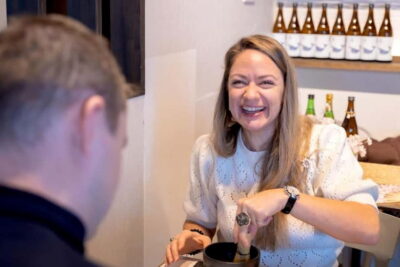 ★ 4.9Matcha Making Experience with Mochi Sweets in AsakusaFrom $22388 reviews
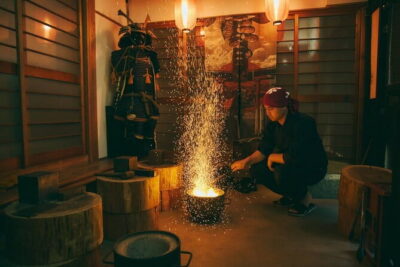 ★ 4.8Authentic knife making experience at a blacksmith in KyotoFrom $154350 reviews
Filed on these lists too