
REVIEW · JAPANESE CRAFT AND CALLIGRAPHY WORKSHOPS
Kintsugi Experience with Arita Ware in Tokyo (English Guide)
Gold seams, right in Tokyo.
I like this experience because it turns a traditional craft into a calm, beginner-friendly lesson with an English-speaking instructor. You also work with Arita ware, tied to a 400-year legacy of Japanese porcelain, which makes your finished piece feel extra meaningful.
My other favorite part is the small-group feel, capped at 10 so you get real attention while you learn. One thing to keep in mind, though, is that the workshop is designed to complete one object in 90 minutes, so you might find your choices limited to what they provide for that session.
In This Review
- Key highlights at a glance
- Finding the craft shop: Nihonbashi Mutoh and its 1923 address
- Kintsugi explained in plain terms, plus the wabi-sabi idea behind it
- Why Arita ware makes this workshop feel special
- What your 90-minute session looks like (and what you get to make)
- Bringing your own broken piece: the rules that keep it doable
- The real “take home” value: your repaired souvenir plus aftercare
- Price and value: what $139 buys you in Tokyo
- Who this workshop fits best (and who might want another plan)
- Simple scheduling tips so you do not feel rushed
- Should you book this Kintsugi experience?
- FAQ
- How long is the Kintsugi experience?
- What time slots are available?
- Where is the meeting place?
- Will the instructor speak English?
- Can I bring my own broken item to repair?
- What is included in the price?
- How should I care for my repaired piece after the workshop?
- Is the finished piece meant for eating or drinking?
- Is it wheelchair accessible and are there age limits?
- What is the cancellation policy?
Key highlights at a glance
- A 90-minute Kintsugi workshop with an English-speaking instructor
- Gold repair philosophy (wabi-sabi in action), not just a demo
- Arita ware focus, using porcelain with a long Japan tradition
- Nihonbashi Mutoh store setting, a craft shop established in 1923
- Small group size (up to 10) for clearer guidance and a quieter pace
Make something to take home. Other workshops
- Tokyo Shinjuku Chopsticks Making Class
★ 5.0 · 1,763 reviews - Chopstick Making Workshop in Ginza
★ 4.8 · 1,366 reviews - Tokyo Sumo Experience: Chanko & Mochi with a Former Pro
★ 4.8 · 567 reviews - Kintsugi Experience: Art of Golden Joinery in Tokyo
★ 5.0 · 467 reviews
Finding the craft shop: Nihonbashi Mutoh and its 1923 address
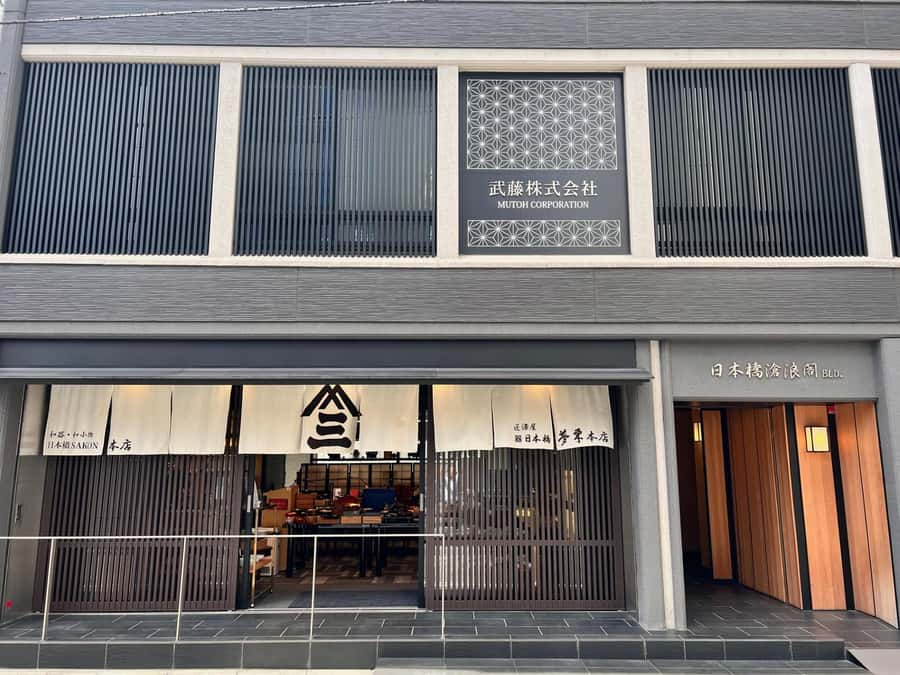
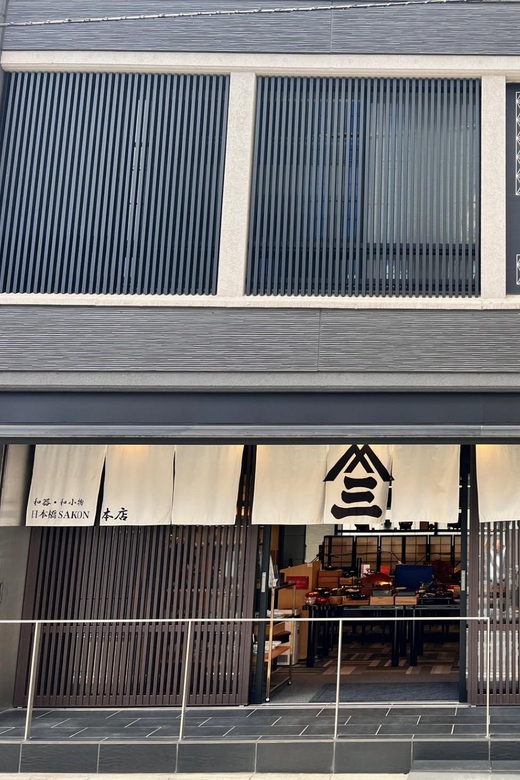
This Kintsugi experience meets at Nihonbashi Mutoh Main Store, 1-8-3 Honcho, Nihonbashi, Chuo City, Tokyo (103-0023). Even if you are short on time in Tokyo, this is a practical pick because Nihonbashi is easy to reach and you will already feel you are stepping into the old-city craft lane as soon as you arrive.
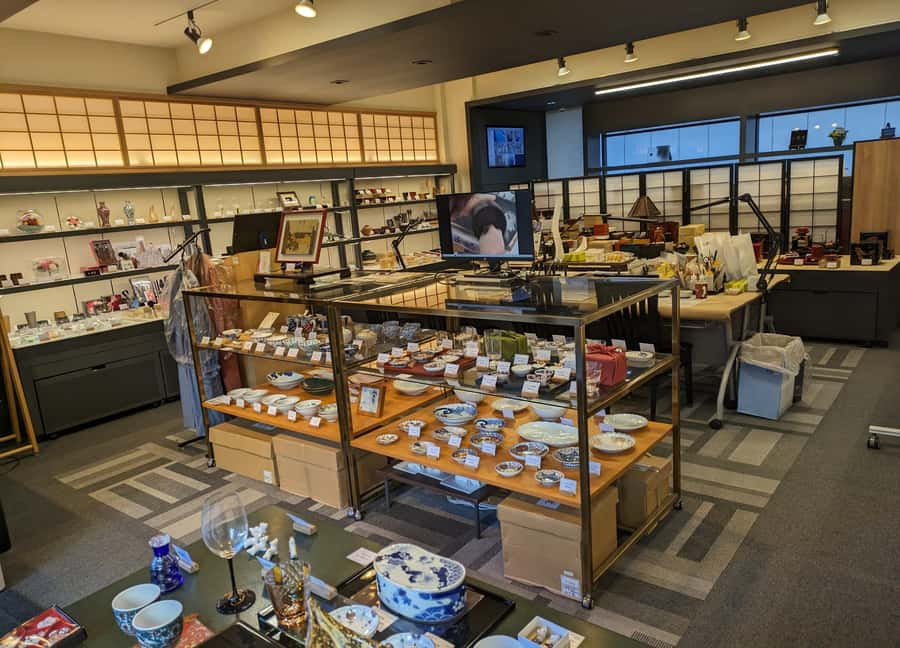
The shop itself matters. Nihonbashi Mutoh Main Store has been around since 1923, and the experience takes place in a space known for high-quality lacquerware and glassware. That setting makes the lesson feel less like a tourist activity and more like a real craft shop day.
If you like photo-worthy interiors, this helps. You’ll be surrounded by traditional goods and ceramics, which makes it easier to see how Kintsugi fits into Japan’s broader “repair and reuse” mindset.
Kintsugi explained in plain terms, plus the wabi-sabi idea behind it
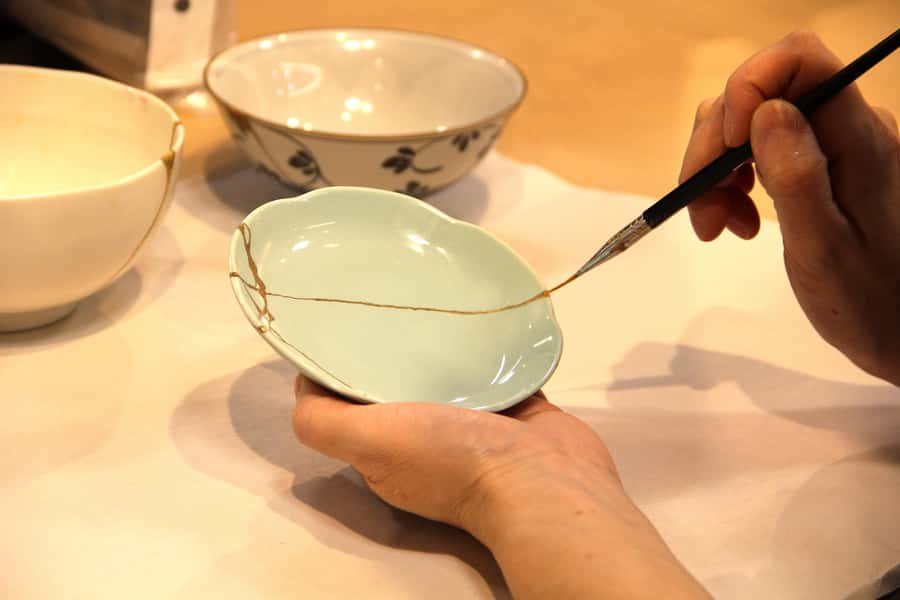
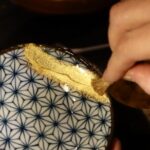
Kintsugi is the Japanese art of repairing broken pottery using gold. The point is not to hide the break, it is to treat the damage as part of the story. The philosophy behind it links to wabi-sabi, which values imperfection and accepts that things change over time.
Before you start working, you are taught what Kintsugi is meant to do, and that sets the tone for the whole 90 minutes. You come away understanding the craft is a form of resilience, not a perfect-looking restoration job.
This matters for your final result. When you know the repair is supposed to show the joins, you stop aiming for invisible and start aiming for meaningful. That shift is what turns a single souvenir into a piece with a message.
Why Arita ware makes this workshop feel special
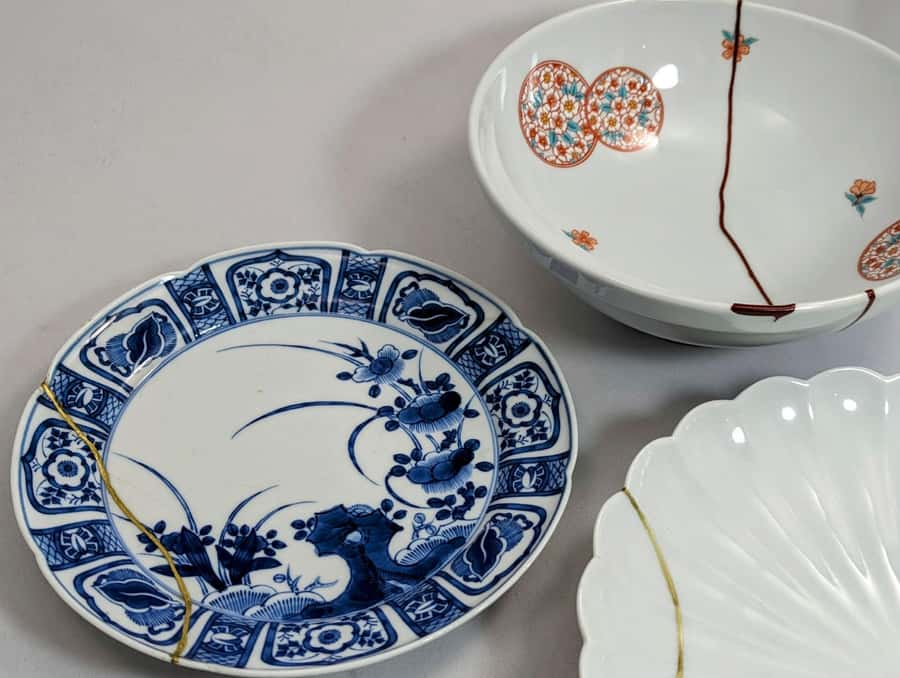
Arita ware is tied to one of Japan’s first major porcelain traditions, and the pieces have a long 400-year background. In other words, you’re not just repairing any random ceramic item. You’re working with a style connected to Arita porcelain’s early production era.
In this workshop, you experience Kintsugi using Arita ware pieces associated with Shobido Honten, which is known for beautiful Arita ware. That brand connection adds weight, especially if you already enjoy buying Japanese ceramics. Even if you do not know Arita ware well yet, you will likely feel the difference once you see and handle the porcelain you are repairing.
Also, the piece you create is something you can actually take home. That is important here, because Kintsugi is a hands-on craft. The value of the experience is in the gold-lined repair you personally make, not just watching someone else do it.
- Mt Fuji and Hakone 1-Day Bus Tour Return by Bullet Train★ 5.0 · 26,383 reviews
- 1-Day Tokyo Bus Tour★ 5.0 · 14,250 reviews
- Tokyo: teamLab Planets TOKYO Digital Art Museum Entry Ticket★ 4.6 · 9,779 reviews
- Mt Fuji & Hakone Cruise, Drum Show Bullet Train 1 Day from Tokyo★ 4.0 · 7,413 reviews
- Tokyo Mt Fuji 5th St & Hakone Cruise Bus Tour w/Bullet Train★ 4.4 · 5,024 reviews
What your 90-minute session looks like (and what you get to make)
The experience is 1.5 hours, with set starting times you choose in advance. Sessions run 10:30 to 12:00, 13:30 to 15:00, and 15:30 to 17:00.
While the exact workshop rhythm can vary by day, the structure is built for beginners and focuses on producing one finished souvenir. You learn the process with guidance from an English-speaking instructor, then you do the work yourself. Because the group is limited to 10 participants, you are not left “figuring it out” in a crowded room.
You’ll also get a plate used in the experience that you can take home. That means you can pack light and still leave Tokyo with something made by your hands. If you prefer, you are also welcome to bring your own item, as long as it meets the size and damage limits.
A quick practical note from the session format: the workshop may be run alongside regular customers. That does not stop the class, but it can change the quiet level slightly, so if you are the type who needs total silence to concentrate, plan your expectations.
Bringing your own broken piece: the rules that keep it doable
One nice perk is the option to repair your own item. If you already have a sentimental ceramic or porcelain piece at home, this workshop can turn it into a long-lasting memory.
They allow you to bring an item if it fits these conditions:
- Size: up to approximately φ15 cm in diameter and 15 cm in height
- Damage: 1 to 2 broken parts
- Material: ceramic or porcelain
This is useful because it keeps the repair process realistic within a 90-minute session. Kintsugi works best when the break is manageable, and these limits help you avoid arriving with a piece that is too large or too fractured for the workshop time.
If your item is close but not exact, you might still want to check with the workshop in advance. The clearer your match to their size and damage rules, the smoother your session should be.
The real “take home” value: your repaired souvenir plus aftercare
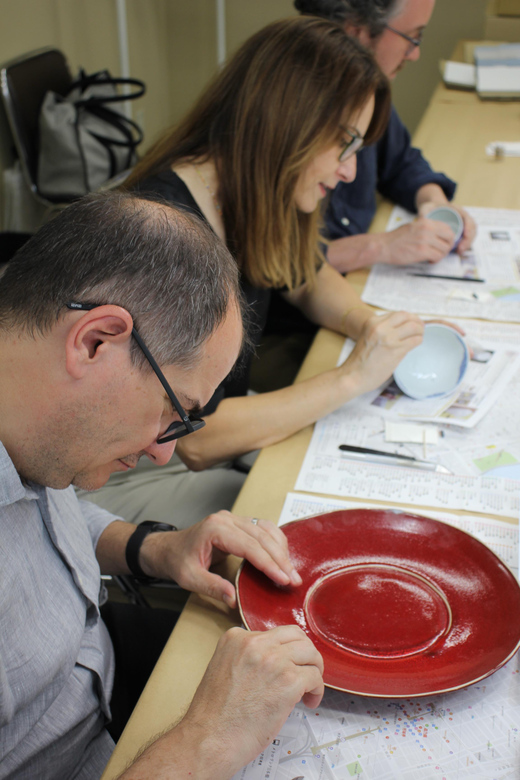
The best souvenir is the one you can keep and display. This workshop includes materials and a plate you can take home, and the craft is meant for decoration rather than daily use like a normal dish.
Right after your Kintsugi work, you will bring the piece home and dry it indoors for about 1 week. That drying period matters because Kintsugi repairs rely on proper setting time to cure correctly.
After drying, follow the care rules closely:
- Hand wash only, using dishwashing detergent
- No microwave
- No dishwasher
Also, treat it as decoration, not something to eat or drink from. If you want to use it for a snack or a quick coffee, this is not that kind of workshop project.
This aftercare is the kind of detail that protects your investment. A $139 workshop is not “cheap,” but it is also not pointless. Your takeaway is only worth it if it lasts, looks good for years, and stays safe in your home.
Price and value: what $139 buys you in Tokyo
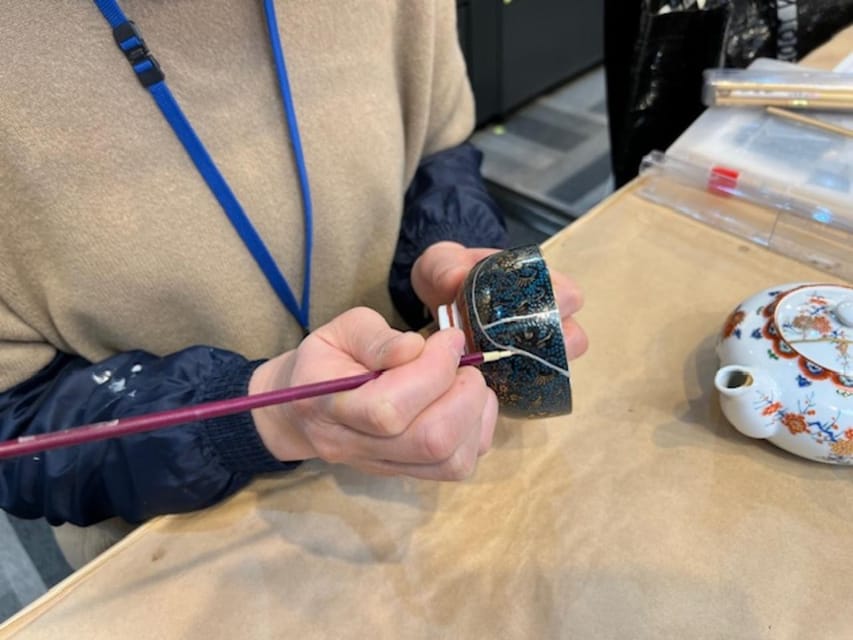
$139 per person may sound like a big number until you look at what’s included. You are paying for a full 90-minute craft session, an English-speaking instructor, all necessary materials, and a plate you can take home.
You’re also paying for something that is hard to replicate yourself. Kintsugi is not like painting a souvenir. It involves learning the craft approach, working carefully with the break, and finishing a piece that has meaning. For many people, that “I made it” element is the main value.
The small group size is also part of the value equation. With a maximum of 10 participants, you should get clearer guidance than you would in a mass workshop setup. That matters when you are learning a detailed craft for the first time.
If you love Japanese ceramics, like the idea of repairing instead of replacing, or want a hands-on souvenir that feels personal, this price can feel fair. If you only want something to look at, and you are not interested in craftwork, you might find better budget options elsewhere.
Who this workshop fits best (and who might want another plan)
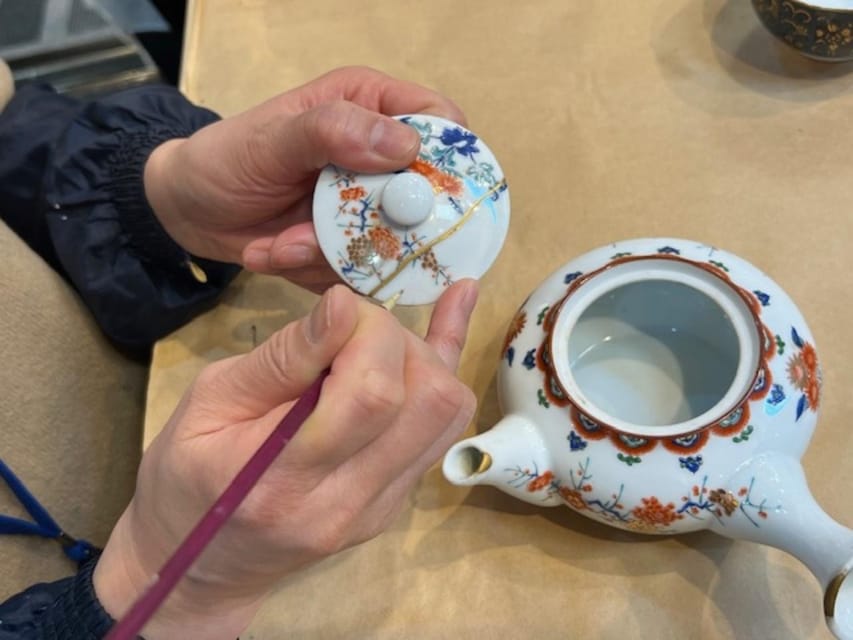
This is a great fit if you:
- Want an authentic craft activity in Tokyo, not just a quick photo stop
- Enjoy ceramics, lacquerware, or Japanese traditional arts
- Prefer a calm, structured class with an English guide
- Like souvenirs that carry a story you understand
It is also a good choice if you are a beginner. The experience is designed for people of all artist levels, and the guidance is set up so you can follow along without prior Kintsugi knowledge.
It may not be the best fit if you:
- Want to make multiple items in one session
- Need a wide selection of starting pieces (there is a hint of limited variety in what you may be able to choose)
- Are traveling with children under 13, since it is not suitable for that age group
Wheelchair accessibility is listed, so it is worth considering if you need that option. If you arrive late, the experience still ends at the originally scheduled time, so build in buffer time on a busy Tokyo day.
Simple scheduling tips so you do not feel rushed
Choose your time slot based on the rest of your day, not just convenience. The sessions are time-boxed, and the drying process is for after you get home, so you want travel time afterward to be smooth.
If you are visiting Nihonbashi for shopping or sightseeing, a mid-morning or afternoon slot can work well. You will be carrying a take-home plate, so plan something low-stress after class.
For arrival, aim to be early rather than just on time. The class has a fixed ending, and late arrivals can make the session feel compressed even if the workshop still runs as scheduled.
Should you book this Kintsugi experience?
If you want a Tokyo souvenir with real meaning, I think this is an excellent choice. You get 90 minutes of hands-on Kintsugi, a small-group setting, and the added cultural weight of Arita ware and the shop environment at Nihonbashi Mutoh Main Store.
Book it if you like the idea of repairing with gold, and you are willing to follow aftercare steps like week-long drying and gentle dishwashing. The rules might sound strict, but they are part of what keeps the craft project looking right and lasting longer.
Skip it if you want lots of item variety, or if you prefer something you can use like everyday tableware. This is for decoration and story, not for practical meals.
If you want a craftsman-like experience in central Tokyo that still feels manageable in 1.5 hours, this is one of the stronger options.
FAQ
How long is the Kintsugi experience?
It lasts 90 minutes (listed as 1.5 hours).
What time slots are available?
You can choose from 10:30 to 12:00, 13:30 to 15:00, or 15:30 to 17:00. Check availability for exact starting times.
Where is the meeting place?
Nihonbashi Mutoh Main Store, 1-8-3 Honcho, Nihonbashi, Chuo City, Tokyo 103-0023.
Will the instructor speak English?
Yes. The workshop includes an English-speaking instructor.
Can I bring my own broken item to repair?
Yes, you may bring your own item if it is ceramic or porcelain, up to about φ15 cm in diameter and 15 cm in height, and has 1 to 2 broken parts.
What is included in the price?
Admission to the Kintsugi workshop, all necessary materials, an English-speaking instructor, and a plate used in the experience that you can take home.
How should I care for my repaired piece after the workshop?
You should dry it indoors for about 1 week, then hand wash only with dishwashing detergent. Do not use a microwave or a dishwasher.
Is the finished piece meant for eating or drinking?
No. Please use it for decoration, not for eating or drinking.
Is it wheelchair accessible and are there age limits?
Yes, it is listed as wheelchair accessible. It is not suitable for children under 13 years.
What is the cancellation policy?
Free cancellation is available up to 3 days in advance for a full refund. No refunds are issued if you do not participate on the scheduled day.
Made by Hand, and Yours to Keep
Newest Tokyo write-ups from the Loving Japan desk






Japanese Craft and Calligraphy Workshops, side by side.
 ★ 5.0Tokyo Shinjuku Chopsticks Making ClassFrom $201,763 reviews
 ★ 4.8Chopstick Making Workshop in GinzaFrom $251,366 reviews
 ★ 5.0Chopsticks Making Workshop in Gion with Engraving OptionFrom $15958 reviews
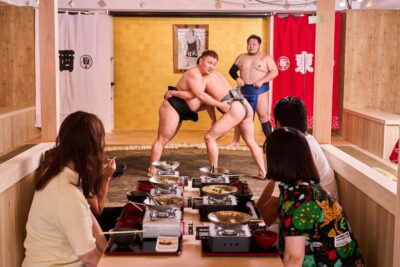 ★ 4.8Tokyo Sumo Experience: Chanko & Mochi with a Former ProFrom $103567 reviews
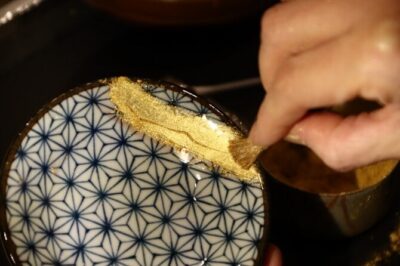 ★ 5.0Kintsugi Experience: Art of Golden Joinery in TokyoFrom $59467 reviews
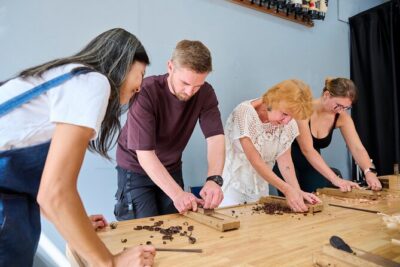 ★ 5.0Tokyo Chopstick Making Workshop with ArtisanFrom $26466 reviews
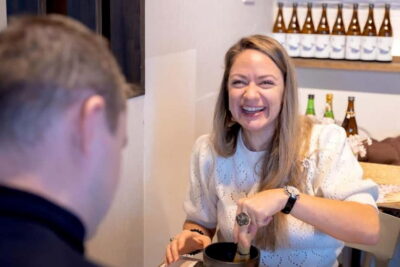 ★ 4.9Matcha Making Experience with Mochi Sweets in AsakusaFrom $22388 reviews
 ★ 4.8Authentic knife making experience at a blacksmith in KyotoFrom $154350 reviews
Filed on these lists too