
REVIEW · NARA DEER PARK AND TODAI-JI
Kobe: Private Walking Shore Excursion- Kyoto/Osaka/Nara/Kobe
Trains, temples, and deer, all in one day. This private Kobe shore excursion is interesting because you can mix major sights with smaller streets, then have an English guide handle the train shuffle while you stay focused on what you want to see. I like the customizable route and the private guide attention, especially when you are on a cruise schedule. One caution, it is a walking day, and it is not a good fit if you have mobility limits or need step-free access.
You can start from different places, like the cruise terminal or a train station, and the guide brings you back to Kobe, Kyoto, Osaka, or wherever you started the tour. Expect stops that range from Meriken Park and Osaka Castle to Golden Pavilion, Kiyomizudera, Gion, Arashiyama, Nara Park, and Todaiji, plus shopping streets and off-the-beaten-path corners. If you want a smooth Kansai day without guessing train lines or timing, this is a strong plan. If you are traveling without much flexibility, budget extra time and extra money because transportation, meals, and admission fees are not included.
I have seen how much this sort of day depends on your guide’s pace and communication. Guides like Alyssa are known for clear English, check-ins about timing, and practical help like finding toilets and keeping people comfortable in hot weather. That kind of support is hard to replicate on your own.
In This Review
- Key things that make this shore tour work
- First step off the ship: meeting your guide in Kobe
- Choose Kyoto, Osaka, Nara, or Kobe, then tailor the order
- Why public transportation beats guessing on a cruise day
- Kobe basics you might add: Meriken Park and herb gardens
- Kyoto highlights on a walking day: Golden Pavilion, Kiyomizudera, Gion, and Arashiyama
- Golden Pavilion area
- Kiyomizudera
- Gion and traditional streets
- Arashiyama
- Osaka street power: Osaka Castle, Dotonbori, and Shinsekai
- Osaka Castle
- Dotonbori
- Shinsekai
- Nara for deer and the Big Buddha: Nara Park and Todaiji
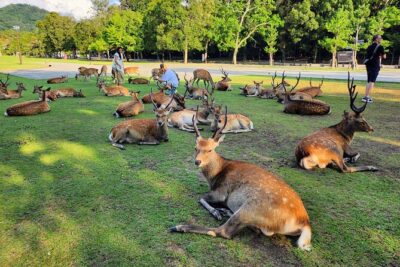
- Nara Park
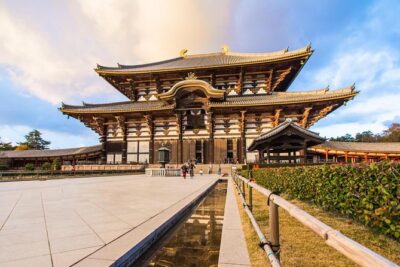
- Todaiji and the Great Buddha
- Off-the-beaten-path stops and tailored shopping time
- How long it really takes: planning a 6 to 8 hour day
- What you need to bring, and what not to do
- Price and value: $141 per person for a private transit-guided day
- Who this shore excursion is best for
- Should you book this Kobe private walking shore tour?
Key things that make this shore tour work
- Private guide, local pacing: You control how long you linger, and the guide keeps the day from turning into a sprint.
- Public transportation navigation: You ride local trains and subways instead of relying on taxis for every leg.
- Pickups and drop-offs that match cruise reality: Meet at the port or a nearby station, then return to Kobe, Kyoto, or Osaka.
- A menu of iconic sights plus shopping streets: You get temples and big landmarks, and you still have time for streets and food stops.
- Off-the-beaten-path options: If you want side areas rather than only the postcard spots, your guide can steer you.
Still weighing up options in Kobe? These are the ones our reviewers rated highest.
- KOBE Sake Tasting Tour at Breweries (tasting fee included)
★ 5.0 · 154 reviews - Kobe Highlights & Hidden Gems: Private & Custom Tour with a Guide
★ 4.5 · 70 reviews - Kobe 4hr Private Tour with Government-Licensed Guide
★ 5.0 · 59 reviews - Kobe: Guided Sake Breweries Tour with Tastings
★ 5.0 · 55 reviews
First step off the ship: meeting your guide in Kobe
This tour is built around real cruise timing. You meet your guide at the port terminal in Kobe, or sometimes at another agreed meeting spot in Kobe, Kyoto, Osaka, or Nara. The big practical win is that you are not left alone with arrival logistics, train ticket stress, and the question of where exactly to go next.
In the real world of cruise days, the difference is simple: you need a person who knows the flow. One guide, Alyssa, is specifically described as meeting guests right where they expected her, including after customs at the cruise arrival area. That one detail matters. It is the difference between starting your day relaxed and starting your day chasing directions.
Also note how the tour ends. You are escorted back to the port, or to the original destination, or to the last stop in the route. That means you are not stuck trying to figure out the return trip after a long day of walking and photos.
Choose Kyoto, Osaka, Nara, or Kobe, then tailor the order
The tour is marketed as a best-of day across Kyoto, Osaka, Nara, or Kobe, and the key word is flexible. With a 6 to 8 hour window, you can design the day around your priorities instead of following a rigid checklist.
Here is how that flexibility usually plays out:
- If you want iconic Japan in one concentrated dose, you lean toward Kyoto, with temples and traditional districts.
- If you want street energy and major landmarks, you lean toward Osaka, with castle and neon-era neighborhoods.
- If deer encounters and the Big Buddha are your main goal, you lean toward Nara.
- If you want a calmer start near your ship, you can build in Kobe waterfront time and then connect onward based on timing.
Your guide can also swap the mix depending on the day and your interests. You might do a classic highlight like Kinkakuji, then add time for Gion or Arashiyama. Or you might put more weight on shopping streets and side streets that feel more like everyday Kansai than a staged tour bus loop.
Why public transportation beats guessing on a cruise day
You are taking trains and other public transportation, not a private charter bus. That is a good thing for two reasons.
First, you get around like locals. Instead of only seeing what is near major highways, you ride through the real city grid, which helps you understand where each place sits. Second, it typically saves you from the long taxi lines and the budgeting shock of cab-to-cab travel for multiple segments.
The tricky part is that Japan transit can feel confusing at first. Stations can be large, signs can be dense, and the fastest route is not always the easiest one to figure out quickly. This is where having an experienced local guide matters. A well-managed transit route is not just about getting there, it is about getting there at the right time so you do not lose your best hours waiting.
In one example, Alyssa routed guests using two trains for a roughly 1 hour 20 minute trip, and the day was described as worth every minute. In another case, guests opted for the bullet train to save time, with the guide handling the plan. The takeaway: if you have limited hours, your guide can help choose the route that fits your pace.
Castle and beef in one run. Other combinations
- Kobe: Port Tower Admission Ticket★ 4.4 · 52 reviews
- Next-Generation Local Guide: Private Kobe Tour★ 5.0 · 39 reviews
- Sake Brewery and Japanese Life Experience Tour in Kobe★ 5.0 · 39 reviews
- Shore excursion: Full Day Private Kyoto Tour From Osaka/Kobe Port★ 4.5 · 36 reviews
- 4-Hour Multicultural Kobe Walking Tour with Genuine Kobe Beef★ 5.0 · 29 reviews
Kobe basics you might add: Meriken Park and herb gardens
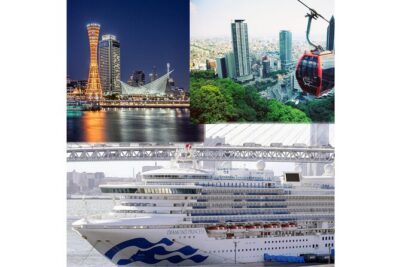
Even if your main targets are Kyoto, Osaka, or Nara, Kobe can be more than just a departure point. Meriken Park is a classic waterfront stop in Kobe, and it is the kind of place where you can reset after arriving at the port, grab a few photos, and take in the harbor vibe.
Herb Gardens show up as another suggested stop. If you like gardens and views, it is a nice pause from the temple-heavy parts of Kansai. It can also help break up the walking rhythm, especially on very hot days when you need shade and breathing room.
Because your itinerary is customized, you can decide how much Kobe you want. Some people want a quick touch, others want a gentler start before heading out.
Kyoto highlights on a walking day: Golden Pavilion, Kiyomizudera, Gion, and Arashiyama
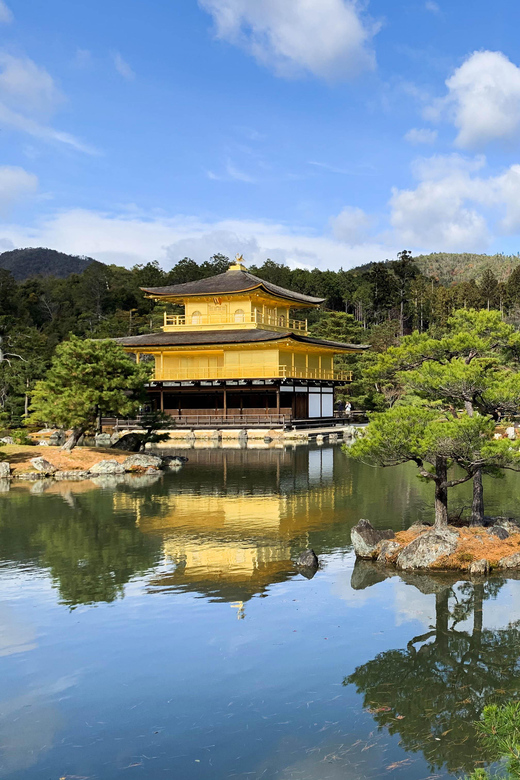
Kyoto shows up in the tour options with several signature stops. Even if you cannot cover everything, the smart move is to pick the Kyoto zone that matches your taste.
Golden Pavilion area
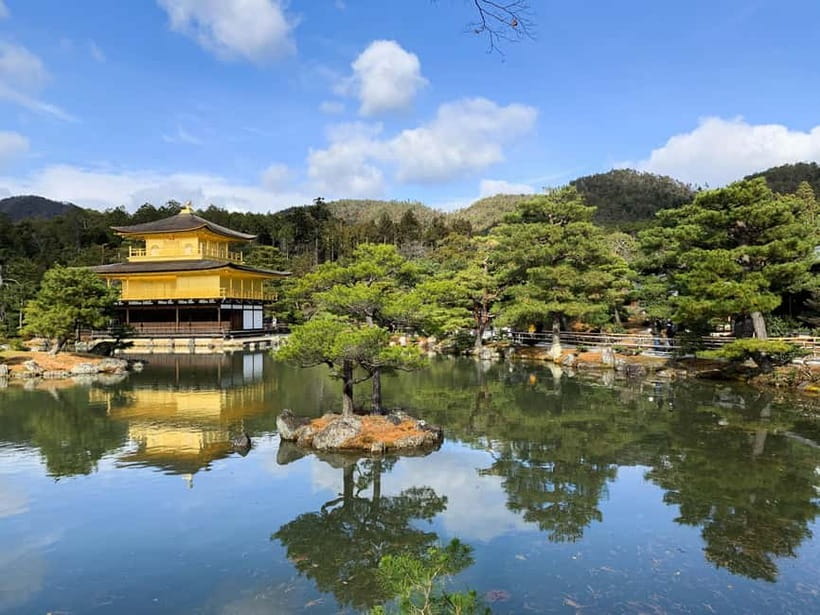
The Golden Pavilion is the kind of stop that looks like a postcard and still works in real life. The best part about adding it to a private walking day is that you can time it. If you arrive when the crowds are lower, you can slow down and take in details without getting pushed.
Kiyomizudera
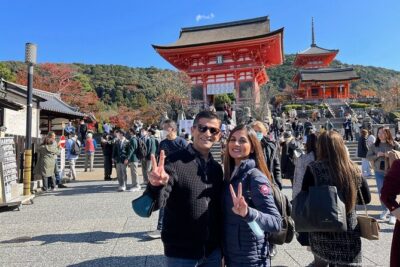
Kiyomizudera is another major Kyoto draw. It is also one of those places where walking and stairs are part of the experience. Wear comfortable shoes, and keep water handy. If you want photos, plan for a few stops where you can step aside and not feel rushed.
Gion and traditional streets
Gion and similar traditional streets bring a different Kyoto mood. This is where you can shift from big landmark viewing into a slower street experience. Your guide can also steer you into shopping streets where you can browse snacks, small souvenirs, and everyday goods.
Arashiyama
Arashiyama is often chosen when you want scenery and a change of pace. It can be a great contrast after a day of temples. If your route includes both Arashiyama and another high-demand area, your guide’s pacing matters more than you might think, so you do not end up exhausted before the best moments.
A practical note from the way the day is described by guests: guides like Alyssa are reported to keep an easy pace, with check-ins on timing, and help when language barriers come up. That means you can ask for a bathroom break without it feeling like an interruption.
Osaka street power: Osaka Castle, Dotonbori, and Shinsekai
Osaka can feel like the fun cousin of Japan. This tour includes major Osaka options such as Osaka Castle, Dotonbori, and Shinsekai, plus shopping streets.
Osaka Castle
Osaka Castle is a landmark that gives you a clean sense of scale. It is also a good anchor point. Even if you only have a few hours in Osaka, you can get a meaningful hit of history and city identity in one stop.
Dotonbori
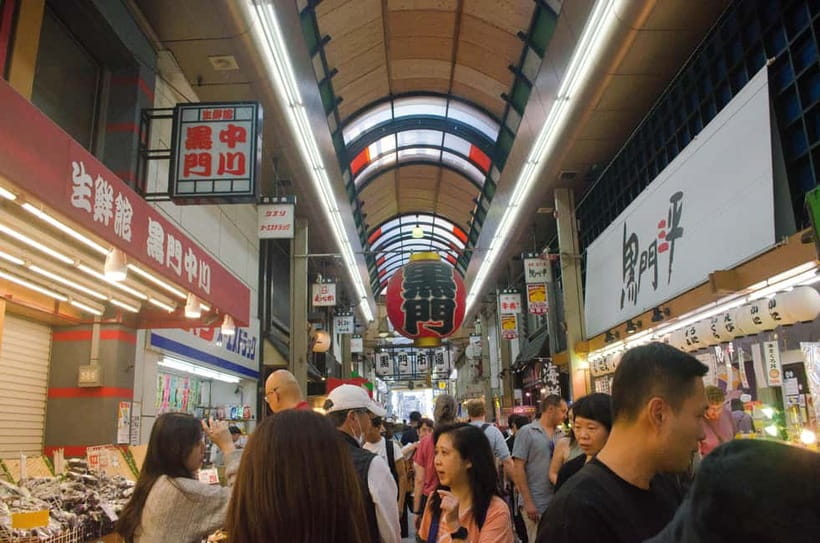
Dotonbori is where Osaka gets loud. Think bright signage, street food energy, and constant motion. If you want photos, it is easy to find them here. The value of having a guide is that you can move efficiently from one pocket of the area to the next without wasting time searching for the best walking route.
Shinsekai
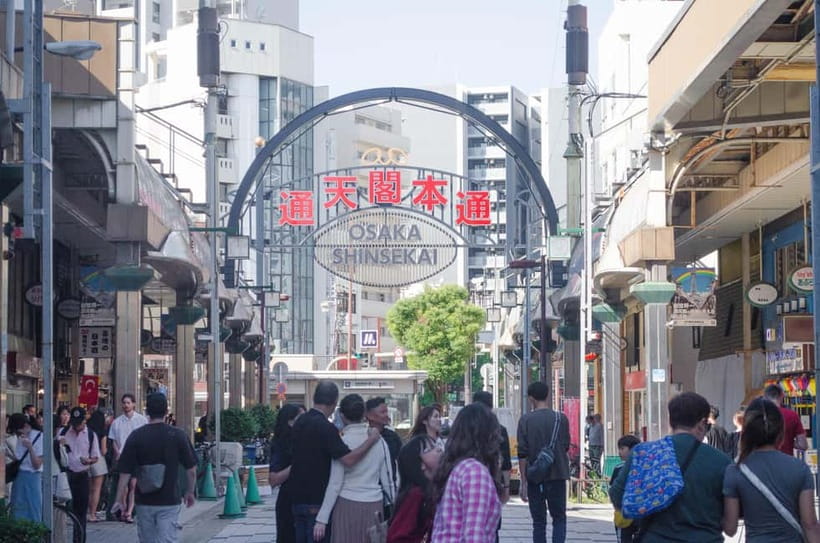
Shinsekai has a different feel, and it is popular because it is more local and less shiny than the Dotonbori edge. If you want to see Osaka beyond the headline attractions, this is the kind of stop that can make the day feel more real.
There is also room for shopping streets. Those are not just for souvenirs. They are where you can grab a snack, pick up something small and useful, and watch how people actually shop and eat.
Nara for deer and the Big Buddha: Nara Park and Todaiji
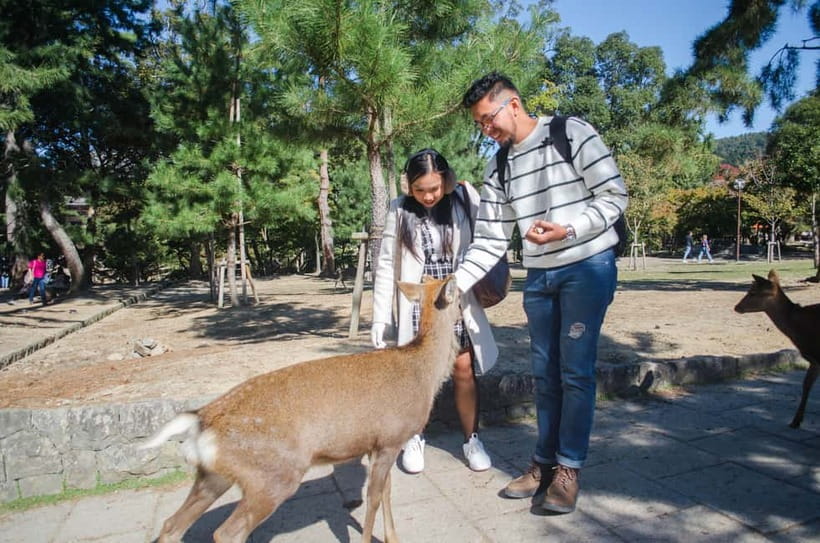
If your mental image of Nara is deer at the park and the Big Buddha, this tour lines up perfectly. Nara Park and Todaiji show up as key stops, and in the experience shared by guests, that combination was a highlight.
Nara Park
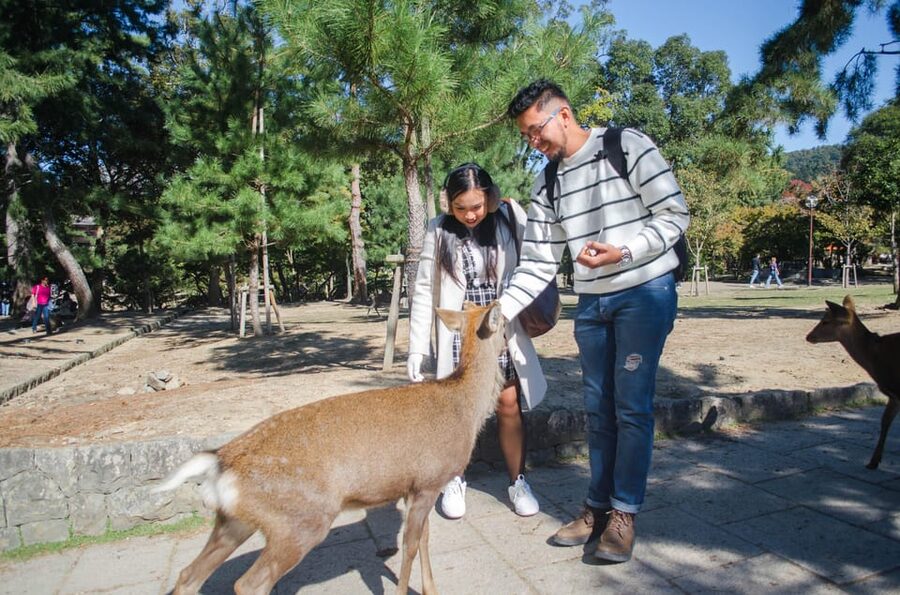
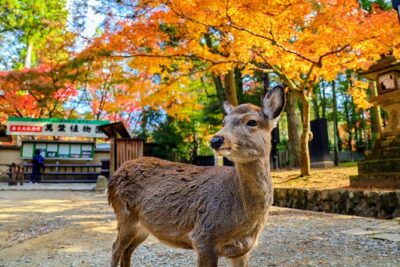
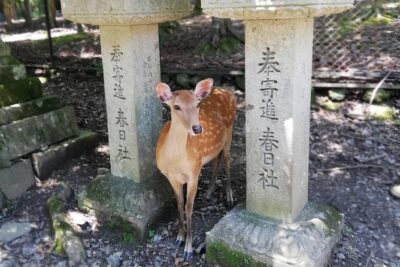
Nara Park is about atmosphere. You are walking near the deer and soaking up the playful, slightly chaotic energy. The guide help matters here because feeding and movement can be confusing if you are trying to manage it while also spotting the best route to the next sight.
Todaiji and the Great Buddha
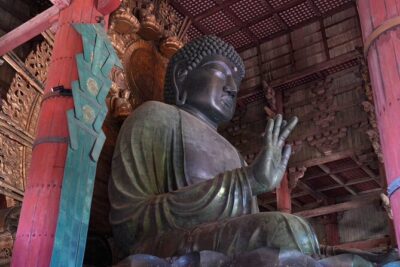
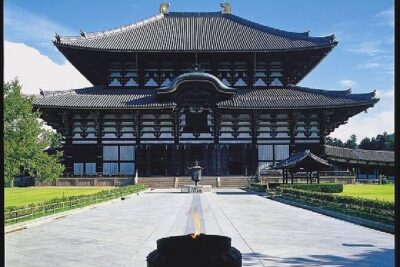
Todaiji is where you find the Great Buddha, and it is one of those sights that can feel surprisingly moving even if you are not usually a temple person. The value of a private walking day is pacing. You can spend time at the right moments and take breaks without feeling like you are falling behind a group.
In at least one described day, the plan included time for the deer and the Big Buddha, and it was described as fantastic. Another guest specifically highlighted a Nara day focused on deer viewing, with a guide who adjusted to walking needs and kept the pace friendly.
Off-the-beaten-path stops and tailored shopping time
Not every day in Kansai is only famous landmarks. This tour explicitly includes off-the-beaten-path destinations and lesser-known sightseeing spots. That is worth real attention because it is usually where you find the best photos, quieter streets, and the calmer rhythm.
Your guide can also build in shopping streets depending on your preferences. That can mean:
- souvenir browsing with less pressure
- snack stops that match the neighborhood you are in
- time to walk at your own speed instead of rushing between set photo points
The practical advantage of having a local guide is that shopping is not random. You do not waste time wandering without a plan. You also do not miss the best short stretch because you were focused on the next major landmark.
How long it really takes: planning a 6 to 8 hour day
The duration is 6 to 8 hours, and that is both good and limiting.
It is good because you can hit major sights without eating your whole vacation. It is limiting because Kansai is spread out, and walking time adds up quickly when you mix temples, parks, and street areas in one day.
Here is how I suggest you plan inside that time box:
- Pick one main city you care about most: Kyoto, Osaka, or Nara.
- Treat additional stops as bonuses, not obligations.
- Bring water and expect you will walk more than you think, even if the day is not marketed as extreme hiking.
Also, admissions and meals are not included. That means you should plan small budget blocks for entrance tickets and at least one meal stop.
What you need to bring, and what not to do
This is a practical walking day. Bring comfortable shoes, a camera if you want photos, and water. Also, plan around the fact that you will likely be moving between neighborhoods by transit.
Smoking is not allowed.
And one more practical point: this tour is not suitable for pregnant women, people with mobility impairments, or wheelchair users. If you fall into any of those categories, consider a more step-free itinerary.
Price and value: $141 per person for a private transit-guided day
$141 per person sounds like a lot until you break down what you are actually buying. You are not paying just for sightseeing. You are paying for:
- a local guide who can navigate trains and schedules
- a private setup where your pace matters
- meet-up and escort back tied to your port day timeline
Transportation is not included, and meals and admission fees are extra. So the total day cost depends on how much transit you use and what entrances you choose. But compared to DIY days where you might spend time figuring out routes, missing timing windows, or getting stuck with a slow return, the value can be strong.
This is especially true for cruise passengers. Your biggest risk is not the cost, it is the clock. A guide who manages the flow can help you make the most of the hours you are actually in port.
Who this shore excursion is best for
This tour fits best when you want:
- a private day that you can customize
- English guidance so you spend less time decoding transit and more time seeing places
- public transportation routes that feel like locals, not a bubble bus day
It is also a good fit for couples and small families who want to move efficiently. In the experience shared by guests, the guides are described as accommodating walking needs, checking pace, and helping with small practical issues like food choices and locating toilets.
If you are someone who loves the idea of Kyoto, Osaka, and Nara but hates the stress of planning, this is a smart way to package it.
Should you book this Kobe private walking shore tour?
Book it if you want a guided, private Kansai day from Kobe with the freedom to tailor stops, and you are comfortable with walking plus extra spending for transit and tickets.
I would skip it if you cannot handle walking, need wheelchair-friendly logistics, or require a step-free day. I would also think twice if you want zero planning at all and expect the guide to cover all costs, because transportation, meals, and admission fees are not included.
If you do book, one tip: choose your main priority city first (Kyoto, Osaka, or Nara) and then let the guide add smart bonuses from Kobe or the other city options. That keeps your day from turning into a checklist and lets you enjoy the parts that actually feel memorable.
Kobe and the White Castle


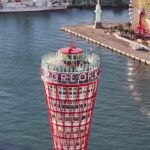
Newest Kobe write-ups from the Loving Japan desk
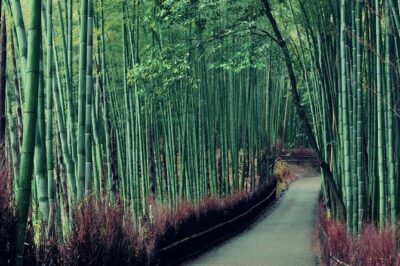
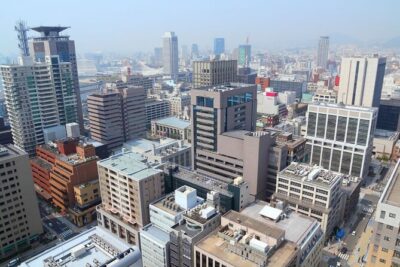
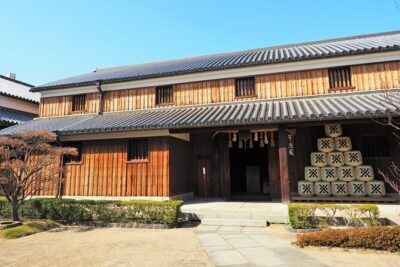
Nara Deer Park and Todai-ji, side by side.
 ★ 5.0World Heritage Kyoto & Nara Uji Authentic Matcha ExperienceFrom $1291,573 reviews
 ★ 4.7Kyoto/Osaka: Nara, Fushimi Inari Taisha, Arashiyama Bus TourFrom $521,275 reviews
 ★ 5.0Nara Half Day Trip Walking Tour (Private Option Available)From $105937 reviews
 ★ 4.4Osaka/Kyoto: Arashiyama, Nara & Fushimi Inari Shrine w/LunchFrom $61754 reviews
 ★ 5.0Nara Early Morning Tour (Kyoto or Osaka Departure Available)From $61676 reviews
 ★ 4.5Kyoto and Nara Day Trip from KyotoFrom $194445 reviews
 ★ 5.0Full Day Guided Tour to Kyoto and Nara from Osaka by VanFrom $106420 reviews
 ★ 4.5Nara Afternoon Tour from Kyoto or OsakaFrom $102390 reviews
Filed on these lists too