
REVIEW · GION, GEISHA AND MAIKO EXPERIENCES
Kyoto 5-Star Geisha Night Walk: Small-Group Authentic Experience
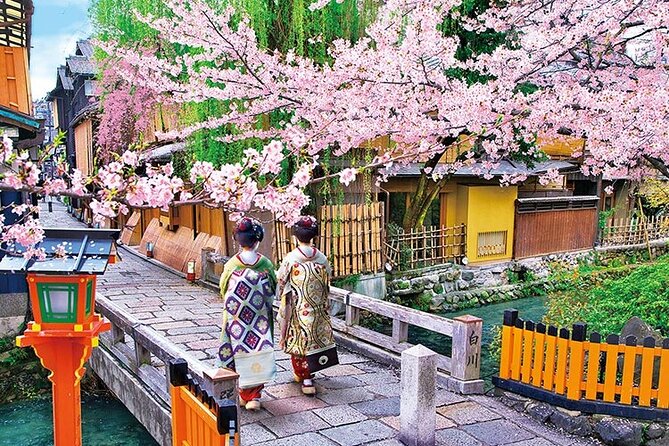
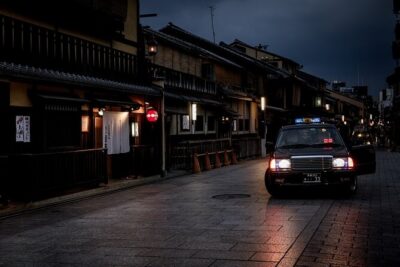
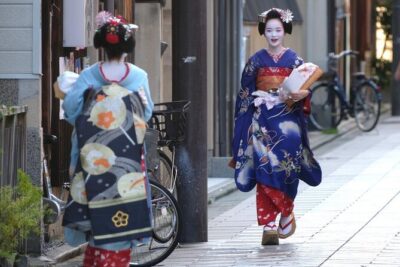
Lantern light makes Gion feel real. This small-group Kyoto geisha night walk shifts you into the older, quieter rhythms of Gion after dark, with stops at shrines and temples plus time on classic streets like Hanamikoji.
I especially like the tight group size, capped at 8 travelers, which makes it easier to actually hear your guide and ask questions. I also like that you get an included snack break, not just nonstop walking, so you stay steady for the full 3 hours 30 minutes.
One thing to consider: this is still a walking tour. It is not suitable for anyone with walking issues, and strollers have steps and unpaved rocky paths to maneuver.
In This Review
- Key Highlights I’d Prioritize for Your Evening in Gion
- Why Gion After Dark Beats Daytime Crowds for Geisha Culture
- Meet Richard: The Guide Style That Makes This Tour Worth It
- The Walking Route, Timing, and Where It Ends in Pontocho
- Kabuki Theater Stop: How Traditional Performance Sets the Scene
- Hanamikoji Street and Gion Alleys: Learning to See the Neighborhood
- Yasui-Konpiragu Shrine: Shinto Traditions in a Smaller Setting
- Hōkan-ji Temple (Yasaka Pagoda): A Night Photo Stop That Actually Makes Sense
- Ninenzaka and Nene-no-Michi: Lantern Lanes Plus a Real Snack Break
- Yasaka Shrine and Pontocho: Where the Evening Turns Into Kyoto Nightlife
- What This Tour Feels Like in Real Life: Pace, Group Size, and Questions
- Price and Value: Is $98 Worth It?
- Who Should Book, and Who Might Skip This Geisha Night Walk
- Should You Book This Kyoto Geisha Night Walk?
- FAQ
- How long is the Kyoto geisha night walk?
- What time does the tour start?
- Where does the tour meet?
- Where does the tour end?
- How many people are in the group?
- Is the snack included?
- Is the guide available in English?
- What if the weather is bad?
- Is the tour suitable for people who have trouble walking or for strollers?
Key Highlights I’d Prioritize for Your Evening in Gion
- Small group capped at 8 so the guide can keep your pace and answer questions
- Gion after dark to dodge the worst daytime crowds and see lantern-lit streets
- Richard’s storytelling style linking geisha training, kimonos, Shinto, and Kyoto’s temple culture
- Kabuki theater context stop that helps you understand traditional performance arts in Kyoto
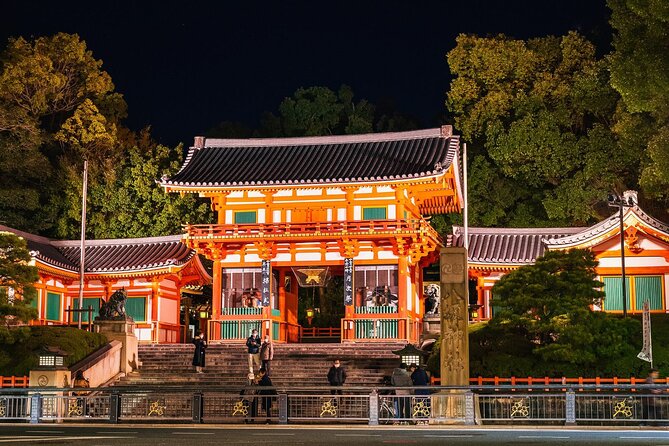
- Photo-friendly night stops including Hōkan-ji Temple (Yasaka Pagoda) and the lantern alleys
- Nene-no-Michi snack break built in, with a Kyoto snack included during the tour
Evening walks through the old quarters, compared
- Kyoto Geisha Walking Tour: Gion District & Hidden Gems
★ 4.7 · 3,273 reviews - Kyoto: Gion Magical Night Walking Tour with Geisha Trivia
★ 4.9 · 2,393 reviews - Kyoto: Gion Geisha District Walking Tour – Stories of Geisha
★ 4.7 · 2,187 reviews - Best of Kyoto: Gion, Geisha, Pagodas & Cobblestones
★ 4.9 · 2,058 reviews
Why Gion After Dark Beats Daytime Crowds for Geisha Culture
Daytime Gion can feel like a theme park. At night, the streets calm down, lanterns come on, and the whole area starts to look like it was meant to be seen on foot, slowly.
This tour is timed to start at 5:20 pm, which is a smart move. You get into the geisha districts while they still have energy, but before the walking crush at peak hours. Instead of just staring at facades, you learn how to notice details like old wooden houses, alley turns, and the rhythm of a neighborhood where people actually live and work.
Meet Richard: The Guide Style That Makes This Tour Worth It
The tour centers on your guide, Richard, described as an American and Japanese guide who explains culture clearly in native English. What I look for in a night walking tour is simple: can the guide keep the group together, explain what matters, and answer real questions without turning it into a lecture.
Here, Richard does that. The stories connect geisha life and training to Kyoto’s broader traditions, including kimonos and the logic behind rituals you might see in shrine settings. You also have chances along the way where the guide’s commentary helps you interpret what you are seeing, not just what you are walking past.
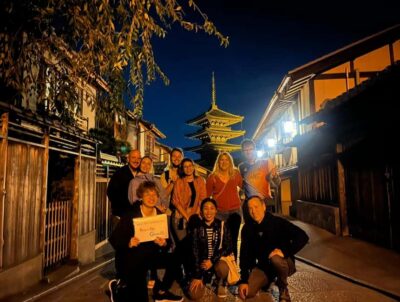
Since the group is capped at 8, the tone stays conversational. You do not feel like you are being pushed through. It also makes it easier to spot what Richard points out and to pivot if your interests lean more toward shrines, temple architecture, or entertainment culture.
The Walking Route, Timing, and Where It Ends in Pontocho
You begin at the Disney Store – Kyoto Shijo-Kawaramachi area (near the Shijo-Kawaramachi intersection). It is a convenient meeting point if you are already using public transport, and it helps you avoid the stress of “how do we meet exactly” moments.
The tour runs about 3 hours 30 minutes and ends at Sanjō Ōhashi Bridge, at the northern end of Pontocho alley. Ending in Pontocho is a nice payoff, because it is one of the places where Kyoto feels like Kyoto, with narrow lanes and a mix of traditional buildings and nightlife energy.
For you, the practical takeaway is shoes. This is not a sit-and-watch evening. Plan on walking continuously for most of the experience, with short breaks at specific stops.
- PERFECT KYOTO 1-Day Bus Tour★ 5.0 · 13,518 reviews
- Kyoto: Fushimi Inari, Kinkakuji, Bamboo Grove 1 Day Bus Tour★ 4.8 · 4,316 reviews
- Kyoto: Tea Ceremony in a Traditional Tea House in Kiyomizu★ 4.9 · 3,519 reviews
- Kyoto Geisha Walking Tour: Gion District & Hidden Gems★ 4.7 · 3,273 reviews
- Kyoto: Tea Ceremony Ju-An at Jotokuji Temple★ 4.9 · 3,207 reviews
Kabuki Theater Stop: How Traditional Performance Sets the Scene
One of the first things on the route is a stop by a kabuki theater. The guide uses this moment to explain details about traditional Japanese entertainment, which matters because it gives you context for what geisha culture is tied to.
Geisha and related arts are not random street spectacle. They are part of Kyoto’s long connection between performance, fashion, etiquette, and seasonal life. When you understand the bigger cultural ecosystem, the geisha districts stop feeling like a postcard and start feeling like a living tradition.
This stop also helps you get oriented. By the time you reach the geisha streets proper, you have a framework in your head for what to listen for and what details to pay attention to.
Hanamikoji Street and Gion Alleys: Learning to See the Neighborhood
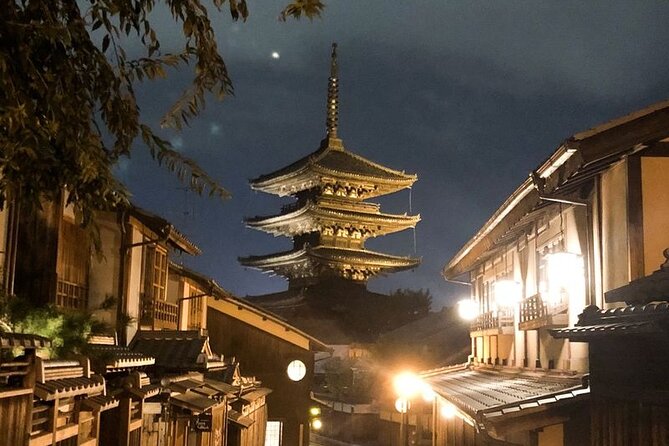
After the theater context, you spend significant time in Gion, including Hanamikoji Street and the smaller alleys branching off it. This is where you get that classic “I can’t believe I’m standing here” feeling, because the area’s scale and layout make it easy to miss things when you are on your own.
The best part is that the guide talks through geisha arts and traditions and helps you understand what you are seeing around geisha living quarters and working areas. You may also pass places like Gion Corner, which is associated with where geisha study and train.
A key value here is crowd timing. The tour intentionally runs at night to help you avoid the worst of the daytime lines and the constant jostling. You still see visitors, because this is Kyoto, but the streets feel less chaotic and more like a real neighborhood street stroll.
Yasui-Konpiragu Shrine: Shinto Traditions in a Smaller Setting
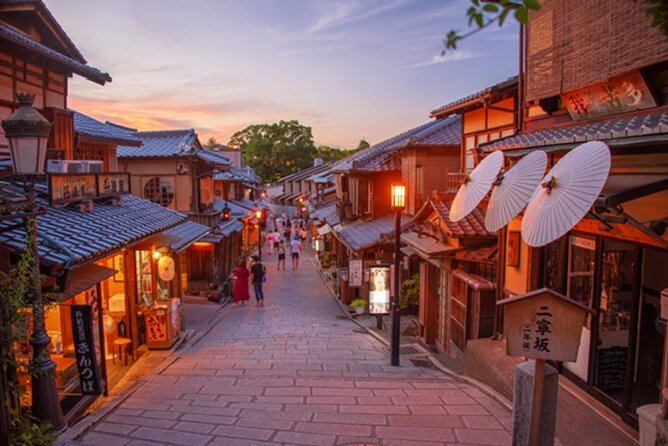
One stop is Yasui-Konpiragu, where you explore an intimate Shinto shrine setting. You get around 30 minutes here, which is long enough for a proper look and to absorb the guide’s explanation of Shinto traditions.
For many visitors, shrines can feel like they all blur together. This is where the commentary helps, because the guide focuses on what makes this shrine special and how you should interpret common shrine elements. Even if you only know the basics, you leave with clearer understanding of what you just photographed and why it matters.
Hōkan-ji Temple (Yasaka Pagoda): A Night Photo Stop That Actually Makes Sense
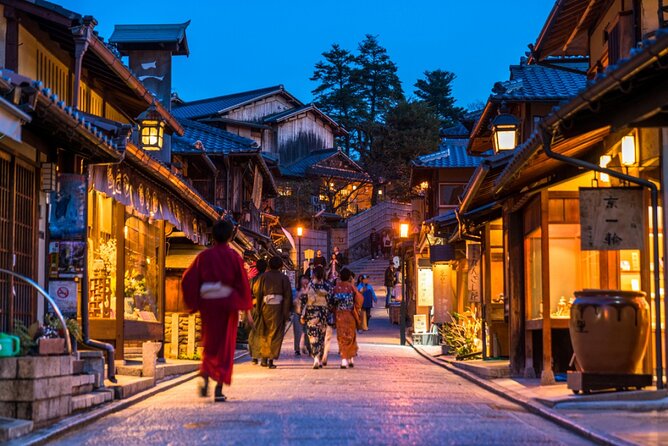
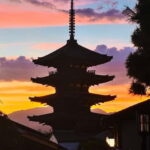
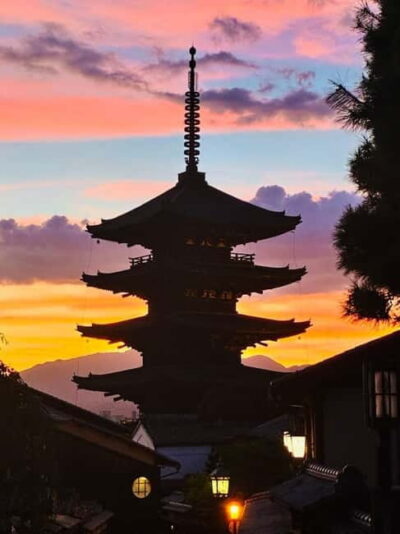
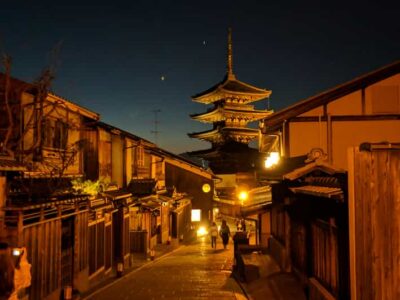
Another highlight is Hōkan-ji Temple, with the Yasaka Pagoda. You get about 15 minutes, but that short window is enough for guided context and for taking photos without feeling trapped in one spot.
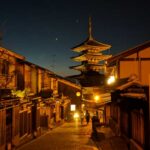
This is one of the places you can realistically plan around. Night lighting turns the pagoda and surrounding temple area into a focal point, so you are not just clicking randomly. Instead, you have a moment with a clear target, plus a guide who can point out what to look for.
Ninenzaka and Nene-no-Michi: Lantern Lanes Plus a Real Snack Break
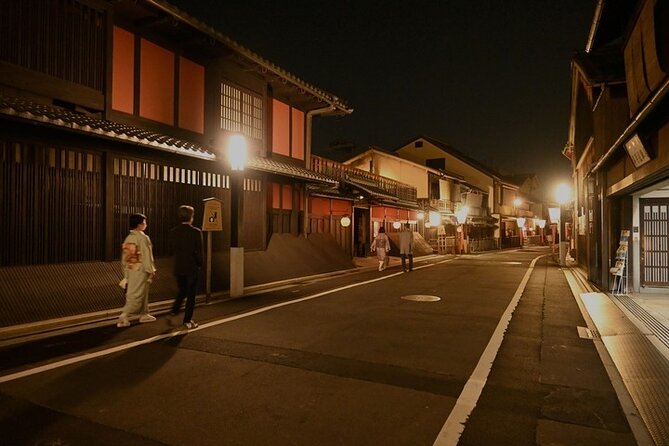
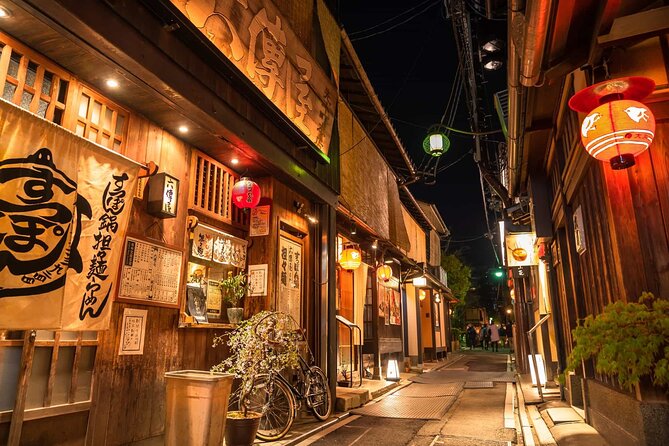
You also walk through Ninenzaka, an alley area especially beautiful at night. The 15-minute stop is perfect for slowing down. It is the kind of lane where you start noticing how buildings step up the hill, how lantern light pools, and how sightlines shape the whole scene.
Then the tour shifts into a built-in break at Nene-no-Michi, where you enjoy a refreshing Kyoto snack (included). This part is practical and smart. After hours of walking, a scheduled reset keeps you from running on fumes, and it gives you time to look at details without rushing.
One note from the experience vibe: snacks are personal. Some people love the style of the treat, while others find it not quite their taste. Still, the guide explains what you are eating, so even if you do not love it, you usually understand it, and you feel like it is part of the evening, not just a random add-on.
Yasaka Shrine and Pontocho: Where the Evening Turns Into Kyoto Nightlife
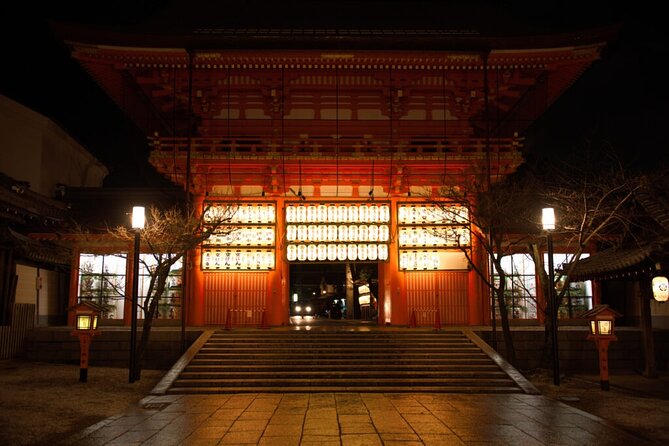
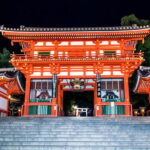
The next big anchor is Yasaka Shrine, with around 30 minutes to explore. The guide shares important features of the shrine, and because Yasaka is such a recognizable Kyoto landmark, your photos come out better when you have context.
From there, the route includes additional scenic stops in the geisha district, including a picturesque spot that many people never want to skip and a lesser known geisha street. This is one of the tour strengths: you are not stuck only on the busiest viewpoint corridors.
You finish in Pontocho District, about 30 minutes, where the lanes feel narrow and lively. You see a mixture of geisha houses, bars, and nightlife. It is a good landing point because you can keep exploring after the tour if you want, or simply enjoy the night ambiance with fewer decisions.
What This Tour Feels Like in Real Life: Pace, Group Size, and Questions
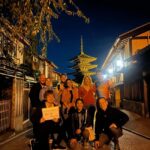
The maximum group size of 8 travelers changes the feel immediately. You are not constantly waiting for people who got lost, and the guide can keep conversations flowing when someone asks something specific.
Most of the tour’s value comes from how Richard ties locations to meaning. If you ask about the geisha path, kimonos, Shinto ideas, or why temples look the way they do, the guide can connect those themes back to what you are seeing in front of you. That is why the evening often lands as a highlight, not just a checklist tour.
The other practical reality is that you are on your feet. Expect steady walking plus several short stops. If you want a casual, sit-everywhere kind of evening, this is not the format.
Price and Value: Is $98 Worth It?
At $98 per person, this tour is not a budget throwaway. You are paying for three things that matter in Kyoto evenings: an expert English-speaking guide, a small group experience, and a route designed to make the most of night atmosphere.
You also get an included snack and frequent stops at places with real payoff after dark, like the Yasaka Pagoda and the lantern alleys. Admission for the stops listed in the route is shown as Admission Ticket Free, which improves value since you do not get hit with extra entry fees mid-walk.
So the value question becomes: will you use the guide’s explanations? If you love context, this price often feels fair because it turns streets and shrines into a story you can follow. If you prefer silent wandering only, you might find the narration heavy for the cost.
Who Should Book, and Who Might Skip This Geisha Night Walk
This is a strong match if you:
- are visiting Kyoto for the first time and want a clear orientation to geisha culture and temple traditions
- enjoy night photography and want the best-lit moments in Gion and around Yasaka
- like guided explanations, and you want to ask questions instead of guessing
You might skip (or choose something easier) if you:
- have mobility limitations, because the tour is not suitable for walking issues
- need a stroller-friendly route, since steps and unpaved rocky paths are part of the walking
- want an unguided stroll with minimal group structure
Should You Book This Kyoto Geisha Night Walk?
Yes, if you want Kyoto to feel real after dark, and you like the idea of learning what you are looking at as you go. The small-group size and Richard’s storytelling style are the core reasons this works, and the evening timing helps you see Gion before the crowds fully take over.
Book this tour early in your trip. It gives you language for what you are seeing later, so your remaining Kyoto nights feel less like aimless wandering and more like intentional exploring.
FAQ
How long is the Kyoto geisha night walk?
It lasts about 3 hours 30 minutes.
What time does the tour start?
The start time is 5:20 pm.
Where does the tour meet?
The meeting point is at the Disney Store – Kyoto Shijo-Kawaramachi area in Kyoto.
Where does the tour end?
The tour ends at Sanjō Ōhashi Bridge, at the northern end of Pontocho alley.
How many people are in the group?
The tour has a maximum group size of 8 travelers.
Is the snack included?
Yes. A refreshing Kyoto snack is included during the tour.
Is the guide available in English?
Yes. The tour includes an expert guide speaking clear, native English.
What if the weather is bad?
The experience requires good weather. If it is canceled due to poor weather, you will be offered a different date or a full refund.
Is the tour suitable for people who have trouble walking or for strollers?
The tour is not suitable for anyone having walking issues. For strollers, there are some steps and unpaved rocky paths that must be maneuvered during the tour.
Evenings in the Old Quarters
Newest Kyoto write-ups from the Loving Japan desk

Gion, Geisha and Maiko Experiences, side by side.
 ★ 4.7Kyoto Geisha Walking Tour: Gion District & Hidden GemsFrom $253,273 reviews
 ★ 4.9Gion Magical Night Walking Tour with Geisha TriviaFrom $242,393 reviews
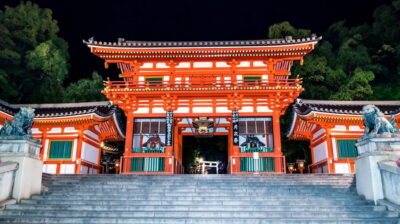 ★ 4.7Gion Geisha District Walking Tour – Stories of GeishaFrom $202,187 reviews
 ★ 4.9Best of Kyoto: Gion, Geisha, Pagodas & CobblestonesFrom $242,058 reviews
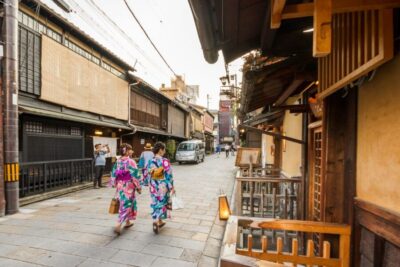 ★ 4.5Night Walk in Gion: Kyoto’s Geisha DistrictFrom $212,003 reviews
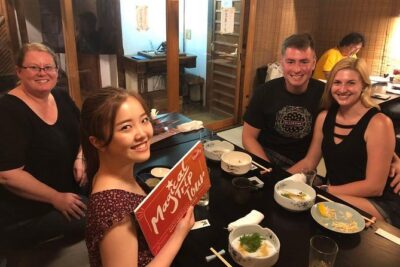 ★ 5.0Kyoto Night Foodie Tour in Gion (9+ dishes + 6 Sake tastings)From $1631,762 reviews
 ★ 5.0Kyoto Gion Geisha District Walking Tour – The Stories of GeishaFrom $251,441 reviews
 ★ 5.0Kyoto Gion: 2-Hour Geisha Culture & History Walking TourFrom $231,186 reviews
Filed on these lists too