
REVIEW · AMANOHASHIDATE AND THE KYOTO COAST
Kyoto: Amanohashidate Ine Funaya Tour
Miyazu Bay looks like a postcard, then you’re there. This Kyoto-area tour strings together Amanohashidate’s Heaven’s Bridge views, a visit to Chion-ji Temple tied to the god of wisdom, and then the fishing-town charm of Ine with waterfront boat houses and a bay cruise. I especially love how the day balances big scenery with a real temple moment, and how the Ine stop feels like a place you could wander for hours. One thing to weigh: food and entry tickets are not included, so plan for extra payments, and bring the right payment method.
The pace is built for bus travel from Osaka, with photo stops and guided time along the way. In past days on this route, the experience has been praised for tight timing and helpful guidance, including English support from guides such as Jay and Fred, though the depth of historical context can vary by guide. If you want lots of deep background on every stop, you may need to ask more pointed questions during the drive.
In This Review
- Key reasons this tour is worth your time
- The Osaka pick-up to Amanohashidate drive (and why that matters)
- Heaven’s Bridge at Amanohashidate: pines, sandbar views, and photo strategy
- Chion-ji Temple and Manjushri: a calm break with study-focused meaning
- The Kyoto-prefecture photo stop: a breather that keeps the day flowing
- Ine fishing town and boat houses: what to do when you arrive
- Bay cruise time: feeding seagulls and getting a coastline view
- Price and value: what $76 gets you and where extra costs can show up
- Guide quality and English support: what to expect
- Who this tour fits best
- Should you book the Kyoto: Amanohashidate Ine Funaya Tour?
- FAQ
- How long is the Kyoto: Amanohashidate Ine Funaya Tour?
- Where is the pick-up in Osaka?
- Is the meeting point the same for everyone?
- What is included in the tour price?
- Are food and drinks included?
- Are entry tickets included?
- What languages will the live guide speak?
- Do I get the boat cruise and seagull feeding on the day?
- What should I know about luggage?
- When will I receive details about pick-up?
Key reasons this tour is worth your time
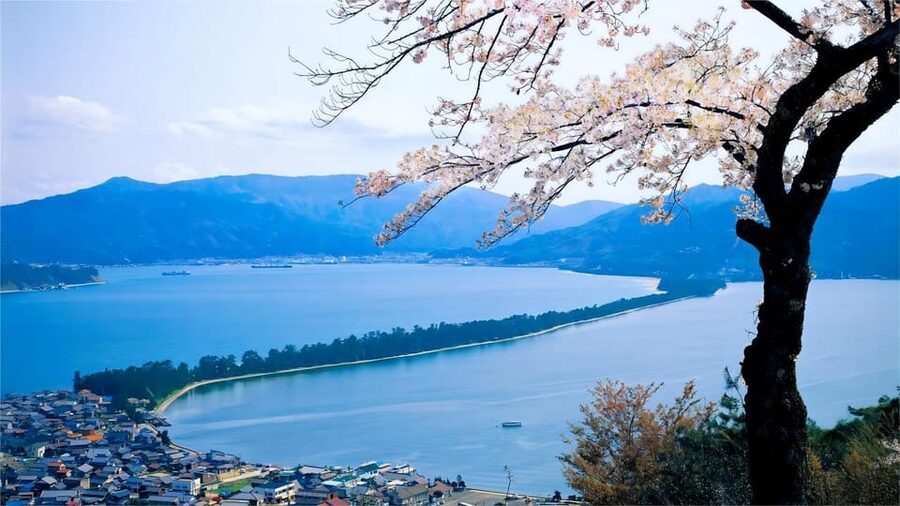
- Heaven’s Bridge at Amanohashidate: A sandbar nicknamed Bridge to Heaven that connects Miyazu Bay, one of Japan’s Three Views
- White beaches, pines, and open-sea views: You get sweeping sightlines to the Aso Sea and the Sea of Japan
- Chion-ji Temple for study success: Learn about Manjushri, the Buddhist god of wisdom, and how students come for blessings
- Ancient gate and a fan-shaped signed poem: A symbolic stop tied to progress and improvement
- Ine fishing town and boat houses: Waterfront houses, shops, and restaurants, plus optional boat time
- Seagulls on a bay cruise: A fun, active way to experience the coastline
Out to the sand bar and the boathouses, other days
- Amanohashidate & Miyama 1-Day Bus Tour: From Osaka/Kyoto w/ Lunch
★ 4.5 · 18 reviews
The Osaka pick-up to Amanohashidate drive (and why that matters)
This is a full-day, coach-based outing. You start with a pick-up in Osaka, then board the bus right at the meeting point. Expect a long-ish transfer to the countryside, about 2.5 hours to reach Amanohashidate, so the day is really designed for people who want to see this region without juggling trains and transfers.
The helpful part is the structure. You’re not stuck figuring out when to be where. You get guided touring and photo windows at each stop, which keeps the day from turning into a frantic self-planned sprint. Also, in rainy weather the bus still works, and the tour still moves. That matters in Japan, where weather can shift fast.
One practical note: schedules can shift due to traffic, weather, holidays, or crowds. If you’re traveling with strict plans later that evening, build in a buffer.
Heaven’s Bridge at Amanohashidate: pines, sandbar views, and photo strategy
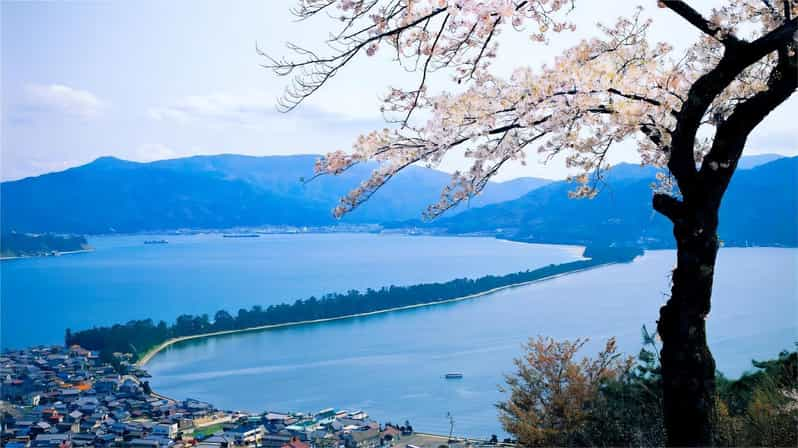
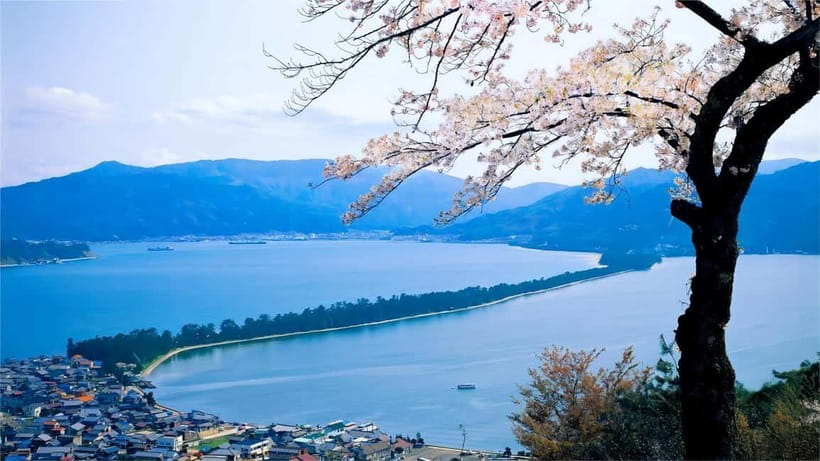
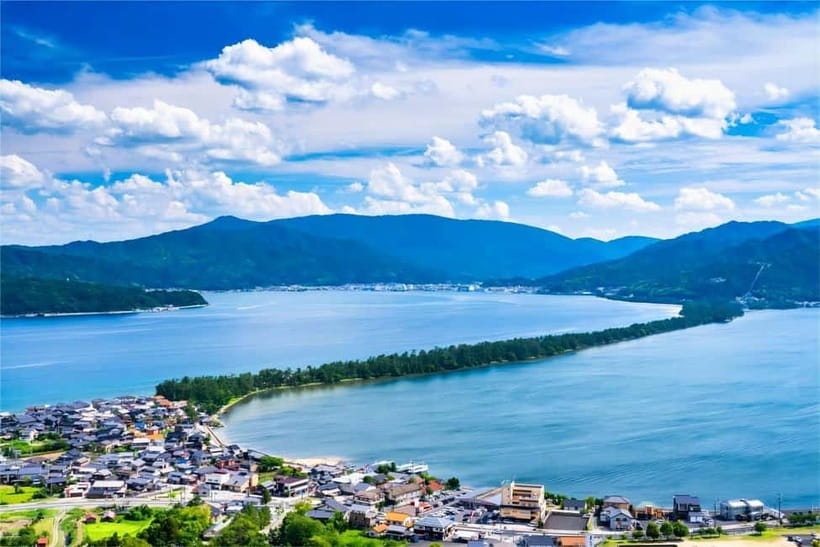
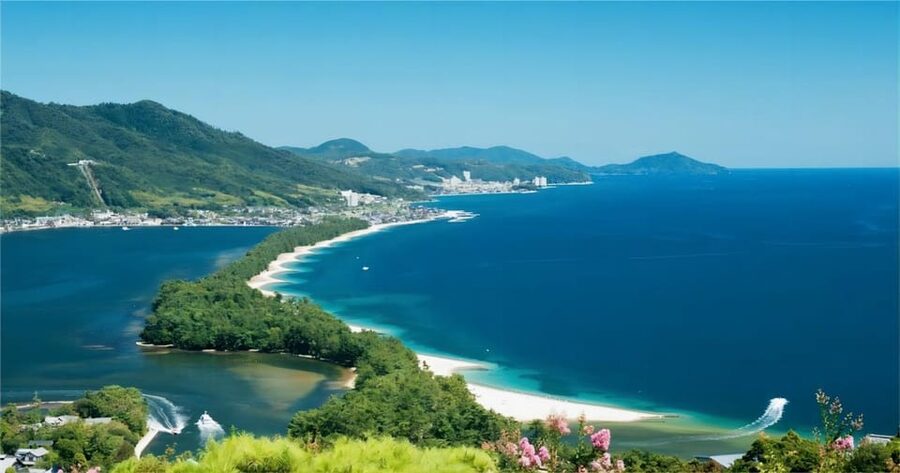
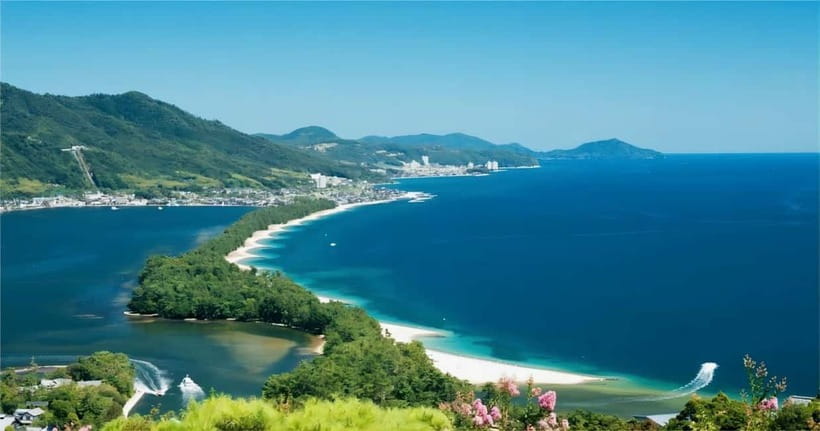
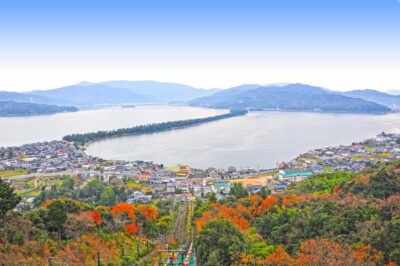
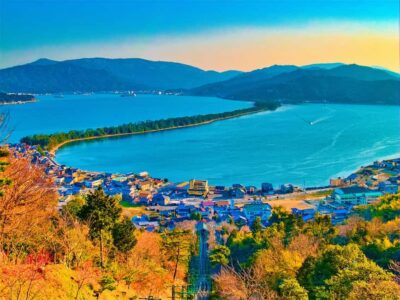
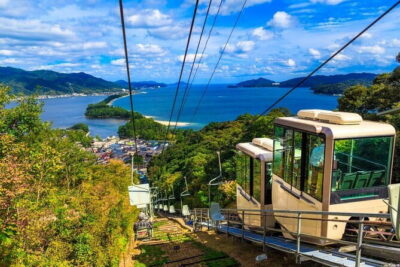
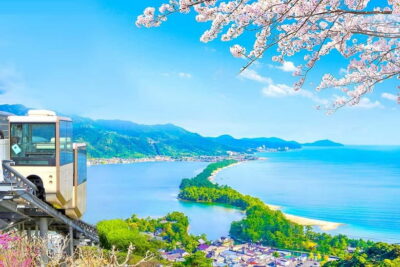
Amanohashidate is the headline act, and it earns that spot. The centerpiece is the sandbar known as Heaven’s Bridge, connecting both sides of Miyazu Bay. It translates to Bridge to Heaven, and it’s listed among Japan’s Three Views, which is your clue that the sight is famous for a reason.
When you arrive, you’re given time to take photos and walk around the area. You’ll see pristine white beaches, thick pine trees covering the sandbar, and wide water views. The big win here is variety: you’re not only looking at a single angle. You’ll have multiple viewpoints across the bay, with sightlines to the Aso Sea and the Sea of Japan.
If you care about photos, here’s what I’d do. Use the first photo stop to get your widest “postcard” shot. Then spend a little time looking for lower angles where the pine silhouettes and shoreline read clearly. If it’s bright, watch for harsh reflections off the sand and water, and stand slightly off to the side instead of shooting straight into the sun.
A small drawback to mention: since this is a guided, time-boxed stop inside a bus day, you won’t have a full unplanned wandering day here. Still, the time you get is enough to appreciate the shape of the sandbar and capture the main views.
Chion-ji Temple and Manjushri: a calm break with study-focused meaning
After Amanohashidate, the tour heads to Chion-ji Temple. This is dedicated to Manjushri, the Buddhist god of wisdom. That one detail changes the feeling of the stop. You’re not just ticking off another temple. The theme is learning, focus, and doing well in studies, so the atmosphere tends to make sense even if you’re not reading every plaque.
You’ll have a photo stop, then visit with guided context, plus a short walk. One memorable element is walking through an ancient gate on the way in. There’s also a fan-shaped signed poem symbolizing progress and improvement. It’s the kind of small symbolic feature that can be easy to miss on your own, so the guide really helps here.
If you like travel with a purpose, this is one of the better moments on the day. You’re given a reason people visit, including the idea that students come seeking blessings that help them succeed in their studies. Even if you’re past school-age, it’s an interesting reminder that temples often serve practical life goals, not only sightseeing.
A balanced note: some visitors have wanted more historical depth, while others felt explanations were good. If you’re the type who likes details like dates, founders, or how the temple fits into regional history, don’t be shy. Ask directly during the stop or while you’re walking between points.
- PERFECT KYOTO 1-Day Bus Tour★ 5.0 · 13,518 reviews
- Kyoto: Fushimi Inari, Kinkakuji, Bamboo Grove 1 Day Bus Tour★ 4.8 · 4,316 reviews
- Kyoto: Tea Ceremony in a Traditional Tea House in Kiyomizu★ 4.9 · 3,519 reviews
- Kyoto: Tea Ceremony Ju-An at Jotokuji Temple★ 4.9 · 3,207 reviews
- Kyoto: 45-Minute Tea Ceremony Lesson Experience★ 4.3 · 2,378 reviews
The Kyoto-prefecture photo stop: a breather that keeps the day flowing
Between the bigger anchors, you’ll also have a photo stop and guided time around a point in Kyoto Prefecture, with about an hour for sightseeing and walking. It’s not the same kind of experience as the temple or Ine, but it serves an important purpose: it breaks up the long-distance travel rhythm.
Think of this segment as your flexibility window. If you want to stretch legs, grab water, or reset after photos at Amanohashidate, this is when you do it. It’s also a chance to get a different kind of view from what you’ll see at the coast.
Because the stop is time-boxed and bus-day timed, keep expectations realistic. You’ll see what the guide wants you to see, not everything in the area. If you’re someone who hates being rushed, you might want to be ready with a short list of what you care about: coastline views versus village life versus religious symbolism.
Ine fishing town and boat houses: what to do when you arrive
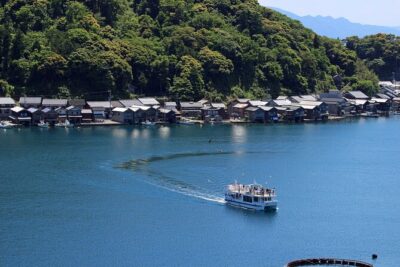
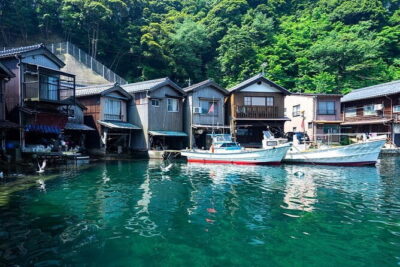
Then comes Ine, the fishing town known for its waterfront boat houses. Ine has a slower, more personal vibe than the sandbar. The appeal is practical. You can walk along the waterfront, look at the houses, peek into shops, and stop for food if you want, since meals are not included.
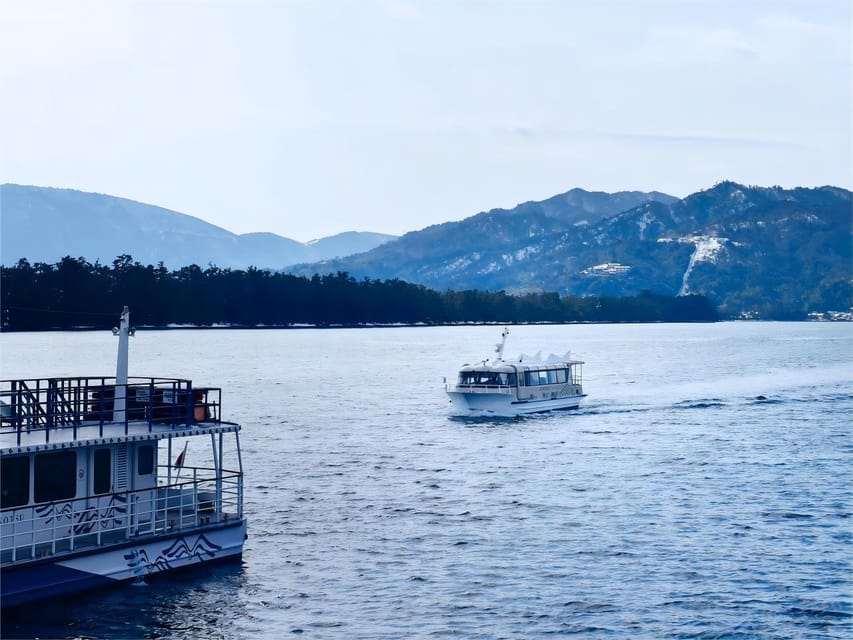
You’ll be shown the boat houses along the water. If you want to go further, you can pay for a boat ride. This optional add-on is where Ine really becomes three-dimensional. Instead of only seeing the structures from shore, you get a moving perspective of how the bay shapes the town.
Once you’ve had time with the boat houses, you’ll also have a walk around the town to check shops and restaurants and shop for souvenirs. Ine souvenirs tend to be the kind you actually use, not just trinkets. You’ll find local snacks and small items suited to a day trip.
One consideration for planning: since the day includes bus travel and multiple stops, you don’t get endless free time in Ine. That said, Ine is the sort of place where 60 to 120 minutes feels meaningful, especially if you like slow walking and photographing.
Bay cruise time: feeding seagulls and getting a coastline view
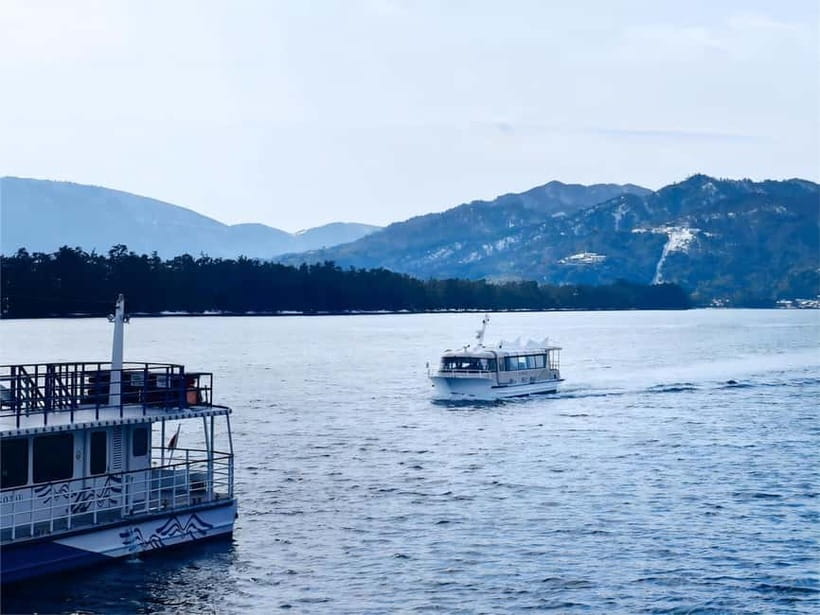
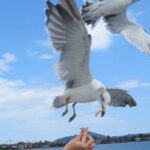
A highlight of the Ine part of the day is the boat cruise around the bay, including the fun bit where you feed seagulls. This is one of those experiences that’s small in logistics but big in memory, because it adds motion to the coastline and keeps everyone engaged.
I like this part of the day because it breaks the pattern of walking only. You go from shore-level photos to a moving view, which helps you understand the geography of the town and the water around it. Also, if you’re traveling with family or just want something playful after temples and photo stops, this is a smart switch.
A practical tip: wear comfortable shoes for the town walk, and be ready for sea breeze on the water. Even if the weather is fine at Amanohashidate, conditions can feel different on the bay.
Price and value: what $76 gets you and where extra costs can show up
At $76 per person for a 10-hour tour, this is positioned as a value day trip with transport and a guide included. What’s included is the big stuff: return hotel transfer, transportation to the sites, and the tour guide.
What’s not included: food and drinks, and entry tickets. That last part matters. One visitor noted they had an extra payment need related to entry costs and wished they’d known the amount in advance, especially because they were traveling with cash and couldn’t use a card. I’d take that as a hint to prepare.
For your own peace of mind:
- Bring some cash for any entry fees you might encounter.
- Don’t assume every optional cost will be paid the same way as a normal shop.
- Plan to buy at least one meal or snack on your own.
Even with those extras, the value holds if you want transport plus guided context. If you’re comfortable building your own itinerary and you really dislike paying for tours, you could theoretically DIY this region. But most people choose this because they want to stop worrying about schedules and start enjoying the views.
Guide quality and English support: what to expect
The tour includes a live guide in English and Japanese. In practice, the quality of explanations can be uneven depending on the guide’s style and how much historical detail you personally want. Some people have praised guides by name, with Jay described as excellent and Fred praised for explaining the itinerary well. At the same time, others have said they wanted more detailed explanations at certain stops or found it hard to understand the English at times.
My advice is simple. If you care about context, ask for it. During transitions, ask a direct question like what the symbolism at Chion-ji represents, or what locals consider essential to see at Amanohashidate and Ine. Guides usually have answers, and it turns a good tour into a great one.
Also, if you’re the type who prefers quiet observation, you can still enjoy the day. There’s guided time, photo windows, and walking breaks, so you can choose how interactive you want to be.
Who this tour fits best
This is a strong choice if you:
- Want scenery plus a temple in one day without logistics headaches
- Like classic Japanese views, like Amanohashidate’s sandbar and Ine’s waterfront scene
- Prefer guided pacing, with transport handled for you
- Enjoy active extras like a bay cruise and feeding seagulls
It may be less ideal if you:
- Want a lot of in-depth history at every stop
- Have very strict timing needs later in the day, because traffic and weather can change schedules
- Don’t want to handle any extra ticket or meal costs
Should you book the Kyoto: Amanohashidate Ine Funaya Tour?
If you’re doing the Osaka area and want a day that feels distinctly coastal and local, I think this is worth booking. The combination works: Amanohashidate gives you the iconic view, Chion-ji adds meaning beyond photos, and Ine delivers that waterfront atmosphere you can actually walk through. The optional boat ride and the bay cruise with seagulls add a fun, memorable break from static sightseeing.
Just go in with the right expectations. Bring money for food and possible entry tickets, and be ready for a full bus day. If you do that, you’ll likely come away feeling like you saw several sides of this region in one efficient stretch.
FAQ
How long is the Kyoto: Amanohashidate Ine Funaya Tour?
The tour lasts 10 hours.
Where is the pick-up in Osaka?
Pick-up options include Nippombashi Station and Kyoto-Hachijoguchi Bus Loading Area.
Is the meeting point the same for everyone?
The meeting point may vary depending on the option you book.
What is included in the tour price?
The included items are return hotel transfer, transportation to the sites, and a tour guide.
Are food and drinks included?
No. Food and drinks are not included.
Are entry tickets included?
No. Entry tickets are not included.
What languages will the live guide speak?
The live tour guide is available in English and Japanese.
Do I get the boat cruise and seagull feeding on the day?
Yes, the experience includes a boat cruise around the bay and feeding seagulls. There is also mention of paying for a boat ride if you want.
What should I know about luggage?
Each person can bring one piece of luggage for free. Each additional piece larger than 20 inches will be charged $16.
When will I receive details about pick-up?
You will receive an email the day before the trip with pick-up location details, guide contact information, and the bus license plate number.
The Sand Bar and the Boathouses
Newest Kyoto write-ups from the Loving Japan desk
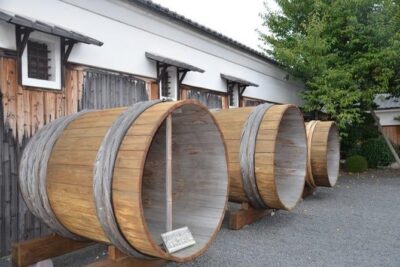
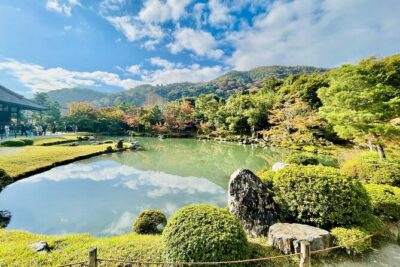
Amanohashidate and the Kyoto Coast, side by side.
 ★ 5.0Osaka Day Tour: Amanohashidate & Ine BayFrom $84280 reviews
 ★ 4.6From Osaka: Amanohashidate and Ine Bay Day TripFrom $83209 reviews
 ★ 4.6Osaka/Kyoto: Amanohashidate & Miyama Tour with Boat & LunchFrom $71207 reviews
 ★ 4.6Miyama Village, Amanohashidate & Ine Bay Day TripFrom $6398 reviews
 ★ 4.5Kyoto Amanohashidate,Ine Bay Trip with Optional boat/RopewayFrom $6387 reviews
 ★ 4.5Amanohashidate & Ine Funaya Sightseeing Full Day Trip from KyotoFrom $6462 reviews
 ★ 4.5Amanohashidate & Ine Boathouse Full-Day Tour from Kyoto or OsakaFrom $4848 reviews
 ★ 4.6Kyoto By The Sea with Amanohashidate & Ine no FunayaFrom $5522 reviews
Filed on these lists too