
REVIEW · AMANOHASHIDATE AND THE KYOTO COAST
Amanohashidate & Miyama 1-Day Bus Tour: From Osaka/Kyoto w/ Lunch
Want countryside Japan in one day? This tour strings together Amanohashidate and Miyama with lunch and onboard commentary, so you skip the transit headache and focus on the sights. The tradeoff is lots of bus time, and each stop is short, so plan for quick photo moments instead of long wandering.
I like how the route is built around big picture experiences: a temple stop near Amanohashidate, a short sightseeing boat crossing, major viewpoints like Kasamatsu Park, then Miyama’s old streets and craft-focused stops. If you get a guide like Harry or Eric, the day often feels organized and friendly, with help for questions and even picture-taking. My one caution for most first-timers: the schedule depends on weather and road traffic, so build in patience.
In This Review
- Key things to know before you go
- Amanohashidate plus Miyama: the smart one-day pairing
- From Kyoto or Osaka: how the meeting point system changes your day
- Chion-ji Temple to Amanohashidate cruise: start with the sandbar story
- Kasamatsu Park viewpoints and the Matanozoki upside-down moment
- Miyama Village: Kayabuki no Sato and the old hometown feel
- Shrines, spring water, and the dragon kings
- Little Indigo Museum: a stop for craft lovers and curious minds
- Rurikei Natural Park and Ryuon-ji: Zen temple views with seasonal flavor
- Lunch and guide commentary: where the tour earns its price
- Price and value: is $97.22 fair for this route?
- Comfort, timing, and what to bring for a long bus day
- Who this tour is best for, and who should skip it
- Final call: should you book the Amanohashidate and Miyama day trip?
- FAQ
- How long is the Amanohashidate and Miyama 1-Day Bus Tour?
- Where does the tour start, and do you offer hotel pick-up?
- What’s included in the tour price?
- Is lunch included?
- Do you get to take a cruise at Amanohashidate?
- What languages do the guides speak?
- What should I know about cancellation if the weather is bad?
Key things to know before you go
- Boat cruise is included at Amanohashidate (about 12 minutes between Amanohashidate Pier and Ichinomiya Pier)
- Kasamatsu Park is a highlight viewpoint with time for the Matanozoki upside-down viewing pose
- Miyama Village focuses on old hometown texture with thatched houses at Kayabuki no Sato
- You’ll get craft and culture stops like the Little Indigo Museum for traditional indigo work
- Lunch is included and is often seafood-focused, with at least one reported vegetarian-friendly arrangement
- Max group size is 49 and you’ll need a clear head for meeting-point timing since the bus leaves on time
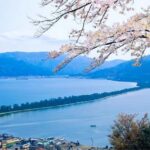
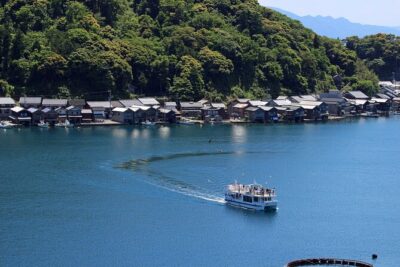
Out to the sand bar and the boathouses, other days
- Amanohashidate & Miyama 1-Day Bus Tour: From Osaka/Kyoto w/ Lunch
★ 4.5 · 18 reviews
Amanohashidate plus Miyama: the smart one-day pairing
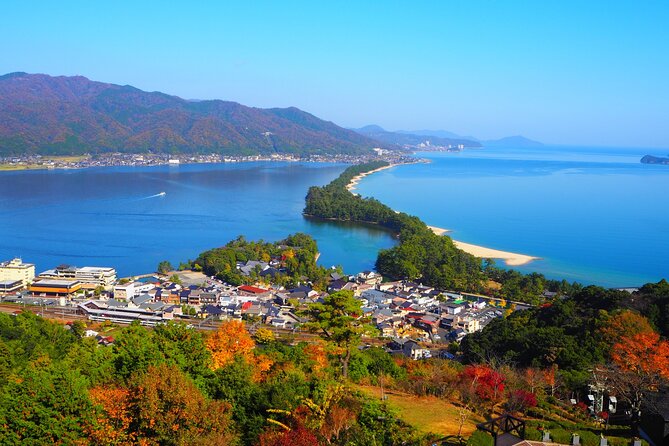
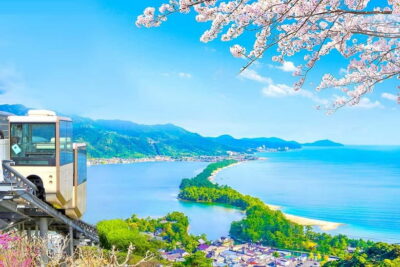
Amanohashidate and Miyama feel like two different kinds of Japan in one sweep. Amanohashidate is the coast, the iconic sandbar, and those postcard views that make you stop and tilt your phone skyward. Miyama Village is rural, older, and slower, with thatched roofs and small details like water sources and dye traditions.
That mix is exactly why this itinerary works. If you try to do both areas on your own, you risk losing most of your day to planning and hopping between routes. Here, a single bus day links the dots, with guide commentary filling in the background you would normally only find after the fact.
The day is not designed for deep solo exploration. It’s built for quality sight stops with enough time to enjoy each place, but not so much time that you forget you’re on a schedule.
From Kyoto or Osaka: how the meeting point system changes your day
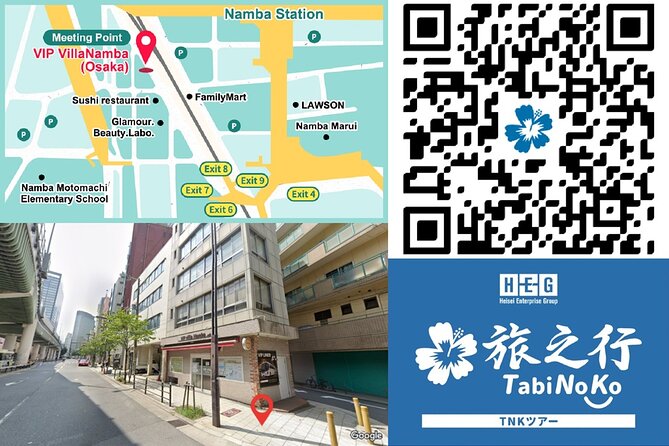
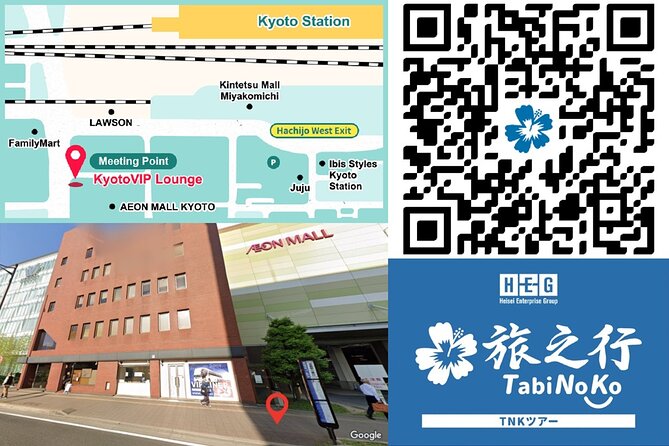
This is a bus tour that avoids hotel pick-up and drop-off, so you’ll start from a meeting point near public transportation. You’ll want to arrive about 10 minutes early, because the guide has a participant list tied to that specific location. The tour runs on time, and late arrival or the wrong meeting spot can mean you miss the tour without a refund.
For me, that’s the biggest “logistics risk” to watch. If you are staying far from transit, or you’re prone to arriving late when you’re excited, pick a meeting point that’s easy to reach. Use the QR code photo info in your materials to confirm the exact stop, then give yourself extra buffer time.
Also note that luggage goes in the trunk, and you only get one piece per person. Keep valuables on you, because trunk items aren’t accessible between stops.
Chion-ji Temple to Amanohashidate cruise: start with the sandbar story
The day typically begins with Chion-ji Temple, a historic Buddhist site near Amanohashidate. It’s part of the Rinzai Zen sect and dedicated to Monju Bosatsu, the Bodhisattva of Wisdom. The stop is short, so treat it like a quick warm-up: look at the setting, notice the temple details, and then move on while the coastal views are still ahead.
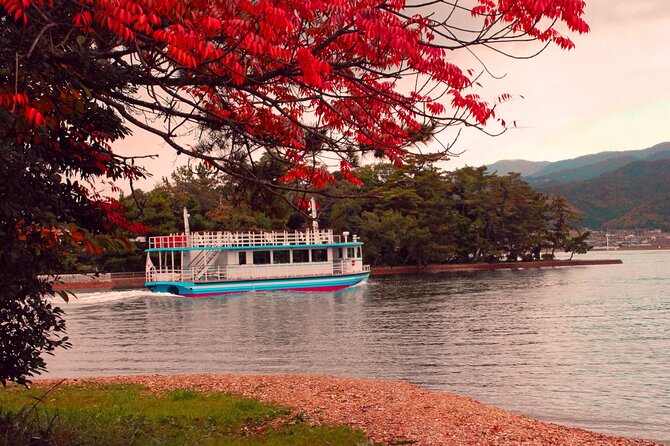
From there, you go straight into the Amanohashidate “wow” factor. The key moment is the sightseeing boat cruise, which runs between the Amanohashidate Pier and the Ichinomiya Pier. The ride is about 12 minutes, which is just long enough to feel like a change of perspective without swallowing your day.
Why this matters for your enjoyment: boat rides help your brain understand the geography. The sandbar stops looking like a flat picture and starts feeling like an actual place you’re moving around.
Let something else do the walking
- PERFECT KYOTO 1-Day Bus Tour★ 5.0 · 13,518 reviews
- Kyoto: Hop-on Hop-off Sightseeing Bus Ticket★ 3.9 · 2,034 reviews
- Kyoto: Arashiyama Customized Rickshaw Tour & Bamboo Forest★ 5.0 · 432 reviews
- Kyoto Arashiyama Rickshaw Tour with Bamboo Forest★ 5.0 · 354 reviews
- Kyoto Rickshaw Tour★ 5.0 · 210 reviews
Kasamatsu Park viewpoints and the Matanozoki upside-down moment
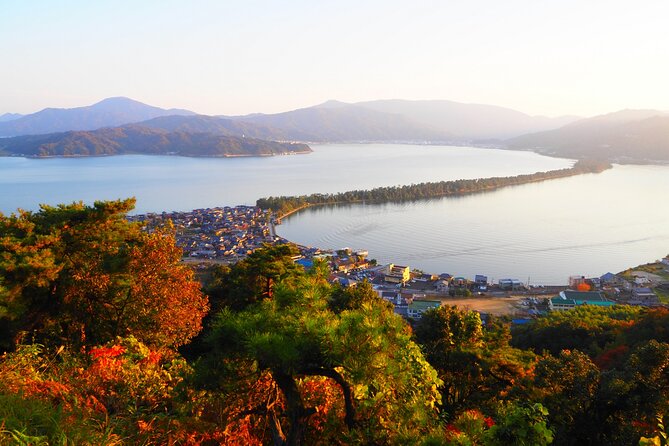
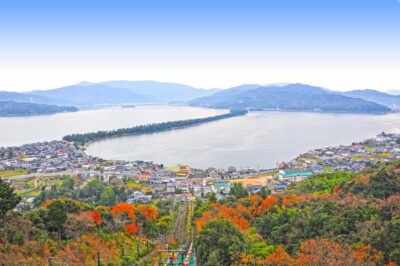
If I had to pick one stop that most people remember, it’s Kasamatsu Park on the northern side of the sandbar. You’ll get around 50 minutes here, enough time to find a good spot, take photos, and enjoy the view from multiple angles.
This is also where the fun, oddball photo ritual happens: the Matanozoki view. It’s the upside-down viewing pose where you look at Amanohashidate through the gap created by your legs. It sounds silly until you try it, then you realize it frames the view differently, like you’ve flipped the postcard.
The practical part: it’s a viewpoint, so weather matters. If it’s breezy or cold, dress for it, and if it’s rainy, you may still be out there for photos. Bring a small umbrella or rain layer if your forecast looks questionable.
The “possible drawback” of Kasamatsu Park is simple: you might wish you had more time. The tour format squeezes the day, so this is a “get your shots early and then relax” kind of stop.
Miyama Village: Kayabuki no Sato and the old hometown feel
After the coast, you shift into rural Kyoto Prefecture with stops that focus on tradition, architecture, and daily-life details. The centerpiece is Kayabuki no Sato, the Miyama area known for its thatched-roof houses.
You’ll get about 50 minutes there. That’s usually enough time to walk the main area, compare house shapes, and soak up the slower pace. What makes this stop more than just pretty photos is that the village setting feels lived-in through the small elements you notice when you slow down: building style, roof texture, and the way the village sits alongside water and mountains.
One more detail that helps you enjoy Kayabuki no Sato: it’s the kind of place where you can get distracted. I recommend deciding your “must sees” first, then leaving room to wander without turning the stop into a frantic sprint.
Shrines, spring water, and the dragon kings
In Miyama, you’ll also visit a small shrine connected with the Eight Great Dragon Kings, with a main hall and a well that has pure spring water. Even if you’re not a shrine person, wells and water in rural Japan can be a clue to why communities formed where they did.
This stop is another short one, but it adds a layer to Miyama beyond the rooftops.
Little Indigo Museum: a stop for craft lovers and curious minds
If you like Japan when it’s practical and hands-on, you’ll appreciate the Little Indigo Museum. It’s inside a larger farmhouse and functions as a workshop, store, and gallery focused on traditional indigo fabric.
From a traveler’s point of view, this is a smart mid-day break from scenery. You get something to look at that connects to real production, not just scenery. Even if you don’t buy anything, you’ll walk away with better context for why indigo dye has such staying power in Japanese culture.
The only caution: if you prefer purely outdoor wandering, a museum stop may feel like a pause. Still, it’s often a satisfying one because it’s tied to the place you’re already visiting.
Rurikei Natural Park and Ryuon-ji: Zen temple views with seasonal flavor
Later in the route, you’ll head into Rurikei Prefectural Natural Park, described as a place of scenic beauty. This area follows the Sonobe River within Nantan, so the scenery is tied to water and the surrounding hills.
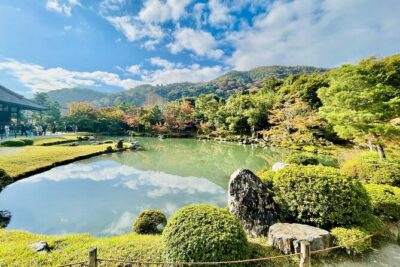
Then you visit Ryuon-ji Temple, constructed in 1509. It’s a Zen temple and the family temple of the chief retainer of the Sonobe Clan. The temple is especially known for its autumn colors, and it also features an observatory-style platform where you can look out.
Here’s the value for you: temple view spots are often the places where you see the region as a whole. Even if your visit is outside peak foliage, the structure and vantage points help you understand how these communities valued sightlines.
Lunch and guide commentary: where the tour earns its price
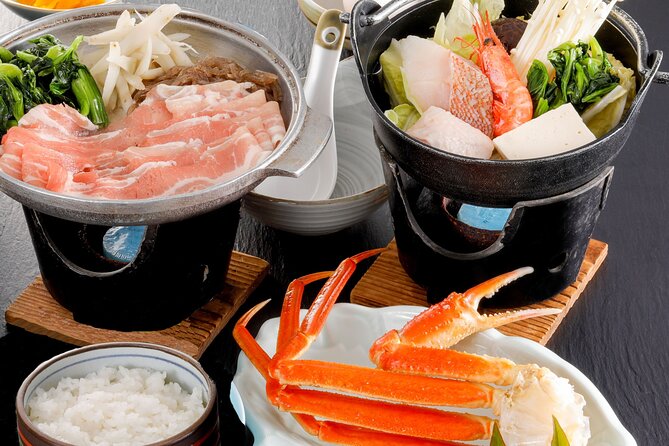
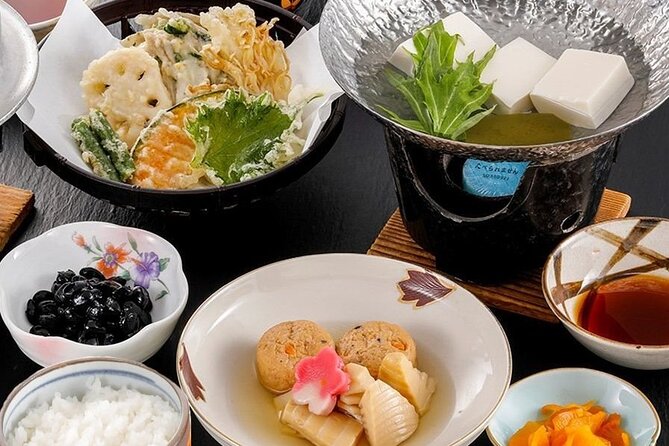
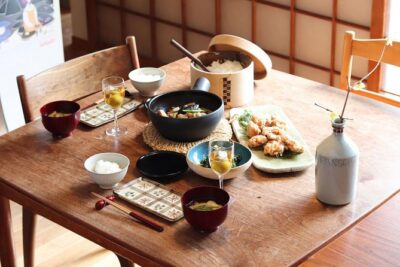
Lunch is included, and that matters more than many people think. When you’re doing a day trip like this, meal stress can destroy the “easy day” feeling. Here, you don’t have to hunt for a place or figure out what’s open when you’re moving.
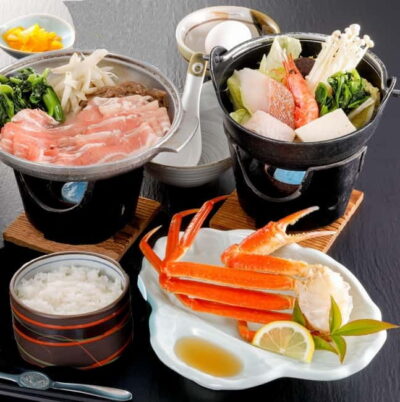
In practice, many lunches on this type of route tend to be seafood-forward, and one guest specifically mentioned a seafood-rich spread like crab legs, shrimp, and fish. I also like that at least one guest reported the guide helped arrange a vegetarian option. If you have dietary needs, it’s worth flagging them before you go.
Guide commentary is also a major part of the experience. You’ll have an English-speaking guide or a Mandarin-speaking guide, and the commentary helps you connect what you’re seeing to what it means. That turns “another temple” into something you can actually remember later.
Some guides like Harry are described as patient and helpful with photos, and that kind of support can make a difference if you don’t want to constantly ask strangers for picture help.
Price and value: is $97.22 fair for this route?
At $97.22 per person, this tour isn’t the cheapest way to get outside the city. But it’s not just bus rides either. You’re paying for an air-conditioned vehicle, guide time, all fees and taxes, lunch, and multiple included experiences like the boat cruise and admissions.
Here’s the value logic I use: compare this to the cost and time of doing it alone. If you tried to schedule a boat cruise, temple entries, and guided interpretation while also managing transport across the coast and into rural Miyama, you’d spend time and mental energy that this tour handles for you.
The main cost you pay is time on the bus. But if you want a low-stress day that covers two major regions, the price can feel fair.
Comfort, timing, and what to bring for a long bus day
The duration is about 9 to 10 hours, and the day includes multiple transfer blocks. That means you should treat this as a sit-and-watch kind of trip, not a spring-walk itinerary.
One practical note: bus seats can feel tight if you’re used to North American sizing. Even when the bus is described as comfortable, expect the kind of “arm space negotiation” common on day trips.
What to bring:
- A light rain layer or compact umbrella, since weather can affect timing
- A warm layer if the coast is breezy
- Your camera, and charge it fully, especially before the boat and viewpoint stops
- Any snacks you like, in case you get hungry between stops, even though lunch is included
- One manageable piece of luggage per person, since trunk storage is the rule
Also, the schedule can change due to weather, road traffic, or unforeseen conditions. If you are the type who plans every minute, build flexibility into your day.
Who this tour is best for, and who should skip it
This is ideal for you if:
- You’re based in Kyoto or Osaka and want countryside scenery without transit stress
- You want a balanced day, coast plus rural village
- You like seeing multiple highlights even if each stop is time-limited
- You value guide context, especially at temples and cultural craft sites
You may want to skip it if:
- You hate bus time and prefer slower travel
- You want hours to roam one place deeply, without moving on
- You need fully private, flexible pacing for accessibility or personal schedules
If you’re visiting Japan for the first time and you feel pulled between “city” and “countryside,” this tour is a practical bridge.
Final call: should you book the Amanohashidate and Miyama day trip?
I’d book this if your goal is a well-planned day that hits the region’s best-known sights without making you master train lines and bus transfers. Amanohashidate plus Miyama Village is a great combo, and the included boat cruise, Kasamatsu Park viewpoints, and Kayabuki no Sato thatched-roof experience give you a lot for a single day.
I’d think twice only if you know you’ll feel trapped by a tight schedule. The stops are short by design, and the bus time is real. If that’s your style problem, plan a longer stay instead.
FAQ
How long is the Amanohashidate and Miyama 1-Day Bus Tour?
The tour lasts about 9 to 10 hours, with transfer times that vary by time of day and traffic.
Where does the tour start, and do you offer hotel pick-up?
There is no hotel pick-up or drop-off. You’ll meet at a selected meeting point near public transportation, and you should arrive about 10 minutes before departure.
What’s included in the tour price?
The tour includes all fees and taxes, an air-conditioned vehicle, lunch, and an English-speaking or Mandarin-speaking guide.
Is lunch included?
Yes. Lunch is included in the tour.
Do you get to take a cruise at Amanohashidate?
Yes. The itinerary includes a sightseeing boat cruise between Amanohashidate Pier and Ichinomiya Pier, about 12 minutes.
What languages do the guides speak?
The tour includes an English-speaking guide or a Mandarin-speaking guide, depending on the departure.
What should I know about cancellation if the weather is bad?
You can cancel up to 24 hours in advance for a full refund. If the experience is canceled due to poor weather, you’ll be offered another date or a full refund. The tour may also cancel if the minimum group size of 10 isn’t reached, with notification about 3 to 4 days before departure.
Let Something Else Do the Walking



The Sand Bar and the Boathouses
Newest Kyoto write-ups from the Loving Japan desk
Amanohashidate and the Kyoto Coast, side by side.
 ★ 5.0Osaka Day Tour: Amanohashidate & Ine BayFrom $84280 reviews
 ★ 4.6From Osaka: Amanohashidate and Ine Bay Day TripFrom $83209 reviews
 ★ 4.6Osaka/Kyoto: Amanohashidate & Miyama Tour with Boat & LunchFrom $71207 reviews
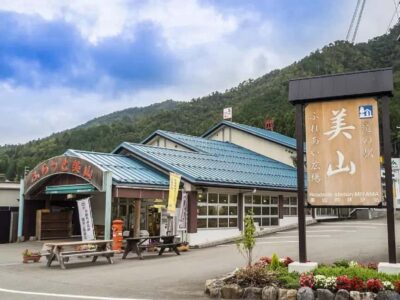 ★ 4.6Miyama Village, Amanohashidate & Ine Bay Day TripFrom $6398 reviews
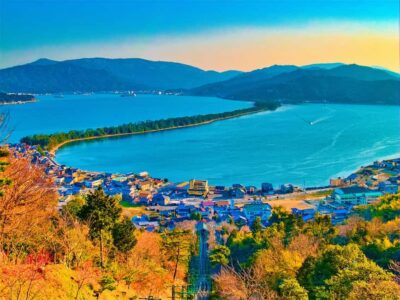 ★ 4.5Kyoto Amanohashidate,Ine Bay Trip with Optional boat/RopewayFrom $6387 reviews
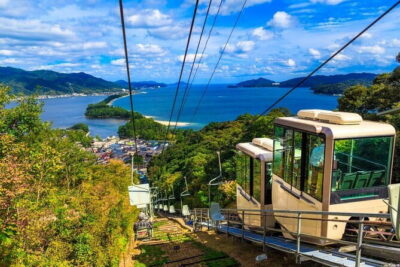 ★ 4.5Amanohashidate & Ine Funaya Sightseeing Full Day Trip from KyotoFrom $6462 reviews
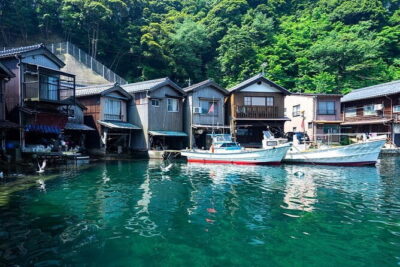 ★ 4.5Amanohashidate & Ine Boathouse Full-Day Tour from Kyoto or OsakaFrom $4848 reviews
 ★ 4.6Kyoto By The Sea with Amanohashidate & Ine no FunayaFrom $5522 reviews
Filed on these lists too