
REVIEW · JAPANESE GARDENS AND ZEN MEDITATION
Kyoto: Zen Meditation at a Private Temple with a Monk
Your mind slows down in a moss-garden hush. This is Kyoto Zen meditation led by a monk inside a temple not open to the general public, with English translation by guides like Soma or Kohtaro. You start near Kodaiji Park, then step into a quieter Kyoto side most people miss.
I love two things most. First, the way the session makes Zazen practical, with posture and breathing guidance you can actually use. Second, the tea ceremony and conversation with the monk feel like the payoff, not an add-on.
One consideration: the setting is not for everyone. This experience is not suitable for people with mobility impairments, claustrophobia, or anyone afraid of heights, and it is also not for children under 12.
In This Review
- Key takeaways before you book
- Kyoto Zazen at a Private Temple, Not the Usual Sightseeing Loop
- Finding the Meet Point at Kodaiji Park (and Avoiding the Confusion)
- The Hidden Temple Visit: What the Monk and Guide Set Up for You
- Zazen Lesson 101: Posture, Breath Rhythm, and Mental Reset
- Practicing Meditation in a Real Temple Space
- Tea Ceremony and Garden Views: The Calm Landing
- Q&A With the Monk, Plus Photos That Feel Meaningful
- Price and Value: Why This Costs More Than a Bus-Trip Temple Tour
- Who This Kyoto Zen Meditation Is Best For (and Who Should Skip)
- Should You Book This Zen Meditation With a Monk?
- FAQ
- How long is the Kyoto Zen Meditation experience?
- Where do I meet the guide in Kyoto?
- Is the tour available in English?
- What’s included in the experience?
- Is transportation included?
- Who should not book this meditation session?
Key takeaways before you book
- Private temple access in Kyoto, not the usual public temple circuit
- Monk-led Zazen instruction with clear English translation
- Tea ceremony with garden views, including a calm break after meditation
- Guided Q&A time with the monk, plus photo opportunities
- Small groups or private options so you can ask questions without feeling rushed
Slower gardens, if the schedule allows
- Kyoto Arashiyama Walking Tour: Bamboo, Monkeys, Gardens & Secrets
★ 5.0 · 1,216 reviews - Kyoto Zen Meditation & Garden Tour at a Zen Temple with Lunch
★ 5.0 · 441 reviews - Kyoto: Zen Experience in a Hidden Temple
★ 5.0 · 437 reviews - Kyoto Arashiyama Bamboo forest & Garden Half-Day Walking Tour
★ 5.0 · 413 reviews
Kyoto Zazen at a Private Temple, Not the Usual Sightseeing Loop
Kyoto can be loud in the ways you do not expect. Even when the streets look peaceful, your mind keeps scanning for the next landmark. This experience flips that script.
Instead of racing through famous stops, you go to a temple area that is not typically open to the general public. The mood changes fast once you are inside. You can feel why Zen meditation is practiced as a way to train attention, not just to “relax.”
If you have ever tried meditating on your own and wondered why your thoughts ignore you, this is the better first lesson. The monk teaches the principles and techniques of Zazen, and the English-speaking guide (often mentioned by name, like Soma or Kohtaro) helps you translate what matters, not just the words.
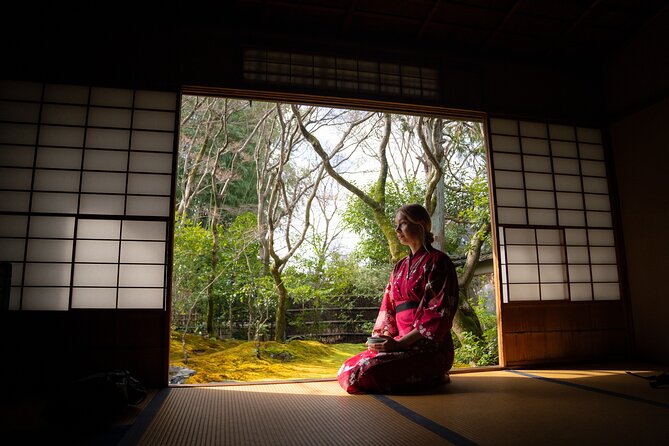
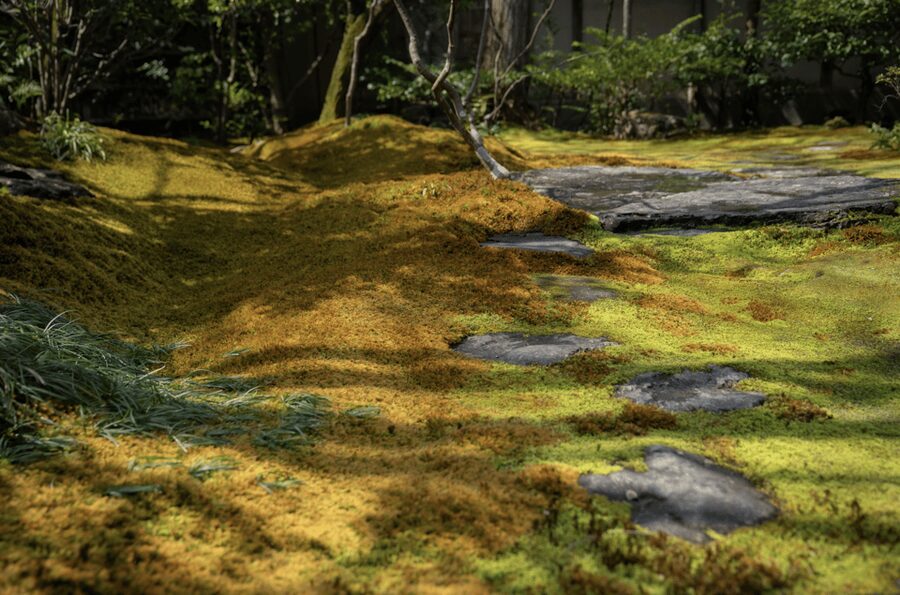
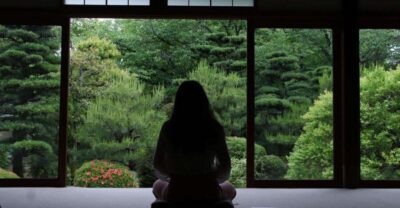
And yes, you still get the Kyoto rewards, photos included: the temple space and its gardens, often described as very quiet and mossy. You are not sacrificing beauty for calm. You get both.
Finding the Meet Point at Kodaiji Park (and Avoiding the Confusion)
You meet at the toilet at Kodaiji Park. The guide waits on the northern side of the toilet.
That is simple on paper, and a little less simple in real life when Google Maps sends you somewhere that feels empty. My advice is to arrive a few minutes early, and follow exactly where the guide directs you on the day. One of the most common issues people mention is not the tour itself, but the first five minutes of locating the starting point.
Once you find the group, the tone settles in quickly. You are not doing a big “walk and stop and take photos” thing. This is more like arriving at a lesson.
The Hidden Temple Visit: What the Monk and Guide Set Up for You
The experience runs about 90 minutes total, with roughly an hour at the temple for the visit, guided portion, and class time.
When you arrive, you get a brief orientation. Expect a short introduction to Japanese culture and Zen, followed by the monk’s lecture on Zazen. This is not a long academic talk. It is built to help you sit.
The guide plays a key role here. Multiple participants note that translation is smooth and clear, and that it helps them understand the “why” behind the practices. That matters because Zazen can look simple from the outside, but the technique is specific. If you only copy a posture without understanding the purpose, you miss the point.
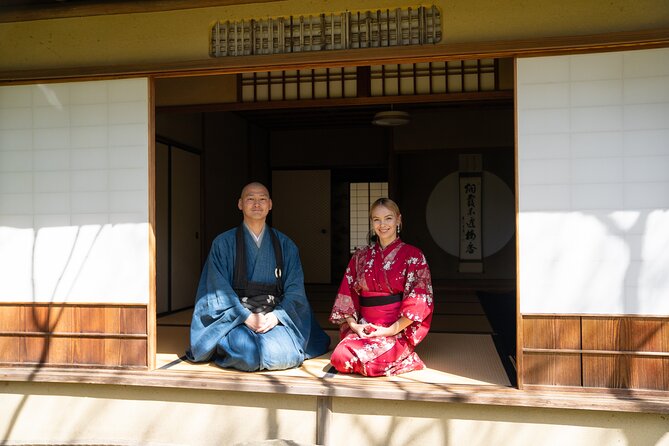
Also, you are not just walking through a temple. You are being hosted. Many people highlight how welcoming the monk and guide feel, which turns this from a museum-style visit into a human interaction.
- PERFECT KYOTO 1-Day Bus Tour★ 5.0 · 13,518 reviews
- Kyoto: Fushimi Inari, Kinkakuji, Bamboo Grove 1 Day Bus Tour★ 4.8 · 4,316 reviews
- Kyoto: Tea Ceremony in a Traditional Tea House in Kiyomizu★ 4.9 · 3,519 reviews
- Kyoto Geisha Walking Tour: Gion District & Hidden Gems★ 4.7 · 3,273 reviews
- Kyoto: Tea Ceremony Ju-An at Jotokuji Temple★ 4.9 · 3,207 reviews
Zazen Lesson 101: Posture, Breath Rhythm, and Mental Reset
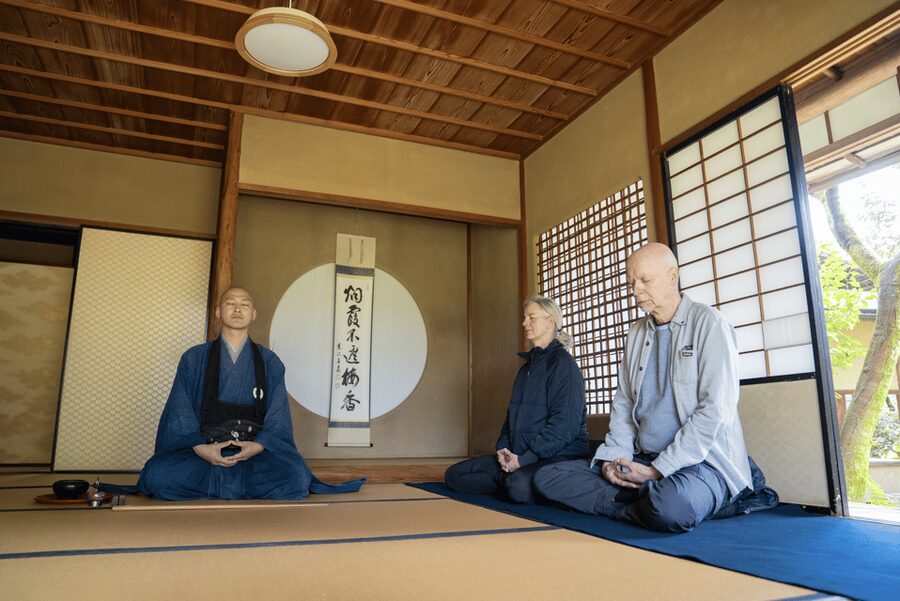
The heart of the experience is Zazen practice, seated meditation, taught directly by the monk.
You start by learning what to do with your posture. That sounds boring until you realize how often beginners unknowingly collapse their sitting position or hold tension without realizing it. Several people specifically mention guidance on posture and techniques, plus breathing in a steady rhythm.
In plain terms, Zazen here is about training awareness. You unify your mind, notice yourself, and slowly detach from ego and distraction. That is Zen language, but the actual experience feels more practical than poetic. You sit. You follow the guidance. You notice what happens to your thoughts when you stop feeding them.
A nice bonus for beginners: people describe this as their first formal meditation session. The monk and guide make it feel approachable, not intimidating. And for people who already meditate, the instruction still helps because it changes your “how,” not just your “whether.”
If you are the type who needs structure to relax, you’ll likely appreciate this. The pacing is intentional, and the monk’s presence makes it feel real, not like a copied YouTube meditation.
Practicing Meditation in a Real Temple Space
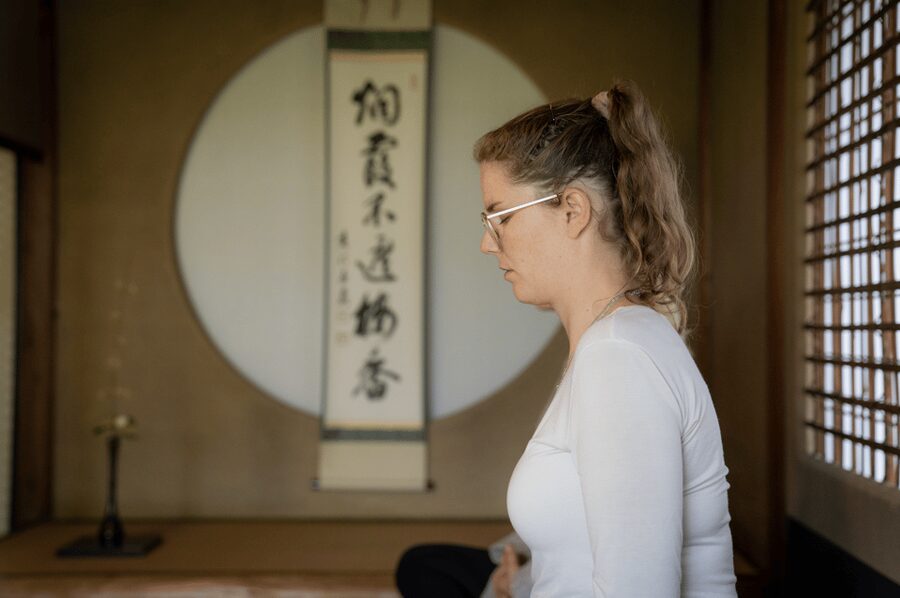
Once the teaching is done, you get time to practice.
This is where the hidden-temple setting starts to do its work. One person mentions the session being especially calming during a rainy morning. Another notes that the time of day can help you avoid crowds in the surrounding area, which keeps your nerves from getting dragged around right before you sit.
In many reviews, people describe the meditation as deeply focused, and even first-timers call it the most centered part of their day. That does not mean you will leave “empty headed.” It means the session gives you a framework for quieting mental noise.
You also get a rare benefit: you are not locked in silence the whole time without context. You learn the principles first, then you practice, then you talk. That order helps your brain stop treating meditation like random sitting and start treating it like training.
Practical note: this experience is not suitable for people with mobility impairments, and it is also not for those with claustrophobia or fear of heights. I cannot confirm details like the number of steps or how tight the space is, but the exclusions are telling. If you think you might struggle with confined areas or elevation, be cautious.
Tea Ceremony and Garden Views: The Calm Landing
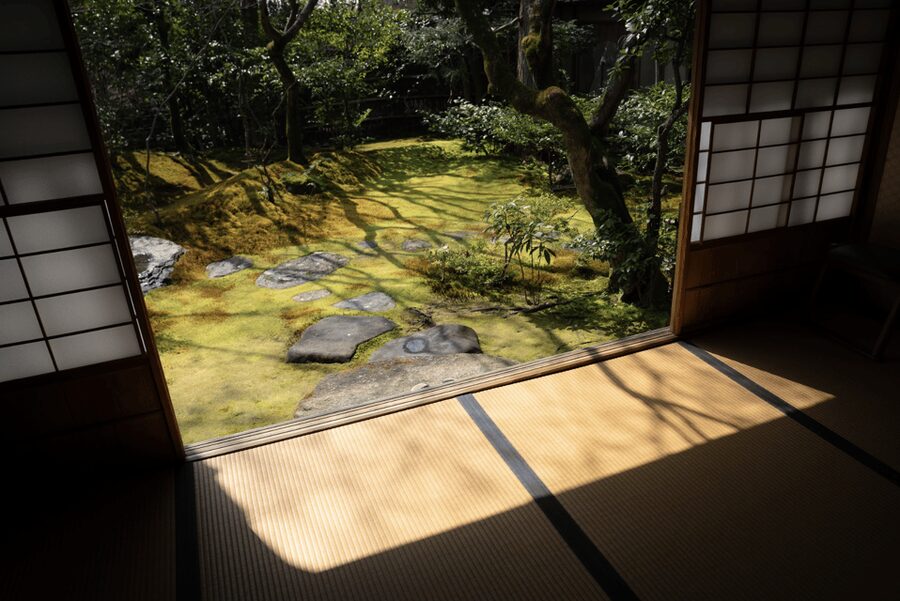
After meditation, you transition into tea.
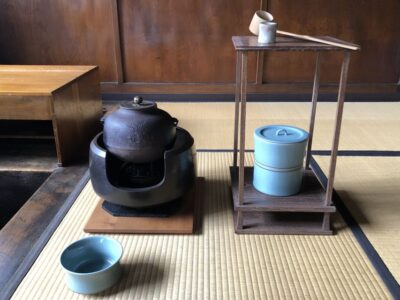
The experience includes a tea ceremony and time to enjoy views of the temple gardens. In reviews, people mention matcha tea and sweets, which gives the break a real “ritual” feel. This is not just a sip and go.
For me, the best part of tea after meditation is the timing. You do not switch directly from silence to your phone. You ease out of the session in a gentle way, letting your attention stay with the moment a little longer. Several people describe the gardens as peaceful and beautiful, which makes the tea feel like a reward and a continuation of the same calm.
You also get time to look around. People mention being able to take photos of the temple and gardens, and to soak in the quiet atmosphere. So you get a memory you can keep, without the pressure of “getting the perfect shot” during the meditation itself.
Q&A With the Monk, Plus Photos That Feel Meaningful
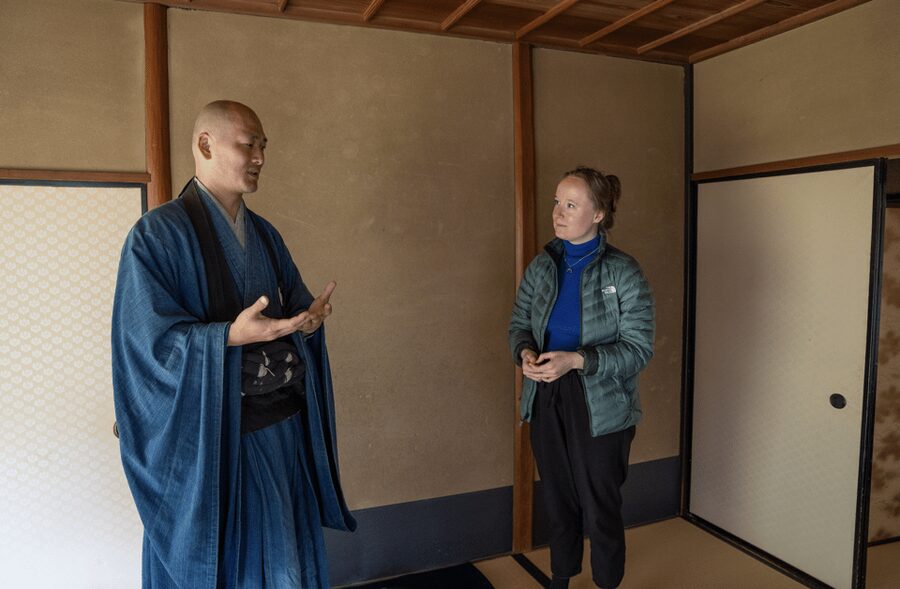
One reason this is different from generic “meditation tours” is the human part.
After tea and the garden stroll, you get a discussion with the monk. People describe the monk as welcoming and open to questions, and they mention learning about his life and Buddhism, not just reciting Zen trivia. If you have ever wanted to ask, What does a monk’s day look like? or Why does posture matter so much? this is that moment.
Your guide is usually the bridge. Multiple participants stress that translation is clear and respectful, so you can ask questions and actually understand the answers. That is one of the most praised parts of the experience.
There are also photo opportunities. People mention taking photos with the monk, plus photos inside the temple and in the gardens. The photos feel more than a tourist snapshot because you are not rushing in and out. You are part of the flow of the session.
Price and Value: Why This Costs More Than a Bus-Trip Temple Tour
At $91 per person for about 90 minutes, this is not the cheapest thing you can do in Kyoto. So the real question is value, not just price.
Here’s what you get for your money, based on how the experience is described:
- Access to a temple space not open to the general public
- Monk-led instruction on Zazen, not just a guide-led “talk and sit”
- English translation that multiple people say is clear and well paced
- Tea ceremony plus garden time
- Time for questions and conversation
- Photo opportunities, again with the monk and temple setting
If your goal is “see Zen in Kyoto,” you can do that for less. But if your goal is to learn the practice and understand it in context, a one-time hosted lesson like this starts to make sense. You are paying for access, for instruction quality, and for personal interaction.
Also, it is a good use of time. Kyoto has many day-long temple circuits. This gives you a concentrated experience that can work as your reset on a travel day. One review even frames it as a perfect first-day activity after long travel, because it starts your Kyoto time calm rather than overstimulated.
Who This Kyoto Zen Meditation Is Best For (and Who Should Skip)
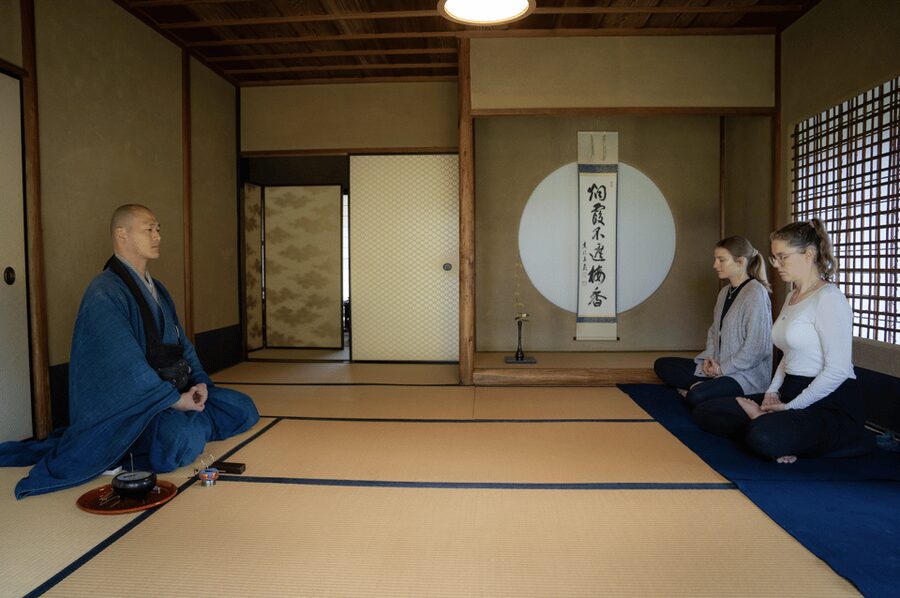
This experience is a strong fit if:
- You want Zen meditation instruction from a monk, with guided English translation
- You are looking for a calmer Kyoto day, away from crowded sightseeing energy
- You like structured guidance, especially if you are new to meditation
- You value a genuine cultural interaction, not just a photo stop
It may not be a good fit if:
- You have mobility issues, because it is not suitable for people with mobility impairments
- You feel anxious in tight spaces, because it is not suitable for claustrophobia
- You fear heights, because that is also listed as a reason to avoid
- You are traveling with kids under 12, since it is not suitable for children under 12
- You expect transportation included, since transportation is not included
If you are unsure about the fit for your body comfort, trust the exclusions. Meditation does not work well when your attention is spent on discomfort.
Should You Book This Zen Meditation With a Monk?
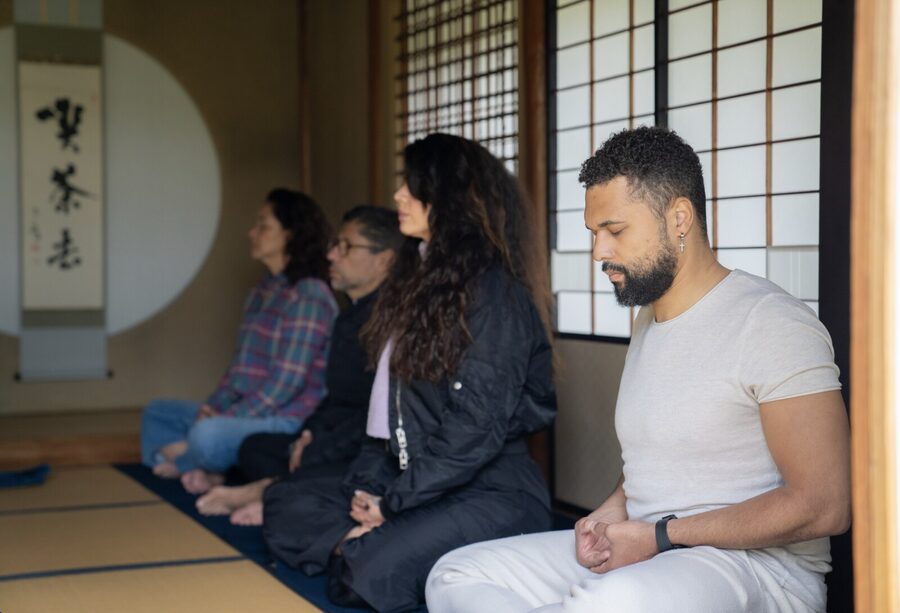
I think you should book it if you want something real and focused. This is not just a cultural show. It is an actual Zazen practice taught in a temple setting, then followed by tea, questions, and time to absorb the quiet.
It is also worth booking if you have ever felt that meditation classes back home are missing the cultural context. Here, you get the purpose and ethos explained, then you put it into practice right away. The combination of teaching, practice, and conversation is what makes it stick.
Skip it only if the listed unsuitabilities apply to you, or if you simply cannot commit to seated meditation for the length of the session. Otherwise, if you want a Kyoto experience that changes your pace, this one is hard to beat.
FAQ
How long is the Kyoto Zen Meditation experience?
It lasts 90 minutes.
Where do I meet the guide in Kyoto?
Meet at the toilet at Kodaiji Park, at the northern side of the toilet.
Is the tour available in English?
Yes, the live tour guide is English.
What’s included in the experience?
You get the Zen experience, entry to the temple, a lecture on meditation principles and techniques, and practice of Zazen. Tea is also part of the experience.
Is transportation included?
No. Transportation is not included.
Who should not book this meditation session?
It is not suitable for children under 12, people with mobility impairments, people with claustrophobia, or people afraid of heights.
Gardens Worth Slowing For
Newest Kyoto write-ups from the Loving Japan desk
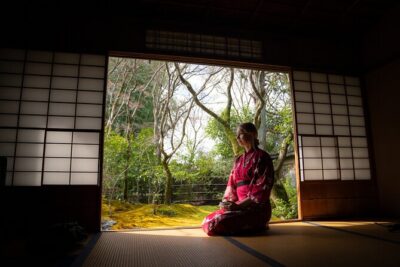
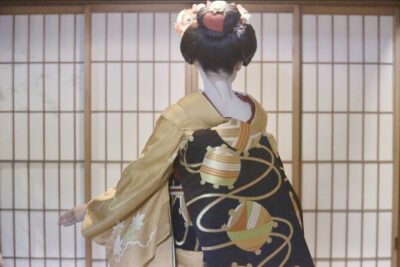
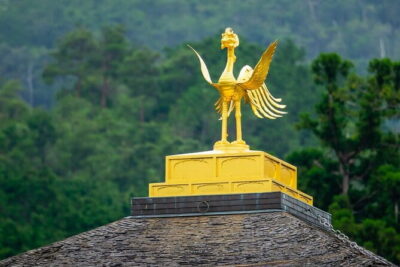

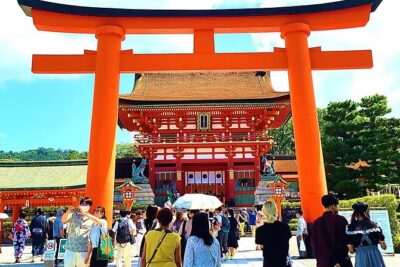
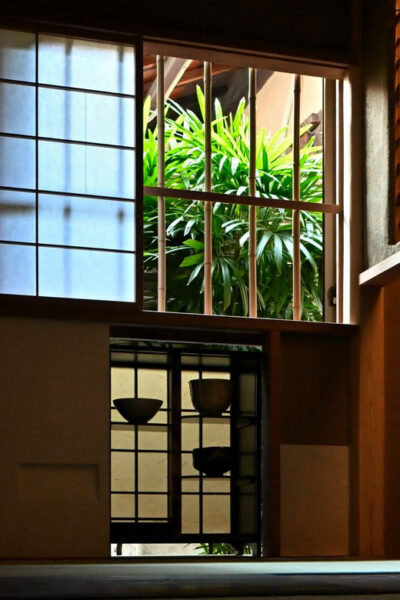
Japanese Gardens and Zen Meditation, side by side.
 ★ 4.5teamLab Botanical Garden Entry TicketFrom $111,710 reviews
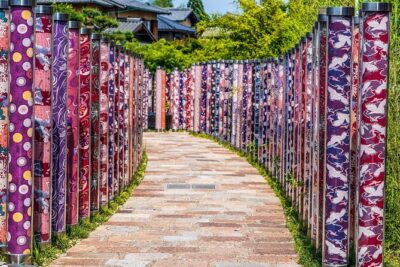 ★ 5.0Kyoto Arashiyama Walking Tour: Bamboo, Monkeys, Gardens & SecretsFrom $651,216 reviews
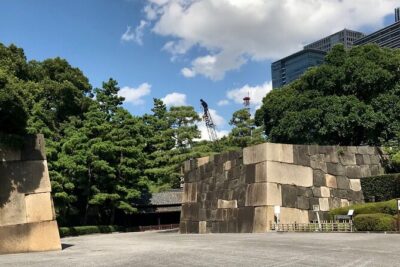 ★ 5.0Imperial Palace East Garden and Edo Castle Walking Tour in TokyoFrom $25510 reviews
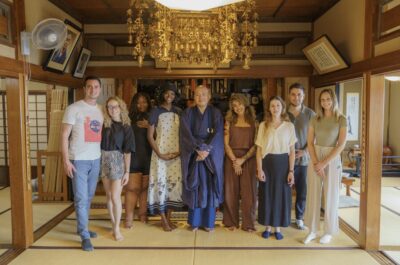 ★ 5.0Zen Meditation at a Private Temple with a MonkFrom $55510 reviews
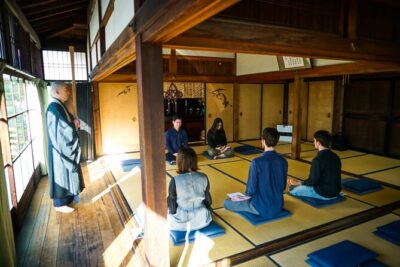 ★ 5.0Kyoto Zen Meditation & Garden Tour at a Zen Temple with LunchFrom $110441 reviews
 ★ 5.0Zen Experience in a Hidden TempleFrom $109437 reviews
 ★ 5.0Kyoto Arashiyama Bamboo forest & Garden Half-Day Walking TourFrom $129413 reviews
 ★ 4.8Tea Ceremony Meditation – Make Matcha with Tea MasterFrom $45406 reviews
Filed on these lists too