
REVIEW · GION, GEISHA AND MAIKO EXPERIENCES
Kyoto Evening Gion Food Tour
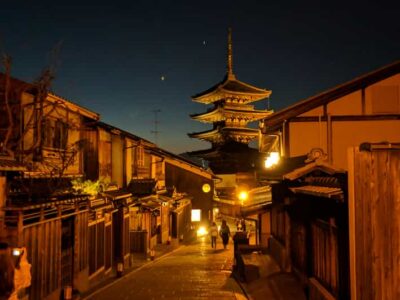
Lanterns and kaiseki light up Gion. This Kyoto Evening Gion Food Tour uses a small group walk to explain Maiko and Geiko culture while you eat your way through old streets. At twilight, the neighborhood feels made for slow strolling.
I love the pacing: several snack stops plus a final 10-course kaiseki dinner, so you get both variety and a full meal. I also like the guide depth, with English hosts such as Miki, Sae, Marie, Mickey, Rosalia, and Russ repeatedly praised for clarity and patience.
One thing to consider, the food stops part is lighter than some strict food tours, and you might only sample a couple bites in shops before the restaurant dinner. If you expect a food crawl with many full stops, read the vibe right.
In This Review
- Key things I’d circle before you book
- Why this Gion evening food tour feels different
- Gion and Shirakawa after dark: what you’re really seeing
- Snack stops: how the food portion is set up
- Maiko and Geiko culture lessons, without the fog
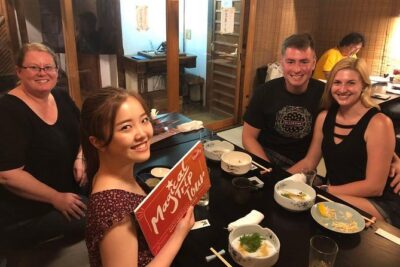
- The 10-course kaiseki dinner: why the meal is the anchor
- Walking tour plus architecture: how you get your bearings
- Meeting point timing, and what can trip you up
- Price and value: is $216 per person fair?
- Who this tour suits best (and who should look elsewhere)
- Helpful expectations for your night in Gion
- Should you book this Kyoto Evening Gion Food Tour?
- FAQ
- How much does the Kyoto Evening Gion Food Tour cost?
- How long is the tour?
- How many people are in the group?
- Where is the meeting point?
- What is included in the price?
- Is hotel pickup included?
- Do I need to provide passport information?
Key things I’d circle before you book
- Small group size (up to 10) keeps the evening calm and questions easy
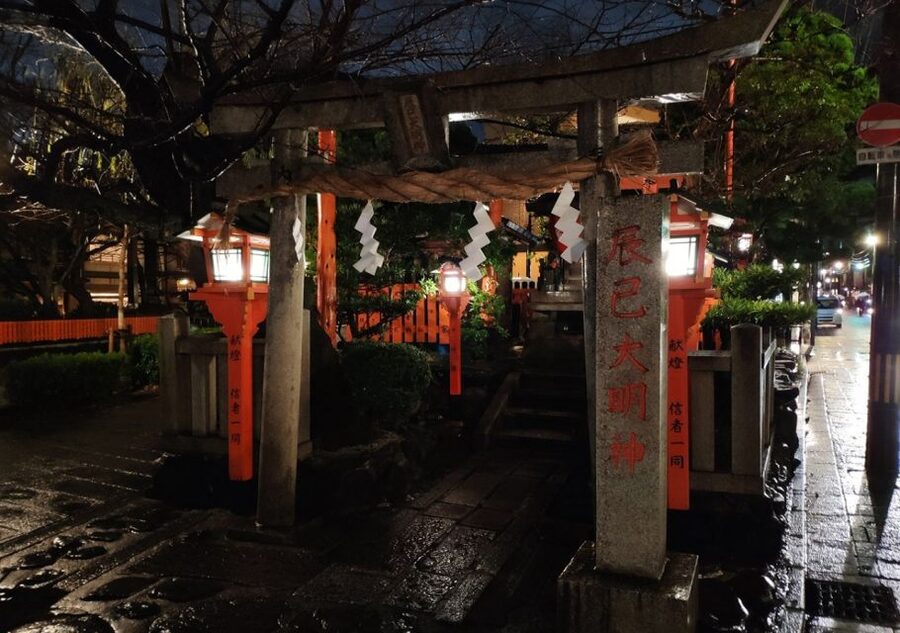
- Gion and Shirakawa at dusk means lantern light, historic streets, and better walking energy
- Snack stops plus a 10-course kaiseki dinner gives you both variety and a real Kyoto meal
- Maiko and Geiko culture lessons tie what you see to how the districts work today
- Comfortable-walking setup helps, since you’ll be on foot for the whole 3 hours
Evening walks through the old quarters, compared
- Kyoto Geisha Walking Tour: Gion District & Hidden Gems
★ 4.7 · 3,273 reviews - Kyoto: Gion Magical Night Walking Tour with Geisha Trivia
★ 4.9 · 2,393 reviews - Kyoto: Gion Geisha District Walking Tour – Stories of Geisha
★ 4.7 · 2,187 reviews - Best of Kyoto: Gion, Geisha, Pagodas & Cobblestones
★ 4.9 · 2,058 reviews
Why this Gion evening food tour feels different
Kyoto evenings are special because the city slows down. Gion and Shirakawa, in particular, look their best when daylight fades and lanterns take over the streets. This tour leans into that timing on purpose, pairing the walk with food and culture so you’re not just looking, you’re understanding.
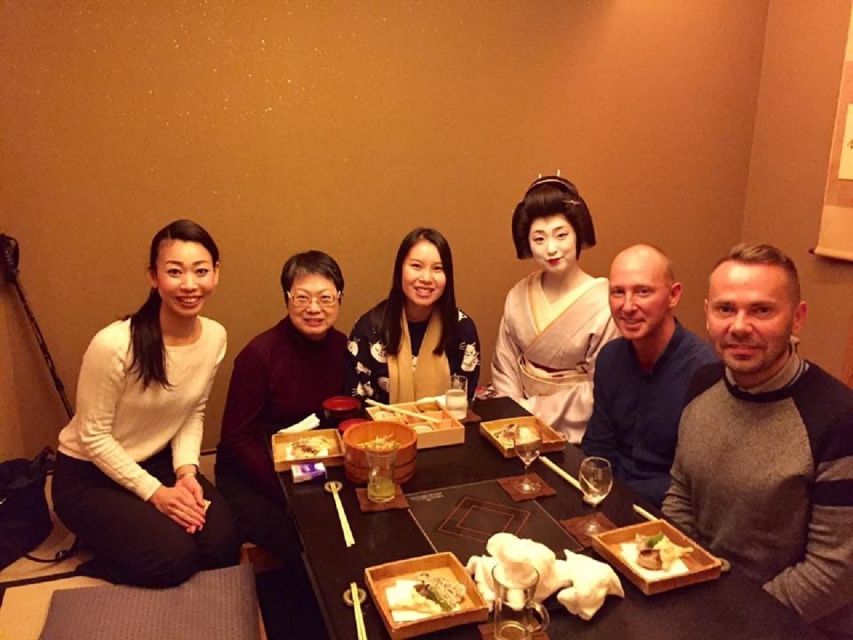
The two biggest wins for me are the combination of experiences and the final meal. You get context first, then you sit down for a 10-course kaiseki dinner that’s built around seasonal and regional flavors. It’s a great way to taste Kyoto while also learning what you’re actually seeing in Gion, from everyday practices to the way Maiko and Geiko work within their world.
One more reason it works: it’s a manageable length. 3 hours is long enough to connect the dots, but short enough that you still feel like you’re on vacation, not stuck in a long schedule.
Gion and Shirakawa after dark: what you’re really seeing
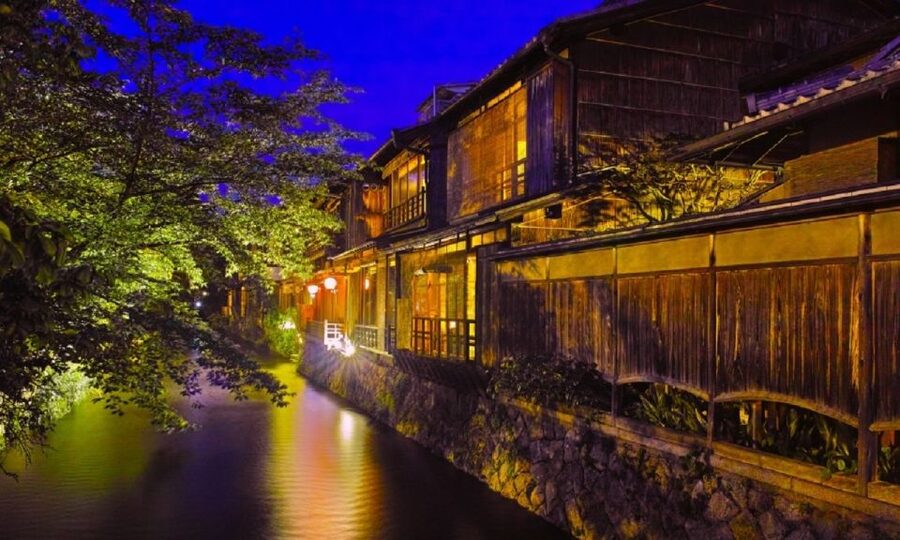
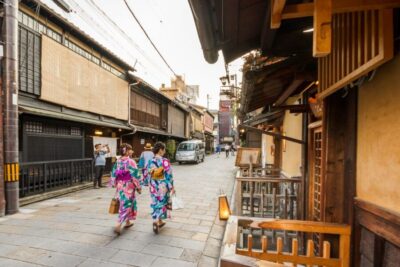
This isn’t a museum-style tour with one photo spot after another. It’s a walking evening focused on architecture and atmosphere in the geisha districts, with time to observe details as the streets wake up. You’ll move through historic alleyways where teahouses and old street layouts shape what the neighborhood looks like.
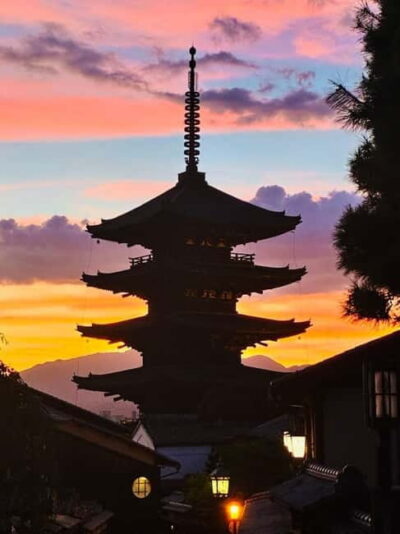
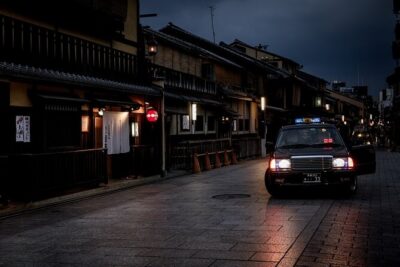
Twilight matters here. In late-day light, you can actually notice the design choices that make these areas feel distinct: narrow lanes, traditional facades, and the way pedestrians flow past each other. If you’ve ever visited Kyoto in the middle of the day, you know how busy it can feel. This timing helps you experience the district at a more human pace.
A practical note that affects your enjoyment: you’ll want comfortable shoes. This tour is on foot through an evening district, so don’t plan on cute shoes that need courage. Pack footwear that supports real walking.
Snack stops: how the food portion is set up
Let’s talk food quantity, because expectations matter. The structure is snack sampling along the way, then a full meal at the end. You’ll make several stops to try Kyoto’s traditional cuisine in smaller bites, so you can taste variety without feeling overly stuffed before dinner.
That said, one review-style reality check is useful: this feels more like a Gion neighborhood tour finished with dining than a hardcore food crawl. Some people describe only two bites in shops before the restaurant meal. So if your dream is a “six tastings, six different places, six big flavors” style route, calibrate your mindset to this tour’s flow.
The upside is that you still end with the centerpiece: the kaiseki course dinner. That’s where the depth usually lands. Even if the snack stops are lighter than you hoped, the evening meal is built as a cohesive experience, with courses arranged and timed to feel like an actual Kyoto dining event.
Diet matters too. If you have allergies or dietary requirements, you should inform the company during your booking. This matters because the tour data explicitly asks you to share allergy and dietary needs, so you’re not guessing on the spot.
- PERFECT KYOTO 1-Day Bus Tour★ 5.0 · 13,518 reviews
- Kyoto: Fushimi Inari, Kinkakuji, Bamboo Grove 1 Day Bus Tour★ 4.8 · 4,316 reviews
- Kyoto: Tea Ceremony in a Traditional Tea House in Kiyomizu★ 4.9 · 3,519 reviews
- Kyoto Geisha Walking Tour: Gion District & Hidden Gems★ 4.7 · 3,273 reviews
- Kyoto: Tea Ceremony Ju-An at Jotokuji Temple★ 4.9 · 3,207 reviews
Maiko and Geiko culture lessons, without the fog
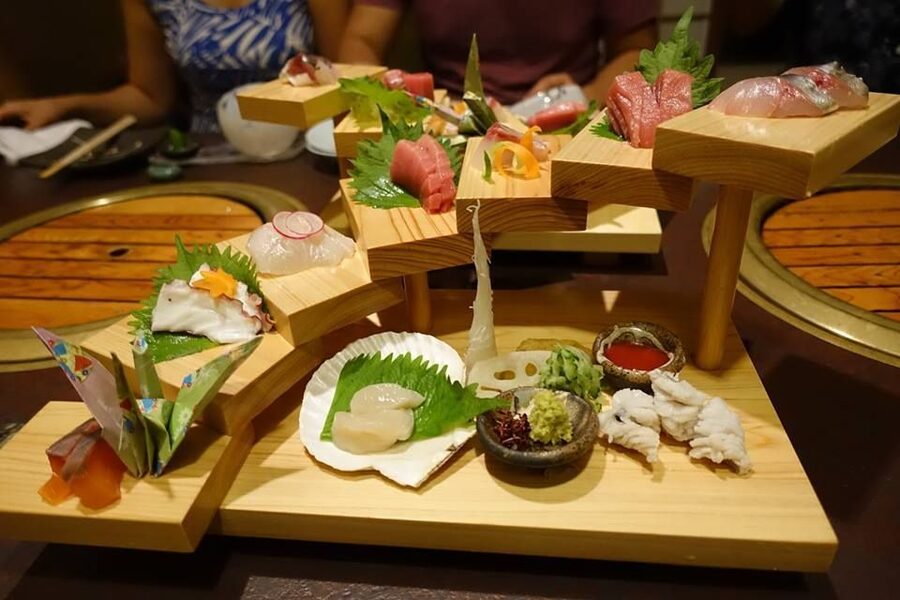
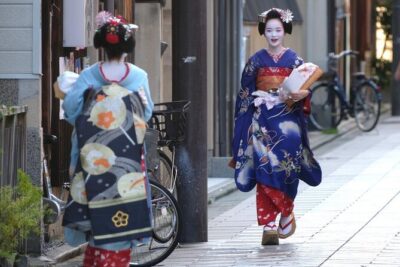
A lot of Kyoto tours mention geiko and maiko, but this one focuses on both history and current practices. That’s the difference between seeing costumes and understanding the system behind the traditions.
You’ll hear stories about the districts and the geisha world, with explanations tied to what’s around you in Gion and Shirakawa. The goal is to help you read the neighborhood better, not just memorize names. When the guide talks about how these cultures function now, it tends to make the sights feel less like a performance and more like a living community with rules, rhythms, and roles.
What I’d look for from a guide on this kind of tour: clear explanations, patience, and the ability to connect cultural details to what you’re seeing in real time. Past participants highlight exactly that kind of hosting, including guides such as Miki and Sae, and also Marie, Mickey, Rosalia, and Russ.
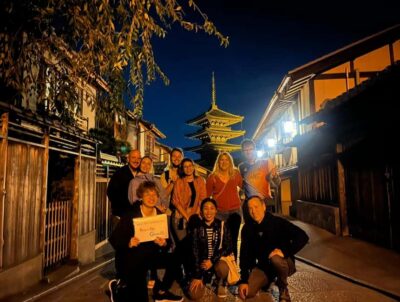
Also, this tour keeps the group small, limited to 10 participants. That matters for cultural tours. When there are fewer people, you get more chances to ask questions and get answers that fit your level of curiosity.
The 10-course kaiseki dinner: why the meal is the anchor
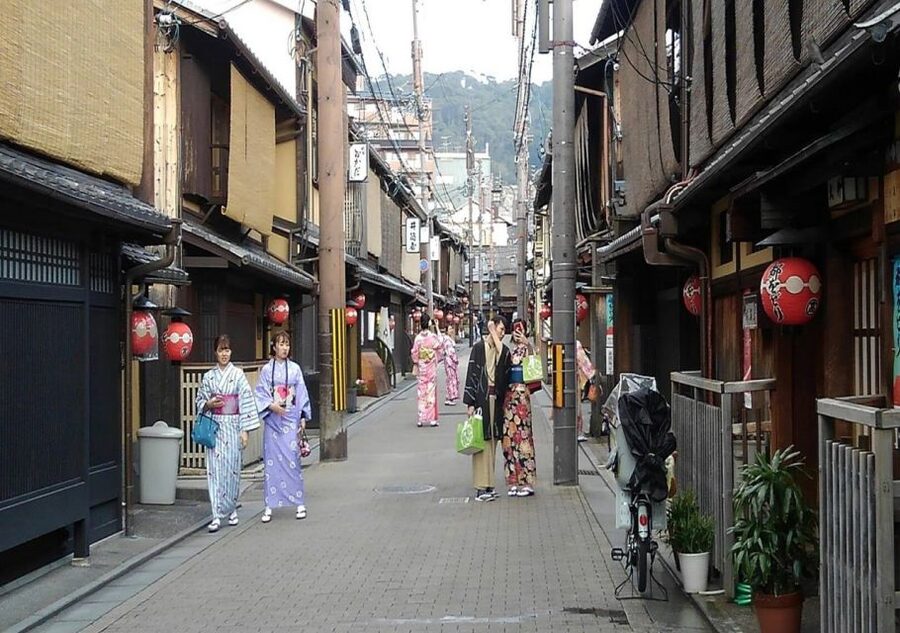
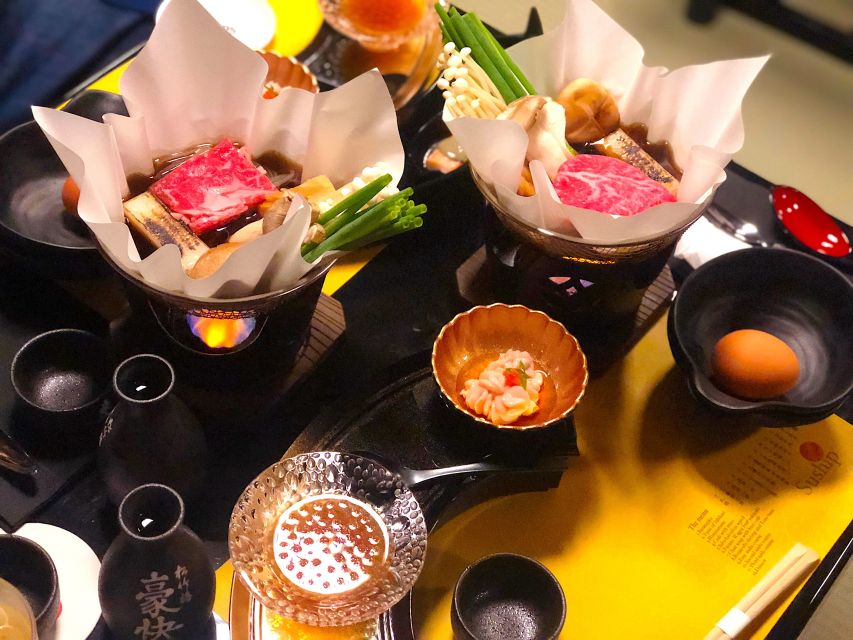
If you’re choosing this tour for the food, the 10-course kaiseki is the anchor. Kaiseki is not one dish. It’s a structured meal designed around seasonality and regional flavors, with courses served in an order that builds texture, temperature, and taste.
This tour includes the dinner itself, plus dessert and one drink. Additional drinks or extra food aren’t included, so if you like to pair meals with more than one beverage, plan on topping up separately.
What you might notice through the courses is the style of Kyoto cooking: umami-rich components like miso, delicately prepared items like yuba, and courses that can include subtle smokiness from grilled fish. Even if you’re not a serious foodie, kaiseki usually feels like a guided tasting journey, where each small course has a reason to exist.
The meal is also served in beautiful Japanese ceramics and presented like artwork. That’s not just for looks. It slows you down. When you’re walking an entire evening, sitting for a multi-course dinner changes the pace, and it gives you a moment to absorb Kyoto’s calm side.
Walking tour plus architecture: how you get your bearings
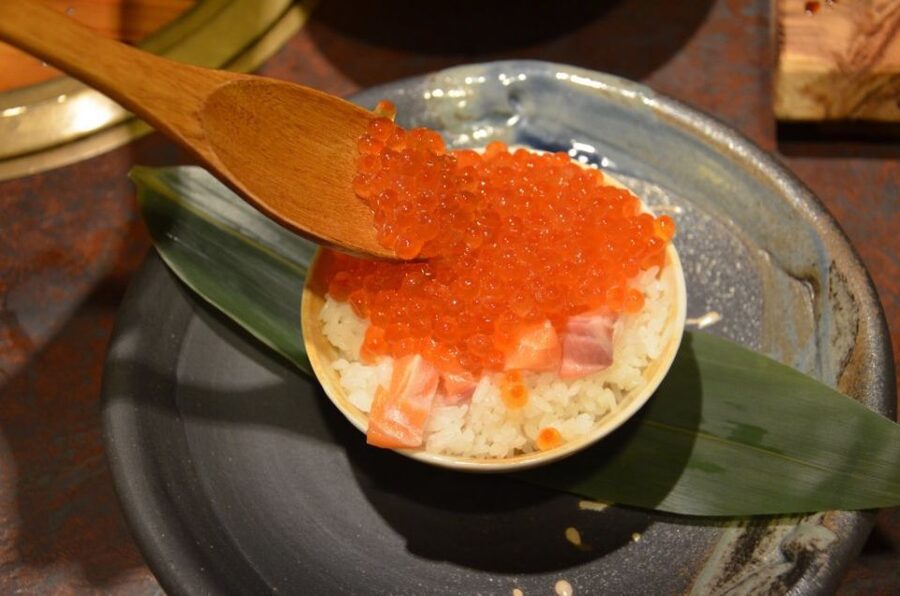
Food tours can be either “taste and go” or “taste and learn.” This one leans toward the second option, with a walking focus on architecture and old district layout.
Along the way, you should expect to see traditional building styles and street geometry that define Gion. The guide uses the architecture as part of the storytelling, helping you understand why certain streets, facades, and lanes matter. It’s the kind of context that makes you feel confident exploring on your own later.
Another underrated value here is navigation. One of the recurring praise points is that guides explain how to move around Japan in a way that helps you avoid common mistakes. That kind of practical add-on can be useful even if this is not your first Kyoto day. You leave with not just memories, but better instincts.
Meeting point timing, and what can trip you up
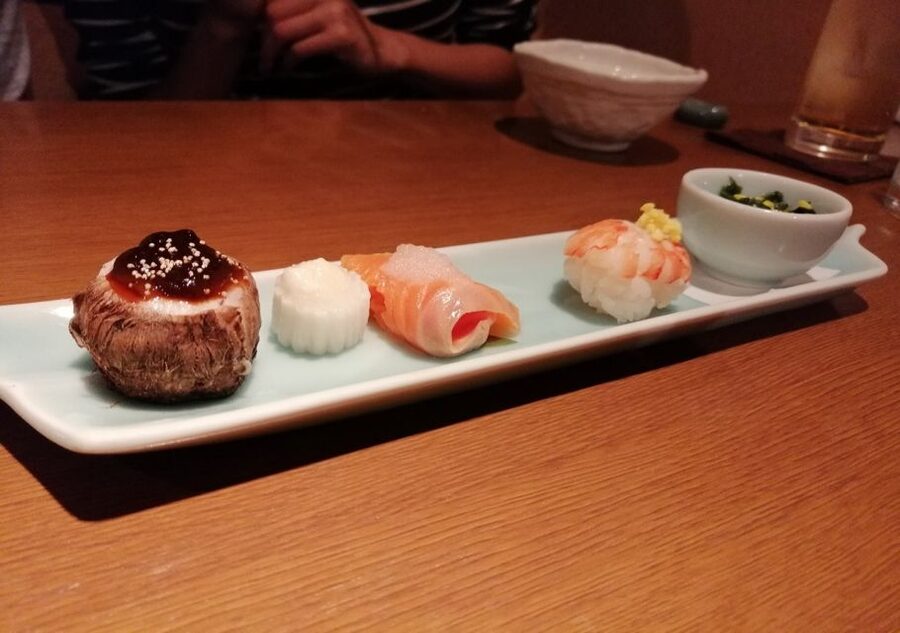
The meeting point is in front of the Japan Kanji Museum and Library, at Gionmachi Minamigawa, Higashiyama Ward, Kyoto, Kyoto Prefecture 605-0074, Japan. Your guide will be there holding a sign, and they wait no more than 5 minutes after the starting time before the tour departs.
That short grace window is real-life important. Kyoto streets can cause tiny delays, especially if you’re double-checking directions on your phone. Show up early enough that you’re standing around with time to spare, not chasing the group.
Also, hotel pickup is not included. If you want pickup, it can be arranged for an extra charge. Transportation costs are not included either, so factor that into your budget if you’re coming from outside central Kyoto.
One last paperwork requirement: you must provide a copy of your passport information for participants aged 10 and over. If you’re traveling with teens or children, handle this early so you’re not scrambling.
Price and value: is $216 per person fair?
At $216 per person for 3 hours, this is not a budget snack. You’re paying for three things at once: the guided experience, the structured kaiseki meal, and the small-group format.
Here’s how I think about value:
- You’re getting a 10-course dinner plus dessert and one drink, which is usually where these experiences justify the cost. If you would otherwise buy a kaiseki meal anyway, the guide component starts to look more reasonable.
- You’re also paying for the cultural context tied to Gion and Shirakawa. That’s harder to replicate on your own if you don’t know the background or want help reading the district respectfully.
- The small group size matters. In crowded areas like Gion, a group that’s too big can turn the evening into a bottleneck. Here, limited-to-10 is a practical quality-of-experience upgrade.
Could you eat Kyoto food cheaper? Yes. But cheaper usually means less structure and less explanation, or it means buying a meal without the guided route that helps you understand what you’re seeing.
So I’d say this is best viewed as a “Kyoto evening experience” purchase, not just a food purchase.
Who this tour suits best (and who should look elsewhere)
This tour is a great fit if you want a first night in Kyoto that feels guided but not stiff. It’s especially good for people who:
- like learning how cultural districts work, not just sightseeing
- want a real kaiseki meal with a guided narrative
- enjoy walking tours but still want a clear start and finish
- are traveling with food curiosity and want seasonal, regional variety
It may be less ideal if you’re strictly chasing maximum food stops. The snack portion exists, but the biggest payoff is the dinner. If your priority is a long chain of tastings across multiple venues, you may prefer a more food-forward crawl format.
It’s also a nice choice for couples or small groups thanks to the small group cap. Solo travelers can fit well too, but the minimum booking requirement is 2 people per booking, so check that availability for your dates.
Helpful expectations for your night in Gion
A good Kyoto evening has the right mindset: slow steps, curiosity, and patience with how traditions are practiced. This tour’s flow supports that.
Here’s what to keep in mind as you plan:
- You’ll be walking and you should dress for comfort.
- You’ll want a moderate appetite. Snacks plus kaiseki means you’ll likely eat plenty over the evening.
- Ask your guide about what you’re seeing. The cultural stories are part of the point, not an extra.
- If you have allergies or dietary needs, communicate them ahead of time so the meal can be handled properly.
And yes, there’s always an excitement factor when you’re in a geisha district at dusk. Even when nothing dramatic happens in the moment, the architecture, the pacing, and the kaiseki meal usually deliver the real satisfaction.
Should you book this Kyoto Evening Gion Food Tour?
I’d book it if you want a guided Kyoto evening that combines atmosphere, cultural context, and a serious kaiseki dinner. The small group size, the focus on Maiko and Geiko culture, and the final 10-course meal are the reasons this tour earns high marks.
I’d think twice if your idea of a food tour is many heavy tastings across lots of different venues. This one gives you snack sampling and then lands most of the food payoff at dinner.
If you’re planning your first trip to Kyoto, or you want a memorable night without over-planning, this tour is a strong option. Show up a little early, wear comfy shoes, share any food needs, and let the evening unfold one course at a time.
FAQ
How much does the Kyoto Evening Gion Food Tour cost?
It costs $216 per person.
How long is the tour?
The tour lasts 3 hours.
How many people are in the group?
The tour is a small group limited to 10 participants.
Where is the meeting point?
Meet in front of the Japan Kanji Museum & Library, at Gionmachi Minamigawa, Higashiyama Ward, Kyoto, Kyoto Prefecture 605-0074, Japan. The guide will be holding a sign.
What is included in the price?
In the included items you get a local English-speaking guide, a 10-course dinner, dessert, and one drink.
Is hotel pickup included?
No, hotel pickup is not included. It can be arranged for an additional charge.
Do I need to provide passport information?
Yes. A copy of your passport information is required for all participants aged 10 and over.
Evenings in the Old Quarters
Newest Kyoto write-ups from the Loving Japan desk
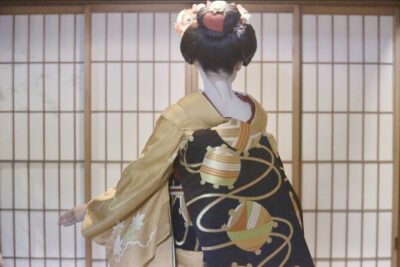
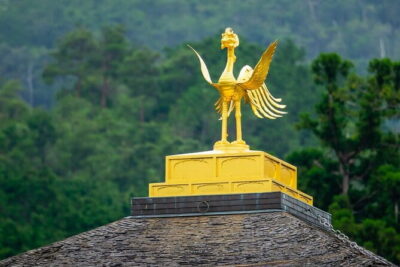
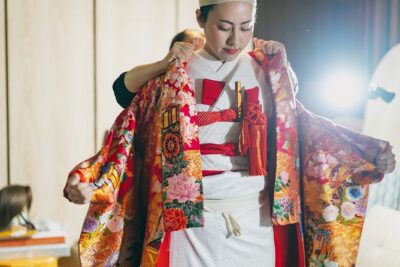
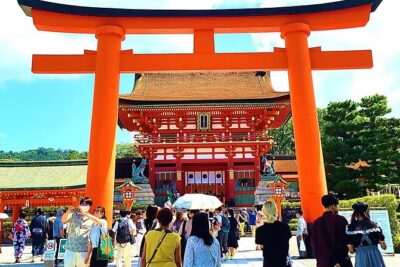
Gion, Geisha and Maiko Experiences, side by side.
 ★ 4.7Kyoto Geisha Walking Tour: Gion District & Hidden GemsFrom $253,273 reviews
 ★ 4.9Gion Magical Night Walking Tour with Geisha TriviaFrom $242,393 reviews
 ★ 4.7Gion Geisha District Walking Tour – Stories of GeishaFrom $202,187 reviews
 ★ 4.9Best of Kyoto: Gion, Geisha, Pagodas & CobblestonesFrom $242,058 reviews
 ★ 4.5Night Walk in Gion: Kyoto’s Geisha DistrictFrom $212,003 reviews
 ★ 5.0Kyoto Night Foodie Tour in Gion (9+ dishes + 6 Sake tastings)From $1631,762 reviews
 ★ 5.0Kyoto Gion Geisha District Walking Tour – The Stories of GeishaFrom $251,441 reviews
 ★ 5.0Kyoto Gion: 2-Hour Geisha Culture & History Walking TourFrom $231,186 reviews
Filed on these lists too