
REVIEW · TOKYO MUSEUMS, GALLERIES AND TEAMLAB
Kyoto Sword Experience – includes Museum Ticket/Ninja Experience
Suit up like a samurai in Kyoto. This dojo experience pairs Iaido training with museum admission at the Samurai and Ninja Museum, plus time for ninja star throwing. It is hands-on and great for photos, but if your session is busy, you can spend more time rotating through turns than perfecting every move.
I also like that the training uses a blunt replica sword designed to match Japanese safety rules, not a real cutting blade. With multiple daily start times, you can usually pick a slot that fits your day, and then you get a traditional atmosphere where the routine matters.
In This Review
- Key highlights you should know before you go
- Samurai dojo training in Kyoto, the kind you remember
- Price and logistics: what $83.91 really buys
- Meeting at Samurai Ninja Museum Kyoto: arrive ready to switch modes
- Hakama dressing: the fastest way to feel the role
- Iaido basics and a safe sword routine: where the technique is
- Real sword expectations: the replica-sword reality check
- Ninja star throwing and armor photo time: the fun finish
- The Samurai and Ninja Museum tour: how it connects to the class
- Group size, timing, and why peak sakura season can feel hectic
- Who should book this Kyoto sword experience (and who should skip it)
- Should you book Kyoto Sword Experience with Museum Ticket?
- FAQ
- What is included in the Kyoto Sword Experience with Museum Ticket?
- Do you use a real sword during the training?
- How long does the experience take?
- Where do I meet for the experience?
- Are children allowed?
- Is there an elevator available during January 24 to February 19, 2026?
- Can I cancel and get a full refund?
Key highlights you should know before you go
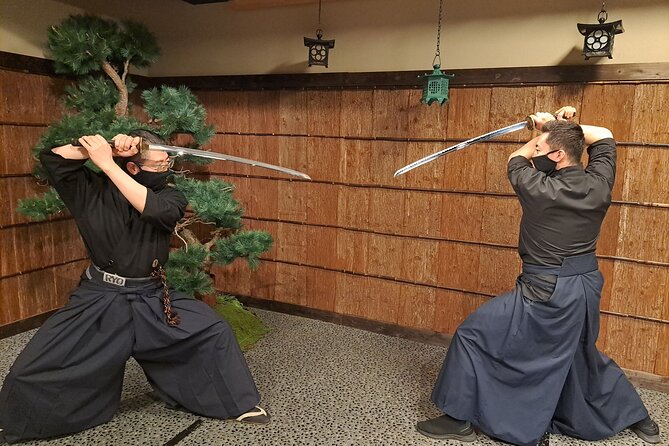
- Hakama first, training second: You dress in traditional samurai-style attire before learning basic stances.
- Iaido basics with a safe replica sword: You practice controlled technique and a simple partner drill.
- Museum ticket and guided history tour included: The museum visit is not an add-on, it is built into the experience.
- Ninja star throwing time and armor photo ops: You get a fun climax after the training block.
- Small-group instruction, but crowd levels matter: Group caps are stated, yet peak days can still affect how fast you move.
- Mobile ticket for a smoother start: Bring your phone at the meeting point so you can check in fast.
Indoors instead? Galleries and light rooms we visited
- Skip the lines Basic Ticket at SAMURAI NINJA MUSEUM KYOTO
★ 4.5 · 632 reviews - Kyoto : Geiko Maiko Dance of Kyoto & Visits of Gion Museum
★ 4.6 · 415 reviews - Kyoto Sword Experience – includes Museum Ticket/Ninja Experience
★ 4.5 · 149 reviews - Kyoto: Samurai Ninja Museum guided tour
★ 4.8 · 145 reviews
Samurai dojo training in Kyoto, the kind you remember
Kyoto can feel like a museum of museums, all temples, all signs, all “stand here and take a picture.” This experience flips that. You start doing the thing, right away. First the outfit. Then the stance work. Then the controlled sword-fight drill. After that, you get the museum and the fun extras.
The biggest value for you is not just that it is interactive. It is that the program is built around a routine. You are guided step-by-step by instructors in a traditional dojo setting, so even if you have zero martial-arts background, you still leave with a sense of how samurai training was organized.
The second thing I like is the blend of action and context. The museum ticket and history tour give you the why behind the movements, so you are not just swinging a prop sword for the camera.
Price and logistics: what $83.91 really buys
At $83.91 per person for a roughly 2-hour experience, the math works only if you take the full package seriously. This is not a quick photo stop. You’re paying for several blocks in one spot: outfit dressing, Iaido instruction, a safe sword-fight style activity, ninja star throwing, plus the Samurai and Ninja Museum admission and a guided tour.
That bundled format is why it can be a good deal compared to piecing everything together yourself. You also get a mobile ticket, which helps when you are trying to squeeze Kyoto sites into a tight schedule.
A practical note for your planning: group size is described in two ways in the provided info (a small class cap is mentioned, and a higher overall maximum is also listed). In the real world, that means your session could feel intimate, or it could feel more like a production line if the venue is crowded. Peak seasons can be especially time-sensitive.
Meeting at Samurai Ninja Museum Kyoto: arrive ready to switch modes
Your meeting point is at Samurai Ninja Museum Kyoto, 109 Horinouechō, Nakagyo Ward, Kyoto 604-8117. The activity ends back at the same place, so you can plan your day with less guessing.
It is also near public transportation, which matters in Kyoto when taxis are tempting but not always fast. Keep it simple: give yourself buffer time and use transit that lets you arrive early.
One logistics detail that can affect your experience: the elevator is listed as out of service from January 24, 2026 to February 19, 2026. If you are visiting during that window, plan to use stairs for any parts of the venue that require it. Also, wear shoes you can move in comfortably.
Finally, because this is an outfit-and-training format, you’ll want to keep your hands free. Bring a small bag, and leave anything bulky behind. Once you are in hakama, you will appreciate not having to manage extra stuff.
Blade work and stagecraft, other sessions
- Kyoto Samurai Experience★ 5.0 · 1,294 reviews
- Kyoto: Kendo and Samurai Experience with Uniform and Gear★ 4.9 · 815 reviews
- Kyoto: Samurai Sword Class by Experts in Traditional Arts★ 4.9 · 657 reviews
- Ninja 1-hour Hands-on Lesson by Japanese master in Kyoto -Entry★ 5.0 · 489 reviews
- Kyoto: Ninja Weapon Forging Experience★ 4.8 · 478 reviews
Hakama dressing: the fastest way to feel the role
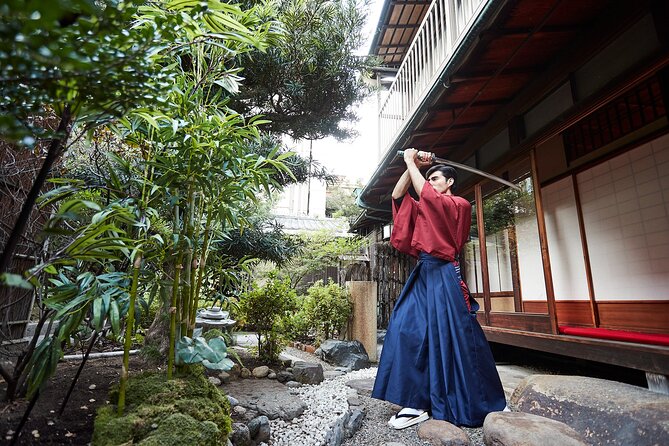
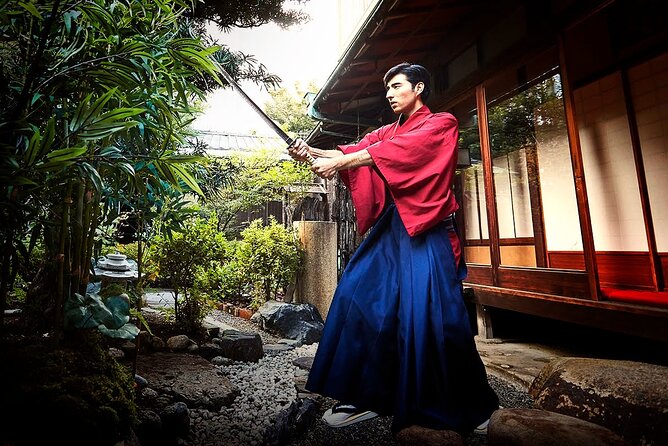
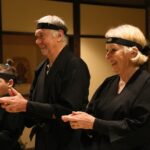
The first real moment is dressing in traditional samurai-style hakama. You do this before the training, and it changes how the whole session feels. Even if you never cared about swords before, the clothing creates a mindset. It slows you down in a good way.
You should expect hands-on help with the outfit, plus a short orientation so you know where to stand, how to move safely, and how the flow works. Some sessions can feel rushed if people arrive late, so arriving a bit early helps you avoid starting behind schedule.
A detail I think you will appreciate: the instruction is designed for a mixed group. That means you do not need special equipment at home. The program is set up so your “job” is to follow the steps, not to already know technique.
This portion is also where photos start. People often want the full samurai look first, then training after. If you care about pictures, plan for a quick burst at the start, then focus on the technique so the later museum tour and ninja star moment do not become a scramble.
Iaido basics and a safe sword routine: where the technique is
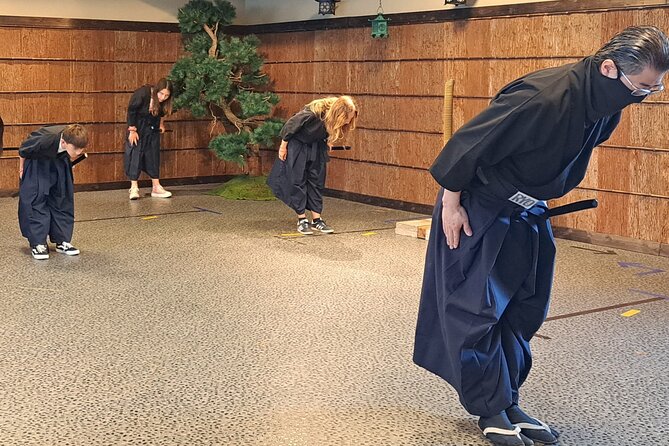
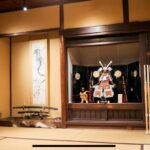
This is the core of the experience: basic Iaido techniques taught with a safe, blunt replica sword. The vibe here is not “violent reenactment.” It is controlled discipline. You learn basic stances and movement patterns, then practice them as a group.
What makes this satisfying is that it gives you structure. You are not just handed a prop and told to swing. Instead, you get guidance on what your body should do, how to hold the sword, and how to move with intent.
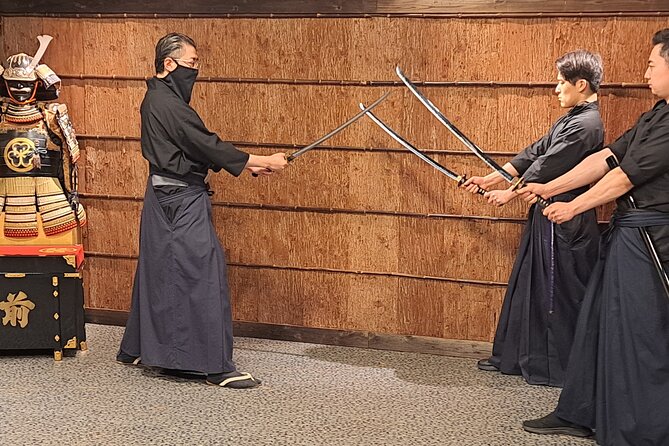
You’ll likely do a simple sword-fight style exchange or drill using the replica sword. Think of it as a safe, beginner-friendly version of sparring. The point is timing and control, not power.
Also, you should take the Japanese-law update seriously. The provided information states the activity does not involve real sword use and that sharp blades are not part of the experience. If you have older expectations based on photos online, adjust them. Your training will focus on safe movement, not cutting targets with sharp weapons.
Real sword expectations: the replica-sword reality check
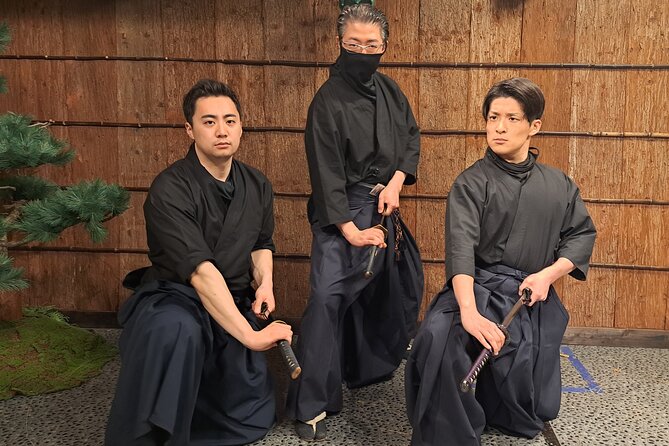
Here’s the key reality: this experience is presented as compliant with Japanese safety rules, and the provided update says no real sword or sharp blade is used.
That matters for two kinds of people:
- If you want a dramatic, sharp-blade cutting performance, this probably will not match that fantasy.
- If you want a safe introduction to samurai-style technique plus context, this setup is actually better for most first-timers.
One more expectation check: some older-looking promotional ideas may suggest cutting tests with real blades. The provided notes also say there is no longer really katana handling/cutting of bamboo test mats. So if your goal is the spectacle of cutting something, do not book based on images alone.
The upside is you can relax. When you are not worried about safety rules for a sharp blade, you can focus on learning the stances and enjoying the dojo atmosphere.
If you really care about the exact activities on your date, the best move is simple: ask what is included at the start of your session. Make it part of your confidence plan.
Ninja star throwing and armor photo time: the fun finish
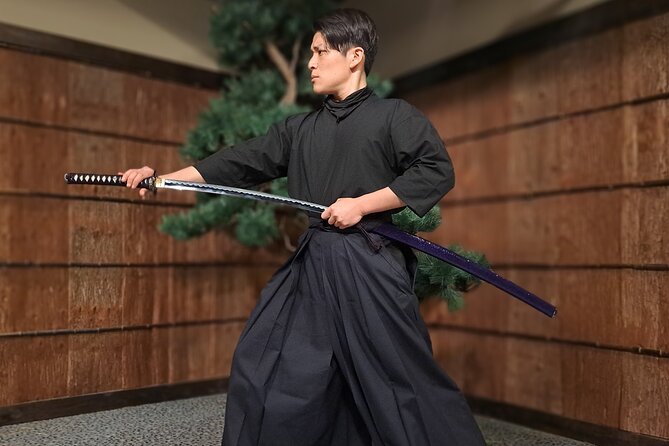
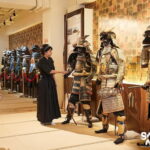
After the training block, you move into the fun section. The experience includes a chance to throw ninja stars, plus photo time with samurai gear.
This is the moment most people leave talking about, because it feels playful after the discipline part. It also makes the whole day feel like more than a lesson. You do something memorable, not just educational.
That said, time blocks can get tight during crowded periods. The experience is scheduled around a 2-hour total, but your exact pacing depends on how the room moves through dressing, training, museum access, and photo staging. If you care about doing every element, arrive on time and stay aware of what phase you’re in.
For your photos, wear the outfit posture you learned in training. Even a basic stance looks better when you keep the form consistent. Also, keep your phone ready but put it away during instruction. You’ll enjoy the training more, and you won’t accidentally rush your movements.
The Samurai and Ninja Museum tour: how it connects to the class
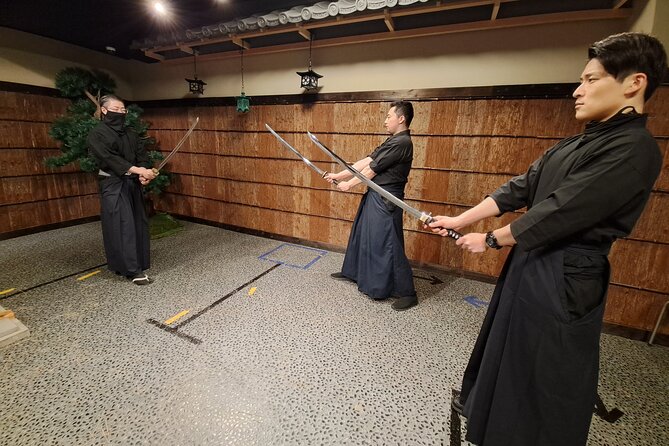
The experience includes a museum ticket and a guided tour of the Samurai and Ninja Museum. That part is worth treating as more than filler. It gives you context for what you just practiced.
Instructors and guides from past sessions have been praised for making the museum feel interactive and engaging, not just a walk past labels. Names that came up include Riku, Ken, and Nobu, and they were specifically credited with keeping people interested and connecting artifacts to real-life warrior behavior.
You will likely see explanations of how samurai and ninja cultures influenced daily life, weapon handling, and the ideas behind discipline. The museum also helps you separate myth from history.
For best value, give yourself time to look during the tour, not just to absorb it while standing in a crowd. If you normally rush museum rooms, slow down here. The training makes details easier to understand.
Group size, timing, and why peak sakura season can feel hectic
This is where your expectations should be smart.
The provided info sets boundaries, but several practical factors can still change your lived experience:
- Multiple daily start times mean different crowds at different hours.
- The venue can get packed during Kyoto’s busy seasons.
- If the group has to rotate through limited equipment or photo areas, waiting can happen.
If you want the most hands-on feel, pick a start time that avoids the biggest rush. If you only have one choice, compensate by arriving earlier than you think you need and by staying flexible.
Also, watch the mismatch between what you expect and what the session can physically deliver in a fixed time slot. With sword activities, there is always a bottleneck. The most popular part is also the easiest to feel rushed during busy periods.
If you go with a mindset of learning and photos, you will likely enjoy it more than if you go hoping for a slow, one-on-one duel.
Who should book this Kyoto sword experience (and who should skip it)
Book it if you want:
- A safe, beginner-friendly introduction to sword stances and Iaido-like movements
- A traditional dojo atmosphere and hands-on instruction
- A day plan that includes both training and a museum visit
- A high photo payoff, including samurai gear and a ninja star moment
Skip or reconsider if you:
- Want a serious martial-arts workout or a long, coach-style sparring session
- Are chasing a real sharp-blade cutting spectacle
- Have kids under 7, since the dojo venue has that age restriction
It also helps if you like structure. This is not the kind of experience where you wander, watch, and leave. It is staged and guided, which is great for first-timers and families who want a clear flow.
For couples, it’s a fun shared activity. For solo travelers, it can be an efficient way to get a memorable Kyoto experience in a tight schedule. For families with kids 7 and up, it can be a hit because the program includes both movement and fun.
Should you book Kyoto Sword Experience with Museum Ticket?
Yes, you should book it if your goal is a safe, guided samurai and ninja introduction with included museum time and playful extras. The best version of this experience is when you treat it like a short training session plus a history lesson, not a Hollywood sword show.
I would book in particular if you:
- Want the traditional hakama moment and basic Iaido stances
- Like the idea of learning, then immediately seeing how the museum connects
- Care about a structured, easy-to-follow activity near public transport
But I would be cautious if your expectations are built on images of sharp-blade cutting. The provided legal and safety notes point clearly toward replica sword training, so check your expectations before you pay.
If you’re unsure, choose the time slot that minimizes crowds and commit to arriving a little early. That is the difference between a fun, focused session and a rushed one.
FAQ
What is included in the Kyoto Sword Experience with Museum Ticket?
The experience includes a Samurai Ninja Museum ticket and a guided Samurai and Ninja history tour, plus samurai-style dress-up, guided Iaido techniques with a safe replica sword, a sword-fight style activity, and ninja star throwing.
Do you use a real sword during the training?
No. The provided update says the activity does not involve real sword use or sharp blades, and it is designed to comply with Japanese law.
How long does the experience take?
The duration is listed as about 2 hours.
Where do I meet for the experience?
You meet at Samurai Ninja Museum Kyoto, 109 Horinouechō, Nakagyo Ward, Kyoto 604-8117, Japan.
Are children allowed?
Children under 7 are not allowed to enter the samurai dojo venue. Children must be accompanied by an adult.
Is there an elevator available during January 24 to February 19, 2026?
No. The elevator is listed as out of service during January 24, 2026 to February 19, 2026.
Can I cancel and get a full refund?
Yes, free cancellation is available up to 24 hours in advance for a full refund. Cancel less than 24 hours before the start time, and the amount paid is not refunded.
Blade Work and Stagecraft



Tokyo Indoors: Galleries and Light Rooms


Newest Kyoto write-ups from the Loving Japan desk




Tokyo Museums, Galleries and teamLab, side by side.
 ★ 4.6teamLab Planets TOKYO Digital Art Museum Entry TicketFrom $259,779 reviews
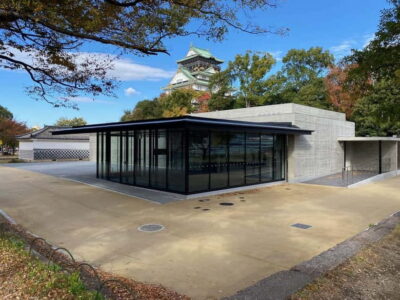 ★ 4.5Osaka Castle: Museum and Tower Entry TicketFrom $72,380 reviews
 ★ 4.5teamLab Botanical Garden Entry TicketFrom $111,710 reviews
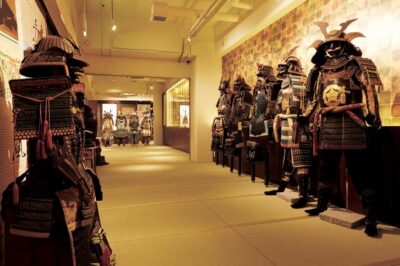 ★ 4.6Samurai Ninja Museum Guided tour and ExperienceFrom $271,010 reviews
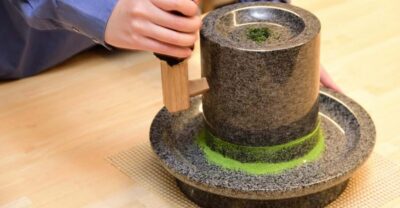 ★ 4.9Tea Museum Tickets and Matcha Grinding ExperienceFrom $23739 reviews
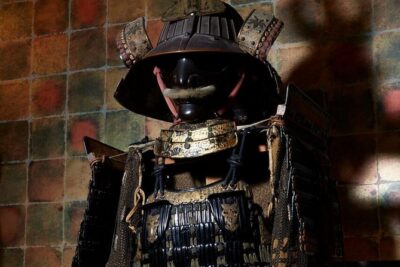 ★ 4.5Skip the lines Basic Ticket at SAMURAI NINJA MUSEUM KYOTOFrom $28632 reviews
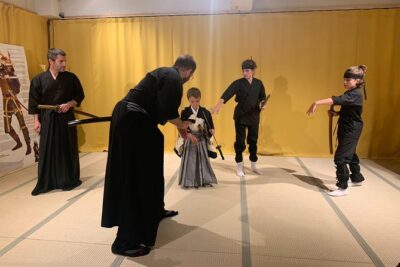 ★ 5.0Ninja Experience (Family Friendly) at Samurai Ninja Museum TOKYOFrom $47441 reviews
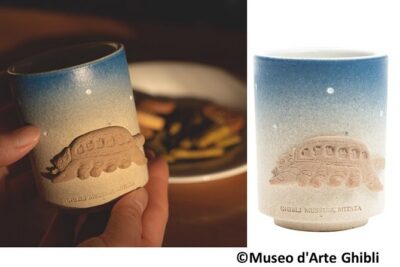 ★ 4.5Tokyo Studio Ghibli Museum and Ghibli Film Appreciation TourFrom $193421 reviews
Filed on these lists too