
REVIEW · TOKYO MUSEUMS, GALLERIES AND TEAMLAB
Kyoto: Samurai Ninja Museum guided tour
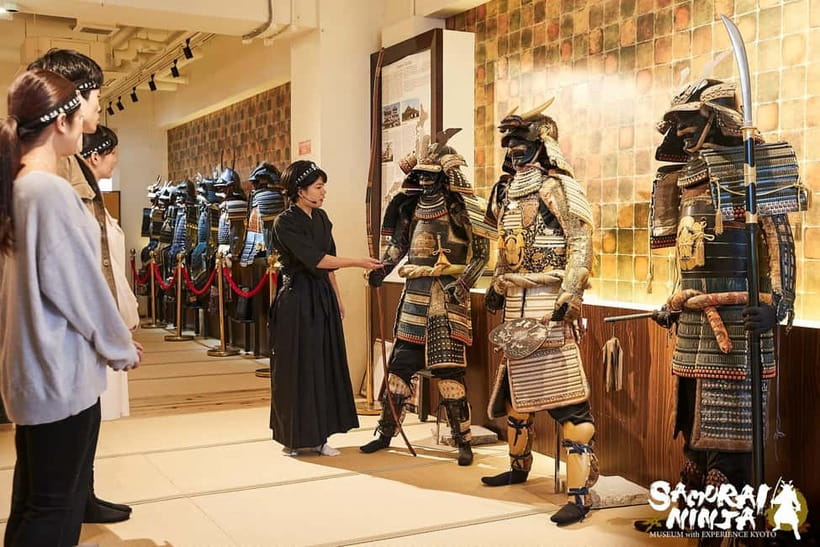
Samurai and ninja gear in Kyoto feels like a time machine. In just one hour, you get an English-led museum visit and hands-on moments like shuriken throwing and samurai dress-up, not just photos behind glass. Guides are often praised for making the connection between what you wear, what you hold, and what it meant in Japanese life.
I especially like the mix of history talk and do-it-yourself fun. The English-speaking guides, including standouts like Mami, Miu, and Aya, seem to land on a sweet spot: clear facts, good pace, and lots of audience interaction. One drawback to consider, though, is the time limit, 1 hour goes fast, so if you want a slow, deep museum browse, you might feel slightly rushed.
This is built for a small group feel. The listing says small groups limited to 10 participants, and it also states a maximum of 30 travelers, so plan on a compact, controlled experience rather than a huge crowd. It is also wheelchair accessible, which is a real plus for families and mixed-mobility groups.
In This Review
- Key takeaways before you go
- Kyoto Samurai Ninja Museum, Honshu: what makes this tour click
- The 1-hour flow: what happens during your guided visit
- Dress up as a samurai: helmet, costume, and replica sword
- Ninja practice with shuriken throwing, plus likely add-ons
- Why the guides matter: turning gear into history you can remember
- Price and value: is $28 per person fair?
- Logistics in Kyoto: timing, location, and how to plan your day
- Who should book this tour, and who might not love it
- Should you book the Kyoto Samurai Ninja Museum guided tour?
- FAQ
- How long is the Kyoto Samurai Ninja Museum guided tour?
- What is the price per person?
- Is the tour guide available in English?
- What activities are included?
- Does the ticket line get skipped?
- What is not included in the tour?
- What group size should I expect?
- Is the museum tour wheelchair accessible?
- Can I cancel for a refund?
- Is there a pay-later option?
Key takeaways before you go

- Hands-on samurai dress-up with a real helmet and a replica sword, so you leave with more than memories
- Shuriken throwing practice as a guided activity, not a random demo
- English guides who interact with the group, with multiple guides praised for clear explanations
- Family-friendly fun that works for adults and teens, not just kids
- Skip-the-ticket-line entry, which saves time when your Kyoto day is already packed
- Short and focused at 1 hour, great when you want action, not a long museum day
Indoors instead? Galleries and light rooms we visited
- Skip the lines Basic Ticket at SAMURAI NINJA MUSEUM KYOTO
★ 4.5 · 632 reviews - Kyoto : Geiko Maiko Dance of Kyoto & Visits of Gion Museum
★ 4.6 · 415 reviews - Kyoto Sword Experience – includes Museum Ticket/Ninja Experience
★ 4.5 · 149 reviews - Kyoto: Samurai Ninja Museum guided tour
★ 4.8 · 145 reviews
Kyoto Samurai Ninja Museum, Honshu: what makes this tour click
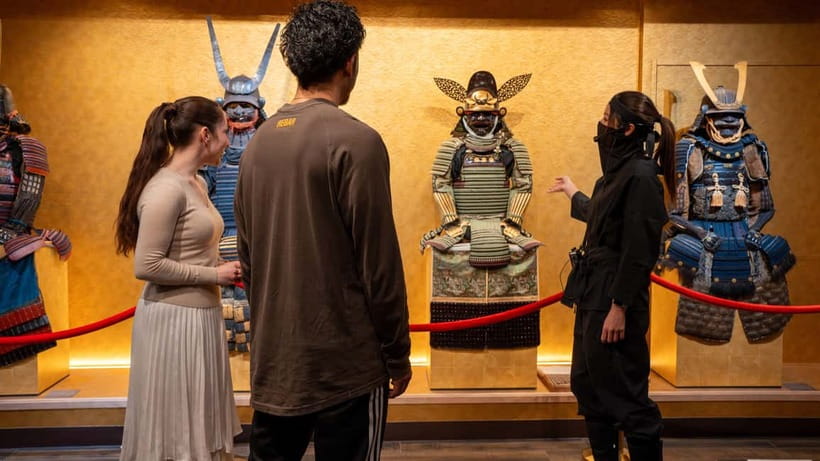
Kyoto is famous for temples and old streets, but it also has a strong warrior thread in its past. This museum tour leans into that connection by focusing on the people you associate with Japan’s samurai and ninja eras, then letting you handle the fun parts yourself. It is a theme that can feel gimmicky in other places, but here the structure is simple: learn a little, practice a little, then repeat.
The best part is that you do not just watch. You wear the outfit, hold the gear, and try the throwing. That turns the experience from a lecture into a short workshop, which is exactly why it scores so high with families and first-timers.
The 1-hour flow: what happens during your guided visit
This tour is designed to be tight and easy to fit into a Kyoto day. It runs 1 hour, with museum entry included and a live English guide leading you through the museum and activities.
A typical rhythm looks like this:
- You enter the museum with skip-the-ticket-line access.
- Your guide sets the context, then introduces key samurai and ninja concepts using what you are about to do.
- You move into interactive stations, including dress-up and the shuriken throwing activity.
- The tour wraps with time for photos and final questions, especially if your guide is the type who likes audience participation.
Because the time is short, the guide has to keep things moving. That is good for energy, but it also means you are not doing a slow walkthrough of every display. If you are the type who wants to read every label, you might enjoy returning later on your own.
Dress up as a samurai: helmet, costume, and replica sword
One reason this tour is so popular is the dress-up component, and it is not just a costume you wear for two minutes. You get to dress like a samurai, including wearing a real samurai helmet and holding a replica sword.
That sounds simple, but it matters. When you put on the helmet and take the sword in hand, the visuals in the museum stop being abstract. Even if you only catch a few key points, your brain stores them faster because you are linking the story to the physical feeling.
What I think is especially strong here is that multiple guides are described as engaging and audience-friendly. In the reviews, people call out guides who look the part and who ask questions while you participate. That kind of pacing turns dress-up from a novelty into a memory-maker.
Practical note: you may want to wear something comfortable and easy to move in. Kyoto can be warm or cool depending on the season, and you will be doing a bit of standing, adjusting your outfit, and taking photos.
Blade work and stagecraft, other sessions
- Kyoto Samurai Experience★ 5.0 · 1,294 reviews
- Kyoto: Kendo and Samurai Experience with Uniform and Gear★ 4.9 · 815 reviews
- Kyoto: Samurai Sword Class by Experts in Traditional Arts★ 4.9 · 657 reviews
- Ninja 1-hour Hands-on Lesson by Japanese master in Kyoto -Entry★ 5.0 · 489 reviews
- Kyoto: Ninja Weapon Forging Experience★ 4.8 · 478 reviews
Ninja practice with shuriken throwing, plus likely add-ons
The headline activity is the ninja star (shuriken) throwing. This is one of those rare tour moments where you get to try a skill rather than just watch it. Reviews repeatedly call out how the throwing is fun for both adults and kids, and how it is a great photo opportunity.
You should also know the tour theme includes other hands-on ninja-style activities as part of the experience, such as using a ninja fukiya and learning through a katana lesson context. The key word is hands-on, meaning you are not just hearing about tools, you are getting a guided chance to interact with the subject matter.
A quick reality check: any throwing activity is usually short and supervised. Do not expect Olympic training, but do expect a guided attempt where form and safety are the priority. If you are traveling with kids, this is often a better fit than you might think, because the goal is participation and laughs, not score-chasing.
Why the guides matter: turning gear into history you can remember
This tour lives or dies by the guide, and the feedback here is consistent. People praise guides like Mami, Miu, Aya, Ko, and others for clear English, detailed explanations, and an interactive style that keeps the group from zoning out.
What you want from a warrior-themed museum tour is context that makes your activity meaningful. The best guides do that by connecting what you are wearing or practicing to the period it comes from. Reviews mention guides relating samurai and ninja to Japanese history in a way that feels understandable, not like a textbook.
If you want a quick rule of thumb, pick a guide who asks questions and encourages participation. It sounds small, but it changes the whole visit. When the guide builds in interaction, you feel like part of the session rather than a passive spectator.
Price and value: is $28 per person fair?
At $28 per person for a 1-hour guided museum experience, the price can be a strong value, mainly because it includes more than a basic ticket. You are paying for:
- Museum entry
- A live English guide
- Samurai dress-up elements
- The shuriken throwing experience
For many people, that is the difference between a museum stop and an actual activity. You leave with photos from dress-up, plus the satisfaction of having tried the throwing yourself.
Now, the one caution worth respecting is that at least one person felt confused about an upcharge and thought they were paying twice for what felt like the museum ticket portion. I cannot confirm how your booking line item will appear in your confirmation, but I can suggest a simple habit: before you commit, confirm exactly what your total includes, since what you see on the breakdown matters for peace of mind.
If your goal is to keep Kyoto simple and compact, this fits well. If you want a long, self-guided deep museum day, you may prefer spending money elsewhere or returning for a longer walk.
Logistics in Kyoto: timing, location, and how to plan your day
The tour runs for 1 hour, and starting times depend on availability. That makes it easier to plug into a day that already has temples, markets, and transit time. Because transportation to and from attractions is not included, treat this as something you will reach on your own.
In Kyoto, the biggest planning factor is usually time and crowding. A tour that includes skip-the-ticket-line access helps, because you are not stuck waiting right when you arrive. Also, because the group size is kept small, you typically avoid that chaotic shuffle that can happen at bigger attractions.
Group size note: the listing mentions small groups limited to 10 participants, and it also states a maximum of 30 travelers. Either way, you should plan to arrive a few minutes early so your guide can keep everyone moving smoothly.
Who should book this tour, and who might not love it
I would book this if you want:
- A fun, hands-on introduction to samurai and ninja culture in Kyoto
- An activity that works for kids and teenagers, not just adults
- A guided explanation in English that stays lively and interactive
- A short time commitment, especially if you are moving around Kyoto a lot
It may be less ideal if:
- You hate guided tours and prefer wandering at your own pace
- You want a long, label-by-label museum reading experience
- You are hoping for a purely academic, deep historical lecture with lots of slow discussion
For most first-time visitors, it hits the sweet spot. It is also a good rainy-day option in the sense that it is an indoor museum experience with interactive stations.
Should you book the Kyoto Samurai Ninja Museum guided tour?
Yes, if you want a compact Kyoto activity that mixes history with real participation. At $28 for 1 hour with museum entry, an English guide, samurai dress-up, and shuriken throwing, it is priced like an experience, not just a ticket.
I would book it especially if you are traveling with family or anyone who gets bored with “stand and listen” tours. The repeated praise for interactive guides, clear explanations, and photo-worthy hands-on moments tells you the format is doing its job.
Before you go, do one simple check: confirm what your booking total includes, since one review expressed confusion about an upcharge related to the museum ticket portion. If the details line up cleanly for you, this is a strong pick for a fun, memorable hour in Kyoto.
FAQ
How long is the Kyoto Samurai Ninja Museum guided tour?
It lasts 1 hour.
What is the price per person?
The price is listed as $28 per person.
Is the tour guide available in English?
Yes, the tour includes a live English-speaking guide.
What activities are included?
The tour includes a museum guided visit, samurai costume, and ninja star (shuriken) throwing. The experience description also mentions hands-on elements like samurai gear and ninja-style activities.
Does the ticket line get skipped?
Yes. It includes skip the ticket line.
What is not included in the tour?
Transportation to/from attractions is not included.
What group size should I expect?
The tour is described as a small group limited to 10 participants, and it also notes a maximum of 30 travelers.
Is the museum tour wheelchair accessible?
Yes, it is listed as wheelchair accessible.
Can I cancel for a refund?
Yes, there is free cancellation up to 24 hours in advance for a full refund.
Is there a pay-later option?
Yes. You can reserve now & pay later.
Blade Work and Stagecraft



Tokyo Indoors: Galleries and Light Rooms




Newest Kyoto write-ups from the Loving Japan desk




Tokyo Museums, Galleries and teamLab, side by side.
 ★ 4.6teamLab Planets TOKYO Digital Art Museum Entry TicketFrom $259,779 reviews
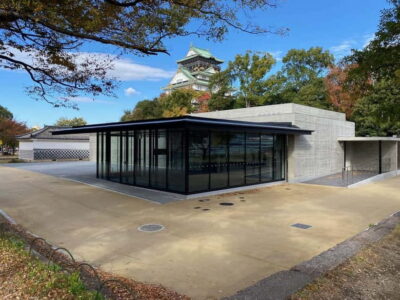 ★ 4.5Osaka Castle: Museum and Tower Entry TicketFrom $72,380 reviews
 ★ 4.5teamLab Botanical Garden Entry TicketFrom $111,710 reviews
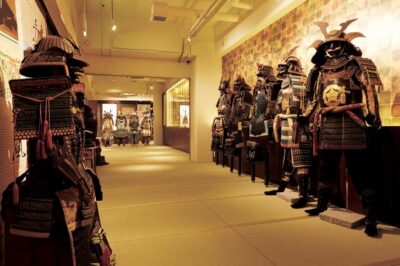 ★ 4.6Samurai Ninja Museum Guided tour and ExperienceFrom $271,010 reviews
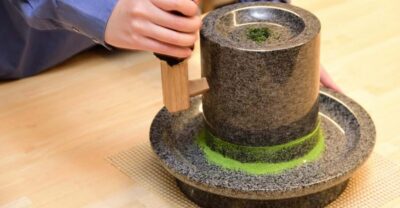 ★ 4.9Tea Museum Tickets and Matcha Grinding ExperienceFrom $23739 reviews
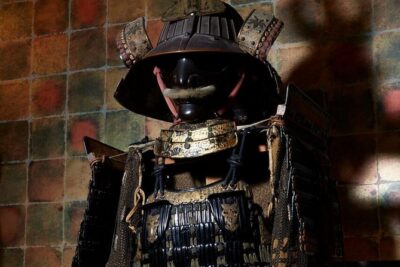 ★ 4.5Skip the lines Basic Ticket at SAMURAI NINJA MUSEUM KYOTOFrom $28632 reviews
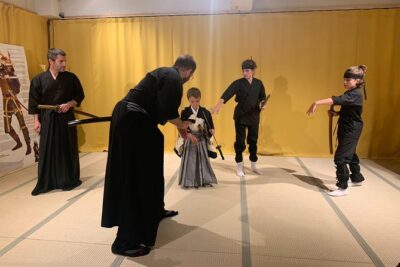 ★ 5.0Ninja Experience (Family Friendly) at Samurai Ninja Museum TOKYOFrom $47441 reviews
 ★ 4.5Tokyo Studio Ghibli Museum and Ghibli Film Appreciation TourFrom $193421 reviews
Filed on these lists too