
REVIEW · FUSHIMI INARI AND THE TEMPLES OF KYOTO
Kyoto Guided Walking Tour: Secret Zen Garden and Fushimi Inari
Zen in Kyoto is easier when someone else plans the route. This half-day guided walk strings together Tofuku-ji area Zen with a calmer path into Fushimi Inari, so you spend less time hunting and more time looking. You also get an intro to Zen philosophy and meditation in plain terms, not as a lecture.
I especially like the pace control. The small group size and the guide’s flexible timing mean you can pause for photos, catch your breath on uphill bits, and linger when a view feels worth it. I also like the mix of famous and quieter stops, like Araki Shrine and Kumataka Shrine, which helps Fushimi Inari feel less like a stampede.
One consideration: it is moderate walking and some uphill hiking, so comfortable shoes matter. If you want a mostly level stroll with minimal effort, this may feel like too much for a relaxed day.
In This Review
- Key Highlights Worth Booking For
- Why This 4-Hour Kyoto Walk Works So Well
- Start at Tofuku-ji Area, Then Find the Secret Zen Garden
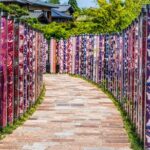
- Gaun-kyo Bridge Views: The Maple Valley Shot
- Komyo-in Temple Zen Garden: Quiet Time Without the Hustle
- Araki Shrine: Love, Relationships, and Well-Wishing Prayers
- Fushimi Inari Yotsuji and the Quiet Route Into Senbon Torii
- Kumataka Shrine and the Spiritual Energy Detour
- Okusha Worship Center: Ofuda, Omamori, and Goshuin Stamps
- Finish at the Fushimi Inari Hon-den Sanctuary
- Price and Value for 78.83, Including Entrance Fees
- Should You Book This Kyoto Guided Walking Tour?
- FAQ
- How long is the Kyoto guided walking tour?
- What is the price per person?
- How many people are in the group?
- Where does the tour start and end?
- What sites are included in the route?
- Is the tour only indoors, or does it involve walking?
- Does the tour run rain or shine?
- What kind of ticket do I receive?
- Is free cancellation available?
Key Highlights Worth Booking For
- Small group of up to 8 so the walk feels personal, not crowded
- Secret Zen garden time at Komyo-in Temple, away from the busiest circuits
- Zen philosophy and meditation talk that explains what you are seeing, not just where to stand
- Fushimi Inari viewpoints like Yotsuji that give you a break and a scenic panorama
- Shrine-stamp and charm stop at the Okusha Worship Center for ofuda, omamori, and goshuin
Which temple to give the morning to, reviewed
- Kyoto: Fushimi Inari, Kinkakuji, Bamboo Grove 1 Day Bus Tour
★ 4.8 · 4,316 reviews - Kyoto: Tea Ceremony in a Traditional Tea House in Kiyomizu
★ 4.9 · 3,519 reviews - Kyoto/Osaka: Nara, Fushimi Inari Taisha, Arashiyama Bus Tour
★ 4.7 · 1,275 reviews - Kyoto: Nijo-jo Castle and Ninomaru Palace Guided Tour
★ 4.7 · 1,020 reviews
Why This 4-Hour Kyoto Walk Works So Well
Kyoto is famous for temples, but it can also be exhausting. With this tour, you get a tight route built around spiritual landmarks, so your day has structure without feeling like you are trapped in a bus schedule. The total time is about 4 hours, starting at 9:00 am and ending at the Outer Oratory inside Fushimi Inari.
What makes this tour practical is the “no getting lost” part. A guide walks with you through the temple complex sections and shrine paths, which matters because Kyoto’s best experiences often sit a few turns off the main flow. When you are moving with a plan, you can spend more attention on the details, like garden shapes, bridge lines, and the way the shrines are laid out.
I also like that the group stays intimate, with a maximum of 8 travelers. That is big enough for a lively conversation, but small enough that you can ask questions and still keep moving. The reviews you can find for this tour often point out that the guides adjust pacing uphill and offer time to choose how long to stay at each stop.
The one trade-off is energy level. The tour includes moderate walking and hiking, and the itinerary has viewpoints where you will be climbing. If you are traveling with knee issues or you prefer minimal stairs, you will want to think twice.
Start at Tofuku-ji Area, Then Find the Secret Zen Garden
Your morning begins near the Tofuku-ji area at FamilyMart Nakai Tofukuji, in Higashiyama Ward. That start location is helpful because it puts you near one of Kyoto’s major Zen landscapes, then you work your way toward Fushimi Inari later.
The early portion focuses on Zen and the feeling of a temple not just as a photo stop, but as a retreat. You first reach Gaun-kyo Bridge, then continue into a major Zen temple complex founded in the 13th century. Even if you do not know Zen terminology, you can still appreciate what the guide helps you notice: calm space, disciplined layout, and why meditation fits here.
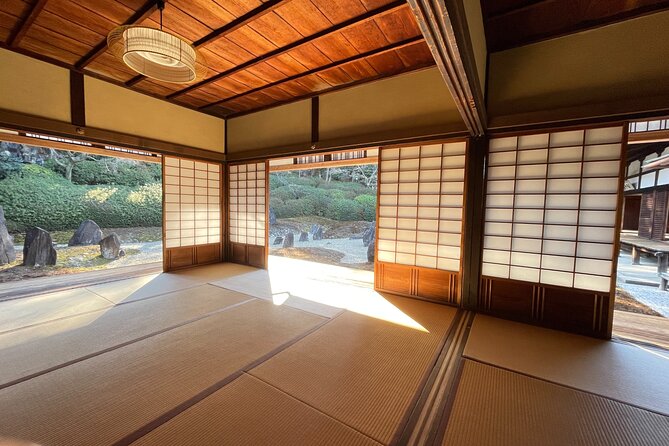
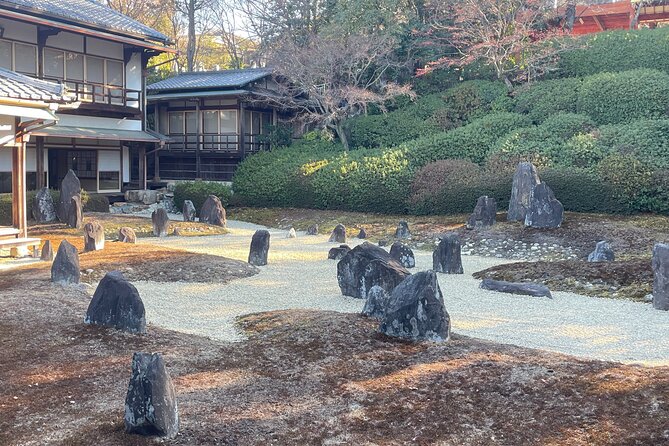
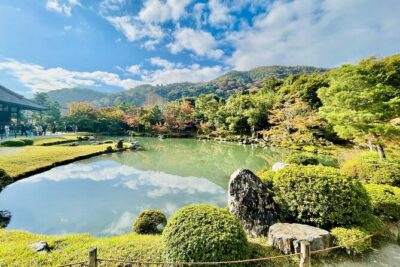
Then you get the part many visitors miss, a quieter Zen garden experience at Komyo-in Temple. This is framed as a serene sub-temple retreat with a breathtaking Zen garden. Since it is included in the tour, you are not scrambling about entrances once you arrive. It is also one of those moments where slowing down pays off, because the garden is meant for patient looking.
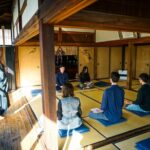
If you like learning by seeing, this style works well. The tour is built to introduce Zen philosophy and meditation alongside the route, so you are not just collecting sights. You are also practicing how to observe, which makes temple time feel more meaningful and less rushed.
Gaun-kyo Bridge Views: The Maple Valley Shot
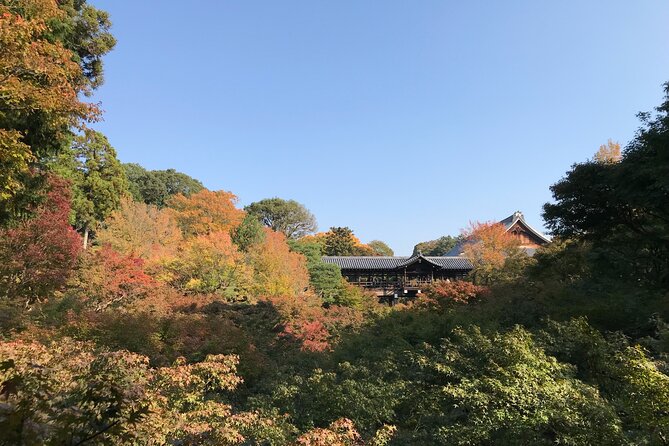
One of the first wow moments is Gaun-kyo Bridge, a wooden bridge spanning a lush valley. It is short on time, about 5 minutes, and admission is free, but it is the kind of stop that sets the tone for the entire walk. The view is especially special because you can look across to the famous Tsutenkyo Bridge and see a sea of maple trees below.
This is also a smart design for a tour: it gives you a scenic payoff early, before you start the longer stretches. When your group has already stopped for a view, it becomes easier to handle the walking that comes next. And because it is a bridge vantage point, you can take photos quickly without needing to navigate deep into crowds.
Practical tip: bring your camera settings for changing light. In Kyoto temple areas, the light can shift fast, especially when you look from bridge height into the valley. If you take a minute to frame the Tsutenkyo view first, you can then enjoy the garden sections without constantly checking your shots.
Slower gardens, if the schedule allows
- Kyoto Arashiyama Walking Tour: Bamboo, Monkeys, Gardens & Secrets★ 5.0 · 1,216 reviews
- Kyoto Zen Meditation & Garden Tour at a Zen Temple with Lunch★ 5.0 · 441 reviews
- Kyoto: Zen Experience in a Hidden Temple★ 5.0 · 437 reviews
- Kyoto Arashiyama Bamboo forest & Garden Half-Day Walking Tour★ 5.0 · 413 reviews
- Kyoto: Tea Ceremony Meditation – Make Matcha with Tea Master★ 4.8 · 406 reviews
Komyo-in Temple Zen Garden: Quiet Time Without the Hustle
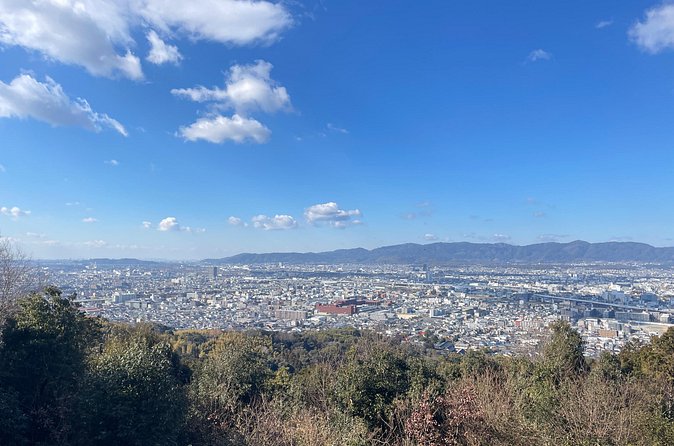
After the bridge, you head to Komyo-in Temple for about 25 minutes, with admission included. Komyo-in is described as a peaceful retreat known for a breathtaking Zen garden. That wording matters because you are not just looking at a standard temple courtyard. You are arriving at a space designed to feel contemplative.
This stop is also about contrast. Fushimi Inari can pull you into heavy tourist traffic, but Komyo-in is the breather before the shrine surge. In practice, that means you can reset your eyes and mind. You get a calmer setting first, and then the route later makes more sense.
If you are the type who likes to understand what you are seeing, watch for how the guide links the garden with Zen meditation concepts. The tour is set up as an introduction to Zen philosophy, so you are more likely to notice patterns, boundaries, and the “why” behind the stillness. Even without a deep background, you will likely walk away with clearer mental images.
One downside to consider, not unique to this tour: gardens can feel smaller than you expect. The best approach is to treat it like a focused viewing moment, not a checklist photo. If you stay for the full time, you will usually get more satisfaction from the slower parts.
Araki Shrine: Love, Relationships, and Well-Wishing Prayers
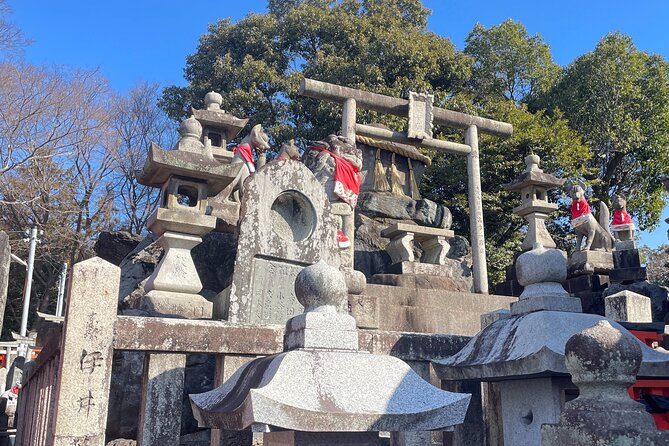
Next comes Araki Shrine, about 10 minutes, and admission is free. This is the stop that feels personal, because many people visit to pray for love, strong relationships, and general well-being. For couples, it is an obvious spiritual target, but solo travelers can also find it meaningful as a wishes and gratitude moment.
Araki Shrine is also a nice pacing break. You are moving from a Zen garden vibe into something more straightforward and human, where the purpose is spoken in daily life terms. The guide can help you interpret what you see, so you are not standing there thinking you are missing context.
If you plan to pray or buy small items like charms, keep your time modest. Shrine spaces can move quickly when the group stays cohesive, so treat Araki as a “quick intention” stop. Make your wish, take a respectful look, then keep walking.
Fushimi Inari Yotsuji and the Quiet Route Into Senbon Torii
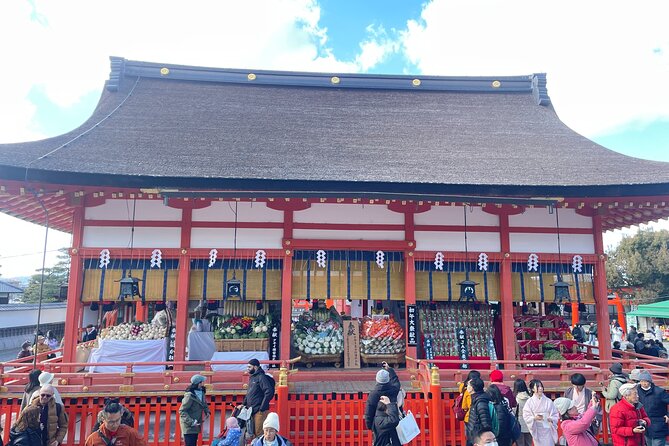
Now for the headline: Fushimi Inari. But this tour does not treat it like a single photo at the busiest point. You arrive at Fushimi Inari Yotsuji, the Four-Way Crossroad viewpoint, for about 20 minutes, with admission free. This pause point is designed for a break and panoramic appreciation, which is exactly what you need before climbing further.
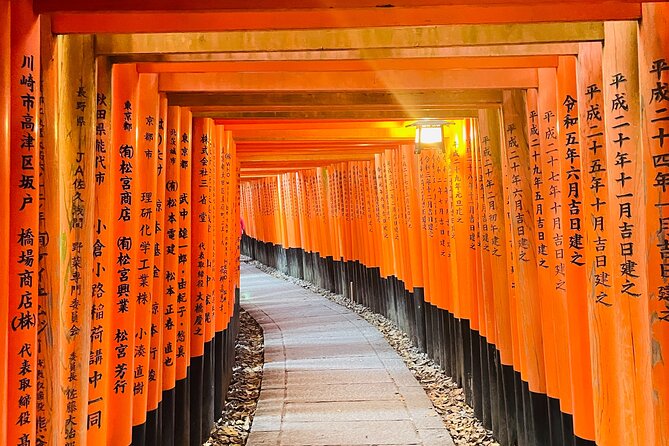
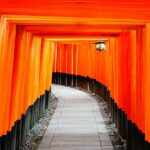
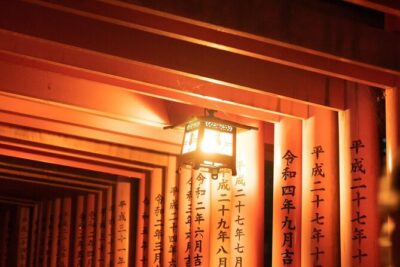
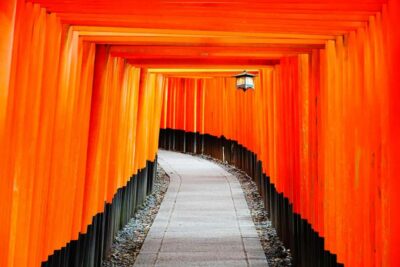
Then the route includes the trail leading to the iconic Senbon Torii (the thousand torii gates) and transitions you through the approach paths. The tour is described as helping you avoid crowds, and that is a huge value. Fushimi Inari is one of Kyoto’s most photographed scenes, so crowds are common. A quieter path and timing help you see the shrine tunnel effect without feeling like you are being pushed.
The key thing I like about arriving on a guided path is confidence. You know where you are going and why. You are not just chasing the next torii frame. You also learn how the structure works, like the way the torii gates guide your eyes and create a corridor feeling as you move upward.
Practical advice: go easy on the pace early in the climb. Uphill walking stacks fatigue fast, and then the later shrine views feel less enjoyable. With a guide, you can match your own tempo, and the group size makes that realistic.
Kumataka Shrine and the Spiritual Energy Detour
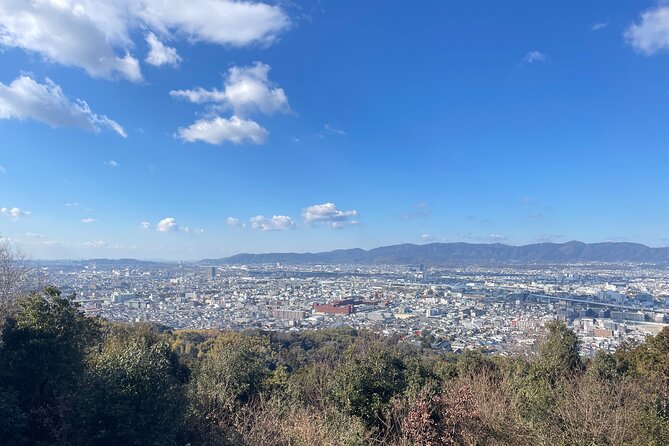
After you get your Fushimi Inari views, you step into a quieter side stop: Kumataka Shrine. It is about 15 minutes, and admission is free. It is described as secluded and mystical, believed to be a place of strong spiritual energy.
This is a valuable inclusion because it changes the flavor of the day. Many people treat Fushimi Inari as one experience, then leave. But a shrine detour like Kumataka gives you a different kind of moment, more intimate and less photo-driven.
You also get a chance to step away from the busy torii gate paths. That matters because the longer you stay in one of Kyoto’s most crowded shrine corridors, the harder it is to feel calm. Kumataka supports the theme of the tour, spiritual focus over tourist mode.
If you are sensitive to crowds, this is the part of the itinerary that will likely feel like relief. Even if you still love Senbon Torii, you will appreciate the opportunity to breathe and reset.
Okusha Worship Center: Ofuda, Omamori, and Goshuin Stamps
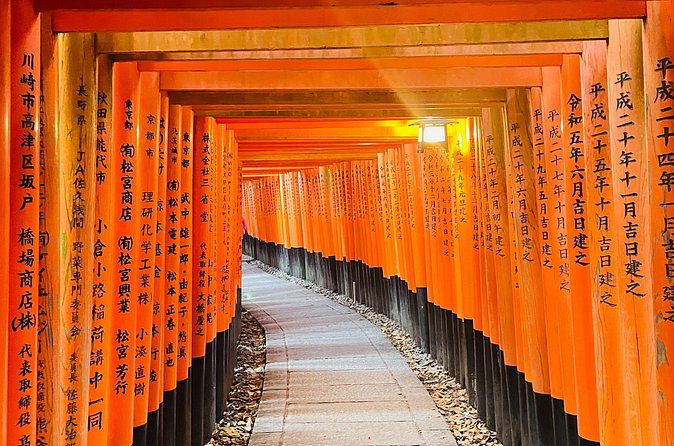
One of the most practical stops comes next at Okusha Worship Center of Fushimi Inari Shrine, also referenced as Nosatsusho. It is about 10 minutes, and admission is free. This is where you can obtain sacred ofuda (amulets), omamori (charms), and goshuin (shrine stamps).
If you collect goshuin, this is a high-value stop because you are not guessing where to go. The center is described as the heart of the shrine’s spiritual practice for visitors who want those items. It is also a direct way to turn your visit into something you take home that is tied to the places you saw.
Even if you are not collecting stamps, it is worth spending the short time there. It adds meaning to the shrine route. You see the ritual side, not just the architecture.
Practical tip: if you want stamps or charms, decide quickly. This is a time-boxed part of the tour, so have cash or whatever payment options you will need ready, and keep your selection simple. The best souvenirs are the ones you do not rush.
Finish at the Fushimi Inari Hon-den Sanctuary
The tour ends at Fushimi Inari Taisha Honden (the main shrine sanctuary) for about 10 minutes. Admission is free. The hon-den is quieter and more intimate than the famous torii and fox statue areas, so it feels like a natural closing chapter.
This is a good place to stand and let the experience settle. You have already walked through the iconic torii corridor and taken breaks at viewpoints and smaller shrines. The main sanctuary gives you a more solemn finish.
You also end the tour at the Outer Oratory inside Fushimi Inari Shrine, so you are positioned to continue exploring on your own if you want. And because the tour is set up as a walk that gets you there logically, you can feel less lost after the guide leaves.
Price and Value for 78.83, Including Entrance Fees
At $78.83 per person for about 4 hours, the value comes down to what you get bundled. You are paying for a guided plan that strings together multiple Kyoto spiritual sites without you having to study maps for hours. You also get a small group limit of 8 travelers, which helps keep the guide attention usable.
The itinerary includes at least one paid admission, Komyo-in Temple, while several major stops are free. That mix matters. You still get iconic Fushimi Inari moments, but you also get a garden stop that many visitors skip. In other words, you are not just buying access to the famous place, you are buying the route intelligence.
For travelers who want a first-timer’s Kyoto experience, this is a strong model. It is structured like a half-day spiritual sampler: Zen garden, shrines with specific themes, then a calm finish at the main sanctuary. For travelers who already have a very tight personal plan and enjoy self-guiding, it might feel less necessary. But if you want your feet to do the walking while your brain does less map work, it tends to pay off.
Should You Book This Kyoto Guided Walking Tour?
I think you should book if you want a Kyoto morning that feels calm, purposeful, and not overly stressful. This tour is best for first-timers and for anyone who loves spiritual sites but dislikes getting stuck in the crowded main paths without context. The small group size and the guide’s ability to pace the uphill walking make it feel manageable.
You might skip it if you want a purely relaxing, low-effort walk, since the tour includes moderate walking and some hiking. Also consider your style: if you already know exactly how you want to move through Fushimi Inari and you love designing your own route, a guided plan may feel like less of a need.
If you book, do one thing in advance: wear comfortable shoes. Then go into the day expecting both iconic photos and quieter moments that you probably would not find on your own.
FAQ
How long is the Kyoto guided walking tour?
The tour lasts about 4 hours.
What is the price per person?
The price is $78.83 per person.
How many people are in the group?
The tour has a maximum of 8 travelers.
Where does the tour start and end?
It starts at FamilyMart Nakai Tofukuji (12-chōme-232 Honmachi, Higashiyama Ward, Kyoto). It ends at the Outer Oratory in Fushimi Inari Shrine (58 Fukakusa Yabunouchichō, Fushimi Ward, Kyoto).
What sites are included in the route?
The tour includes stops such as Gaun-kyo Bridge, a major 13th century Zen temple area, Komyo-in Temple, Araki Shrine, Fushimi Inari Yotsuji, Kumataka Shrine, Okusha Worship Center of Fushimi Inari Shrine, the Senbon Torii area, and Fushimi Inari Taisha Honden.
Is the tour only indoors, or does it involve walking?
It involves a moderate amount of walking and hiking, so you should wear comfortable walking shoes.
Does the tour run rain or shine?
Yes, it runs rain or shine.
What kind of ticket do I receive?
You get a mobile ticket.
Is free cancellation available?
Yes. You can cancel up to 24 hours in advance for a full refund.
Gardens Worth Slowing For


Which Kyoto Temple Gets Your Morning


Newest Kyoto write-ups from the Loving Japan desk
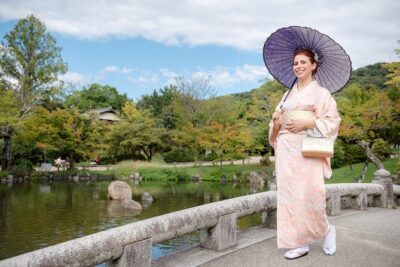
Fushimi Inari and the Temples of Kyoto, side by side.
 ★ 4.8Fushimi Inari, Kinkakuji, Bamboo Grove 1 Day Bus TourFrom $1224,316 reviews
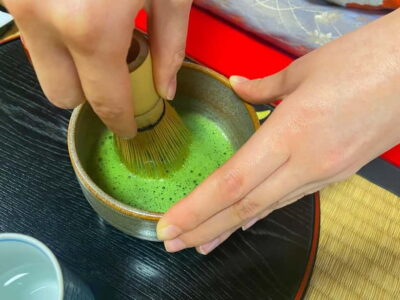 ★ 4.9Tea Ceremony in a Traditional Tea House in KiyomizuFrom $493,519 reviews
 ★ 4.7Kyoto/Osaka: Nara, Fushimi Inari Taisha, Arashiyama Bus TourFrom $521,275 reviews
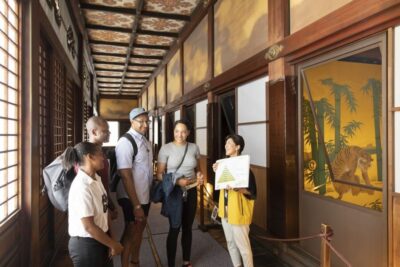 ★ 4.7Nijo-jo Castle and Ninomaru Palace Guided TourFrom $161,020 reviews
 ★ 4.4Osaka/Kyoto: Arashiyama, Nara & Fushimi Inari Shrine w/LunchFrom $61754 reviews
 ★ 4.7Nijo Castle, Kiyomizu & Fushimi Inari Guided TourFrom $54700 reviews
 ★ 5.0Nijo, Kinkaku-ji, Arashiyama, Kiyomizu & Fushimi InariFrom $51699 reviews
 ★ 4.7Imperial Palace & Nijo Castle Guided Walking TourFrom $49453 reviews
Filed on these lists too