
REVIEW · GUIDED
Kyoto Highlights 7-Hour Private Guided Tour
Kyoto can feel like sensory overload, so a private plan helps. This 7-hour highlights tour gives you a licensed English-speaking guide and a clear route choice, either northwest toward bamboo and palaces or southeast toward Fushimi Inari and classic temple streets. The day ends near Gion, so you can keep the Kyoto magic going after the last stop.
My favorite part is the practical way the guide shapes the route around what you want to see, plus the calm, one-on-one conversation that makes each site easier to understand. One thing to plan for: food and drinks are not included, so build in time to buy lunch or snacks on your own.
In This Review
- Key things that make this tour work
- Getting oriented fast at Kyoto Station’s Granvia meet-up
- Northwest route: bamboo, gardens, and a major palace stop
- Bamboo Grove and the calm before the crowds
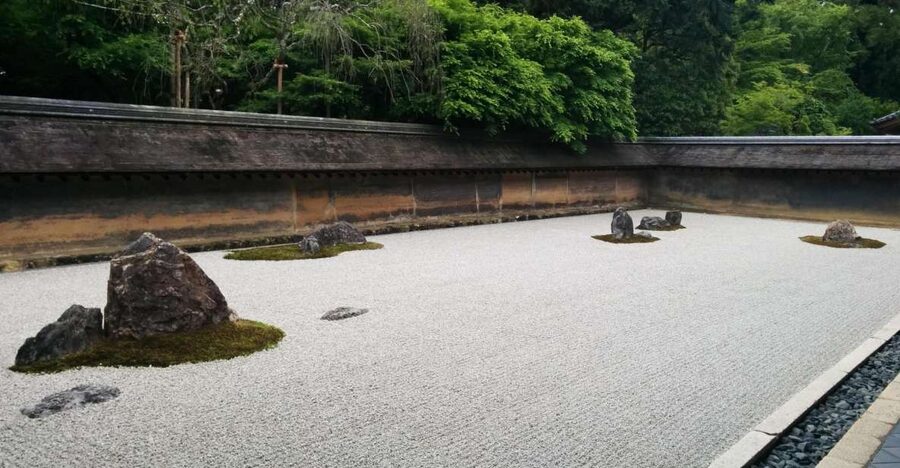
- Ryoanji’s Rock Garden (the thinking-person favorite)
- Golden Pavilion for the “wow” moment, then a turn to power
- What to know before you choose northwest
- Southeast route: sake, shrine intensity, and the hills of Higashiyama
- Sake brewery stop: a Kyoto flavor break
- Fushimi Inari Taisha: the shrine that moves with you
- Sanjusangendo Temple: long halls and strong atmosphere
- Kiyomizudera and the famous temple setting
- Ninenzaka or Sannenzaka slopes for the old-street vibe
- Ending near Gion at 16:00, and how to plan your evening
- Price and value: what $215 per person buys you
- How the guide changes the whole experience
- Should you book this Kyoto Highlights 7-hour private tour?
- FAQ
- FAQ
- How long is the Kyoto highlights private tour?
- Where does the tour start?
- Which route should I choose, northwest or southeast?
- What is included in the price?
- Is lunch included?
- What is the cancellation policy?
Key things that make this tour work
- Two set itineraries: northwest (bamboo, rock garden, Golden Pavilion, castle or market) or southeast (sake, Fushimi Inari, Sanjusangendo, Kiyomizudera, old-street slopes)
- Private, licensed guide in English, which usually means fewer navigation mistakes and better on-the-spot explanations
- Entrance fees for temples are included, so you avoid the ticket juggling
- Transportation covered, plus a day bus pass you can use after the tour
- 09:00 to 16:00 pacing, ending near Gion for an easy next step at night
Still weighing up options in Kyoto? These are the ones our reviewers rated highest.
- PERFECT KYOTO 1-Day Bus Tour
★ 5.0 · 13,518 reviews - Kyoto: Fushimi Inari, Kinkakuji, Bamboo Grove 1 Day Bus Tour
★ 4.8 · 4,316 reviews - Kyoto: Tea Ceremony in a Traditional Tea House in Kiyomizu
★ 4.9 · 3,519 reviews - Kyoto Geisha Walking Tour: Gion District & Hidden Gems
★ 4.7 · 3,273 reviews
Getting oriented fast at Kyoto Station’s Granvia meet-up
This tour starts at 09:00 from the Hotel Granvia Kyoto inside the JR Kyoto Station building. That is a smart place to begin, especially if you are staying near the station or plan to move around by train. You get a clean start time, then the day follows a route built around four major sights.
You will also get pick-up at a centrally located meeting point, and the guide provides transportation between stops. In plain terms, it cuts the busywork. Instead of figuring out bus stops and walking routes while jet-lagged, you can focus on arriving at each attraction ready to look, listen, and ask questions.
From the guide feedback I’ve seen, the best moments are rarely just the photos. They are the explanations that make the place click. Guides like Mie and Choco/Choca are praised for adding context that helps you connect Kyoto’s famous sights to how people have lived and practiced religion there over time.
Northwest route: bamboo, gardens, and a major palace stop
If you pick the northwest-bound option, your day leans toward scenery and “must-see Kyoto highlights” in a classic order. Expect a mix of nature, temple architecture, and a big historic stronghold moment.
Bamboo Grove and the calm before the crowds
The Bamboo Grove stop sets the tone. It is one of Kyoto’s most recognizable scenes, and your time there matters. On a private route, you are not just doing a quick pass. Your guide can help you slow down enough to notice how the path and sound change as the grove tightens around you.
Practical tip: go in knowing it can feel busy, even if the grove itself is quiet in spirit. The advantage of a private guide is that you can time your walk and keep your attention on what you are actually seeing, not on where everyone else is standing.
- PERFECT KYOTO 1-Day Bus Tour★ 5.0 · 13,518 reviews
- Kyoto: Fushimi Inari, Kinkakuji, Bamboo Grove 1 Day Bus Tour★ 4.8 · 4,316 reviews
- Kyoto: Tea Ceremony in a Traditional Tea House in Kiyomizu★ 4.9 · 3,519 reviews
- Kyoto Geisha Walking Tour: Gion District & Hidden Gems★ 4.7 · 3,273 reviews
- Kyoto: Tea Ceremony Ju-An at Jotokuji Temple★ 4.9 · 3,207 reviews
Ryoanji’s Rock Garden (the thinking-person favorite)
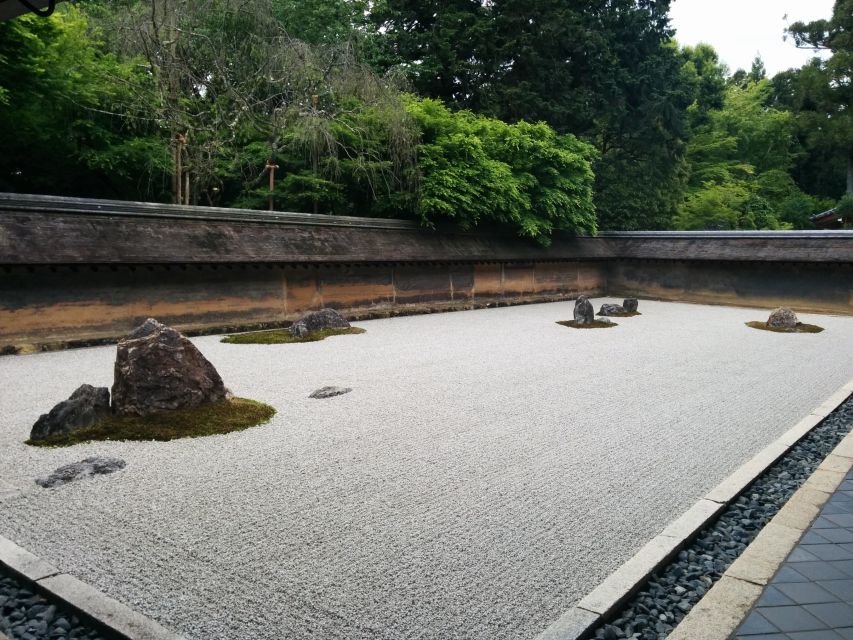
Next comes the Rock Garden at Ryoanji Temple. Even if you have no background in Japanese aesthetics, a guide can make this stop click fast. The rock garden is famous, and people often rush it like a checklist. With a private guide, you can spend time here without feeling stuck, because you can ask what you are supposed to look for and why it is arranged the way it is.
This is also where conversations can add real value. One guide, Mie, has been praised for sharing historical context that helped make the experience feel connected instead of random.
Golden Pavilion for the “wow” moment, then a turn to power
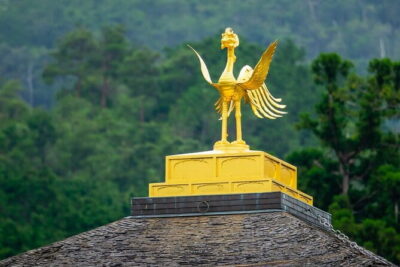
At the Golden Pavilion (Kinkaku-ji), Kyoto’s visual drama is front and center. This is the stop you will likely want to photograph, yes, but it is also a place where timing and angle matter. Your guide can point out what to focus on and help you keep moving at a pace that still feels relaxed.
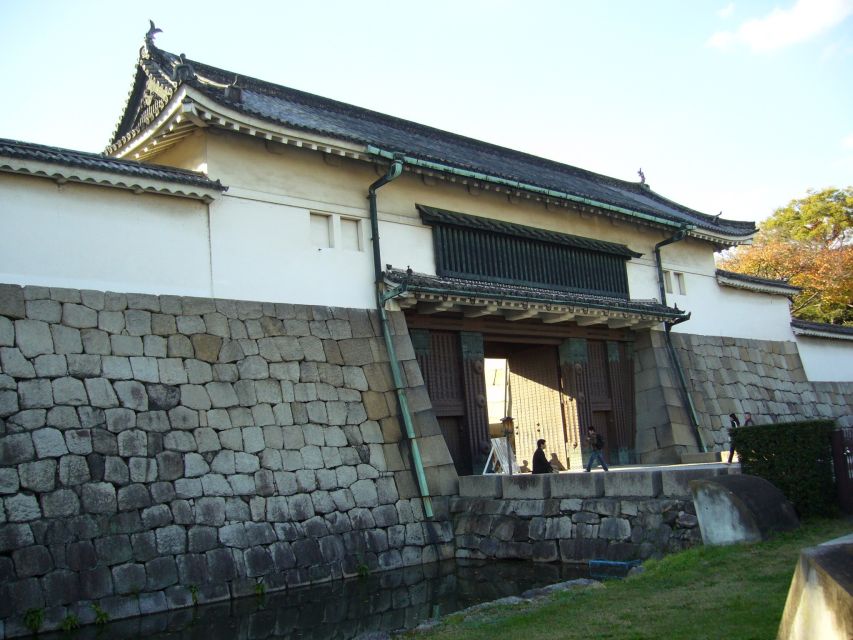
After that, you get a palace or market choice: Nijo Castle or Nishiki Market (based on the option you booked). If you want the more “fortress and shogun-era” feeling, Nijo Castle is the stronger pull. If you want more street energy and food-stand browsing, Nishiki Market is a great pivot.
What to know before you choose northwest
This route fits best if you want:
- temple gardens plus iconic architecture
- a nature-heavy start (bamboo)
- a historic “power site” moment (Nijo Castle) or a lively market alternative
It is also a good option if you prefer fewer “old-street slope” scenes and more curated highlights in a tight sequence.
Southeast route: sake, shrine intensity, and the hills of Higashiyama
The southeast-bound option shifts the mood from gardens and castles to shrine momentum, temple grandeur, and the classic old-street feel around Higashiyama.
Sake brewery stop: a Kyoto flavor break
You begin with a sake brewery visit. Even if you do not plan on becoming a sake expert, this is useful because it grounds Kyoto in everyday culture, not just postcard scenes. It is also a nice change of pace early in the day, since it is not another courtyard or incense-filled hall.
The tour information also emphasizes that this is a highlight stop, so expect it to be more than a quick outside glance. In short: it helps break up the day so the shrine and temple sequence does not blur together.
Fushimi Inari Taisha: the shrine that moves with you
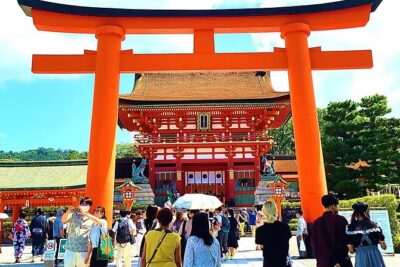
Next is Fushimi Inari Taisha. This is the shrine where you see thousands of torii gates and understand how Kyoto can feel like a place you walk through, not just look at. A guide can help you stay oriented and keep the visit from turning into a restless loop.
One practical value of a private guide here is that you can adjust your pace. If you want slower photos and more explanation, you can. If you want to move through efficiently, you can also. That flexibility is hard to get on group tours.
Sanjusangendo Temple: long halls and strong atmosphere
Then comes Sanjusangendo Temple. This is the kind of site where a little context goes a long way. The temple is known for its interior features, and your guide can help you focus on what matters so you do not miss the point while looking around.
This is one of those stops that can feel intimidating if you arrive with no idea what you are meant to notice. With a guide, you get a mental map before you step in.
Kiyomizudera and the famous temple setting
After that, you move to Kiyomizudera Temple. This is one of Kyoto’s headline temples, and it benefits from having someone explain the setting and layout. You get a clearer idea of where the highlights are, and you spend less time second-guessing your route.
Ninenzaka or Sannenzaka slopes for the old-street vibe
The day finishes this route portion at Ninenzaka or Sannenzaka slope. Even if you have heard of these areas before, the slope stops are often what make the whole day feel like Kyoto, not just Kyoto attractions. This is where you see the streetscape style and get a sense of the “walkable postcard” feel.
If you care about ending near Gion with a neighborhood mood already in your head, the southeast route is the natural fit.
Ending near Gion at 16:00, and how to plan your evening
Both routes end at 16:00 near the Gion area, Kyoto’s famous geisha district. That timing is convenient. You are not stuck trying to squeeze one last big stop into late evening.
The tour also recommends a Night Walk in Gion, which makes sense because Gion reads differently after dark. If you want to keep things authentic and low-stress, this is a good time to shift from “big sights” to “slow neighborhood wandering.”
A helpful detail from the tour design: the day ends around 16:00 and the experience finishes back at the meeting point. So you are not left stranded in the middle of traffic. You get a clean handoff into your own night plan.
Price and value: what $215 per person buys you
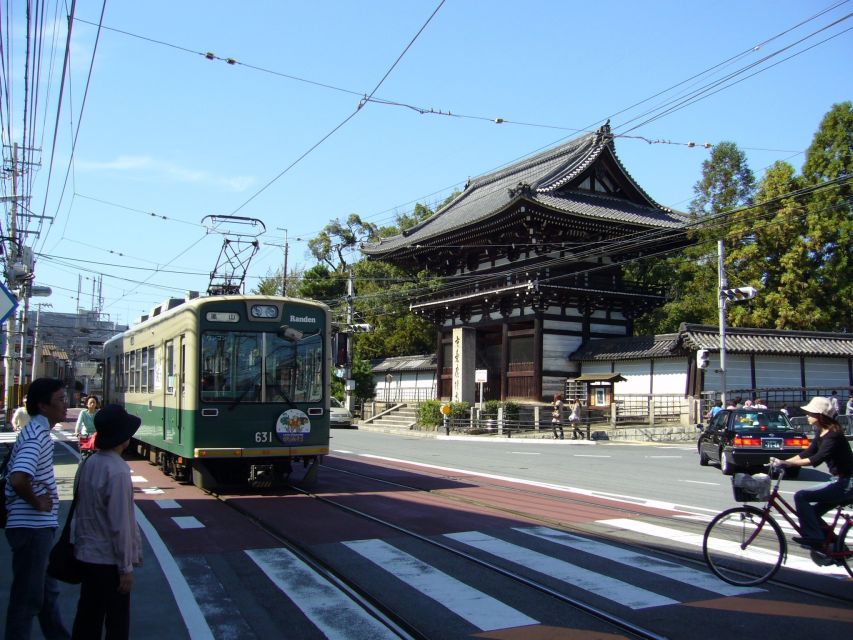
At $215 per person, this tour is not cheap, but it is also not just paying for a driver with a van. You are paying for a private licensed guide, entrance fees for temples, transportation, and a one-day bus pass that you can use after the tour.
Here is why that matters for value:
- Private guide time: You are not sharing context with strangers. Your guide can tailor the pace and answer your questions, which is especially helpful in Kyoto where sites can feel similar if you do not have guidance.
- Temple entrance fees included: Temple ticket costs add up quickly in a half-day sprint. Including them removes a friction point.
- Transportation included plus a bus pass: You get less transit friction during the day, and you keep a tool for after. That helps you keep your itinerary flexible once the guided portion ends.
- One clear day structure: 7 hours is long enough to feel like a “real day,” but not so long that you lose focus. Reviews repeatedly mention the day feels leisurely while still hitting major sites.
What you still need to budget for: food and drinks. The tour includes plenty of sights, but it does not include lunch. Some guides have been praised for helping with a local lunch option, including a suggestion for a ramen spot by Choca, but you will still be the one paying for meals.
How the guide changes the whole experience
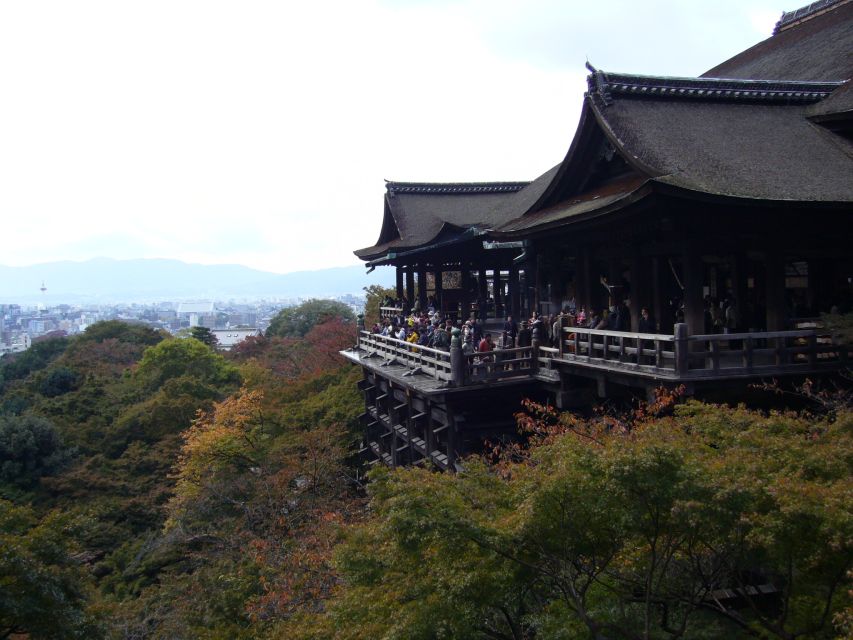
Kyoto’s best moments often come from small details: why a temple is laid out a certain way, what a gate or gate count symbolizes, or how different periods shaped the city. A private guide is the difference between seeing and understanding.
In the feedback I’ve seen, several guides stand out for the same theme: conversation that turns landmarks into stories. Mei and Mie are praised for being friendly and for making the day memorable through clear explanations. Choco/Choca is praised for being especially helpful with navigating local transportation systems, which is huge if you do not want to waste energy figuring out buses and walking distances.
So what should you do with your guide? Ask simple questions as you go:
- What should I notice first at this stop?
- What is the most common mistake people make here?
- If I have one hour less, what would you cut and why?
Those questions tend to produce the kind of answers that make Kyoto feel personal, not generic.
Should you book this Kyoto Highlights 7-hour private tour?
I think this tour is a good bet if you meet any of these criteria:
- You want major Kyoto attractions in a tight 7-hour window without the stress of planning every transfer.
- You like the idea of choosing between two distinct directions, northwest or southeast, based on your interests.
- You value a private, English-speaking guide who can add context as you walk.
You might skip it if your biggest priority is free, unstructured wandering and you plan to build your own route from scratch. In that case, you could cobble together subway and bus plans and visit attractions independently, but you would lose the guide’s pacing and explanations.
If you do book, I’d strongly recommend choosing the route that matches your mood:
- Pick northwest for bamboo, rock garden time, Golden Pavilion, and the castle or market option.
- Pick southeast for sake, shrine energy, Sanjusangendo, Kiyomizudera, and the old-street slopes that lead naturally into Gion.
FAQ
FAQ
How long is the Kyoto highlights private tour?
It is a 7-hour private guided tour. It starts at 09:00 and ends at 16:00 near the Gion area.
Where does the tour start?
The tour starts at 09:00 from the Hotel Granvia Kyoto in the JR Kyoto Station building. The meeting point may vary depending on which option you book.
Which route should I choose, northwest or southeast?
You choose one itinerary when booking. The northwest-bound route includes Bamboo Grove, Ryoanji Temple rock garden, Golden Pavilion, and then either Nijo Castle or Nishiki Market. The southeast-bound route includes a sake brewery, Fushimi Inari Taisha, Sanjusangendo Temple, Kiyomizudera Temple, and Ninenzaka or Sannenzaka slope.
What is included in the price?
Included are pick-up at a centrally located meeting point, a private licensed guide, entrance fees for temples, transportation, and a 1-day bus pass you can use after the tour as well.
Is lunch included?
No. Food and drinks are not included.
What is the cancellation policy?
The tour can be canceled up to 24 hours in advance for a full refund. If you cancel later, fees apply: 50 percent of the total tour fee if canceled 2 days before, and 100 percent if canceled 1 day before or on the same day of the tour.
Newest Kyoto write-ups from the Loving Japan desk

Guided, side by side.
 ★ 5.0Tokyo 6hr Private Tour with Government-Licensed GuideFrom $1553,902 reviews
 ★ 4.9Shinjuku Local Bar and Izakaya Guided Walking TourFrom $341,794 reviews
 ★ 4.8Private City Highlights Tour with Local GuideFrom $1061,433 reviews
 ★ 5.0Kyoto Early Morning Tour with English-Speaking GuideFrom $681,427 reviews
 ★ 4.9Tsukiji Fish Market Guided Walking TourFrom $221,397 reviews
 ★ 5.0Kyoto 6hr Private Tour with Government-Licensed GuideFrom $1551,369 reviews
 ★ 5.0Hiroshima / Miyajima Full-day Private Tour with Government Licensed GuideFrom $2021,298 reviews
 ★ 5.0Tokyo Guided Small-Group Biking TourFrom $1061,250 reviews