
REVIEW · WALKING TOURS
Kyoto: Historic Higashiyama Walking Tour
Kyoto can feel loud, even when you want calm. Torii gates and temple views in four hours is a smart way to see the main beats of Higashiyama without getting lost. You start at Fushimi Inari Taisha, move through Gion, slow down at Kodaiji, then finish at Kiyomizu-dera with admission included.
What I like most is the guide doing real work for you, not just reciting names. If you get Hugo, Damian, Lito, or Ferdinand as your guide, you can expect stories that connect Shinto and temple life to Kyoto today, plus help spotting smaller shrines just off the main path. I also love that the walking route includes quiet moments at Kodaiji, then lands you at Kiyomizu-dera for the big photo view and the Otowa Waterfall ritual, admission included.
One thing to plan for: there is uphill walking and steps, and this tour is not for people with mobility impairments. Also, food and drinks are not included, so you will want to budget for snacks along Sannenzaka or keep some money handy.
In This Review
- Key highlights to look forward to
- Higashiyama: where Kyoto’s old edge meets the mountain
- Getting there: Inari Station meeting point and the hop to Gion
- Fushimi Inari Taisha and the Senbontorii route, guided for meaning
- Gion in 30 minutes: where the guide helps you read the streets
- Kodaiji Temple: gardens and bamboo grove with admission included
- Sannenzaka backstreets: snack and souvenir strolls up the hill
- Kiyomizu-dera and Otowa Waterfall: the three-stream wish ritual
- Price and logistics: does $106 feel fair for this route?
- Who this tour fits best, and who may want a different plan
- Smart tips for the walk, based on how the tour runs
- Should you book this Kyoto Historic Higashiyama Walking Tour?
- FAQ
- FAQ
- Where do we meet for the tour?
- How long is the Kyoto Higashiyama Walking Tour?
- What is included in the price?
- Is food and drinks included?
- Which languages are available for the live guide?
- How big is the group?
- Is there any uphill walking?
- Is the tour suitable for people with mobility impairments?
Key highlights to look forward to
- Small group (up to 10), so questions and pacing are easier with your guide.
- Fushimi Inari Taisha with torii gates plus guide-led context for what you are seeing.
- Kodaiji Temple admission included, with gardens and a bamboo grove focus.
- Higashiyama backstreets and Sannenzaka, good for casual strolling and browsing.
- Gion entertainment quarter, with guide stories about geiko and Kyoto customs.
- Kiyomizu-dera with Otowa Waterfall, including admission and the three-stream wish tradition.
Still weighing up options in Kyoto? These are the ones our reviewers rated highest.
- PERFECT KYOTO 1-Day Bus Tour
★ 5.0 · 13,518 reviews - Kyoto: Fushimi Inari, Kinkakuji, Bamboo Grove 1 Day Bus Tour
★ 4.8 · 4,316 reviews - Kyoto: Tea Ceremony in a Traditional Tea House in Kiyomizu
★ 4.9 · 3,519 reviews - Kyoto Geisha Walking Tour: Gion District & Hidden Gems
★ 4.7 · 3,273 reviews
Higashiyama: where Kyoto’s old edge meets the mountain
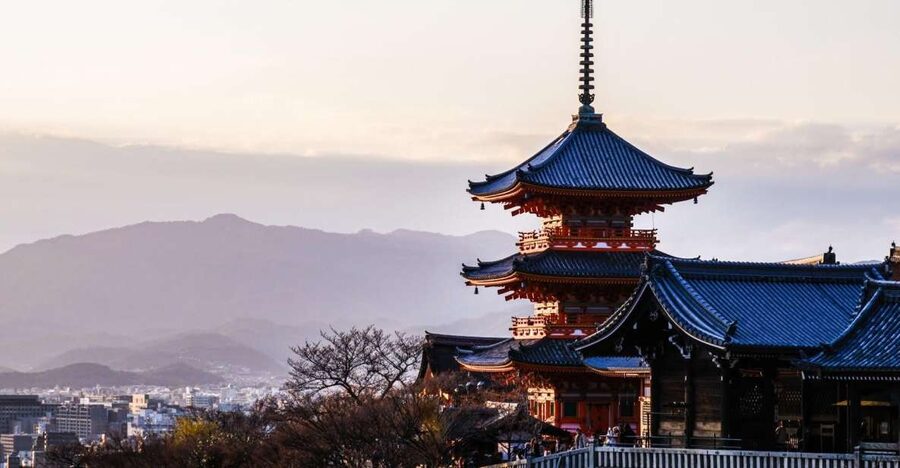
Higashiyama means east mountain, and the whole area feels like it is built along the foothills. It is a great place to walk because the temples, lanes, and viewpoints naturally pull you from one scene to the next. You are not just checking off stops, you are moving through the kind of Kyoto that feels layered.
This tour keeps the pace realistic: four hours total, with guided segments at the key temples and enough strolling time to feel the atmosphere. You get the big names like Fushimi Inari and Kiyomizu-dera, but you also get time in the in-between streets around Sannenzaka.
Getting there: Inari Station meeting point and the hop to Gion
You meet just outside the fare gates of JR Inari Station. If you are coming from elsewhere in Kyoto, you might find it simpler to use the Keihan train line, then walk a few minutes to JR Inari.
Train matters here. The tour includes a train ticket from Fushimi Inari to Gion, which saves time and keeps the walk focused on the sightseeing parts. The group stays small, and your guide stays hands-on, so you are not trying to solve transit while also trying to figure out torii gates and temple steps.
Two practical notes before you head out:
- Bring comfortable shoes.
- Do not bring luggage or large bags, since the tour is set up for light walking.
Fushimi Inari Taisha and the Senbontorii route, guided for meaning
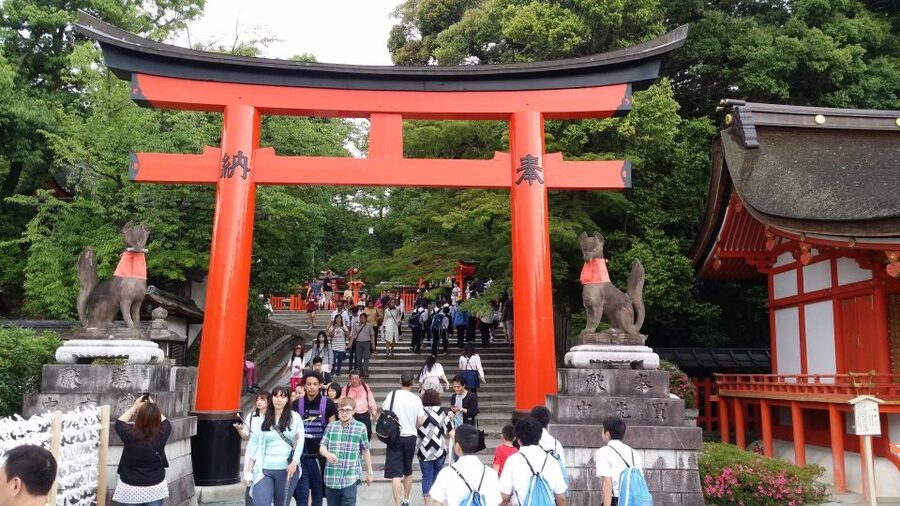
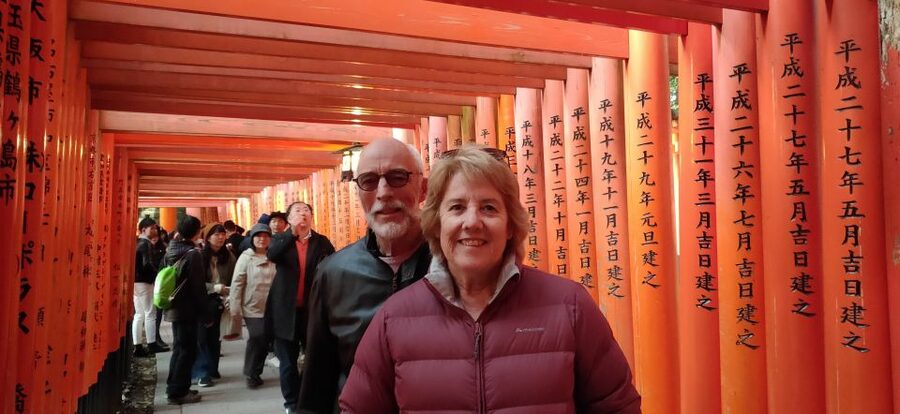
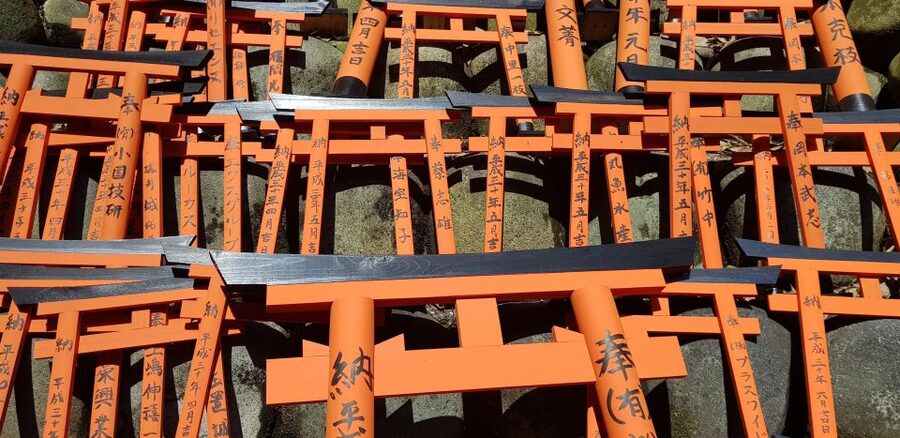
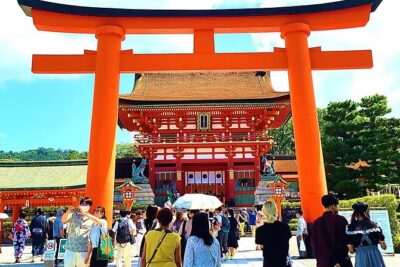
You start at Fushimi Inari, with about an hour of guided time at the shrine area. The highlight is the Senbontorii route, those vermilion torii gates that snake up the mountainside. Even if you have seen photos, the feel of walking through them in person is different, because the gates keep repeating and narrowing the view around you.
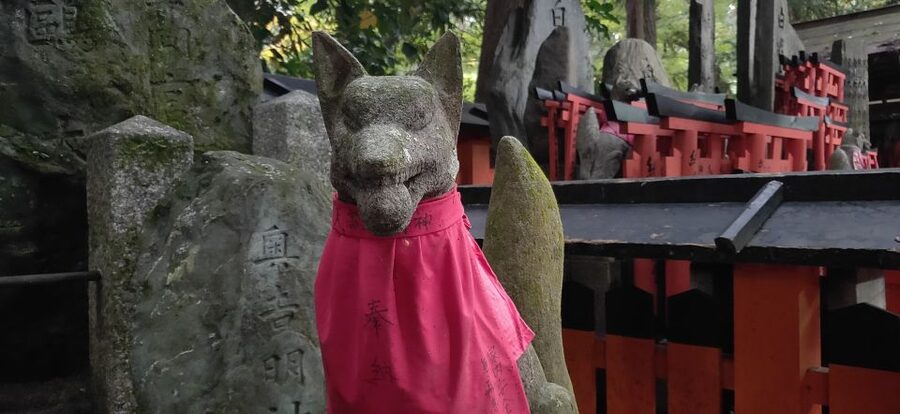
The guide is what turns this from a photo stop into a better story. You get the Shinto history and culture behind what you are seeing, plus context for why the shrine is such a big deal in Kyoto. If you have Damian as your guide, you might also notice extra attention paid to small shrines that sit off the main flow, the kind of places you could miss when you are moving on your own.
One practical perk: a good guide helps you manage the steady climb without turning the day into a grind. You still walk, but it feels intentional, like you are following a route instead of just wandering until you feel tired.
- PERFECT KYOTO 1-Day Bus Tour★ 5.0 · 13,518 reviews
- Kyoto: Fushimi Inari, Kinkakuji, Bamboo Grove 1 Day Bus Tour★ 4.8 · 4,316 reviews
- Kyoto: Tea Ceremony in a Traditional Tea House in Kiyomizu★ 4.9 · 3,519 reviews
- Kyoto Geisha Walking Tour: Gion District & Hidden Gems★ 4.7 · 3,273 reviews
- Kyoto: Tea Ceremony Ju-An at Jotokuji Temple★ 4.9 · 3,207 reviews
Gion in 30 minutes: where the guide helps you read the streets
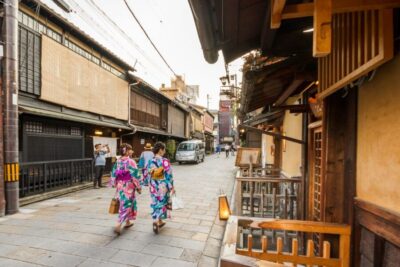
After Fushimi Inari, you take the included train hop to Gion. Then you get about 30 minutes of guided strolling in the district, including time to see its traditional entertainment quarter.
Gion is special because it is not just a museum version of old Kyoto. It is an active part of modern-day culture, and the guide stories help you understand why people still care about these traditions. Your guide can also point out the kind of atmosphere that makes Gion feel both historic and current, especially in the way the streets shift from wider views into quieter lanes.
If you care about photography, this pacing can help. Some guides have helped groups avoid the worst crowd pockets, which makes it easier to get clean shots and still enjoy the walk.
Kodaiji Temple: gardens and bamboo grove with admission included
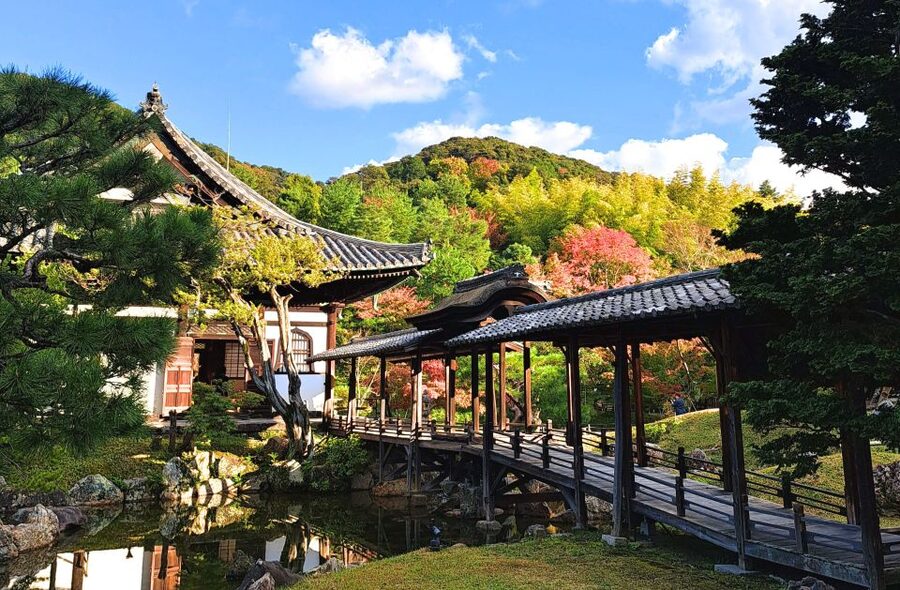
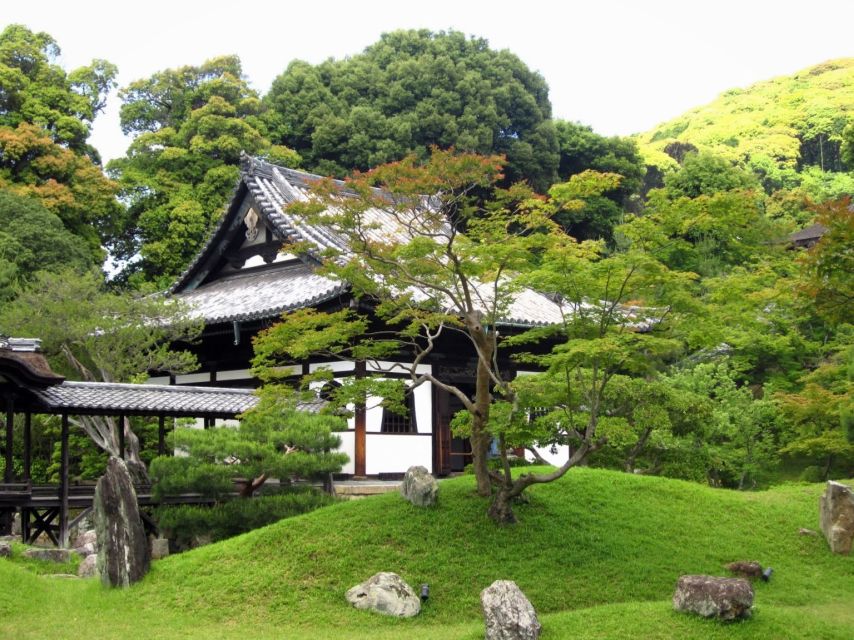
Kodaiji is one of the best places to slow down. You get about 40 minutes here, and admission is included, so you can focus on the experience instead of budgeting time or stopping at ticket counters.
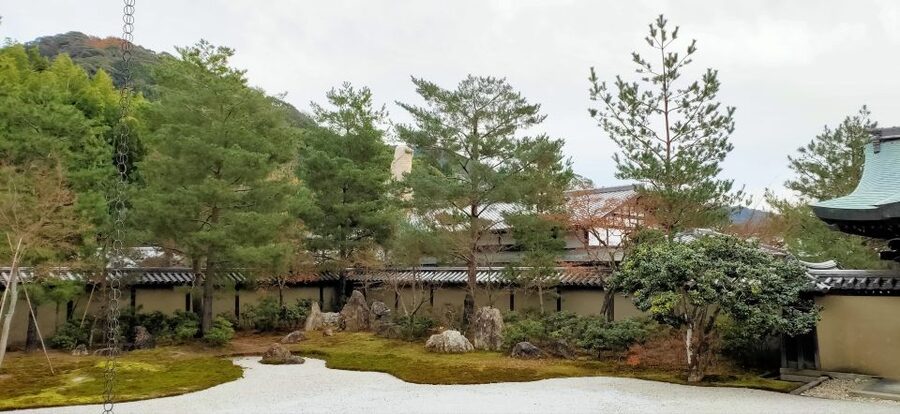
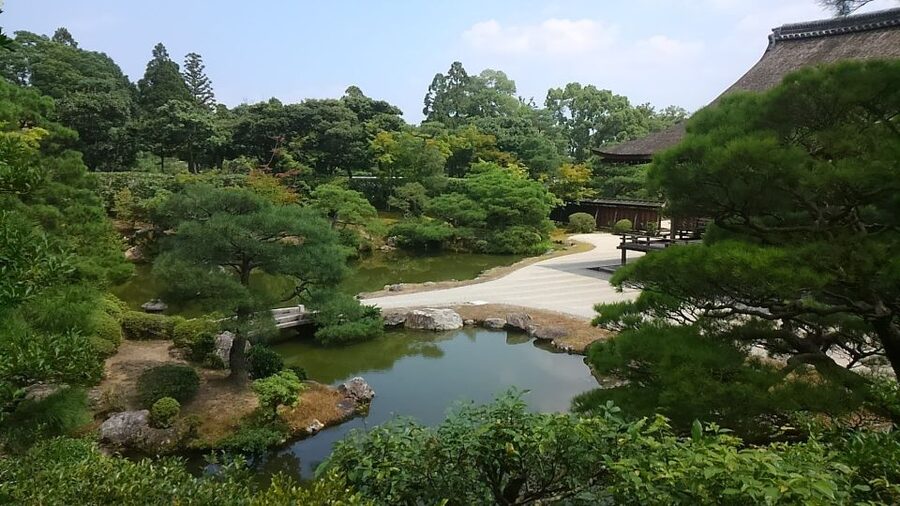
You spend time in the temple complex that dates back to the early 17th century, with a focus on serenity. The gardens and the bamboo grove are the emotional payoff of this part of the day. The contrast is part of the value: you move from the energy of torii gates and shrine crowds into a calmer, more meditative mood.
The guide context matters here too. When you understand what you are seeing, the quiet feels purposeful. You are not just walking through a pretty garden, you are learning how these sacred spaces are arranged to support reflection.
Sannenzaka backstreets: snack and souvenir strolls up the hill
After Kodaiji, you move through Higashiyama streets, with special time in Sannenzaka and nearby backstreets. This is the stretch that often makes the day feel like Kyoto rather than a list of landmarks.
Sannenzaka is also where you can realistically grab snacks or souvenirs without breaking the schedule. The tour expectation is that you stroll along these lanes and work your way toward Kiyomizu-dera, so you get small windows of browsing and atmosphere instead of a rushed sprint.
This is also where your shoes really earn their keep. You are still on a walking route with some uphill effort, but the “in-between” lanes make it feel less like exercise and more like wandering with a plan.
Kiyomizu-dera and Otowa Waterfall: the three-stream wish ritual
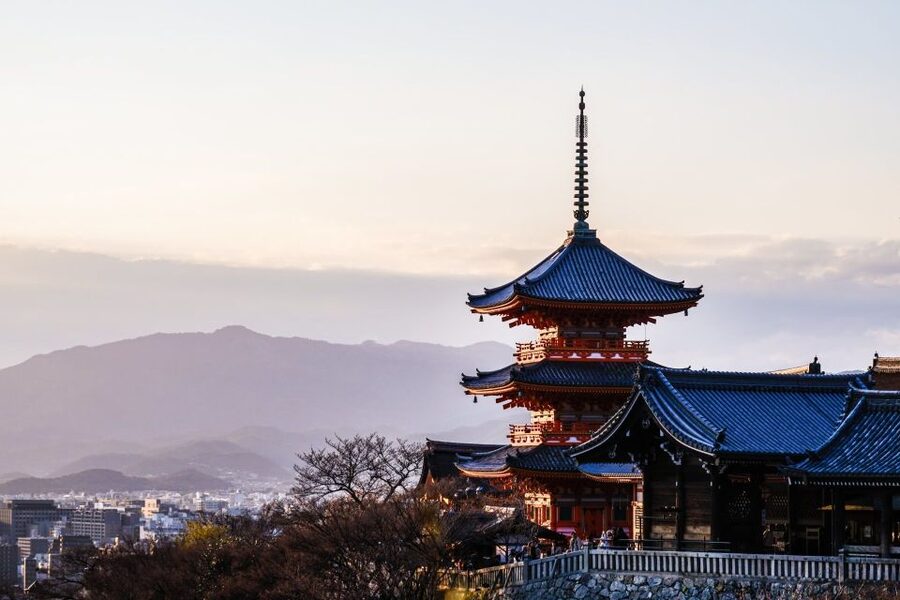
Kiyomizu-dera is the late-day anchor, with about 30 minutes of guided time, and admission is included. The temple is famous for clear, pure water flowing from the mountains into the Otowa Waterfall.
Once you arrive, you get a spectacular view over Kyoto. Then the ritual becomes the fun part: you can sample the water yourself, guided by local tradition. The three divided streams are said to bring health, wealth, or happiness. There is also the tradition warning that if someone is greedy, none of the wishes come true, which is a pretty Kyoto kind of moral twist.
Even if you do not care about the wish ritual, this is still worth it. The waterfall is a sensory payoff after hours of walking and looking. It gives you a moment of pause that is different from the torii gates and different from the temple gardens.
Price and logistics: does $106 feel fair for this route?
At $106 per person for a four-hour tour, the question is not just cost, it is what you get for that money. The big value points are the included temple admissions for Kodaiji and Kiyomizu-dera, plus the included train ticket from Fushimi Inari to Gion. That cuts down on extra spending and makes the schedule smoother.
You also get a live guide and a small group limited to 10 participants. In practical terms, that helps you spend more time seeing and less time trying to interpret what you are looking at. Several guides known for strong history and customs storytelling, including Damian, Lito, Ferdinand, and Hugo, have handled the tour in ways that feel adaptive, such as slowing down on tougher moments.
Food and drinks are not included. That is the one cost you will likely add on your own, especially if you want snacks while walking Sannenzaka. If you budget a bit for that, the overall package feels like a good way to cover the most famous Higashiyama stops with less stress.
Who this tour fits best, and who may want a different plan
This tour fits you if you want a smart overview of central Higashiyama in half a day. It is also a good match if you like understanding what you see, not just snapping photos. The guide-led history and cultural context is a core part of the experience, and some guides are especially good at keeping younger people engaged.
It may not fit if you have mobility limits. The route includes uphill walking and steps, and the tour is not suitable for people with mobility impairments.
If you hate long days of transit, you might also like the setup. The included train hop and the tight four-hour window help keep the energy focused on the sights, not the schedule.
Smart tips for the walk, based on how the tour runs
- Wear comfortable shoes. You will be doing uphill walking and working through steps.
- Travel light. Luggage or large bags are not allowed.
- Plan for snack spending. Food and drinks are not included, though Sannenzaka is the natural place to pick up something small.
- Keep your expectations realistic. The guide pace works well for a 4-hour sightseeing window, but it is still a walk, not a sit-down tour.
Also, if you are sensitive to heat or fatigue, the small group size helps. Guides have shown they can adjust the pace when conditions are tough, which can make the difference between enjoying the temples and just trying to survive the day.
Should you book this Kyoto Historic Higashiyama Walking Tour?
I would book it if your goal is first-rate Higashiyama coverage with less guessing. Starting at Fushimi Inari and ending at Kiyomizu-dera gives you the two biggest “Kyoto postcard” experiences, and the stops in between make it feel like a real neighborhood walk rather than a rushed checklist.
Skip it only if the uphill walking and steps are deal-breakers for you, or if you prefer an entirely self-guided day with no guide-driven timing. Otherwise, for $106, the mix of included admissions, the included train hop, and the small-group guiding strikes a solid balance.
FAQ
FAQ
Where do we meet for the tour?
You meet just outside the fare gates of JR Inari Station.
How long is the Kyoto Higashiyama Walking Tour?
The tour duration is 4 hours.
What is included in the price?
Entry fees for Kodaiji Temple and Kiyomizu-dera are included, and there is also a train ticket from Fushimi Inari to Gion.
Is food and drinks included?
No. Food and drinks are not included.
Which languages are available for the live guide?
The live tour guide offers French, Hebrew, Spanish, and English.
How big is the group?
The group is small, limited to 10 participants.
Is there any uphill walking?
Yes, the tour includes some uphill walking, but it is not exceptionally steep or demanding.
Is the tour suitable for people with mobility impairments?
No, it is not suitable for people with mobility impairments.
Newest Kyoto write-ups from the Loving Japan desk

Walking Tours, side by side.
 ★ 4.7Kyoto Geisha Walking Tour: Gion District & Hidden GemsFrom $253,273 reviews
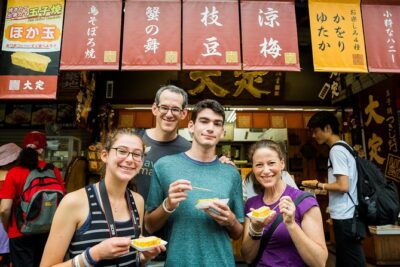 ★ 5.0Tokyo Tsukiji Fish Market Food and Culture Walking TourFrom $993,184 reviews
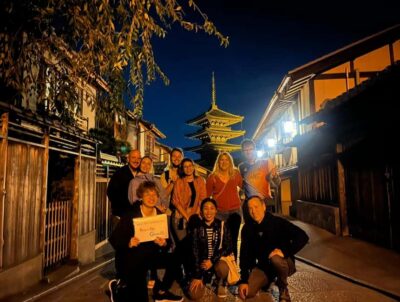 ★ 4.9Gion Magical Night Walking Tour with Geisha TriviaFrom $242,393 reviews
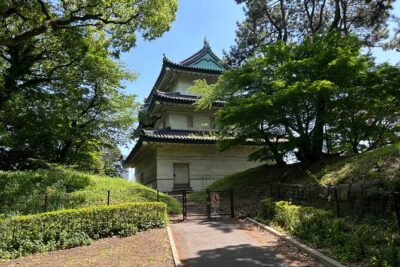 ★ 5.0Imperial Palace and Shogun Historical Walking TourFrom $222,251 reviews
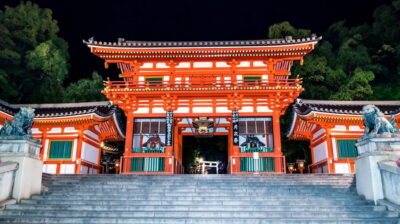 ★ 4.7Gion Geisha District Walking Tour – Stories of GeishaFrom $202,187 reviews
 ★ 4.5Night Walk in Gion: Kyoto’s Geisha DistrictFrom $212,003 reviews
 ★ 4.9Shinjuku Local Bar and Izakaya Guided Walking TourFrom $341,794 reviews
 ★ 5.0Tsukiji Fish Market Food and Walking tourFrom $301,724 reviews
Filed on these lists too