
REVIEW · NISHIKI MARKET AND KYOTO FOOD WALKS
Kyoto Nishiki Market Tour
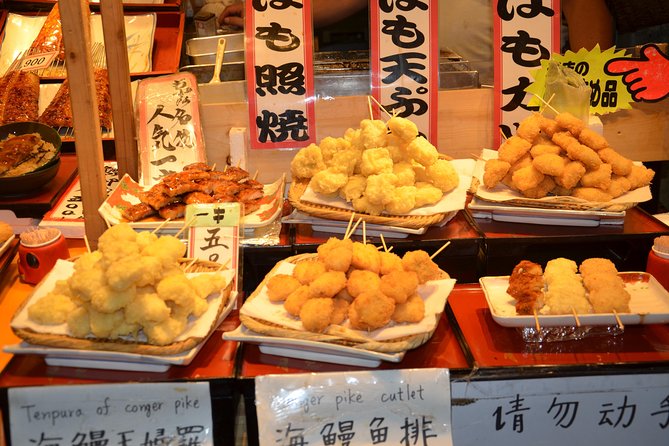
Kyoto eats, but you need a translator. This Nishiki Market food tour turns a chaotic 400-year-old market into a guided route, with family-shop tastings and a guide who explains what you are eating and why it is special. I especially like the farm-to-plate storytelling, and the way the tastings cover Kyoto staples like sashimi, tofu, macha, dashi, tamagoyaki, and fresh seafood.
One thing to consider is that Nishiki gets crowded and loud, and some narrow lanes make it hard to hear your guide if you are in the thick of it. Still, the group stays small, and that helps you get answers and keep moving without turning the whole experience into a food-stuffed traffic jam.
In This Review
- Highlights I look for (and why this tour works)
- Why Nishiki Market Needs a Guide
- The 3-Hour Route, What You Should Wear, and How to Prepare
- What You Actually Taste: Kyoto Staples in Real Market Context
- Stop by Stop: Nishiki Market, Sacred Landmarks, and a Clean Finish
- Tea, Lunch, and Why the Meal Is Part of the Value
- Small Group Size, Guide Quality, and the Real Difference
- Price and Value: Is $221 Worth It?
- Who This Kyoto Nishiki Tour Suits Best
- Quick Tips to Get More Out of Your Tasting Day
- Should You Book This Kyoto Nishiki Market Tour?
- FAQ
- What is the duration of the Kyoto Nishiki Market Tour?
- What time does the tour start, and where do we meet?
- Where does the tour end?
- What is included in the price?
- Are there dietary options available?
- Is hotel pickup and drop-off included?
- Is there a minimum age for alcohol?
Highlights I look for (and why this tour works)
- Shop-to-shop sampling across 10 vendors and 12 family-run stops, with tastings built into the route
- Kyoto food basics explained, from how ingredients are produced to how they show up on your plate
- Tea and a seasonal regional lunch included, so you do not have to guess your next meal
- Small-group pacing that can work even when the market is packed
- A guided path that keeps you oriented, from Nishiki Market into nearby religious and cultural landmarks
Eat your way along the arcade a different way
- Nishiki Market Brunch Walking Tour (7 Tastings + Brunch)
★ 5.0 · 1,355 reviews - Kimono Tea Ceremony at Kyoto Maikoya, NISHIKI
★ 5.0 · 911 reviews - Kyoto Nishiki Market Food and Culture Walking Tour
★ 5.0 · 412 reviews - Kyoto: Nishiki Market Tea Ceremony with Koto Performance
★ 4.8 · 294 reviews
Why Nishiki Market Needs a Guide
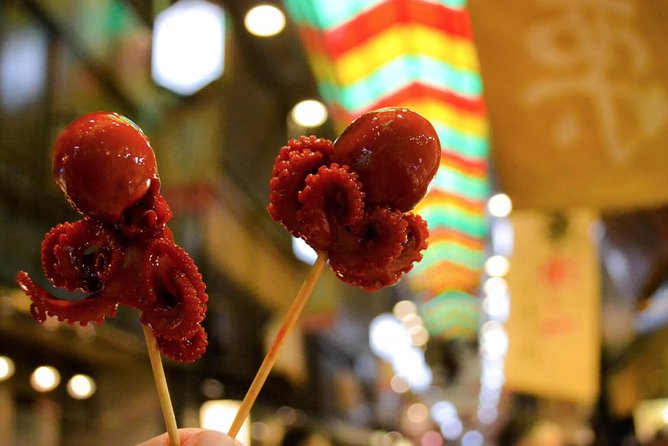
Nishiki Food Market is often described as the Kitchen of Kyoto, and that nickname fits. You can wander for hours, but it is also easy to get stuck. Stalls are tight, prices and portion sizes vary, and the same ingredients can show up in multiple styles, like pickles, tofu, and seafood prepared in different ways.
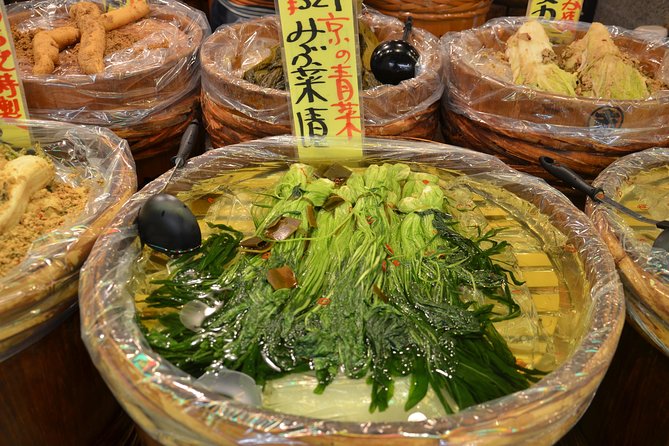
A good guide makes two things click. First, you learn what to order or try next, even if you do not read every label. Second, you stop sampling randomly and start tasting with a purpose. On this tour, the tastings are chosen around the foods that define Kyoto cooking, including tsukemono (pickled vegetables), yuba or shashimi tofu made from mountain-water tofu, macha, dashi, and tamagoyaki. You also get fresh seafood and sashimi options that are meant to be smooth and easy to understand with your guide’s explanations.
The market itself spans centuries of food culture. Many shops are family-run, some with histories going back hundreds of years, and that matters because Kyoto food is not just about flavor. It is about method, ingredient quality, and respect for season. When your guide connects the food back to how it is produced, it is not just a snack crawl. It feels like learning the local language, just in edible form.
The 3-Hour Route, What You Should Wear, and How to Prepare
This is about 3 hours and 5 minutes of walking in central Kyoto. It may sound short, but market time adds up fast, because tastings take pauses, and pausing in Nishiki can mean squeezed-in positioning.
I recommend you show up ready to walk, with good walking shoes. Do not treat this as a light stroll. You are moving from shop to shop, and then continuing through nearby sights. The tour also asks you to come with an empty stomach, and that is not marketing talk. Once you start sampling, you realize how quickly your appetite gets managed by multiple small bites.
Timing matters, too. The start time is 10:00 am, and the meeting point is at 376 Naramonochō, Shimogyo Ward. You end in the Karasuma area, which is convenient for getting back into transit and continuing your day.
If you want to make the most of it, do two simple things:
1) Eat nothing before the tour.
2) Plan not to schedule a long sit-down meal right after, unless you are sure you can handle it.
What You Actually Taste: Kyoto Staples in Real Market Context
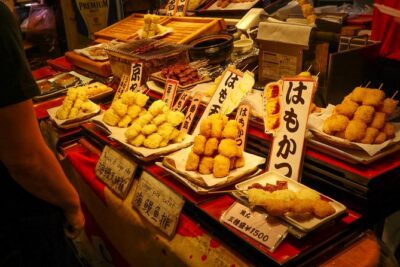
The heart of this experience is the food route. You visit multiple family-owned shops and taste your way through Kyoto favorites. The tour content emphasizes a balanced mix of seafood, tofu specialties, tea, and egg-based dishes, plus pickles and sauces.
Here are the specific flavors you can expect to encounter:
- Sashimi and fresh seafood, presented as a Kyoto-style quality experience
- Tofu specialties, including yuba, described as tofu made from mountain water
- Macha, served through Japanese tea culture, not just as a generic green flavor
- Dashi, the broth base that explains why Kyoto cooking tastes like it does
- Tamagoyaki, the sweet-savory rolled omelet that shows up across Japan but feels especially at home in Kyoto
- Tsukemono, pickled vegetables from the surrounding mountains, included as part of the local flavor picture
One of the smartest parts of the tour is the way the guide connects the dots. You are not just tasting. You are learning the process of production, described from harvest to sale and even how ingredients are preserved. That turns familiar foods into something new. Even if you have tried tofu or matcha before, you get context for why Kyoto chefs and shop owners treat these ingredients with such care.
Dietary notes are also reassuring. The tour is listed as vegetarian friendly and supports pescatarian diets. If you have stricter needs, you will want to think ahead, because market tastings are still tastings. But at least the experience is built to accommodate more than one way of eating.
- PERFECT KYOTO 1-Day Bus Tour★ 5.0 · 13,518 reviews
- Kyoto: Fushimi Inari, Kinkakuji, Bamboo Grove 1 Day Bus Tour★ 4.8 · 4,316 reviews
- Kyoto: Tea Ceremony in a Traditional Tea House in Kiyomizu★ 4.9 · 3,519 reviews
- Kyoto Geisha Walking Tour: Gion District & Hidden Gems★ 4.7 · 3,273 reviews
- Kyoto: Tea Ceremony Ju-An at Jotokuji Temple★ 4.9 · 3,207 reviews
Stop by Stop: Nishiki Market, Sacred Landmarks, and a Clean Finish
You start at Lacoste Kyoto Store and then head into the Nishiki Market shopping area. From there, the focus stays on food. You weave through the market lanes long enough to get full exposure, but the guide keeps you from wandering in circles.
The tour also includes nearby cultural and religious stops that help you break up the sensory overload. After the market, you will pass through or visit:
- Nishiki Tenmangu Shrine
- Rokkakudo Temple
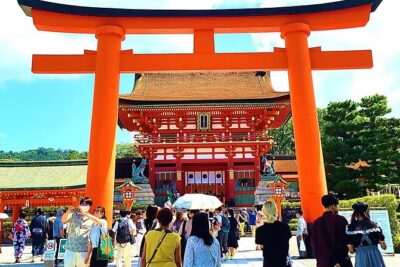
- Fushimi Inari Taisha
- An ending point near Umenohana, and then you finish in the Karasuma area
A quick heads-up on what this means for your body and attention. Nishiki’s lanes are narrow, and once you mix in shrine and temple walking, you will keep your pace moving. This is not the kind of tour where you stop for long photos every two minutes. It is more like a guided walk where the sights are part of the cultural frame around the food.
It can also mean a practical challenge: when the market is packed, you may not always hear every word from the guide. That is not a dealbreaker, but it is real. If you are sensitive to noise, plan to be flexible and accept that some parts of the day will feel busier than you might expect from a guided tour.
Tea, Lunch, and Why the Meal Is Part of the Value
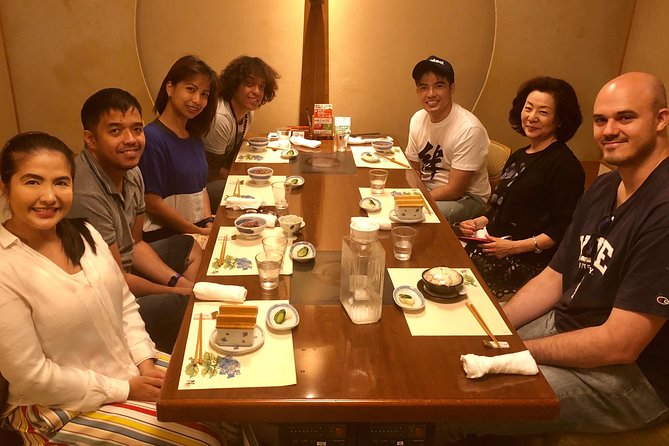
Many food tours give you snacks and call it lunch. This one includes more than that. You get Japanese tea included, and you also get seasonal and regional lunch.
That matters for value. At $221 per person, the tour is not cheap, so you want to be confident the day is not just a handful of samples. Included lunch and tea help justify the price because they reduce what you would otherwise spend on food in the middle of a busy shopping day.
It also improves pacing. After multiple tastings, a proper meal keeps you from either oversnacking or crashing. You also learn what locals consider worth sitting down for, not only what is sold for quick bites.
One more smart detail: there is a minimum drinking age of 21, so if you are mixing in sake or alcohol tastings, make sure you are eligible. If you are not drinking, you can still enjoy the food and tea portion, which is explicitly included.
Small Group Size, Guide Quality, and the Real Difference
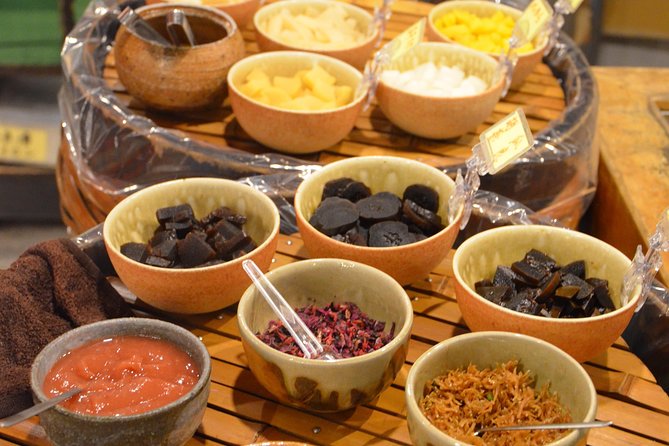
This tour caps at 10 travelers, and that size is a big part of why it feels manageable in a loud market. In a bigger group, you spend more time waiting and less time sampling, and you also lose opportunities to ask questions.
The experience quality also seems guided by how the leader handles pacing. Names like Chie and Rosali come up as examples of guides who manage group pace, explain food clearly in English, and can answer the stream of questions that naturally happens when you are tasting unfamiliar items. Even if you do not catch every detail in a crowded lane, the guide’s role is to keep your understanding moving forward, not stuck in one stop.
Practical tip for you: bring curiosity, not perfection. Your guide can explain what you are tasting, but they cannot make Nishiki quieter. So aim to ask questions when you have a moment, and accept that the market is a working market, not a museum exhibit.
Price and Value: Is $221 Worth It?
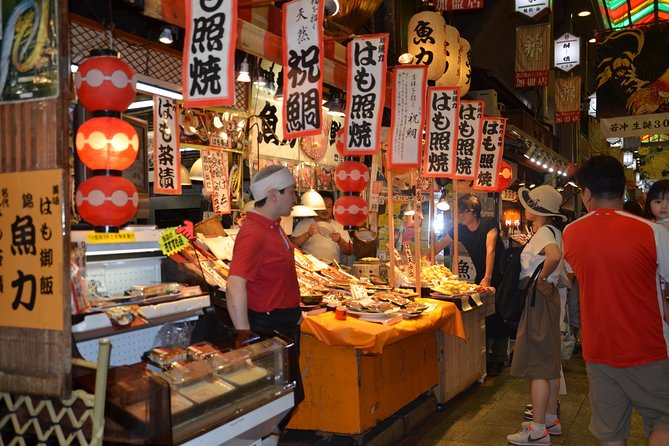
At $221 per person, you should ask a simple question: are you buying food, or are you buying guidance and translation of the food?
This tour is priced for the latter. The cost includes:
- Multiple vendor tastings (10 vendors listed, plus a tour description of 12 family-owned shop stops)
- Japanese tea
- Seasonal regional lunch
- A guide to explain Kyoto-specific foods, and the production behind them
You also get a walking route that does not end in the middle of nowhere. You start near Lacoste Kyoto Store, move through Nishiki, then continue toward shrines and temples, and finish around Karasuma. That adds practical value because you avoid spending the rest of the day figuring out what to pair with your food discoveries.
If you are the type who loves markets, enjoys eating your way through a neighborhood, and wants guidance on what Kyoto specialties actually mean, the price can feel fair. If you are only looking for a couple of snacks and a few photos, you might not get your money’s worth. But if you want a structured way to taste Kyoto while learning what you are tasting, this is a strong match.
Who This Kyoto Nishiki Tour Suits Best
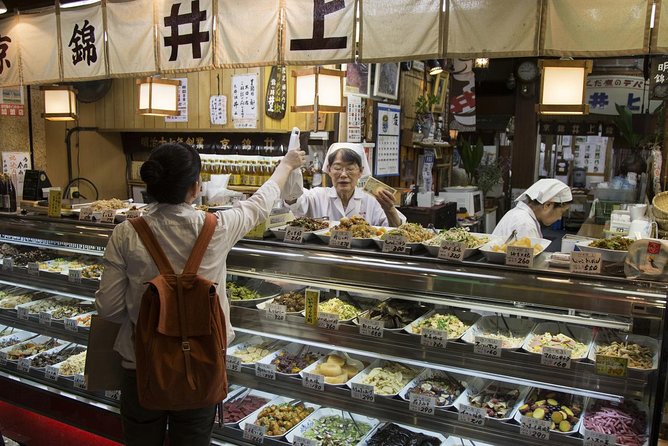
This one fits best if you:
- Want a food-forward day that includes both market tastings and proper lunch
- Like learning how ingredients are made, not just where to buy them
- Can handle moderate walking and a busy, crowded market
- Prefer a small group over a large, slow-moving crowd
It is also labeled family-friendly, and children must be accompanied by an adult. There is an additional note that a passport information copy is required for kids 10 and above. If you are traveling with kids, that is worth planning in advance.
For solo travelers, the provider notes you should email them, which suggests they handle solo logistics with care.
Quick Tips to Get More Out of Your Tasting Day
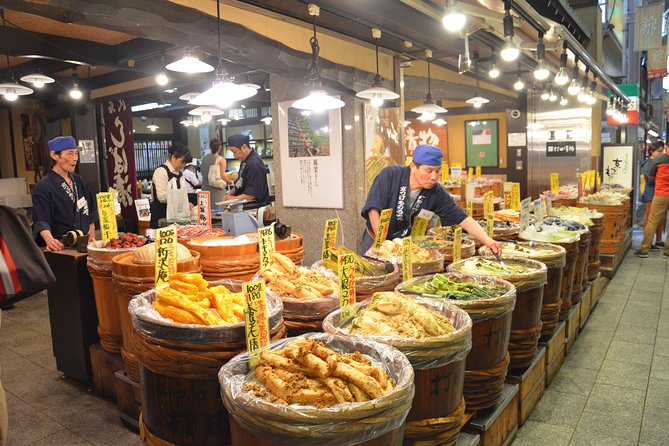
- Go with an empty stomach, then pace yourself. The tastings stack up fast.
- Bring water only if it is practical for you, because the tour itself focuses on tastings and tea.
- If you want souvenirs, do a small check halfway through. The items you like early may become the items you regret not buying.
- Wear shoes you trust. Nishiki plus shrine and temple walking is not flat, slow tourism.
Should You Book This Kyoto Nishiki Market Tour?
I would book it if you want a Kyoto food day with structure, not a free-for-all. The combination of guided shop visits, Kyoto staples like macha, dashi, tofu specialties, and tamagoyaki, plus tea and seasonal lunch makes the day feel complete. The small group size also helps you actually learn instead of just drifting along.
I would think twice if noise and crowds stress you out. Nishiki is famous for a reason, and that means it is often packed. You will still have a great food experience, but you may need to be flexible about hearing every word.
If you are excited to taste Kyoto, ask questions, and walk away with a clearer sense of what makes Kyoto cuisine different, this is a solid way to spend your morning.
FAQ
What is the duration of the Kyoto Nishiki Market Tour?
The tour lasts about 3 hours and 5 minutes.
What time does the tour start, and where do we meet?
The start time is 10:00 am. The meeting point is 376 Naramonochō, Shimogyo Ward, Kyoto.
Where does the tour end?
The tour ends in the Karasuma area, near Karasuma Station.
What is included in the price?
You get tastings at the market vendors, Japanese tea, and seasonal and regional lunch.
Are there dietary options available?
The tour is listed as vegetarian friendly and also supports pescatarian diets.
Is hotel pickup and drop-off included?
No. Hotel pickup and drop-off are not included, and transportation costs are not included.
Is there a minimum age for alcohol?
Yes. The minimum drinking age is 21 years.
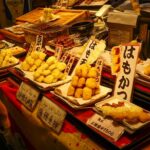
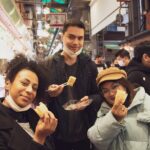
Along the Nishiki Arcade
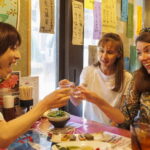
Newest Kyoto write-ups from the Loving Japan desk
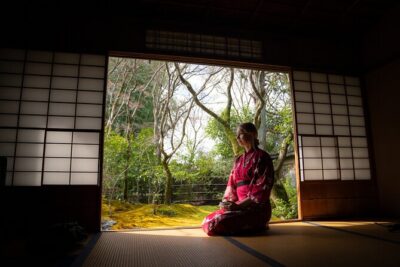
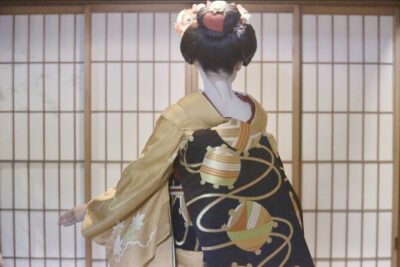

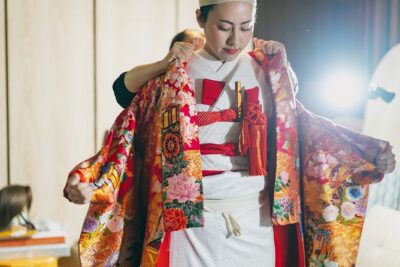
Nishiki Market and Kyoto Food Walks, side by side.
 ★ 5.0Nishiki Market Brunch Walking Tour (7 Tastings + Brunch)From $681,355 reviews
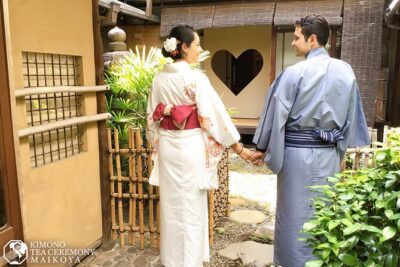 ★ 5.0Kimono Tea Ceremony at Kyoto Maikoya, NISHIKIFrom $65911 reviews
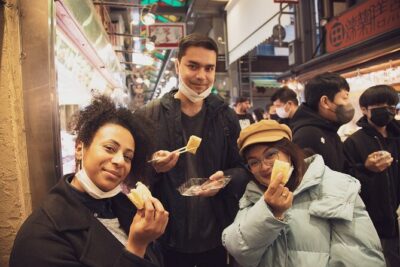 ★ 5.0Kyoto Nishiki Market Food and Culture Walking TourFrom $80412 reviews
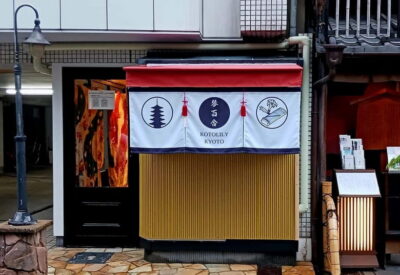 ★ 4.8Nishiki Market Tea Ceremony with Koto PerformanceFrom $56294 reviews
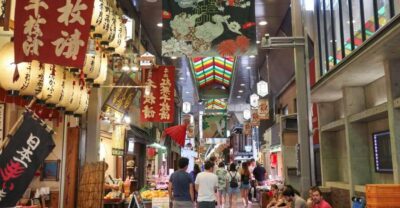 ★ 4.8Nishiki Market Brunch Walking Tour-7 Tastings+BrunchFrom $66197 reviews
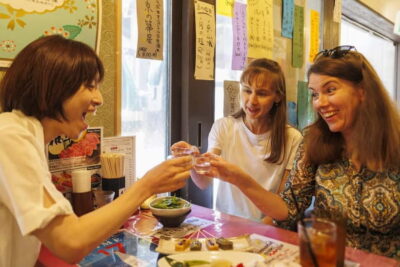 ★ 4.7Local Food Tasting Tour at the Nishiki MarketFrom $78135 reviews
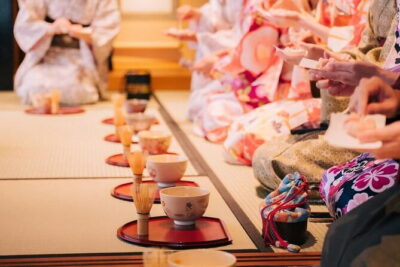 ★ 5.0Kimono Tea Ceremony Experience at Kyoto Oritzuruya, NishikiFrom $50116 reviews
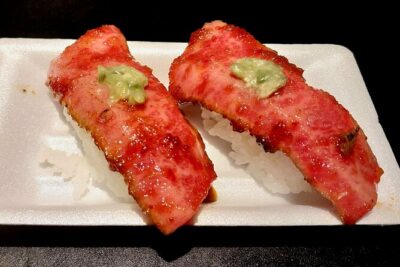 ★ 5.0Kyoto Food Tour of 10 Tastings with Wagyu, Mochi & More SurprisesFrom $14285 reviews
Filed on these lists too