
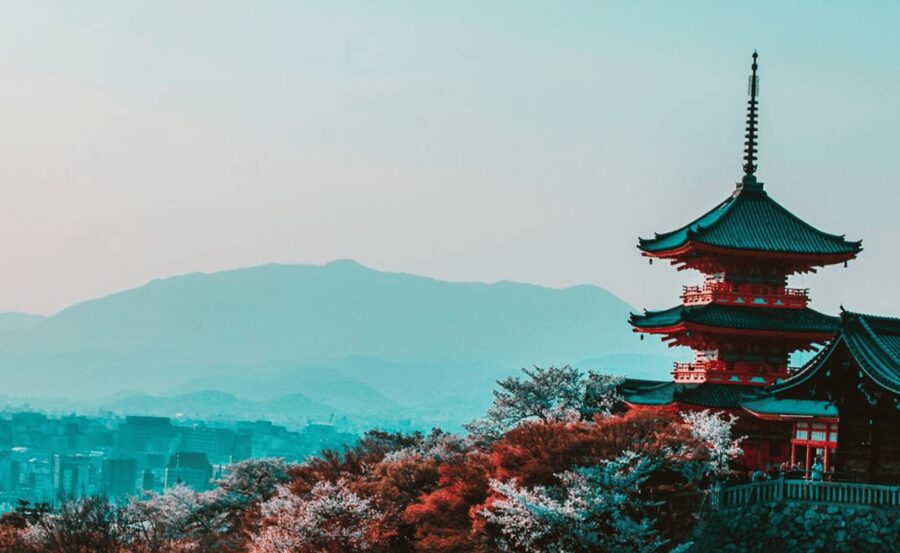
REVIEW · WALKING TOURS
Kyoto : Private Custom Walking Tour With A Local Guide
Kyoto feels bigger than it is. With a private custom walking tour, I like how a local guide turns temple names, alleyways, and neighborhoods into a day that actually makes sense. You choose what you want to see, and your guide builds the route around it.
I especially like two things: the tour is truly private and adjustable, and you get context while you walk, like clear explanations of how shrines and temples differ and what you should notice as you go. Even the photo stops feel purposeful, not random.
One drawback to plan for: it is still a walking tour, and tickets plus food and drink are not included, so you will want to budget extra and be ready for Kyoto weather and stairs.
In This Review
- Key Points Worth Booking
- Private Kyoto on Foot, Designed Around Your Pace
- How the Custom Route Usually Plays Out (and How to Choose Stops)
- Fushimi Inari and Its Torii Gates
- Gion Lanes, Including Photo-Friendly Corners
- Kiyomizu-dera and the View Factor
- Sanjusangendo Temple and the 1,001 Statues Detail
- Philosophers Path and That Easy, Beautiful Walking Stretch
- Ginkaku-ji and the Calm-Sight Contrast
- Daimonji and the Heat Reality
- Sannenzaka and Ninenzaka, Plus Small Cultural Details
- Maruyama Park and Geisha Culture Context
- Price and Value: Why $62 Can Be Worth It
- Transportation and Meeting Point: Staying Flexible Without Getting Lost
- What Your Guide Actually Adds: Stories, Etiquette, and Smart Timing
- Museum Time, Ticket Help, and Breaks That Keep You Moving
- Who This Tour Fits Best (and Who Might Prefer Something Else)
- Booking Smart: Questions to Ask Before You Confirm
- Should You Book This Kyoto Private Custom Walking Tour?
- FAQ
- What is the duration of the Kyoto private walking tour?
- Is this tour private?
- Where do we meet?
- Are museum visits included?
- Which languages are available for the guide?
- Is transportation included?
- Are tickets to attractions included?
- Are food and drinks included?
- What is the cancellation policy?
- Is the tour wheelchair accessible?
Key Points Worth Booking
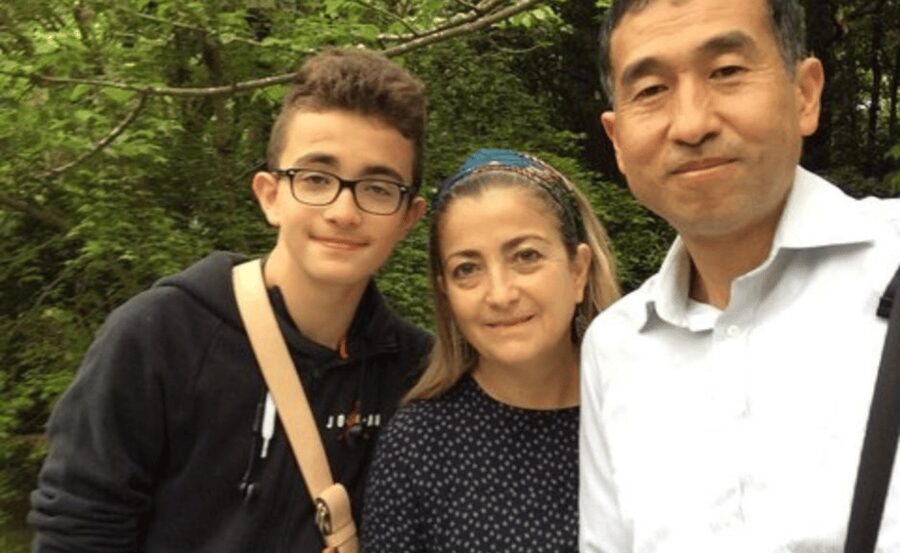
- A guide who can customize your stops, so you can prioritize what matters to you instead of marching through a fixed script
- Real-world pacing for Kyoto conditions, including heat planning and breaks when needed
- Temple and shrine context on the move, with practical explanations that make sights easier to recognize
- Classic Kyoto areas plus calmer walking lanes, depending on what your guide thinks fits your interests
- Language support in Spanish, English, French, and Italian, so you can understand the stories without guessing
- Help coordinating tickets if you want specific visits, so you spend less time stuck at entrances
Still weighing up options in Kyoto? These are the ones our reviewers rated highest.
- PERFECT KYOTO 1-Day Bus Tour
★ 5.0 · 13,518 reviews - Kyoto: Fushimi Inari, Kinkakuji, Bamboo Grove 1 Day Bus Tour
★ 4.8 · 4,316 reviews - Kyoto: Tea Ceremony in a Traditional Tea House in Kiyomizu
★ 4.9 · 3,519 reviews - Kyoto Geisha Walking Tour: Gion District & Hidden Gems
★ 4.7 · 3,273 reviews
Private Kyoto on Foot, Designed Around Your Pace

Kyoto can overwhelm you fast. One moment you are in a market street, the next you are climbing stairs toward a temple, and somehow you still need to remember why the place looks the way it does. This tour helps because it is private, so your guide can slow down when you want details and speed up when you just want to see more.
At $62 per person, this is not the budget bus tour price. But you are paying for something that costs real money in a city like Kyoto: a guide who can spend uninterrupted time with you, answer questions, and adjust the plan when the day gets crowded or hot. For many people, that is the difference between collecting photos and actually understanding where you are and what it means.
Also, it is structured enough to be easy. You meet in Kyoto (with hotel pickup available if you are staying in the city), then you walk and visit at your chosen rhythm. The experience is flexible within a walking format, so you are not stuck waiting on a car, and you get that street-level feel that bus tours miss.
How the Custom Route Usually Plays Out (and How to Choose Stops)
The best part of a custom walking tour is that Kyoto stops are not just checkboxes. You choose the mood of the day: sacred and quiet, dramatic and panoramic, or old-town lanes with small photo angles.
Your guide can adapt the plan to what you want, including the option to add a museum visit if that is your style. That matters because Kyoto is not only outdoor sights. If you care about artifacts, art, or deeper explanations, you can steer toward indoor time without losing the walking flow.
Here are Kyoto areas and sights that show up naturally on this kind of route, and what to expect if you include them:
Fushimi Inari and Its Torii Gates
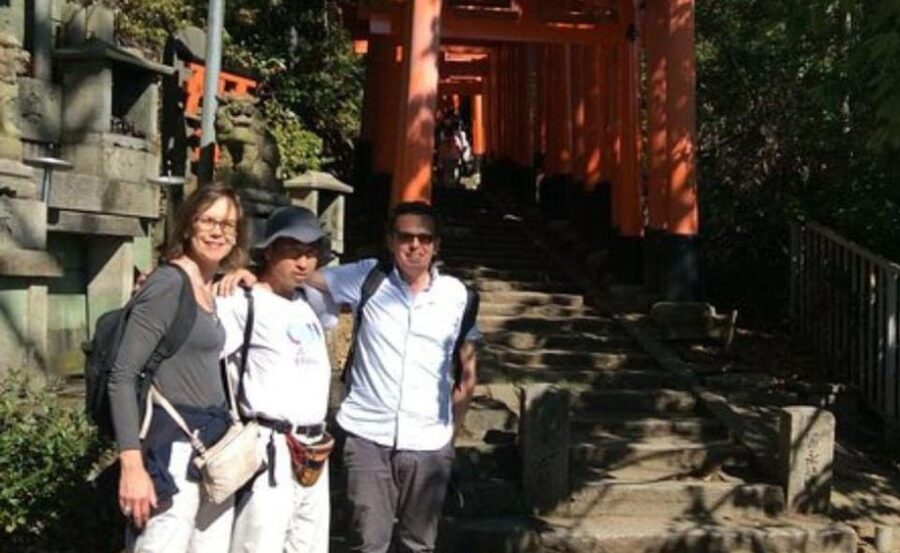
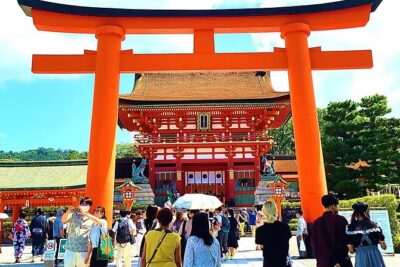
If you pick Fushimi Inari Shrine, you are choosing one of Kyoto’s most recognizable walks, the long corridor of torii gates. I like this stop because it is both dramatic and practical: once you start walking, you can take it at any pace, stop for photos, and still feel the sense of progression.
The tradeoff is obvious. It is popular, so expect crowds at peak times and plan to go earlier if you can. A good guide will help you manage timing and point out photo spots that look good without having to fight the busiest areas.
- PERFECT KYOTO 1-Day Bus Tour★ 5.0 · 13,518 reviews
- Kyoto: Fushimi Inari, Kinkakuji, Bamboo Grove 1 Day Bus Tour★ 4.8 · 4,316 reviews
- Kyoto: Tea Ceremony in a Traditional Tea House in Kiyomizu★ 4.9 · 3,519 reviews
- Kyoto Geisha Walking Tour: Gion District & Hidden Gems★ 4.7 · 3,273 reviews
- Kyoto: Tea Ceremony Ju-An at Jotokuji Temple★ 4.9 · 3,207 reviews
Gion Lanes, Including Photo-Friendly Corners
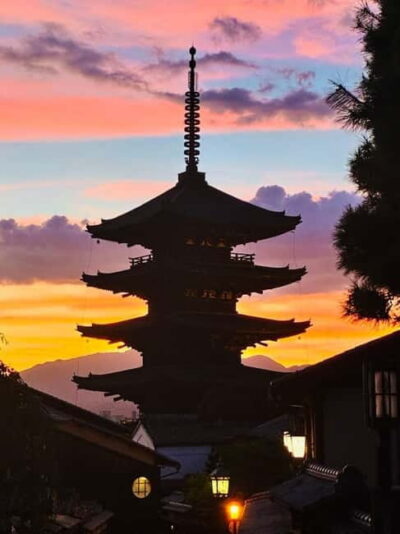
Gion is where Kyoto shifts from major sights to atmosphere. On a private tour, I find it easier to slow down and notice details like building lines, street scale, and how people move through the neighborhood day to day.
In the same way, a guide can help you choose where to wander with intention, rather than getting lost in the busiest flow. A guide like Jerome, described as adapting for kids and making the tour fit the family’s energy, is a good example of why private pacing matters in areas like Gion.
Kiyomizu-dera and the View Factor
Kiyomizu-dera is the kind of place that looks iconic from multiple angles. If your day includes it, expect time for viewpoints and for the classic temple experience: stairs, platforms, and that sense of arriving at a big moment.
The drawback is that this also means stairs and crowds. If you have mobility limits, talk with your guide early about how you want to handle walking and which viewpoints you care about. The tour is listed as wheelchair accessible, and private means your guide can work around your comfort level better than a group schedule.
Sanjusangendo Temple and the 1,001 Statues Detail
If you love specific visual details, Sanjusangendo is a strong add. There is a lot to learn when someone points out what you are seeing. One guide, Wajid, is praised for explaining the 1,001 Buddha statues in a way that adds depth, which is exactly what you want from a guided experience here.
The “watch your time” consideration: this is a place where you might want to stand and look carefully. If you try to rush it, you miss the point. Choose it when you can give it a calm chunk of your half day.
Philosophers Path and That Easy, Beautiful Walking Stretch
The Philosophers Path is not just about Instagram angles. It is a walk that feels like a Kyoto “breather” between busier stops. If you want a calmer rhythm, it is a great choice after heavier temples.
I recommend pairing it with a nearby temple stop so your route feels connected. It works well after something like Daimonji if you want both views and a gentler walking section.
Ginkaku-ji and the Calm-Sight Contrast
Ginkaku-ji has a quieter feeling than some of the louder headline sites. On a guided route, I like how you can learn what to notice at ground level instead of just standing at a distance.
If your guide is the “pace + explanation” type, you get more than a fast sightseeing loop. Guides like Kevin are praised for pacing information carefully and building in breaks when it is hot, which is a big deal in Kyoto summers.
Daimonji and the Heat Reality
Daimonji shows up in Kyoto tours when people want a steeper, more scenic walk. It is also where weather planning matters. One guide, Kevin, is specifically credited with caring about heat and tailoring the schedule, including starting with something cool like iced coffee.
If you include a climb or hillside walk, go with the attitude of comfort first. Wear breathable layers, and consider asking your guide to time it earlier in the day.
Sannenzaka and Ninenzaka, Plus Small Cultural Details
The lanes around Sannenzaka and Ninenzaka are where Kyoto feels like Kyoto, with traditional streetscapes and photo-friendly corners. The benefit of a guide is that you do not just walk past details, you learn what matters.
Wajid is praised for pointing out cultural details and photo spots, and this is where that kind of guidance makes your walk feel smarter. The downside is that this area can also be busy, so again, timing matters.
Maruyama Park and Geisha Culture Context
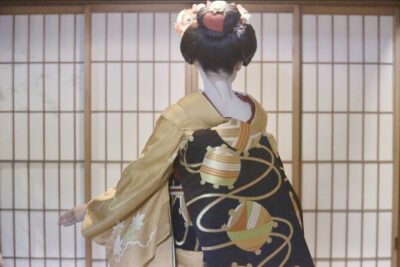
Maruyama Park is a nice finish option because it can feel like a pause before you head back to your evening plans. If you are interested in geisha culture, a guide can point out what you should understand as you look around.
One fun detail mentioned is spotting the Pokémon manhole, which is the sort of quirky, local connection you only notice when you have someone helping you look.
Price and Value: Why $62 Can Be Worth It
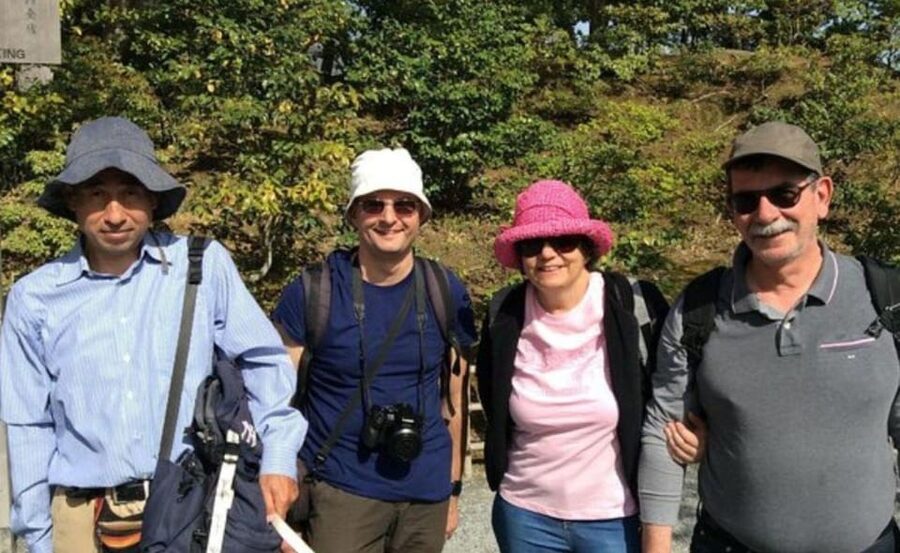
At $62 per person for a private walking tour lasting 2 to 8 hours, value depends on what you need from the day. If you want a self-guided stroll and you already have a plan, you could do Kyoto solo. But if you want your stops to feel connected, your questions answered, and your time protected from wasted backtracking, that is where the price starts to make sense.
Here is what is included, which you should mentally compare to the cost of doing it alone:
- Private walking tour and customization
- Hotel pickup if you are staying in the city
- Walking tour plus public transport, unless you choose an option that changes that
- Help booking tickets for desired visits
What is not included is equally important:
- Food and drink
- Tickets for attractions
- Local transport around the city, because this is built for walking
So you should budget for admissions and snacks. But you also should factor in the “hidden costs” when you travel without a guide: time spent figuring out routes, confusion about temple etiquette, and the frustration of arriving without knowing what to look for.
If you are traveling with kids, couples, or solo travelers, the private setup is often the biggest value. You can keep it short, like a focused 2-hour hit, or go longer if you want a full day.
Transportation and Meeting Point: Staying Flexible Without Getting Lost
Your day starts with a meet-up in Kyoto. If your accommodation is in the city, hotel pickup is included, which helps a lot if it is your first day. If not, you will meet at a pickup location in Kyoto, and your guide will help you get into the walking rhythm.
One practical note: it is a walking tour, not a car-and-viewpoints tour. You will get around mostly by foot, with public transport used to connect between areas. That is usually the best way to experience Kyoto neighborhoods without wasting time in traffic.
Also, there is no “driver” component in the package, so if you want to cover far-separated sights in a hurry, you will need to rely on that walk-and-public-transport rhythm. That is fine for most people, but it matters if you have limited mobility or stamina.
What Your Guide Actually Adds: Stories, Etiquette, and Smart Timing

This kind of tour lives or dies on the guide. And the consistently praised theme is how guides combine knowledge with usable communication: what to look for, how to understand what you are seeing, and how to pace the day.
Maria is highlighted as knowledgable about the history of Kyoto temples and as someone who has lived in Japan for over 25 years, working as a licensed tour guide. That kind of background typically means you get explanations that feel grounded, not rehearsed.
Jerome is praised for making Gion feel easy and for being punctual, plus a talent for adapting for kids. If you are traveling as a family, that flexibility can be the difference between a pleasant walk and a meltdown.
Kevin is praised for less-popular spots and for being careful about heat, including starting with iced coffee and planning around the steep Daimonji trek. This is the kind of practical guidance that matters in Kyoto summers, when the day can feel much longer than the clock says.
Terry and Ian are praised for bringing meaning to temple and shrine exploration and for covering a lot of ground even within a shorter time. That supports a key point: private does not mean slow. It can also mean efficient.
In general, I like when a guide also gives you next-step advice. One guide recommended food after the tour, including a specific udon restaurant, and that turns the experience into a “first-day win” rather than just a standalone event.
Museum Time, Ticket Help, and Breaks That Keep You Moving
Kyoto has a lot of outdoor sights, but museums and indoor stops can be a lifesaver when the weather changes. This tour can adapt if you want a museum visit, so you are not locked into only temples and gardens.
Tickets are not included, but ticket help is. That means you can ask your guide to line up what you want to see, and you are less likely to waste time figuring out entrance logistics on your own.
Food and drink are not included. That is normal for this style of tour. But it matters because guides often factor in comfort. In the heat, you may want a cafe stop or a cool snack break. The tour also tends to end with practical local tips, like where to eat udon or how to keep your afternoon plans flowing.
My suggestion: before the tour, tell your guide what matters most, then mention any comfort priorities. Examples include avoiding steep climbs, keeping the pace kid-friendly, or adding one indoor stop. Private tours work best when you give them a few guardrails.
Who This Tour Fits Best (and Who Might Prefer Something Else)

This tour is a strong fit if you want structure without losing freedom. It works well for:
- First-time visitors who want help making sense of Kyoto neighborhoods
- Couples who want a smoother, story-driven day
- Families who need pacing adjustments
- Solo travelers who want local advice and fewer planning headaches
- People who care about understanding shrines, temples, and cultural details, not just sightseeing
It might be less ideal if you hate walking, even for part of the day. It can also feel like it has extra steps if you only want a simple, spontaneous wander and you already know exactly what you want to do. Since tickets and food are not included, you will also want to plan those costs.
Booking Smart: Questions to Ask Before You Confirm
To get the day you want, I recommend messaging your guide with a few specifics. You do not need a long essay. Just cover these points:
- Which neighborhoods or sights you most want, such as Fushimi Inari, Gion, Kiyomizu-dera, or Sanjusangendo
- Whether you want a museum stop included
- Your preferred pace, and any limits on stairs or long climbs
- Your travel party needs, like kids, heat sensitivity, or mobility considerations
- Your interest level in culture context, like shrine vs temple differences
Because customization is a key feature, your answers directly shape the route. You are not stuck with a generic walking track.
Should You Book This Kyoto Private Custom Walking Tour?
If you are going to spend time in Kyoto anyway, I think this is one of the smarter ways to start. The price feels reasonable for a private, local-guided day that can be shaped to your interests. You get a walking route, context for what you see, and help coordinating tickets for specific visits.
Book it if you want the “Kyoto makes sense” effect, where temples and neighborhoods connect instead of feeling like random stops. I would also book it if you appreciate good pacing and practical advice, since guides are repeatedly praised for adapting to heat and keeping tours comfortable.
Skip it if you want purely self-directed time, or if walking plus additional ticket costs would stress your budget too much. For everyone else, this is a solid way to get your bearings fast, see the main sights you care about, and leave Kyoto with more than photos.
FAQ
What is the duration of the Kyoto private walking tour?
The tour duration ranges from 2 to 8 hours, depending on the schedule you select.
Is this tour private?
Yes, it is a private group, meaning it is just your party with a live guide.
Where do we meet?
The tour includes hotel pickup if you are located in the city. Otherwise, there is a Kyoto pickup location for meeting.
Are museum visits included?
You can request a museum visit, and the guide can adapt the tour to your interests.
Which languages are available for the guide?
The guide is available in Spanish, English, French, and Italian.
Is transportation included?
The tour includes a walking tour and public transport, except if you choose an option that changes the transport approach. Car transportation is not included as part of the walking format.
Are tickets to attractions included?
No. Tickets to attractions are not included, but there is help from the team to book tickets for the visits you want.
Are food and drinks included?
No. Drink or food is not included in the tour price.
What is the cancellation policy?
You can cancel up to 24 hours in advance for a full refund.
Is the tour wheelchair accessible?
The tour is listed as wheelchair accessible.
Newest Kyoto write-ups from the Loving Japan desk

Walking Tours, side by side.
 ★ 4.7Kyoto Geisha Walking Tour: Gion District & Hidden GemsFrom $253,273 reviews
 ★ 5.0Tokyo Tsukiji Fish Market Food and Culture Walking TourFrom $993,184 reviews
 ★ 4.9Gion Magical Night Walking Tour with Geisha TriviaFrom $242,393 reviews
 ★ 5.0Imperial Palace and Shogun Historical Walking TourFrom $222,251 reviews
 ★ 4.7Gion Geisha District Walking Tour – Stories of GeishaFrom $202,187 reviews
 ★ 4.5Night Walk in Gion: Kyoto’s Geisha DistrictFrom $212,003 reviews
 ★ 4.9Shinjuku Local Bar and Izakaya Guided Walking TourFrom $341,794 reviews
 ★ 5.0Tsukiji Fish Market Food and Walking tourFrom $301,724 reviews
Filed on these lists too