
REVIEW · WALKING TOURS
Kyoto Private & Personalized Half-Day Walking Tour with a Local
Kyoto can feel overwhelming fast. This private half-day walking tour helps you get your bearings with a local host who builds a route around your interests, not a rigid checklist. I like that you’re guided through big-ticket neighborhoods like Sanjo and Gion while still getting room for quiet side streets, and guides such as Woohee and Andy have been praised for adjusting to what people actually want to see.
Two things I really like: first, the tour’s personalization. After booking you answer a short questionnaire, then you message your host directly to shape the day, including pace and preferred areas. Second, the walk is structured so you hit iconic Kyoto moments without feeling like you’re sprinting, and guides like Alexi Tsubasa have even helped people find artisan-focused shop stops and memorable food breaks when time allows.
One drawback to plan for: this is mostly on foot, and you can be outside for 3 to 4 hours. If you go in winter, rain, or cold snaps, dress accordingly, because there’s no promise of indoor time built into the route.
In This Review
- Key things to know before you walk Kyoto with a local
- Starting from Sanjo-ohashi Bridge, then letting Kyoto unfold
- How the guide personalization works, and why it matters
- Sanjo area and the Kamogawa River: Kyoto without the rush
- Gion lanes, traditional townhouses, and Tatsumi Bridge
- Yasaka Shrine and the Gion Matsuri link
- The 1895 torii gate approach, and why it connects to Kyoto’s roots
- Tokugawa Ieyasu’s Edo-period fortress grounds
- Time, pace, and what to pack for a 3 to 4 hour walk
- Pickup, meeting point, and how you’ll actually get around
- Price value: what $137.74 per person buys you in Kyoto
- Who this Kyoto tour fits best
- Should you book this private half-day walking tour?
- FAQ
- How long is the Kyoto private walking tour?
- Is this tour private or will I be with strangers?
- Where does the tour start and end?
- Is pickup included?
- Do I need tickets and meals included in the price?
- Will we walk the whole time?
- How do you personalize the itinerary?
- Is there free cancellation?
- Are service animals allowed?
Key things to know before you walk Kyoto with a local
- Private, fully personalized route based on your questionnaire and direct messaging with your host
- Sanjo to Gion-style neighborhood flow, designed to reduce backtracking and wasted time
- Yasaka Shrine plus a 1895 torii approach, pairing classic Kyoto spirituality with a clear historical thread
- A day paced to your group, including people traveling with kids or grandparents in past tours
- Walking-first with optional transit hops, so you’re not forced to hoof it if distances add up
- You control the focus, one or two neighborhoods, plus time for photos and practical help
Still weighing up options in Kyoto? These are the ones our reviewers rated highest.
- PERFECT KYOTO 1-Day Bus Tour
★ 5.0 · 13,518 reviews - Kyoto: Fushimi Inari, Kinkakuji, Bamboo Grove 1 Day Bus Tour
★ 4.8 · 4,316 reviews - Kyoto: Tea Ceremony in a Traditional Tea House in Kiyomizu
★ 4.9 · 3,519 reviews - Kyoto Geisha Walking Tour: Gion District & Hidden Gems
★ 4.7 · 3,273 reviews
Starting from Sanjo-ohashi Bridge, then letting Kyoto unfold
The tour begins at Starbucks Coffee in Kyoto Sanjo-ohashi Bridge (Nakajyo Ward). It’s a practical meeting point, easy to find and close to major sights, which matters on a walking tour where every minute counts.
From there, you’re not just following a path of famous landmarks. Your guide uses your interests to decide how your half-day fits together. That flexibility is a big deal in Kyoto, because the city is packed, and “see everything” often turns into “see nothing well.” With a local host, you can pick a direction (temples and shrines, traditional entertainment areas, markets, or crafts) and move like you know where you’re going.
If you like feeling confident quickly, you’ll probably appreciate how guides have handled real-world friction for people, like navigating crowded train station areas efficiently (Mai) or helping with Japanese phone calls when plans need a quick adjustment (Ada). It’s the kind of support that turns Kyoto from a puzzle into a stroll.
How the guide personalization works, and why it matters
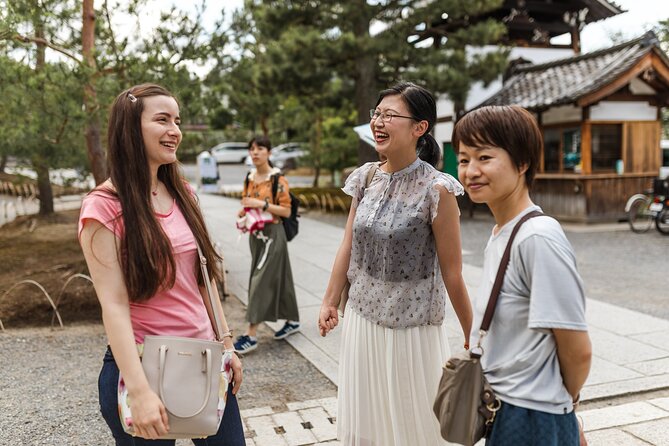
This tour is built around a simple idea: a local host plans your day so you don’t have to fight language barriers and decision fatigue. After booking, you get a pre-tour questionnaire, and then your host personally reaches out to craft a route that fits your style.
In practice, personalization shows up in small but powerful ways:
- You choose your preferred neighborhoods, so the day doesn’t randomly yank you to sights you don’t care about.
- Your guide sets the pace, which is huge if your group includes older relatives or kids.
- Your guide can adjust based on conditions, time, and what feels right on the ground.
I also like that guides have helped with very practical needs. Some have taken extra time with photo-taking (Mai), others have emphasized matching energy and timing to the group (Cici), and a few have focused on less crowded streets for a calmer experience (Andy). None of that is “extra fluff.” In Kyoto, it is the difference between enjoying the city and spending your day navigating crowds.
Sanjo area and the Kamogawa River: Kyoto without the rush
One of the core stops is the Sanjo area, a stretch known for historic family-run shops and specialty stores. Even if you don’t plan to buy anything, it’s useful just for understanding how neighborhoods function here. You get a sense of Kyoto’s everyday rhythm, not just the postcard version.
Then you stroll along the Kamogawa River, where your host shares stories about local traditions and heritage. The river is a great “walking pause” in a busy itinerary. It also gives you a natural way to break up the day, reset your legs, and catch photos without constantly weaving between crowds.
What to expect here:
- Frequent chances to look into small shops and lanes
- Less pressure to “hit” every big site immediately
- A slower, story-based walk that helps you connect the dots across Kyoto
A note of realism: the Sanjo and river areas can still be busy at peak times, but the guide can often steer you through calmer angles and side streets depending on what you want.
- PERFECT KYOTO 1-Day Bus Tour★ 5.0 · 13,518 reviews
- Kyoto: Fushimi Inari, Kinkakuji, Bamboo Grove 1 Day Bus Tour★ 4.8 · 4,316 reviews
- Kyoto: Tea Ceremony in a Traditional Tea House in Kiyomizu★ 4.9 · 3,519 reviews
- Kyoto Geisha Walking Tour: Gion District & Hidden Gems★ 4.7 · 3,273 reviews
- Kyoto: Tea Ceremony Ju-An at Jotokuji Temple★ 4.9 · 3,207 reviews
Gion lanes, traditional townhouses, and Tatsumi Bridge
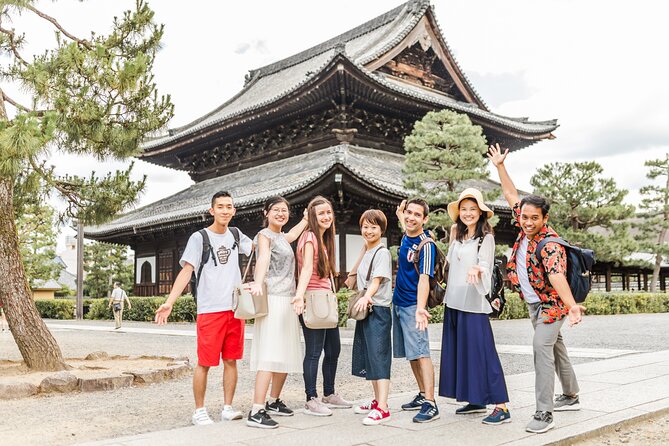
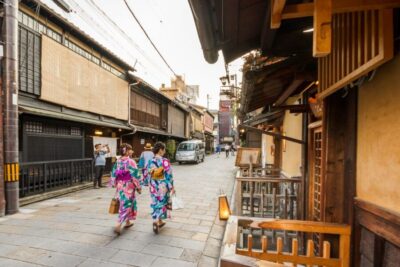
Next, you walk through Kyoto’s iconic traditional entertainment district, with lanes lined by wooden townhouses, teahouses, and refined restaurants. This is the part of the day where Kyoto’s visual style hits hardest. Even if you know the basics, seeing it up close changes how the neighborhood feels.
Your host also crosses Tatsumi Bridge to reach a scenic area. The bridge crossing matters because it’s a built-in viewpoint moment. Instead of staring at map pins, you get a clear “now we’re here” transition that helps the route feel cohesive.
Why I like this segment for first-time visitors:
- You’re seeing the classic Kyoto scene in a controlled time block.
- A local guide can point out what’s worth looking at and what to ignore.
- You can learn the cultural context while your eyes are still soaking everything in.
What to watch for: photography and crowds. This area can be packed around popular hours. If you want fewer crowds, tell your host early. People who wanted quieter streets have specifically highlighted guides for finding less crowded spots (Andy), and that usually translates into a smoother, less stop-and-start walk.
Yasaka Shrine and the Gion Matsuri link
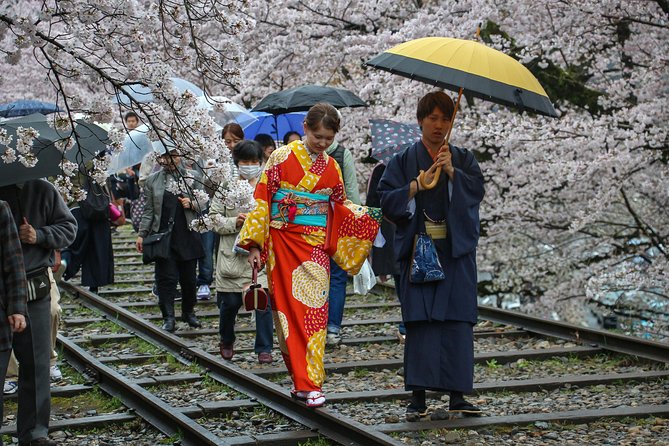
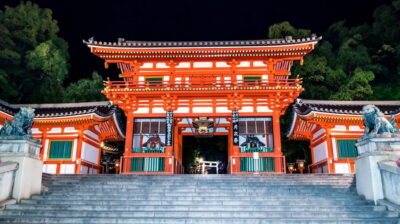
Your route includes Yasaka Shrine, Kyoto’s guardian shrine for over 1,350 years. The highlight here isn’t just the architecture. It’s the stories your host connects to it, including the famed summer festival, Gion Matsuri.
This stop is a strong “culture anchor.” Shrines in Kyoto aren’t museum pieces. They’re living religious sites, and the festival connection helps you understand why certain spaces and rituals matter to locals. Even if you only have a half-day, you walk away with a better explanation for what you saw and why it’s important.
What to expect practically:
- Time to look, read the vibe, and listen
- A guided explanation of the shrine’s significance
- A route that keeps you moving without forcing you to rush
If you’re visiting in a festival season, the shrine connection can feel extra meaningful. If you’re not, you can still get the context, which often makes the sights you see later make more sense.
The 1895 torii gate approach, and why it connects to Kyoto’s roots
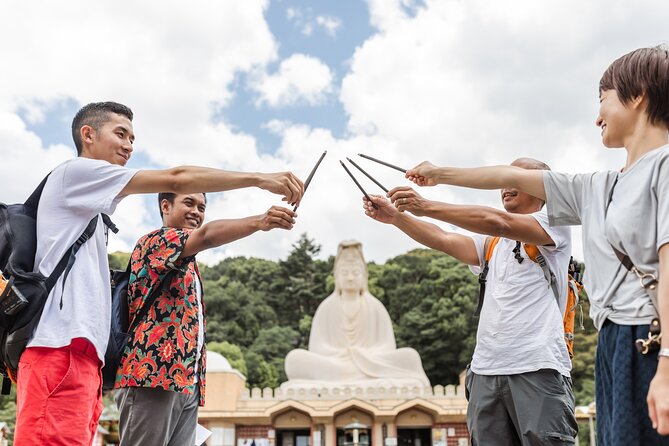
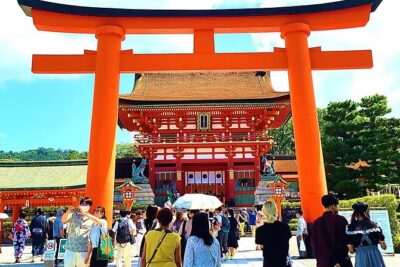
Another key landmark on this walk is a grand torii gate and broad approach to a shrine built in 1895. Your host explains its connection to Kyoto’s founding and the spirits of the emperors it enshrines.
This is a smart contrast to the older religious sites you’ll also see. You get the sense that Kyoto’s identity isn’t only ancient. It’s also shaped by later efforts to honor history and preserve imperial connections. Your guide helps you connect what the architecture and location are trying to communicate.
Here’s how to get the most from this stop:
- Slow down at the approach, not only at the gate itself.
- Listen for the “why” behind the shrine’s place and timing.
- Use the stop to reset after dense streets, because the torii approach often gives you a clearer visual space.
If you like history, this segment will probably feel like the explanatory chapter your day needed. If you’re more of a street-and-senses person, it still works because the approach is visually dramatic and easy to enjoy even without deep background.
Tokugawa Ieyasu’s Edo-period fortress grounds
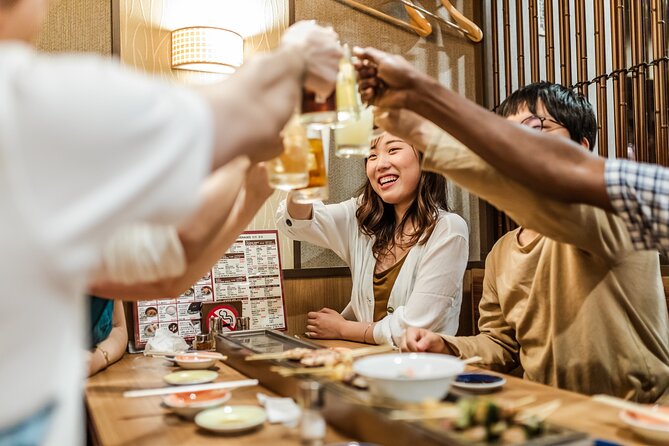
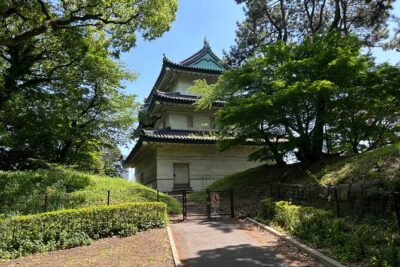
The tour then shifts toward an impressive Edo-period fortress connected to Tokugawa Ieyasu, built to showcase his power. Your host shares lively stories about samurai and shoguns and Kyoto’s dramatic history as you wander the grounds.
This stop helps balance the day. Earlier parts focus on neighborhood life and shrine spirituality. Here, you get the political and military angle, which is essential in Kyoto. It’s the kind of history that explains why certain neighborhoods and structures exist the way they do.
Practical tips for this segment:
- Wear comfortable shoes, because “fortress grounds” can mean lots of walking on varied paths.
- Keep your camera handy, but take a moment to listen before photographing. The best photos often come after you understand what you’re looking at.
- If you’re short on time or traveling with kids, tell your guide early. A good guide can adjust how long you spend in each area without killing the experience.
Time, pace, and what to pack for a 3 to 4 hour walk
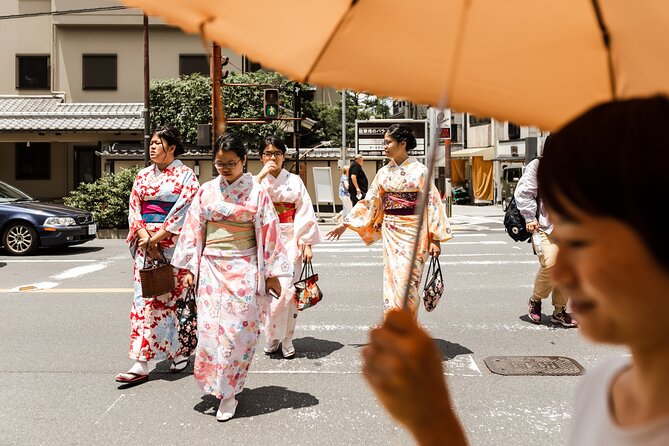
This is a 3 to 4 hour private walking tour. Public transportation may be used between sites at an additional cost, but it’s fundamentally a walking experience with your guide.
That means you should pack for comfort, not just for weather:
- Comfortable walking shoes with good grip
- Layers for Kyoto temperature swings
- A small umbrella if rain is even possible
One review specifically called out how cold weather can catch people off guard. So if you’re traveling in winter or shoulder season, don’t plan to power through with just a light jacket. Your guide can help you choose the route that fits conditions, but your body still has to do the walking.
Also remember: food, drinks, and attraction tickets are not included. Your guide can recommend places, and some guides have helped people find great meal options and artisan shops during their personalized routes, but you’ll pay separately.
Pickup, meeting point, and how you’ll actually get around
Pickup is offered, but the tour also lists a clear start point at the Starbucks near Sanjo-ohashi Bridge, and the activity ends back at the meeting point. That loop matters because it reduces uncertainty for your day. You’re not left wondering how to get back after your last stop.
If your route needs it, you might transfer by public transportation or local taxi between sites. Exact costs can be discussed with your host after you finalize your reservation, so you’re not guessing in the dark.
One more detail that helps: you’ll get a mobile ticket. On a trip like Kyoto, where you’ll likely carry multiple things and rely on apps, having the ticket on your phone can cut down on small annoyances.
Price value: what $137.74 per person buys you in Kyoto
At $137.74 per person for a 3 to 4 hour private walking tour, this isn’t a budget activity. Still, it can be good value if you fit the right traveler profile.
Here’s what you’re paying for:
- A private guide, not a mixed group shuffle
- Route planning based on a questionnaire and direct communication
- A focus on practical navigation so you spend less time lost and more time seeing
- Cultural context that makes landmarks click into place
This price starts to feel more reasonable when:
- You’re visiting for the first time and want orientation fast
- Your group includes people who need a guided pace (kids, grandparents, anyone with limited stamina)
- You care about avoiding crowded lines and instead seeing smart slices of Kyoto
You might also like that it’s flexible and private, with options like group discounts mentioned. If you’re booking for multiple people, you’re more likely to feel the value.
One caution: because tickets and meals are not included, your total day cost could rise if you add attractions or decide to eat at recommended spots.
Who this Kyoto tour fits best
This tour is ideal for first-time visitors to Kyoto who want less planning stress and more guided discovery. It’s also a great match if you prefer a tailored day over a fixed script.
It’s especially worth considering if:
- You want help navigating language barriers and choosing what to see
- You travel with mixed-age groups and need a pace that works for everyone
- You’re the type who likes photos, but also wants meaning behind what you’re photographing
Past experiences highlighted that guides can help with practical on-the-ground needs, like keeping things moving through train-station crowds (Mai) or handling Japanese calls (Ada). That’s not guaranteed in every situation, but it signals the kind of support these hosts can provide when asked.
Should you book this private half-day walking tour?
If you want a Kyoto day that feels like someone translated the city for you, this is a strong choice. The mix of neighborhood wandering, shrine and torii highlights, plus a historical shift into Tokugawa Ieyasu territory gives your half-day shape. And because the route is personalized, you’re less likely to end up with that classic Kyoto problem, seeing a few famous spots while missing what you actually cared about.
Book it if:
- You’re visiting Kyoto for the first time and want a fast orientation
- You prefer guided navigation over solo route planning
- Your group needs flexible pacing
Skip it if:
- You already have a detailed Kyoto plan and enjoy figuring it out alone
- You hate walking for 3 to 4 hours outside, even with route adjustments
If you do book, my advice is simple: spend a few minutes thoughtfully filling in your questionnaire. Tell your host your must-sees, your comfort level for crowds, and how you want to spend your photos time. With that, this kind of private walk usually turns into the kind of Kyoto memory you can explain to friends later.
FAQ
How long is the Kyoto private walking tour?
It runs about 3 to 4 hours.
Is this tour private or will I be with strangers?
This is a private tour, so only your group participates.
Where does the tour start and end?
It starts at Starbucks Coffee – Kyoto Sanjo-ohashi Bridge in Kyoto, and it ends back at the same meeting point.
Is pickup included?
Pickup is offered.
Do I need tickets and meals included in the price?
No. Food, drinks, and tickets to attractions are not included.
Will we walk the whole time?
It is primarily a walking experience. Public transportation or local taxis may be used to transfer between sites, at additional cost.
How do you personalize the itinerary?
After booking, you complete a short questionnaire about your interests and must-sees. Then your host reaches out to tailor the route, and you can communicate directly with them.
Is there free cancellation?
Yes. You can cancel for a full refund up to 24 hours in advance.
Are service animals allowed?
Yes, service animals are allowed.
Newest Kyoto write-ups from the Loving Japan desk

Walking Tours, side by side.
 ★ 4.7Kyoto Geisha Walking Tour: Gion District & Hidden GemsFrom $253,273 reviews
 ★ 5.0Tokyo Tsukiji Fish Market Food and Culture Walking TourFrom $993,184 reviews
 ★ 4.9Gion Magical Night Walking Tour with Geisha TriviaFrom $242,393 reviews
 ★ 5.0Imperial Palace and Shogun Historical Walking TourFrom $222,251 reviews
 ★ 4.7Gion Geisha District Walking Tour – Stories of GeishaFrom $202,187 reviews
 ★ 4.5Night Walk in Gion: Kyoto’s Geisha DistrictFrom $212,003 reviews
 ★ 4.9Shinjuku Local Bar and Izakaya Guided Walking TourFrom $341,794 reviews
 ★ 5.0Tsukiji Fish Market Food and Walking tourFrom $301,724 reviews
Filed on these lists too