
REVIEW · TAKAYAMA, HIDA AND SHIRAKAWA-GO
Shirakawago & Takayama Bus Tour from Nagoya w/Optional Lunch
Old thatched houses, easy bus day trip. I like this plan because you get a UNESCO village plus Edo-era Takayama in one long, well-packaged day, with the drive giving you mountain views in Gifu. I also like the Hida Beef lunch option at Koshiyama, which turns your stop in Shirakawa-go from quick sightseeing into a proper meal break.
The main consideration is time. This is about 9 to 10 hours total, with long stretches on the road, and weather can steal minutes in Takayama if it rains. There are also language variations depending on the day, so double-check what kind of English support you’ll get when you book.
In This Review
- Key highlights worth marking on your map
- A Long Day Out of Nagoya, Not a Quick Hop
- Takayama First: Quick Orientation, Real Old Streets Vibes
- Koshiyama Lunch: Hida Gyu Teppanyaki and Oden Set Options
- Shirakawa-go Walkthrough: Gassho Roofs, Bridges, and Village Details
- Dealing With Rain, Crowds, and Lines Like a Pro
- Winter Road Closures: Gujo Hachiman as the Backup Plan
- Price and Value for a One-Day UNESCO Hit
- Who This Tour Works Best For (and Who Should DIY)
- Should You Book This Tour?
- FAQ
- What time does the tour start and where do I meet?
- How long is the Shirakawa-go and Takayama bus tour?
- Is lunch included in the price?
- Are tickets for attractions included?
- What happens if Shirakawa-go is unreachable due to snow?
- How much luggage can I bring?
Key highlights worth marking on your map
- Takayama first, then Shirakawa-go, so you get that old-town feel before the UNESCO village
- Optional Koshiyama lunch featuring Hida Gyu, with Oden set included for meal-plan guests
- Shirakawa-go on foot, including the narrow, swaying Encounter Bridge and a valley observation viewpoint
- Sericulture history stops plus preserved gassho-style homes from the late 1800s
- Winter road-closure backup to Gujo Hachiman, often called Little Kyoto of Gifu
Old-town Hida and the thatched valley, other versions
- From Nagoya: Gujo, Hida Takayama, and Shirakawa-go Day Tour
★ 4.4 · 398 reviews - From Nagoya: Hida Takayama & Shirakawa-go Tour w/Opt. Lunch
★ 4.5 · 256 reviews - Day Trip for Shirakawago ,Takayama & gujo hachiman from Nagoya
★ 4.0 · 28 reviews
A Long Day Out of Nagoya, Not a Quick Hop
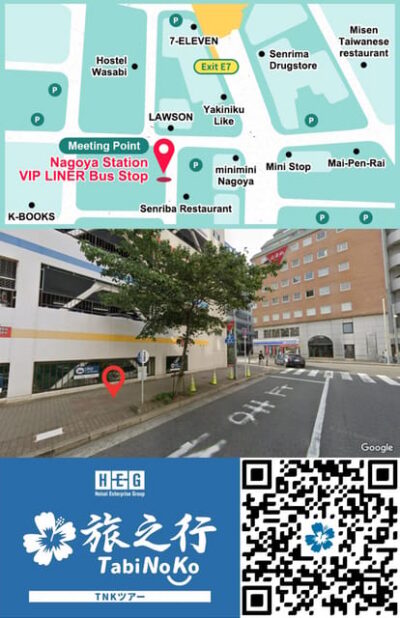
This is a full-day bus outing. The start is 8:00 am from the VIPLINER Nagoya stop (near Nagoya Station), and you’ll end back in the Nagoya Station area. Plan on the day feeling like a combo of guided orientation plus self-paced walking once you arrive at the places that matter.
What makes this work well for many people is also what makes it feel long: you’re spending a chunk of your day in the vehicle. Expect more than half the day on driving time. If your dream is slow travel, this may feel rushed. If your goal is to hit Takayama and Shirakawa-go without arranging trains and transfers, it’s a practical shortcut.
One detail I’d treat as gospel: be at the meeting point early. The bus will not wait, and finding the exact spot can take longer than you think if you’re new to the station area.
Takayama First: Quick Orientation, Real Old Streets Vibes
Takayama is your first big stop, and it’s a good choice to start here. You get about 1.5 hours, enough time to get oriented, wander a couple streets, and grab snacks if you want. Takayama tends to feel a bit more commercial and lively than the countryside village later in the day, so starting here helps you build energy before the quieter scenery of Shirakawa-go.
This timing also fits the reality of bus tours: you’re not there for deep museum study. You’re there to absorb the atmosphere and do a first pass at the highlights. Even with rain, that stop can still give you the sense of Edo-period streets and traditional town life.
A useful mindset: treat Takayama as your chance to “taste and look,” not to check every box. One review I read mentioned Hida beef sushi and a stop for local treats like Purin no Ie, which sounds like the kind of thing you can enjoy during your free time if your schedule allows it. If you have a rain poncho and you can keep moving, Takayama still does its job.
If you’re going in colder months, bring warm layers and footwear with grip. One review specifically warned that winter ground can get slippery. That matters because your walking time will add up even when the route looks short on paper.
Koshiyama Lunch: Hida Gyu Teppanyaki and Oden Set Options
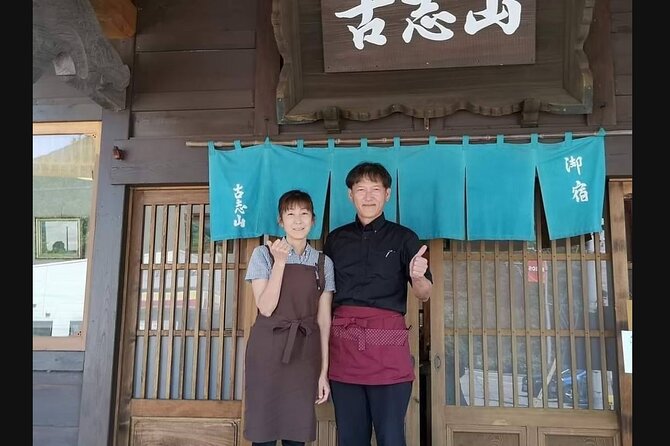
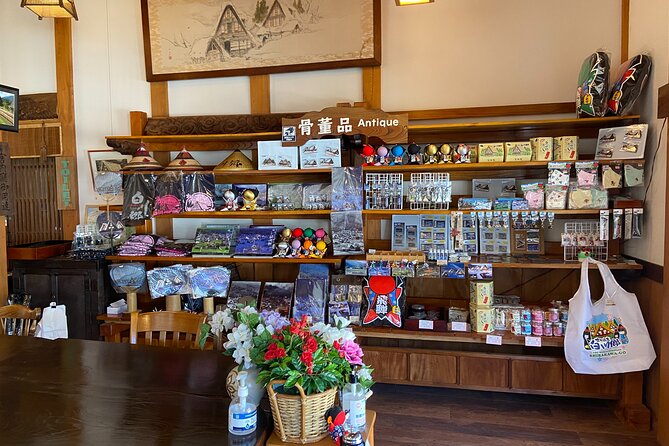
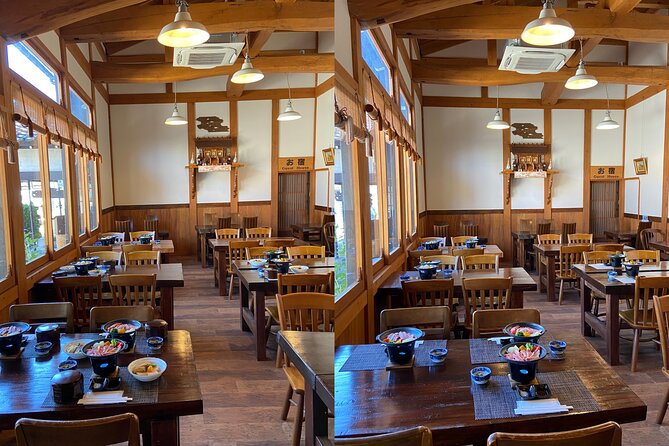
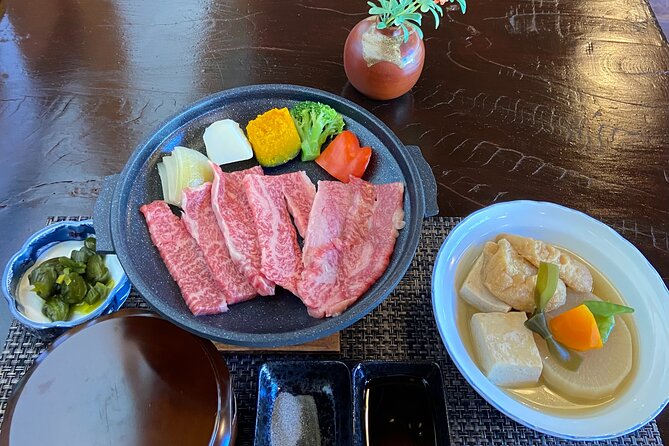
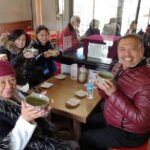
Lunch is optional, but if you can swing it, I think it’s the best way to make this day feel like more than just bus rides and photo stops. The meal is at Koshiyama in the Shirakawa-go area, and it’s described as a Japanese-style teppanyaki set lunch centered on Japanese Beef Hida Gyu.
Here’s what I like about the lunch setup: it breaks up the village walking. You’re not spending all your energy first at Takayama, then immediately trying to eat outdoors in the UNESCO village. A warm meal plan also buys you time you can’t easily get on your own when schedules get tight.
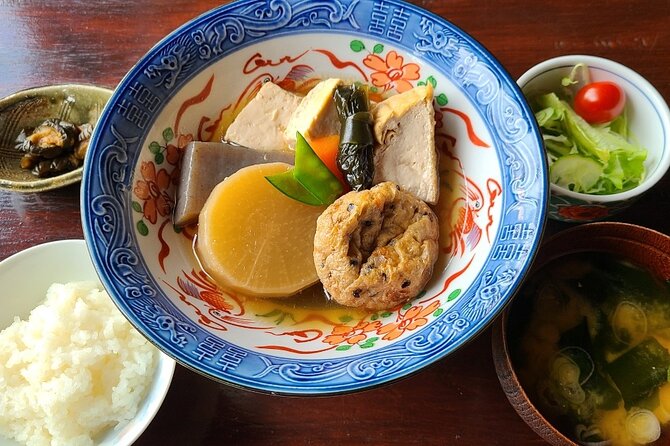
From the tour info, the meal plan includes an Oden set. That’s a classic comfort-food move for a mountain village day, especially in winter when you’ll feel the cold more than you expect.
Diet note: one guest reported a tofu lunch that worked as a vegan-friendly option. That’s not spelled out in the main description, so don’t assume it’s guaranteed every day, but it’s a promising sign that some alternatives exist. If food restrictions matter, ask when you book.
Central Japan, beyond the obvious stop
- Ghibli Park 1-Day Bus Tour from Nagoya★ 4.5 · 277 reviews
- Hiking the Historic Nakasendo Trail [1 Day Tour from Nagoya]★ 5.0 · 104 reviews
- Nagoya Highlight Tour guided by a friendly local★ 5.0 · 86 reviews
- Nagoya: Japanese Traditional Sweets making and Tea Ceremony★ 4.9 · 76 reviews
- Magome-juku, Tsumago-juku & Ena-kyo 1d Bus Tour from Nagoya★ 4.6 · 75 reviews
Shirakawa-go Walkthrough: Gassho Roofs, Bridges, and Village Details
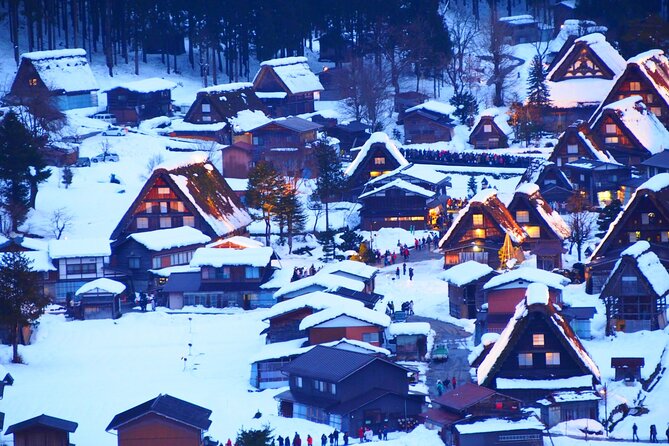
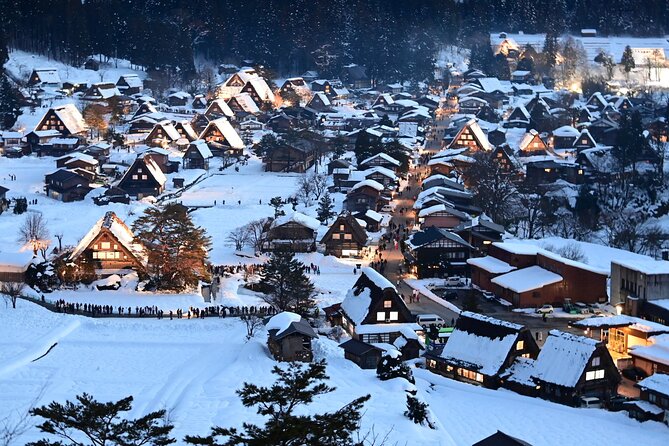
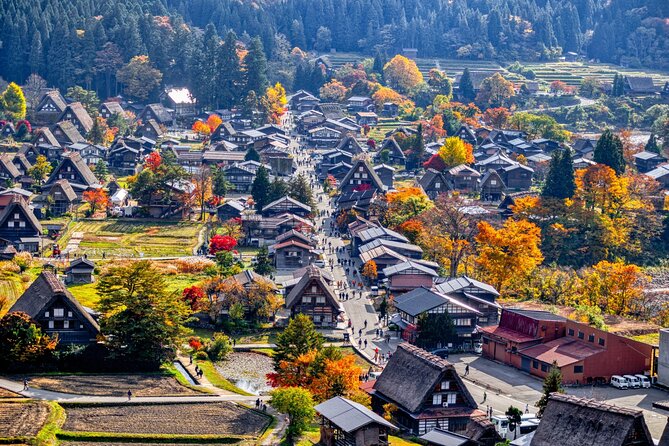
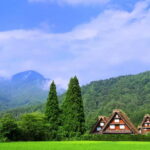
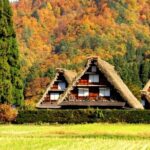
After lunch or before, depending on the day’s flow, you’ll be in Shirakawa-go, the UNESCO World Heritage village famous for gassho-style thatched architecture. The stop is about 1.5 hours, which is just enough time to get the main visual impact, then slow down for the small stuff if you manage your pace.
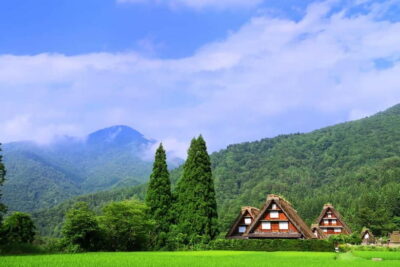
The village is surrounded by rice paddies and forest-covered hills, so you’ll feel the “mountain village” vibe quickly, not after hours of travel. If you’re lucky with weather, this stop feels almost like two different experiences: the valley view that looks calm from above, then the close-up that makes you notice how the houses are built and preserved.
A few specific highlights on the walking route:
1) Encounter Bridge
This is the connector between the parking area and the village, and it’s described as narrow and swaying. If you have a fear of heights or shaky footing, this is the spot to take slowly. It’s thrilling for many people, but it’s also short, so you can get it over with quickly and move on to easier terrain.
2) Valley observation deck
There’s an observation deck with a countryside view over forested hills, rice fields, and village farms. The route includes a choice: a shuttle bus costs 300 yen one way, or you can walk it in about 10 minutes. If you’re traveling with aching knees or you’re dressed for rain, the shuttle option can make the difference between enjoying the view and rushing past it.
3) Sericulture history and preserved homes
You’ll also get time around information on sericulture, silk raising, which helps explain how families survived in this region. There’s a preserved area with wooden houses in gassho style from the late 19th century, which is where the architecture becomes more than a postcard. You start seeing the shape and spacing of homes in a real living pattern.
4) A shrine stop
The route includes a shrine that you approach with a sense of quiet power. It’s not just a checkmark photo spot. It’s a good pause point if the village feels crowded or if you want one moment that feels more grounded than the typical sightseeing flow.
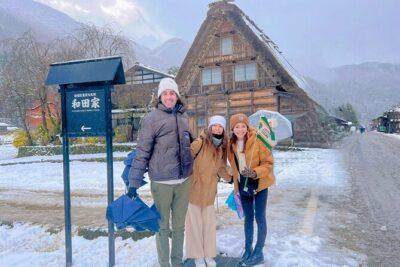
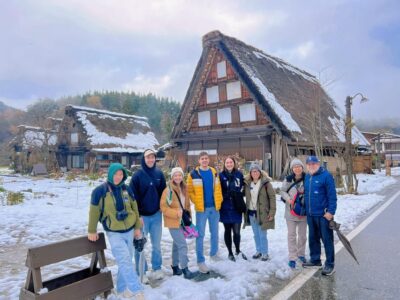
One practical tip: winter weather can change your pace fast. Roads and timing can shift, and slippery ground can slow you down. If you’re going during snow season, bring shoes you trust and pack a rain layer even if the forecast looks mild.
Dealing With Rain, Crowds, and Lines Like a Pro
Shirakawa-go and Takayama both draw day-trippers, so you can run into lines or tight walking paths. The upside is that the main sights are worth it, and the stops are designed to keep you moving.
Here’s how to keep this from becoming a stressful day:
- Wear waterproof outerwear or pack a foldable rain poncho. You’ll still walk even when the sky doesn’t cooperate.
- Keep your walking stride steady. You’ll cover ground without realizing it.
- If it’s raining in Takayama, cut yourself slack. You may not be able to see everything, and that’s normal.
There’s also a small reality check about audio. English commentary is listed as available, but one unhappy experience described being placed on a bus where English support was missing or minimal. That’s rare, but it’s enough of a risk that I’d recommend confirming the language details when you book. If you rely heavily on English narration, don’t wait until day-of to assume everything will be perfect.
Winter Road Closures: Gujo Hachiman as the Backup Plan
In winter, this tour has a smart contingency. If snowfall leads to road closures to Shirakawa-go, you won’t just sit around. The plan shifts you to Gujo Hachiman, known as Little Kyoto of Gifu. You’ll visit a picturesque town with historic streets and traditional buildings.
I like this backup for two reasons. First, it protects your day. You still get a structured sightseeing route rather than losing the trip to weather. Second, Gujo Hachiman often feels like a change of pace: similar “old town” charm, but not the exact same experience as the UNESCO village, so it’s still worth your time.
It’s also a good reminder to pack for a long day and changing conditions. Winter means the weather can reduce driving time options or swap stops, so flexible expectations are your best friend.
Price and Value for a One-Day UNESCO Hit
At $65.78 per person, this tour sits in a reasonable range for a full-day bus trip that includes round-trip transport and the conductor support. The big value is simplicity: you’re getting transport from Nagoya without having to manage schedules and transfers yourself.
What you should factor into the value:
- Lunch is only included if you choose the meal option. If you do want Hida Beef, this is likely the most cost-effective way to get it as part of your day plan.
- Most major stops list free admission, which reduces surprise costs on the ground.
- You’re paying for organization: meeting point handling, a set flow of places, and commentary support.
The one cost you should mentally plan for is optional add-ons in the village, like the 300 yen shuttle to the observation deck if you don’t want to walk.
Now for the balanced note: one complaint mentioned a mismatch between what was promised and what happened, including expectations around small-group size or front-seat arrangements. I can’t verify details from that alone, so the practical advice is simple: check the booking notes carefully and set expectations about the bus experience for a day trip with up to 90 travelers.
Who This Tour Works Best For (and Who Should DIY)
This tour is a great fit if you:
- Are short on time in Nagoya and want Takayama plus Shirakawa-go in one day
- Want a structured day with a guide helping you understand what you’re seeing
- Prefer bus convenience over train schedules and seat reservations
- Like the idea of a built-in meal stop at Koshiyama
It might not be ideal if you:
- Hate long drives and would rather travel at your own pace
- Want a deep, slow archaeology-level look at architecture and history with lots of time per stop
- Are very sensitive to language support, since English commentary may vary depending on day staffing and participant mix
If you’re the kind of traveler who likes to control every minute, you might do better building your own Takayama and Shirakawa-go plan. But if you want the highlights without the logistics headache, this is a solid match.
Should You Book This Tour?
I’d book this tour if your priority is a high-impact, organized day from Nagoya that gets you into Takayama and Shirakawa-go without planning headaches. The best reason to choose it is that the day is built around the right rhythm: town time first, then the UNESCO village on foot, with an optional Hida Beef lunch that turns the day from a sprint into a full experience.
I would not book it blindly if your travel style depends on guaranteed English narration every second, or if you expect a tiny group and specific seating perks. There are enough hints in the available information that you should confirm language support and set expectations for a larger bus format.
If you want a one-day hit of old Japan with practical help, and you can handle a long day and variable weather, this is a good use of your time.
FAQ
What time does the tour start and where do I meet?
The tour starts at 8:00 am at the VIPLINER Nagoya bus stop (20-20 Tsubakichō, Nakamura Ward, Nagoya). You should arrive no later than 10 minutes before departure because the bus will not wait for late arrivals.
How long is the Shirakawa-go and Takayama bus tour?
It runs about 9 to 10 hours total, depending on road and traffic conditions.
Is lunch included in the price?
Lunch is not included by default. You can select the optional lunch plan, and if you choose it, you’ll eat at Koshiyama with Hida Gyu and an Oden set included as described.
Are tickets for attractions included?
The tour lists admissions for the main stops as free, so you should not need separate entry tickets for the included sightseeing points.
What happens if Shirakawa-go is unreachable due to snow?
If snowfall causes road closures to Shirakawa-go, the tour will switch to a substitute route visiting Gujo Hachiman, described as the Little Kyoto of Gifu, with historic streets and traditional buildings.
How much luggage can I bring?
You can bring one piece of luggage per person. It should be manageable and fit in the vehicle trunk, with a maximum combined size of 155 cm (height plus width plus depth). Items in the trunk won’t be accessible between stops, so keep valuables with you.
Central Japan Beyond the Obvious


Hida Old Town and the Thatched Valley
Newest Nagoya write-ups from the Loving Japan desk
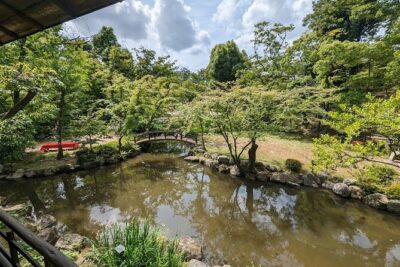

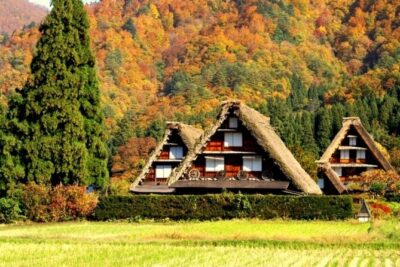
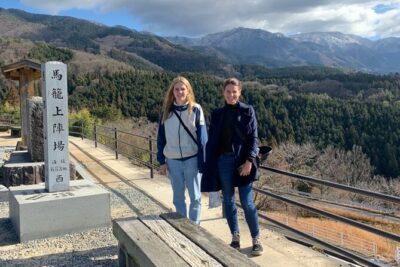
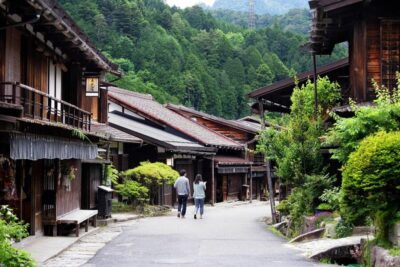

Takayama, Hida and Shirakawa-go, side by side.
 ★ 5.0World Heritage Shirakawa-go and Experience Tours from KanazawaFrom $1224,049 reviews
 ★ 4.9World Heritage Shirakawa-go Morning Guided TourFrom $77988 reviews
 ★ 4.4From Nagoya: Gujo, Hida Takayama, and Shirakawa-go Day TourFrom $61398 reviews
 ★ 4.9World Heritage Shirakawa-go & Two Local ExperienceFrom $116274 reviews
 ★ 4.5From Nagoya: Hida Takayama & Shirakawa-go Tour w/Opt. LunchFrom $61256 reviews
 ★ 4.51 Day Private Charter Tour to Shirakawa-go & TakayamaFrom $575253 reviews
 ★ 5.0[One-day bus tour departing from Kanazawa Station] Shirakawa-go and Gokayama – Two World Heritage Villages Enjoyable Bus TourFrom $88253 reviews
 ★ 5.0World Heritage Shirakawa-go Perfect Guided Tour from KanazawaFrom $81220 reviews