
REVIEW · SUMO WRESTLING EXPERIENCES
Morning Sumo Practice Viewing in Tokyo
Sunrise sumo beats any TV highlight. This morning Tokyo visit gets you into a wrestler’s stable and starts with a Skytree rules briefing so you know what you’re looking at right away.
What I like most is the access. You sit close enough to feel the intensity of warmups and practice bouts, and you also get an early look at the Shinto-rooted side of the sport.
One heads-up: you’ll spend about two hours sitting on the floor with no chairs and limited facilities, so this is not the tour for anyone who hates hard seating.
In This Review
- Key things to know before you go
- Tokyo Sumo at 7:30 AM, what you’ll actually see
- Skytree primer: rules and context before you enter the stable
- Inside Naruto-beya: floor seating, stable life, and training rhythm
- Chanko nabe lunch: refuel the wrestler way
- English guides and why the small group matters
- Price and value: what $99.08 actually buys you
- Practical stuff: timing, transport, and what to wear
- Should you book this morning sumo practice tour?
- FAQ
- How long is the Morning Sumo Practice viewing experience?
- Where does the tour start and where does it end?
- What time does the tour begin?
- Is hotel pickup included?
- Do I need to sit on the floor?
- What does my ticket cost, and what is included in that price?
- What happens if the weather is bad?
Key things to know before you go
- 7:30 am start keeps you at the stable when training energy is highest
- Skytree briefing first so you understand sumo basics before you watch
- Naruto-beya stable access gives you a rare look at real practice
- Donations included in your ticket, plus a chance for photos
- Chanko nabe lunch helps you refuel the wrestler way
- Max 10 people means your guide can give more personal attention
Morning practice or an evening show. Both reviewed
- Tokyo: Sumo Show and Dining Experience
★ 4.8 · 2,742 reviews - the SUMO show
★ 5.0 · 1,960 reviews - Tokyo Shinjuku Sumo Show & Experience with Photo
★ 5.0 · 1,750 reviews - Tokyo: Sumo Show and Experience in Shinjuku
★ 4.8 · 1,001 reviews
Tokyo Sumo at 7:30 AM, what you’ll actually see
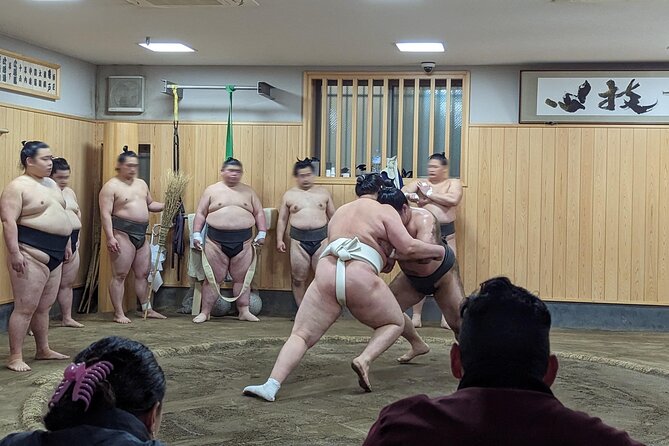
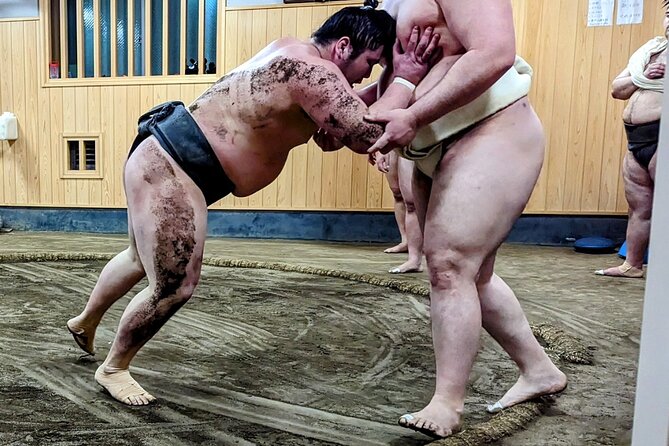
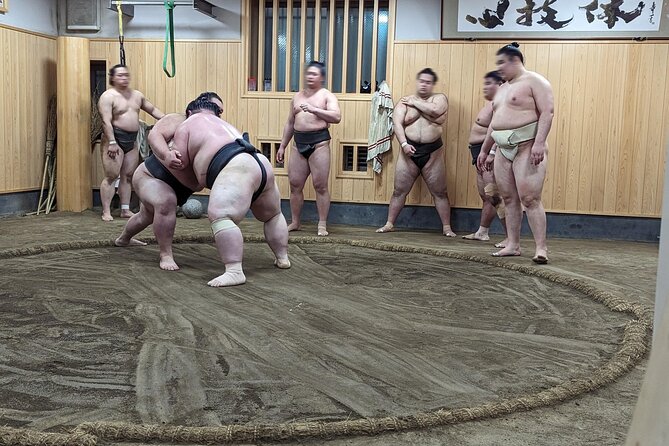
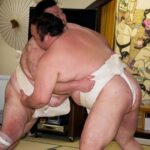
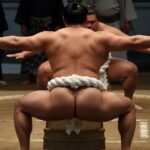
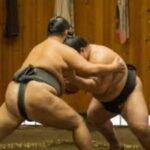
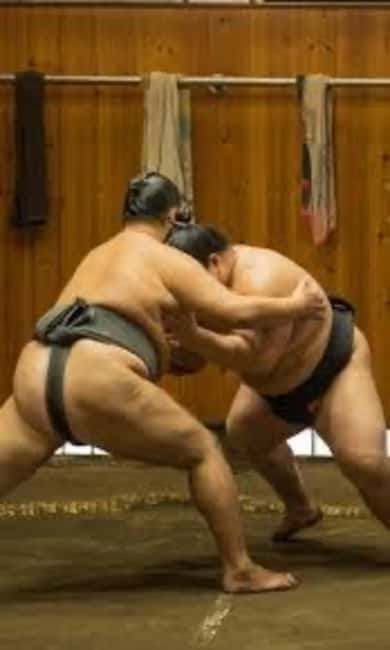
Morning sumo practice is quick to understand and hard to forget. You’re not watching a polished show. You’re watching the work that makes the show possible, from warmups to practice bouts, all within the tight world of the stable.
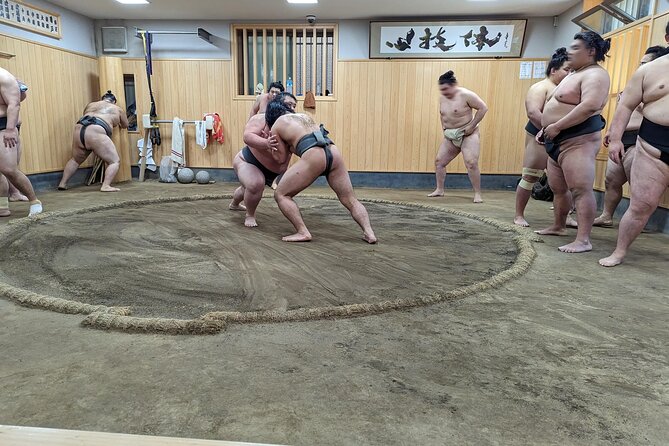
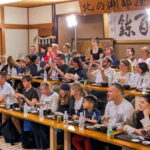
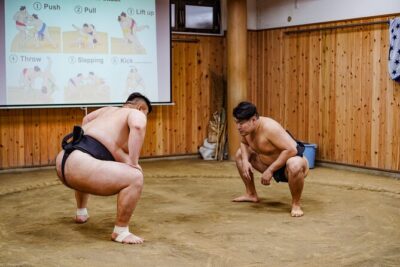
This tour is built for close viewing. You’ll be inside the stable area, watching training from flat-floor seating (on cushions) alongside your group. The atmosphere is practical and focused, not performative. That’s the point. Sumo is tradition, yes, but it’s also sweat, routine, and repetition.
If you love sports or Japanese culture, this is one of those Tokyo activities that feels real. It also teaches you how to follow what’s happening instead of just staring at bodies colliding.
Skytree primer: rules and context before you enter the stable
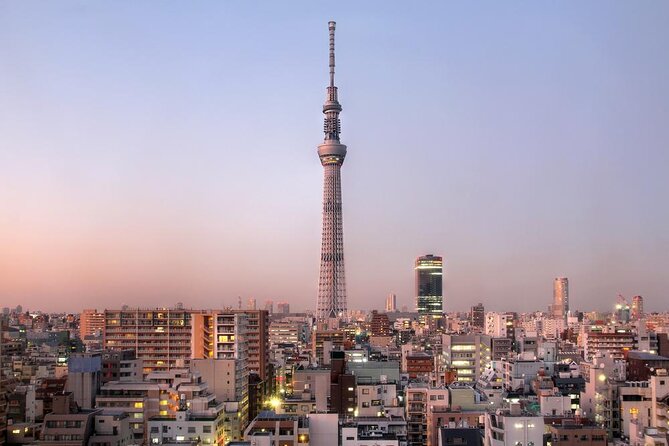
The day begins at Tokyo Skytree Station, with a short stop at Tokyo Skytree itself. It’s a perfect warm-up because it gets your brain into the right frame. Skytree is the world’s tallest self-standing broadcasting tower, and it gives you a big, modern Tokyo landmark right before you switch gears into ancient sport rituals.
Your guide uses this time to explain the basics so you can watch with confidence. You’ll get simple rules for how to enjoy sumo practice and what to keep in mind while you’re in the stable setting. Think of it as the “how to watch” lesson, not a lecture.
This stop is about 30 minutes, and admission is free for this part of the tour. It’s short, but it sets you up to make the most of the two hours at the stable.
Inside Naruto-beya: floor seating, stable life, and training rhythm
The heart of the experience is the stable visit in Sumida. The tour ends at Naruto-beya Sumo Stable, and you’ll spend about two hours watching practice from inside the stable area.
Here’s what to expect, in plain terms:
- You will sit on the floor on a cushion, and there are no chairs.
- You need to be comfortable holding still for a while. The upside is you get very close to what’s going on.
- You’re watching a working environment, so expect strong focus and follow your guide’s instructions closely.
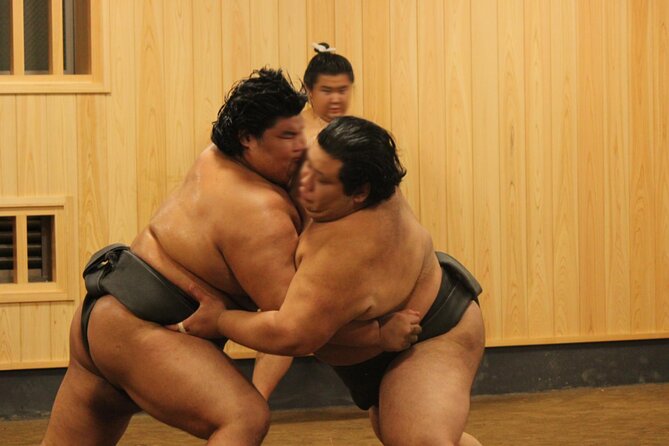
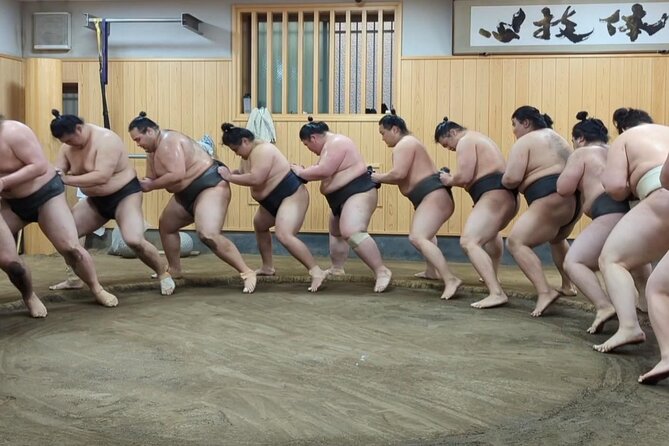
In the stable, training looks different than what you might see in a tournament broadcast. You can usually spot more fundamentals, more repeat sets, and more rhythm building. You’ll also learn about the sport’s traditional Shinto roots, which helps explain why sumo isn’t just a match, it’s ritual.
Facilities are basic. One important practical note from the experience is that there are no toilets. Plan accordingly before you arrive, and keep your water within reason.
Photo time is possible. The tour includes time where a photo shooting session is most probably included, and you’ll likely get the chance to take pictures with the wrestlers. Don’t expect a long photo line like a theme park. Expect something more respectful and brief, with the stable’s pace driving the timing.
- Mt Fuji and Hakone 1-Day Bus Tour Return by Bullet Train★ 5.0 · 26,383 reviews
- 1-Day Tokyo Bus Tour★ 5.0 · 14,250 reviews
- Tokyo: teamLab Planets TOKYO Digital Art Museum Entry Ticket★ 4.6 · 9,779 reviews
- Mt Fuji & Hakone Cruise, Drum Show Bullet Train 1 Day from Tokyo★ 4.0 · 7,413 reviews
- Tokyo: Shinjuku Food Tour (13 Dishes at 4 Local Eateries)★ 5.0 · 6,603 reviews
Chanko nabe lunch: refuel the wrestler way
After training viewing, you’ll eat chanko nabe, a traditional wrestlers’ meal. It’s included as part of the experience, and that matters because it turns your early morning effort into a complete cultural outing rather than a quick viewing slot.
Chanko nabe is hearty by design. Sumo wrestlers eat big, so the food supports heavy training and recovery. For you, it’s a real perk because it helps you stay energized after a morning that starts early and involves sitting for hours.
Even if you’re not a “foodie” traveler, this part makes the day feel worthwhile. It’s also a chance to taste something that’s tied directly to the sport you just watched, not a random nearby lunch.
English guides and why the small group matters
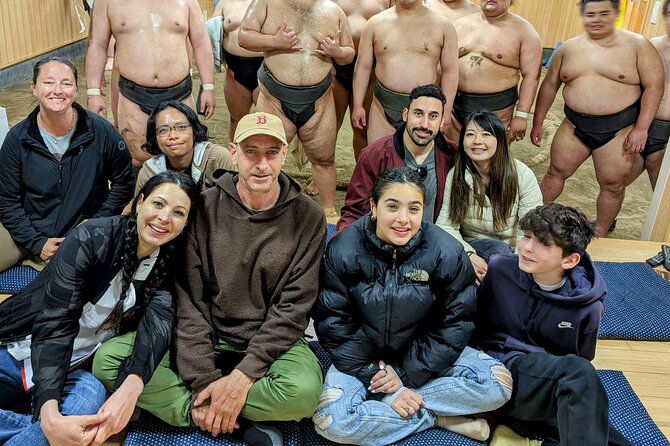
This is run as a local, certified expert guide experience in English. And it stays small: maximum 10 travelers.
That small-group size changes the feel. You get more chances to ask questions, and your guide can keep you on track without turning the stable into a chaotic room of people trying to film over everyone’s heads. It also helps with that early-brain problem when you wake up before sunrise and try to understand a sport full of rules and ritual.
From the guides’ style, you can expect more than “here’s a wrestler, have fun.” In particular, English guides like JOJI, Dawn, Jeff, and Aki are noted for being proactive. Some guides come prepared with things like handouts, wrestler profiles, and pre-visit explanations of rules and moves. Even if you arrive knowing nothing about sumo, that prep makes the experience land.
You’ll also get personalized attention. In a sport viewing setting, that’s huge. The guide can help you spot what matters, and it reduces the awkward feeling of not knowing the right moment to focus.
Price and value: what $99.08 actually buys you
At $99.08 per person, this isn’t the cheapest thing you can do in Tokyo. But it’s also not random sightseeing.
Here’s what your ticket includes, which is where the value comes from:
- Donations to the stable are part of the price
- English guiding from a local certified expert
- Chanko nabe lunch after the viewing
- A good chance of photo time
- A small group format with personalized attention
The biggest value driver is access. Getting into a stable environment for real morning training is difficult to do on your own. This is the rare Tokyo experience that comes with context built in, so you don’t just show up, watch motion, and leave with half the meaning missing.
What’s not included matters too: there is no hotel pickup or drop-off. You’ll need to make it to the meeting point on your own.
Also, since the tour is popular (it’s commonly booked about 19 days in advance), I’d treat it like a priority activity. If you want the date you prefer, don’t wait until the last moment.
Practical stuff: timing, transport, and what to wear
Start time is 7:30 am, and the meeting point is Tokyo Skytree Station (1-chōme-1-4 Oshiage, Sumida City). The tour ends at the stable, Naruto-beya Sumo Stable (1-chōme-22-16 Mukōjima, Sumida City).
It’s near public transportation, so you can plan your morning around train access rather than needing a car. Since there’s no hotel pickup, build in enough time to arrive early and settle in. The experience is tight on schedule because it’s aligned with actual training times.
What to wear is simple: dress for sitting on the floor. Comfortable layers are a good idea for any early start, and flat shoes help if you’re moving on stone or compact indoor spaces. If you know you’ll have trouble sitting, consider a backup plan, because you will be on the floor for a significant portion of the morning.
Weather matters. The tour notes that it requires good weather. If it’s canceled due to poor weather, you’ll be offered a different date or a full refund.
Should you book this morning sumo practice tour?
Book it if you want a real stable visit instead of a distant viewing experience. If you love sport culture, Japanese tradition, or you want your Tokyo trip to include something that feels hands-on and specific, this is a strong match.
Skip it if you cannot do floor seating for about two hours, or if limited facilities are a dealbreaker for you. Also, if you hate early mornings, this tour will still demand effort because it starts at 7:30 am.
One more quick decision test: if you want context, not just photos, you’ll probably like how the tour starts with a sumo rules briefing and continues into the stable with guided explanations and attention.
If that sounds like your style, this is a smart, high-value way to experience sumo where it actually happens.
FAQ
How long is the Morning Sumo Practice viewing experience?
It runs for about 3 hours (approximately), including the Skytree briefing time and the stable practice viewing.
Where does the tour start and where does it end?
It starts at Tokyo Skytree Station and ends at Naruto-beya Sumo Stable in Mukōjima.
What time does the tour begin?
The start time is 7:30 am.
Is hotel pickup included?
No. There is no hotel pick-up and drop-off included.
Do I need to sit on the floor?
Yes. You must sit on a cushion on a flat floor, and there are no chairs available.
What does my ticket cost, and what is included in that price?
The price is $99.08 per person. Your ticket includes donations to the stable, English guiding, and chanko nabe lunch. A photo session is most probably included.
What happens if the weather is bad?
The tour requires good weather. If it is canceled due to poor weather, you’ll be offered a different date or a full refund.
Practice Rooms and Show Nights

Newest Tokyo write-ups from the Loving Japan desk
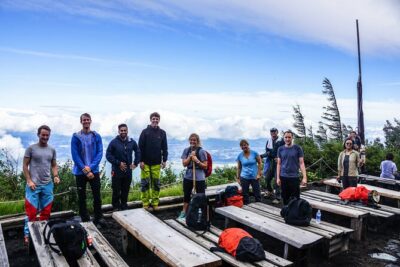
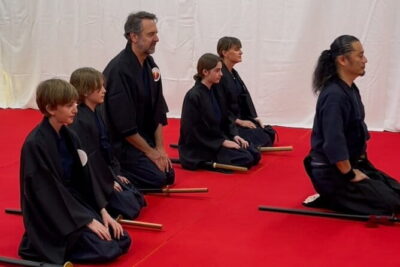

Sumo Wrestling Experiences, side by side.
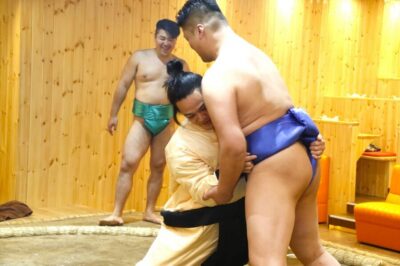 ★ 4.8Sumo Show Experience with Chicken Hot Pot and a PhotoFrom $1036,678 reviews
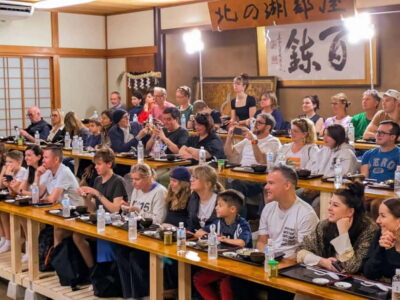 ★ 4.8Sumo Show and Dining ExperienceFrom $792,742 reviews
 ★ 5.0the SUMO showFrom $891,960 reviews
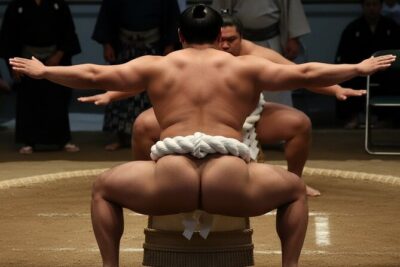 ★ 5.0Tokyo Shinjuku Sumo Show & Experience with PhotoFrom $791,750 reviews
 ★ 4.8Sumo Show and Experience in ShinjukuFrom $691,001 reviews
 ★ 4.6Sumo Tournament Tour with Chair Seat TicketsFrom $141753 reviews
 ★ 4.5Sumo Show & Experience w/ Optional Kimono & Hot PotFrom $77609 reviews
 ★ 5.0Authentic Sumo Experience in Tokyo: Enter the SanctuaryFrom $171603 reviews
Filed on these lists too