
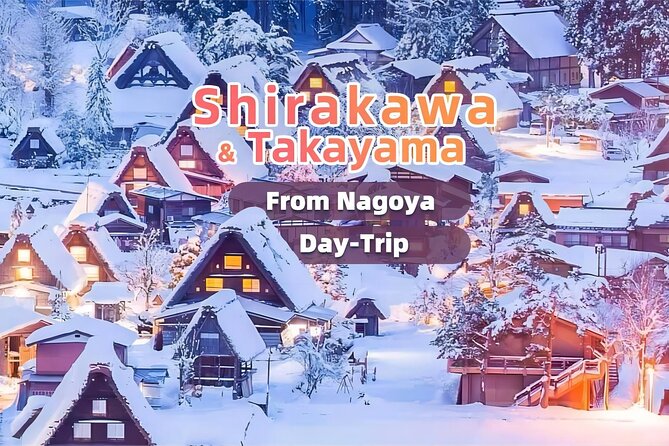
REVIEW · TAKAYAMA, HIDA AND SHIRAKAWA-GO
Nagoya: 2026 Hida Takayama Shirakawa-go Light-up Winter Tour
A winter trip to the mountains changes your day fast. This one pairs Edo-style Takayama street wandering with the UNESCO magic of Shirakawa-go light-ups when conditions and dates line up. You get a smooth plan from Nagoya, plus the kind of rural scenery that feels far away from city life.
I especially like how the morning starts at Miyagawa Morning Market, where you can snack your way through local flavor before you even think about taking photos. I also like the structure of the day, two focused stretches of time in the big sights, with a guide helping you make sense of what you’re looking at.
One heads-up: this tour can include a language mix, and a few previous groups reported the narration jumping between English and Chinese. If you need one language only, I’d pay attention to how your specific departure is handled.
In This Review
- Key highlights to know before you go
- A 10-hour winter day from Nagoya, with real value for your yen
- Miyagawa Morning Market in Hida Takayama: snack-first, then shop
- The Edo-style streets of Takayama: use your free time like a local
- Shirakawa-go UNESCO and the Shiroyama Observation Deck: snow views you can’t fake
- Rakuto café and the ONE PIECE connection: a cozy break between photos
- Winter Illumination dates, and the Plan B when roads close
- Price and guide style at $176: what you’re really buying
- Who should book, and who should book with caution
- Should you book this Nagoya to Takayama and Shirakawa-go winter light-up tour?
- FAQ
- What time does the tour start from Nagoya Station?
- How long is the Nagoya to Takayama and Shirakawa-go day trip?
- Where does the tour end?
- Is the Winter Illumination included?
- What happens if Shirakawa-go cannot be reached due to weather?
- What’s included in the price?
Key highlights to know before you go

- Miyagawa Morning Market first, then UNESCO snow scenery later, so your day has a natural rhythm
- Shirakawa-go gassho farmhouses with steep thatched roofs, plus a view from Shiroyama Observation Deck
- Winter Illumination on select dates like Jan 25 and Feb 1, for a rare nighttime glow
- Rakuto café inside a gassho-style setting, including red bean porridge and dango
- Weather contingency: if Shirakawa-go access is blocked, the plan swaps in Gujo Hachiman
- Small-ish group cap at 25 travelers, which usually keeps things easier to manage
Old-town Hida and the thatched valley, other versions
- From Nagoya: Gujo, Hida Takayama, and Shirakawa-go Day Tour
★ 4.4 · 398 reviews - From Nagoya: Hida Takayama & Shirakawa-go Tour w/Opt. Lunch
★ 4.5 · 256 reviews - Shirakawago & Takayama Bus Tour from Nagoya w/Optional Lunch
★ 4.5 · 37 reviews - Day Trip for Shirakawago ,Takayama & gujo hachiman from Nagoya
★ 4.0 · 28 reviews
A 10-hour winter day from Nagoya, with real value for your yen
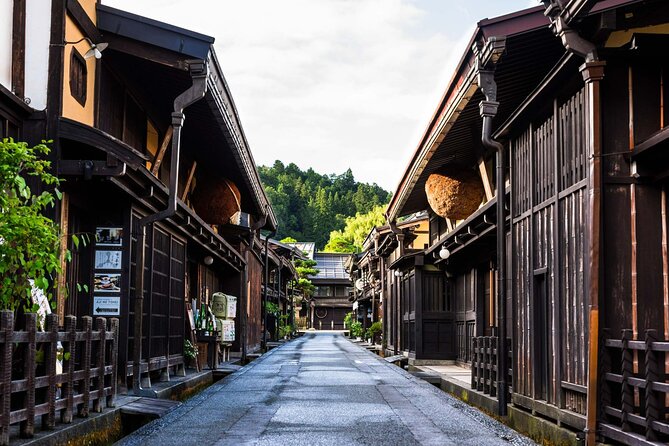
This is a long day, about 10 hours (approx.), built around two major targets: Hida Takayama and Shirakawa-go. The price is listed at $176, and you’re paying for more than seats on a bus. You’re also getting an air-conditioned vehicle, fuel surcharge, gratuities, and an English tour guide, plus a day plan that connects the most time-sensitive sights.
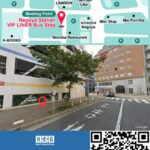
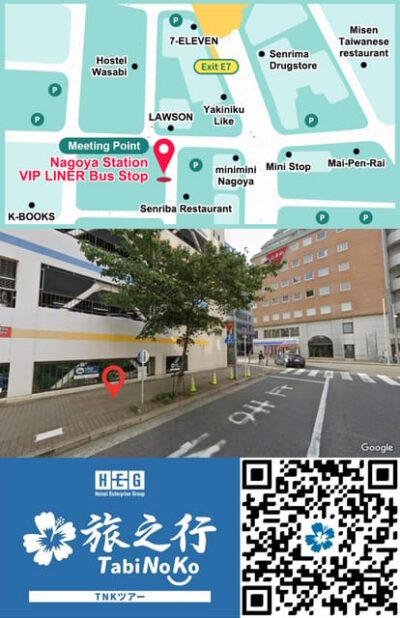
The tour starts at 8:30 am at Nagoya Station, Taikodoriguchi, 6 Tsubakicho, Nakamura Ward. It ends back at the same meeting point, which matters in winter when you do not want to think about last-train timing or transfers. The use of a mobile ticket is also a practical plus if you are already traveling light.
One thing to set your expectations on: you’ll have time to explore on your own at each stop. That can be a plus, especially in winter when you’ll want to linger where the views are best, but it does mean the guide time is not nonstop. The best approach is to listen during the bus introductions, then use your on-site time to move at your own pace.
Group size is capped at 25 travelers. In a day trip like this, that’s the sweet spot where you can still find room to breathe between photo stops and snack runs.
Miyagawa Morning Market in Hida Takayama: snack-first, then shop
Your first major stop is Hida-Takayama Miyagawa Morning Market, and it’s a smart way to begin. Markets are where you get the textures of a place right away: steam rising from food, people moving with purpose, vendors selling crafts and seasonal products, and the kind of local buzz that makes even a short walk feel productive.
You’ll typically have around 2 hours here. What I like is that Miyagawa is not just about shopping. It’s about fueling your day, and winter road trips are better when you start with something warm and filling. Common hits include Hida beef skewers and dango, and you’ll also see fresh produce and handmade items.
If you want a sit-down option, the tour data includes specific restaurant leads:
- Ajizo Heaven: focuses on Hida beef and offers platter-style meals. Address listed as 4-147 Huali, Takayama City.
- Maruaki Hida Takayama Store: known for Hida beef barbecue, address listed as 6-8-1, (Takayama City).
Because food and drinks are not included, this is where you make your money count. I’d plan on budgeting for one main meal plus a snack or two. If you eat lightly early, you might regret it later when Shirakawa-go gets cold fast after dusk.
The market also helps you get oriented before you shift into the historical walking mode in Takayama. You arrive hungry, leave with local flavor in your head, then start noticing details in the streets.
The Edo-style streets of Takayama: use your free time like a local
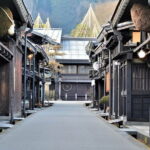
Takayama is often nicknamed Hida’s Little Kyoto, and the reason is pretty straightforward: you’re walking through preserved Edo-period character and traditional lanes. Even if you only have a couple hours before heading onward, the vibe is different from modern city streets.
Your on-site time is not described as a nonstop guided walk. Instead, you’ll be given direction and recommendations, then you explore. That’s ideal for winter, because conditions change fast. If the best photo angles have you stepping away from the crowd, you’ll want the freedom to do it.
When you’re out in the preserved streets, think in small goals:
- Find one or two storefront streets where you can duck into snacks and warm drinks.
- Walk slowly until you spot repeating details like wooden facades and old-style street layouts.
- Pause, then turn back toward where the bus will collect you.
This is also a good moment to plan your souvenir strategy. If you buy crafts or food items, doing it early means fewer stress moments later when you’re rushing to observation spots.
Practical winter note: wear shoes you can walk in on uneven pavement and packed snow. You do not want to spend Takayama time fighting your footing.
Central Japan, beyond the obvious stop
- Nagoya Highlight Tour guided by a friendly local★ 5.0 · 86 reviews
- Nagoya: Japanese Traditional Sweets making and Tea Ceremony★ 4.9 · 76 reviews
- Magome-juku, Tsumago-juku & Ena-kyo 1d Bus Tour from Nagoya★ 4.6 · 75 reviews
- Ise’s Sacred Shrines and Captivating Coastlines – From Nagoya★ 5.0 · 45 reviews
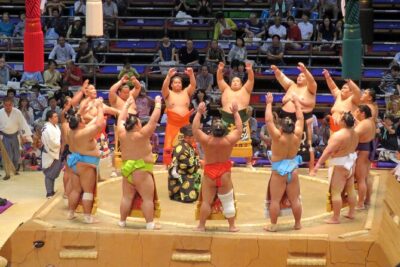
- Nagoya: Grand Sumo Tournament Tour★ 4.8 · 44 reviews
Shirakawa-go UNESCO and the Shiroyama Observation Deck: snow views you can’t fake
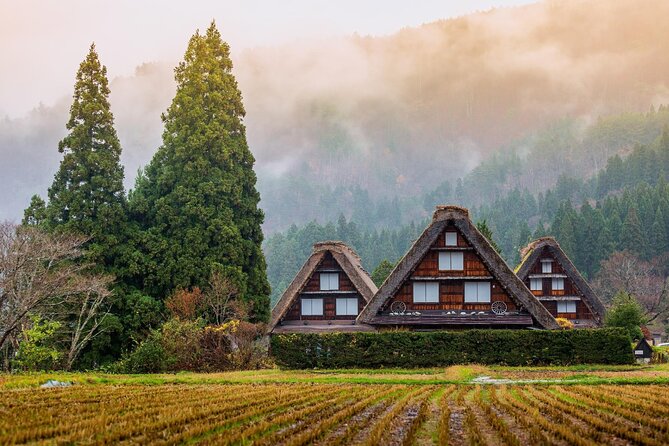
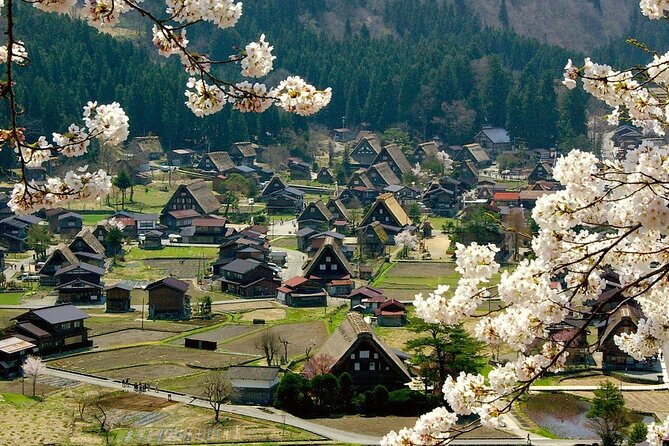
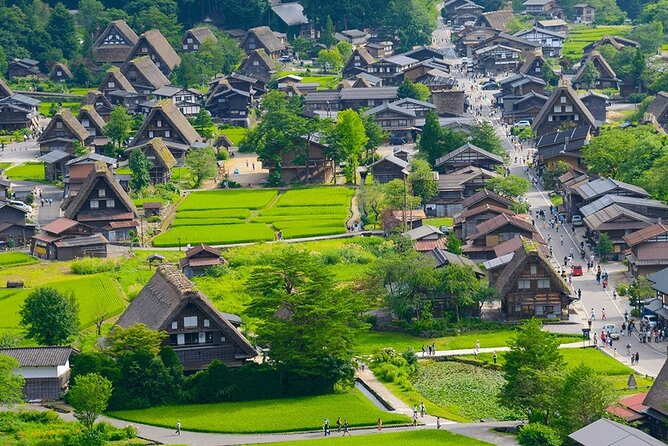
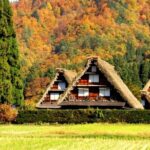
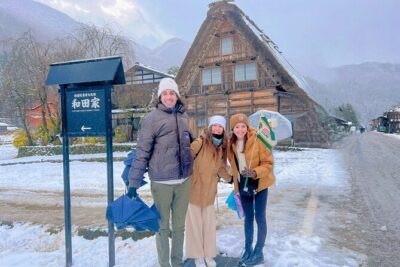
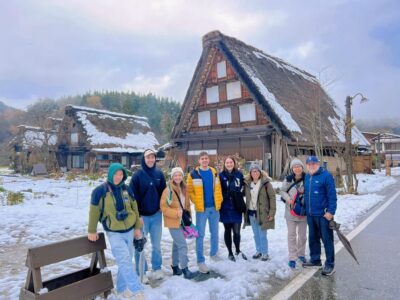
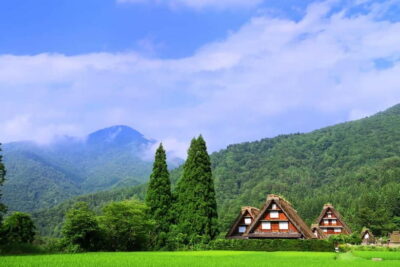
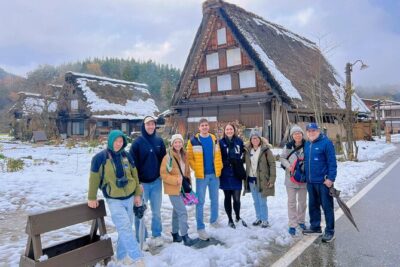
Then comes the star: Shirakawa-go, a UNESCO World Heritage village famous for gassho-zukuri farmhouses. The big visual cue is the steep thatched roofs, built to handle heavy snowfall. Even in daylight, those roofs look like they belong in a storybook.
You’ll have about 2 hours in this part of the day, which is tight in a good way. It’s long enough to see the village, take photos from key angles, and then still recover with a warm drink. The tour also includes a trip to Shiroyama Observation Deck, where you can catch dramatic snow-capped Hakusan Mountains in the background, depending on weather and visibility.
The time window matters. If you go on select winter dates, you also get the Shirakawa-go Winter Illumination. The data lists examples like Jan 25 and Feb 1, which tells you the light-up schedule is seasonal and limited. If you are traveling specifically for the nighttime glow, pick your date carefully, because the village may still be beautiful even without the full light program.
A realistic tip: in winter, cold and fatigue stack up. Don’t try to sprint through everything. The observation deck moment is one of those experiences where you’ll get more enjoyment by slowing down, watching the roofs and snow lines, then moving on.
Rakuto café and the ONE PIECE connection: a cozy break between photos
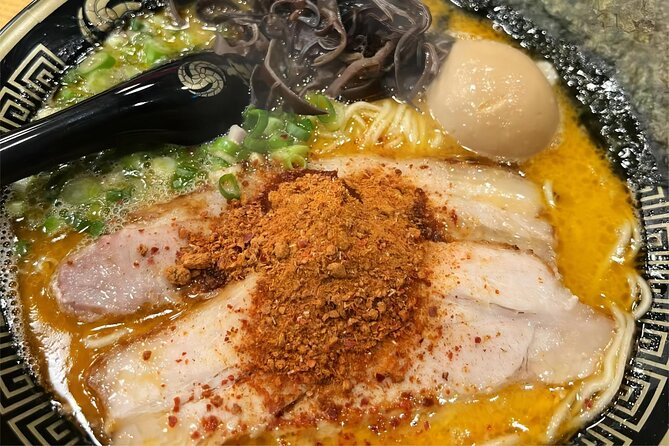
After you’ve worked up an appetite (and often a chill), the tour includes a stop at Rakuto, described as a gassho-style café featured in the manga ONE PIECE. That’s a fun cross-over for fans, but even if you are not, it’s still a practical break.
The recommended order includes red bean porridge and dango, and you’ll be doing this between major sight moments, so it works as a reset. One big advantage of a pre-selected café stop in winter is that you avoid spending your limited time hunting for a warm place to sit.
Because the tour lists admission for the stop as free, the value is in getting you to an easy-to-find warmth source without extra planning.
I’d treat this as your “catch up on yourself” moment. Use it to warm your hands, check your photos, and decide what to prioritize in the remaining time in Shirakawa-go.
Winter Illumination dates, and the Plan B when roads close
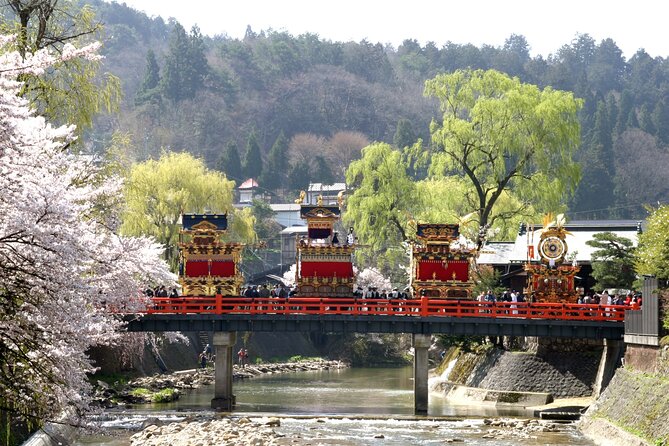
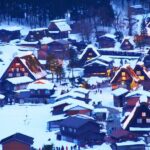
This is the part that turns a nice day trip into a special one: winter illumination. On select dates, you’ll see the village transform as dusk approaches and the thatched roofs glow softly against the night sky. The provided examples include Jan 25 and Feb 1, and that detail is important because these events are not daily.
Weather can also change everything. The tour notes that if Shirakawa-go is blocked due to severe weather or road closures, the destination will be replaced with Gujo Hachiman to keep the day running. That’s a big deal for winter logistics. Instead of losing the day to delays, you still get a workable rural substitute.
My advice is simple: keep your plan flexible. If your date is one of the scheduled illumination nights, great. If you get Plan B, focus on what you can still enjoy, such as traditional architecture and winter atmosphere, rather than treating the swap as a failure.
In winter, the best mindset is to see the itinerary as a framework, not a guarantee.
Price and guide style at $176: what you’re really buying
At $176 for a roughly 10-hour day, you are paying for a bundle: transport from Nagoya, a guide, and organized access to the two biggest cultural stops plus seasonal lighting on certain dates. Included items like air-conditioned transport, fuel surcharge, and gratuities help prevent surprise add-ons.
The bigger “value question” is how your guide experience fits your language needs. The tour lists an English Tour Guide, but multiple accounts included in your source data suggest language switching can happen, with English and Chinese used in the same trip. There are also examples of guides named Amy, Jin, and Jane in different situations.
Here’s how I’d handle that if you care about English clarity:
- On booking, look for any notes that specify language delivery for your group.
- If you need English-only narration, confirm it directly before travel.
- During bus introductions, be ready for your best takeaways to come in short chunks.
On the plus side, a strong guide matters on days like this. When the pre-stop briefing is clear, you arrive knowing where to stand, what to look for, and where not to waste time. Some guides are also described as giving suggestions for shops and places to eat, and that’s genuinely useful in winter when choices feel smaller.
Finally, the tour includes free time for exploring. That means you get flexibility, but it also means you should do a little light prep before you go, like deciding what food you want at Miyagawa and what view you want most in Shirakawa-go.
Who should book, and who should book with caution
This tour is a great fit if you:
- Want two UNESCO-level cultural experiences in one day: Takayama and Shirakawa-go
- Like winter scenes and are aiming for that illumination timing on select dates
- Prefer having a guide for orientation, then freedom to wander
- Are traveling with a group size that stays under 25 travelers
You might want to think twice if:
- You need English-only narration all day and do not handle language switching well
- You dislike long days, since this is about 10 hours from the first departure at 8:30 am to returning to the meeting point
- You are very sensitive to weather-based changes, since Shirakawa-go may be swapped to Gujo Hachiman if roads close
If you are a solo traveler or a couple, this is still a good structure. You get guided context but you are not stuck in a rigid line the whole time.
If you are a family, you’ll need to consider that kids can get cold and restless on a winter schedule, though the tour data says most travelers can participate and notes to inform the operator for children 2 years old or younger.
Should you book this Nagoya to Takayama and Shirakawa-go winter light-up tour?
I’d book it if your priority is a focused winter day with Takayama’s preserved streets plus Shirakawa-go’s gassho farmhouses, especially if your travel date lines up with Jan 25 or Feb 1 for the light-up program. The price makes sense when you factor in transport from Nagoya, a guide, and a full itinerary that gets you to the key viewpoints like Shiroyama Observation Deck.
I would hesitate only if language is a dealbreaker for you. Since this tour can run with more than one language in the same group, confirm how your departure will handle English so you can enjoy the day rather than spend it mentally translating.
If you want a single-day hit of authentic winter Japan without extra planning stress, this tour is a strong contender.
FAQ
What time does the tour start from Nagoya Station?
The tour starts at 8:30 am from Nagoya Eki Taikodoriguchi 6 Tsubakicho, Nakamura Ward, Nagoya.
How long is the Nagoya to Takayama and Shirakawa-go day trip?
The duration is listed as about 10 hours.
Where does the tour end?
The tour ends back at the same meeting point in Nagoya.
Is the Winter Illumination included?
The Shirakawa-go Winter Illumination is available on select winter dates, such as Jan 25 and Feb 1, based on the tour information.
What happens if Shirakawa-go cannot be reached due to weather?
If access to Shirakawa-go is blocked because of severe weather or road closures, the destination is replaced with Gujo Hachiman so the tour can still continue.
What’s included in the price?
The tour includes an air-conditioned vehicle, gratuities, fuel surcharge, and an English Tour Guide. Food and beverages are not included and are for you to purchase on your own.
Central Japan Beyond the Obvious


Hida Old Town and the Thatched Valley
Newest Nagoya write-ups from the Loving Japan desk

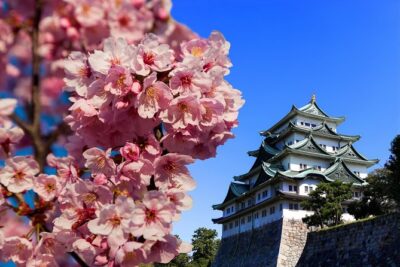
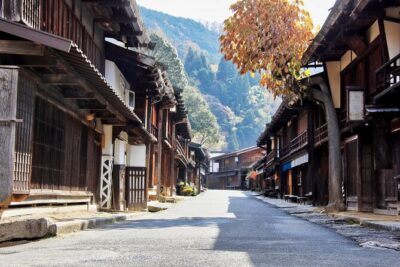
Takayama, Hida and Shirakawa-go, side by side.
 ★ 5.0World Heritage Shirakawa-go and Experience Tours from KanazawaFrom $1224,049 reviews
 ★ 4.9World Heritage Shirakawa-go Morning Guided TourFrom $77988 reviews
 ★ 4.4From Nagoya: Gujo, Hida Takayama, and Shirakawa-go Day TourFrom $61398 reviews
 ★ 4.9World Heritage Shirakawa-go & Two Local ExperienceFrom $116274 reviews
 ★ 4.5From Nagoya: Hida Takayama & Shirakawa-go Tour w/Opt. LunchFrom $61256 reviews
 ★ 4.51 Day Private Charter Tour to Shirakawa-go & TakayamaFrom $575253 reviews
 ★ 5.0[One-day bus tour departing from Kanazawa Station] Shirakawa-go and Gokayama – Two World Heritage Villages Enjoyable Bus TourFrom $88253 reviews
 ★ 5.0World Heritage Shirakawa-go Perfect Guided Tour from KanazawaFrom $81220 reviews
Filed on these lists too