
REVIEW · KYOTO TEA CEREMONIES AND MATCHA
Osaka: Japanese Traditional Sweets Making and Tea Ceremony
Osaka pairs tea with hands-on wagashi. In this 95-minute class, you shape seasonal Nerikiri and sip Uji matcha at a table near Higobashi. It is a creative workshop, not just a sit-and-watch cultural talk.
I especially like that the sweets you make start with Kyoto bean paste from long-established shops, so the flavor matches what you see in Japan’s wagashi world. I also like the pace: you get the Nerikiri work first, then you switch to tea, including a matcha grinding demonstration before you drink.
One consideration: the experience is Japanese-led. English translation is provided as much as possible, but if you need heavy English support, you should email ahead, and remember there is no elevator, so you will be doing stairs.
In This Review
- Key things to know before you go
- Nerikiri first, matcha after: how the 95 minutes really flow
- What you are making: Nerikiri, the seasonal wagashi with colored bean paste
- Uji matcha tea ceremony: from grinding demo to your own cup
- The quality factor: why Kyoto bean paste + matcha makes this feel worth it
- Who teaches, and why the vibe usually lands well
- Meeting point near stations in Osaka: find it before you start climbing stairs
- What is included, what costs extra, and what you actually leave with
- Timing tips: when to schedule this class in your Osaka day
- The balanced verdict: best for calm hands-on culture lovers
- Should you book this Osaka Nerikiri and matcha class?
- FAQ
- What exactly will I make during this experience?
- What kind of matcha is used?
- How long is the experience?
- What is included in the price?
- What is not included?
- Where is the meeting point?
- Is English translation guaranteed?
Key things to know before you go
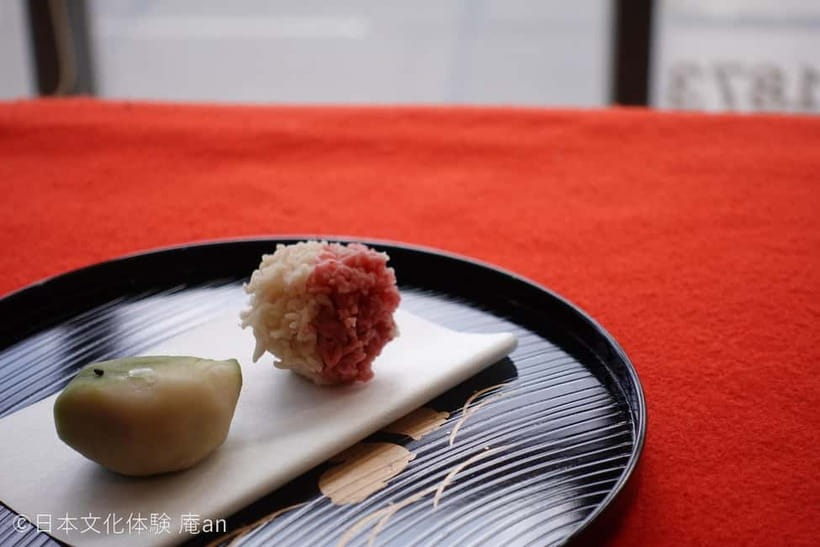
- Seasonal Nerikiri sweets (you make two): You color and shape bean paste into flower or fruit designs that match the season.
- Uji matcha plus grinding: You see matcha prepared the traditional way, then you get to enjoy your own cup.
- Kyoto-sourced bean paste: The white/red bean paste is described as produced by long-established Kyoto shops.
- Japanese-led, English support varies: Many instructors handle both languages well, but it is still primarily a Japanese class.
- Small, table-focused format: Several bookings describe small groups or even just two people, which can make Q&A easier.
- Costs for extras: Take-home sweets (100 JPY) and completion certificates (300 JPY) are not included.
Sit down somewhere quieter. Other tea rooms we booked
- Osaka: Tea Ceremony Experience
★ 4.9 · 1,426 reviews - Tea Ceremony Experience in Osaka Doutonbori
★ 5.0 · 754 reviews - Matcha Making Class in Osaka with Authentic Japanese Sweets Set
★ 5.0 · 509 reviews - Osaka: Matcha Making Experience with Japanese Sweets
★ 5.0 · 146 reviews
Nerikiri first, matcha after: how the 95 minutes really flow
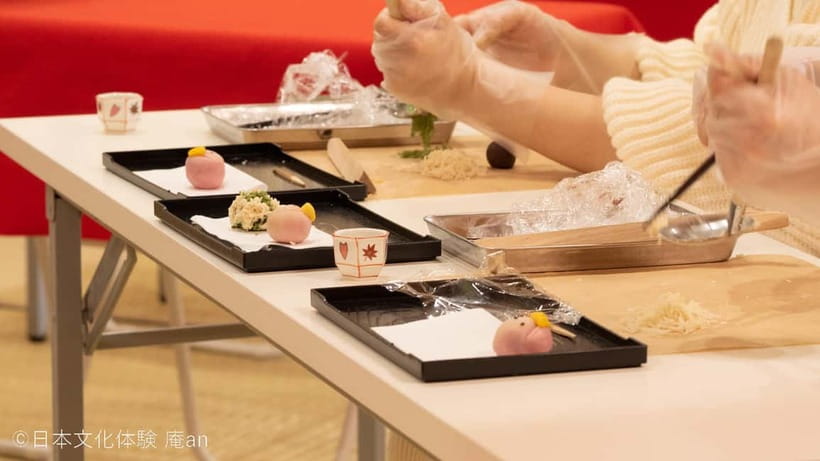
This is a short, well-timed class, about 95 minutes from start to finish. The structure matters because it keeps you from rushing. You begin with sweets, where your hands are the main tool, then you shift into tea, which is calmer and slower.
Here is the practical flow. First you get an explanation about Japanese traditional sweets. Then you start making your Nerikiri, a high-grade wagashi where colored bean paste is molded into seasonal shapes. After that sweets-making stretch, there is a break. You then move into tea: the matcha is prepared with a grinding demonstration, followed by a tea-ceremony experience. Finally, you eat and drink what you made, and you head out.
If you like doing things step-by-step, this format clicks. If you prefer a long ceremony with lots of formal movements, you might find it more workshop-style than theatrical. One class report described the matcha portion as more explanation and sipping than heavy hands-on practice, so it can feel lighter depending on the instructor and group.
What you are making: Nerikiri, the seasonal wagashi with colored bean paste
The star of the first half is Nerikiri. Think of it as a shaped, artful sweet, built from white/red bean paste tinted to create designs that look like seasonal flowers or fruit. The key detail for you is that you do not just assemble something simple. You color the bean paste and then craft it into your own sweet.
You will make two Japanese sweets. That alone is a good use of time for the price, because you leave with more than a single small bite. Also, the seasonal matching is not just a theme. The Nerikiri shapes are meant to reflect what is in season, so your sweets connect to Japan’s calendar rather than being generic “culture souvenirs.”
Expect a finesse-and-attention-to-detail vibe. Nerikiri is forgiving in the sense that you are learning, not performing. But it still asks you to slow down and handle paste carefully. In multiple accounts, instructors were patient, and that matters because Nerikiri can look easier than it is.
Uji matcha tea ceremony: from grinding demo to your own cup
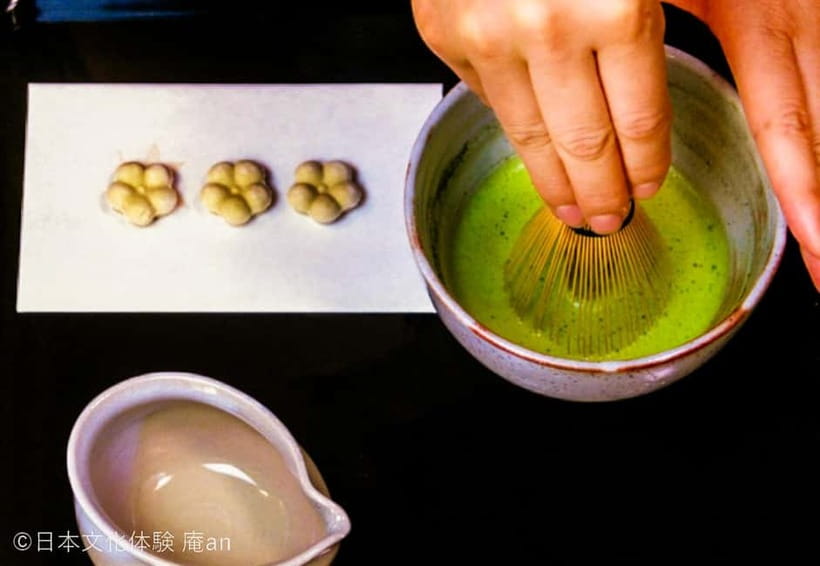
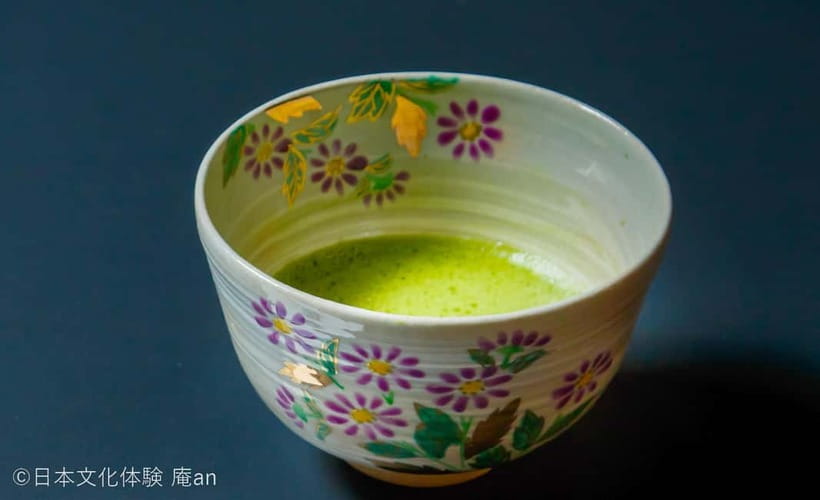
After the break, you switch gears to tea. The matcha used here is described as single-origin and Uji matcha. That matters because Uji is closely tied to Japan’s matcha tradition, and the class is built around this ingredient as a centerpiece, not a side note.
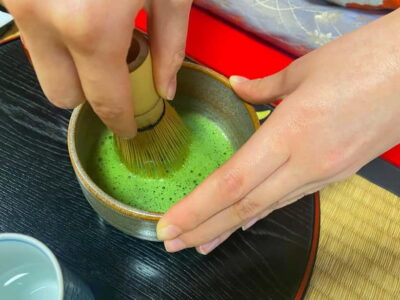
You will start with a matcha grinding demonstration. Seeing the preparation process helps your cup make more sense. Matcha is not instant powder magic. Grinding and preparation are part of why the taste and texture can feel different from what you might have tried abroad.
Then comes the tea-ceremony experience. Even if you are not going for a strict, formal etiquette performance, you will learn how to prepare and drink your matcha in a respectful way. Some reviews highlighted that participants asked questions and got clear answers about traditions, which is a big part of getting value out of a small group class.
In one report, the ceremony portion felt less like lots of practice and more like explanation plus enjoyment. That is still useful, especially if you want the cultural context without worrying about perfect technique.
- Osaka Go Karting Tour with Funny Costume★ 5.0 · 2,658 reviews
- Osaka Castle: Museum and Tower Entry Ticket★ 4.5 · 2,380 reviews
- Osaka: Shinsekai Food Tour with 13-15 Dishes at 5 Eateries★ 4.8 · 2,204 reviews
- Osaka Food Tour: 13 Dishes at 5 Local Eateries★ 5.0 · 2,149 reviews
- Hungry Osaka Street Food Tour:15 Tastings & 3 Drinks with a Local★ 5.0 · 1,727 reviews
The quality factor: why Kyoto bean paste + matcha makes this feel worth it
At $18 per person, value here comes from ingredient quality and what you actually do. Many bargain classes give you a few photos and a quick taste. This one gives you a real output: two sweets you shaped yourself, plus matcha you prepared and drank as part of the experience.
Two details help justify the cost:
- The class uses bean paste produced by Kyoto’s long-established shops. That kind of ingredient choice affects flavor balance, sweetness, and overall “wagashi quality,” not just appearance.
- You are using special Matcha described as single-origin. Matcha taste depends on origin and handling, and the class is built to let you experience that flavor directly.
You also get a clear taste logic: the sweetness of the high-quality bean paste is meant to balance the matcha. If you love Japanese desserts, this pairing is one of the reasons wagashi and tea feel like they belong together.
Who teaches, and why the vibe usually lands well
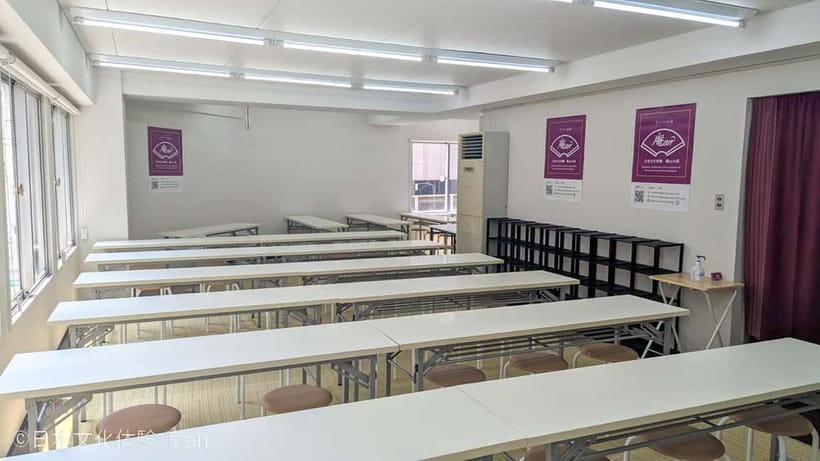
This is a Japanese culture experience with a Japanese instructor. English translation is provided as much as possible, and some instructors clearly bounce between languages when needed.
From the feedback:
- Maiko was described as cheerful and enthusiastic, with explanations in both Japanese and English.
- Jun was mentioned as patient, guiding participants with clear instructions.
- Mihiko appeared in one report, with strong support across Japanese and English.
Even when English is limited, the best sign is patience. Nerikiri shaping and matcha prep are hands-on tasks. If your instructor is calm and willing to repeat or clarify, you will enjoy the class much more.
One tip from real-world experience: if you care about English support, ask for it when booking. Some participants said they did not request English in advance and then felt the language barrier more. The staff may still help, but sending a request early can save you stress.
Meeting point near stations in Osaka: find it before you start climbing stairs
The location is very transit-friendly. You have several options depending on where you come from:
- 1 minute walk from Exit 10 of Osaka Metro Yotsubashi Line, Higobashi Station
- 5 minutes walk from Exit 7 of Keihan Nakanoshima Line, Watanabebashi Station
- 7 minutes walk from Exit 10 of Osaka Metro/Keihan Line, Yodoyabashi Station
- 10 minutes walk from Exit 11-5 of JR Tozai Line, Kitashinchi Station
- About 15 minutes walk from Osaka Station South Central Gate
For walking arrival, I suggest giving yourself a little extra buffer. One participant mentioned they got turned around because the building looked like a gray exterior and Google Maps did not surface it clearly. You have the Google map link and coordinates listed, but on foot, plan to arrive early, look for the correct entrance, and settle in.
Also, know this upfront: there is no elevator. You will take stairs to reach the venue areas.
What is included, what costs extra, and what you actually leave with
You are paying for the experience plus the use of required tools. That means your Nerikiri process and the tea part are covered, including the materials the class needs you to work with.
Not included:
- Take-out box for sweets: 100 JPY
- Experience completion certificate: 300 JPY
So if you want to pack sweets to share later, add the take-out box cost. If you like collecting certificates for activities, budget for that 300 JPY add-on.
What you leave with is the main point. You will eat the two Nerikiri sweets you made and drink your matcha. If you have ever bought wagashi and wondered what the real difference is between pretty and truly high-grade, this gives you a front-row seat to the ingredient quality and the careful shaping process.
Timing tips: when to schedule this class in your Osaka day
This class runs from 10:00 to 17:00. It is a good mid-morning or afternoon plan because it lasts 95 minutes, and it leaves you with enough time to keep exploring Osaka afterward.
Because you will be working with paste and then drinking tea, I like slotting it when you are not rushing to a timed reservation right afterward. You will need a little calm time for eating and cleanup at the end.
Also, think about temperature and season. Since the Nerikiri is designed to match the season, you might get extra enjoyment if you do it during a day when you are already noticing seasonal sights and foods around Osaka.
The balanced verdict: best for calm hands-on culture lovers
This experience fits best if you like practical learning. You will be using your hands for sweets and then learning how matcha transitions from preparation to taste.
You will likely enjoy it if:
- You want a desk-free activity with a real output
- You care about wagashi ingredients, not just photos
- You like tea culture and want the basics of Uji matcha preparation
You might think twice if:
- You need a fully English-led experience and cannot tolerate Japanese-first instruction
- You dislike stair access, since there is no elevator
- You want a long, highly formal tea ceremony with extensive guided practice
Price-wise, I think it is a solid deal for what you make and what you drink, especially because the ingredients are highlighted as Kyoto bean paste and Uji matcha. It feels like you are paying for guided craft, not just a tasting.
Should you book this Osaka Nerikiri and matcha class?
I would book it if you want a friendly, table-based introduction to Japanese sweets and tea, and you are okay with Japanese-led instruction where English support is “as much as possible.” The biggest reasons to say yes are simple: you make two Nerikiri with seasonal design work, you get matcha grinding explained, and you drink what you prepare.
Before you go, do two things to make it smoother. First, plan to arrive a bit early, because the building can be easy to miss. Second, if you want stronger English, request it when you book so the instructor can prepare for your needs.
If that sounds like your kind of Osaka afternoon, this is a well-priced cultural workshop that should leave you with both tasty souvenirs and a better understanding of how matcha and wagashi belong together.
FAQ
What exactly will I make during this experience?
You will make two Japanese sweets called Nerikiri, matching the season. The process includes coloring the white bean paste and shaping the sweets.
What kind of matcha is used?
The class uses Uji matcha and describes it as single-origin special Matcha. You also see a matcha grinding demonstration.
How long is the experience?
The duration is 95 minutes, and the class includes sweets-making, a break, tea explanation, a grinding demonstration, and time to eat and drink.
What is included in the price?
The experience includes the activity itself and the use of required tools. You will eat and drink the sweets and matcha as part of the session.
What is not included?
A sweets take-out box costs 100 JPY, and an experience completion certificate costs 300 JPY.
Where is the meeting point?
It is near several stations, including a 1-minute walk from Exit 10 of Higobashi Station and other nearby options like Watanabebashi, Yodoyabashi, and Kitashinchi. The coordinates and a Google map link are provided.
Is English translation guaranteed?
English translation is provided as much as possible, but the experience is described as mainly Japanese. If you want added English translation, you are asked to contact the organizers.
Kyoto by the Bowl
Newest Osaka write-ups from the Loving Japan desk

Kyoto Tea Ceremonies and Matcha, side by side.
 ★ 4.9Tea Ceremony in a Traditional Tea House in KiyomizuFrom $493,519 reviews
 ★ 4.9Tea Ceremony Ju-An at Jotokuji TempleFrom $293,207 reviews
 ★ 4.345-Minute Tea Ceremony Lesson ExperienceFrom $222,378 reviews
 ★ 5.0World Heritage Kyoto & Nara Uji Authentic Matcha ExperienceFrom $1291,573 reviews
 ★ 4.9Tea Ceremony ExperienceFrom $251,426 reviews
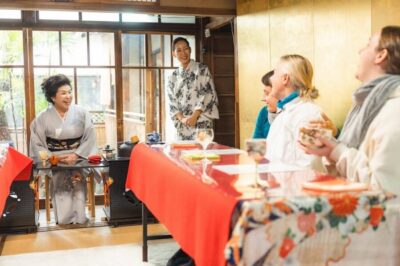 ★ 4.9Table-Style Tea Ceremony at a Kyo-MachiyaFrom $451,211 reviews
 ★ 4.8Kenrokuen Tea Ceremony ExperienceFrom $351,139 reviews
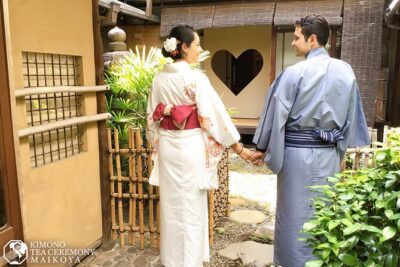 ★ 5.0Kimono Tea Ceremony at Kyoto Maikoya, NISHIKIFrom $65911 reviews
Filed on these lists too