
REVIEW · NARA DEER PARK AND TODAI-JI
Osaka/Kyoto: Arashiyama, Nara Park, Fushimi Shrine Tour
Three icons, one long day in Japan. I like the Fushimi Inari red torii walk and the Nara deer encounter, both big, photo-ready moments that still feel distinctly Japanese. The tradeoff is that this is a schedule-driven day with mostly self-guided time, so you need to be prompt and efficient.
What makes this tour especially workable is the day’s flow: morning Arashiyama, early afternoon Nara, late afternoon Fushimi Inari, then back to Kyoto or Osaka. I also appreciate the practical support, with a guide onboard and staff who can help at the meeting point, though the tour is mainly conducted in Chinese, and English or Korean support is not guaranteed.
In This Review
- Key takeaways before you go
- Osaka to Kyoto to Arashiyama, then Nara and Fushimi Inari
- Arashiyama bamboo forest trails and Togetsukyo Bridge in the morning
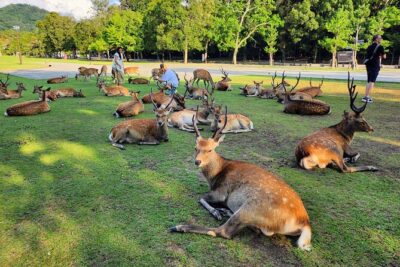
- Nara Park and the deer encounter, 80 minutes of big energy
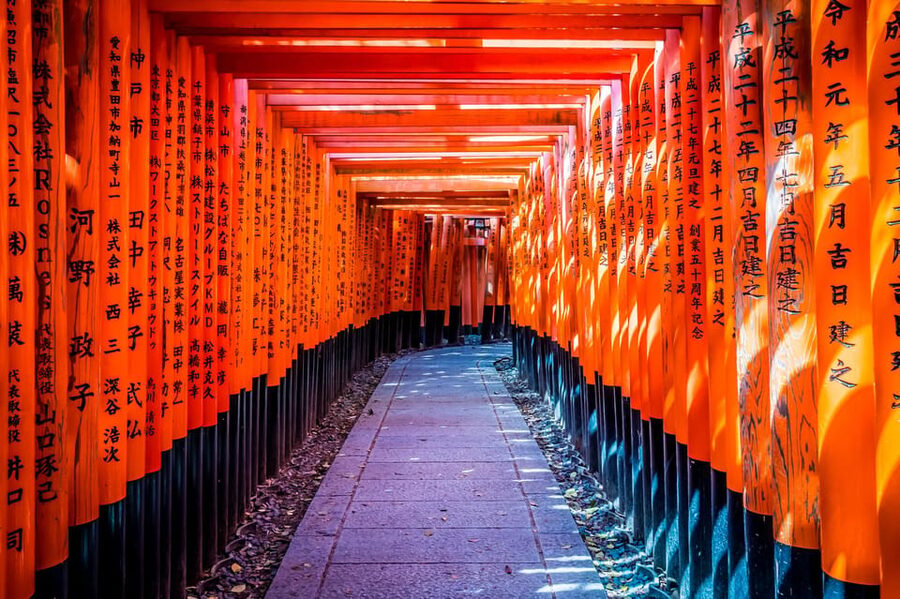
- Fushimi Inari Taisha and the 10,000 red torii gates in 1.5 hours
- Price and value: $51 for transport, tolls, parking, and a guided day
- Language, guide support, and what you should count on
- Pacing and logistics: when 10 hours can feel like a long coach ride
- Who this Osaka-Kyoto-Nara day tour is best for
- Final call: should you book this one?
- FAQ
- How long is the tour?
- Where can I start the tour, Osaka or Kyoto?
- What stops are included, and how much time do I get at each?
- Are meals included in the price?
- What languages will the guide speak?
- Will the guide contact me before the tour?
- Is food allowed in the vehicle?
- Can I cancel and get a full refund?
Key takeaways before you go
- Arashiyama early start: fresh air in the morning and classic views from Togetsukyo Bridge, plus bamboo forest trails
- Nara Deer Park, deer with legend-level status: over 1,000 freely roaming deer near Kasuga Taisha, with a history of more than 1,300 years
- Fushimi Inari’s 10,000 red torii gate walk: the Inari shrine complex tied to about 30,000 Inari shrines across Japan
- Clear time blocks, mostly free time: 2 hours in Arashiyama, 80 minutes in Nara Park, about 1.5 hours at Fushimi Inari Taisha
- Transport and site fees are handled: you’re paying for a day of coach travel plus tolls, parking, and fuel
- Language is the wildcard: the tour is mainly Chinese, but English and Korean-speaking staff may be arranged at booking time
Still in Arashiyama? Keep going west
- Sagano Romantic Train & Arashiyama, Kiyomizudera, Fushimi Inari Taisha Day Tour
★ 4.5 · 171 reviews - Full Day Kyoto Tour : Bamboo Forest, Golden Temple, Fushimi Inari
★ 5.0 · 84 reviews - Katsuo-ji Temple, Arashiyama Forest, & Nara Park
★ 4.0 · 37 reviews - Kyoto Highlights: Arashiyama & Fushimi Inari by Private Car
★ 5.0 · 35 reviews
Osaka to Kyoto to Arashiyama, then Nara and Fushimi Inari
This is a full 10-hour day that loops through Kyoto and Nara, with coach travel between stops. If you start in Osaka, you typically depart at 8:00 and return around 18:00. If you start in Kyoto, you typically depart at 9:20 and return around 17:00.
The order is built for efficiency: Arashiyama first, then Nara Park, then Fushimi Inari Taisha. That means you’re using the morning for greenery and bridge views, the middle of the day for deer and open park space, and the afternoon for the torii gates where timing can feel extra dramatic.
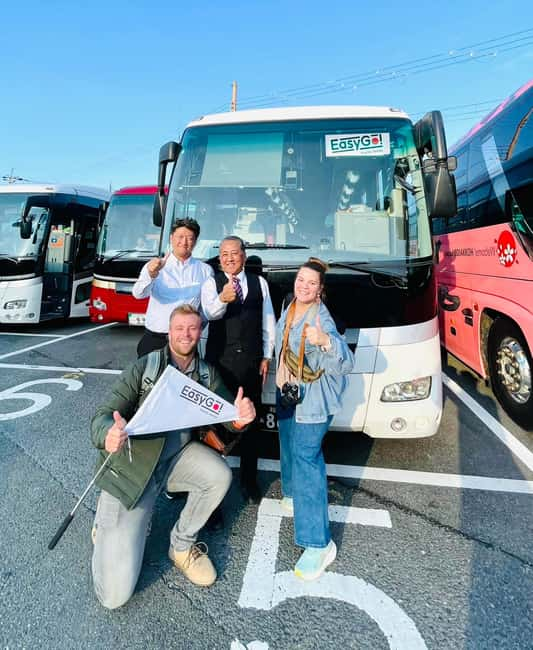
Meeting points can vary by option. One common Osaka meeting point is the Dotonbori area (1-chōme-1-3 Dōtonbori), and a common Kyoto meeting point is Kyoto Station Hachijo exit sightseeing bus stop (1-chōme-1-3 Dōtonbori is listed for the other option, so double-check your specific pickup point). Staff will wear an EASY GO vest or flag, and the guide does not contact you in advance, so show up and check in on time.
Arashiyama bamboo forest trails and Togetsukyo Bridge in the morning
Your Arashiyama window is about 2 hours of free time, self-guided. The tour starts this leg in the morning on purpose, because the air feels fresher and there are fewer people at that hour. You’ll also have the classic Togetsukyo Bridge view as the day begins to unfold.
This part of the day is where you get the green Kyoto feel, with bamboo forest trails and seasonal scenery. Even if you only scratch the surface in 2 hours, you’ll still get that signature Arashiyama contrast: river views and iconic bridge framing paired with bamboo paths that make you slow down.
Practical tip for this stop: because your time is limited and self-guided, decide quickly what you want most. If you care most about photos and landmark views, spend your first stretch near Togetsukyo Bridge. If you want walking time through bamboo trails, use most of the block on foot and keep your exit plan simple so you don’t feel rushed near the end.
Nara Park and the deer encounter, 80 minutes of big energy
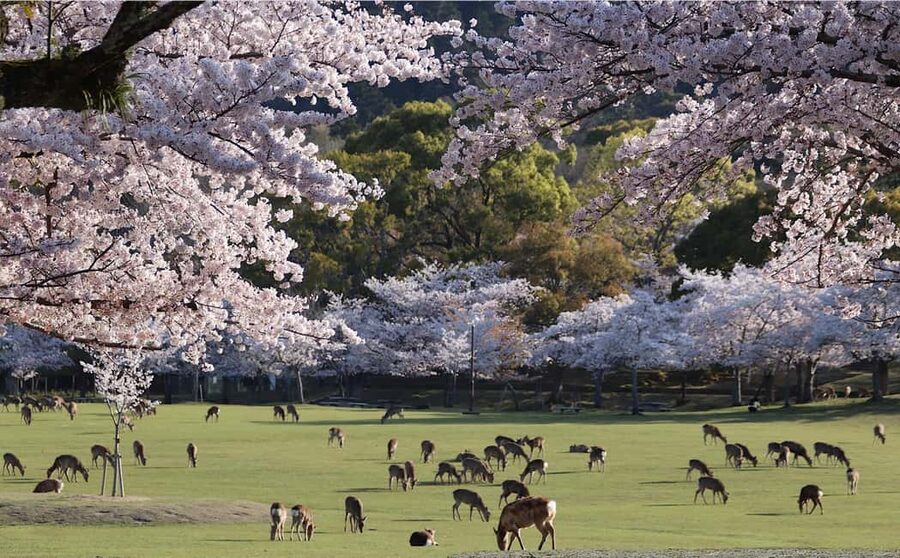
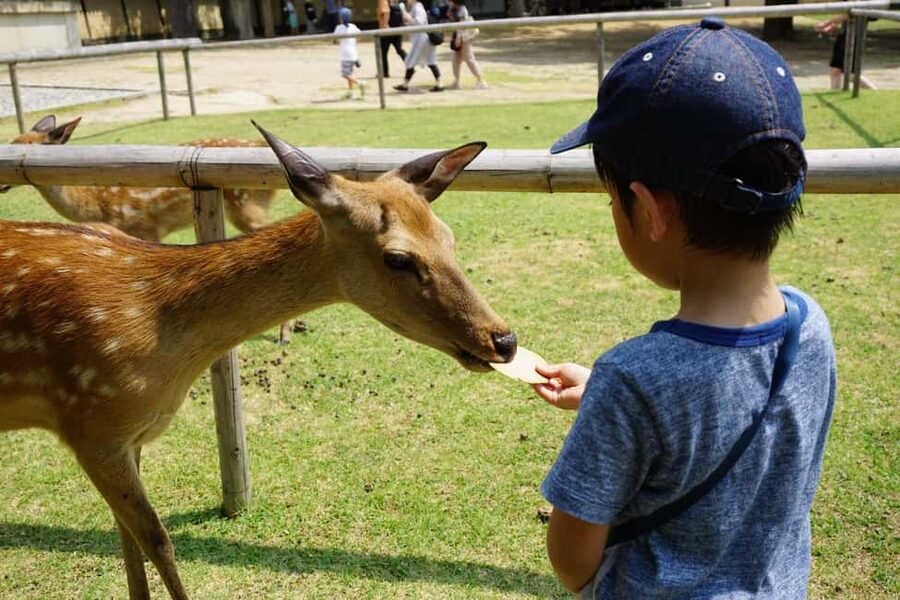
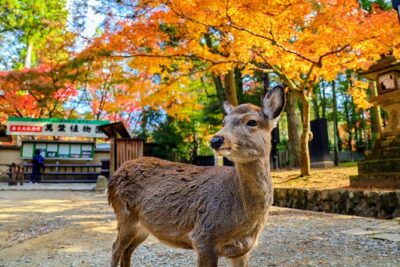
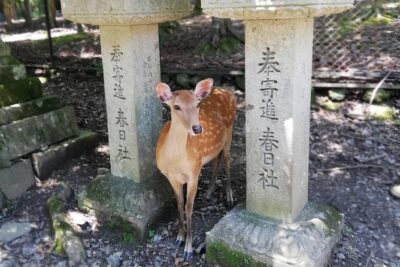
Next is Nara Park, with about 80 minutes for a self-guided visit. You’re not just in a random park, either. Nara Deer Park sits near Kasuga Taisha Shrine, and the deer are regarded as messengers of God.
The deer are a huge part of why Nara feels instantly different from Kyoto. The tour description also gives you the cultural backbone: the deer connection has been around for more than 1,300 years, and the deer are listed as a national natural monument. In other words, this is not just a cute wildlife moment, it’s a long-running relationship between place, people, and belief.
Why the timing matters: 80 minutes is enough to get your bearings, look around, and enjoy the open space without turning the day into a long slog. If you’re the type who wants to linger with zero pressure, this is the hardest stop to do that with. But if you’re traveling efficiently and you want the deer moment without burning half a day, this duration makes sense.
Which temple to give the morning to, reviewed
- Kyoto: Immersive Arashiyama & Fushimi Inari by Private Car★ 5.0 · 35 reviews
- From Osaka: Kyoto, Nara, Fushimi Inari & Arashiyama Day Tour★ 4.4 · 19 reviews
- From Osaka: Nara, Kiyomizu-dera & Fushimi Inari Trip★ 4.4 · 18 reviews
Fushimi Inari Taisha and the 10,000 red torii gates in 1.5 hours
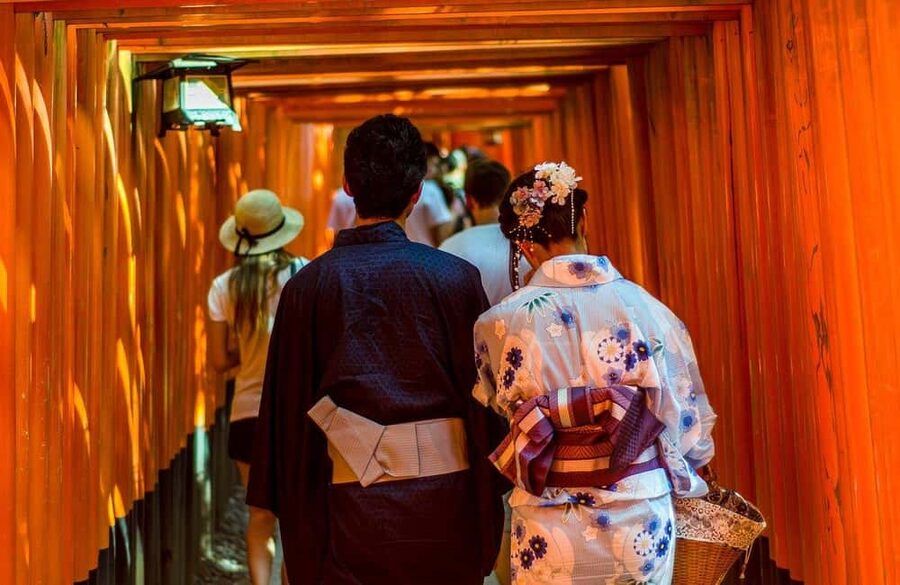
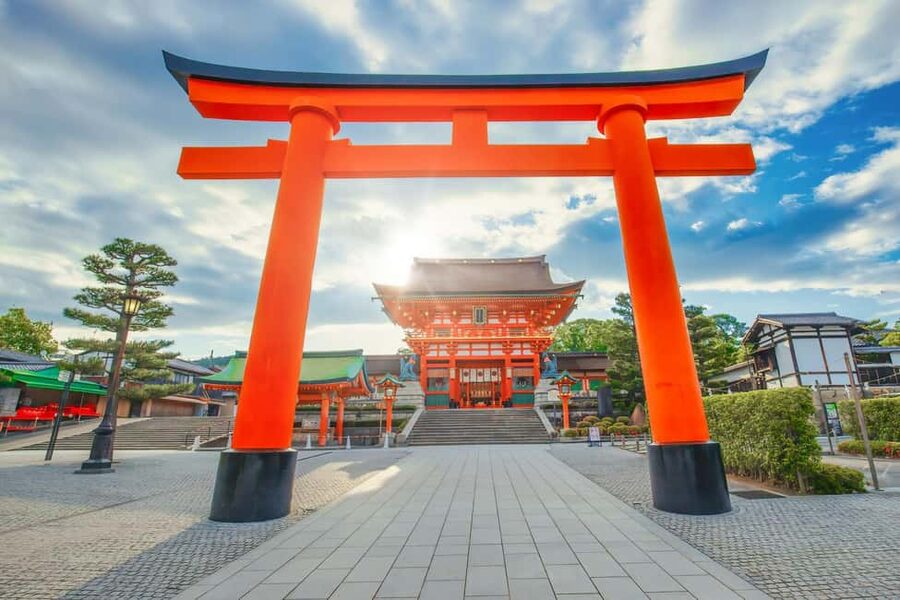
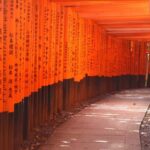
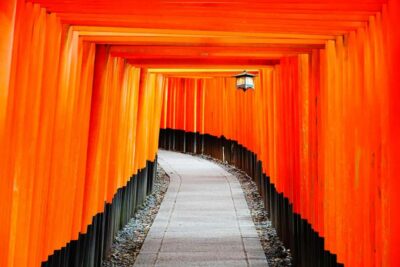
Fushimi Inari Taisha is the late-afternoon highlight, with about 1.5 hours for free time. The tour centers on the torii gate experience: walking through a spectacular stretch that’s described as the 10,000 red torii gates.
This shrine complex is also a scale machine. It’s the headquarters for about 30,000 Inari shrines in Japan, and it was founded in 711 AD. That combination matters because the site can feel different from a standard shrine visit. You’re walking through a sacred hillside zone called the Inariyama area, and the tour description frames it like stepping into another world.
How to use your time well here: commit to the vibe of walking rather than trying to do everything. With 1.5 hours, you can enjoy the torii tunnel effect, soak in the atmosphere, and still return before the group needs to head back. If you’re a photo-focused visitor, pick a couple of anchor angles early, then move forward slowly so you don’t spend your entire window waiting for the right shot.
Price and value: $51 for transport, tolls, parking, and a guided day
At $51 per person for a 10-hour day, the value mostly comes from what’s bundled. You’re getting transport, toll fees, parking fees, and fuel fees, plus a multilingual guide onboard. Meals and beverages are not included, so you’ll need to handle food on your own during the day.
Here’s the real value math: three major destinations in one day is hard to line up if you’re relying on separate train tickets and transfers, especially if you’re not traveling light. This tour does the logistics heavy lifting, then gives you limited but meaningful exploration time at each site.
The tradeoff is that you’re paying for efficiency, not a slow, deeply guided experience. Your stop times are fixed, and you’ll spend a noticeable chunk of the day on the coach. If you hate rushing, or if you want detailed commentary at each shrine and park, this format may feel a little fast.
One more pricing reality: the tour description notes it excludes professional guided commentary and offers only basic onboard commentary. In practice, that means you should treat the guide as a helper for where to go and what matters most, and treat your time at each stop as primarily your own exploration.
Language, guide support, and what you should count on
The tour is mainly conducted in Chinese. English and Korean-speaking staff may be available upon request at booking time, but availability is not guaranteed. The host or greeter coverage includes Chinese, English, Japanese, and Korean, and the staff can help at check-in.
In the reviews attached to this experience, I’ve seen a range of guide outcomes, which is worth respecting when you’re choosing. Some guides are praised for being kind, helpful, and for giving clear directions, including Levi, CC, and HuaHua. One unhappy booking described a problem with departure timing and difficulty getting support, naming a guide named Eric. That contrast tells me to be cautious about timing and expectations, not about the sites.
My practical advice if your main language is not Chinese: have a translation plan ready before you go. You don’t need to understand every word to follow the day, but you do want to understand the basics of when and where to meet again after free time.
Pacing and logistics: when 10 hours can feel like a long coach ride
This is a classic day-trip setup: a coach connects big sights, and the free time windows determine how much you actually enjoy each place. The time blocks are specific, and the tour can arrive early at the next stop or finish earlier due to closures or limited visiting hours. Traffic and weather can also cause changes.
Also note a small but important rule: food is not allowed in the vehicle. Since meals and beverages aren’t included, I suggest you plan for snacks or meals outside the bus window, and keep anything you eat for the walking parts of the day.
Another helpful planning detail: the driver can also serve as a guide with basic onboard commentary, especially in small groups. So even if you don’t get a full narration through each attraction, you should still expect some guidance on the overall flow.
One more reality check: the tour may include shared transportation with other international visitors. That usually just means you’ll have a mixed group experience and need to focus on your own check-in times.
Who this Osaka-Kyoto-Nara day tour is best for
This tour is a strong fit for you if:
- you want a first-timer-friendly sampler of Arashiyama, Nara Deer Park, and Fushimi Inari in one day
- you’re comfortable exploring on your own inside each attraction zone
- you value handled logistics, like transport and fees, more than deep on-site commentary
You may want to skip it if:
- you dislike tight time blocks and long travel days
- you expect professional guided commentary inside every stop
- you want guaranteed English or Korean interpretation throughout the day
If you’re traveling with kids, the fixed schedule can help you keep moving, but punctual check-in becomes extra important. The negative experience mentioned in the reviews also reinforces the idea that being early and checking in is non-negotiable.
Final call: should you book this one?
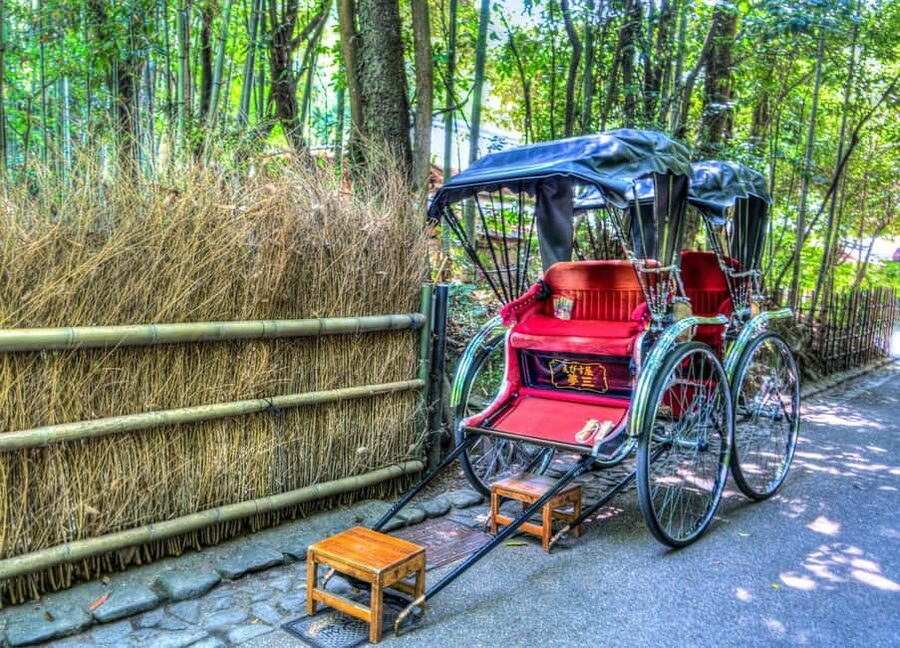
I’d book this tour if your top goal is to check off the big Osaka/Kyoto highlights without spending your day navigating transfers. The combination of Arashiyama greenery, Nara’s deer legend, and Fushimi Inari’s torii gates is exactly the kind of three-for-one day that makes Japan feel big and immediate.
But I wouldn’t book it if you want a slow, deeply guided tour with plenty of flexibility. This day is built for movement, and it runs on strict stop timing. If you can handle that, you’ll leave with a memorable set of iconic images and a smooth day of transportation done for you.
FAQ
How long is the tour?
The total duration is 10 hours.
Where can I start the tour, Osaka or Kyoto?
There are two starting options listed for meeting points: Kyoto Station Hachijo exit sightseeing bus stop, or the Dotonbori area (1-chōme-1-3 Dōtonbori). Meeting point can vary depending on the option booked.
What stops are included, and how much time do I get at each?
You visit Arashiyama (about 2 hours free time), Nara Park (about 80 minutes self-guided), and Fushimi Inari Taisha (about 1.5 hours free time).
Are meals included in the price?
No. Meals and beverages are not included.
What languages will the guide speak?
The tour is mainly conducted in Chinese. English and Korean-speaking staff may be available upon request at booking time, but language availability is not guaranteed.
Will the guide contact me before the tour?
The tour guide will not contact participants in advance. You should go directly to the meeting point and check in with staff wearing an EASY GO vest or flag.
Is food allowed in the vehicle?
No. Food in the vehicle is not allowed.
Can I cancel and get a full refund?
Yes. You can cancel up to 24 hours in advance for a full refund.
Which Kyoto Temple Gets Your Morning
Further Into Arashiyama
Newest Osaka write-ups from the Loving Japan desk



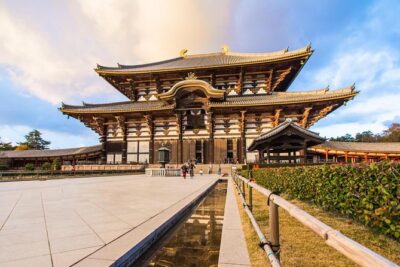
Nara Deer Park and Todai-ji, side by side.
 ★ 5.0World Heritage Kyoto & Nara Uji Authentic Matcha ExperienceFrom $1291,573 reviews
 ★ 4.7Kyoto/Osaka: Nara, Fushimi Inari Taisha, Arashiyama Bus TourFrom $521,275 reviews
 ★ 5.0Nara Half Day Trip Walking Tour (Private Option Available)From $105937 reviews
 ★ 4.4Osaka/Kyoto: Arashiyama, Nara & Fushimi Inari Shrine w/LunchFrom $61754 reviews
 ★ 5.0Nara Early Morning Tour (Kyoto or Osaka Departure Available)From $61676 reviews
 ★ 4.5Kyoto and Nara Day Trip from KyotoFrom $194445 reviews
 ★ 5.0Full Day Guided Tour to Kyoto and Nara from Osaka by VanFrom $106420 reviews
 ★ 4.5Nara Afternoon Tour from Kyoto or OsakaFrom $102390 reviews