
REVIEW · SAMURAI, NINJA AND SWORD EXPERIENCES
Osaka: Private Samurai Experience – Train with Sword Master
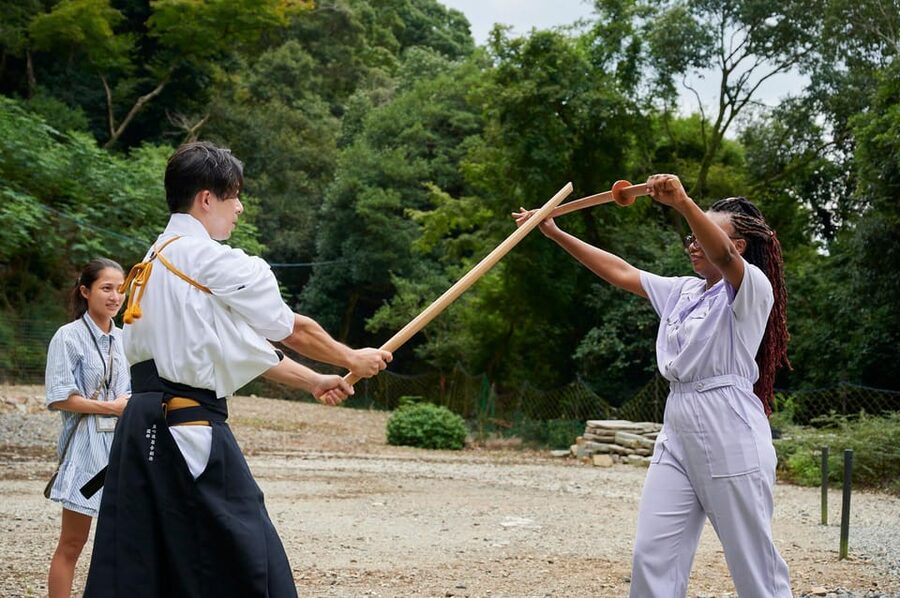
Sword practice in a temple you do not usually see. In Minoh near Osaka, you train privately with sword master Tatsuya Watanabe at Ryuan-ji, in areas normally closed to the public, and you also get a special performance created for this tour. It is part hands-on class, part cultural story, and it moves fast enough that the time feels well used.
I love that the lesson is guided by a man with serious lineage, not just a show. Watanabe’s path through classical schools like Yagyū Shinkage-ryu and Suishin-ryu, plus his role as soke (headmaster), shapes how he teaches technique and mindset, so it feels grounded, not theatrical.
One thing to keep in mind: this is 3 hours, not a multi-week training program. You will leave with fundamentals and focused corrections, not full mastery, so go in with the right expectations and comfortable clothes for active movement.
In This Review
- Key highlights
- Osaka Samurai Training at Ryuan-ji: Access You Usually Cannot Get
- Meeting Point in Minoh Station: How to Find Your Team Fast
- Who Teaches: Tatsuya Watanabe and the Why Behind His Methods
- The 90 Minutes at the Temple Grounds: Stories, Spiritual Meaning, and Focus
- Sword Master Training Time: What You Actually Practice and Why It Feels Different
- Wooden swords first, skill second
- Safety and etiquette
- The Tour-Exclusive Sword Performance: Watching Precision Up Close
- Translation and Group Format: Private, Guided, and Practical
- Pace is tight, so focus on the main corrections
- Price and Value: Is $158 Worth 3 Hours of Sword Training?
- Who Should Book This Samurai Experience in Osaka?
- Should You Book This Osaka Samurai Experience?
- FAQ
- Where do I meet for the Osaka samurai experience?
- How long is the experience?
- Is this experience private?
- What languages are available?
- Do we train in a restricted temple area?
- Will I practice with a sword?
- Is there a sword performance included?
- Who is the sword master?
- What does the tour cost?
- Is there a cancellation option and can I pay later?
Key highlights
- Ryuan-ji temple access in secluded areas that are normally closed to the public
- Training with sword master Tatsuya Watanabe, described as a former grandmaster and legitimate successor of Suishin-ryu
- A tour-exclusive sword performance that sets the tone at the start of the experience
- Hands-on practice in private grounds, using wooden training swords with direct coaching
- Interpreter support in English, Japanese, and French, so you get technique plus cultural context
Blade work and stagecraft, other sessions
- Samurai Training Experience KENDO in Osaka
★ 5.0 · 515 reviews - OSAKA NIGHT FUSION Japanese Taiko Kabuki Samurai Dance Show
★ 4.8 · 155 reviews - Osaka: Samurai Training Experience KENDO in Osaka
★ 5.0 · 111 reviews - Osaka: A Modern Samurai, Kabuki, Taiko, & Dance Show
★ 4.5 · 66 reviews
Osaka Samurai Training at Ryuan-ji: Access You Usually Cannot Get
This experience is all about place, because the setting changes how the training feels. Ryuan-ji Temple sits in the Minoh area, and for this program, the temple opens restricted spaces that are typically closed to most visitors. That matters. When you are training somewhere quiet and off the normal foot traffic, you naturally slow down and pay attention to form, breathing, and control.
The flow is simple and efficient: you meet in Minoh, then you head to the temple grounds, you get a guided orientation portion first, and then you move into your sword practice time. The whole thing is designed to fit into a half-day rhythm, without turning it into a rushed city hop.
Also, the day is built to connect physical technique to spiritual and historical meaning. The sword is taught as more than a weapon, it is treated like a disciplined practice with etiquette, focus, and mental steadiness.
Meeting Point in Minoh Station: How to Find Your Team Fast
You meet your guide in front of Minoh Station, and they hold a yellow sign with the DeepExperience logo. That little detail sounds basic, but it prevents the most common first-day chaos. In Japan, timing is usually tight, and you want to get moving toward Ryuan-ji without extra stress.
What I like about the setup is that you are not figuring anything out on your own. The program includes live guidance, and past bookings mention interpreters who handle English translation smoothly during the training portion, not just during the walk.
So your “job” is easy: arrive a few minutes early, find the yellow sign, and be ready to follow the group to the temple area.
Who Teaches: Tatsuya Watanabe and the Why Behind His Methods
The sword master for this tour is Tatsuya Watanabe. His background is not a vague résumé, it is tied to specific classical schools and a teaching role that comes with responsibility.
He started with kendo in his early teens, then moved into Yagyū Shinkage-ryu during university years. Later he trained across different lineages, including Suishin-ryu, and he was appointed soke in his twenties, described as unusually young for inheriting that headmaster role. That detail matters for your expectations. In his case, sword training is not a hobby. It is a lifetime structure built around technique and philosophy.
You will also hear how the sword tradition is meant to be carried forward. Watanabe is described as continuing daily training and working to preserve and deepen global understanding of Japanese sword culture through performances and hands-on programs abroad, plus producing cultural storytelling around traditional weaponry.
For you, the practical takeaway is this: when he corrects your posture or your striking line, he is not just talking mechanics. He is connecting it to a school’s approach to discipline, presence, and spirit.
- Osaka Go Karting Tour with Funny Costume★ 5.0 · 2,658 reviews
- Osaka Castle: Museum and Tower Entry Ticket★ 4.5 · 2,380 reviews
- Osaka: Shinsekai Food Tour with 13-15 Dishes at 5 Eateries★ 4.8 · 2,204 reviews
- Osaka Food Tour: 13 Dishes at 5 Local Eateries★ 5.0 · 2,149 reviews
- Hungry Osaka Street Food Tour:15 Tastings & 3 Drinks with a Local★ 5.0 · 1,727 reviews
The 90 Minutes at the Temple Grounds: Stories, Spiritual Meaning, and Focus
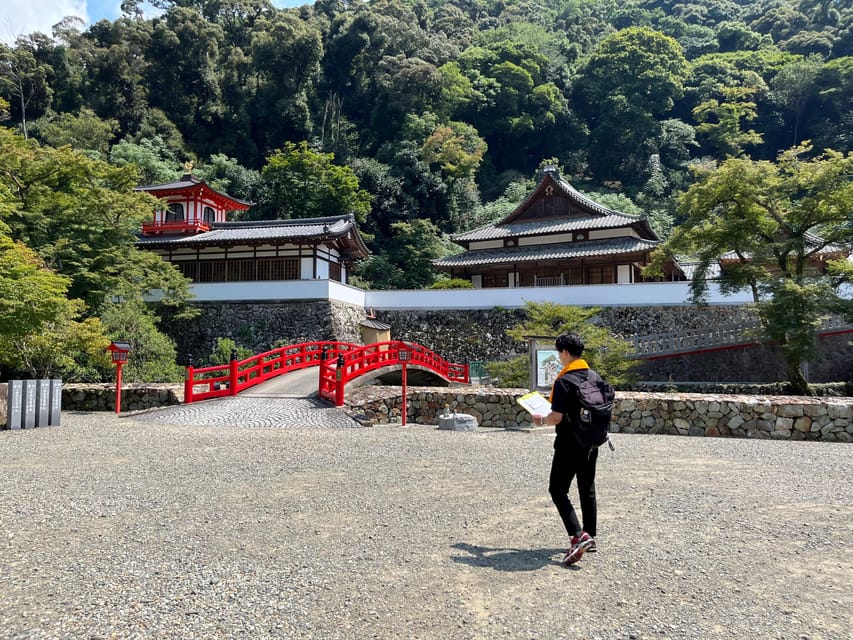
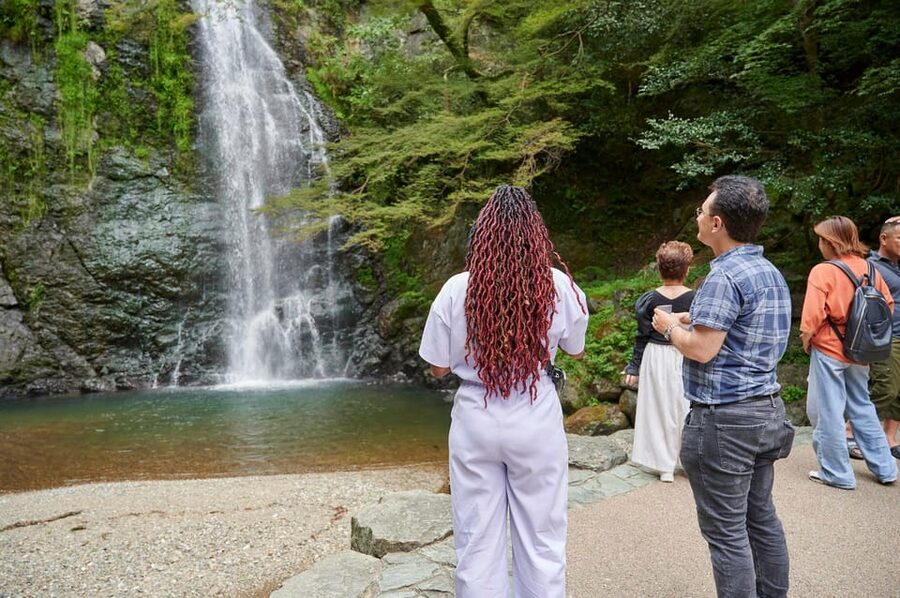
Your visit includes guided time around the temple and the surrounding area. Think of this portion as the mental warm-up. You are getting the setting, the atmosphere, and the meaning behind why the training happens here.
In one booking experience, the guide’s temple explanation was paired with walking up toward a restricted area, plus helpful context about the temple’s heritage. You also get a chance to see parts of the temple environment that standard sightseeing usually skips, and that gives your sword practice weight.
One highlight that shows up in bookings: participants sometimes get to see a temple house area with sword-related items, including a sword mentioned as dating to 1370. Again, you should treat that as “possible depending on what the day allows,” not a guarantee. But the pattern is clear: this program tries to connect you to objects and stories, not only to movement drills.
Even the way the guide supports you matters. There are multiple confirmed interpreter names across bookings, like Benoit (and the shortened Ben), plus Aimu and Claire in other sessions. Translation is not a small add-on here. It is part of making sure you understand why a technique is taught that way.
Sword Master Training Time: What You Actually Practice and Why It Feels Different
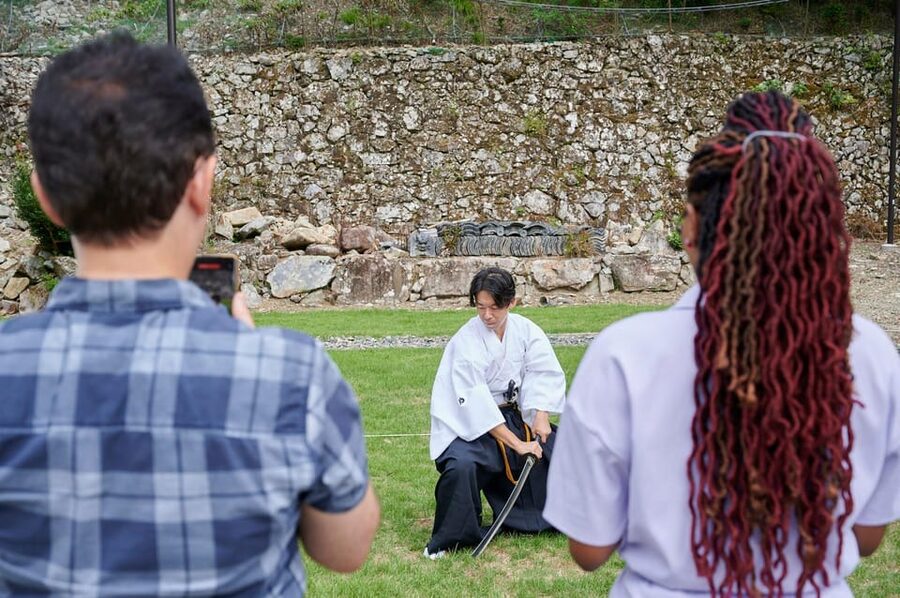
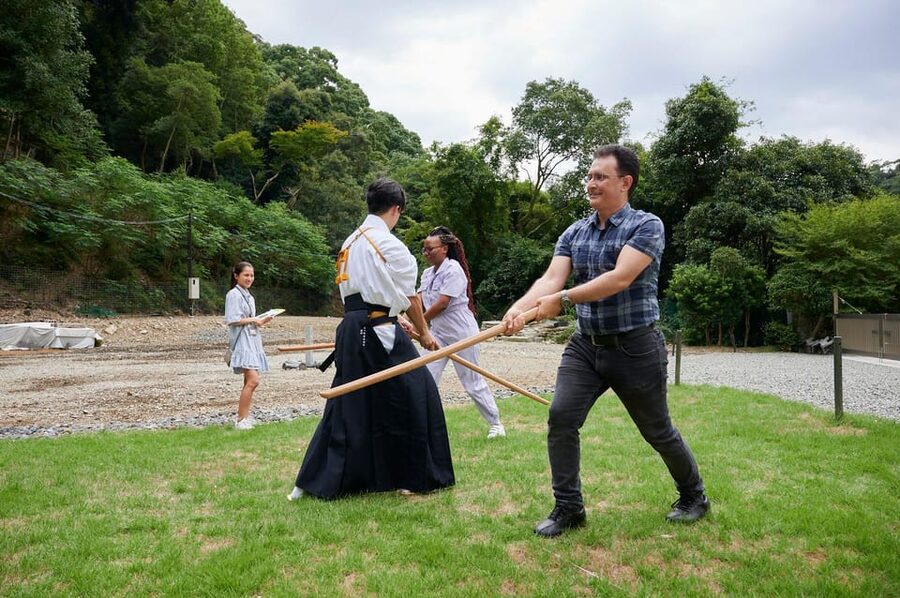
After the temple portion, you move into the private training ground. This is the heart of the experience, about 1.5 hours of instruction and practice. The space is restricted and closed to public access, so it feels like a real training session rather than a staged demonstration.
Most importantly, the class is hands-on. You are not only watching from a safe distance. You practice techniques with wooden training swords, and you get real-time coaching. Several bookings mention being given different tips to improve strikes, posture, or movement quality.
One key theme that comes through in the way the instruction is described: fluidity and the meditative side of sword movement. That may sound poetic, but it affects how you move. Instead of forcing big, flashy motions, the focus is on control, alignment, and calm repetition. If you have done any kendo basics before, you will recognize the “body and mind together” idea. If you have not, the clarity of one-on-one corrections can still make it click quickly.
Wooden swords first, skill second
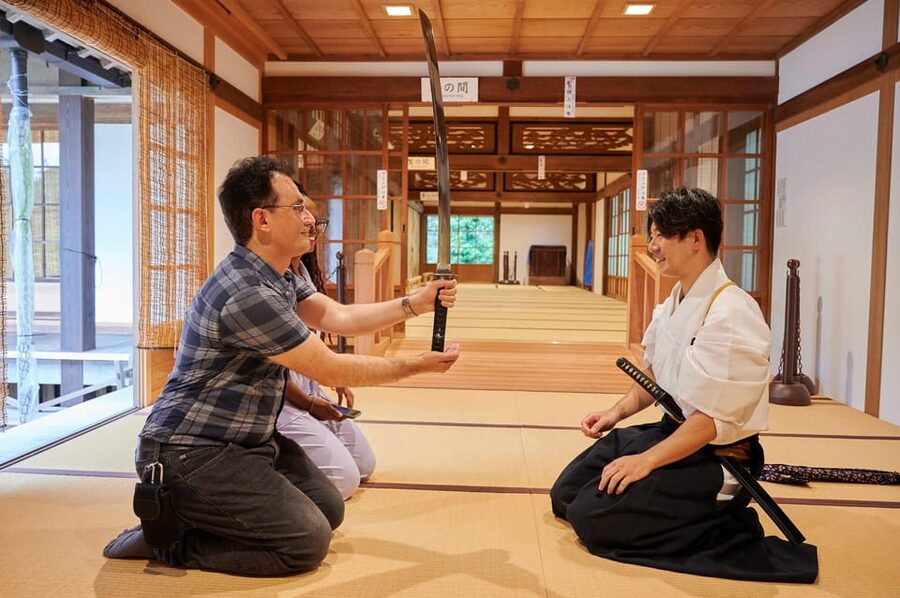
You should expect wooden swords for practice. In at least one booking, participants also mentioned progressing to real swords for handling and even a paper-cutting example. That is not something I would assume is included for every group. But it does show that some sessions can go beyond basic form work if the master decides the class is ready.
Either way, your goal is the same: absorb correction fast. This is a short class, so you will do best if you keep your attention on the master’s main points and do not get lost trying to perfect everything at once.
Safety and etiquette
The program’s “private training grounds” and “restricted access” setup helps set the tone. You are training under instruction, in a controlled area, and with a master who treats swordsmanship with discipline. Expect the session to be respectful and focused, not casual.
The Tour-Exclusive Sword Performance: Watching Precision Up Close

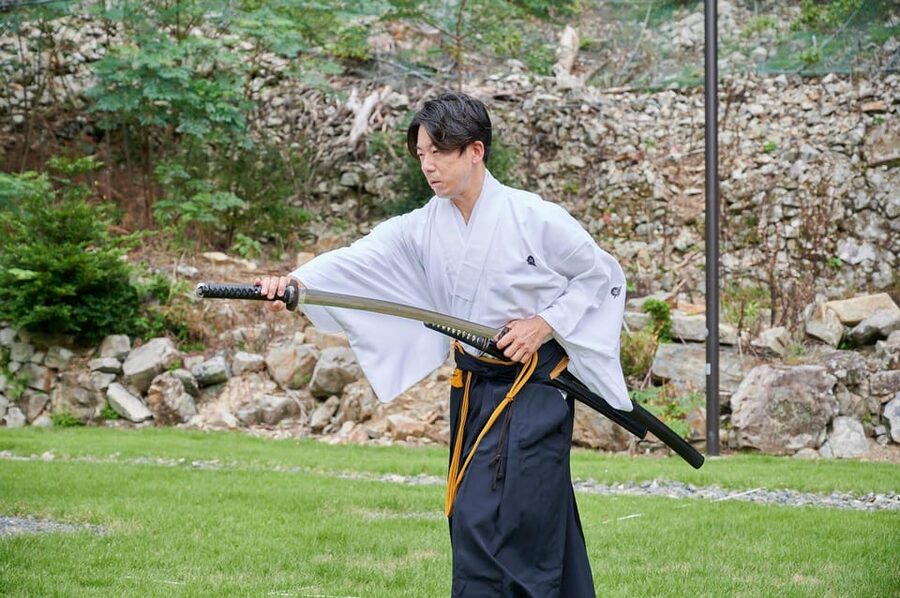
Before the training, you get a special sword performance that is exclusive to this tour. Many bookings describe it as inspiring and a direct way to set expectations for the rest of the class.
Why this matters for you: the performance gives you a visual model of what the training is trying to build. You see control, breath, and timing in motion, then you try to reproduce the feeling through practice.
It also builds the emotional context. Swordsmanship here is not just about how to hit something. It is about presence. One booking even described the master embodying the culture, and another pointed out how precision and control set the pace for the entire session.
So when you watch, do not treat it like entertainment. Treat it like a reference clip for what you are working toward in your own limited time.
Translation and Group Format: Private, Guided, and Practical
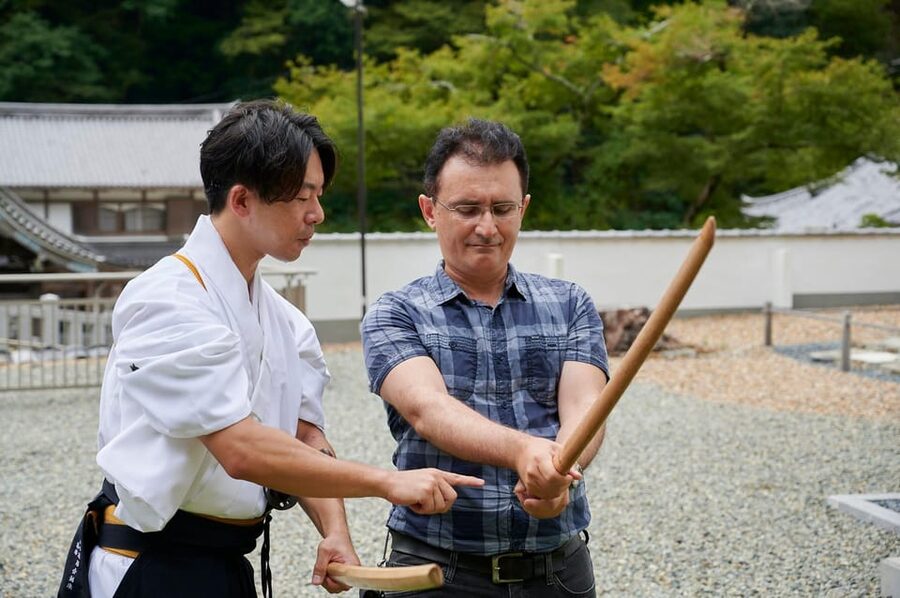
This is a private group experience. That typically means more attention from the guide and a better chance for your questions to land.
Language support is listed as English, Japanese, and French. In bookings, participants emphasized how helpful the interpreter was during training. In one example, English translation made the experience much easier because Watanabe San speaks Japanese. Even if you know a little Japanese, having clear translation for technique names and movement corrections makes a big difference.
Pace is tight, so focus on the main corrections
Because the experience is only 3 hours total, the instruction is compact. You will likely get short explanations and then immediate practice. That is a good thing. You get momentum. Just listen for the two or three biggest “fixes” the master repeats, because those are probably the levers that will improve your form fastest.
Price and Value: Is $158 Worth 3 Hours of Sword Training?
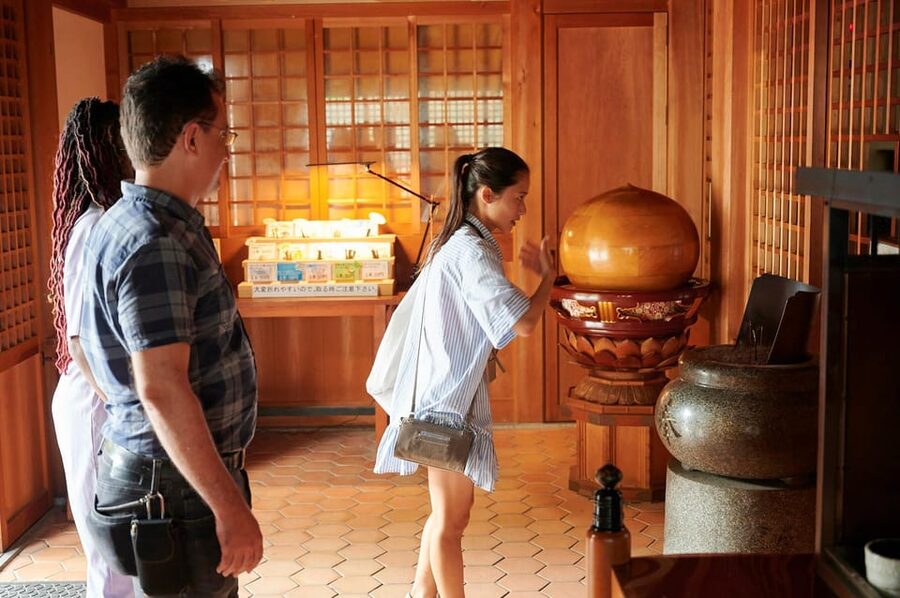
At $158 per person for about 3 hours, this is not a cheap Osaka add-on. But it also is not just a ticket for a show. What you are paying for is a bundle of value items that are hard to assemble on your own:
- Private access to secluded temple training space (not typical public sightseeing)
- A sword master’s instruction with direct coaching, plus a performance created for the tour
- A guide and translator support during both the temple orientation and training portion
If your ideal Osaka day is about authentic, hands-on culture, this price starts to look fair. You are buying access and personalized learning time, not just a view.
If you want a relaxed day with lots of downtime or you are not comfortable moving your body for a lesson, you might prefer a lighter cultural activity. The program assumes you are ready to participate.
Who Should Book This Samurai Experience in Osaka?
This is a strong fit if you want something beyond normal sightseeing. You will likely enjoy it if you:
- like hands-on activities where your body learns along with your brain
- care about how Japanese traditions are practiced today, not only how they were practiced long ago
- want a class guided by a named sword master, with cultural context and translation
- enjoy temple visits but want them paired with a real activity instead of passive wandering
It may be less ideal if you:
- want only museum-style viewing and no physical instruction
- are looking for a long course
- get overwhelmed when a lot of instruction lands quickly in a short time
Should You Book This Osaka Samurai Experience?
Yes, I think you should book it if you want a memorable Osaka day that is practical, guided, and genuinely hard to replicate elsewhere. The biggest reason is the combination: temple access that is normally restricted, direct training with Tatsuya Watanabe, and a tour-only sword performance that frames the whole experience.
If you are on the fence, use this quick test: do you want to leave with a few correct movements you can feel, not just photos? If yes, this tour is the kind of experience that turns Osaka from a place you visited into a place you understood.
FAQ
Where do I meet for the Osaka samurai experience?
Please meet your guide in front of Minoh Station. The guide will be holding a yellow sign with the DeepExperience logo.
How long is the experience?
The experience lasts about 3 hours, listed as 270 minutes total.
Is this experience private?
Yes, it is listed as a private group.
What languages are available?
The live tour guide language options are English, Japanese, and French.
Do we train in a restricted temple area?
Yes. The program describes access to secluded, restricted areas of the temple that are normally closed to the public.
Will I practice with a sword?
The experience includes hands-on sword practice. Wooden training swords are referenced in bookings, and you might also see real blade handling or a paper-cutting example depending on the session.
Is there a sword performance included?
Yes. A special sword performance is included and described as exclusive to this tour.
Who is the sword master?
The sword master is Tatsuya Watanabe.
What does the tour cost?
The price is $158 per person.
Is there a cancellation option and can I pay later?
Free cancellation is listed up to 24 hours in advance for a full refund, and there is also a reserve now, pay later option.
Blade Work and Stagecraft

Newest Osaka write-ups from the Loving Japan desk

Samurai, Ninja and Sword Experiences, side by side.
 ★ 4.5Samurai Restaurant Show Ticket with 2 DrinksFrom $551,307 reviews
 ★ 5.0Kyoto Samurai ExperienceFrom $1191,294 reviews
 ★ 4.6Samurai Ninja Museum Guided tour and ExperienceFrom $271,010 reviews
 ★ 4.9Kendo and Samurai Experience with Uniform and GearFrom $103815 reviews
 ★ 4.9Samurai Sword Class by Experts in Traditional ArtsFrom $64657 reviews
 ★ 4.5Skip the lines Basic Ticket at SAMURAI NINJA MUSEUM KYOTOFrom $28632 reviews
 ★ 5.0Samurai Sword & Archery Class from Samurai DescendantFrom $193603 reviews
 ★ 5.0Samurai Training Experience KENDO in OsakaFrom $131515 reviews
Filed on these lists too