
REVIEW · ASAKUSA, SENSO-JI AND TOKYO SKYTREE
Private Home Cooking in Yanaka – Local Flavors in a Warm Setting
Cook Japanese comfort food in a real home setting.
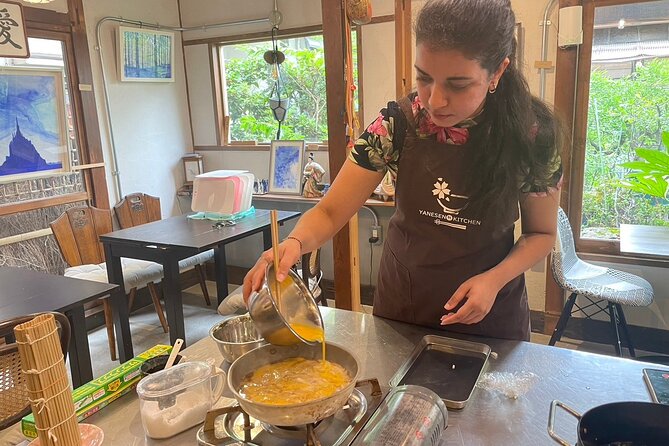
In Yanaka, a quieter Tokyo neighborhood, you get private, English-friendly instruction from an instructor like Ms Yajima, born in the Yanesen area. I like that it is not a generic food tour, it is hands-on cooking with live feedback while you learn ingredients, techniques, and local habits.
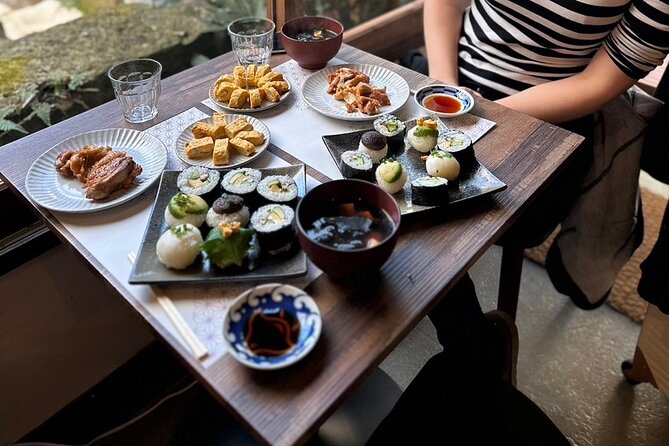
What I like most is that the class is built around recipes you can repeat. People have cooked everything from miso soup with homemade dashi to rolled sushi and okonomiyaki, then left with the know-how to make it again.
One thing to consider: the location is in a residential side-street vibe and can feel tricky to spot at first, so I suggest you plan to follow the instructions and reach out if needed.
In This Review
- Quick hits on this Yanaka cooking experience
- Why Yanaka home cooking beats a restaurant meal
- Plan A or Plan B, how to choose your menu
- The instructor factor: Ms Yajima and English-friendly guidance
- What happens during the 2-hour cooking session
- Food skills you can actually repeat at home
- Finding the place in Yanaka, and what to do after
- Price and value: is $122.23 worth it
- Who this private class suits best
- FAQ
- How long is the cooking experience?
- Is this class private?
- Can I choose lunch or dinner?
- What if I have allergies or dietary needs?
- How do Plan A and Plan B work?
- Where do I meet for the class?
- What if the class is canceled?
- Should you book this Yanaka private cooking class?
Quick hits on this Yanaka cooking experience
- Private class only for your group, so you can ask questions and cook at your pace
- Plan A or Plan B menu structure, either 1 main dish or 2 appetizers
- English instruction is specifically supported, with Ms Yajima teaching and explaining as you work
- You learn the why, not just the steps, from dashi building to frying and dough techniques
- Yanaka Ginza is nearby, so you can pair the class with an easy walk through the neighborhood
- Dietary needs and menu requests are handled with notice, including allergies, vegetarian, and vegan options
Still on the Sumida side? A few more Asakusa options
- Tokyo: Japanese Dance Cabaret Theater Asakusa-Kaguwa Ticket
★ 4.8 · 2,270 reviews - Tokyo: Meiji Shrine, Asakusa, Skytree Bus Tour and Cruise
★ 4.7 · 1,986 reviews - Tokyo: Roll and Authentic Sushi Making Class in Asakusa
★ 4.9 · 1,957 reviews - Tokyo: Asakusa Walking Tour with Sensoji Temple Visit
★ 4.8 · 1,583 reviews
Why Yanaka home cooking beats a restaurant meal
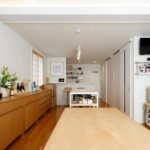
If Tokyo feels too fast, Yanaka slows things down. The cooking happens in a small home-style workshop in the downtown Tokyo Yanaka area, about 100 meters from Yanaka Ginza, the classic neighborhood shopping street. Instead of sitting down to a plated meal, you actually build the meal step by step, right where people cook in everyday life.
I like how this format changes your relationship with Japanese food. You do not just taste flavors, you learn what creates them. For example, you may start from whole ingredients and end with dishes like miso soup made from scratch, or eggplant glazed in miso sauce, or tempura done with the right oil temperature. That is the difference between learning how it tastes versus learning how to make it.
There is also a social warmth to the setting. The experience is designed for talking about the area and everyday lifestyle in Yanaka, and the teacher’s background matters here. Ms Yajima is described as Yanesen-born and experienced as an instructor who can teach in English, so you get both technique and context.
One practical caution: because this is in a small home and a side-street neighborhood, you should expect a slightly less straightforward “follow the crowd” experience than a big, central tourist restaurant. It is worth it, but arrive ready to check in carefully.
Plan A or Plan B, how to choose your menu
The class is structured around two menu “plans,” which makes it easier to match your appetite and schedule.
- Plan A: choose 1 main dish
- Plan B: choose 2 appetizers
In your reservation request, you tell the operator what you want to cook. You can also request special menus with notice, and dietary needs are supported, including allergies, vegetarian, and vegan (share details when you book). There is also a defined window to talk through menus and requests up to 2 days before your cooking day via the contact form.
This matters because you are not locked into a fixed set menu. You can steer the lesson toward what you actually want to eat in Japan, or toward skills you want to bring home. For instance, if you care about soups and umami, you might choose an option that includes miso soup and homemade dashi. If you want hands-on dough skills, you might lean toward classes that include udon or gyoza preparation. If you want party-friendly results, bento-style cooking has also been offered.
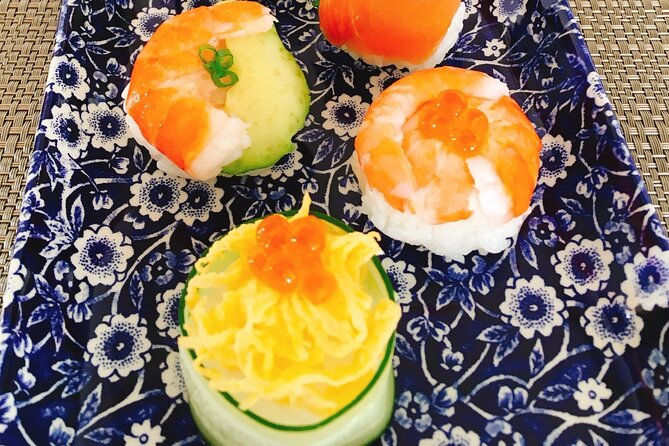
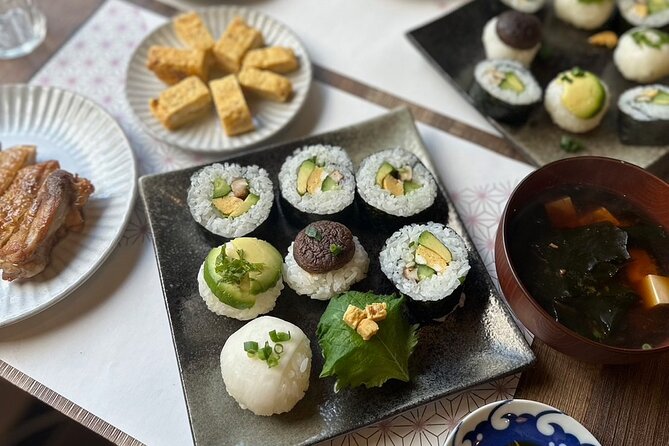
Example dishes people have cooked in this area include oyakodon, nikujaga, bento boxes, miso soup, okonomiyaki, tempura, rolled sushi, udon, gyoza, karaage, and nasu dengaku (miso-glazed eggplant). Your final selection depends on the plan choices and the menu options available for your date, so use the request form to narrow down what you want most.
The instructor factor: Ms Yajima and English-friendly guidance
The teacher is a big reason this works so well. Ms Yajima is described as being born in the Yanesen area and passionate about Tokyo local-style cooking, with experience instructing and teaching in English. That combination is what you want for a short class: clear explanations, plus authentic techniques that actually reflect how dishes are made.
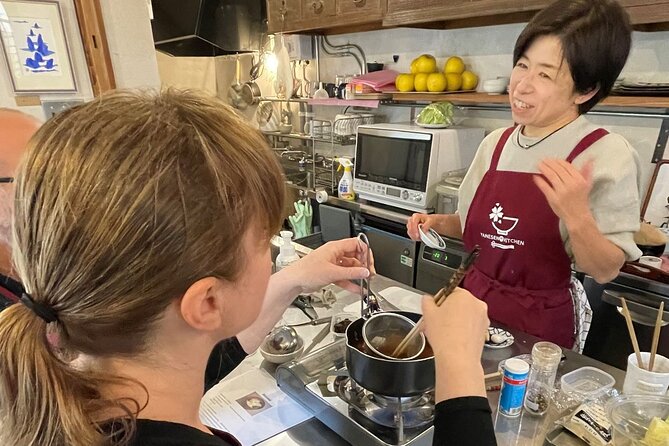
In practice, the teaching style that shows up in the class is very “do it with you.” People describe getting live guidance while chopping, mixing, and cooking, plus plenty of tips for getting results right. One strong pattern across the experience is learning the why behind steps, not only the what. That is how a beginner can gain confidence with things that feel scary at first, like deep-frying or dough handling.
You can also expect conversation. The experience is set up as more than a cooking lesson. You might chat about Yanaka life, local food culture, and everyday routines in the neighborhood while you work. It is a good fit if you like learning through interaction rather than through a script.
Finally, there is backup support from the provider team. If something changes last minute, the operator has shown they can step in, communicate, and arrange a full refund when needed due to an instructor emergency illness. While you should always treat cancellations as rare rather than expected, it’s reassuring to know there is an actual human operation behind the scenes.
Cook it yourself instead. Other kitchens in Tokyo
- Sushi Making Tokyo Roll and Authentic Japanese Sushi Class★ 5.0 · 3,971 reviews
- Tokyo: Sushi Making Class in a Happi Coat near a Famous Spot★ 4.9 · 1,377 reviews
- Tokyo Sushi Making Class in Tsukiji with Professional Chef★ 5.0 · 1,177 reviews
- Ramen & Gyoza Cooking Class in Tokyo with Local Supermarket Visit★ 5.0 · 823 reviews
- Tsukiji Fish Market Guided Tour and Sushi Making with Pro Chef★ 5.0 · 775 reviews
What happens during the 2-hour cooking session
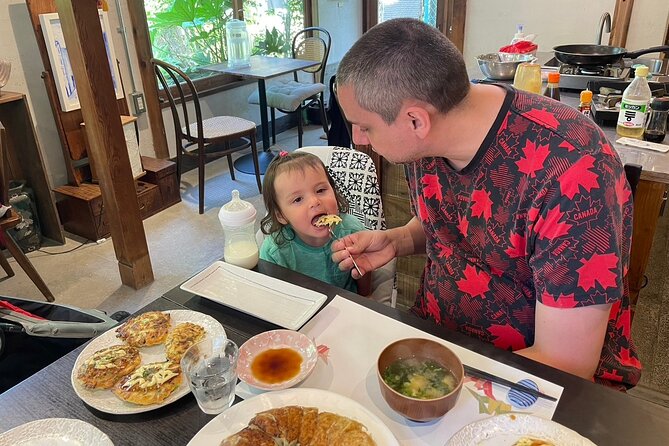
Plan for about 2 hours total, and expect a full flow: check in, cook, then eat what you make.
1) Meet and check in
You start at the YANESEN Tourist Information & Culture Center (3-chōme-13-7 Yanaka, Taito City). The class ends back at the same meeting point. The workshop is near Yanaka Ginza, but the residential setup can be easy to miss, so it helps to arrive a few minutes early.
2) Menu confirmation and adjustments
Before you cook, you share what you picked (Plan A main or Plan B appetizers) and any needs like allergies. The instructor can help tailor what is possible, and you can discuss changes up to 2 days ahead.
3) Prep together, with hands-on teaching
This is where the experience earns its value. You typically start with ingredient prep: slicing, chopping, mixing, and sometimes grinding or building components like dashi. People have made things like miso soup from scratch, including dashi using items such as kombu and bonito flakes, then assembled the soup.
You may also do skill-based cooking. Some classes include frying and learning how to judge oil temperature. Others include making dough by hand, and yes, some lessons have included kneading udon dough in a traditional way (participants have described kneading using their feet, with dough prepared in bags for safety and convenience). The key point: you are not just standing there watching.
4) Cook, plate, and eat
Once everything finishes, you eat together. The portions are described as generous, and people note that you get full enough to feel like you just hosted a small home meal. Many also say they had extra food to take home, or at least enough that the class did not feel like a tiny tasting session.
5) Wrap up with recipes and confidence
You leave with recipes you can follow later. Multiple people mention being able to reproduce the dishes at home, because the instructor explains not only steps but technique cues (texture targets, doneness signals, and timing).
Food skills you can actually repeat at home
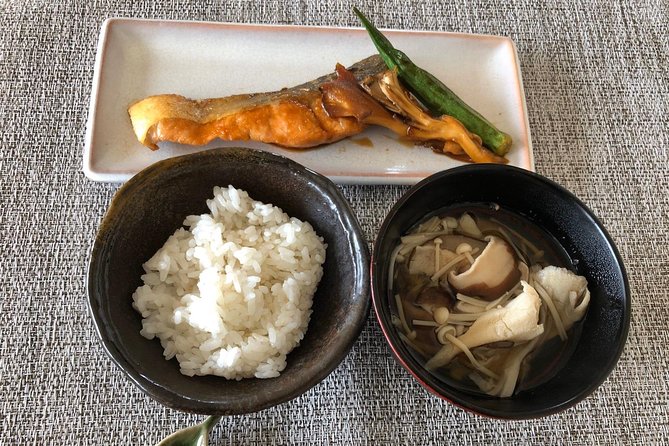
This class is especially good if you want skills, not only flavors. Japanese cooking has a lot of small checkpoints, and this experience teaches the checkpoints.
Here are the kinds of skills you are likely to practice, depending on your menu choice:
- Building flavor bases, like homemade dashi for miso soup
- Miso cooking technique, including how to glaze eggplant or balance miso in savory dishes
- Frying basics, including how to tell when oil is ready so tempura and similar dishes come out right
- Dough and dumpling work, such as udon or gyoza making
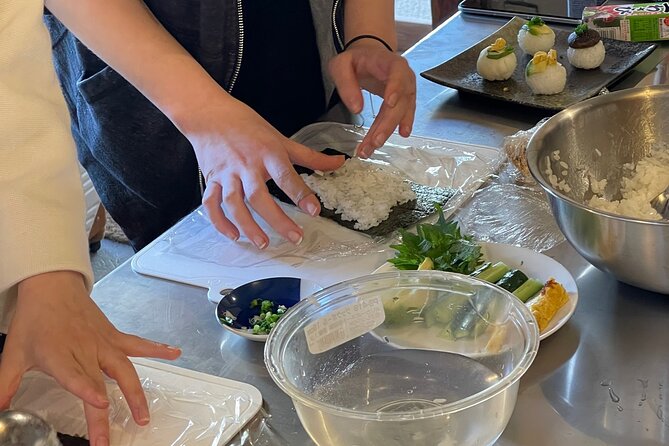
- Rice and rolling skills, including rolled sushi techniques in classes that include sushi
Even if you only cook Japanese food occasionally, this helps you move beyond pre-made shortcuts. One theme that comes up is learning how the tools and preparation methods work, so the result is more consistent at home. When you understand why something works, you are less likely to give up the first time a dish does not behave like restaurant food.
If your goal is to recreate a “Japan meal” for friends back home, choose dishes that match your lifestyle. For example, sushi and gyoza can be great for hosting, while miso soup and eggplant dishes feel like dependable weeknight comfort food. Plan your menu around what you will actually cook again.
Finding the place in Yanaka, and what to do after
Yanaka is one of those neighborhoods where walking is the point. The class starts at the YANESEN Tourist Information & Culture Center, then the home-style workshop is close to Yanaka Ginza, so you can build a mini itinerary around it.
Because the area is residential, it can be a little hard to find the exact spot if you’re navigating with maps alone. A practical approach: arrive early, and if you’re uncertain, use the contact method they provide. People describe that the team can help you find them quickly if you get lost.
Once you’re done, you are in a great spot for an easy follow-on walk. Yanaka Ginza offers local shopping, and the surrounding Yanesen area has that “small Tokyo life” feel. You can keep it simple: browse, snack, and relax after your cooking session.
If you want a tight schedule, consider this class as your “anchor activity” and build the rest around it. It also works well on your first days in Tokyo because it gives you an immediate, friendly introduction to how local food culture feels.
Price and value: is $122.23 worth it
At about $122.23 per person for roughly 2 hours, the price is not low. But the value comes from what you get for the time.
You are paying for:
- Private instruction with your group only
- A real hands-on cooking session with live guidance
- Ingredients and cooking setup provided, plus the meal you eat
- The chance to choose Plan A or Plan B, and request menu or dietary adjustments
In other words, you are not just paying for cooking as entertainment. You are paying for a teacher to help you produce results, plus recipes and technique cues you can use later.
Group discounts may apply, which can make it much more attractive if you’re traveling with friends or family. Also, because this is a home setting rather than a big commercial kitchen, the pace tends to feel personal, so you get more attention per minute than many group classes.
If you are the type of traveler who wants to taste Tokyo and learn how the food gets made, this is a solid use of time. If you only want a quick sampling, you might find a shorter meal-focused activity better. But if you want competence, this price starts to make sense fast.
Who this private class suits best
This works well for a lot of traveler types:
- First-time Japan visitors who feel nervous and want a friendly, structured start
- Food lovers who want authentic technique, not just a photo stop
- Families since the teaching is described as clear and suited to kids in some classes
- Solo travelers who want one-on-one attention, since it is private for your group
- Cooks at any level because the class explains the why and not only the how
If you have dietary restrictions, this is also a good choice because allergies, vegetarian, and vegan requests are explicitly supported with advance notice.
FAQ
How long is the cooking experience?
It runs for about 2 hours.
Is this class private?
Yes. It is a private tour/activity, and only your group participates.
Can I choose lunch or dinner?
Yes. You can choose a lunch or dinner cooking class to fit your schedule.
What if I have allergies or dietary needs?
Allergies, vegetarian, and vegan options are available. Tell the operator when you make your reservation and include details.
How do Plan A and Plan B work?
Plan A is choosing 1 main dish. Plan B is choosing 2 appetizers.
Where do I meet for the class?
You meet at the YANESEN Tourist Information & Culture Center, 3-chōme-13-7 Yanaka, Taito City, Tokyo 110-0001, Japan. The activity ends back at the meeting point.
What if the class is canceled?
You can cancel for a full refund up to 24 hours before the start time. The experience may also be canceled due to poor weather, in which case you are offered a different date or a full refund.
Should you book this Yanaka private cooking class?
I’d book it if you want a Tokyo food experience that feels personal and practical. The combination of private instruction, English-friendly teaching, and menu flexibility (Plan A or Plan B with requests) makes it a strong bet, especially if you care about cooking skills you can use at home.
Skip it only if you are looking for a purely sightseeing activity, or if you dislike residential, side-street navigation. If that part doesn’t bother you, you’ll leave with a full meal, better technique, and a Yanaka memory you can taste again later.
Kitchens You Can Book Into
Asakusa and the Skytree, Keep Going

Newest Tokyo write-ups from the Loving Japan desk




Asakusa, Senso-ji and Tokyo Skytree, side by side.
 ★ 4.5TOKYO SKYTREE® Admission ticketFrom $1311,192 reviews
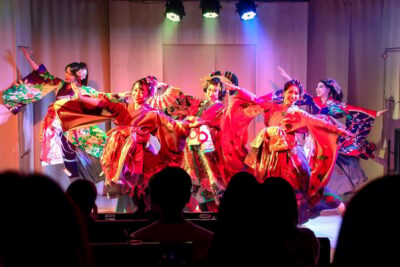 ★ 4.8Japanese Dance Cabaret Theater Asakusa-Kaguwa TicketFrom $492,270 reviews
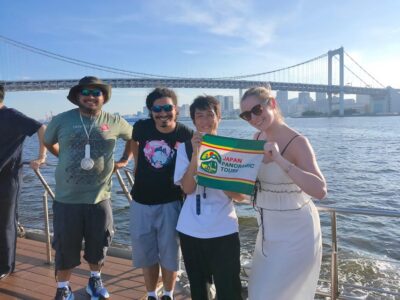 ★ 4.7Meiji Shrine, Asakusa, Skytree Bus Tour and CruiseFrom $1221,986 reviews
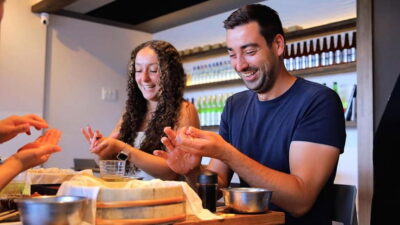 ★ 4.9Roll and Authentic Sushi Making Class in AsakusaFrom $581,957 reviews
 ★ 4.8Asakusa Walking Tour with Sensoji Temple VisitFrom $221,583 reviews
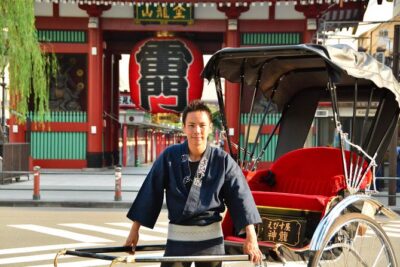 ★ 5.0Tokyo Asakusa Rickshaw TourFrom $421,375 reviews
 ★ 4.5Tokyo Panoramic 1 Day: Meiji Shrine, Asakusa, Odaiba and SKYTREE®From $851,222 reviews
 ★ 5.0Tokyo Go Kart: Asakusa, Skytree, and Akihabara **IDP MUST**From $99988 reviews
Filed on these lists too