
REVIEW · RAMEN AND NOODLE TOURS
Ramen Craftsman Experience in Osaka
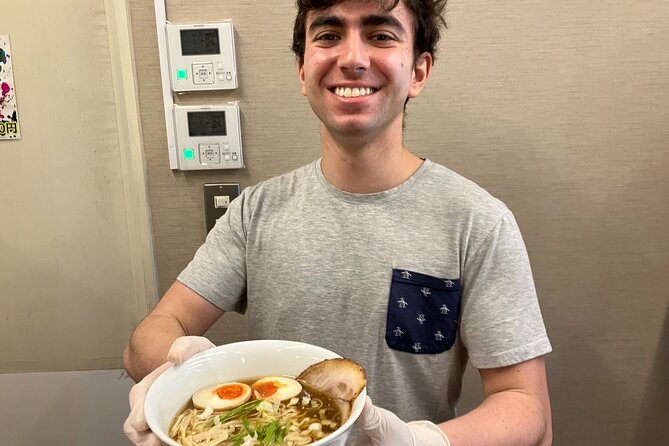
Ramen, with your own hands on the noodles. This small-group ramen workshop runs out of a real ramen shop kitchen, so you learn by doing, from ingredients to bowl assembly. You choose from four signature ramen styles and customize your toppings, then boil noodles and eat what you made.
What I like most is the hands-on, step-by-step teaching. Shu runs the show, explains ingredients and tools, and keeps the pace friendly even in a tight kitchen. Second, you get real support and gear, utensils, aprons, and gloves, so you just show up and cook.
One consideration: the kitchen uses a gas stove, so infants cannot participate. Also, if you miss your start time by more than 15 minutes, the reservation can be cancelled.
In This Review
- Key highlights you will care about
- Entering Menya SHU’s Kitchen, Not a Classroom
- Choosing Your Bowl: Four Ramen Styles Plus Toppings
- Before the Stove: Ingredients, Utensils, and How Ramen Thinking Works
- Hands-on Cooking in a Real Ramen Flow (About One Hour)
- 1) Boiling noodles on a gas stove
- 2) Soup preparation steps led by Shu
- 3) Presentation and assembly
- 4) Eat what you made
- What Makes It Feel Personal: Small Group, Big Attention
- Where This Workshop Delivers the Best Value
- Timing, Location, and Practical Tips to Make It Smooth
- Who Should Book This Ramen Craftsman Experience
- Should You Book Ramen Craftsman Experience in Osaka?
- FAQ
- How long is the ramen cooking workshop?
- How many people take part at the same time?
- What ramen options can I choose from?
- Is lunch included?
- Is the workshop suitable for kids?
- What if I’m late or need to cancel?
Key highlights you will care about
- Up to 4 people at once, so you get actual attention, not just a demo
- You pick your ramen base from four options, including chicken white soup and sea bream dashi salt ramen
- All prep tools are provided, including aprons and gloves, so you do not hunt for anything
- You follow a full ramen workflow, from boiling noodles to soup prep steps and presentation
- Charter-style kitchen rental, inside the ramen shop setting, right near public transportation
- A real lunch at the end, the bowl you customize is what you eat
A bowl somewhere else in Osaka
- Osaka: Five Must-See Highlights Walking Tour & Ramen Lunch
★ 4.7 · 411 reviews - Osaka: Ramen and Gyoza Cooking Class in Dotonbori
★ 5.0 · 378 reviews - Ramen and Gyoza Cooking Class in Osaka
★ 5.0 · 202 reviews - Cooking Ramen&Gyoza/KatsuCurry/Bento/Okonomiyaki+Store Tour@Osaka
★ 5.0 · 138 reviews
Entering Menya SHU’s Kitchen, Not a Classroom
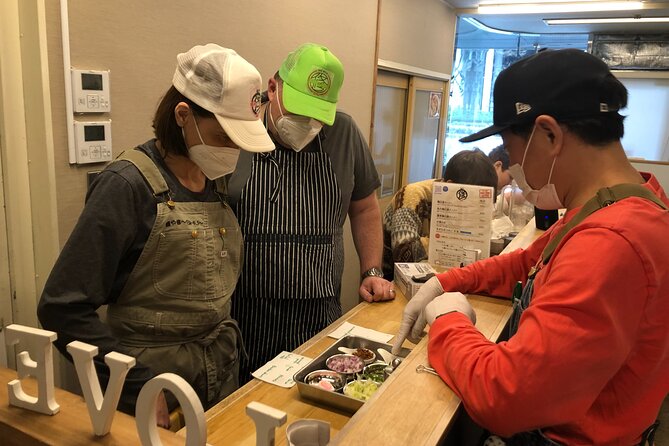
This experience is built around one simple idea: making ramen in the same kind of space where orders actually move through. Instead of a generic cooking studio, you rent out the kitchen area of Menya SHU and work with Shu in a smaller, real working setting.
That matters because ramen is not just a recipe. It is timing, temperature, and small decisions that affect taste. When you are in a shop kitchen, you learn the logic behind each step, and you see how the flow of cooking connects all the way to the final bowl.
The class is designed for comfort and clarity. You are in a group that can be up to four people at the same time, which keeps the instruction personal. Based on how Shu explains things, you are not left to guess. You get guidance on ingredients and utensils before you touch the stove.
The practical side is good too. Lunch is included, and you do not need to bring equipment. Aprons and gloves are provided, along with the cooking utensils, so you can focus on learning instead of logistics. You do want to plan for the cooking environment. It is a ramen shop kitchen with a gas stove, so it is not a quiet sit-and-watch session.
Choosing Your Bowl: Four Ramen Styles Plus Toppings
Before anything cooks, you choose what you want to make. You will select one ramen style from these four options, then customize your toppings:
1) Chicken white soup ramen
2) Seafood chicken white soup ramen (clam broth)
3) Chinese soba (soy sauce ramen)
4) Sea bream dashi salt ramen
The fun part is that these are not minor variations. They each push you to think about flavor direction.
- If you pick the chicken white soup ramen, you will be learning about a richer, creamy-leaning base made to taste smooth and comforting.
- The clam broth version keeps the same chicken-white style idea, but you add a seafood note that changes the aroma and depth.
- Chinese soba, soy sauce ramen, is about a different backbone, saltiness, and clarity.
- Sea bream dashi salt ramen highlights a lighter, dashi-forward approach, where the seafood stock character matters.
Then comes the customization. You can choose your preferred toppings, so your bowl is yours, not just a preset lunch. Even if you are not a ramen superfan, this choice makes the class feel like a meal you actually want to eat, which helps the whole workshop click.
Before the Stove: Ingredients, Utensils, and How Ramen Thinking Works
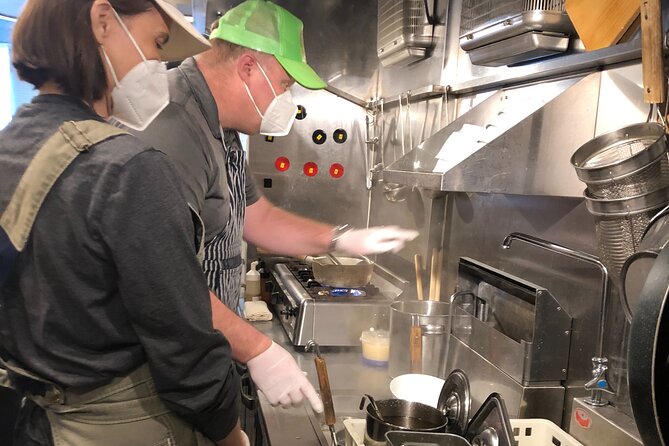
You start with explanations, and this is where the experience becomes more than just cooking. Shu walks you through ramen ingredients and the tools you will use. You also learn how the steps connect, like how boiling noodles fits with getting soup ready and how presentation turns cooking into a bowl you enjoy immediately.
You also get context for the broth. Ramen soup takes days to make, so Shu prepares the soup base in advance. In other words, you are not expected to master a multi-day stock project in one hour. Instead, you learn the key parts you can control in the moment, like finishing the soup process and handling the noodle timing so everything lines up in the bowl.
This is a smart way to teach. It keeps the class realistic and lets you spend your time doing the things that actually change what you taste.
If you like food details, you will probably appreciate how Shu breaks down ingredients. Some cooking classes teach you steps only. This one also tries to help you understand what those steps are doing, so you can re-create the flavors later without guessing.
One small reality check: this is not a slow, relaxed meal. The timing matters because noodles need to be boiled at the right stage and assembled for eating right after. You will be guided, but you still need to stay engaged.
- Osaka Go Karting Tour with Funny Costume★ 5.0 · 2,658 reviews
- Osaka Castle: Museum and Tower Entry Ticket★ 4.5 · 2,380 reviews
- Osaka: Shinsekai Food Tour with 13-15 Dishes at 5 Eateries★ 4.8 · 2,204 reviews
- Osaka Food Tour: 13 Dishes at 5 Local Eateries★ 5.0 · 2,149 reviews
- Hungry Osaka Street Food Tour:15 Tastings & 3 Drinks with a Local★ 5.0 · 1,727 reviews
Hands-on Cooking in a Real Ramen Flow (About One Hour)
The workshop is about one hour long. In that time, you do a condensed version of what makes a ramen kitchen work. You begin with ingredient and utensil explanations, then move into the cooking steps.
Here is what the experience typically includes in sequence:
1) Boiling noodles on a gas stove
A gas stove is used for boiling the ramen noodles. You get hands-on involvement in the noodle step, and you learn how to handle boiling without losing control of texture. Noodles are the heart of ramen, so this part sets the tone for the entire bowl.
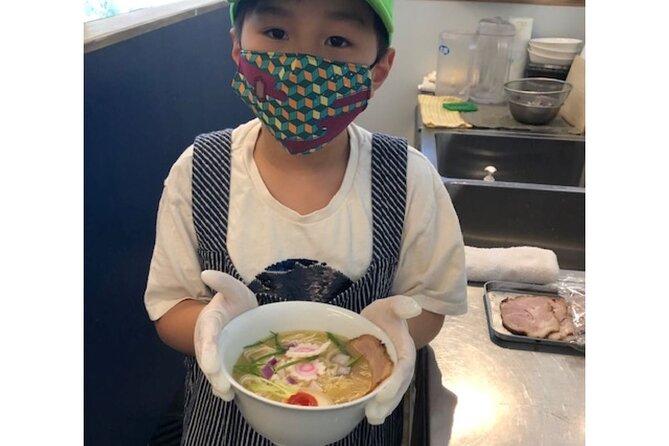
This also explains the child rule. Because it is gas cooking, infants cannot participate. Older kids, about 7 years old, can join if they can follow safety guidance.
2) Soup preparation steps led by Shu
Shu prepares the ramen soup. Since the soup base takes several days, you are working with a prep that is already underway or ready to finish in the session. You will experience the soup-related steps as part of the workshop flow, not as a leave-it-to-the-chef mystery.
You also get explanation of ingredients before you boil, so when the soup work begins, it makes sense rather than feeling like random additions.
3) Presentation and assembly
Once noodles are ready and soup is in place, you help with presentation. This is where you see ramen as a finished product. You learn how noodles and soup meet in the bowl, how toppings get arranged, and how that affects the overall experience.
In a working ramen shop, assembly is quick and purposeful. That is part of why the class is so fun. You are not just cooking food, you are learning the last moves that turn cooking into a plated bowl you can enjoy immediately.
4) Eat what you made
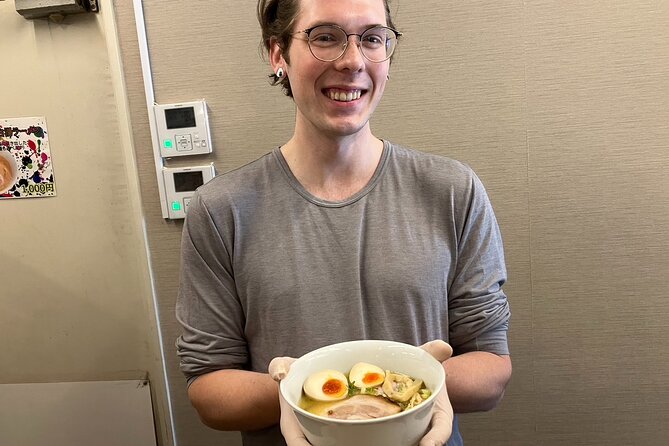
Then you eat your ramen lunch. This matters because taste is the final grader. You get to compare your choices in real time, whether you went for chicken white soup, clam broth, soy sauce Chinese soba, or sea bream dashi salt ramen.
What Makes It Feel Personal: Small Group, Big Attention
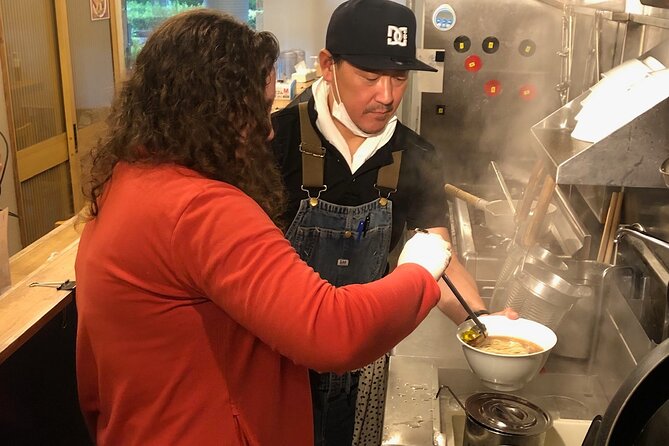
A group of up to four changes how the whole class feels. You are not sharing instruction space with strangers. You can ask questions. Shu can correct your technique without crowding. You can move at the right pace.
This kind of class also happens inside Menya SHU’s ramen shop kitchen, not behind a glass wall. You get to work in the same space where a ramen shop operates. That is why the experience feels authentic.
Also, the hosting style helps. Shu is known for being friendly and engaging, and his English support can make instruction easier if you do not speak Japanese well. If you want a hands-on experience but feel nervous about language barriers, this is exactly the kind of setting where you can still participate confidently.
One more practical point: the tools are already staged. You do not need to spend energy on figuring out what is where. You are given utensils, aprons, and gloves, and Shu handles the rest of the setup so you can focus on cooking.
Where This Workshop Delivers the Best Value
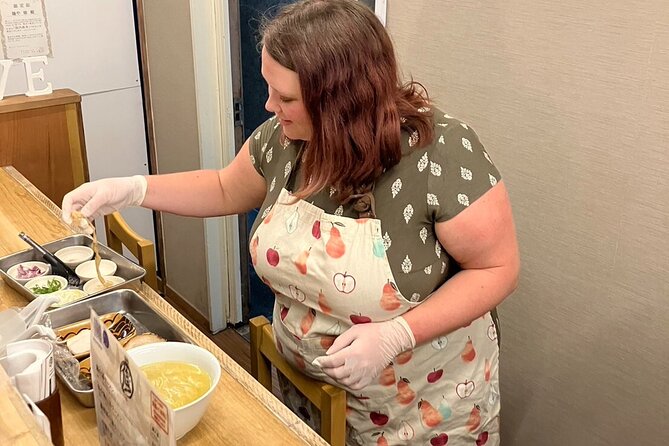
At about $42.94 per person for a roughly one-hour session with lunch included, the value comes from three things:
- You pay for instruction plus hands-on cooking, not just a meal.
- You get the ramen shop setting, which is hard to replicate in a typical cooking class.
- You leave with a full lunch that matches your choices.
In other words, you are not paying extra just for the novelty of “making ramen.” You are paying for the whole experience package: learning, gear, kitchen access, and eating the result.
The small group size also affects value. If you are in a larger class, you might cook a little and watch a lot. Here, the setup encourages active participation.
If you are visiting Osaka for food, this is a strong use of limited time. You do not need to spend half a day traveling to remote markets or hunting ingredients. The class is in the ramen shop kitchen, and it finishes with what you made.
Timing, Location, and Practical Tips to Make It Smooth
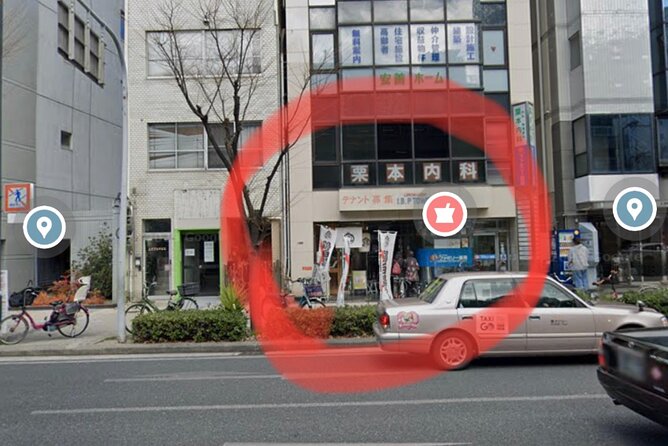
The meeting point is: 麺や修 ~shu~11-7 Higashikōzuchō, Tennoji Ward, Osaka, 543-0021, Japan. It ends back at the meeting point.
It is near public transportation, which helps a lot in Osaka. You do not need to arrange complicated transit. Still, this is a cooking session, so plan to arrive with buffer time.
Also, the experience is time-sensitive. If you cannot meet after 15 minutes from the reservation start time, the booking is cancelled. That is not meant to be difficult, it is because the kitchen schedule follows the class flow.
If you are traveling with kids, plan your day around the gas stove reality. Small children about 7 can participate, but infants cannot. If you are bringing a child, keep safety and attention span in mind, since boiling noodles and hot tools require focus.
Finally, bring the right mindset. This is not a tasting lecture. You will cook, assemble, and eat within an hour. If you treat it like a fast but hands-on food experience, you will get the most out of it.
Who Should Book This Ramen Craftsman Experience
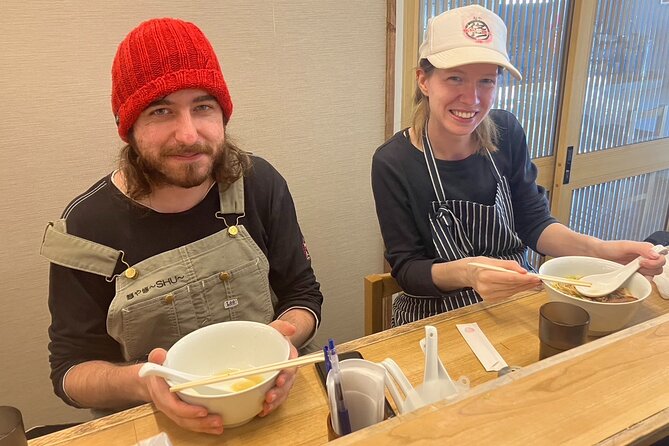
This workshop fits best if you want Osaka food with more depth than a typical meal. It is especially good for:
- Food lovers who want to understand ramen ingredients, not just eat ramen
- People who like hands-on cooking, where you do real steps instead of watching
- Couples and small groups who value personalized teaching
- Families with children around 7 years old who can follow safety rules
If you are the type who wants a long, relaxed class or you cannot handle hot cooking environments, this might not feel like the right fit. But if you want one focused hour that ends with a lunch you made yourself, it is a great choice.
The class also works well when you want something “authentic” in the practical sense, meaning it happens in a real shop kitchen with real steps. You leave with a stronger appreciation for why ramen tastes the way it does, and you get a repeatable mental model you can use later.
Should You Book Ramen Craftsman Experience in Osaka?
Yes, you should book this if you want a hands-on ramen lesson inside a working shop and you like learning by doing. The small group size, up to four people at once, is a big part of the appeal. The fact that you choose your ramen style and toppings also makes it feel like a meal, not just a class.
The one “no” or “not yet” is if you need infant-friendly participation, because the workshop uses a gas stove. And if you tend to arrive late when traveling, build in extra buffer because the 15-minute cutoff can end your reservation.
If you can go on time and you are excited to boil noodles, prep soup steps, and assemble your own bowl, this is one of the more memorable food activities in Osaka.
FAQ
How long is the ramen cooking workshop?
The experience is about 1 hour long.
How many people take part at the same time?
There is a maximum of 4 travelers at the same time.
What ramen options can I choose from?
You can choose one of these: chicken white soup ramen, seafood chicken white soup ramen with clam broth, Chinese soba (soy sauce ramen), or sea bream dashi salt ramen. You can also choose your toppings.
Is lunch included?
Yes. Lunch is included, and you eat the ramen you make.
Is the workshop suitable for kids?
Infants cannot participate because the class uses a gas stove. Small children around 7 years old can participate.
What if I’m late or need to cancel?
If you cannot meet after 15 minutes from the reservation start time, it will be cancelled. For refunds, you can cancel up to 24 hours in advance for a full refund, and within 24 hours there is no refund.
One More Bowl


Newest Osaka write-ups from the Loving Japan desk



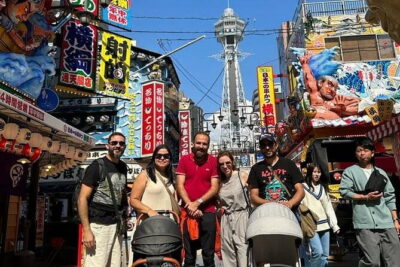


Ramen and Noodle Tours, side by side.
 ★ 5.0Ramen Cooking Class at Ramen Factory in KyotoFrom $1311,937 reviews
 ★ 5.0Eat and Drink Like a Local: Tokyo Ueno Food Tour-Taverns&RamenFrom $95957 reviews
 ★ 5.0Ramen & Gyoza Cooking Class in Tokyo with Local Supermarket VisitFrom $122823 reviews
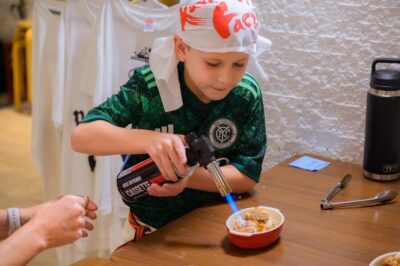 ★ 4.9Ramen Cooking Class at a Ramen Factory with SouvenirFrom $127532 reviews
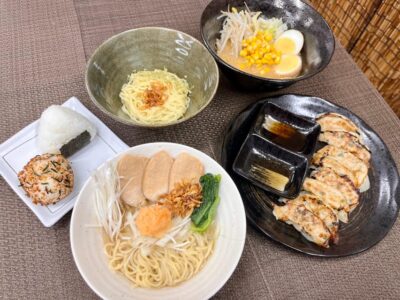 ★ 5.0Ramen, Gyoza, and Onigiri Cooking ClassFrom $90445 reviews
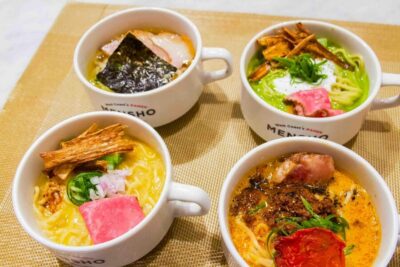 ★ 4.9Ramen Tasting Tour with 6 Mini Bowls of RamenFrom $122432 reviews
 ★ 4.7Five Must-See Highlights Walking Tour & Ramen LunchFrom $56411 reviews
 ★ 5.0Ramen and Gyoza Cooking Class in DotonboriFrom $70378 reviews
Filed on these lists too