
REVIEW · ASAKUSA, SENSO-JI AND TOKYO SKYTREE
Ride a rickshaw wearing a kimono in Asakusa! Enjoy authentic traditional culture!
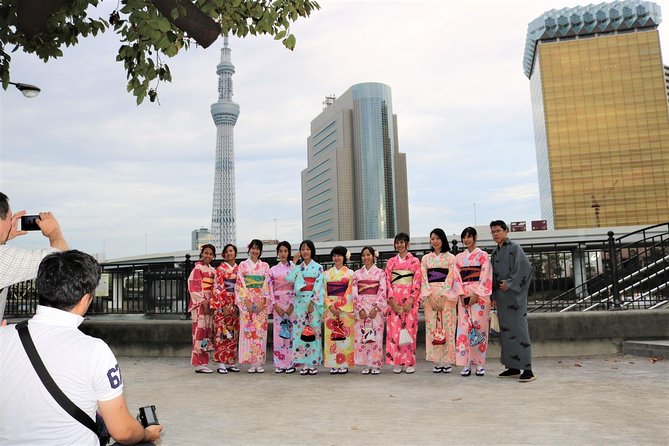
A kimono and a rickshaw in Asakusa feels unreal. You start at HANAKA, get dressed with hair help, then roll toward Kaminarimon and Sensoji in a safety-first rickshaw with a built-in photo moment.
You’ll like the all-in kimono rental approach, down to the drawstring bag and sandals, and you get time to explore Asakusa at your own pace after the ride. The possible drawback: kimono sizing is based on standard Japanese measurements, so if you need a larger size, expect an extra fee.
In This Review
- Key Things That Make This Kimono-Rickshaw Day Work
- HANAKA in Asakusa, where the kimono day starts
- Getting dressed: hair, fit, and the included sandals
- Choosing your kimono and accessories without guesswork
- The pickup and the rickshaw ride toward Kaminarimon
- What you do after the ride, until 6pm
- Price and value: why $52ish can still add up
- Weather and comfort: the fine print that actually matters
- Who should book this kimono rickshaw experience
- Should you book? My decision guide
- FAQ
- What is included in the kimono rickshaw experience?
- Do I need to bring anything for the dressing and kimono rental?
- How long does it take to get dressed, and how long is the rickshaw ride?
- Where does the rickshaw drop you off?
- Is there an extra fee for larger kimono sizes?
- What shoes should I plan for?
- What should I do if the weather is bad?
Key Things That Make This Kimono-Rickshaw Day Work
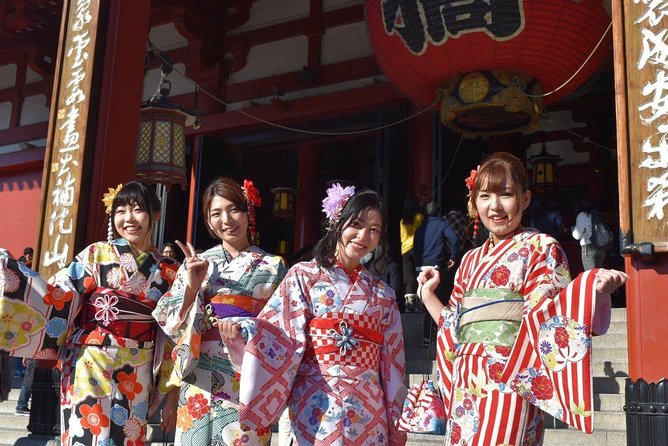
- Complete kit: kimono, hair styling, hair accessories, and a small bag are included
- Dressing time is tight: plan for about 30 minutes, so go with the flow
- Photo moment built in: the pickup includes a commemorative shot, plus picture help if needed
- Drop-off flexibility: you can talk with the rickshaw driver about where to get off, typically near Kaminarimon and Sensoji
- Small group size: up to 5 people, so it feels less crowded than larger tours
- Season note: yukata is used from June to September
Still on the Sumida side? A few more Asakusa options
- Tokyo: Japanese Dance Cabaret Theater Asakusa-Kaguwa Ticket
★ 4.8 · 2,270 reviews - Tokyo: Meiji Shrine, Asakusa, Skytree Bus Tour and Cruise
★ 4.7 · 1,986 reviews - Tokyo: Roll and Authentic Sushi Making Class in Asakusa
★ 4.9 · 1,957 reviews - Tokyo: Asakusa Walking Tour with Sensoji Temple Visit
★ 4.8 · 1,583 reviews
HANAKA in Asakusa, where the kimono day starts
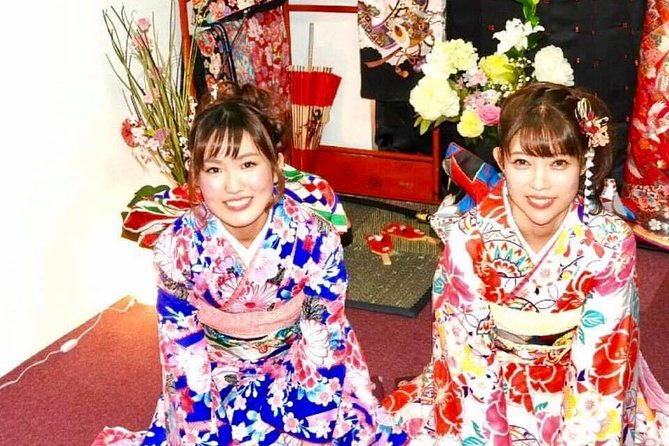
The experience begins at Asakusa Kimono Rental HANAKA in the Kaminarimon area. The address is HANAKA Japan, 2-chōme 37 Dueru Asakusa IV 4F, Taito City, Tokyo. It’s a spot that can be a bit tricky if you’re walking through small streets, so I recommend you plug the exact address into Google Maps and arrive early enough to do a slow check.
One reason this start matters: this kind of kimono rental only feels relaxing if you get to the shop without stress. There’s also a practical reality here. You’ll be handling shoes right away. One guest noted that you can’t bring your shoes into the shop, and the staff takes care of shoes for you. So wear something easy that you can remove quickly, and treat your first 10 minutes like part of the routine, not an afterthought.
Timing also helps. The shop hours for this activity run 11:00 AM to 2:00 PM (year-round). That means you’re usually starting in the daytime window, then spending the rest of the afternoon exploring, with the ride and photo steps packed in before you head out.
Getting dressed: hair, fit, and the included sandals
This is the heart of the experience, and it’s handled by professionals. You get a professional kimono dressing instructor, plus a hairdresser who has a national qualification. The hair and kimono part matters more than people expect, because wearing a kimono well is half comfort and half confidence.
Here’s what you can count on:
- You change into your kimono at the meeting point.
- It’s a complete rental, so there’s nothing you need to bring.
- You’ll get help with everything from simple hair to hair accessories.
- You receive a drawstring bag and sandals with your rental (summer clogs are used June to September).
If you’re tall or your proportions fall outside the standard Japanese kimono sizing, there can be an extra charge for a larger size. The tour data states an additional fee of 1,000 to 2,000 yen may apply depending on your size, and you pay it directly on the day. One review also points out a larger-bust situation where an extra fee felt annoying, so I’d treat sizing as something you should plan for.
The most useful trick is mental, not technical. Decide in advance whether you care more about the look or the fit. If you’re strict about comfort and want a perfect fit, be ready for a size upgrade cost. If the budget is tight, you can still do it, just expect that sizing isn’t always a one-size answer.
Also, the dressing time is about 30 minutes. That can feel rushed if you’re hoping for a slow, leisurely makeover. The staff will do things efficiently. If you have questions, this is the moment to ask quickly and clearly. Even when English is limited, the process is structured enough that you can usually follow along with gestures and simple prompts.
Choosing your kimono and accessories without guesswork
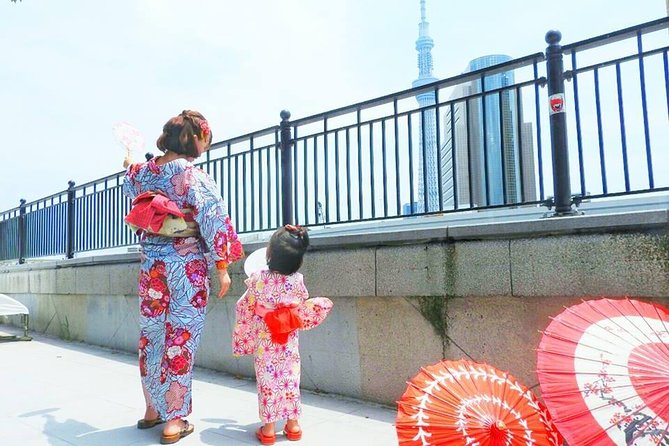
The shop lets you select your kimono and accessories after you arrive. That’s part of the value: you’re not just handed a uniform. You pick what you want to wear, and the staff helps keep the whole look balanced.
This is also where hygiene management shows up in real life. Because the hairdresser is full-time at the shop, everything is managed with firm hygiene routines. In practical terms, it feels more professional than the kind of pop-up rental you might find in busy tourist zones.
One caution: your first “decision” might be about how many accessories you want to include. You’ll likely be offered a set combination of hair styling and add-ons. If you want something simple, say so early, because the dressing process moves forward step-by-step.
And yes, yukata is used from June to September. If you come during those months, it changes the vibe. Yukata often feels lighter for walking, and Asakusa in summer can be hot and humid, so lighter clothing can matter.
Rental shops we have actually walked into
- Let’s make kimono !(Kimono is a gift for you★ 5.0 · 252 reviews
- Tokyo: Matcha and Kimono Experience★ 4.7 · 219 reviews
- Tokyo: Asakusa Kimono Dressing and Matcha Experience★ 4.9 · 173 reviews
- Asakusa: Kimono Tea Ceremony with Matcha and Sweet★ 4.9 · 153 reviews
- Matcha Kimono Tea Ceremony in Tokyo★ 5.0 · 104 reviews
The pickup and the rickshaw ride toward Kaminarimon
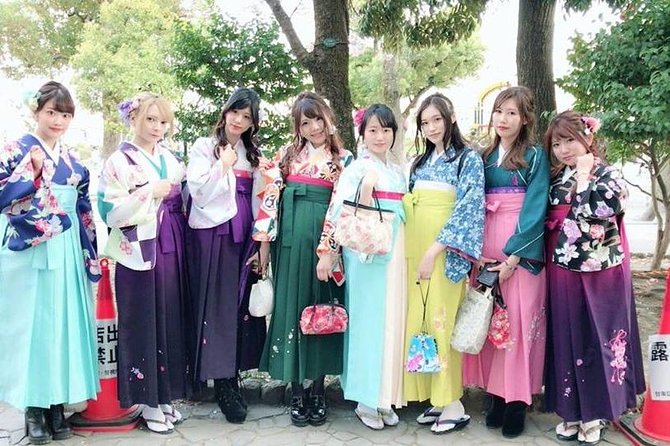
After dressing, a rickshaw comes to pick you up in front of the shop. You’ll take a commemorative photo, then board. The ride itself is about 12 minutes.
This part is short on purpose. It’s not a long countryside tour. It’s a Tokyo classic run: slow enough to feel traditional, brief enough that you don’t lose your whole afternoon.
The rickshaws here are safety-first, and the car has tourist information that adds color to the walk you’ll do afterward. The driver is also the person who makes the ride feel personal. You can discuss where to get off.
Most people aim for the area near Kaminarimon and Sensoji Temple, then explore Asakusa on foot. That makes sense because those landmarks are the center of the neighborhood’s old-school charm, and you can layer in snacks, shopping, and photo stops without being trapped in a schedule.
One review highlighted that a driver did an amazing job and kept the vibe fun. Another mentioned great photo support, including an example where the photo-taking was done by Kai. If you’re the type who cares about pictures, this is one of the best times to ask for help because the pickup and start of the ride are when the staff can coordinate quickly.
What you do after the ride, until 6pm
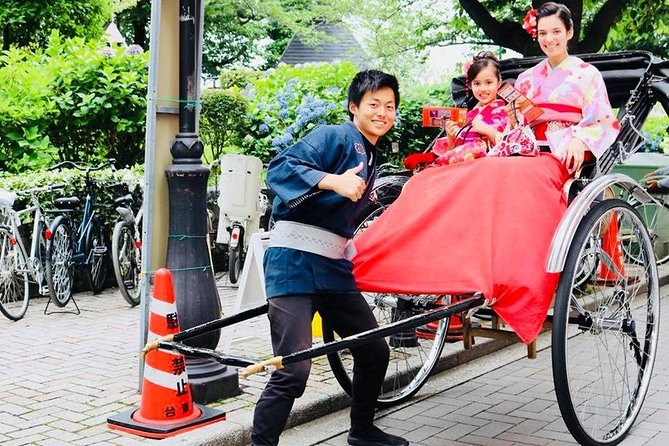
Once you get off near Kaminarimon and Sensoji, your schedule becomes yours. The experience runs until 6:00 PM, and during that window you can explore the Asakusa area freely.
This is where you’ll feel the difference between “wearing a costume” and actually experiencing a tradition. When you walk slowly in a kimono or yukata, you naturally slow down. You’ll take more time with side streets and small details. Even if you’ve visited Tokyo before, Asakusa in traditional clothing changes how the neighborhood feels.
A few practical notes so you enjoy the time instead of just enduring it:
- Sandals and clogs are part of the package, but they can be unforgiving if you do long, rough pavement stretches. Plan to take breaks.
- Bring patience for photos. You’ll want to stop, and kimono sleeves mean you’ll need a bit more space when you pose.
- If you plan to snack, do it early. Eating in a kimono is easier when you’re not rushing back toward the end of the day.
Then, when it’s time to return, the activity ends back at the meeting point. Your ride back is not described in detail, so assume the shop coordinates the return timing, based on your start time in that 11:00 AM to 2:00 PM window.
Price and value: why $52ish can still add up
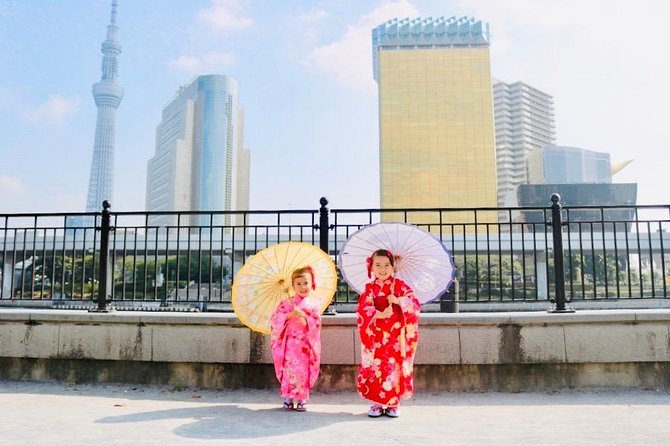
The price is listed at $52.17 per person, for an experience that lasts about 6 hours. On paper, that might look simple. In real value terms, you’re paying for three things that are usually separate costs in Tokyo:
1) a kimono rental and dressing service
2) hair styling and accessories
3) the rickshaw ride plus a photo moment
That’s why it can feel like good value compared to piecemeal DIY. If you only rented a kimono, you’d still need to get dressed somewhere, and figuring out hair and fitting can take time. Here, the structure removes that friction.
Now, the “watch out” part. The biggest value-killer is not the base price. It’s the possible extra fee for a larger kimono size if you’re outside standard measurements. The tour notes specific height guidelines for standard sizing, and that matters if you want the best fit. If you’re close to the cutoff, it’s worth thinking about it before you commit.
One more value note from lived experience: some guests felt extra fees related to bust size were annoying. That doesn’t mean the shop is doing anything wrong, but it does mean you should go in knowing that kimono sizing can affect cost on the day.
If you’d rather avoid surprises, consider this strategy: arrive with clear expectations about fit, and accept that a tailored size might cost more. It’s how you keep the experience feeling like a treat instead of a negotiation.
Weather and comfort: the fine print that actually matters
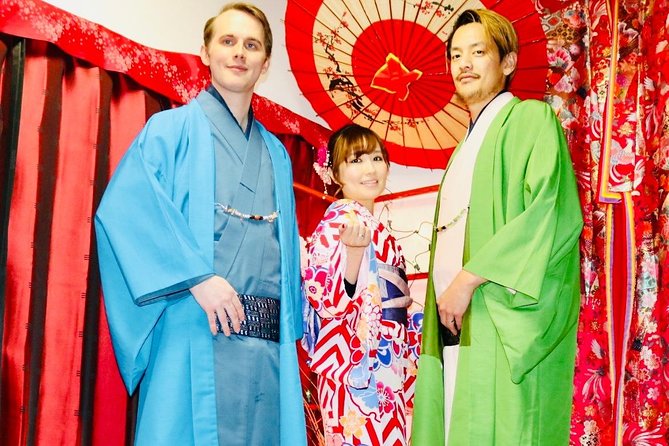
The tour does not include rain gear or cold protection. That’s important, because Tokyo weather can turn quickly, and being in a kimono changes how you handle discomfort.
If it’s raining, you might find yourself making choices like:
- waiting for lighter rain
- finding indoor stops near Asakusa
- cutting short longer walks
Also, plan for the time your feet spend on pavement. Sandals and clogs are part of the included set, but they’re not all-day sneakers. If you have any foot sensitivity, treat the day like a walking day with breaks.
Lastly, bring a simple plan for your phone. You’ll want photos, and the staff already plans a commemorative shot at pickup. After that, your time is on foot, so having your phone charged helps.
Who should book this kimono rickshaw experience
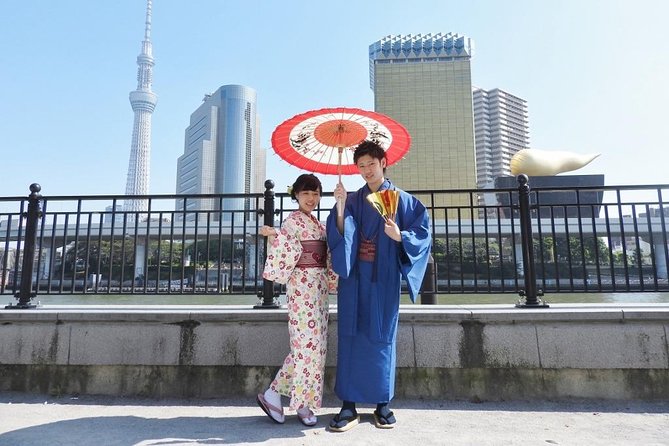
This is a strong fit if you want a compact “old Tokyo” moment without spending hours planning. It works well for:
- first-time visitors who want Asakusa to feel special
- couples and small groups, since the max group size is 5
- people who like guided structure at the start, then free time afterward
It’s also a good choice if you like photos and want someone else to handle the timing. The ride includes a photo moment, and you can get photo help if needed.
Who might rethink it:
- You want a slow, relaxed dressing session with lots of conversation. The dressing time is about 30 minutes, so it’s efficient rather than leisurely.
- You’re very sensitive to fit and extra fees for larger sizes. You might end up paying more for a better fit.
- You need very smooth English conversation. The tour includes professional staff, but not all communication may be detailed in English, so simple directions and trust in the process help.
Should you book? My decision guide
I’d book this if you want a straightforward kimono day in Asakusa, with real traditional flavor and a rickshaw ride that doesn’t steal your whole afternoon. The value is best when you’re comfortable with the dressing process being efficient and when you’re okay with possible kimono size add-ons.
If you’re on the fence, ask yourself two questions before you click:
- Do I want the full experience, kimono plus hair plus rickshaw, in one organized block?
- Am I willing to plan for fit and footwear comfort, especially if I might need a larger size?
If your answers are yes, this is the kind of Tokyo memory that feels different from the usual checklist day.
FAQ
What is included in the kimono rickshaw experience?
You get a drawstring bag and sandals with the rental. The kimono rental is complete, and it includes the kimono, hair styling, and hair accessories.
Do I need to bring anything for the dressing and kimono rental?
No. The experience is a complete rental, so there is nothing you need to bring with you for the kimono and dressing portion.
How long does it take to get dressed, and how long is the rickshaw ride?
Changing into the kimono takes about 30 minutes. The rickshaw ride itself is about 12 minutes, followed by time exploring Asakusa.
Where does the rickshaw drop you off?
You can discuss where to get off with the rickshaw driver. The plan is to get off near Kaminarimon and Sensoji Temple.
Is there an extra fee for larger kimono sizes?
Possibly. If you need a larger kimono due to your body size, an additional fee of 1,000 to 2,000 yen may apply. You pay directly on the day.
What shoes should I plan for?
Sandals are included in the rental. One note from the experience is that you cannot bring your shoes inside the actual store, and the staff handles your shoes.
What should I do if the weather is bad?
Rain gear and cold protection are not included. If you’re visiting in uncertain weather, plan to handle it yourself. The tour also uses yukata from June to September.
Rental Counters, Compared



Asakusa and the Skytree, Keep Going


Newest Tokyo write-ups from the Loving Japan desk






Asakusa, Senso-ji and Tokyo Skytree, side by side.
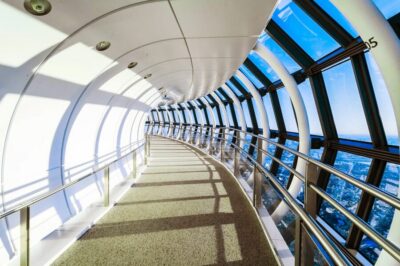 ★ 4.5TOKYO SKYTREE® Admission ticketFrom $1311,192 reviews
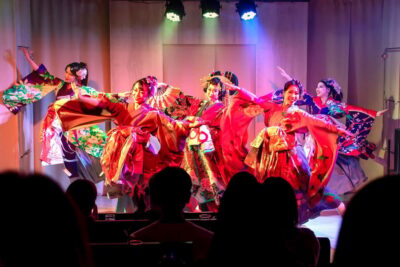 ★ 4.8Japanese Dance Cabaret Theater Asakusa-Kaguwa TicketFrom $492,270 reviews
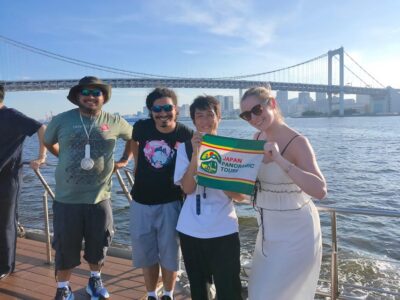 ★ 4.7Meiji Shrine, Asakusa, Skytree Bus Tour and CruiseFrom $1221,986 reviews
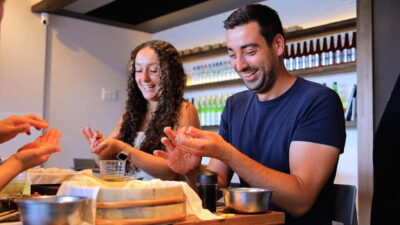 ★ 4.9Roll and Authentic Sushi Making Class in AsakusaFrom $581,957 reviews
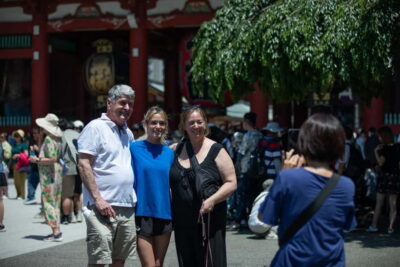 ★ 4.8Asakusa Walking Tour with Sensoji Temple VisitFrom $221,583 reviews
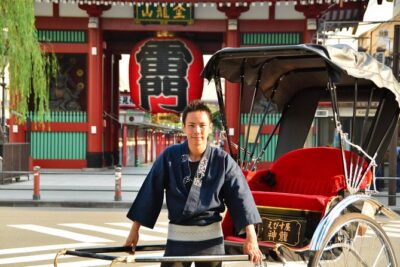 ★ 5.0Tokyo Asakusa Rickshaw TourFrom $421,375 reviews
 ★ 4.5Tokyo Panoramic 1 Day: Meiji Shrine, Asakusa, Odaiba and SKYTREE®From $851,222 reviews
 ★ 5.0Tokyo Go Kart: Asakusa, Skytree, and Akihabara **IDP MUST**From $99988 reviews