
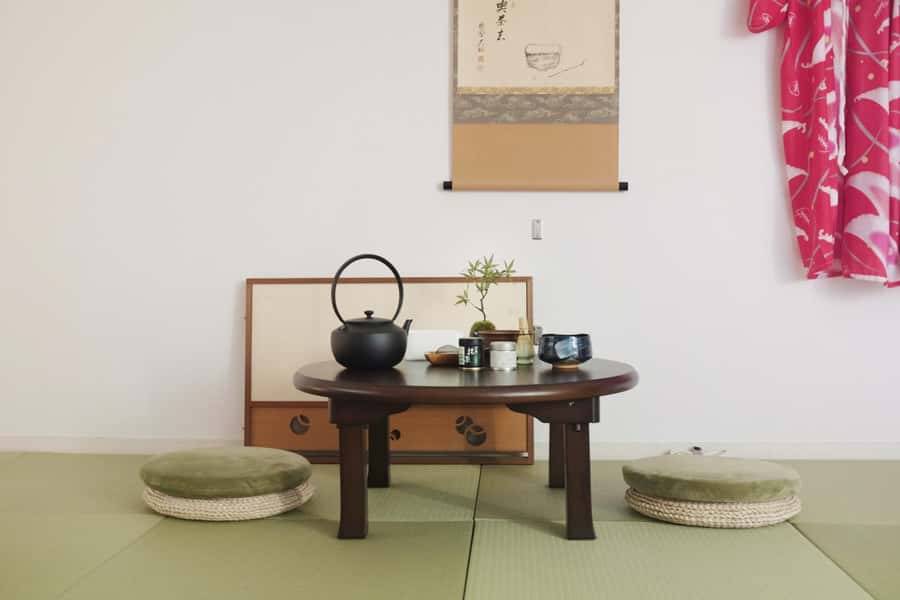
REVIEW · KYOTO TEA CEREMONIES AND MATCHA
Tokyo: Matcha and Kimono Experience
Want real matcha, not fake? This workshop near Shinjuku pairs an easy-to-wear kimono with a matcha lesson led by Komei, focused on what makes top tea taste different. You also get to hunt your favorite from an impressive 100+ matcha lineup, including an exclusive first flush selection.
Two big wins for me: the chance to taste and compare high-end matcha up close, and the way you practice in a proper tea-ceremony flow instead of just mixing powder and hoping. One thing to consider is that this is a rules-and-etiquette kind of experience, so you’ll need to be ready for quiet behavior, and you must bring socks for the flooring.
In This Review
- Matcha and Kimono Near Shinjuku: The Best Parts
- Getting Set Up Near Yotsuya: Location, Meeting Point, and Vibe
- The Easy Kimono Step: A Costume That Teaches Something
- Matcha Tasting Like a Pro: First Flush and the 100+ Selection
- Tea Ceremony and Teaism: What the Lesson Really Covers
- Hands-On Matcha Making: Tools Rental and a Real Bowl
- Japanese Sweets and Welcome Drink: Small Extras, Good Timing
- Price and Value: Why $57 Can Make Sense
- Who This Fits Best (and Who Might Feel Out of Place)
- Quick Practical Notes Before You Go
- Should You Book This Matcha and Kimono Experience?
- FAQ
- Where does the tour start?
- How far is the meeting point from Yotsuya station?
- What should I bring?
- Can I wear perfume or use strong fragrances?
- Is the experience suitable for children?
- Is there alcohol involved or allowed?
- What languages is the class taught in?
- What is included in the price?
Matcha and Kimono Near Shinjuku: The Best Parts
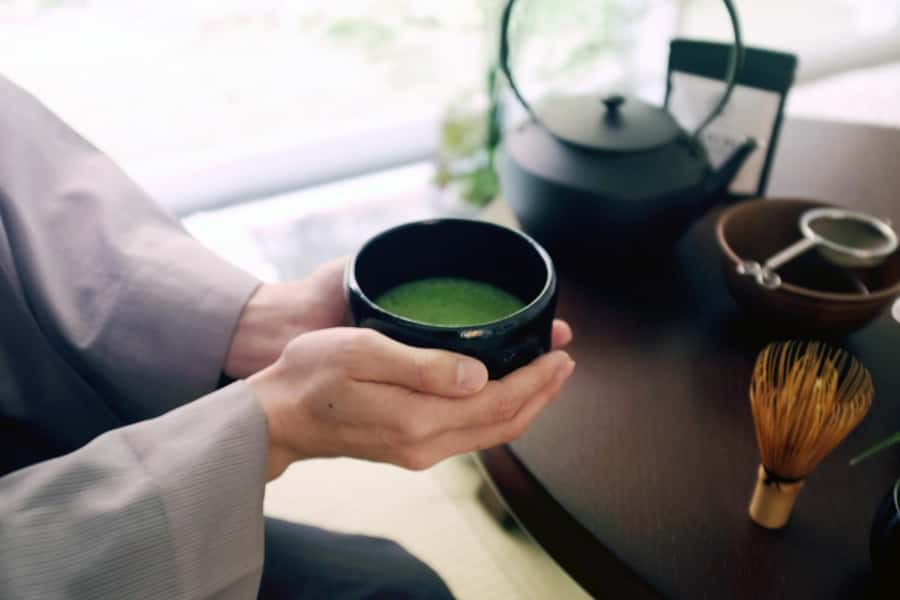
You’re not just learning matcha facts. You’re learning the habits that make a bowl look right, smell right, and taste clean. The session is structured around tea ceremony, Teaism, and then hands-on bowl-making, with a clear focus on what to do at home after the workshop ends.
Key points that make this one worth your time
- Exclusive first flush matcha from the maker’s broader 100+ matcha collection
- Easy-to-wear kimono that avoids the usual 30-minute dressing stress
- A guided matcha comparison that covers Japanese versus overseas matcha, plus real versus fake matcha
- Tea ceremony and Teaism taught by a tea expert, not just recited
- You make a beautiful bowl and learn 4 key points for doing it yourself at home
Sit down somewhere quieter. Other tea rooms we booked
- Matcha Making Class in Tokyo with Authentic Japanese Sweets Set
★ 5.0 · 744 reviews - Tokyo: Traditional Tea Ceremony with a Tea Master
★ 5.0 · 528 reviews - Tokyo: Matcha Making Experience with Mochi Sweets in Asakusa
★ 4.9 · 388 reviews - Tokyo: Matcha and Kimono Experience
★ 4.7 · 219 reviews
Getting Set Up Near Yotsuya: Location, Meeting Point, and Vibe
This is a Tokyo activity with a simple goal: get you close to authentic tea culture without making it feel like a museum lecture.
You meet in front of the LUUP scooter stand next to the ACN Yotsuya Building. The key is the workshop sign. It’s about a 6-minute walk from Yotsuya station, and you’ll feel like you’re right by Shinjuku, which matters in a city where “getting there” can eat your day.
Bring socks. You’ll protect the traditional flooring, and if you forget, you may be asked to buy them at the workshop place. Also, plan on a quiet, respectful atmosphere. No alcohol and drugs, no strong fragrances, and no noise.
The Easy Kimono Step: A Costume That Teaches Something
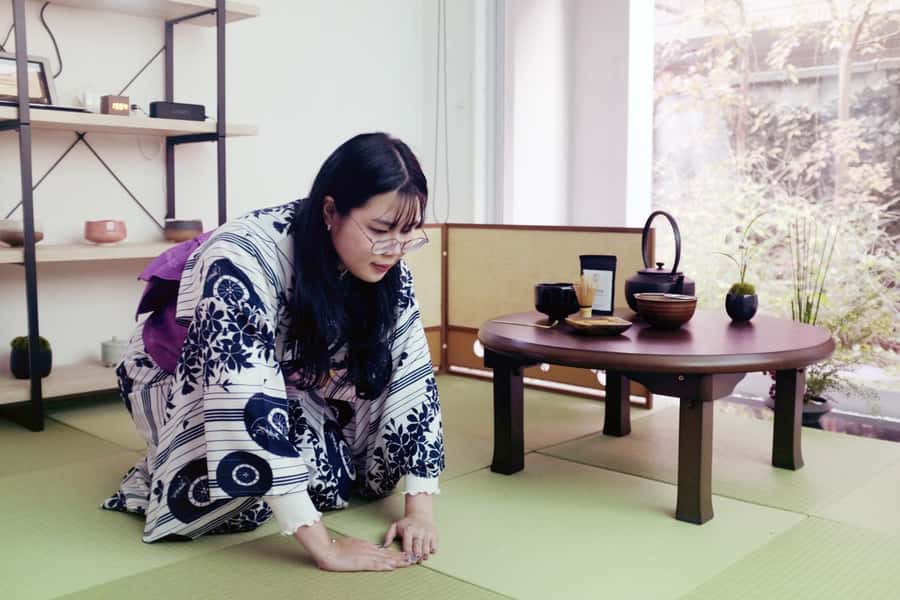
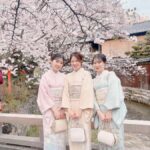
One reason people love this experience is that it starts with the kimono, and it’s designed to be practical. Unlike traditional kimono sessions that can take about 30 minutes, the kimono here is made to be put on easily and quickly.
You wear the kimono throughout the experience, and you’ll get the basic manner of how to wear it properly. That matters because the workshop isn’t treating kimono as a photo filter. It’s treated like part of the etiquette system around tea.
In at least some groups, the host also helps take photos of your group. That’s a small thing, but it changes the feel of the workshop, because you stop worrying about your phone and just enjoy the moment.
Matcha Tasting Like a Pro: First Flush and the 100+ Selection
The workshop’s heart is matcha, and they don’t start with a single cup. They start with a selection.
You’ll taste and compare an exclusive first flush matcha, described as the highest quality. “First flush” is a real quality concept tied to early harvest, and in this setting it becomes your benchmark. Then you get to find your favorite using your eyes, nose, and tongue as you sample from a lineup of 100+ matcha.
You also learn why Japanese matcha and overseas matcha can be very different. That’s useful because most people in Tokyo and abroad are exposed to matcha that is made for desserts, not for drinking. Here, you’re being trained to notice what quality tastes like in a straight bowl.
There’s also a direct comparison element. You’ll compare real matcha versus fake matcha, which is exactly the kind of practical skill that turns a nice drink into real understanding. You stop guessing and start recognizing.
Rental shops we have actually walked into
- Let’s make kimono !(Kimono is a gift for you★ 5.0 · 252 reviews
- Tokyo: Matcha and Kimono Experience★ 4.7 · 219 reviews
- Tokyo: Asakusa Kimono Dressing and Matcha Experience★ 4.9 · 173 reviews
- Asakusa: Kimono Tea Ceremony with Matcha and Sweet★ 4.9 · 153 reviews
- Matcha Kimono Tea Ceremony in Tokyo★ 5.0 · 104 reviews
Tea Ceremony and Teaism: What the Lesson Really Covers
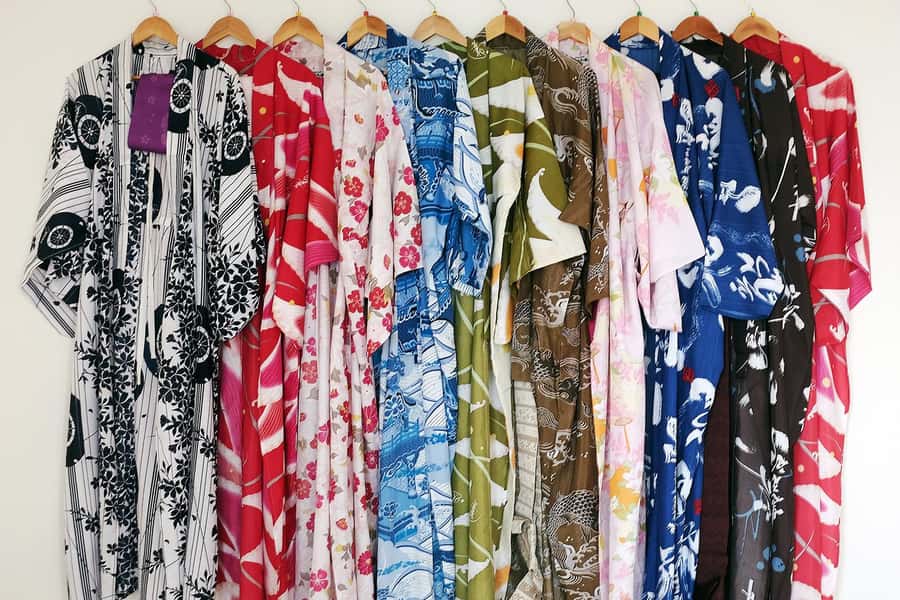
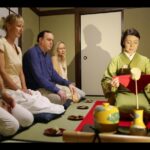
After kimono and early tasting, you shift into the cultural “why.” This part is led by a tea expert and focuses on tea ceremony plus Teaism.
You’ll learn the difference of teas, including green, black, and Chinese teas. You’ll also get the important philosophy behind Teaism and how it connects to the tea ceremony.
The value here is that you’re not memorizing a script. You’re learning the way tea culture explains attention, respect, and intention. Even if you’ve never watched a tea ceremony before, the lesson is built to make the gestures make sense.
And you’re not left hanging on theory. The workshop moves you toward technique, including the basic manners of how to drink a bowl of matcha properly.
Hands-On Matcha Making: Tools Rental and a Real Bowl
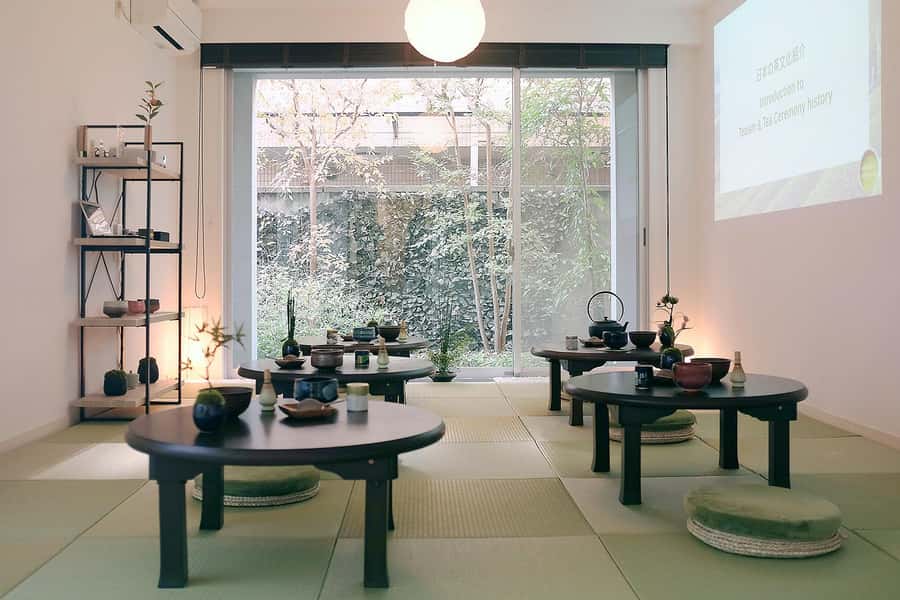
This is where the experience becomes useful for your own kitchen.
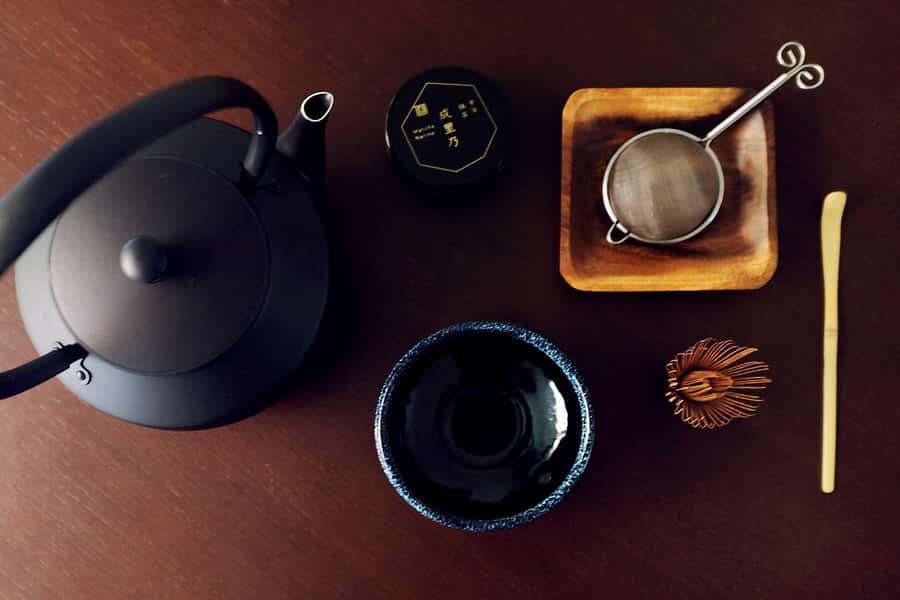
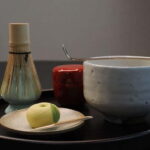
You use tea ceremony tools, which are rented for the lesson. That’s helpful because matcha tools can look confusing online. When you get to handle the items in person, you understand what matters and what doesn’t.
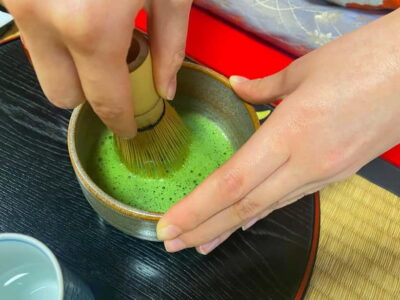
You’ll learn how to prepare a beautiful bowl of matcha and practice the process with guidance. The workshop specifically calls out four key points for making matcha at home. I like this approach because it gives you a checklist, not just a vague “whisk and enjoy.”
The result is that you walk away with both confidence and a method you can repeat. You’re not just paying for the drink you finish on-site. You’re paying to build a small skill you’ll use again.
Japanese Sweets and Welcome Drink: Small Extras, Good Timing
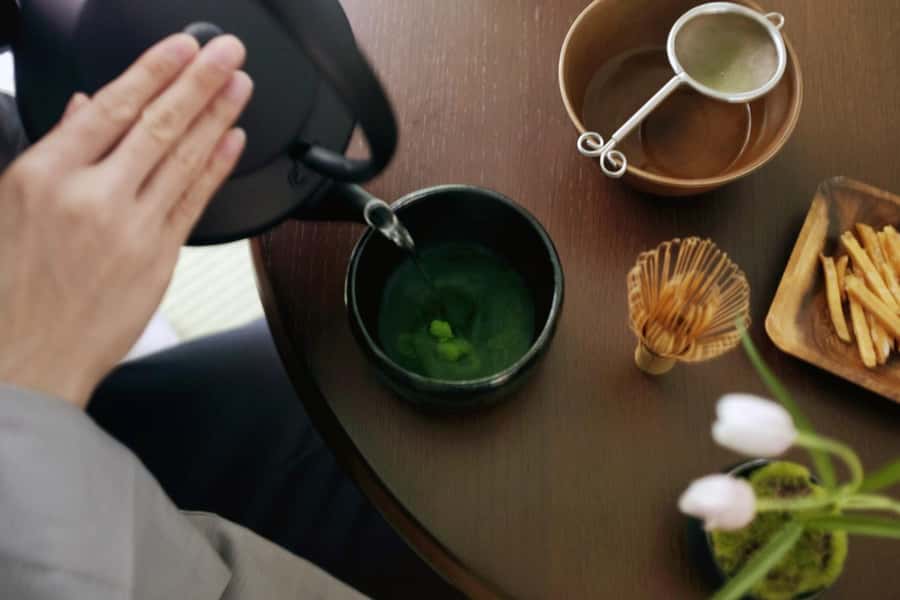
Most tea experiences include food, but here the sweets and welcome drink feel like part of the pacing.
You get Japanese traditional sweets along with a welcome drink. That’s a smart pairing because matcha can be intense on its own. The sweetness helps you reset your palate during the tasting and learning phase, so your later bowl-making feels clearer rather than rushed.
It also adds to the “tea time” feeling, which is important for this kind of cultural workshop. It’s not a lab, and it’s not a shopping spree. It’s a calm, structured session.
Price and Value: Why $57 Can Make Sense
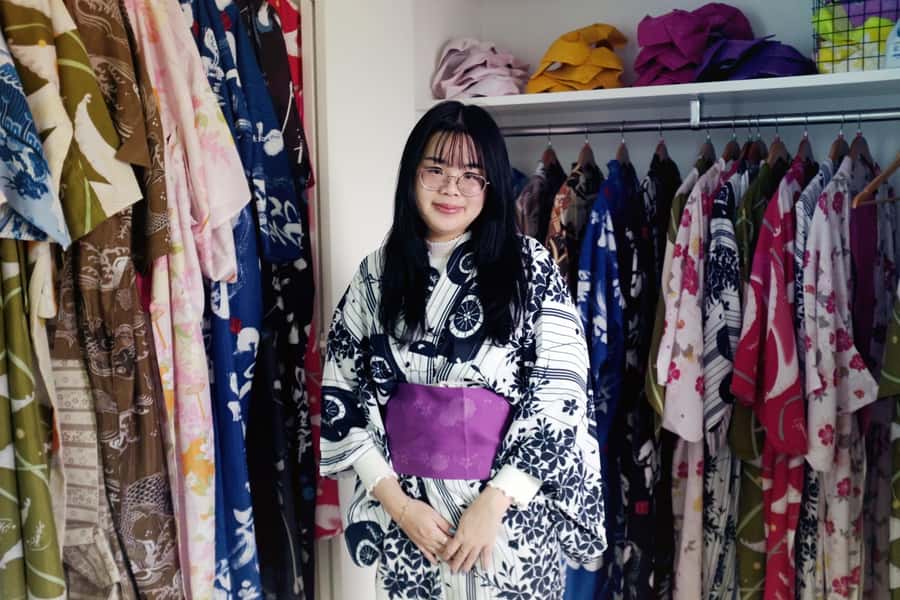
$57 per person sounds simple, but value depends on what’s included, and this one has a lot packed into the price.
You’re paying for:
- an exclusive first flush matcha tasting from a 100+ matcha collection
- a kimono to wear throughout
- a tea ceremony and Teaism lecture by a tea expert
- matcha making lesson plus tool rental
- Japanese sweets and a welcome drink
When you compare that to paying separately for a kimono rental, a tea lecture, and matcha tastings, the bundled price starts to look reasonable. You’re also getting the etiquette layer, including manners for drinking matcha, which is hard to replicate if you only do a basic tasting.
The best value angle for me is the skills part. The workshop doesn’t stop at tasting. You learn the process and the key points for making matcha at home.
Who This Fits Best (and Who Might Feel Out of Place)
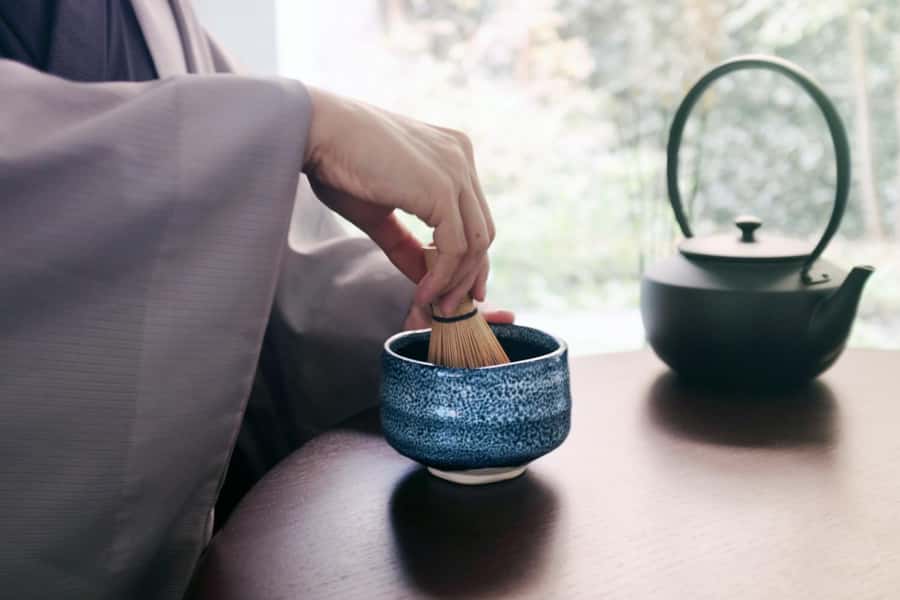
This is ideal if you want authentic Japanese tea culture in a way that’s hands-on.
You’ll likely enjoy it if you:
- love matcha and want to understand quality, not just flavor
- want a kimono experience that’s easy to wear and tied to etiquette
- enjoy structured lessons with a knowledgeable guide like Komei
- want a small, calm activity near Shinjuku that doesn’t require hours of planning
You might not love it if you:
- want a loud, nightlife-style experience
- dislike quiet rules and etiquette
- need alcohol or strong scents as part of your personal routine
One more practical note: the experience is not suitable for children under 5 years old.
Quick Practical Notes Before You Go
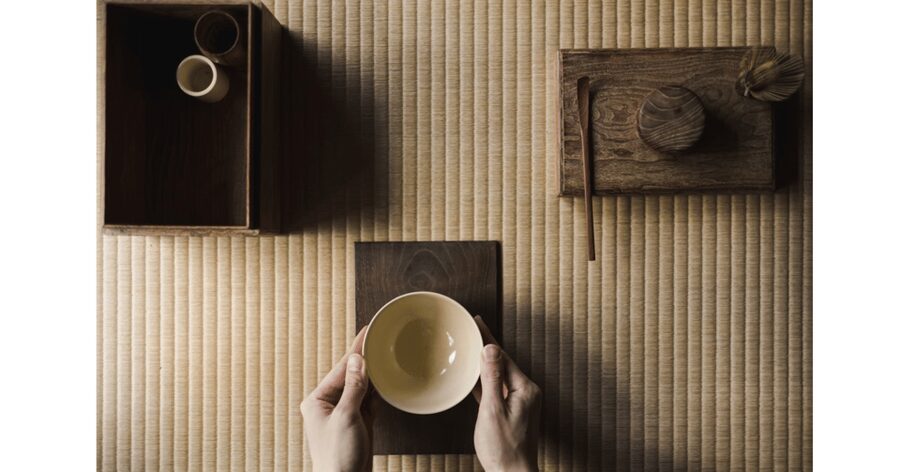
To keep things smooth:
- Bring socks, since they protect the traditional flooring. If you forget, you might be able to buy some on-site.
- Avoid strong fragrances and keep the volume low. This is part of the respect system in tea culture.
- Plan to arrive on time. A booking can be automatically canceled if you are delayed by 10 minutes from the appointment time, and no refund is accepted in that case.
- Know the end point is back at the meeting spot, so you’re not stuck navigating.
Languages are English and Japanese, so most visitors can follow along comfortably.
Should You Book This Matcha and Kimono Experience?
Yes, if your goal is to leave Japan with a real matcha skill, not just a souvenir.
I’d book it if you want three things at once: quality matcha tasting, a proper tea ceremony plus Teaism explanation, and the hands-on bowl-making lesson with tools. The kimono portion is also a strong value add because it’s designed to be easier than the usual dressing time.
Skip it only if you’re looking for something casual and chaotic, or if you’re not comfortable following etiquette rules. Otherwise, this is one of those Tokyo experiences that turns a beautiful ritual into something you can actually repeat at home.
FAQ
Where does the tour start?
You start at the LUUP scooter stand next to the ACN Yotsuya Building with a workshop sign. The activity ends back at the same meeting point.
How far is the meeting point from Yotsuya station?
It’s about a 6-minute walk from Yotsuya station.
What should I bring?
You should bring your own socks to protect the traditional flooring.
Can I wear perfume or use strong fragrances?
Strong fragrances are not allowed.
Is the experience suitable for children?
It is not suitable for children under 5 years.
Is there alcohol involved or allowed?
Alcohol is not allowed.
What languages is the class taught in?
The languages are English and Japanese.
What is included in the price?
The price includes the matcha experience, a kimono to wear throughout the experience, a Teaism and matcha lecture by a tea expert, matcha making lesson, exclusive first flush matcha, Japanese traditional sweets, a welcome drink, and tea ceremony tools rental.
Rental Counters, Compared


Kyoto by the Bowl


Newest Tokyo write-ups from the Loving Japan desk


Kyoto Tea Ceremonies and Matcha, side by side.
 ★ 4.9Tea Ceremony in a Traditional Tea House in KiyomizuFrom $493,519 reviews
 ★ 4.9Tea Ceremony Ju-An at Jotokuji TempleFrom $293,207 reviews
 ★ 4.345-Minute Tea Ceremony Lesson ExperienceFrom $222,378 reviews
 ★ 5.0World Heritage Kyoto & Nara Uji Authentic Matcha ExperienceFrom $1291,573 reviews
 ★ 4.9Tea Ceremony ExperienceFrom $251,426 reviews
 ★ 4.9Table-Style Tea Ceremony at a Kyo-MachiyaFrom $451,211 reviews
 ★ 4.8Kenrokuen Tea Ceremony ExperienceFrom $351,139 reviews
 ★ 5.0Kimono Tea Ceremony at Kyoto Maikoya, NISHIKIFrom $65911 reviews
Filed on these lists too