
REVIEW · KYOTO TEA CEREMONIES AND MATCHA
Tokyo: Asakusa Kimono Dressing and Matcha Experience
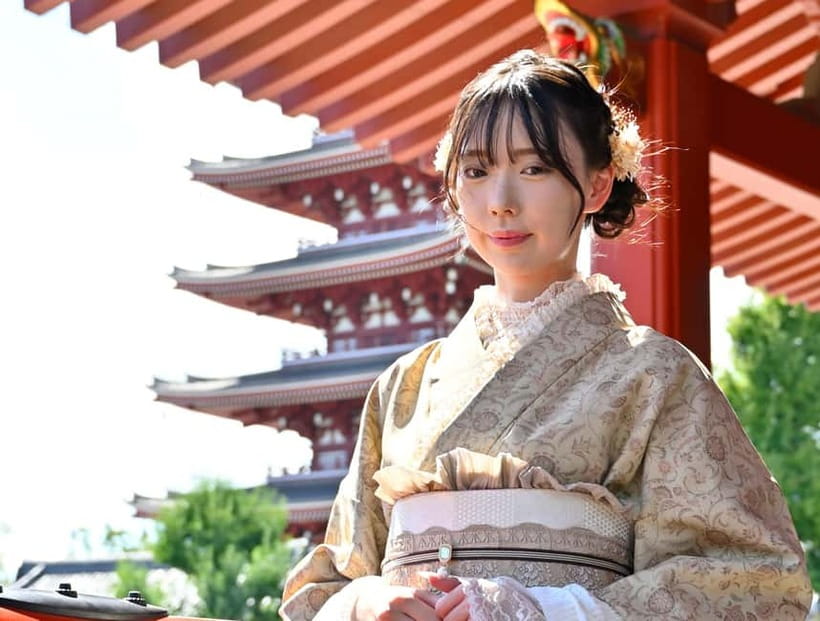
Kimono time in Asakusa feels instantly different. You get professionally fitted kimono or yukata, your hairstyle set, then a matcha lesson before you head out through Tokyo’s oldest district around Sensoji. It is also one of the few short activities that still feels special, not rushed.
Two things I really like are the hands-on support from Tsuyoshi and the team, plus the way the matcha portion is taught like a tradition, not just a drink. One thing to consider: the whole experience is built around a return by 17:30, so you need to plan your day around it.
In This Review
- Key highlights you will feel right away
- Why Asakusa kimono time beats a quick rental
- Getting started at YUI: where to meet and what happens first
- Choosing your kimono and fitting it for real street walking
- Hairstyle and accessories: the part people notice first
- Matcha lesson with a tea-ceremony practitioner, plus sweets
- The Asakusa stroll window: how to plan your walk after dressing
- Optional private photo shoot near Sensoji and Sumida River
- Price and value: what $56 really buys you
- Who should book this kimono and matcha experience
- Should you book this Asakusa kimono and matcha session?
- FAQ
- What is the duration of the experience?
- Where is the meeting point?
- What is included in the price?
- Is the photo session optional?
- What should I do about makeup or a full tea ceremony?
- What time do I need to return the kimono?
- Is it suitable for children and wheelchair users?
- Are all kimono types included?
- Is luggage storage included?
- Is it suitable during pregnancy?
Key highlights you will feel right away
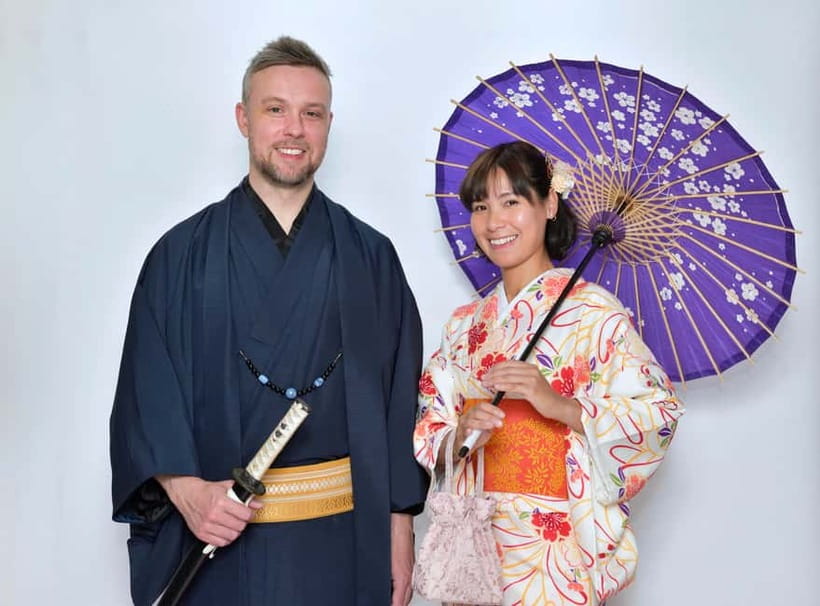
- Choose from many kimono and yukata styles, then get help matching accessories and overall look
- Hair styling is included, and the staff works patiently, even with harder hair textures
- Matcha comes with a proper drinking lesson, led by the shop owner who practices tea ceremony
- You get to walk Asakusa on your own, not boxed in with constant narration
- Optional private photo session near Sensoji and Sumida River, with edited photo data delivered after editing
- Wheelchair accessible and child friendly, with one clear no, it is not suitable for pregnant women
Still on the Sumida side? A few more Asakusa options
- Tokyo: Japanese Dance Cabaret Theater Asakusa-Kaguwa Ticket
★ 4.8 · 2,270 reviews - Tokyo: Meiji Shrine, Asakusa, Skytree Bus Tour and Cruise
★ 4.7 · 1,986 reviews - Tokyo: Roll and Authentic Sushi Making Class in Asakusa
★ 4.9 · 1,957 reviews - Tokyo: Asakusa Walking Tour with Sensoji Temple Visit
★ 4.8 · 1,583 reviews
Why Asakusa kimono time beats a quick rental
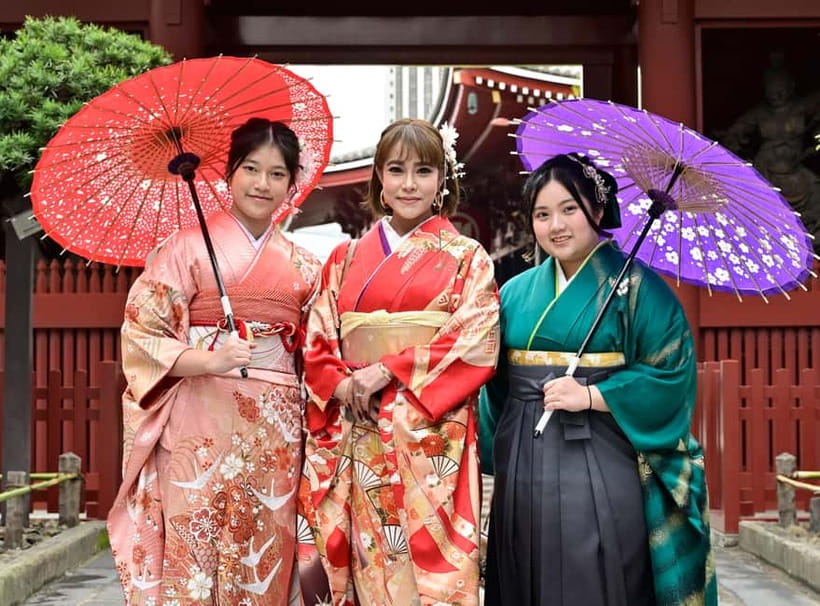
Asakusa is one of the best places in Tokyo to do this. The streets are old-school enough that a kimono does not feel like costume cosplay, it feels like part of the neighborhood. Sensoji is the obvious magnet, but the back streets and temple approach lanes are where your photos and people-watching really happen.
What makes this setup work for a trip is the balance. You are not just handed a garment and sent off with a backpack sized explanation. You spend real time picking your look, getting layered correctly, and getting your hair styled. That turns a simple rental into a full outfit experience, and it shows in how comfortable you feel when you start walking.
The matcha side is the other reason it is worth your time. The shop owner practices tea ceremony, and the lesson focuses on how to drink matcha the traditional way. You get sweets too, so it feels like a complete pause in your day, not a tiny snack stop.
The only real caution is timing. You have an operation window from 9:30 to 17:30, and you must return your kimono by 17:30. If your plan is a long evening run to other neighborhoods, schedule this earlier so you do not feel stressed.
Getting started at YUI: where to meet and what happens first
Your meeting point is straightforward: take the elevator to the 2nd floor of the building. From there, you are in the rental shop space where the selection and fitting happen.
This matters because it sets the tone. The staff time is used well, you are not wandering around in socks trying to find your sizing and your “where do I stand” moment. You also get to settle in before you’re dressed, which makes the whole process smoother.
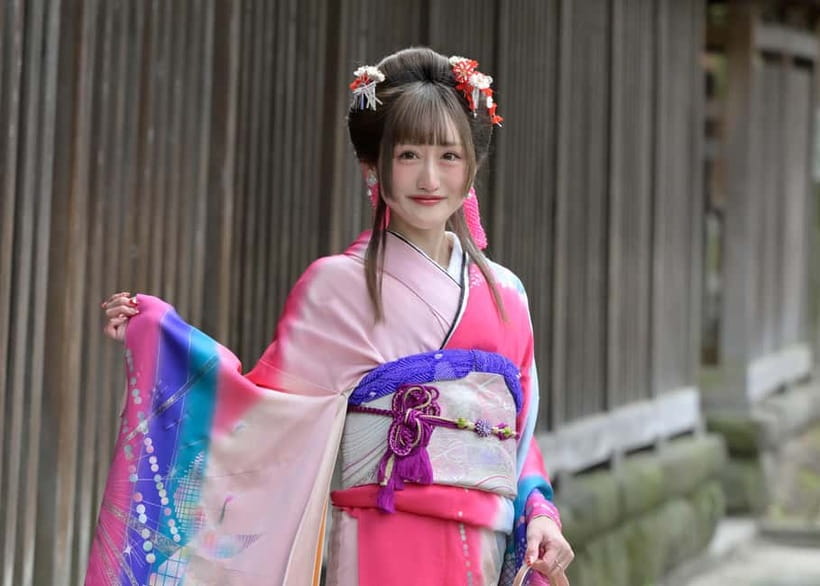
Once you are seated, you start the part you will remember most: choosing what you wear. There is a wide lineup of kimonos and summer yukatas, with options for different occasions and different comfort levels. You can pick something easier to walk in, or go more formal if you want that silk or special occasion look. If you want an upgrade, lace kimono, silk kimono, haori hakama, and furisode are available for an extra cost.
Then the fitting begins. Expect a dressing and hair setup that usually takes 45 to 70 minutes. That range is normal, because hair type and outfit complexity affect the time. You are not expected to do it fast. The goal is that you look right and feel secure while walking Asakusa.
Choosing your kimono and fitting it for real street walking
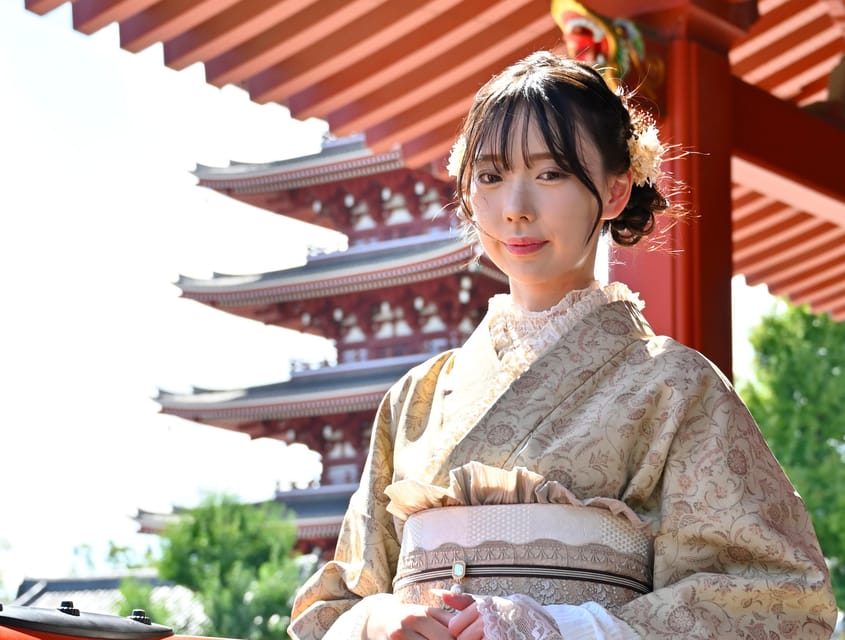
The big win here is that the shop helps you choose. One review experience that stood out was how the team makes outfit advice feel personal, not generic. If you are unsure, you are not stuck guessing in front of a rack.
Here is what you can plan for during fitting:
- You pick from many kimono or yukata options, including styles meant for walking
- Staff helps with layering so it sits correctly and does not look sloppy in motion
- You get footwear and a traditional handbag included, so your outfit reads complete, not half-finished
Footwear is wooden Japanese sandals, geta. These are part of the look, but they also affect how you walk. Your confidence will come from having the staff check how everything sits before you go. The included traditional handbag helps too, because it gives you a place to put what you need for your stroll without dragging a modern backpack through temple crowds.
In terms of value, this is where the $56 price feels less like “paying for a photo” and more like paying for a professional styling service. You are paying for the selection time, the outfit work, and the included accessories. If you have tried rentals elsewhere, you know that the hidden cost is your own time and effort. Here, they remove that stress.
Sit down somewhere quieter. Other tea rooms we booked
- Matcha Making Class in Tokyo with Authentic Japanese Sweets Set★ 5.0 · 744 reviews
- Tokyo: Traditional Tea Ceremony with a Tea Master★ 5.0 · 528 reviews
- Tokyo: Matcha Making Experience with Mochi Sweets in Asakusa★ 4.9 · 388 reviews
- Tokyo: Matcha and Kimono Experience★ 4.7 · 219 reviews
- Tea Ceremony Workshop in Tokyo by the Experienced Instrucor★ 5.0 · 189 reviews
Hairstyle and accessories: the part people notice first
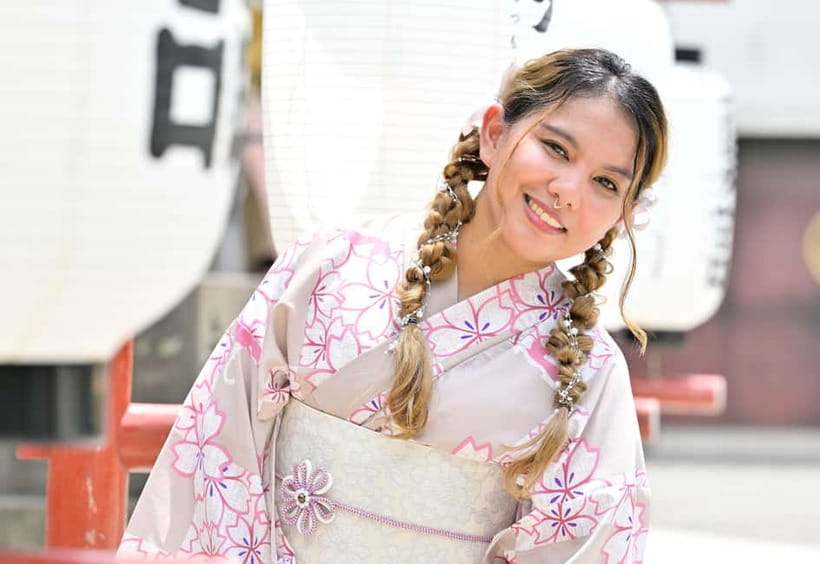
Kimono outfits are visual, but the first thing people clock is your hair. That is why I like that hairstyles and accessories are built into the package, not treated like an optional add-on you forget until the end.
The staff provide a hairstyle that matches your look and your overall outfit style. Multiple reviews highlight that they take hair seriously, including patient work for hair textures that are not common in Japan. If you have curly or hard-to-style hair, this matters. It also matters if you want your hair to look traditional without feeling like you have to tolerate a mismatched result.
Accessories are also included: hair accessories, plus the handbag. These small pieces make a surprising difference. When you get them right, your whole outfit looks intentional. When you miss one piece, you start feeling like a tourist in rented clothing.
A practical note: dressing takes time. You may feel warm under the layers, especially in season. It is normal. Wear comfortable underclothes and plan for a little temperature swing during the fitting.
Matcha lesson with a tea-ceremony practitioner, plus sweets
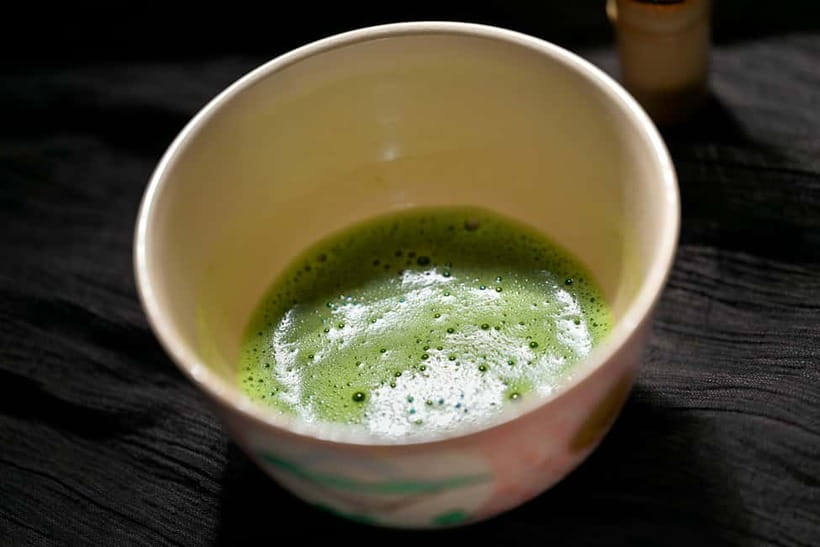
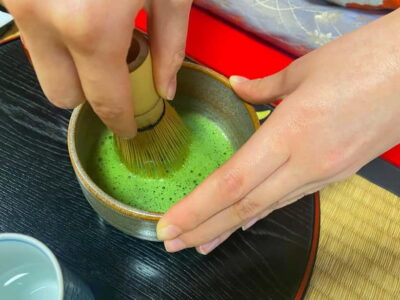
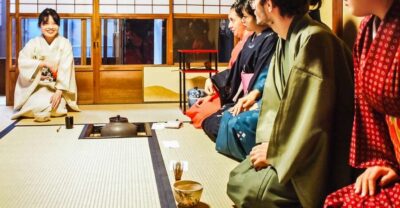
After fitting, you move into the matcha experience. The matcha tea experience takes about 15 minutes, and it is taught in a tea ceremony tradition style. The shop owner practices tea ceremony, and the lesson includes how to drink matcha properly, not just how to order it.
You also get sweets. That matters because matcha has a specific taste profile, and the sweetness helps you enjoy it at your pace. If you like green tea, you will probably already appreciate the flavors. If you think matcha sounds too bitter, the lesson and pairing can change how you feel about it.
Here is what you should come away with. You are not just tasting. You learn the correct way to handle matcha in the context of tradition. That means you are more likely to remember it as an experience, not a quick sip.
And yes, this is one of the reasons the reviews are so consistently positive. The tea portion feels personal because you are taught, not just served.
One more practical detail: the matcha session is compact. It fits inside your 2-hour core block, so you are not stuck waiting around.
The Asakusa stroll window: how to plan your walk after dressing
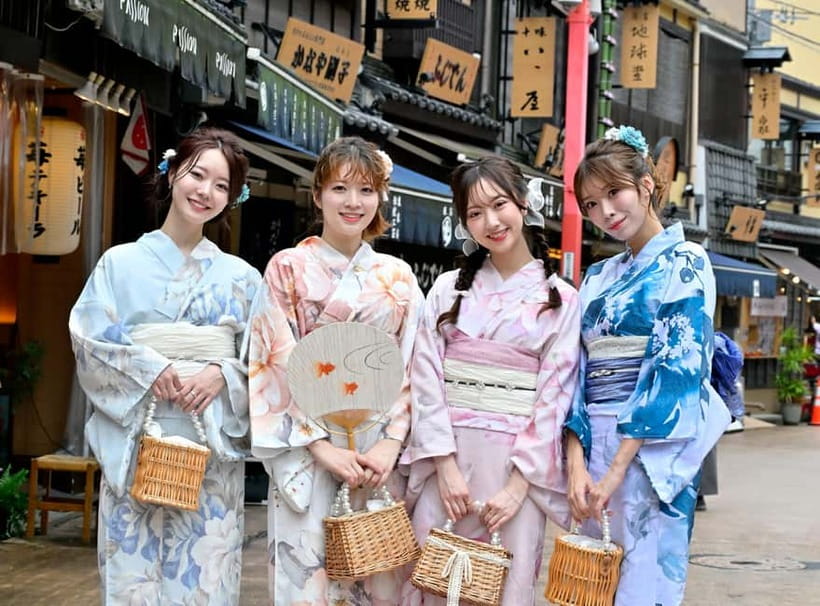
Once you are dressed and styled, you get your time outdoors. You can explore the scenic streets of Asakusa district at your own pace until 17:30, when it is time to return the kimono.
This is a key design choice. It lets you set your own rhythm in a place that rewards wandering. Want quiet temple approach photos? Go first. Want shopping lanes and river views? Go later. The kimono basically becomes your navigation tool, you will find yourself drawn toward photogenic corners naturally.
When you are out in kimono, simple logistics matter more than you expect. Here are the things to keep in mind:
- Take it slow with geta sandals, especially on uneven stones
- Plan for fewer stops and more intention, so you do not feel like you are rushing back
- Think of your kimono time as your main street activity, not just one stop between trains
This is also where Asakusa’s layout helps you. The shop is located near major sights. The shop is about a 4-minute walk from Asakusa Station and about 2 minutes from the Kaminarimon gate area. That puts you in the right zone to move without long transfers.
Also, there is a big comfort advantage here: you are in local fabric, not a heavy costume. Most of the pain points are about walking footwear and timing, and those are manageable if you keep your schedule realistic.
Optional private photo shoot near Sensoji and Sumida River
If you want photos to look like you spent a day in Japan, the photo session is the best add-on. It is optional, and it is built around the most photogenic zone near Sensoji Temple and Sumida River.
The photo session lasts 60 minutes, and a professional photographer accompanies you. They also introduce spots around Sensoji and the river area, so you are not just wandering and hoping you find the perfect angle. The session comes with photo data that you download after editing within a week.
This is a smarter approach than many “walk and take a few snapshots” tours. You have guided placement and timing, and you get enough time for different outfit looks as you move.
One practical tip if you choose the shoot: treat it like an activity with a warm-up. You might feel a little stiff at first in kimono, so give the photographer a bit of room to guide you into poses that actually feel natural.
If you are traveling solo, the private session can be extra valuable because you do not have to hand your phone to strangers. Reviews also mention that posing support makes people feel at ease, which is exactly what you want when you are wearing an outfit this distinctive.
Price and value: what $56 really buys you
At $56 per person for a 2-hour core experience, this is not “cheap,” but it is also not inflated when you break down what is included.
You are getting:
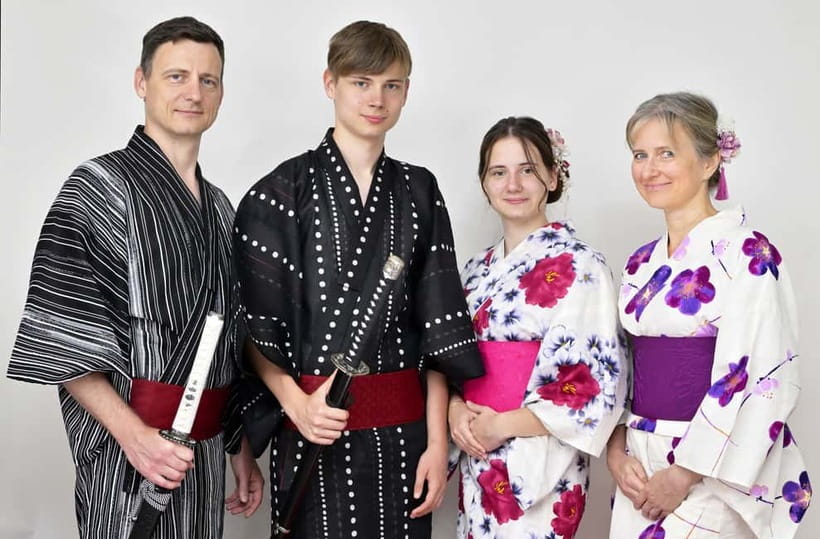
- Kimono or yukata rental for adults and children
- Hairstyle and accessories, including hair accessories, geta sandals, and a traditional handbag
- Matcha tea and sweets
- Optional photo session if you add it later
The value is in the human time. Clothing rentals are easy to count. Styling time is harder to price, but that is the core of what makes the experience feel complete. The matcha lesson adds another trained component, especially since the shop owner practices tea ceremony and teaches how to drink matcha properly.
Compare that to what you might pay for a kimono rental alone in some areas. When you do not add a hairstyle and you still have to figure out accessories and tea etiquette on your own, you end up spending more time and usually less confidence.
If you want a simple street walk plus a cultural tasting, you get both. If you want photos, you can pay for the add-on and turn the whole thing into a lasting memory with edited results.
Who should book this kimono and matcha experience
This is a great fit for:
- Families with kids, because kimono rental is included for children and the staff can handle different ages with patience
- Wheelchair users, since the activity is wheelchair accessible
- Solo travelers who want a clear, structured way to look great in Asakusa, with photos supported by a professional option
- Tea lovers or curious eaters who want more than a sip of matcha, they want the traditional way to drink it
It is not a great fit for pregnant women. That is specifically noted as not suitable.
Also, if you dislike clothing changes and would rather do a museum, this might feel like too much prep time. But if you want one “wow” moment in Tokyo that is very visual and very Japanese, this is one of the easiest ways to do it.
Should you book this Asakusa kimono and matcha session?
I would book it if you want a short, high-impact Tokyo experience that gives you both style and culture. The kimono dressing is professionally handled, the hairstyle and accessories are included, and the matcha lesson is taught in a tea ceremony tradition style by the shop owner. The option to add a private photo session near Sensoji and the Sumida River is icing that turns the outfit into real keepsake photos.
Skip it only if 17:30 is impossible for your day plan, or if walking in geta sandals would be a deal-breaker. If you can work around that, you will leave with a story that feels authentically Asakusa, plus pictures you will actually want to keep.
FAQ
What is the duration of the experience?
The core experience is 2 hours. Dressing and hair arrangement usually take 45 to 70 minutes, and the matcha experience takes about 15 minutes. If you add the photo shoot, it runs for 60 minutes.
Where is the meeting point?
You take the elevator to the 2nd floor of the building at the meeting location.
What is included in the price?
You get kimono or yukata rental for adults and children, hairstyle and accessories (including footwear and a handbag), plus matcha tea and sweets. Photo shooting is available as an add-on option.
Is the photo session optional?
Yes. You can choose an add-on private photo shooting session. It lasts 60 minutes and is done around Sensoji Temple and the Sumida River. Your edited photo data is sent for download after editing within a week.
What should I do about makeup or a full tea ceremony?
Makeup is not included, and a full tea ceremony is not included. What you do get is a matcha experience with a lesson on how to drink matcha according to tea ceremony traditions.
What time do I need to return the kimono?
You need to return the kimono no later than 17:30. The operation hours run from 9:30 to 17:30.
Is it suitable for children and wheelchair users?
Yes. The experience is suitable for children and is wheelchair accessible.
Are all kimono types included?
Most kimono and yukata styles are available as part of the rental. Lace kimono, silk kimono, haori hakama, and furisode are available at an extra cost.
Is luggage storage included?
Large luggage storage is not included and is available for an additional cost.
Is it suitable during pregnancy?
No, it is not suitable for pregnant women.
Kyoto by the Bowl

Asakusa and the Skytree, Keep Going


Newest Tokyo write-ups from the Loving Japan desk
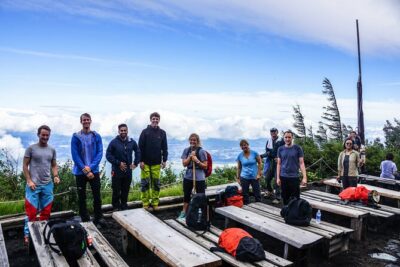
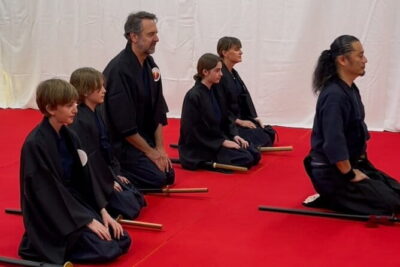
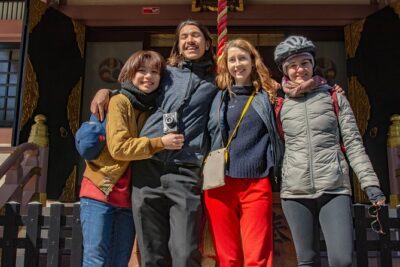
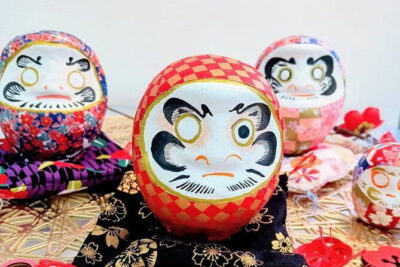

Kyoto Tea Ceremonies and Matcha, side by side.
 ★ 4.9Tea Ceremony in a Traditional Tea House in KiyomizuFrom $493,519 reviews
 ★ 4.9Tea Ceremony Ju-An at Jotokuji TempleFrom $293,207 reviews
 ★ 4.345-Minute Tea Ceremony Lesson ExperienceFrom $222,378 reviews
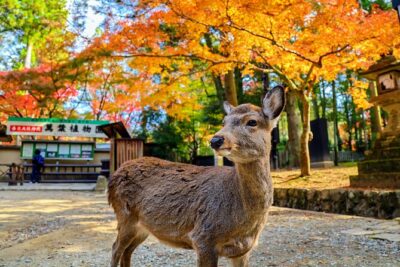 ★ 5.0World Heritage Kyoto & Nara Uji Authentic Matcha ExperienceFrom $1291,573 reviews
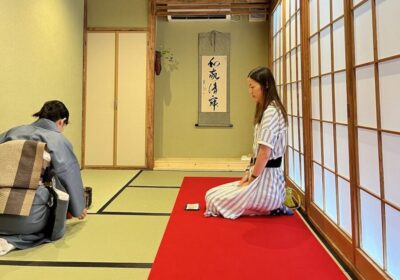 ★ 4.9Tea Ceremony ExperienceFrom $251,426 reviews
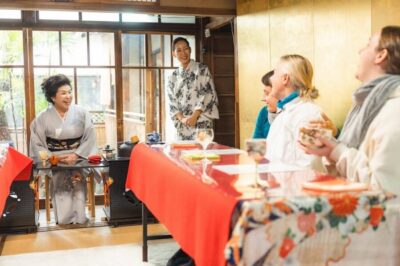 ★ 4.9Table-Style Tea Ceremony at a Kyo-MachiyaFrom $451,211 reviews
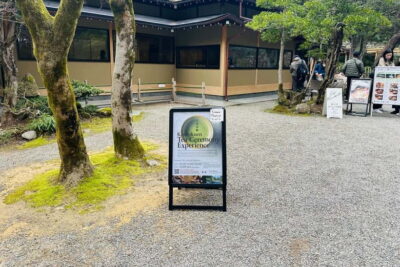 ★ 4.8Kenrokuen Tea Ceremony ExperienceFrom $351,139 reviews
 ★ 5.0Kimono Tea Ceremony at Kyoto Maikoya, NISHIKIFrom $65911 reviews