
REVIEW · KIMONO AND YUKATA RENTAL
Let’s make kimono !(Kimono is a gift for you
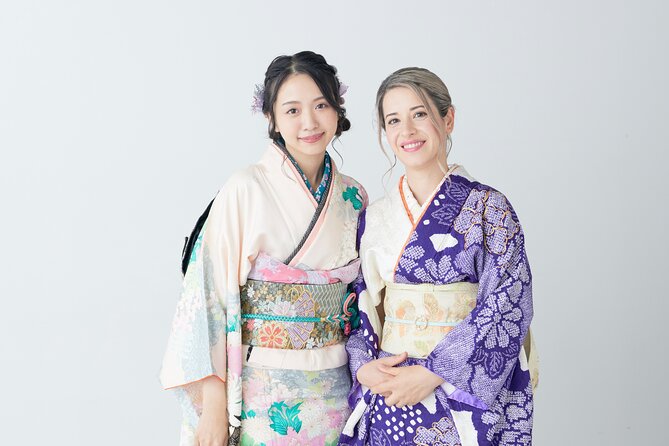
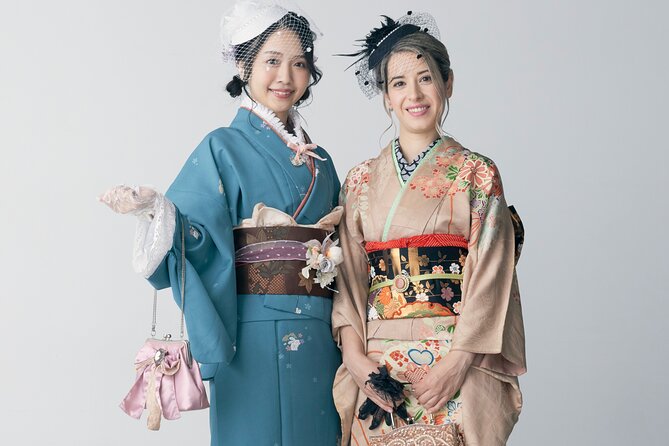
A kimono class that feels personal. I love that you choose your vintage kimono and get it fitted to your size, then practice how to wear it like you mean it. The free obi rental is a big value perk in Tokyo, and the small setting keeps it relaxed and hands on. One thing to consider, not every kimono upgrade is included, and some pieces are vintage, so you may see mild marks.
This workshop turns a simple try-on into real tailoring. I like the clear step by step help, and the fact that you get photo time at the end so your outfit looks as great in pictures as it does on you. For men, the name printing and for kids, the name details on collars add a fun, personal touch. The main drawback is that the class is focused on making and wearing, so if you want a long cultural lecture, you might need to ask questions.
If you want a kimono experience that feels like a local craft session, this is a solid pick. The small group size (up to 5) makes it easier to get help with fit, and the staff guidance seems to work well even for people who feel intimidated by kimono layers. Just double-check how much extra you want to spend for a more ornate kimono option.
In This Review
- Key things to know before you go
- Why this kimono class in Kiba is worth your time
- Finding the studio and what the 90 minutes feels like
- Choosing your vintage kimono without getting blindsided
- Free obi rental, and how it changes the value
- Women’s kimono session, from choosing to wearing
- A small note on expectations
- Men’s kimono session, Kanji name printing and ironing
- Kids can join, but boys and girls follow different flows
- What you leave with, and why this feels more authentic than a rental
- Price and add-ons, plus how to keep your total sane
- Weather and the small practicalities that matter
- Photography help and your final outfit look
- Who this experience suits best, and who might want to compare
- Should you book Let’s make kimono in Tokyo?
- FAQ
- What is included in the kimono class?
- How long does the experience take?
- Is there a choice between morning and afternoon sessions?
- Can kids join, and do they follow the same format as adults?
- Are kimonos included in the price, or do I pay extra for upgrades?
- How many people are in the group?
- What if the weather is bad?
Key things to know before you go
- Small group, up to 5 people, so you get real attention during fitting and dressing
- Free obi rental is included, with optional upgrades available for purchase
- Choose from vintage kimonos, with basic sets covered and ornate options often costing extra
- Men’s and women’s sessions differ, including a men’s haori option and printed Kanji name details
- Kids sessions are separate, with different handling for boys and girls kimonos
- Vintage pieces may have minor stains, so think of this as upcycled fashion, not museum perfect
Rental shops we have actually walked into
- Let’s make kimono !(Kimono is a gift for you
★ 5.0 · 252 reviews - Tokyo: Matcha and Kimono Experience
★ 4.7 · 219 reviews - Tokyo: Asakusa Kimono Dressing and Matcha Experience
★ 4.9 · 173 reviews - Asakusa: Kimono Tea Ceremony with Matcha and Sweet
★ 4.9 · 153 reviews
Why this kimono class in Kiba is worth your time
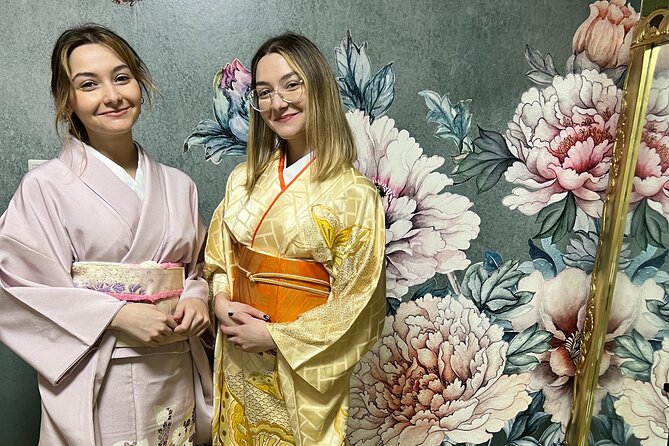
Tokyo has a lot of kimono rentals. This one is different in a way you can feel right away: instead of a quick costume swap, you get a guided fitting, then you learn how to wear what you made. The promise here is practical. You leave not just dressed, but knowing how to handle the layers and straps without panic.
I also like the vibe because it takes place in a home-style studio setting, not a factory line. It’s in a residential area, near public transportation, so you get a more local slice of Tokyo than the standard tourist strip. And because it’s capped at 5 travelers, it stays calm. You are not squeezed into a busy schedule of back to back groups.
One extra confidence booster is the recognition the experience received. It notes a Gold Award at the Omotenashi Selection, chosen by foreigners living in Japan. That does not guarantee perfection, but it does suggest the service level and welcome matter here.
Finding the studio and what the 90 minutes feels like
The start point is listed as 6-chōme-8-6 Kiba, Koto City, Tokyo 135-0042. The activity ends back at the meeting point, which makes planning your next stop easier.
Time is about 1 hour 30 minutes. That is long enough to choose your fabric, get adjusted, and practice wearing it. It is also short enough that you do not lose half a day to clothing logistics, which is a common frustration with more traditional setups.
Because the location is in an older, more residential part of Tokyo, you might initially feel like you are in the wrong place. If you get turned around, the best move is to stay calm, check the address carefully, and ask nearby for directions. Once you are inside, you are usually in a comfortable, cozy workspace where staff can guide you through the fit.
Choosing your vintage kimono without getting blindsided
Here is the best part: you pick from a selection of vintage kimonos. Some choices are included in the base price, and some are upgrades. That matters because a lot of kimono experiences hide the real cost in the “premium fabric” options. This one is clearer about the idea of upgrades.
For women’s kimonos, it says you can choose a kimono, then customize it to your size. Upgraded kimono options can cost extra, noted in the range of JPY 2,000 to 6,000. For men’s kimono, there’s an optional haori plus kimono set for an additional JPY 2,000.
Also, note the vintage reality. The instructions explicitly warn that some kimonos are vintage, so there may be stains in some areas. Think of that as part of the charm and the upcycling goal, but decide for yourself how “perfect” you want your keepsake to look.
A smart way to approach the selection is to decide first what you want to photograph. If you care more about the final look than the lowest possible price, pick the kimono you genuinely love, even if it costs more. If you are on a strict budget, start with the basics included in the price.
- Mt Fuji and Hakone 1-Day Bus Tour Return by Bullet Train★ 5.0 · 26,383 reviews
- 1-Day Tokyo Bus Tour★ 5.0 · 14,250 reviews
- Tokyo: teamLab Planets TOKYO Digital Art Museum Entry Ticket★ 4.6 · 9,779 reviews
- Mt Fuji & Hakone Cruise, Drum Show Bullet Train 1 Day from Tokyo★ 4.0 · 7,413 reviews
- Tokyo: Shinjuku Food Tour (13 Dishes at 4 Local Eateries)★ 5.0 · 6,603 reviews
Free obi rental, and how it changes the value
The workshop includes a free obi rental (plus obiage, obijime, and an obi pillow), with the option to purchase them. This is where the value really clicks.
Obi are not small accessories. They are the visual anchor of the outfit, and they can be the difference between a kimono look that feels “complete” and one that looks a bit unfinished. Getting the obi elements handled for you, without extra rental fees for the basics, is a practical win.
If you decide to buy extra pieces, that is your choice. The experience seems designed to give you enough control to build a look that suits your taste, while still keeping the base experience affordable.
Women’s kimono session, from choosing to wearing
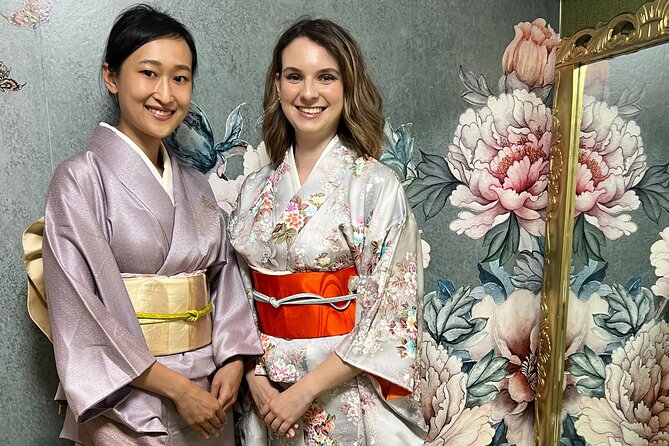
Women’s session is built around three core steps: pick, fit, and practice. You choose a kimono (with optional upgrades). Then you get it customized to your size. After that, you learn how to wear it, and you finish with photo time.
In real terms, this is not just “put it on and go.” The class is set up so the kimono becomes easier for you to handle and wear comfortably within the time limit. Expect staff guidance on the setup so you do not feel like you are guessing at how the layers should sit.
Photo time is a big deal here. Kimono photos can look stiff if you do not know where to place your sleeves and how to hold your posture. Because you practice wearing it before the camera moment, your photos usually land better than a rushed rental picture.
A small note on expectations
Some participants have described the “made” process as more of an alteration than a traditional full kimono construction. If you are imagining sewing a brand new kimono from scratch, adjust your mental picture. This is still a hands-on transformation, just in a modern, practical way that fits the 90 minute window.
Men’s kimono session, Kanji name printing and ironing
Men’s session follows the same idea of hands-on customization, but with different standout details. You select a kimono, and there is an optional haori set if you want that extra layered look.
A unique feature here is the name detail: you print your name in Kanji and choose the font color. That is a fun personalization that goes beyond standard rental branding.
Then comes the practical part. The instructions mention ironing on the kimono, and you get guidance for putting it together correctly. After that, there is photo time.
If you like a structured process, this men’s format is likely to feel satisfying because it is a clear sequence, pick fabric, add your name style, then get the outfit set and photogenic.
Kids can join, but boys and girls follow different flows
Kids are welcome, but the experience notes that children’s kimonos have a different itinerary from women’s kimonos. That’s important because it affects how long things take, how much adjustment is needed, and how the fitting is handled.
For girls, some children’s kimonos do not require adjustment, meaning you may be able to wear them without cutting the material. For boys, the standout personalization is printing their name in Japanese on the collar of the kimono.
If you are traveling as a family, this separation can actually make everything run smoother. The adults are in their own fitting process, while kids get an approach that matches what they need to wear comfortably and safely in a short workshop setting.
What you leave with, and why this feels more authentic than a rental
The workshop is designed so you take away what you made and can wear it after. That is a major difference from the usual rental model where you return everything at the end and never truly own a part of the experience.
You are working with vintage pieces and turning them into something you can handle. Many people find this makes the experience feel more meaningful. You are learning how to wear a kimono-style outfit, and you are getting an outfit you can break out again later.
Also, the included accessories matter. Even though Japanese sandals and tabi are not included, the core dressing pieces are. That helps you understand the outfit as a system, not just a single garment.
Price and add-ons, plus how to keep your total sane
The base price is listed at $43.11 per person. That can feel like a bargain once you consider what is included: kimono, free obi rental, and the obi accessories (obiage, obijime, and an obi pillow). On top of that, you get tailoring help, dressing instruction, and photo time.
Where costs can rise is when you choose upgraded kimono options or extra pieces. Women’s upgraded kiminos can add JPY 2,000 to 6,000. Men’s optional haori set is an additional JPY 2,000. Obi and obi accessories are free to rent but can be purchased.
So how do you avoid surprise? Decide your priority before you arrive:
- If your goal is to wear a kimono and get great photos, choose the kimono you genuinely like, even if it costs a bit more.
- If your goal is a budget-friendly experience, start with the kimonos included in the base fee and treat upgrades as optional.
If you want to manage anxiety about the budget, you can ask staff during selection, but you will want to do it early in the process, before you fall in love with a piece that costs extra.
Weather and the small practicalities that matter
The class notes that it requires good weather. If it is canceled due to poor weather, you will be offered a different date or a full refund. For other cancellations, it says non-refundable and cannot be changed for any reason.
Also plan your footwear. Japanese sandals and tabi are not included. Wear something easy that matches the vibe you want. You will likely be taking off shoes or switching footwear during dressing, so choose something you can manage quickly.
If you have mobility concerns, the note says most travelers can participate. Service animals are allowed, and the meeting point is near public transportation, which helps.
Photography help and your final outfit look
Photo time is scheduled as a key part of the experience for both women and men. You are usually not just wearing the outfit, you are practicing how to wear it, which improves the final images.
If your phone battery is dead or you are worried about getting the shots yourself, the experience indicates staff provides photo time, and at least one person reported that pictures were sent after. So even if you do not trust your phone on photo duty, you might still end up with something you can share.
For best results, keep your posture relaxed. Kimono looks best when your shoulders and sleeves sit naturally. The staff will guide you, but your job is to stay calm and follow their cues.
Who this experience suits best, and who might want to compare
This is a great fit if you want:
- a small-group workshop where staff can adjust your fit
- a kimono experience focused on wearing and making, not standing in a lineup
- a keepsake outfit created from vintage materials, with a more modern hands-on approach
- a personal touch like a printed Kanji name for men or Japanese name details for kids
You might want to consider another option if:
- you are expecting a long, detailed history lesson as the centerpiece
- you need every part included in the base price with no upgrade choices
- you are very sensitive to the idea that vintage kimonos may have minor stains
A quick reality check: kimono is complicated, and the experience exists because it can be hard to master quickly. If you are looking for a quick outfit only, rentals can be simpler. If you want to learn how to wear it properly enough to feel confident, this class leans exactly there.
Should you book Let’s make kimono in Tokyo?
If you like creative, guided workshops and you want a kimono experience that ends with something you can keep, I think it is a strong yes.
Book it if you want a calm, personal atmosphere in Kiba, you are excited to choose a vintage kimono you love, and you value the included free obi rental. It is also a good call if you want photos but do not want to spend your time fighting with a complicated outfit.
I would hesitate only if you expect a full museum-style culture lecture or if you strongly prefer zero upsells and zero vintage imperfections. Otherwise, this hits a sweet spot: you come out looking great, and you also leave knowing how to wear the look with more confidence next time.
FAQ
What is included in the kimono class?
The class includes a kimono and obi-related accessories: a free obi rental (available for purchase), plus obiage, obijime, and an obi pillow (also free rental, available for purchase). Japanese sandals and tabi are not included.
How long does the experience take?
The duration is about 1 hour 30 minutes.
Is there a choice between morning and afternoon sessions?
Yes. Morning or afternoon sessions are available to fit your schedule.
Can kids join, and do they follow the same format as adults?
Kids can join with children’s kimono experiences. Children’s kimonos have a different itinerary from women’s kimonos, and boys and girls are handled differently (including name printing for boys).
Are kimonos included in the price, or do I pay extra for upgrades?
Basic kimono options are included, and there are upgrade options for more ornate choices that can cost extra. The exact extra amounts depend on the kimono and options you select.
How many people are in the group?
The maximum group size is 5 travelers.
What if the weather is bad?
The experience requires good weather. If it is canceled due to poor weather, you will be offered a different date or a full refund. For cancellations by the participant, it is non-refundable and cannot be changed for any reason.
Rental Counters, Compared



Newest Tokyo write-ups from the Loving Japan desk


Kimono and Yukata Rental, side by side.
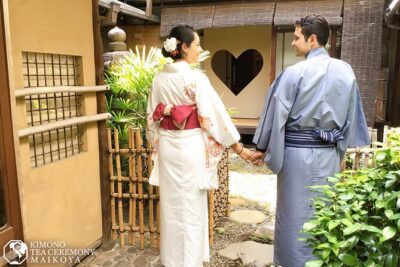 ★ 5.0Kimono Tea Ceremony at Kyoto Maikoya, NISHIKIFrom $65911 reviews
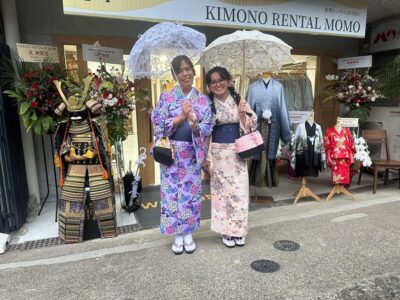 ★ 4.8Kimono Rental with Hairstyling and AccessoriesFrom $21653 reviews
 ★ 4.9Kimono Tea Ceremony at Orizuruya GionFrom $49618 reviews
 ★ 4.5Sumo Show & Experience w/ Optional Kimono & Hot PotFrom $77609 reviews
 ★ 5.0KYOTO Tea Ceremony with kimono near by Imamiya Jinjya ShrineFrom $99343 reviews
 ★ 4.3Kimono and Tea Ceremony Experience at Cultural AssetFrom $222306 reviews
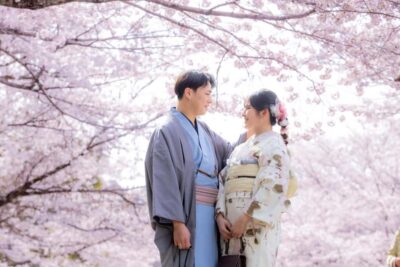 ★ 4.7Traditional Kimono RentalFrom $25265 reviews
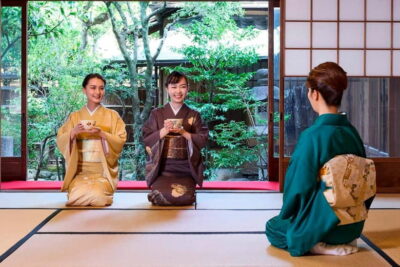 ★ 4.9Kimono Tea Ceremony with Matcha and SweetFrom $66249 reviews
Filed on these lists too