
REVIEW · KYOTO TEA CEREMONIES AND MATCHA
Asakusa: Kimono Tea Ceremony with Matcha and Sweet
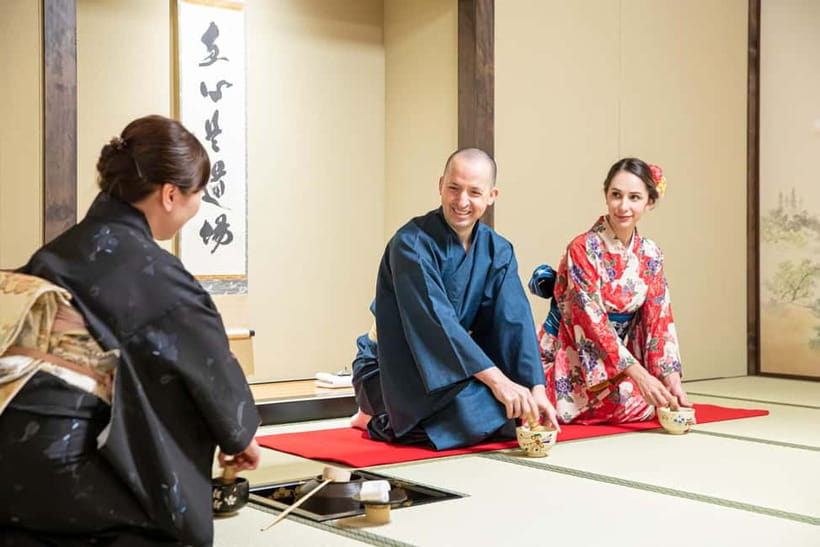
Kimono day, matcha in hand. In Asakusa, you get kimono styling and hair help, plus an English-led tea ceremony where you learn the steps and whisk matcha yourself. It is quiet, focused, and set up for small groups of about 12 to 14 people, so you are not just watching from the sidelines.
Here is the catch: the ceremony is calm and seated on tatami mats, and no shoes are allowed inside. If you want a firmer seat, ask for a bamboo chair in advance.
In This Review
- Key Things You Will Notice Right Away
- 90 Minutes in Asakusa: Quiet Culture With Real Participation
- Choosing Your Kimono and Getting the Obi Fit Right
- In the Tea Room: Wa, Kei, Sei, Jaku in Plain Sight
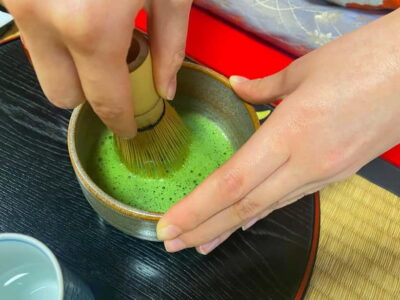
- Whisking Matcha: The Moment You Actually Participate
- Wagashi and Matcha Pairing: Why Seasonal Sweets Matter
- Seating Rules, Tatami Comfort, and the No-Shoes Reality
- Photography in Kimono: What You Can Expect After Dressing
- Price and Value: Why $66 Feels Fair for What You Get
- Who Should Book This, and Who Should Skip It
- Should You Book the Asakusa Kimono and Matcha Session?
- FAQ
- How long is the kimono and tea ceremony experience?
- Where is this experience located?
- How much does it cost?
- What is included in the experience?
- Is hair styling included for everyone?
- Are shoes allowed during the ceremony?
- Is seating on tatami mats?
- Can children join this activity?
- What language is the instruction in?
- Is transportation or other meals included?
- Can I cancel for a full refund, and is reserve-and-pay-later available?
Key Things You Will Notice Right Away
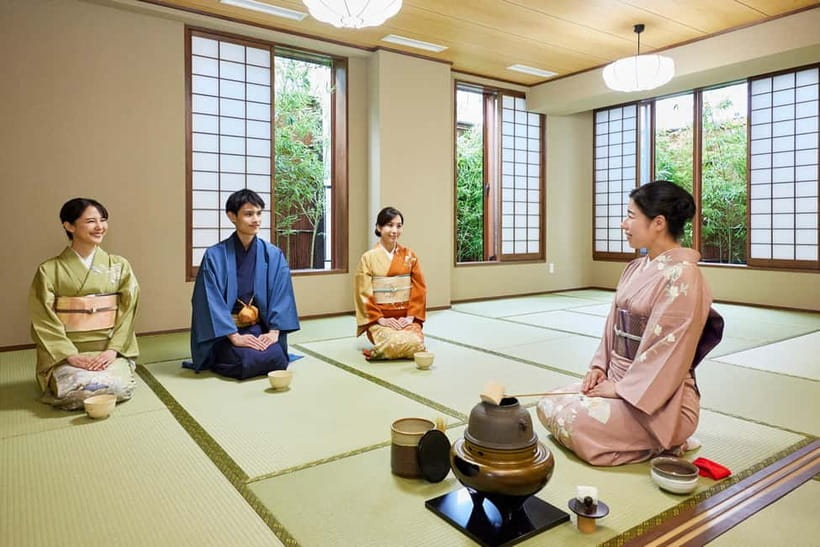
- Seasonal kimono selection, with staff helping you match an obi and accessories (and women get hair styling if you have long hair)
- Full English guidance, plus bilingual staff support when you need an extra clarification
- Tea ceremony etiquette, explained through Wa (harmony), Kei (respect), Sei (purity), and Jaku (tranquility)
- Hands-on matcha preparation, including a chance for you to whisk your own bowl
- Seasonal wagashi sweets paired with your matcha, with some options reported as vegan friendly
- Photo-friendly setup, including indoor photo areas and a small garden for pictures
Still on the Sumida side? A few more Asakusa options
- Tokyo: Japanese Dance Cabaret Theater Asakusa-Kaguwa Ticket
★ 4.8 · 2,270 reviews - Tokyo: Meiji Shrine, Asakusa, Skytree Bus Tour and Cruise
★ 4.7 · 1,986 reviews - Tokyo: Roll and Authentic Sushi Making Class in Asakusa
★ 4.9 · 1,957 reviews - Tokyo: Asakusa Walking Tour with Sensoji Temple Visit
★ 4.8 · 1,583 reviews
90 Minutes in Asakusa: Quiet Culture With Real Participation
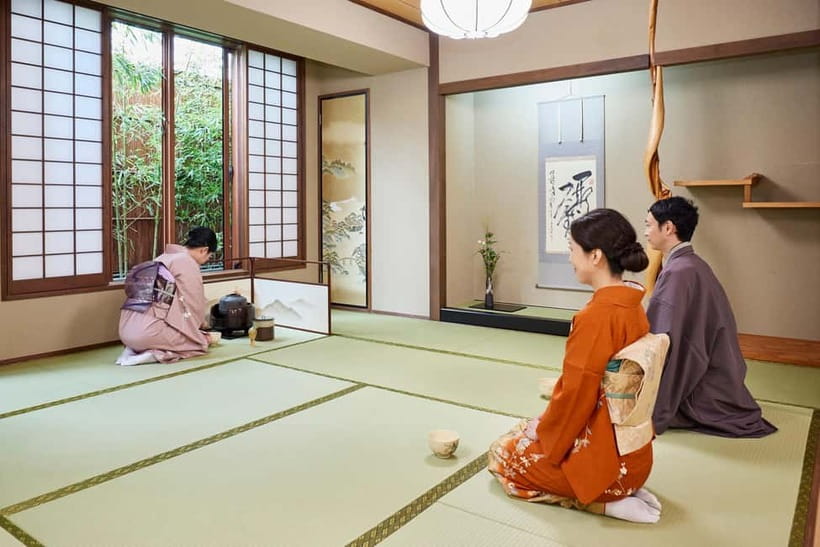
This experience is built around one simple idea: you learn by doing. You start with kimono dressing, then move into the tea room and actually practice the ritual steps, including whisking your own matcha. The atmosphere stays calm throughout, so it feels more like a carefully guided lesson than a loud performance.
I like that the session is short and efficient at 90 minutes. You get the full arc: outfit, etiquette, tools and utensils, your own matcha bowl, then wagashi to finish. With a group of around 12 to 14 people, you still feel part of the room instead of being lost in the crowd.
You should also know this is not a sit-and-sprint kind of activity. If you are the type who wants constant movement or standing sightseeing, the tatami seating and quiet rhythm may feel slower than you expect.
Choosing Your Kimono and Getting the Obi Fit Right
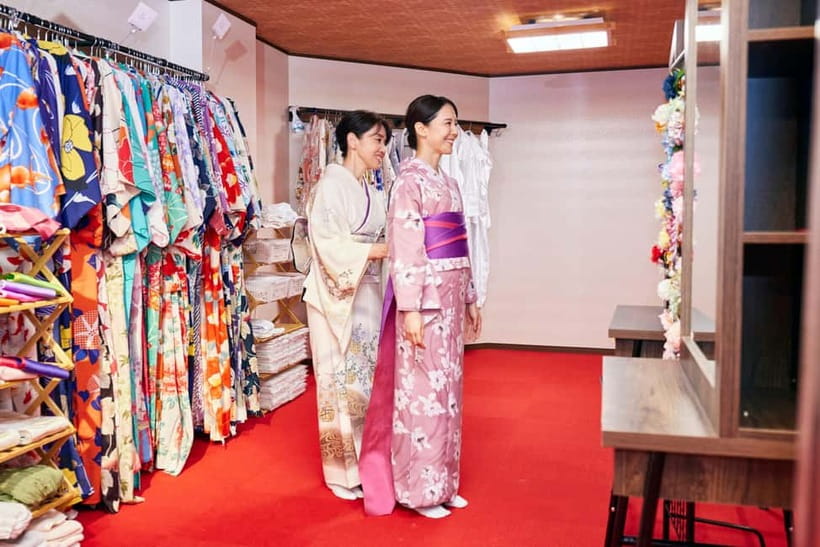
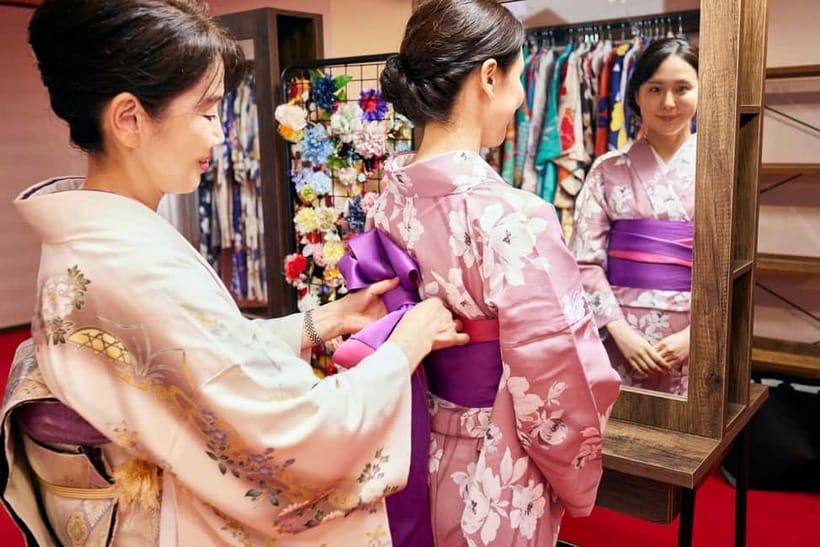
The fun starts before tea. You begin by selecting a seasonal kimono, and the staff help you look your best, right down to the outfit details that make the kimono feel complete. You will also get your obi and accessories coordinated so everything looks intentional, not like you wore something beautiful and hoped it stayed that way.
For women, hair styling is included, but it is long hair only. If your hair is shorter, you may need to plan for a different styling approach, but the key point is that the full hair styling service is meant for longer lengths. Either way, expect staff to treat you like the kimono is part of the craft, not an afterthought.
One small practical win: the kimono choice process is part of the experience, not just a formality. People describe the selection as having lots of colors and prints, and you can take time to decide what fits your mood and photos style. If you like picture-perfect outfits, this part matters.
In the Tea Room: Wa, Kei, Sei, Jaku in Plain Sight
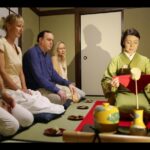
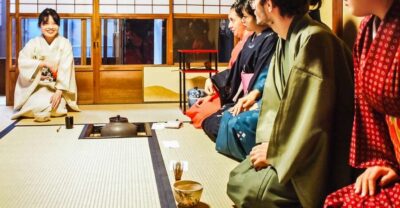
Once you settle into the tea room, the focus shifts from clothing to mindset. Your tea master guides you through the meaning and etiquette behind the Japanese tea ceremony, using the four principles: Wa (harmony), Kei (respect), Sei (purity), and Jaku (tranquility).
What I like about teaching it this way is that it gives you a framework you can remember. You are not memorizing steps only for the moment, you understand why each motion is deliberate. The ceremony becomes less mysterious and more logical, which makes it easier to enjoy when it is your turn to participate.
You will also watch the precise handling of the tools and utensils. Many of these items are treated like cherished artifacts, so your guide slows down enough for you to notice the details. That makes the atmosphere feel respectful, almost like being in a quiet workshop.
English guidance is part of the experience from start to finish. You are not left guessing what you are seeing or what the rules are. The bilingual staff help if you want something clarified.
Sit down somewhere quieter. Other tea rooms we booked
- Matcha Making Class in Tokyo with Authentic Japanese Sweets Set★ 5.0 · 744 reviews
- Tokyo: Traditional Tea Ceremony with a Tea Master★ 5.0 · 528 reviews
- Tokyo: Matcha Making Experience with Mochi Sweets in Asakusa★ 4.9 · 388 reviews
- Tokyo: Matcha and Kimono Experience★ 4.7 · 219 reviews
- Tea Ceremony Workshop in Tokyo by the Experienced Instrucor★ 5.0 · 189 reviews
Whisking Matcha: The Moment You Actually Participate
Seeing someone prepare matcha is one thing. Whisking your own bowl is another. After the demonstration, you follow along and try the steps yourself, guided closely enough that you know what you are aiming for.
Pay attention to how your host demonstrates the tools first. The method is part of the lesson, especially around how to handle the utensils carefully and with calm attention. When you switch from watching to doing, that earlier demonstration clicks into place.
Then you get to sample what you made. Your guide brings the ritual together by having you enjoy your freshly prepared matcha, and it pairs with seasonal wagashi sweets. It is a complete loop: practice, taste, and then reflect on how the ceremony approach changes your experience of a simple drink.
Wagashi and Matcha Pairing: Why Seasonal Sweets Matter
Wagashi are not just dessert. They are part of the seasonal story of the tea moment. In this experience, you get seasonal Japanese sweets paired with your matcha, reflecting the flavors and colors of the current season.
I like that the sweetness and texture are chosen to complement matcha, which is the main point. Matcha can be intense, earthy, and a little bitter, and wagashi tends to bring balance. If you have never tried wagashi before, this is an approachable introduction.
Some participants report that the wagashi options can be vegan friendly. The safest way to handle dietary needs is to mention them when you book or at check-in, since you will be eating what is prepared for your session.
Seating Rules, Tatami Comfort, and the No-Shoes Reality
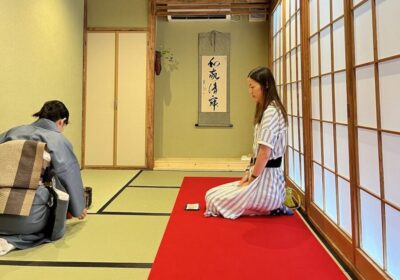
This is where a little planning saves you from discomfort. The ceremony seating is on tatami mats, and shoes are not allowed inside. That means you should show up prepared for a floor-seated experience.
Tatami is traditional, but it is still your body in the chair-less world. If you have a knee or back issue, be strategic: request a bamboo chair in advance. Bamboo chairs are available on advance request, and that option can make the ceremony feel much more comfortable without changing the tone of the ritual.
Also, the ceremony stays quiet and calm. You are not expected to rush, snack, or talk over each other. If you know you get restless in long stillness, plan a way to stay mentally present, like focusing on the guide’s explanations of each principle.
Photography in Kimono: What You Can Expect After Dressing
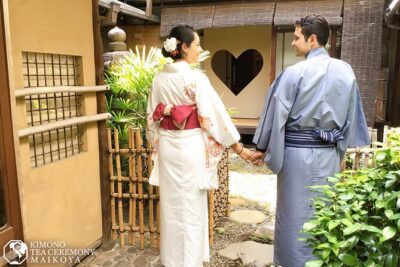
The kimono part is very photo-friendly. You will have a setup for pictures inside, and there is also a small garden area people use for photos. Staff also help with photos, including guidance on posing as a couple or helping solo visitors.
From what you can take away for your own planning: wear your best photo attitude, because the kimono is dramatic and the setting is made for it. If you are going to take pictures, do it as if this is a mini photo session, not a casual walk-by. The best shots usually happen when you slow down and let staff guide your angles.
Another practical benefit is that the kimono rental can often be used afterward if you want to keep going. People describe being able to go out in their kimono for a while after the ceremony, and one person noted the rental allows for the remainder of the day. If you want that, build in extra time so you are not racing between photo time and your next stop.
If you are celebrating a birthday, there is at least one reported example of the staff doing a special polaroid souvenir. That kind of personal touch is optional, but it is a nice reminder to tell them if you have a special occasion.
Price and Value: Why $66 Feels Fair for What You Get
At $66 per person for about 90 minutes, this is not a budget activity. The value comes from what is included, not from stretching a small ingredient list.
You get:
- a traditional tea ceremony
- kimono rental and professional dressing
- hair styling for women with long hair
- matcha green tea preparation
- seasonal Japanese sweets (wagashi)
- full English guidance
- bamboo chairs upon advance request (if you need them)
So you are paying for expertise plus a full outfit experience. If you tried to do kimono rental and dressing on your own and then separately booked a tea class, you would usually end up paying for each piece one by one. Here, the pieces are bundled into a single guided session with the ceremony flow already handled.
Is it worth it? For most people who like Japanese culture and photos, yes. The kimono dressing and matcha participation are the big value drivers, and both are central to the experience, not add-ons.
Who Should Book This, and Who Should Skip It
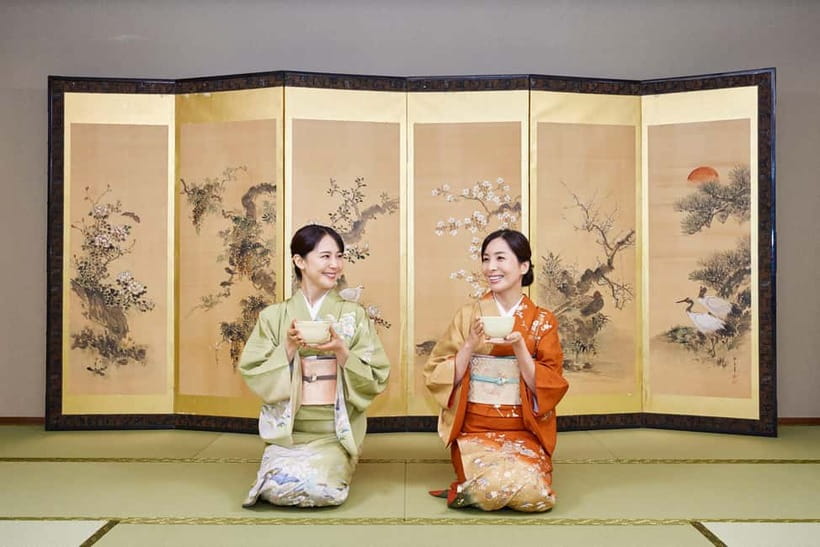
This experience is a strong fit if you want hands-on culture. You get kimono styling, etiquette explanations, and your own matcha bowl. It also works well if you like a quieter activity with clear guidance and a set time block.
It is also a good option for solo travelers. People describe feeling supported, including photo help, and the English guidance keeps you from feeling left out.
You might want to reconsider if:
- you need frequent walking or standing breaks
- you have trouble with floor seating and do not plan to request the bamboo chair
- you want something lively and social with lots of talking
Also, children under 7 are not permitted, so it is not a family pick for younger kids.
Should You Book the Asakusa Kimono and Matcha Session?
If your dream Tokyo moment includes dressing up and doing something calm and skill-based, I would book it. The session is efficient, 90 minutes, and the combination of kimono dressing plus a guided tea ceremony makes it feel like a real cultural experience rather than a quick photo stop.
Do it if you want English guidance, seasonal wagashi, and a real chance to whisk matcha yourself. Do request a bamboo chair in advance if tatami seating might be an issue for you. And if shoes are a hassle for you, remember the rule is part of the traditional setup, so plan accordingly.
Book it if you want an easy-to-follow activity that still feels meaningful. Skip it only if quiet floor time is not your thing.
FAQ
How long is the kimono and tea ceremony experience?
The experience lasts approximately 90 minutes.
Where is this experience located?
It is in Honshu, Japan, with the experience centered around Asakusa in Tokyo.
How much does it cost?
The price is $66 per person.
What is included in the experience?
You get a traditional tea ceremony, kimono rental and professional dressing, matcha preparation, seasonal Japanese sweets (wagashi), and full English guidance. Hair styling for women is included for long hair only.
Is hair styling included for everyone?
Hair styling is included for women with long hair only.
Are shoes allowed during the ceremony?
No, shoes are not allowed.
Is seating on tatami mats?
Yes, seating is on tatami mats. Bamboo chairs are available upon advance request.
Can children join this activity?
Children under 7 years old are not permitted.
What language is the instruction in?
The experience is guided in English, with bilingual staff available.
Is transportation or other meals included?
Transportation to the venue is not included, and meals other than the Japanese sweets are not included.
Can I cancel for a full refund, and is reserve-and-pay-later available?
Yes. You can cancel up to 24 hours in advance for a full refund, and you can reserve now and pay later.
Kyoto by the Bowl


Asakusa and the Skytree, Keep Going


Newest Tokyo write-ups from the Loving Japan desk


Kyoto Tea Ceremonies and Matcha, side by side.
 ★ 4.9Tea Ceremony in a Traditional Tea House in KiyomizuFrom $493,519 reviews
 ★ 4.9Tea Ceremony Ju-An at Jotokuji TempleFrom $293,207 reviews
 ★ 4.345-Minute Tea Ceremony Lesson ExperienceFrom $222,378 reviews
 ★ 5.0World Heritage Kyoto & Nara Uji Authentic Matcha ExperienceFrom $1291,573 reviews
 ★ 4.9Tea Ceremony ExperienceFrom $251,426 reviews
 ★ 4.9Table-Style Tea Ceremony at a Kyo-MachiyaFrom $451,211 reviews
 ★ 4.8Kenrokuen Tea Ceremony ExperienceFrom $351,139 reviews
 ★ 5.0Kimono Tea Ceremony at Kyoto Maikoya, NISHIKIFrom $65911 reviews