
REVIEW · SHIBUYA, SHINJUKU AND HARAJUKU WALKS
Shibuya: Ramen Dojo Tokyo | Make All 3 (Tonkotsu/Shoyu/Miso)
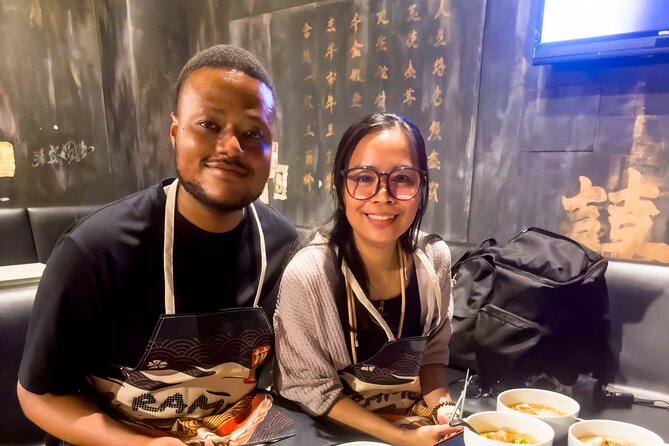
Ramen gets personal in Shibuya. In this hands-on 90-minute class, you make fresh noodles and build three mini bowls of tonkotsu, shoyu, and miso close to Shibuya Station.
I like the small group setup, max 8, so you get real coaching while you knead and cut noodles. I also like that you leave with a digital recipe and expert pointers for recreating the broth flavors at home.
One consideration: it is not a good fit if you have severe allergies or need strict dietary options, since the class uses wheat dough and has a strict no-go for celiac and similar needs.
In This Review
- Key highlights to look forward to
- Where the Shibuya ramen class starts (and why it matters)
- Inside the 90 minutes: what happens step by step
- Check-in and briefing (10 minutes)
- Chicken chashu prep (5 minutes) and finishing (10 minutes)
- Noodle making (about 20 minutes)
- Boiling noodles and soup preparation (about 10 minutes)
- Plating and then tasting (about 35 minutes total)
- The noodle machine lesson: the skill you can reuse
- Chicken chashu prep and finishing, without mystery steps
- Three broths, one comparison: tonkotsu, shoyu, miso
- Small-group coaching: how you get real attention
- Price and value: what you get for $86.22
- Who this class is best for (and who should skip it)
- Practical tips so you enjoy the class even more
- Quick FAQ for deciding fast
- FAQ
- How long is the ramen-making experience?
- Where do I meet for Shibuya Ramen Dojo Tokyo?
- Is the class taught in English?
- What food do I get to eat?
- Is there a small group size?
- Is it safe for people with celiac disease or severe gluten allergies?
- What is the cancellation policy?
- Should you book Shibuya Ramen Dojo Tokyo?
Key highlights to look forward to
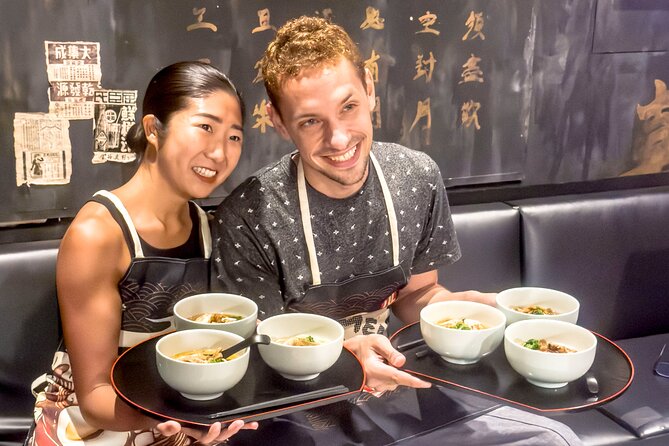
- Three ramen styles in one lesson, tonkotsu, shoyu, and miso, tasted side by side
- Fresh noodle making with a professional noodle machine and cutter
- Chicken chashu hands-on prep, then finished in class for your bowls
- English-speaking instruction with attentive support for a small group
- Three mini bowls included, so you eat what you make without guesswork
- Digital recipe provided after class, aimed at helping you cook at home
Other routes through the west side of Tokyo, compared
- Tokyo: Shinjuku Food Tour (13 Dishes at 4 Local Eateries)
★ 5.0 · 6,603 reviews - Tokyo Bar Hopping Tour in Shinjuku (All-You-Can-Drink + Dinner)
★ 5.0 · 3,587 reviews - Official Street Go-Kart in Shibuya
★ 5.0 · 3,435 reviews - Tokyo: Shinjuku Food Tour (15 Dishes and 4 Eateries)
★ 4.9 · 2,033 reviews
Where the Shibuya ramen class starts (and why it matters)
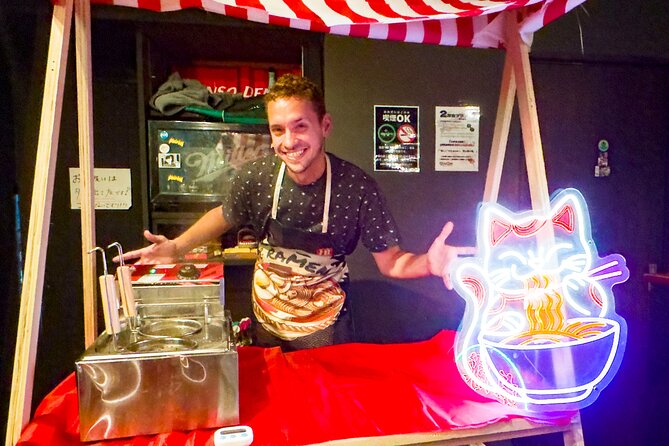
The session meets at the Umekita Building, 7-11 Maruyamachō, Shibuya, Tokyo. It is about a 10-minute walk from Shibuya Station, so you can tack this onto a normal day of exploring without complicated transit plans.
You also use a mobile ticket, which keeps things simple on arrival. The whole experience runs about 90 minutes, and it starts and ends at the same meeting spot, so you are not stuck rerouting later.
Inside the 90 minutes: what happens step by step
This class is built for action, not watching. You will get guided through the core ramen workflow, from dough and noodles to chashu and finishing each bowl.
The rhythm is easy to follow: a short check-in, then quick prep for the chicken chashu, then noodle making, then cooking and soup prep, and finally plating and tasting. You also get a chunk of time to enjoy your ramen and take photos.
Check-in and briefing (10 minutes)
You start with a quick briefing so you understand how the tools work and what you will be doing. This matters because ramen is one of those foods where tiny process differences change the result.
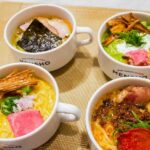
A bowl somewhere else in Tokyo
- Ramen & Gyoza Cooking Class in Tokyo with Local Supermarket Visit★ 5.0 · 823 reviews
- Tokyo: Ramen Tasting Tour with 6 Mini Bowls of Ramen★ 4.9 · 432 reviews
- Tokyo: Easy Ramen Cooking Experience in Kabukicho, Shinjuku★ 4.6 · 321 reviews
- Ramen and Sushi Cooking Class with Sake Pairing Set in Tokyo★ 5.0 · 291 reviews
- Professional Ramen & Gyoza with Ramen Chef in a restaurant!★ 5.0 · 223 reviews
Chicken chashu prep (5 minutes) and finishing (10 minutes)
Chashu is the backbone of the bowl. You get involved with the chicken prep steps during the first phase, then you finish it later so it is ready for your tasting bowls.
The nice part here is that you are not just assembling food. You learn the sequence of prepping, then finishing, so it feels repeatable if you try it later.
Noodle making (about 20 minutes)
This is the big skill-builder. You knead the dough, then you run it through a professional noodle machine and cut it with a professional cutter.
Even if you have never made pasta or noodles before, the setup is designed for a hands-on group lesson. The instructor support is specifically there to help you avoid common dough troubles, like working too lightly or skipping the right thickness stage.
Boiling noodles and soup preparation (about 10 minutes)
Once noodles are shaped, the timing becomes important. You will work through boiling noodles and getting the soups ready so you can assemble each style while everything still tastes fresh.
This is also where the class helps you connect technique to flavor. Instead of treating each ramen bowl as a separate dish, you learn how changing broth and seasoning creates tonkotsu, shoyu, and miso profiles.
Plating and then tasting (about 35 minutes total)
You plate the ramen, then sit down for tasting and photo time. The lesson is built around comparing the three styles side by side, so you can actually tell what you did that caused the differences.
The tasting break is also practical. It gives you time to notice texture, salt level, richness, and how each broth style pairs with your toppings.
The noodle machine lesson: the skill you can reuse
If you care about cooking at home, the noodle part is the main prize. Store-bought noodles are fine, but making noodles from scratch teaches you what changes when the dough is handled well.
Here is what you will be practicing in the classroom:
- Kneading the dough so it becomes workable
- Feeding it through a noodle machine in the right way
- Cutting consistent strands with a cutter
- Learning the flow from noodle making to boiling so nothing sits and dries out
I like that the lesson does not leave you with theory. You feel the dough texture, you handle the tools, and you get immediate feedback. That makes the whole thing much easier to repeat later, even if you are still a beginner.
Also, you get to make noodles for all three bowls in one session. That means you are not just tasting three ramen styles, you are learning how the same noodle base works across different broths.
Chicken chashu prep and finishing, without mystery steps
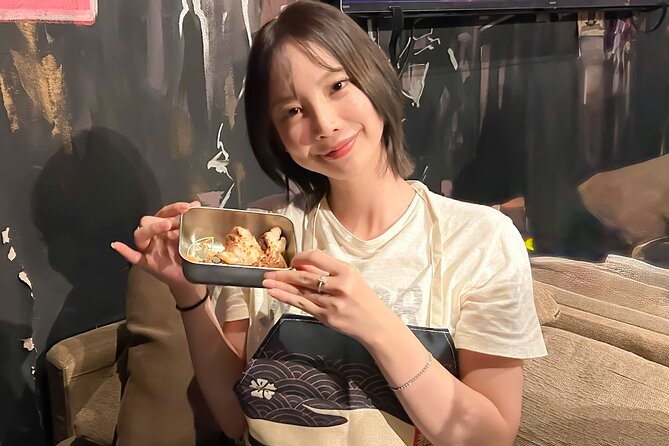
Chashu can look intimidating on YouTube videos. In class, it is simplified into clear steps, with just enough hands-on work to keep you engaged.
You get involved in chicken chashu prep early, then you finish it after the noodle making stage. That sequencing makes sense: it helps the kitchen stay organized in a small-group setting, and it gives your chashu the attention it needs before serving.
Even if your goal is ramen flavor, chashu teaches technique. It also makes each bowl feel complete, not like a plain noodle test.
One more thing to keep in mind: the class includes chicken-based components. If you have dietary rules that limit you beyond what is listed, you should ask questions before booking.
Three broths, one comparison: tonkotsu, shoyu, miso
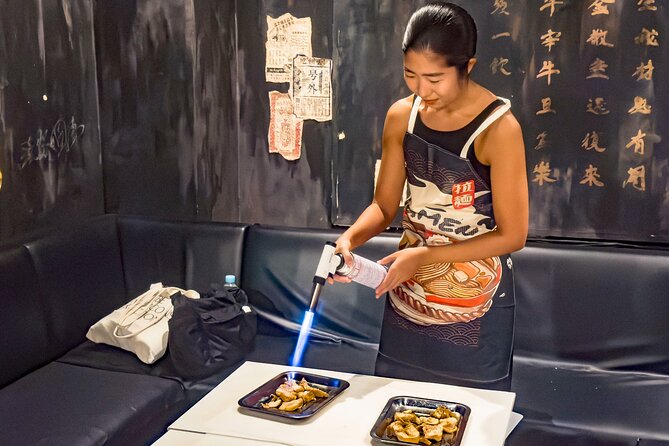
The tasting is the part you will remember when you try to cook ramen later. You make and adjust three styles, tonkotsu, shoyu, and miso, then taste them in mini bowls.
What I like about this comparison setup is that it trains your palate. You stop thinking of ramen as one dish and start thinking of it as a family of flavors. You can then use your own judgment at home when you adjust soup strength.
In the class, you also learn how to adjust the soup to your preferred taste. That is huge, because ramen is personal. Some people want it richer, others want it lighter, and most want the seasoning to hit their own salt comfort zone.
You will also get to see how the toppings and assembly affect the final bowl. The lesson is not only about broth chemistry. It is about the full ramen experience in one controlled session.
Small-group coaching: how you get real attention
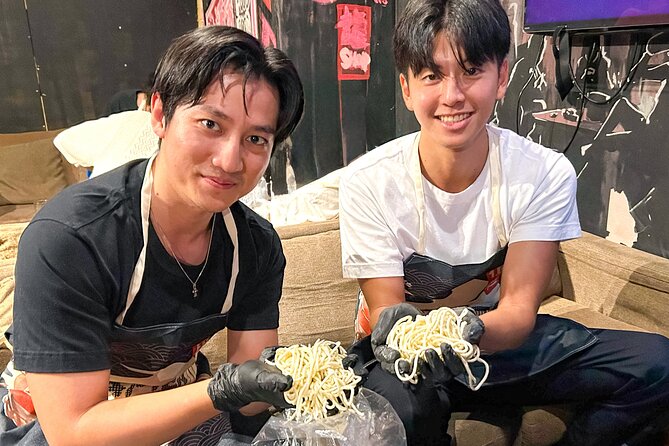
This is capped at 8 travelers, which changes the whole vibe. You are not waiting for a crowd to move. Your instructor can check how you are kneading, how you are feeding dough into the machine, and how you are shaping noodles.
The class is conducted in English, so beginners feel comfortable. And support is described as attentive for small groups, which matches what you want when you are handling equipment you might not have used before.
There is also a family-friendly note from the lesson experience. The class has accommodated an 8-year-old, and that usually means the staff understands how to keep the process friendly without rushing.
Price and value: what you get for $86.22
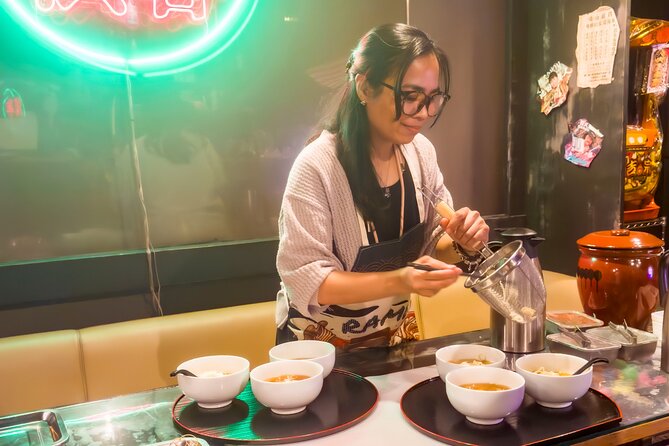
At $86.22 per person, you are paying for more than a bowl of ramen. You are paying for:
- A hands-on class focused on ramen from scratch
- Fresh noodle making with professional equipment
- Chicken chashu prep and finishing
- Three mini tastings (tonkotsu, shoyu, miso)
- Ingredients and kitchen equipment use
- Apron loan
- An English-speaking instructor
- A digital recipe after class
If you compare this to eating ramen solo in Shibuya, the typical cost is lower per meal. But that comparison misses the point. Here you are buying skills you can reuse, plus a structured way to learn the flavor differences between three major ramen styles.
Also, the class includes the “no hunger pangs” benefit. You do not leave mid-lesson, and you eat what you made at the end.
Who this class is best for (and who should skip it)
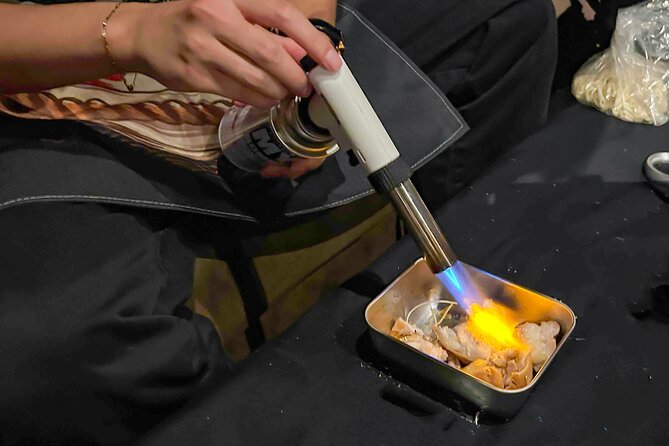
This workshop works especially well for:
- Beginners who want guided practice with step-by-step support
- Food lovers who want to understand ramen beyond ordering
- People who like learning cooking skills they can repeat at home
- Couples and friends who want a shared activity in Shibuya
It is also a solid option for families, as long as the child can handle kitchen activity and the lesson pace.
Who should be careful:
- If you have severe wheat (gluten), egg, or soy allergies, or celiac disease, it is not suitable.
- If you have severe airborne flour sensitivity, the flour is part of the process.
- If you cannot use stairs, it may not work for you.
- If you require fully strict vegan or religious dietary compliance, substitutes are not guaranteed, so you should not assume you will be able to adapt the menu.
Practical tips so you enjoy the class even more
- Wear something you can work in. You will knead dough and handle food prep, and you will be in an active kitchen setting.
- Eat something light beforehand. The class includes three mini bowls, but you still want to feel comfortable during the whole 90 minutes.
- Plan to stay in Shibuya right after. Since the class ends where it starts, you can keep walking the neighborhood without extra logistics.
- After class, actually use the digital recipe. The recipe is provided after the workshop, and it is meant to help you rebuild the ramen flavors at home, not just be a souvenir.
One small note for your expectations: the class is very strong on noodles and hands-on steps. If your main goal is learning soup chemistry, you may still find you get more practical than lab-like detail.
Quick FAQ for deciding fast
FAQ
How long is the ramen-making experience?
It runs for about 1 hour 30 minutes.
Where do I meet for Shibuya Ramen Dojo Tokyo?
You meet at the Umekita Building, 7-11 Maruyamachō, Shibuya, Tokyo 150-0044, Japan, and the activity ends back at the same meeting point.
Is the class taught in English?
Yes. The instructor speaks English and provides attentive support for small groups.
What food do I get to eat?
You get three mini bowls of ramen to taste: tonkotsu, shoyu, and miso.
Is there a small group size?
Yes. The maximum group size is 8 travelers.
Is it safe for people with celiac disease or severe gluten allergies?
No. It is not suitable for celiac disease or severe wheat (gluten) allergy, and it also is not suitable for severe egg or soy allergies.
What is the cancellation policy?
You can cancel for a full refund up to 24 hours before the experience’s start time. If you cancel less than 24 hours in advance, the amount paid is not refunded.
Should you book Shibuya Ramen Dojo Tokyo?
Book this if you want more than eating ramen. You are here to learn how noodles are made with a professional machine, to handle chicken chashu prep, and to compare tonkotsu, shoyu, and miso in one structured session. The small group size and English instruction make it easier for real beginners.
Skip it if your dietary needs are strict and you cannot be flexible with wheat, egg, or soy, or if flour in the air is a problem for you. If you fit the listed needs and you are curious about ramen technique, this is a smart use of time in Shibuya.
One More Bowl



West Tokyo on Foot: Seven More



Newest Tokyo write-ups from the Loving Japan desk




Shibuya, Shinjuku and Harajuku Walks, side by side.
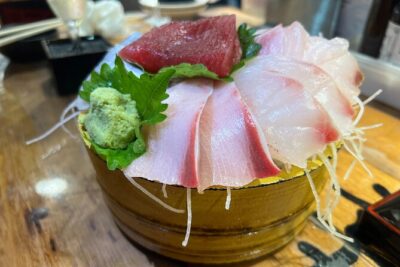 ★ 5.0Shinjuku Food Tour (13 Dishes at 4 Local Eateries)From $866,603 reviews
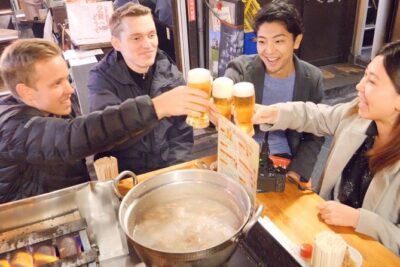 ★ 5.0Tokyo Bar Hopping Tour in Shinjuku (All-You-Can-Drink + Dinner)From $1063,587 reviews
 ★ 5.0Official Street Go-Kart in ShibuyaFrom $763,435 reviews
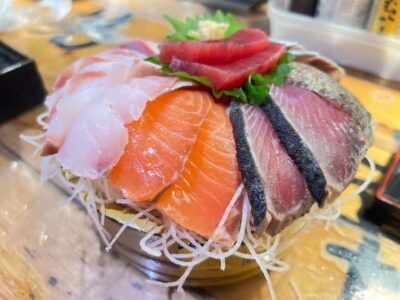 ★ 4.9Shinjuku Food Tour (15 Dishes and 4 Eateries)From $852,033 reviews
 ★ 4.9Shinjuku Local Bar and Izakaya Guided Walking TourFrom $341,794 reviews
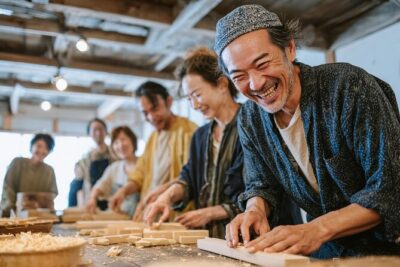 ★ 5.0Tokyo Shinjuku Chopsticks Making ClassFrom $201,763 reviews
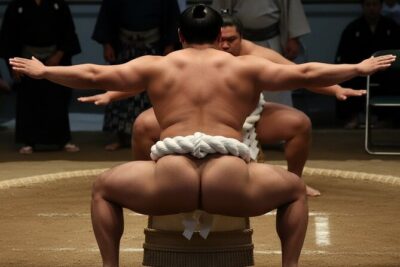 ★ 5.0Tokyo Shinjuku Sumo Show & Experience with PhotoFrom $791,750 reviews
 ★ 4.9Street Kart Experience in ShibuyaFrom $741,484 reviews
Filed on these lists too