
REVIEW · SHIBUYA, SHINJUKU AND HARAJUKU WALKS
Tokyo: Easy Ramen Cooking Experience in Kabukicho, Shinjuku
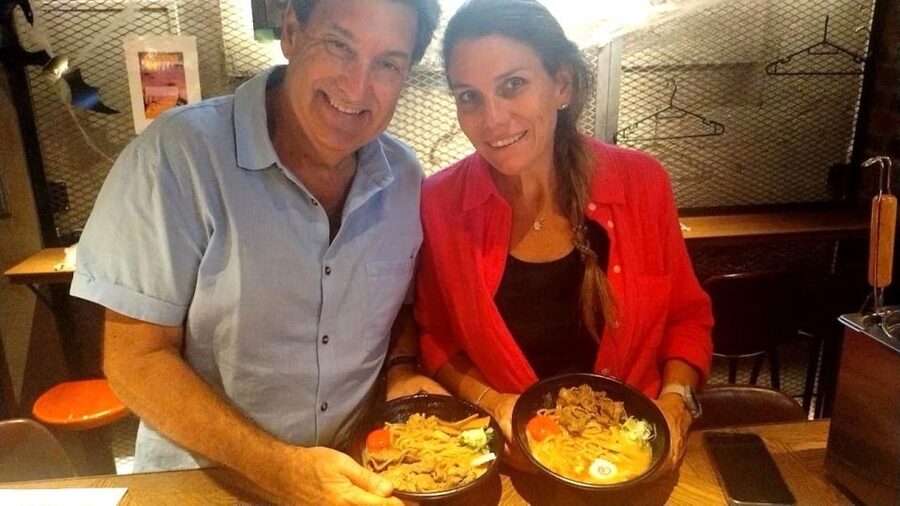
Tokyo can feel like a food theme park, but this class keeps it hands-on. You’ll learn the ramen basics, build your bowl step by step, then eat your own creation in Shinjuku Kabukicho.
What I like most is how beginner-friendly it is. You still get the story behind ramen, plus practical technique for boiling noodles and assembling toppings. One note to keep in mind: the real ramen process takes days, so this is a shortened method, not full scratch-from-start training.
Also, it’s not a fit for everyone. The soup contains pork, chicken, and beef, and the activity is not suitable for vegans, vegetarians, or people with gluten intolerance.
In This Review
- Quick hits before you book
- Where Shinjuku Kabukicho meets your ramen bowl
- The exact ramen workflow you’ll follow in an hour
- About the soup and ingredients (important)
- What you’re actually learning, and why it matters
- Guides, group size, and the language reality
- Timing and the Kabukicho logistics you should plan for
- What about add-ons, drinks, and gyoza?
- Value check: is $29 for a ramen class worth it?
- Who should book this in Shinjuku, and who should skip it
- My booking decision: should you do this ramen class?
- FAQ
- How long is the ramen cooking experience?
- Where do I meet for the class?
- What does the class include?
- Does the experience include making noodles and soup from scratch?
- What can I do during the class?
- What ingredients are in the ramen soup?
- Is the experience suitable for vegetarians or vegans?
- Is it suitable for gluten intolerance?
- Is there a drink option, and is alcohol allowed?
- Is the venue accessible by elevator?
Quick hits before you book
- You choose your soup and toppings, then watch how pros keep timing tight
- A one-hour shortened recipe means you cook and eat, without the multi-day noodle and broth work
- Small-group feel is built in, and at least one class is capped at 6
- Kabukicho is right there, with the Godzilla-area buzz outside the door
- English support varies, but many guides like Tak, Kai, Hinata, Mikhail, Nina, and Chihiro are praised for clear teaching
- Your meal is included, with takeaway containers offered in at least some sessions
Other routes through the west side of Tokyo, compared
- Tokyo: Shinjuku Food Tour (13 Dishes at 4 Local Eateries)
★ 5.0 · 6,603 reviews - Tokyo Bar Hopping Tour in Shinjuku (All-You-Can-Drink + Dinner)
★ 5.0 · 3,587 reviews - Official Street Go-Kart in Shibuya
★ 5.0 · 3,435 reviews - Tokyo: Shinjuku Food Tour (15 Dishes and 4 Eateries)
★ 4.9 · 2,033 reviews
Where Shinjuku Kabukicho meets your ramen bowl
This ramen cooking experience happens in Shinjuku Kabukicho, and you meet at Shinjuku Ale (second floor). The location matters because you’re not doing a “food stop” in a quiet museum-like room. You’re in the middle of Shinjuku’s energy, where you can hear the city while you cook.
The meeting point is Shinjuku Ale, and you can find it using this Google link: https://maps.app.goo.gl/WFQbgLjFTVA9bwdL7. Plan to go up stairs. There’s no elevator, since the activity runs on the second floor.
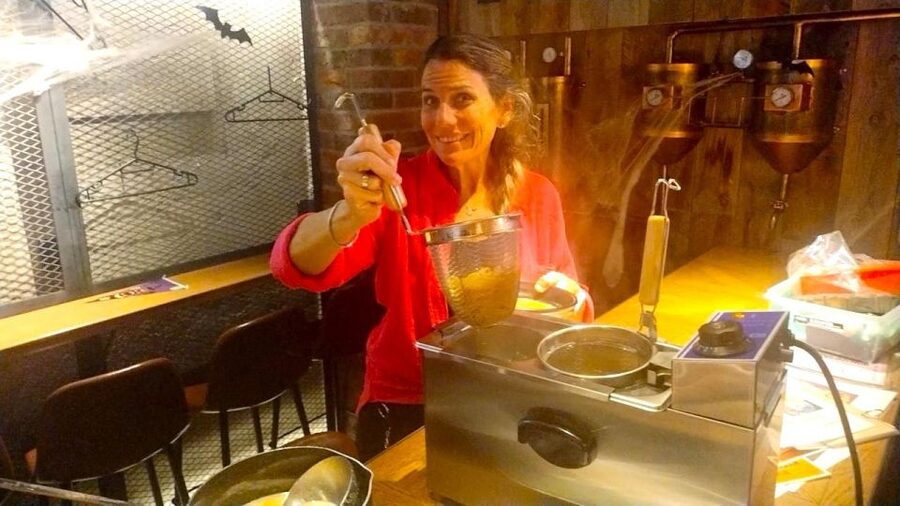
Inside, the vibe is closer to a small, characterful hangout than a big cooking school. One account describes an upstairs bar setting with a decorative pot still and a bottle of habushu (snake wine) on the bar. You may also be offered professional photos during the class, with an option to buy them later. If you like food souvenirs beyond the bowl, that’s a nice bonus.
The exact ramen workflow you’ll follow in an hour
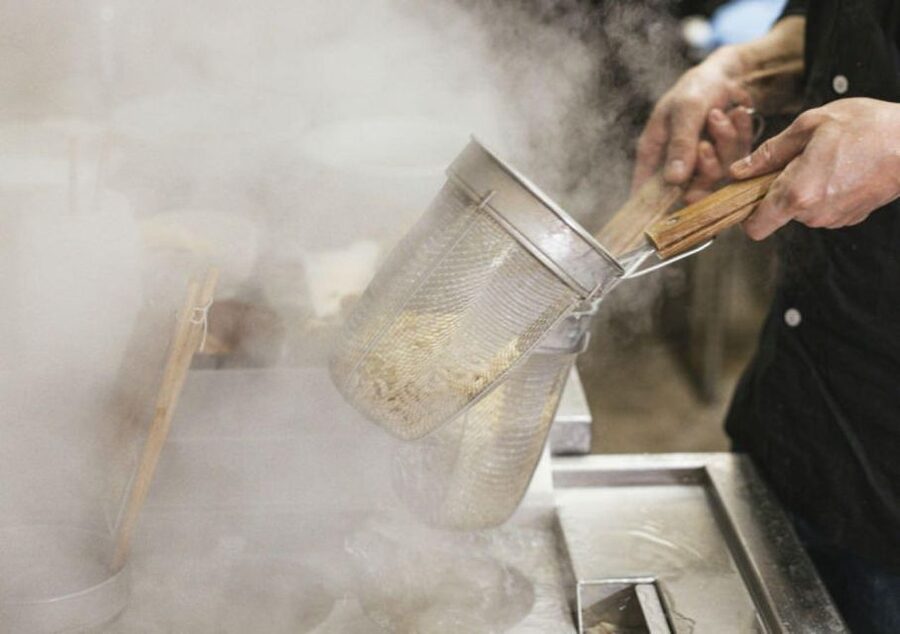
The class is designed around a realistic truth: full ramen noodles and broth take serious time. The experience explains the history of ramen and the idea behind ramen’s flavors, but it does not include making everything from scratch. Instead, you do a shortened ramen route so you can make and eat in about an hour.
Here’s how your hour usually flows:
First, you get an explanation of ramen history and what makes ramen feel like comfort food in Japan. Then you move into the cooking steps. The guide will walk you through it in a clear, staged way, often described as step-by-step coaching.
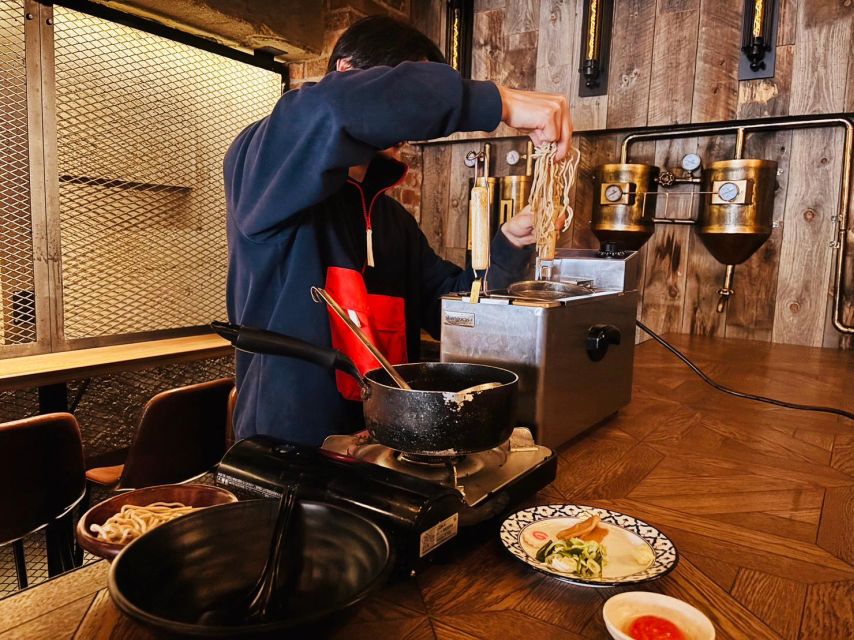
Next comes the fun part: you choose your soup and then handle the noodles. The activity emphasizes the practical workflow, meaning you’ll boil the noodles and time it correctly. Then you assemble your bowl.
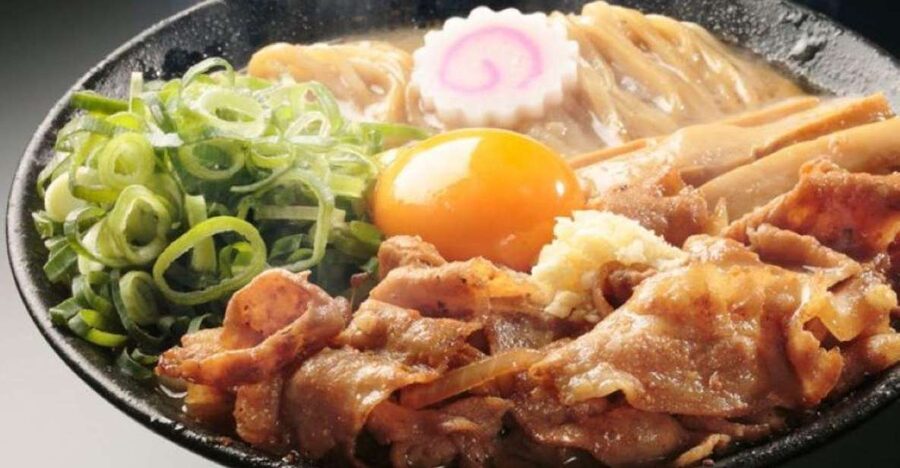
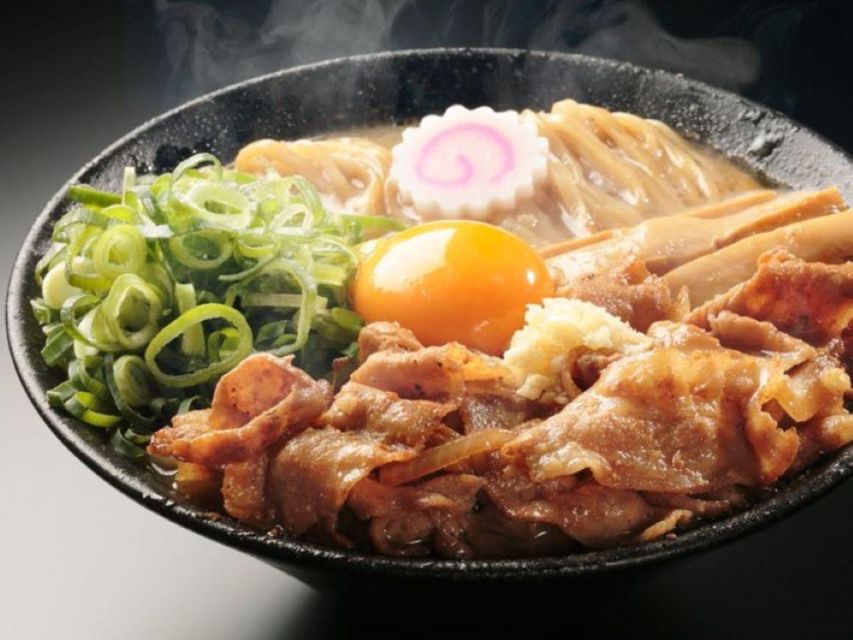
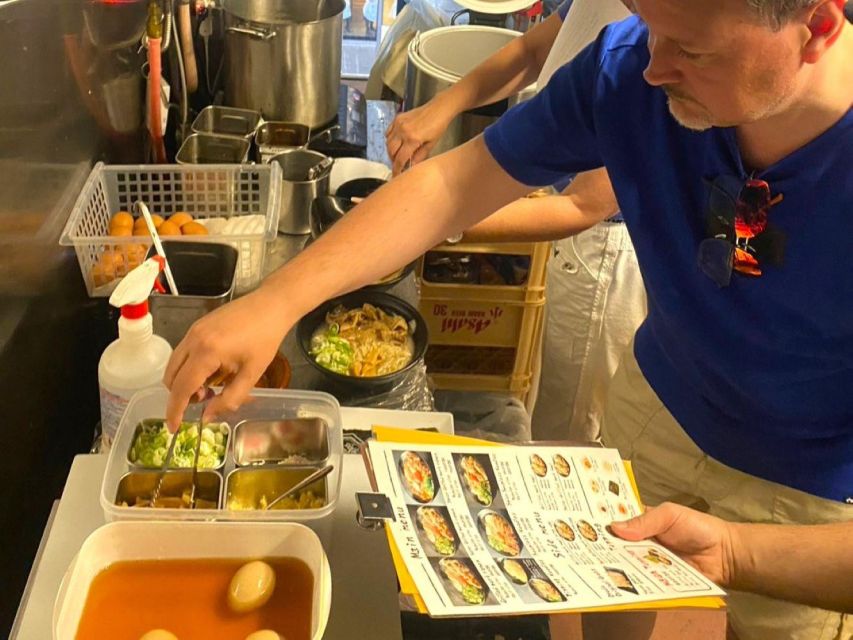
Finally, you add your toppings. Some sessions include specific topping choices, and the staff helps you build a bowl that fits your preferences. The experience ends when you finish eating.
About the soup and ingredients (important)
Your soup is a secret recipe, and the staff won’t list every ingredient for you. What they do state clearly is that the ramen soup contains pork, chicken, and beef. So if you avoid meat for any reason, or if you’re sensitive to certain proteins, check before you go.
Cook it yourself instead. Other kitchens in Tokyo
- Sushi Making Tokyo Roll and Authentic Japanese Sushi Class★ 5.0 · 3,971 reviews
- Tokyo: Sushi Making Class in a Happi Coat near a Famous Spot★ 4.9 · 1,377 reviews
- Tokyo Sushi Making Class in Tsukiji with Professional Chef★ 5.0 · 1,177 reviews
- Ramen & Gyoza Cooking Class in Tokyo with Local Supermarket Visit★ 5.0 · 823 reviews
- Tsukiji Fish Market Guided Tour and Sushi Making with Pro Chef★ 5.0 · 775 reviews
What you’re actually learning, and why it matters
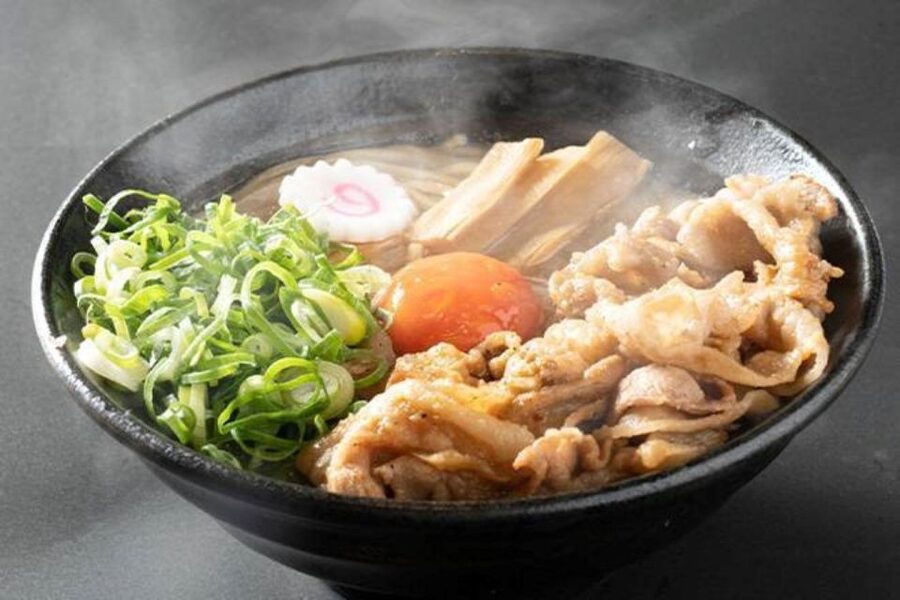
If you’ve eaten ramen in Japan, you already know the result can be wildly different from one bowl to the next. This class helps you understand why.
You learn the idea that ramen is built like a system: noodles, broth, and toppings all have to work together. The class focuses on the steps you can control quickly, like noodle timing and bowl assembly, so you leave with a mental model you can use later.
Many people also say they learned techniques and tips they would never figure out alone. A big theme in the feedback is how helpful the guides are in translating ramen-making logic into actions you can do without panic.
Also, the shortened approach has a value. You don’t waste an entire day trying to make broth from scratch in a group setting. Instead, you get the “how it comes together” part, and you get to eat while it’s still hot.
Guides, group size, and the language reality
Small group is part of the appeal here. The activity is described as small-group available, and one participant notes the group max is 6, which usually means more attention at your station.
Language support is where you should set expectations. The info says some staff are not great at English and the class may use a translator machine. At the same time, multiple people specifically praise certain guides for strong English and clear teaching.
From the names that appear in the feedback, you might meet teachers such as Tak, Kai, Hinata, Mikhail, Nina, or Chihiro. The common thread is that when the communication clicks, you get recommendations and travel advice too, not just cooking steps. That’s useful in Shinjuku, where it’s easy to get tunnel vision on just one street.
Timing and the Kabukicho logistics you should plan for
This is a one-hour experience, so your day plan needs to be realistic. Shinjuku Station is complicated. One account mentions being late due to Shinjuku timing complexity, and the staff still tried to keep things smooth.
Still, I’d give yourself extra time to arrive. You’re meeting at a specific bar location, and you have to go to the second floor with no elevator. If you’re carrying luggage or you’re moving from a late train, earlier is safer.
Once you arrive, you’re usually not sitting around. People describe it as easy to follow and fun, and that matches the “shortened recipe” setup. You’re not waiting while someone performs magic off-screen. You’re helping build the bowl.
What about add-ons, drinks, and gyoza?
The basic price includes the cooking experience and the meal. Bottled drinks are not included.
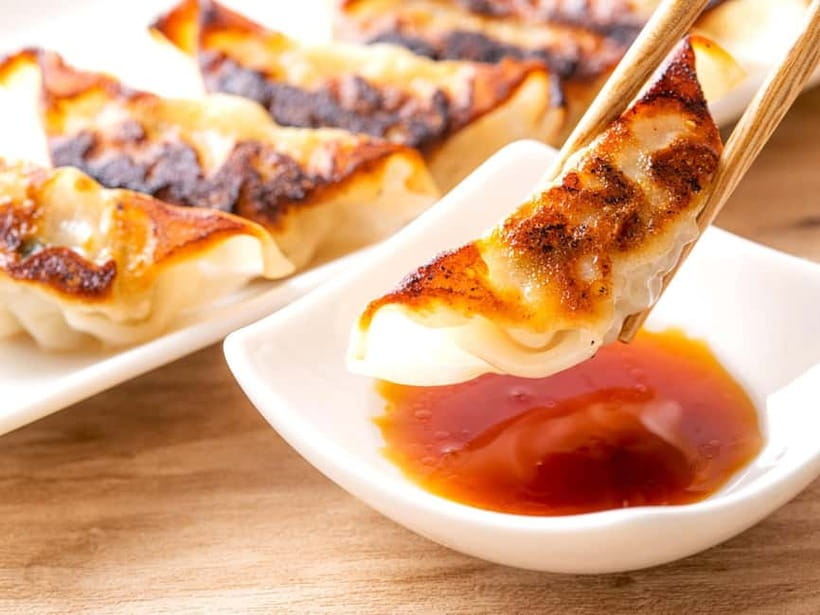
Some sessions in the feedback mention add-ons like gyoza and an alcohol drink option. The important part for you: if you want those, confirm during booking what’s actually included in your chosen package.
If you plan to drink alcohol, note the rule: underage drinking is prohibited by Japan’s Minors’ Alcoholic Beverage Law. People under 20 must be accompanied by a parent or guardian. That matters if you’re traveling as a family.
Also, if you have dietary limits:
- Not suitable for vegans
- Not suitable for vegetarians
- Not suitable for gluten intolerance
- Children under 4 are not suitable
Value check: is $29 for a ramen class worth it?
At $29 per person for a one-hour cooking class plus a meal, this is priced like an experience, not a fancy dinner. The real question is what you get for the money.
Here’s the value breakdown:
- You get a guided explanation of ramen history, plus practical cooking steps.
- You get to choose your soup and toppings, so it’s not just eating and watching.
- You leave with a full meal included, not a tiny tasting portion.
- You get a small-group atmosphere, which usually means more interaction.
The tradeoff is the shortened method. You won’t do the multi-day process of making noodles and broth from start to finish. But the class is upfront about that, and honestly, most visitors prefer a “cook and eat now” approach while they’re in Tokyo.
If you want a hands-on souvenir you can actually use later, this delivers. The best feedback patterns are about how people felt they learned something, not just ate something.
Who should book this in Shinjuku, and who should skip it
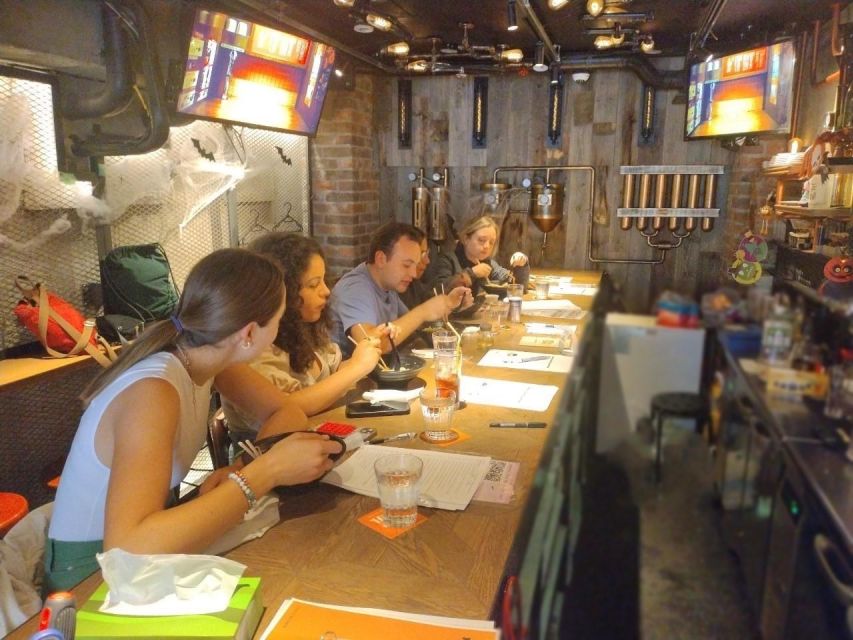
This class is a great match if you:
- Want a beginner-friendly cooking experience without needing advanced skills
- Like Japanese food and want to understand how ramen becomes ramen
- Are visiting Shinjuku and want an activity that feels local, not generic
- Want to customize your bowl with your own soup and toppings
It’s not a great match if you:
- Need gluten-free food (this isn’t suitable for gluten intolerance)
- Are vegan or vegetarian (the soup contains pork, chicken, and beef)
- Want a true full-day noodle and broth workshop (this is shortened for an hour)
- Have mobility concerns, since it’s on the second floor with no elevator
- Are traveling with a child under 4
If you’re a picky eater, good news: you can choose soup and toppings. If you’re allergic or avoid certain ingredients, you’ll need to be cautious because the soup recipe is secret and ingredient details are limited.
My booking decision: should you do this ramen class?
If you’re in Tokyo and you want one memorable food activity that’s hands-on, this is an easy yes. The biggest reasons I’d book are the custom bowl building, the included meal, and the fact that you get ramen context and technique without turning your day into a ramen marathon.
I’d think twice only if you know you’re avoiding pork, chicken, or beef, or if gluten intolerance is a strict no-go. Otherwise, it’s one of those practical Tokyo experiences that feels worth the time, especially in Shinjuku, where you can pair it with walking around afterward.
FAQ
How long is the ramen cooking experience?
The experience lasts 1 hour.
Where do I meet for the class?
You meet at Shinjuku Ale in Shinjuku Kabukicho. The map link is https://maps.app.goo.gl/WFQbgLjFTVA9bwdL7.
What does the class include?
It includes the ramen cooking experience and a meal.
Does the experience include making noodles and soup from scratch?
No. The activity uses a shortened recipe. The history and ramen-making process are explained, but the full multi-day noodle and soup creation is not included.
What can I do during the class?
You choose your soup, boil your noodles, add toppings, and then eat the ramen you make.
What ingredients are in the ramen soup?
The soup contains pork, chicken, and beef. The recipe is kept secret, so the full ingredient list is not shared.
Is the experience suitable for vegetarians or vegans?
No. It is not suitable for vegans or vegetarians.
Is it suitable for gluten intolerance?
No. People with gluten intolerance should not book.
Is there a drink option, and is alcohol allowed?
Bottled drinks are not included. Alcohol for under-20 participants is prohibited by law.
Is the venue accessible by elevator?
No. The experience takes place on the second floor, and there is no elevator.
Kitchens You Can Book Into


West Tokyo on Foot: Seven More



Newest Tokyo write-ups from the Loving Japan desk


Shibuya, Shinjuku and Harajuku Walks, side by side.
 ★ 5.0Shinjuku Food Tour (13 Dishes at 4 Local Eateries)From $866,603 reviews
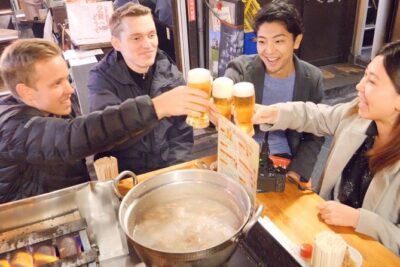 ★ 5.0Tokyo Bar Hopping Tour in Shinjuku (All-You-Can-Drink + Dinner)From $1063,587 reviews
 ★ 5.0Official Street Go-Kart in ShibuyaFrom $763,435 reviews
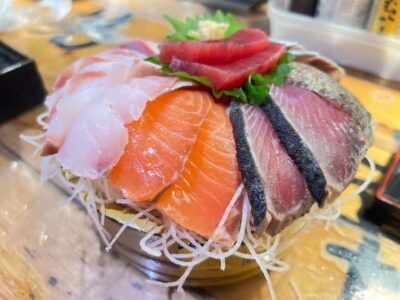 ★ 4.9Shinjuku Food Tour (15 Dishes and 4 Eateries)From $852,033 reviews
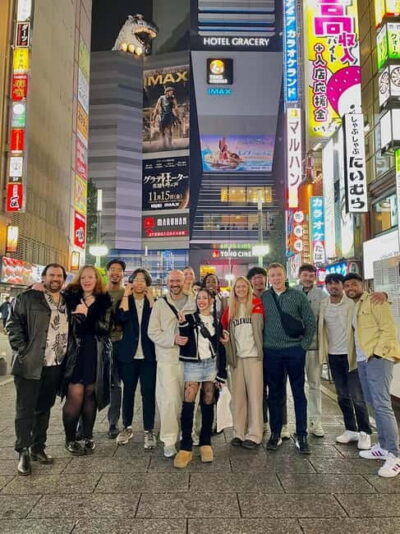 ★ 4.9Shinjuku Local Bar and Izakaya Guided Walking TourFrom $341,794 reviews
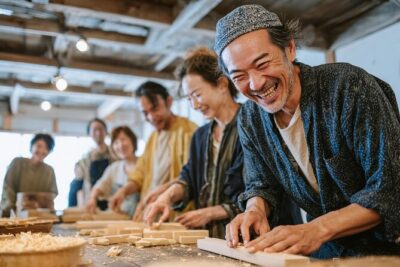 ★ 5.0Tokyo Shinjuku Chopsticks Making ClassFrom $201,763 reviews
 ★ 5.0Tokyo Shinjuku Sumo Show & Experience with PhotoFrom $791,750 reviews
 ★ 4.9Street Kart Experience in ShibuyaFrom $741,484 reviews