
REVIEW · SUMO WRESTLING EXPERIENCES
Sumo Practice Viewing Guided Tour and Photo with Sumo Wrestlers
A sumo stable is not a normal gym.
This guided morning visit to Tatsunami-beya lets you watch professional wrestlers practice in the sacred training hall, with strict quiet rules that protect the session. I especially like the combo of a licensed English guide interpreter plus an audio guide, because you can follow what is going on even while everyone stays silent. One thing to consider up front, though: you are seated and kept very still, so it is more like attentive viewing than an interactive show.
I love that the tour ends with a real moment, the commemorative photo with the wrestlers, rather than just looking from a distance and leaving. You also get practical context for a sport that can look simple at first glance, but turns into technique, rhythm, and discipline once you understand what you are watching. The main drawback is timing, practice length can vary, and on some days you may see fewer trainees or no appearance from the active yokozuna.
In This Review
- Quick hits: what makes this Tatsunami-beya tour worth it
- Tatsunami-beya in the morning: a sacred space, not a performance
- The schedule you actually follow, from lecture to photo
- Stop 1: a quick orientation and etiquette primer
- Stop 2: practice viewing with audio guidance
- Stop 3: commemorative photo, plus a Q&A corner
- What I like about the guided lecture, and what it prevents
- Practice viewing etiquette: the rules you must follow (no exceptions)
- Seating on tatami: comfortable enough, but be ready for stillness
- The audio guide helps you read training without breaking silence
- The photo moment and Q&A corner, how to get the most
- Getting to Tatsunami-beya: plan for a real Tokyo morning walk
- Value check: is $118.60 worth it for a short practice viewing?
- Who this tour suits, and who might want a different option
- Should you book this sumo practice viewing tour?
- FAQ
- What time does the tour start?
- How long should I plan for this experience?
- Is talking allowed while watching sumo practice?
- Do I need to take off my shoes inside the stable?
- Is an audio guide included, and is it in English?
- Will the active yokozuna appear during the practice?
- What do you get after the practice viewing?
- Can I bring food, drinks, strollers, or large suitcases?
- Are chairs available if I cannot sit on tatami?
- What is the cancellation window?
Quick hits: what makes this Tatsunami-beya tour worth it
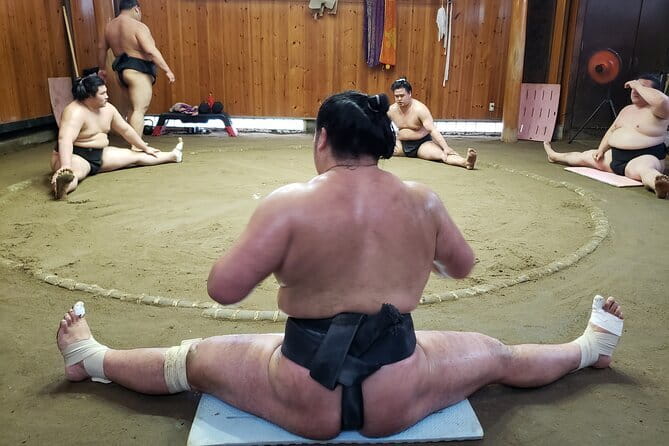
- Behind-the-scenes access to a Tokyo sumo stable where wrestlers live and train daily
- Quiet practice viewing with talking prohibited, plus a provided audio guide for context
- Cushion seating on tatami (chairs available if you request support in advance)
- Guided lecture early on, so you know the etiquette and what you are seeing
- Commemorative photo and Q&A corner after practice, plus original merchandise
Morning practice or an evening show. Both reviewed
- Tokyo: Sumo Show and Dining Experience
★ 4.8 · 2,742 reviews - the SUMO show
★ 5.0 · 1,960 reviews - Tokyo Shinjuku Sumo Show & Experience with Photo
★ 5.0 · 1,750 reviews - Tokyo: Sumo Show and Experience in Shinjuku
★ 4.8 · 1,001 reviews
Tatsunami-beya in the morning: a sacred space, not a performance
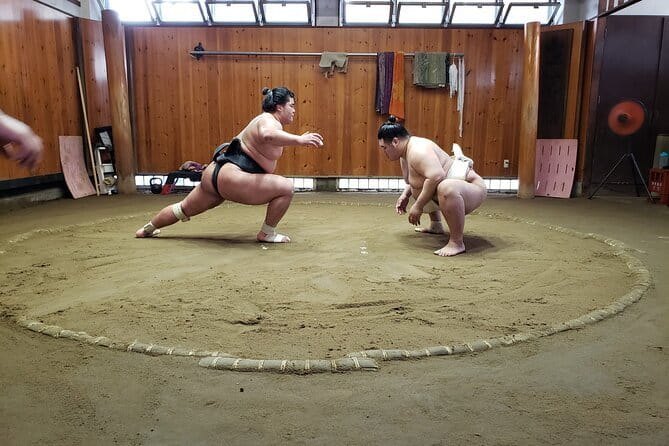
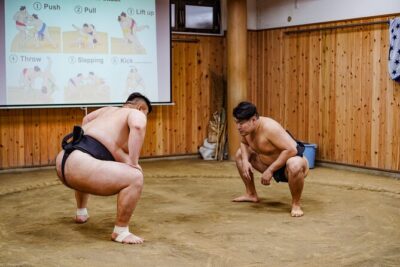
If you have ever wanted to see sumo beyond TV footage, this is a strong option. A sumo stable, called a heya, is where wrestlers train and live, and it is treated like a serious, almost ceremonial place. The biggest difference from most attractions is the mood: calm focus, no chatter, and respect for the routine.
I like that the tour frames the visit around etiquette and understanding, not just sightseeing. You will start with an intro, then watch practice up close while staying seated. That structure matters because it helps you read the day’s training instead of staring blankly at bodies moving.
One important consideration: the active yokozuna is not guaranteed to appear every practice session. So go for the practice itself, not a promised celebrity sighting.
The schedule you actually follow, from lecture to photo
This is a short, efficient morning tour, typically about 1 hour 20 minutes to 2 hours. The day starts at 8:30 am at Tatsunami-beya Sumo Stable, and the visit returns you to the meeting point.
Here is how the time breaks down once you are inside:
Stop 1: a quick orientation and etiquette primer
The first part is a viewing lecture, about 10 minutes, led by a National Government Licensed English guide interpreter. This is not a long history lecture, it is practical setup so you know how to behave during practice viewing.
You are being taught the rules that protect the wrestlers and other visitors. That includes silence expectations and movement limits while watching.
- Mt Fuji and Hakone 1-Day Bus Tour Return by Bullet Train★ 5.0 · 26,383 reviews
- 1-Day Tokyo Bus Tour★ 5.0 · 14,250 reviews
- Tokyo: teamLab Planets TOKYO Digital Art Museum Entry Ticket★ 4.6 · 9,779 reviews
- Mt Fuji & Hakone Cruise, Drum Show Bullet Train 1 Day from Tokyo★ 4.0 · 7,413 reviews
- Tokyo: Shinjuku Food Tour (13 Dishes at 4 Local Eateries)★ 5.0 · 6,603 reviews
Stop 2: practice viewing with audio guidance
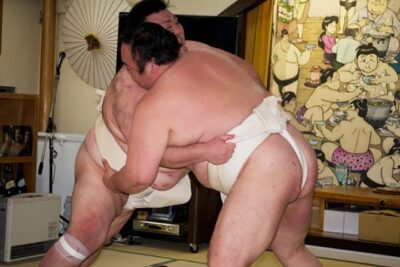
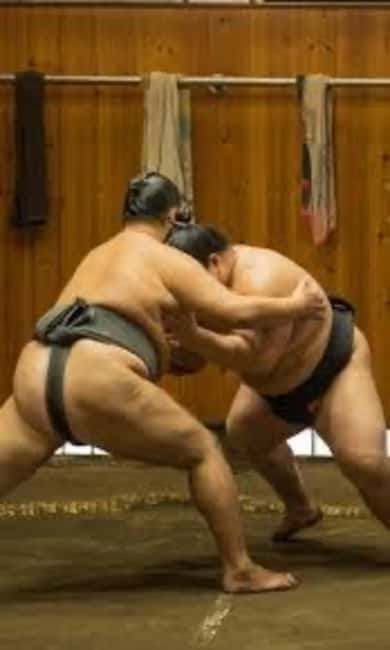
Next comes the main event, about 45 minutes of practice viewing, with an audio guide. You will watch seated on a wooden floor, with cushion seating on tatami mat flooring. If you have trouble sitting on the tatami, chairs are available if you request in advance.
Talking is prohibited while watching, and that is where the audio guide becomes your best friend. The audio helps you understand what is happening during morning training, especially since the hall requires quiet.
Also note the tour timing can flex. Depending on how many wrestlers practice that day, the practice viewing portion may be shorter than 45 minutes or longer. The tour may end earlier, with no refunds, or later, depending on the day’s schedule.
Stop 3: commemorative photo, plus a Q&A corner
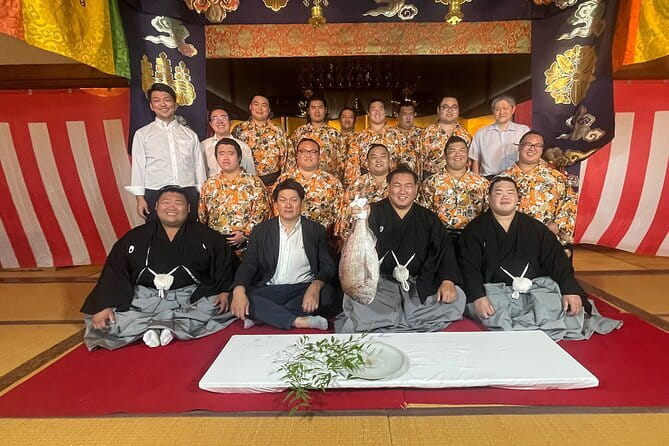
After practice, you get a commemorative photo with sumo wrestlers and personal belongings viewing. There is also a Q&A corner, which is one of your rare chances to ask questions while still respecting stable rules.
This is the part that most people remember because it is a straightforward, real souvenir moment. It also turns the experience from passive watching into a small conversation about what you just saw.
What I like about the guided lecture, and what it prevents
The best sumo viewing moments happen when you understand the flow. Before you sit down, the guide interpreter gives you the basics so you know what is considered respectful behavior and why.
I like that this keeps the stable atmosphere intact. You are not distracted by people who stand, talk, or reach for a better view at the wrong time. It also makes you less likely to accidentally violate rules like touching the ring or the wrestlers.
If you are the type who likes to learn just enough before a hands-on moment, you will appreciate this “quick setup” approach. It is practical, not academic.
Practice viewing etiquette: the rules you must follow (no exceptions)

This tour is built around discipline, and the rules inside the training hall are strict. The stable is described as a sacred place, and the precautions are there to prevent injury and distraction.
Here are the key etiquette points you should plan for before you go:
- Stay quiet, whispering and talking are strictly prohibited during practice
- Do not stand up or move around while watching
- Do not step on the ring or touch the wrestlers without permission
- When seated, avoid stretching your legs out toward the wrestling ring, showing the soles of your feet is considered impolite
- Keep mobile phones on silent or turned off, and do not use flash photography
- No eating and drinking inside the stable
- Remove shoes when entering, keep them neatly in place
- Avoid strong scents like excessive perfume or fabric softener scent
- Remove sunglasses and hats inside the hall, it is considered rude
None of this is meant to be fussy for fun. It protects the wrestlers during training, and it keeps your viewing experience respectful and smooth.
Seating on tatami: comfortable enough, but be ready for stillness
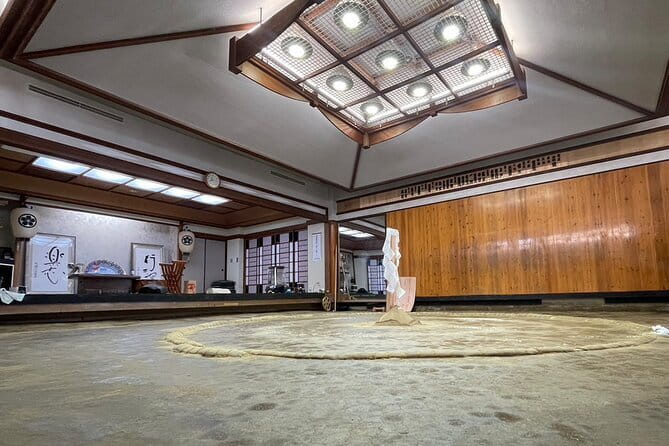
You sit during the practice, and you should assume you will be still for the viewing window. Expect cushion seating on tatami mat flooring. If sitting on the floor is difficult, chairs are provided for guests who request help in advance through the remarks.
This matters because the quiet rules mean there is less opportunity to reposition. If you have any mobility concerns, plan ahead. Wear clothing that lets you sit comfortably, and consider shoes that are easy to remove since you will take them off at entry.
Also, keep in mind that eating and drinking are not allowed. That is normal for the stable environment, but it means you should handle snacks and water before you arrive.
The audio guide helps you read training without breaking silence
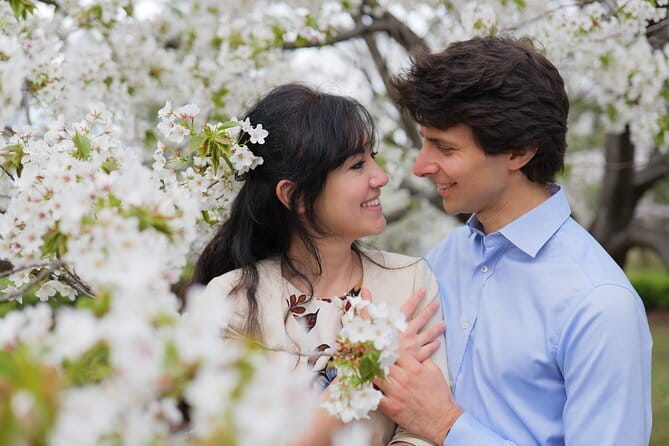
Because talking is prohibited during practice, the audio guide is how you get the “what am I seeing” answers. The tour includes both the National Government Licensed English guide interpreter and an audio guide service, so you get verbal guidance in a way that works with the stable etiquette.
I found this setup makes the experience feel fuller. You can concentrate on the wrestlers’ movements while still understanding the basics through the audio explanations. It is not silent confusion, it is structured quiet.
There is one practical warning from real-world use: clarity matters. On some days, audio devices and spoken explanations may not land perfectly if the audio quality is off or the interpretation is hard to catch. Bring patience, and treat the audio as guidance, not a perfect live commentary.
The photo moment and Q&A corner, how to get the most
The tour ends with a commemorative photo with sumo wrestlers and a short Q&A corner. This is your chance to connect the training you watched with questions you may have.
You also get JTB Sunrise Tours original merchandise as part of the included items. That makes the souvenir more than a random token. It becomes a tangible reminder of a specific morning at Tatsunami-beya.
One practical thought: the photo time is short, only about 15 minutes. Think about what you want to ask beforehand, and focus on questions related to what you just saw.
Getting to Tatsunami-beya: plan for a real Tokyo morning walk

The meeting point is Tatsunami-beya Sumo Stable, 1-chōme-16-5 Hashiba, Taito City, Tokyo 111-0023, Japan. The start time is 8:30 am, so your transportation needs to be ready early.
The stable entrance is about 30 minutes on foot from Asakusa Station. You can also reach it by bus, including the Toei Bus East 42-Ko route and the Taito Ward Kita-Megurin loop bus.
Because this is a morning tour with strict stable rules, I recommend you arrive with buffer time. If you are running late, you will feel rushed while also needing to handle shoe removal and quiet entry procedures.
Value check: is $118.60 worth it for a short practice viewing?
At $118.60 per person, this is not a cheap activity. But it can be good value if you want rare access rather than another city stroll.
Here is what your money is buying, based on what is included:
- A National Government Licensed English guide interpreter
- An audio guide service
- Sumo stable practice viewing admission
- A commemorative photo with sumo wrestlers
- JTB Sunrise Tours original merchandise
So you are paying for access to a live training environment in a place that is kept orderly and quiet. That is harder to replicate than it looks, and it is the main reason this tour is popular.
Also, the group size is capped at a maximum of 45 travelers. That does not guarantee a small, intimate feel, but it usually keeps things organized compared with mass-market attractions.
My takeaway: it is worth it if you care about authentic stable etiquette and the process of training. If you only want a casual, upbeat attraction where you can talk and wander, this may feel stricter than you expect.
Who this tour suits, and who might want a different option
This works best for people who love structured cultural experiences. If you are curious about how sumo training actually looks, and you enjoy learning how to behave properly in a Japanese cultural setting, you will likely have a satisfying morning.
It is also a great fit if you like early mornings and want to beat crowds while the stable is in training mode. Sitting close on the wooden floor and watching practice creates a real sense of proximity.
If you prefer an interactive show, this tour can feel limited. Quiet viewing means there is less movement and less back-and-forth. One common disappointment is that the viewing can feel like you are watching a small number of trainees working, with little happening beyond the practice itself.
Should you book this sumo practice viewing tour?
Book it if you want a respectful, behind-the-scenes look at Tatsunami-beya and you are ready for quiet etiquette. You will likely appreciate the English guidance, the audio support during silent viewing, and the real commemorative photo at the end.
Skip it or consider alternatives if you need a more animated experience with lots of interaction. Also, remember the active yokozuna is not guaranteed to appear, so plan to appreciate the practice rather than chasing a specific rank.
If you want a calm, focused sumo morning that feels genuinely connected to the sport, this is a strong match.
FAQ
What time does the tour start?
The tour starts at 8:30 am.
How long should I plan for this experience?
Plan for about 1 hour 20 minutes to 2 hours, though the practice viewing time can be shorter or longer depending on how many wrestlers train that day.
Is talking allowed while watching sumo practice?
No. Talking and whispering are strictly prohibited during the practice.
Do I need to take off my shoes inside the stable?
Yes. You must remove your shoes when entering and keep them neatly in place.
Is an audio guide included, and is it in English?
Yes. The tour includes an audio guide service, and it works with explanations from a National Government Licensed English guide interpreter.
Will the active yokozuna appear during the practice?
Not every practice session includes the yokozuna, so you should not expect a guaranteed appearance.
What do you get after the practice viewing?
After practice, you can take a commemorative photo with the sumo wrestlers. There is also a Q&A corner, and you receive original merchandise.
Can I bring food, drinks, strollers, or large suitcases?
No for food and drinks inside the stable. Also, strollers and large baggage such as suitcases cannot be brought.
Are chairs available if I cannot sit on tatami?
Yes. Chairs are provided for customers who have difficulty sitting, but you need to request this in advance.
What is the cancellation window?
You can cancel for a full refund if you cancel at least 24 hours before the experience’s start time. If you cancel less than 24 hours before, you will not be refunded.
Practice Rooms and Show Nights

Newest Tokyo write-ups from the Loving Japan desk



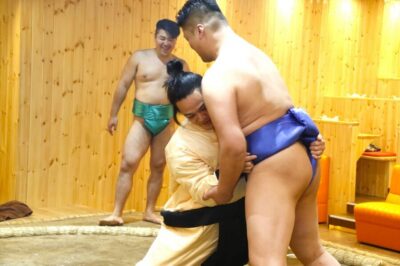
Sumo Wrestling Experiences, side by side.
 ★ 4.8Sumo Show Experience with Chicken Hot Pot and a PhotoFrom $1036,678 reviews
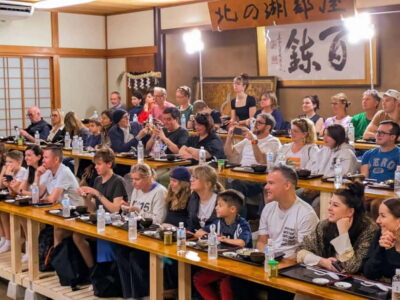 ★ 4.8Sumo Show and Dining ExperienceFrom $792,742 reviews
 ★ 5.0the SUMO showFrom $891,960 reviews
 ★ 5.0Tokyo Shinjuku Sumo Show & Experience with PhotoFrom $791,750 reviews
 ★ 4.8Sumo Show and Experience in ShinjukuFrom $691,001 reviews
 ★ 4.6Sumo Tournament Tour with Chair Seat TicketsFrom $141753 reviews
 ★ 4.5Sumo Show & Experience w/ Optional Kimono & Hot PotFrom $77609 reviews
 ★ 5.0Authentic Sumo Experience in Tokyo: Enter the SanctuaryFrom $171603 reviews
Filed on these lists too