
REVIEW · ASAKUSA, SENSO-JI AND TOKYO SKYTREE
Sushi Making Tokyo with Traditional Rickshaw Ride Tour in Asakusa
Sushi skills and a rickshaw, same afternoon. This Asakusa class pairs hands-on sushi making with an English-guided walk-and-ride that brings you right into a quieter, Edo-era mood. You also get the kind of hosting that makes the cultural stuff feel practical, not like a lecture.
I like that the whole experience is run in English, so you can focus on learning the flow of sushi making rather than translating. I also like the traditional rickshaw ride, which slows everything down and gives you a different angle on Asakusa. The main drawback is simple: this tour depends on good weather, so plan for an alternate date or refund if conditions are bad.
In This Review
- Key highlights
- Sushi Making Tokyo: what you do and what you learn
- A practical tip before you go
- Asakusa by rickshaw: why this ride is worth it
- What to expect during the ride
- English-first hosting: how the guides shape the vibe
- Timing and pacing: fitting 3.5 hours into Tokyo
- Meeting point, so you don’t waste time
- Price and value: does $156.77 make sense here?
- Best fit: who will love this most
- A realistic drawback: weather and how to plan for it
- Where this tour shines compared to “just eat sushi”
- Quick checklist before you book
- Should you book this Sushi Making Tokyo plus rickshaw in Asakusa?
- FAQ
- How long is the Sushi Making Tokyo plus rickshaw experience?
- How much does it cost per person?
- Where does the tour start, and where does it end?
- Is the tour conducted in English?
- What is included in the price?
- Is hotel pickup and drop-off included?
- How big is the group?
- Does weather affect the experience?
Key highlights
- Hands-on sushi making in English with ingredients and the meal included
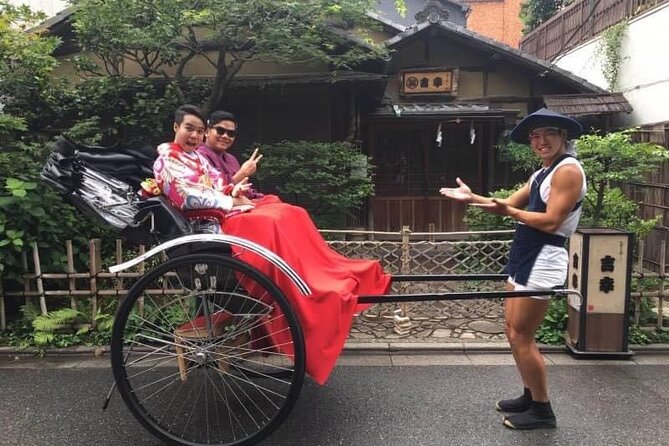
- Traditional rickshaw ride through Asakusa for an Edo-era feel
- Small group size, up to 30 people, so it stays personal
- Friendly, story-rich hosting, with guides like Shogo and Hero in the mix
- No hotel pickup, so you’ll need to get yourself to the meeting point
Still on the Sumida side? A few more Asakusa options
- Tokyo: Japanese Dance Cabaret Theater Asakusa-Kaguwa Ticket
★ 4.8 · 2,270 reviews - Tokyo: Meiji Shrine, Asakusa, Skytree Bus Tour and Cruise
★ 4.7 · 1,986 reviews - Tokyo: Roll and Authentic Sushi Making Class in Asakusa
★ 4.9 · 1,957 reviews - Tokyo: Asakusa Walking Tour with Sensoji Temple Visit
★ 4.8 · 1,583 reviews
Sushi Making Tokyo: what you do and what you learn
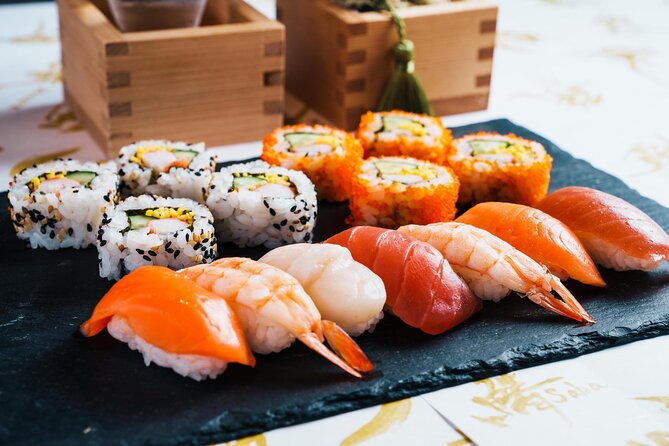
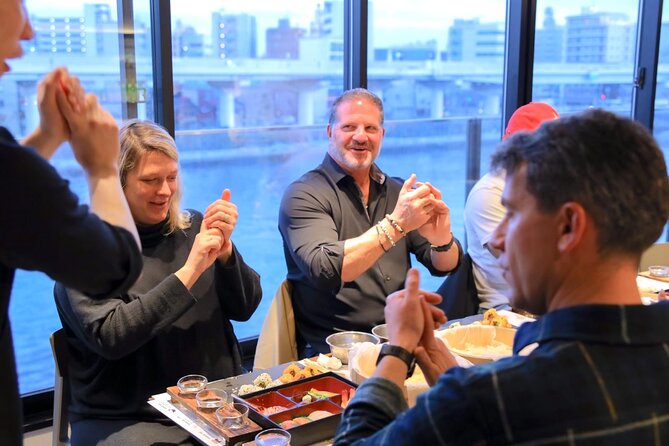
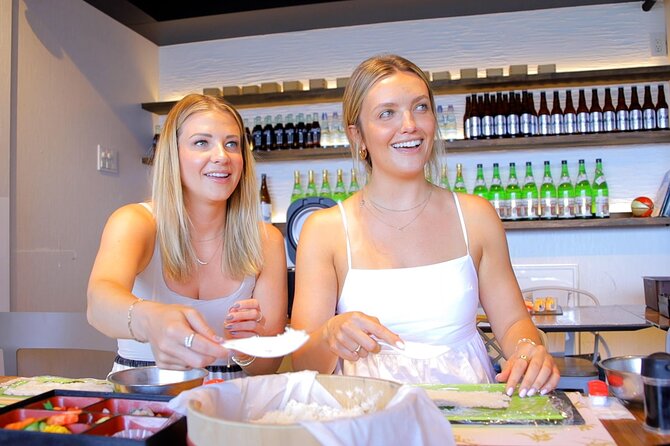
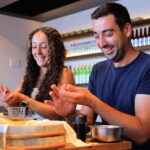
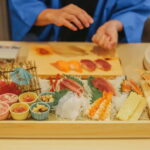
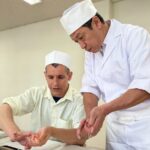
The day starts with sushi making in Asakusa, and the best part is that it is built to be doable. You are not just watching a chef; you’re actually making sushi as part of the class. The experience includes the ingredients and a meal, so you get to eat what you make, which turns the lesson into something you can remember.
The timing is about 1 hour 50 minutes for this cooking segment. That is long enough to learn technique, not just a quick demo, but not so long that you feel stuck. If you like interactive activities, this format fits. If you prefer pure sightseeing, it may feel slightly hands-on, but that is also what makes it memorable.
What you take away is usually more than the final bite. You get a sense of how sushi fits into Japanese food culture: clean flavors, careful handling, and the idea that small details matter. Even if your rolls are not perfect, you’ll leave with a better feel for how sushi is put together and why it tastes the way it does.
A practical tip before you go
Wear comfortable clothes and shoes you can move in. Cooking classes can get hands-on, and you want to stay focused on learning instead of fussing with discomfort.
Asakusa by rickshaw: why this ride is worth it
After the sushi making portion, you shift into the Asakusa portion of the tour. The rickshaw ride is about 1.5 hours, which is a very solid chunk of time. Instead of rushing between stops, you get to slow down and let the streets come to you.
Asakusa is known for its old-school atmosphere, and the rickshaw adds a layer of “time travel” that walking alone does not. The ride is guided by a local staff member who shares the area in a way that feels like you’re being shown around, not guided through a checklist. The emphasis here is on the feeling of the Edo period, the kind of vibe where side streets and street life matter as much as landmarks.
The most common compliment about this part is the stories. In the experiences people describe, guides and drivers often bring history into everyday scenes. That makes the ride more useful for understanding the neighborhood, not just for photos.
Cook it yourself instead. Other kitchens in Tokyo
- Sushi Making Tokyo Roll and Authentic Japanese Sushi Class★ 5.0 · 3,971 reviews
- Tokyo: Sushi Making Class in a Happi Coat near a Famous Spot★ 4.9 · 1,377 reviews
- Tokyo Sushi Making Class in Tsukiji with Professional Chef★ 5.0 · 1,177 reviews
- Ramen & Gyoza Cooking Class in Tokyo with Local Supermarket Visit★ 5.0 · 823 reviews
- Tsukiji Fish Market Guided Tour and Sushi Making with Pro Chef★ 5.0 · 775 reviews
What to expect during the ride
Because it is a rickshaw, you should expect a slower pace and more looking than walking. If you get motion-sensitive, you can take it easy with your posture and keep your eyes on the stable scenery ahead. Also, since it’s outdoors, the weather matters more than you might think.
English-first hosting: how the guides shape the vibe
This tour is conducted entirely in English, which is a big deal in a place like Asakusa where you’ll see plenty of signage and menus in Japanese. The benefit is that you can ask questions and understand what is happening as it happens, especially during the sushi making portion where timing and technique matter.
A standout theme from the experience descriptions is hospitality. The guides and staff are described as entertaining and genuinely friendly. Names that come up include Shogo and Hero, and the tone is consistent: they want you to have fun, and they also want you to leave understanding what you just learned.
If you’re the type who gets more from people than from guidebooks, this is a strong match. If you prefer silent sightseeing, you might find the conversation adds energy rather than taking away from your trip.
Timing and pacing: fitting 3.5 hours into Tokyo
Overall duration is about 3 hours 30 minutes. Realistically, that means you are booking a half-day chunk that you can plan around dinner or the rest of your Tokyo day.
One thing to note: the itinerary information lists two segments that both mention rickshaw time. In practice, the overall flow you should plan for is sushi making first, then Asakusa exploration with the rickshaw experience. Either way, the total time is set, so you’re not guessing your way through a long day.
Because there is no hotel pickup and drop-off, you’ll want to build your schedule around the meeting point. In Tokyo, that usually means you should already know your route to Asakusa by train or on foot.
Meeting point, so you don’t waste time
The start point is: 2-chōme-17-9 Kaminarimon, Taito City, Tokyo 111-0034, Japan. The activity ends back at the same meeting point. That is helpful for planning, because you don’t need to worry about getting from a random finish location back to your next stop.
The tour is listed as near public transportation, which is exactly what you want for a 3.5-hour activity in the middle of a busy day.
Price and value: does $156.77 make sense here?
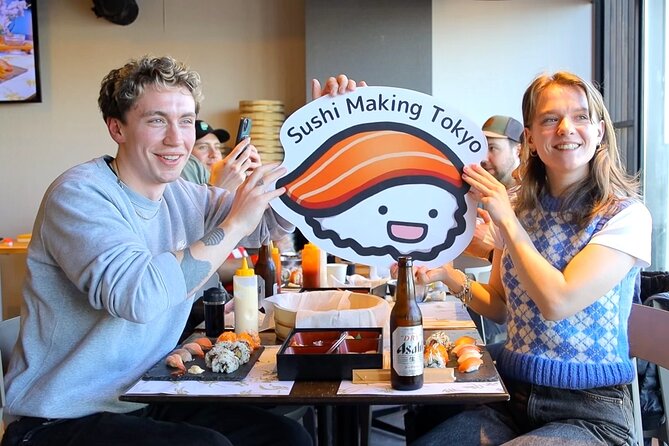
At $156.77 per person, this is not a bargain. But it also isn’t only a “tour.” You’re paying for two real components:
1) A sushi making class with ingredients and your meal included.
2) A traditional rickshaw ride guided through Asakusa.
When you compare it to casual cooking lessons where you might only get a quick sample, the inclusion of ingredients and meal helps justify the cost. And the rickshaw ride is a premium-feeling experience that can be hard to replicate on your own without extra arrangements.
The small group limit of up to 30 people also matters for value. In a larger group, your questions can get lost, and teaching can feel rushed. The descriptions around the hospitality suggest you get more personal attention than the typical big-group style.
Is it expensive? Yes. Is it a good use of time if you want both food and atmosphere in one go? Also yes. If you’re already planning a lot of Asakusa walking and street food, you may feel this is optional. If you want one structured, memorable experience, it can be a strong pick.
Best fit: who will love this most
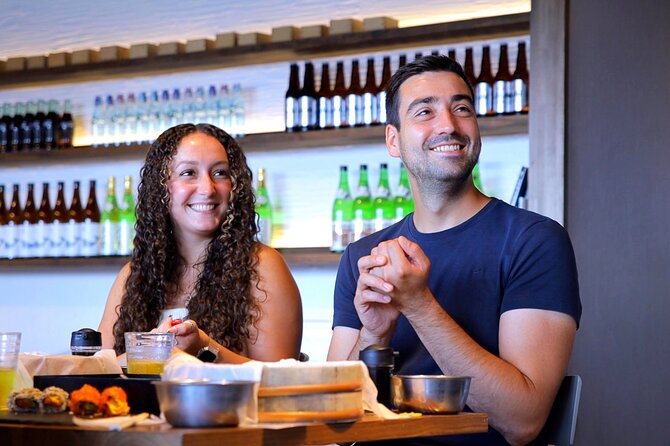
This works especially well if you want a Tokyo experience that is hands-on but still culturally grounded. Sushi making gives you a skill and a story you can tell later. The rickshaw adds the visual and cultural flavor, so your afternoon has both food and scenery.
It also suits you if you like English-language guidance. That tends to make the whole day feel smoother, especially in a neighborhood where you’ll see lots of local rhythms and fewer English-only cues.
Most people can participate. That said, if you strongly dislike sitting outdoors for extended periods, or you know you get uncomfortable in certain weather, the weather requirement is worth taking seriously.
A realistic drawback: weather and how to plan for it
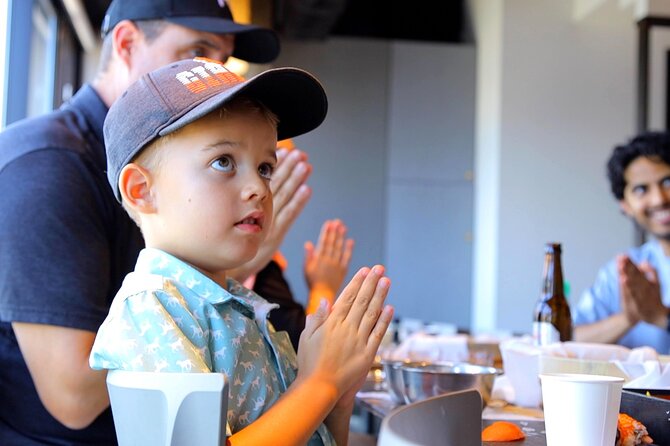
The tour requires good weather. If it’s canceled due to poor weather, you’ll be offered a different date or a full refund. That policy is common for outdoor components like rickshaws, but it still affects how you should schedule.
If your Tokyo days are tightly planned with no flexibility, try to book this on a day where you have breathing room, or at least keep backup options nearby.
Where this tour shines compared to “just eat sushi”
There are plenty of ways to eat sushi in Tokyo. What this adds is participation. Cooking gives you context, and context changes how you experience food afterward.
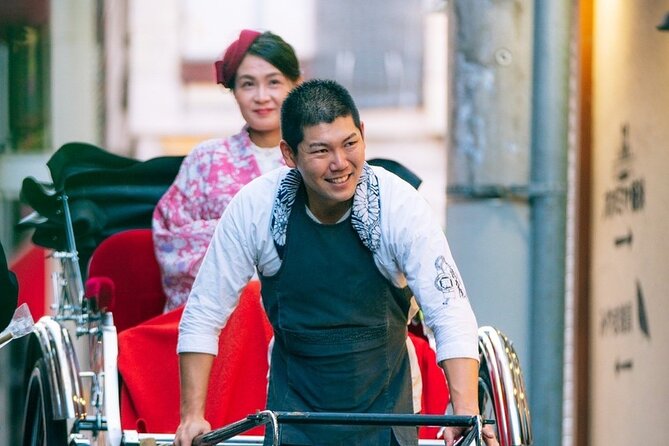
Also, the Asakusa portion focuses on the look and feel of the neighborhood, not only famous stops. The rickshaw experience is built for perspective, and the guided stories add meaning to what you’re seeing. This is a good choice when you want your memories to be about more than taste.
If you want a more independent approach to Asakusa, you might skip the rickshaw and do the area on foot. But if you want a guided, structured afternoon that blends culture and a craft you can take home, this is a clean pairing.
Quick checklist before you book
- Plan to be at the meeting point near Kaminarimon in Asakusa and know it ends where it starts
- Wear comfortable shoes for a class and outdoor time
- Expect the whole thing to be English guided
- Keep in mind it has a weather dependency
- Budget the full price since there is no hotel pickup
Should you book this Sushi Making Tokyo plus rickshaw in Asakusa?
Book it if you want one memorable afternoon that gives you a skill (sushi making) and a special way to see a classic neighborhood (rickshaw in Asakusa). The value improves when you like guided storytelling, want ingredients and meal included, and appreciate English support like the staff described in this experience.
Skip it or think twice if outdoor time in rickshaw weather is a problem for you, or if you already have a very similar plan that covers Asakusa on foot without needing a structured cooking class. Also, if you hate paying for guided activities, this will feel like a splurge compared with free-form sightseeing.
If you want to taste Tokyo with both your hands and your eyes, this is a strong bet.
FAQ
How long is the Sushi Making Tokyo plus rickshaw experience?
It runs about 3 hours 30 minutes approximately.
How much does it cost per person?
The price is $156.77 per person.
Where does the tour start, and where does it end?
It starts at 2-chōme-17-9 Kaminarimon, Taito City, Tokyo 111-0034, Japan, and it ends back at the same meeting point.
Is the tour conducted in English?
Yes, the entire tour is conducted in English.
What is included in the price?
The price includes an English speaking instructor and the ingredients for the cooking class and meal.
Is hotel pickup and drop-off included?
No, hotel pickup and drop-off are not included.
How big is the group?
The tour has a maximum of 30 travelers.
Does weather affect the experience?
Yes, this experience requires good weather. If it is canceled due to poor weather, you will be offered a different date or a full refund.
Kitchens You Can Book Into


Asakusa and the Skytree, Keep Going

Newest Tokyo write-ups from the Loving Japan desk






Asakusa, Senso-ji and Tokyo Skytree, side by side.
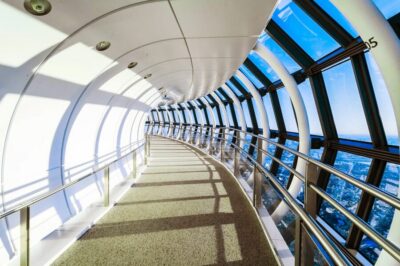 ★ 4.5TOKYO SKYTREE® Admission ticketFrom $1311,192 reviews
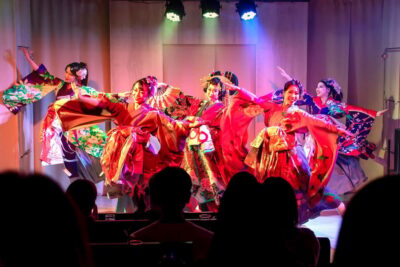 ★ 4.8Japanese Dance Cabaret Theater Asakusa-Kaguwa TicketFrom $492,270 reviews
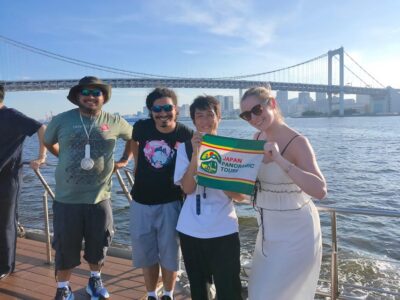 ★ 4.7Meiji Shrine, Asakusa, Skytree Bus Tour and CruiseFrom $1221,986 reviews
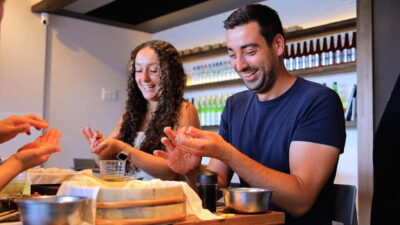 ★ 4.9Roll and Authentic Sushi Making Class in AsakusaFrom $581,957 reviews
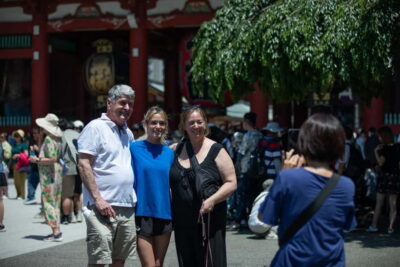 ★ 4.8Asakusa Walking Tour with Sensoji Temple VisitFrom $221,583 reviews
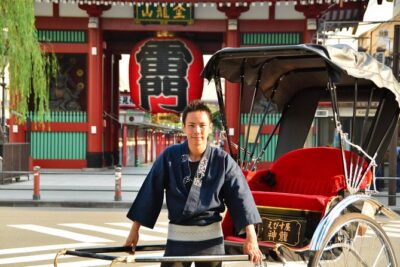 ★ 5.0Tokyo Asakusa Rickshaw TourFrom $421,375 reviews
 ★ 4.5Tokyo Panoramic 1 Day: Meiji Shrine, Asakusa, Odaiba and SKYTREE®From $851,222 reviews
 ★ 5.0Tokyo Go Kart: Asakusa, Skytree, and Akihabara **IDP MUST**From $99988 reviews