
REVIEW · ASAKUSA, SENSO-JI AND TOKYO SKYTREE
Tokyo: Asakusa Kimono Rental Experience
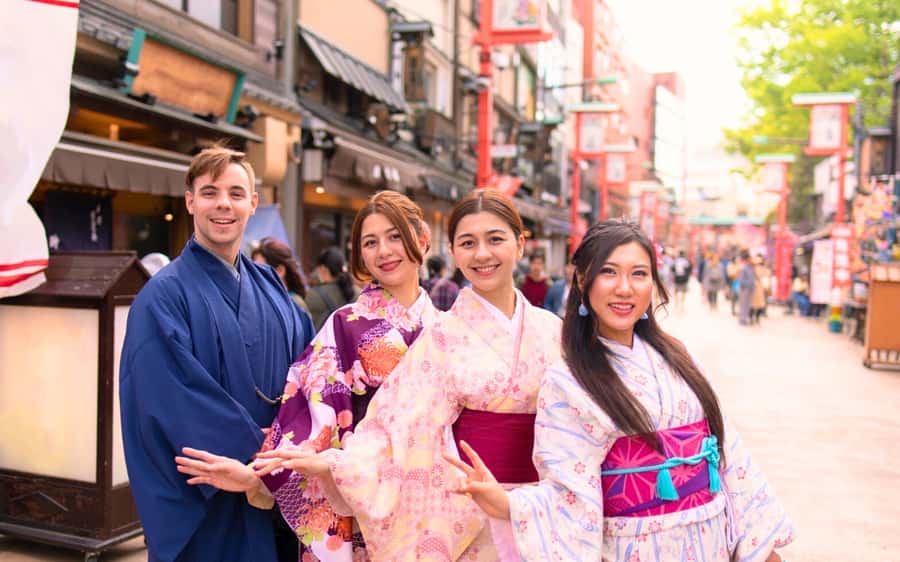
Kimono time in old Tokyo. This Asakusa experience turns a simple visit into a full costume moment, with dressing help and a direct path to Sensoji Temple.
I like two things a lot: Kazune, a local Asakusa guide who helps you get everything fitting comfortably, and the chance to be dressed by a Japanese National Certified Kimono Dresser. You also get a full set, including obi, zori sandals, and a bag, so you show up ready to walk.
The main drawback to plan around is the schedule, you must return the kimono by 17:30 the same day.
In This Review
- Key Highlights You Should Know
- Why This Asakusa Kimono Rental Works So Well
- Meeting Point Near Asakusa Station, Then Straight to the Shop
- Getting Dressed: Kazune and the Certified Kimono Dresser Touch
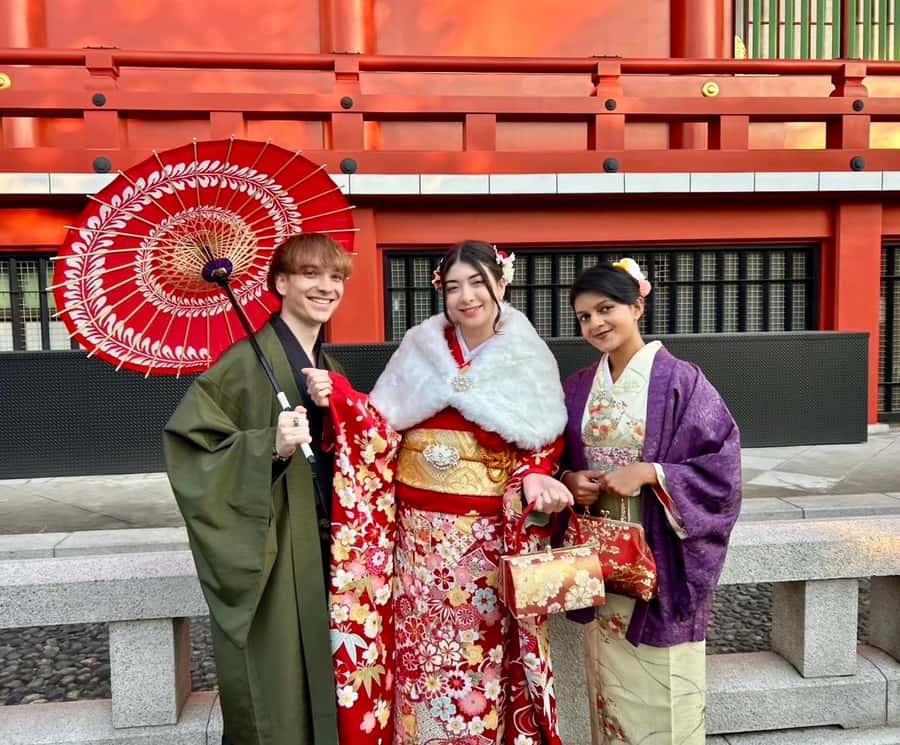
- Choosing Your Kimono and What the Full Set Includes
- The Walk Through Asakusa and Your Sensoji Temple Visit
- Comfort and Photo Tips That Make the Difference
- Optional Add-Ons: Rickshaw Ride and Tea Ceremony
- Timing Rules and the One Detail That Shapes Your Whole Day
- Price and Value: What You Actually Pay for at $47
- Who This Is Best For, and Who Should Skip It
- Should You Book This Asakusa Kimono Rental?
- FAQ
- Where is the meeting point for the Asakusa kimono rental?
- How early should I arrive?
- What is included with the kimono rental?
- Can I keep the kimono later than 17:30?
- Is there a special extension for a fireworks festival?
- What optional add-ons are available?
- What languages do the staff speak?
- Is this experience suitable for wheelchair users?
- What are the height or weight limits?
- Can I cancel and get a full refund?
Key Highlights You Should Know
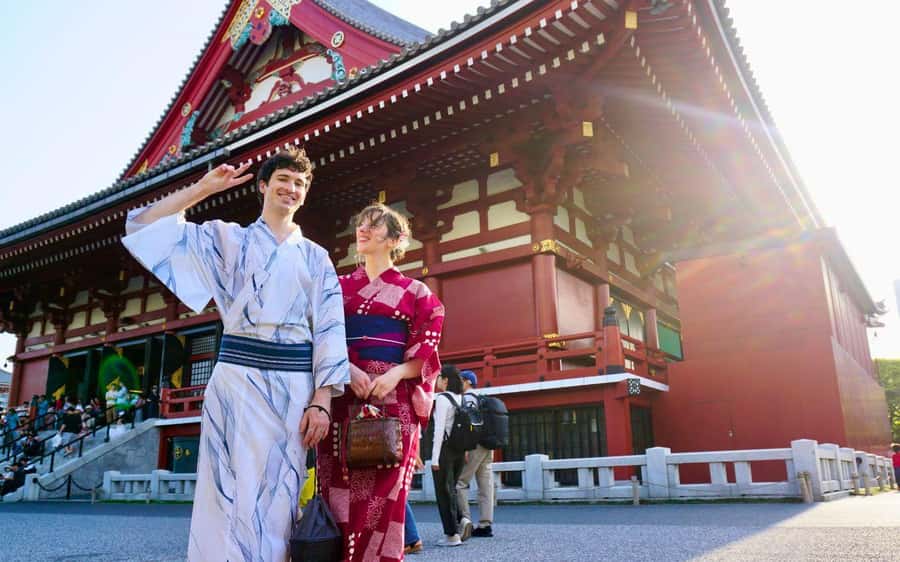
- Local dressing help with Kazune: you get fit guidance from someone who grew up in Asakusa
- Certified kimono expertise: your attendant is a Japanese National Certified Kimono Dresser
- So close to Sensoji Temple: the shop is about a 3-minute walk from the main sights
- Full set included: kimono, obi belt, zori sandals, and a bag, plus simple hairstyling
- Time flexibility with rules: return by 17:30, with an option to keep it longer for extra
- Add-ons if you want more: you can book a rickshaw ride or tea ceremony at the shop
Still on the Sumida side? A few more Asakusa options
- Tokyo: Japanese Dance Cabaret Theater Asakusa-Kaguwa Ticket
★ 4.8 · 2,270 reviews - Tokyo: Meiji Shrine, Asakusa, Skytree Bus Tour and Cruise
★ 4.7 · 1,986 reviews - Tokyo: Roll and Authentic Sushi Making Class in Asakusa
★ 4.9 · 1,957 reviews - Tokyo: Asakusa Walking Tour with Sensoji Temple Visit
★ 4.8 · 1,583 reviews
Why This Asakusa Kimono Rental Works So Well
Asakusa is one of those parts of Tokyo where it feels natural to slow down and look closely. The kimono rental turns you from a normal sightseer into someone participating in the scene. Instead of taking photos from the sidewalk, you move through old streets dressed in a traditional outfit, and that changes your whole experience.
I also like that the focus is simple. You get dressed properly, you walk, you visit Sensoji, and you go back. No long transfers, no complicated itinerary juggling. At $47 per person, you are paying for a real costume plus hands-on help, not just a fabric rental and a quick handoff.
One more practical point: Asakusa is busy, so having a plan for how long you can comfortably wear the outfit matters. This is where the shop setup and time rules help you make a clean schedule, especially if you are pairing this with Temple time and nearby snacks.
Meeting Point Near Asakusa Station, Then Straight to the Shop
You meet just a few minutes’ walk from Asakusa Station. It is convenient because you can reach it via the Tokyo Metro Ginza Line or the Toei Asakusa Line. When you arrive, look for the building entrance with a black-and-white checkered pathway and a silver metal gate.
From there, you walk through the gate and head toward the elevator area inside. Staff greet you there. If you have trouble finding the spot, you can call the emergency contact number provided after booking. That detail matters in Japan, because not every alley has obvious signage.
Try to arrive early. The shop asks you to be there at least 10 minutes before your booking time, so the staff can prepare you without rushing. If you show up right on time, you might feel the pressure, and kimono fitting is something you want to do calmly.
Getting Dressed: Kazune and the Certified Kimono Dresser Touch
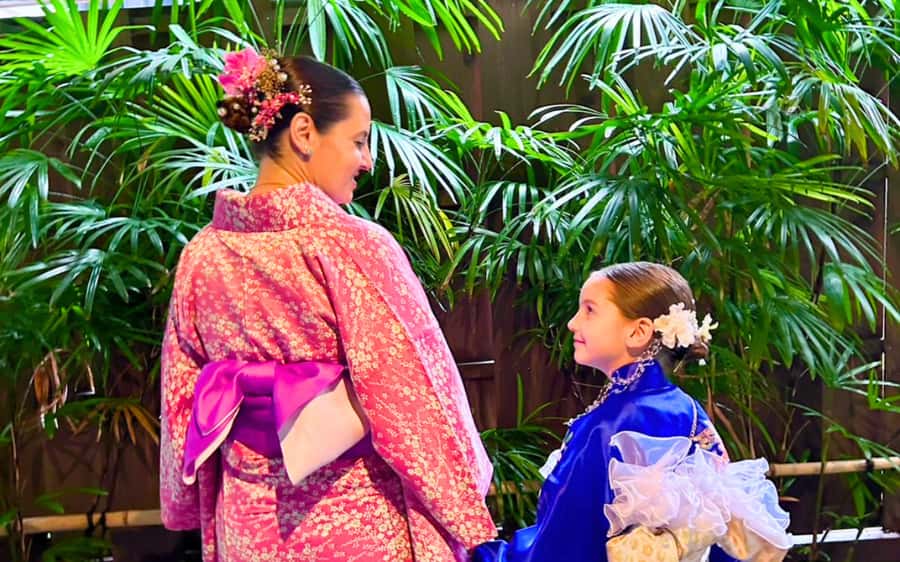
The heart of this experience is the dressing process. When your time starts, you choose from the shop’s collection of real kimono. Then you get help getting dressed properly.
Kazune is the local host you may work with, and the tone is personal. This is not a factory-style fitting. It is more like you are being guided into a traditional outfit by someone who knows what it should feel like. That matters because comfort is everything once you start walking.
You also have the support of a staff member described as a Japanese National Certified Kimono Dresser. In plain terms, this is the kind of credential that usually shows up when a shop takes fitting seriously, especially around the obi and overall alignment. If you have never worn a kimono before, that kind of attention helps you look right in photos and feel right while moving.
One more included detail people often appreciate: simple hairstyling. You are not stuck with your everyday hair. You can leave looking polished, which helps because kimono photos are all about silhouette and styling together.
Rental shops we have actually walked into
- Let’s make kimono !(Kimono is a gift for you★ 5.0 · 252 reviews
- Tokyo: Matcha and Kimono Experience★ 4.7 · 219 reviews
- Tokyo: Asakusa Kimono Dressing and Matcha Experience★ 4.9 · 173 reviews
- Asakusa: Kimono Tea Ceremony with Matcha and Sweet★ 4.9 · 153 reviews
- Matcha Kimono Tea Ceremony in Tokyo★ 5.0 · 104 reviews
Choosing Your Kimono and What the Full Set Includes
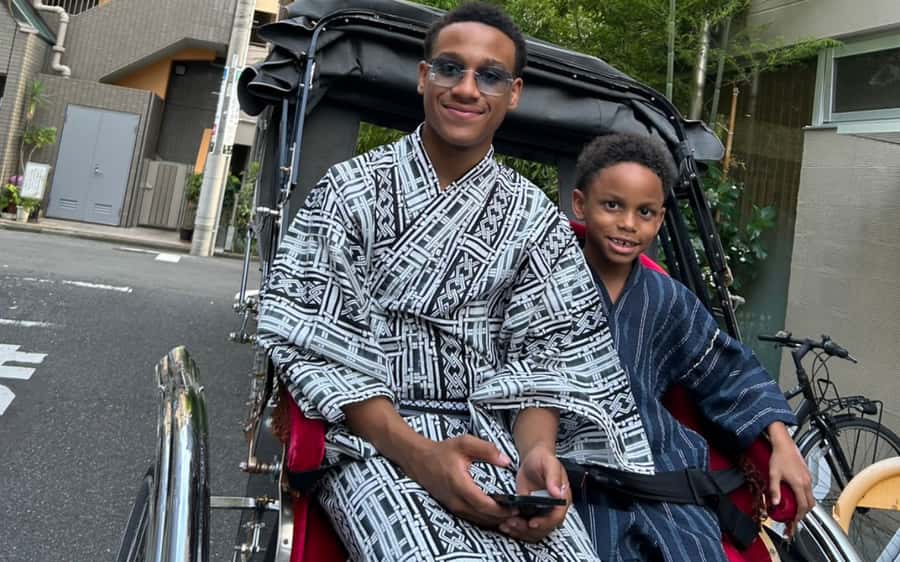
Once you are checked in, you pick a kimono from an authentic collection. The included set covers the essentials so you do not have to track extra rentals. Here is what you get as part of the standard package:
- Kimono (full set)
- Obi belt
- Sandals (zori)
- Bag
- Storage for your clothes and belongings during the rental
- Simple hairstyling
- Dressing assistance
- Rickshaw ride and tea ceremony are optional extras you can arrange at the shop
That “full set” part is real value. Many people think they are only paying for a kimono, but you also need the obi belt, the right sandals, and a bag that works with the outfit. Getting those included means you spend your time in Asakusa walking, not hunting down what you forgot.
Also, storage is a comfort win. Temple visits often mean you bring a small bundle, like a jacket or a wallet you want to keep handy. Having a place to store your things lets you move more naturally in the streets.
The Walk Through Asakusa and Your Sensoji Temple Visit
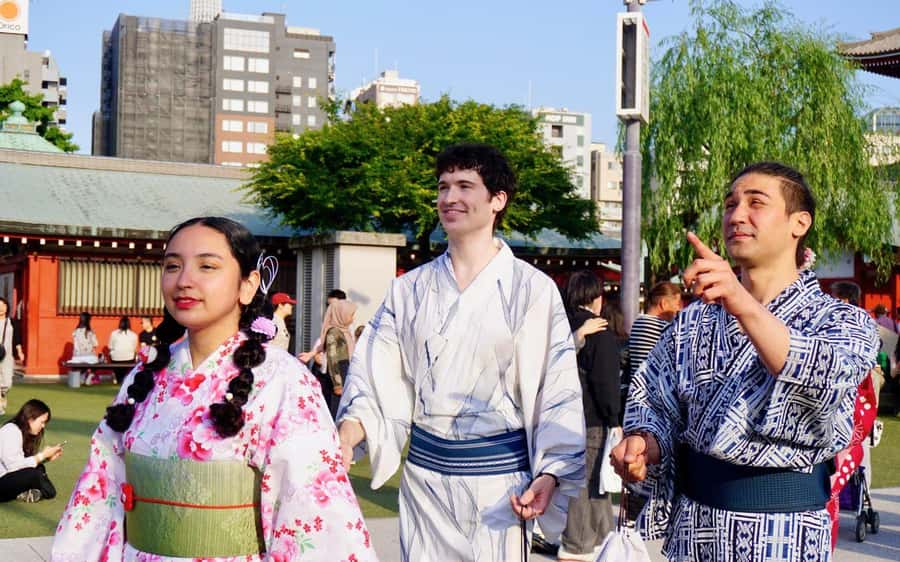
After you are dressed, you head out to explore the old streets of Asakusa. Since the shop is about a 3-minute walk from Sensoji Temple, you do not lose time with long transit. You can start enjoying the look right away, and you can time your temple visit based on how you want your photos to feel.
Sensoji is iconic for a reason. Wearing a kimono here does more than create cute pictures. It helps you connect with the visual rhythm of the area: visitors, storefronts, temple architecture, and that layered old-meets-new Tokyo feeling. Your outfit blends into the setting in a way that regular clothes just cannot match.
Practical note: kimono walking is different. The steps are shorter, and the zori sandals ask you to be a little more deliberate. That is not bad, it just means you may want to slow down from your usual walking pace. If you take your time, you also get better photos because you are not rushing.
Also consider your day planning around the return rule. The kimono must come back to the shop by 17:30 the same day. So if you plan to linger for dinner, keep your schedule in mind and build in a buffer.
Comfort and Photo Tips That Make the Difference
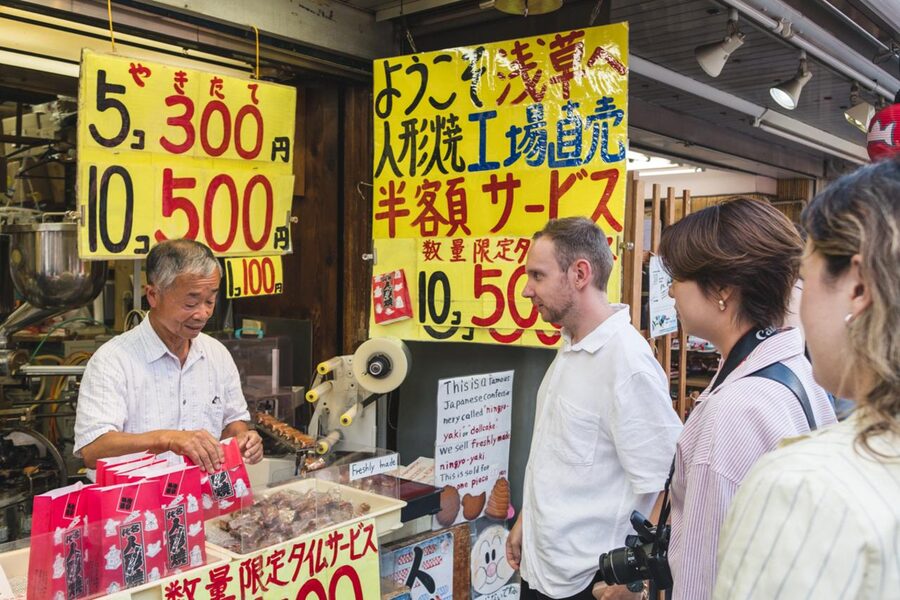
You will likely take photos, because the outfit practically begs for it. But you will enjoy it more if you handle the small comfort details early.
First, let the staff finish the fit before you step outside. Obi placement can change how easy it is to move, and small adjustments can make a big difference once you hit stairs or uneven ground. Ask any questions you have in the dressing area, because it is easier to adjust before you are out walking.
Second, move slowly and keep your balance in mind. Zori sandals require you to control your footing. If you rush, you will feel awkward, and if you walk calmly, you will feel confident. For photo moments, stop and turn your body rather than twisting awkwardly while moving.
Third, plan your photo timing. You will want some shots near the temple approach and some along the streets. The best strategy is simple: aim for a few quick landmarks, then wander long enough to catch calmer angles. That also helps you avoid feeling like you are constantly waiting for a gap in the crowds.
Finally, use the bag the way it was designed to be used. It might sound obvious, but having your phone, wallet, and a small item organized means you do not have to fight your outfit. When you keep hands free, you look better in photos and you walk better in real life.
Optional Add-Ons: Rickshaw Ride and Tea Ceremony
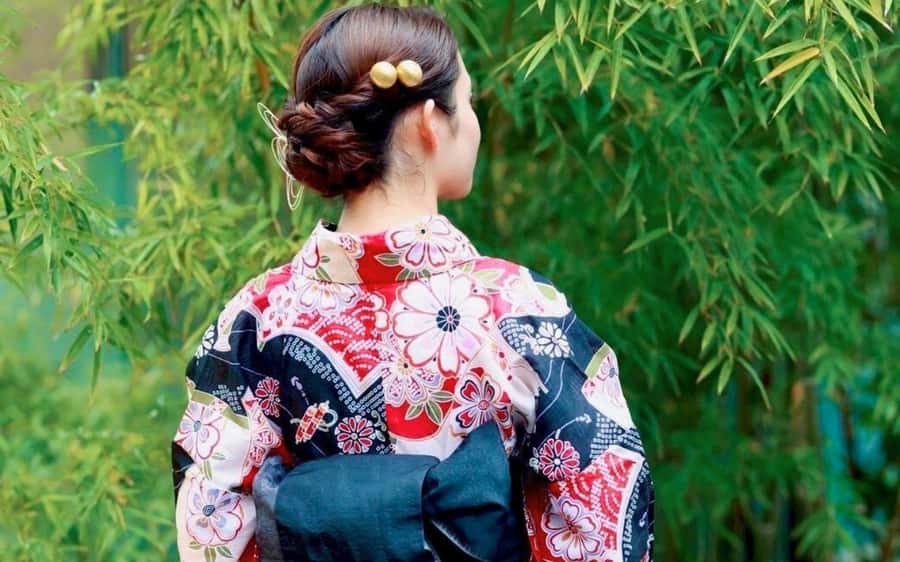
If you want to extend the experience beyond kimono and temple walking, the shop offers add-ons.
A rickshaw ride can be added for an extra fee arranged at the shop. This pairs well with the outfit because it feels like part of the Asakusa time period. If you are curious, ask staff how it will fit into your day while still meeting the 17:30 return requirement.
A tea ceremony experience is also available as an extra-cost add-on at the shop. Tea ceremony is a good match for kimono because it shifts the day from street sightseeing to a more seated, traditional moment. If you like structured cultural activities, this can make your kimono time feel complete rather than just photo-focused.
Both add-ons are optional, so you can choose based on your energy level. If you want maximum walking and shopping nearby, stick with the core rental. If you want one more structured activity, add one of these while your outfit is already sorted.
Timing Rules and the One Detail That Shapes Your Whole Day
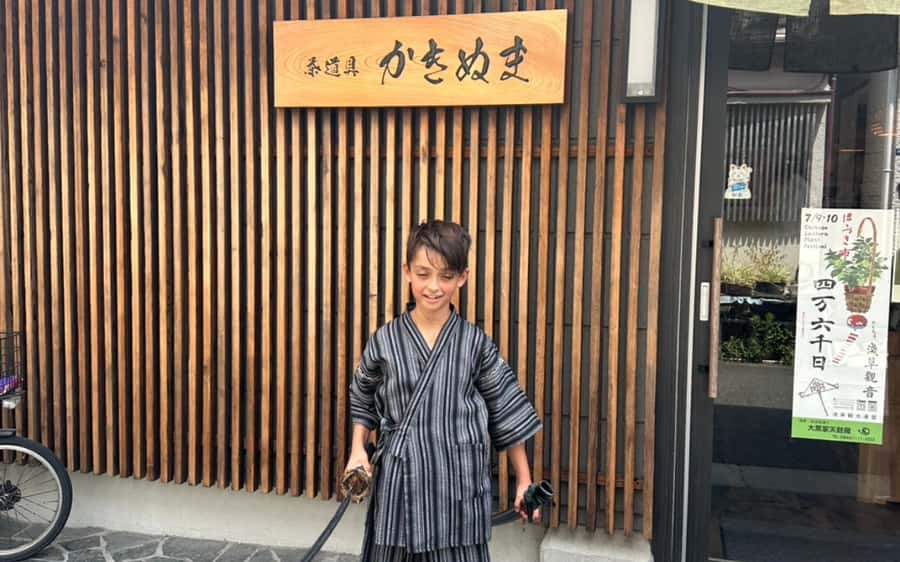
This rental experience has a clear boundary: return the kimono to the shop by 17:30 the same day. That means your day needs a start time and a planned end point. If you book an early slot, you can enjoy a long temple stroll and still have time to relax afterward. If you book later, you may feel rushed, especially if you want photos plus food.
There is also a special case noted for a fireworks festival in Katushika on July 22. On that day, kimono rental can be extended until 21:30 as a special occasion. So if you are traveling around late July, this is the rare moment where the kimono night plan becomes possible.
One last timing tip. Arrive early for dressing, then treat the first hour as “setup time.” The more calmly you get fitted, the easier the rest of the day feels.
Price and Value: What You Actually Pay for at $47
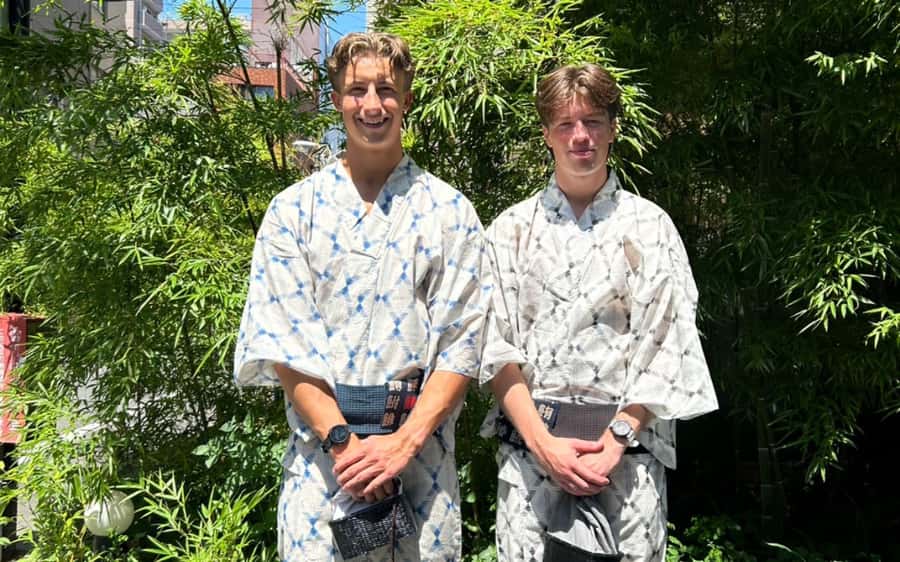
At $47 per person, you are not just renting clothing. You are buying multiple services bundled together:
- A real kimono selection from an authentic collection
- Dressing assistance
- Simple hairstyling
- Obi, zori sandals, and a bag included
- Storage for your belongings
- Staff support, including a certified kimono dresser
For many visitors, that combination is the difference between a fun idea and a smooth day. Trying to do this on your own can turn into a time sink, especially if you do not know how the obi should sit or how the outfit affects walking. Here, you get the help built in, so you spend your time where you want to be, in Asakusa.
Is it “cheap”? No. But it is also not trying to be a low-cost souvenir. It is a guided cultural outfit experience with real help, and the closeness to Sensoji makes the “time value” high. You use the kimono right away, and you do not waste it commuting.
Who This Is Best For, and Who Should Skip It
This works especially well for people who want a traditional Tokyo moment without the stress of figuring out everything themselves. It is also ideal if you care about photos, because dressing, hairstyle, and proper fit directly affect how good your pictures look.
You might also enjoy it if you like people-driven experiences. The shop highlights friendly staff, including Kazune and the certified dresser support. The vibe is accommodating and warm, and it is the kind of place where you can ask questions while you get dressed.
That said, it is not for everyone. It is not suitable for wheelchair users. It also lists limits for people over 264 lbs (120 kg). The experience is not suitable for children under 2 years, and not suitable for babies under 1 year. If any of those apply, you should look for another way to enjoy Asakusa.
Should You Book This Asakusa Kimono Rental?
Book it if you want a genuinely traditional look in the exact place you came to see, Asakusa and Sensoji Temple, with staff who help you get dressed correctly. The biggest reasons to choose it are the included full set, the real dressing assistance, and how close the shop is to the temple area.
Skip it if you dislike strict time boundaries or you are not planning your day around a 17:30 return. Also skip if you need wheelchair accessibility or you fall outside the listed size limits.
If you can work the timing and you want the experience to feel effortless, this is one of the better ways to turn a temple visit into a memory you can actually feel, not just photograph.
FAQ
Where is the meeting point for the Asakusa kimono rental?
You meet a few minutes’ walk from Asakusa Station. Look for the building entrance with a black-and-white checkered pathway and a silver metal gate, then go through the gate to the elevator area where staff will greet you.
How early should I arrive?
Please arrive at least 10 minutes before your booking time so the shop can prepare everything smoothly.
What is included with the kimono rental?
The package includes the kimono (full set), obi belt, zori sandals, a bag, dressing assistance, storage for your clothes and belongings during the rental, and simple hairstyling.
Can I keep the kimono later than 17:30?
Yes. You must return it by 17:30 the same day, but you can arrange to keep it longer for a small extra fee directly at the shop.
Is there a special extension for a fireworks festival?
Yes. On July 22 (Katsushika fireworks festival), kimono rentals can be extended until 21:30 as a special occasion.
What optional add-ons are available?
You can add a rickshaw ride experience for an extra fee, and you can also add a tea ceremony experience for an extra fee. Both are arranged directly at the shop.
What languages do the staff speak?
Languages supported are English and Japanese.
Is this experience suitable for wheelchair users?
No. It is not suitable for wheelchair users.
What are the height or weight limits?
It is not suitable for people over 264 lbs (120 kg).
Can I cancel and get a full refund?
You can cancel up to 24 hours in advance for a full refund.
Rental Counters, Compared



Asakusa and the Skytree, Keep Going


Newest Tokyo write-ups from the Loving Japan desk
Asakusa, Senso-ji and Tokyo Skytree, side by side.
 ★ 4.5TOKYO SKYTREE® Admission ticketFrom $1311,192 reviews
 ★ 4.8Japanese Dance Cabaret Theater Asakusa-Kaguwa TicketFrom $492,270 reviews
 ★ 4.7Meiji Shrine, Asakusa, Skytree Bus Tour and CruiseFrom $1221,986 reviews
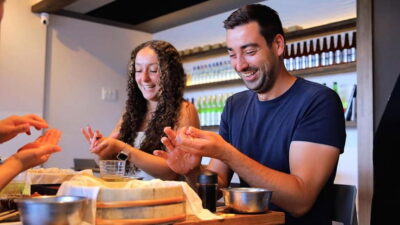 ★ 4.9Roll and Authentic Sushi Making Class in AsakusaFrom $581,957 reviews
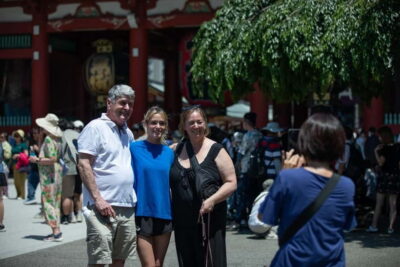 ★ 4.8Asakusa Walking Tour with Sensoji Temple VisitFrom $221,583 reviews
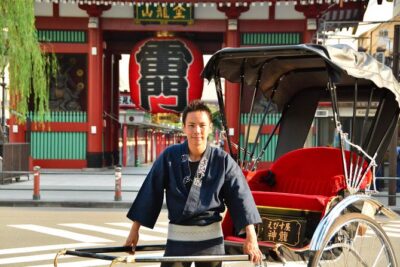 ★ 5.0Tokyo Asakusa Rickshaw TourFrom $421,375 reviews
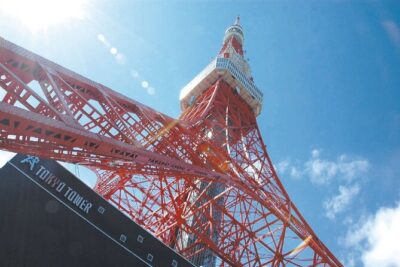 ★ 4.5Tokyo Panoramic 1 Day: Meiji Shrine, Asakusa, Odaiba and SKYTREE®From $851,222 reviews
 ★ 5.0Tokyo Go Kart: Asakusa, Skytree, and Akihabara **IDP MUST**From $99988 reviews
Filed on these lists too