
REVIEW · ASAKUSA, SENSO-JI AND TOKYO SKYTREE
Tokyo: Calligraphy Workshop Craft Your Own Art in Asakusa
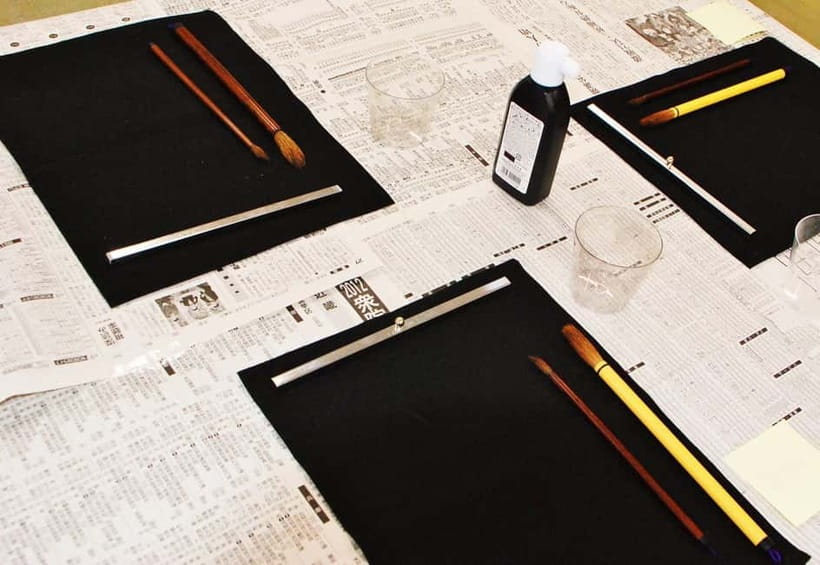
Brush ink turns into calm focus. This Asakusa calligraphy workshop is a hands-on lesson in Japanese shodo, led by Mei, and you end with a real piece of art you can hang at home. I especially love the clear stroke-by-stroke coaching and how you practice with both traditional brushes and a modern fude pen. One catch to plan for, transportation is on you since it is not included.
You get a small-group class (10 people max) that moves at a beginner-friendly pace, with English instruction throughout. The studio time feels like a break from Tokyo’s noise because you’re concentrating on control, order, and breathing room.
In the end, you are not just watching. You write your chosen characters, using the tools provided, and you take home your finished calligraphy artwork.
In This Review
- Key Things That Make This Workshop Worth Your Time
- Where You Meet and Why Asakusa Works So Well
- The 90 Minutes You Actually Spend Learning Shodo
- Brushes, Brush Pens, and Why Beginners Benefit From Both
- The Coach Behind the Calm: Mei’s Small-Group Style
- Your Take-Home Artwork, Not Just a Skill
- Value for Money: What $38 Includes and Why It’s Fair
- Who This Workshop Is Best For
- How to Prepare So Your First Strokes Look Better
- Should You Book This Asakusa Calligraphy Workshop?
- FAQ
- How long is the calligraphy workshop?
- Is this class suitable for beginners?
- Is the instructor teaching in English?
- What should I expect to make during the workshop?
- Are both traditional brushes and a fude pen included?
- How large is the group?
- Where is the meeting point?
- Is transportation to and from the workshop included?
- Can I cancel and get a full refund?
Key Things That Make This Workshop Worth Your Time
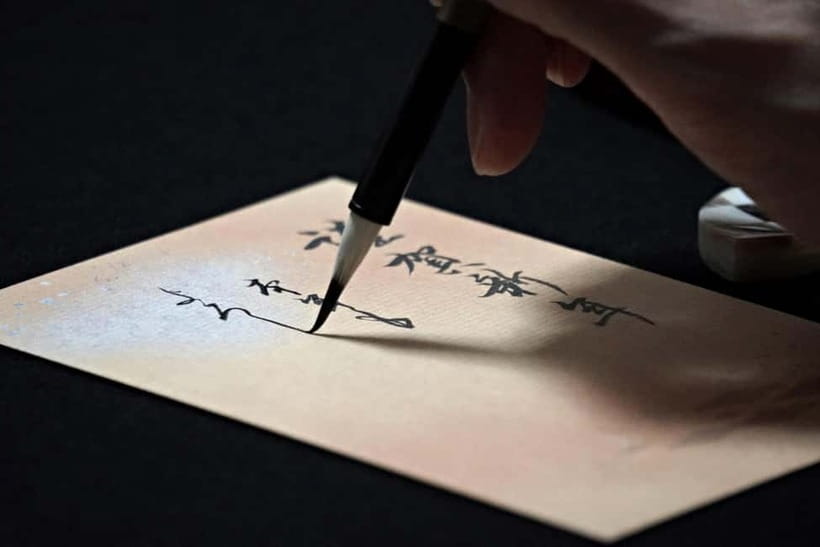
- Mei’s teaching style is patient and organized, with lots of time to practice strokes before doing your final piece
- Small group limit (10 max) means you get real attention, not a rushed production line
- Two tools, two kinds of precision, traditional brushes plus a modern fude pen for cleaner control
- You learn stroke order and brush control so your writing looks right even if you are starting from zero
- Your take-home format can be a scroll, a fan, or a hard-backed square, so you can pick what fits your style
- The class feels meditative, with an emphasis on patience and steady focus, not speed
Still on the Sumida side? A few more Asakusa options
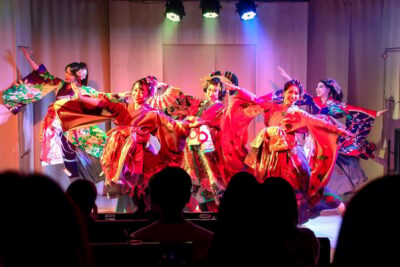
- Tokyo: Japanese Dance Cabaret Theater Asakusa-Kaguwa Ticket
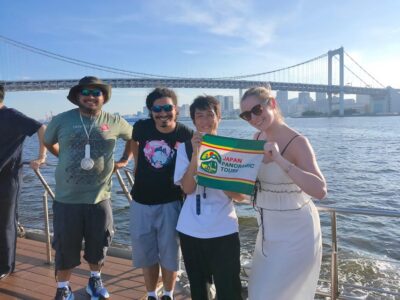
★ 4.8 · 2,270 reviews - Tokyo: Meiji Shrine, Asakusa, Skytree Bus Tour and Cruise
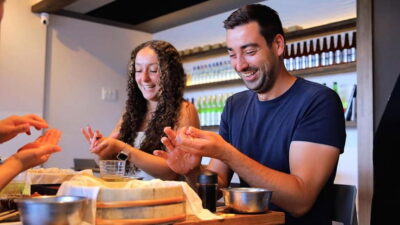
★ 4.7 · 1,986 reviews - Tokyo: Roll and Authentic Sushi Making Class in Asakusa
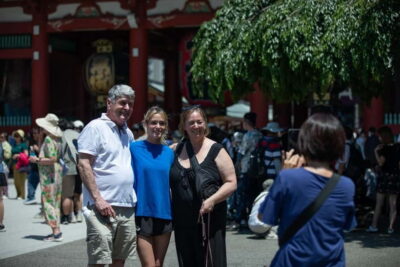
★ 4.9 · 1,957 reviews - Tokyo: Asakusa Walking Tour with Sensoji Temple Visit
★ 4.8 · 1,583 reviews
Where You Meet and Why Asakusa Works So Well
Asakusa is one of Tokyo’s most historic districts, which matters because calligraphy is not just a craft lesson. It is connected to culture, daily habits, and the idea that writing has a kind of rhythm. Showing up in a traditional neighborhood makes the whole session feel less like a tourist activity and more like a real cultural window.
Your meeting point is Tokyo Tourist Lounge Asakusa, on the 5th floor. That detail is worth knowing because it is easy to assume you will meet at street level. Give yourself a few extra minutes so you can find the right entrance and floor calmly.
One thing I like about this setup is that it is simple. No complicated route across town, no moving between multiple sites. You are spending your time where it counts, with the instructor and the materials in hand. For a rainy day, or anytime your Tokyo schedule needs a quieter slot, this kind of workshop timing can be a lifesaver.
And since the class is wheelchair accessible, it is built to be workable for more people than the typical small studio experience.
The 90 Minutes You Actually Spend Learning Shodo
The workshop is designed for beginners, so you should expect basics first, not advanced theory. The main focus is practical: brush control, stroke order, and foundational calligraphy techniques. That is the difference between a fun souvenir photo and learning something you can take with you mentally.
You typically start by practicing the basic strokes. Think of it like learning how to drive before trying to cruise on the highway. The strokes are the building blocks, and getting them right teaches you how pressure, angle, and motion create different line shapes.
Then you move into writing characters of your choice. This is where the class becomes personal. You are not stuck copying one word for everyone. You practice, then you write what you want, guided by the instructor.
Finally, you create your finished artwork. Several class formats are mentioned, including a scroll, a fan, or a hard-backed square. Picking a format changes the feel of your piece. A scroll is classic and elegant. A fan can feel lighter and decorative. A hard-backed square is practical if you want something you can display without worrying about rolling.
Brushes, Brush Pens, and Why Beginners Benefit From Both
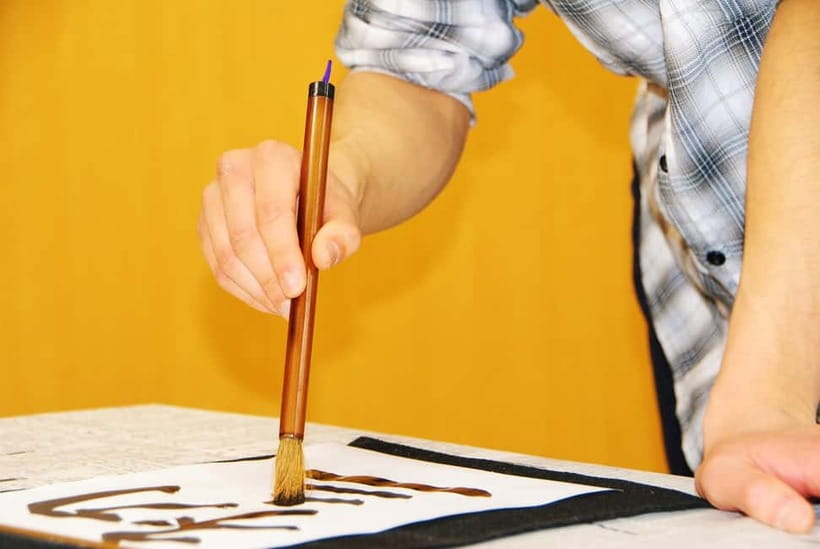
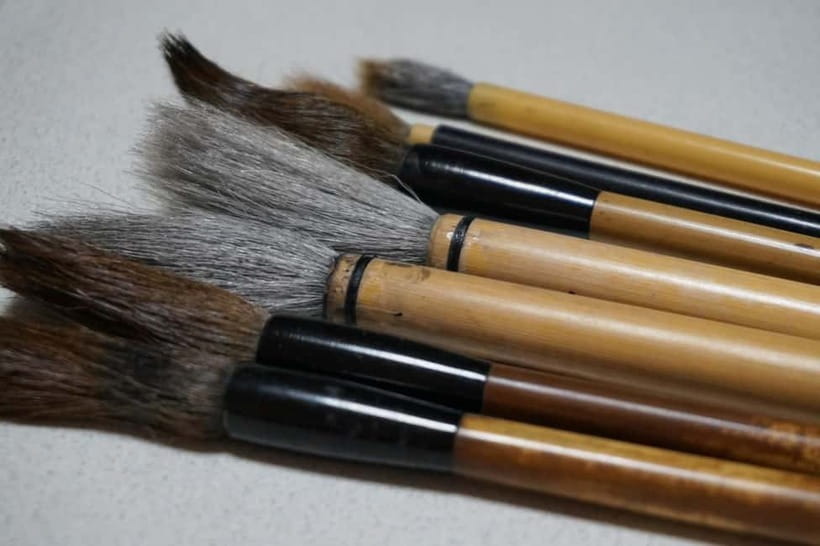
Japanese calligraphy often means a traditional brush, and this workshop uses them. But you also get a modern fude pen. That combination is a smart beginner-friendly approach.
Here is why it helps. Traditional brushes react strongly to how you move, so they can teach authentic line behavior. But they can also be tricky for first-timers, especially with consistent stroke thickness and smooth curves. The fude pen adds a helpful middle step. It lets you keep the look of brush writing while giving you a bit more control and precision.
In class, you practice stroke order and control with guidance, then you get to experiment between the two tools. The result is that you do not just learn calligraphy as an idea. You learn how it feels in your hand, with tools that match different comfort levels.
I also appreciate that this is not framed as either tool being better. It is about using what works for your skill level today, so your final piece looks like something you are genuinely happy to keep.
Make something to take home. Other workshops
- Tokyo Shinjuku Chopsticks Making Class★ 5.0 · 1,763 reviews
- Chopstick Making Workshop in Ginza★ 4.8 · 1,366 reviews
- Tokyo Sumo Experience: Chanko & Mochi with a Former Pro★ 4.8 · 567 reviews
- Kintsugi Experience: Art of Golden Joinery in Tokyo★ 5.0 · 467 reviews
- Tokyo Chopstick Making Workshop with Artisan★ 5.0 · 466 reviews
The Coach Behind the Calm: Mei’s Small-Group Style
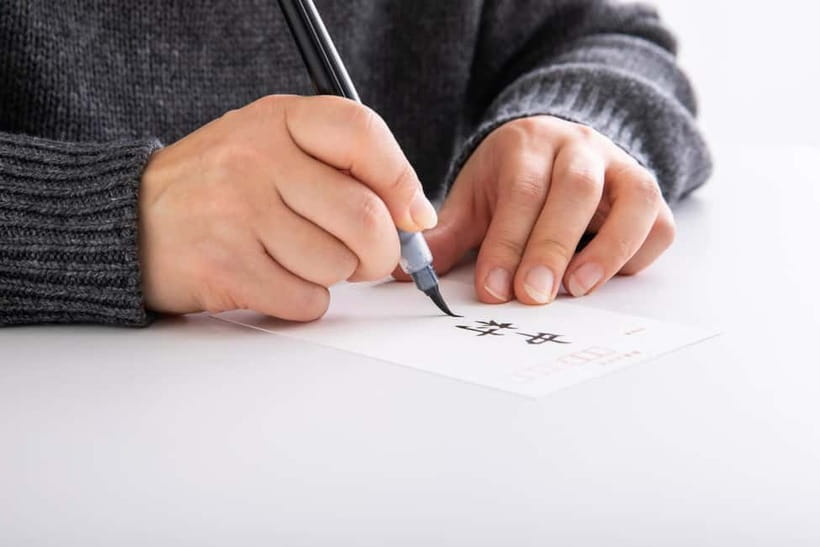
A workshop stands or falls on the instructor, and here that is a big strength. Mei is the name that shows up again and again, and the pattern is consistent: clear explanation, friendly energy, and lots of patience.
What you want from an English-speaking calligraphy teacher is not just good pronunciation. It is structured guidance. In this class, you are given tips that make stroke correction easier. You also get helpful templates, which help you understand how strokes fit together. Templates matter because they cut down guesswork. Instead of fighting the page, you can focus on the motion.
The other standout is time management. People describe plenty of practice before the final artwork. That is important for beginners. If you feel rushed, your strokes get tense. Here, the pace supports repetition and adjustment, which is exactly how you get better in a short session.
There is also a strong calm vibe. Calligraphy is often described as meditative, and the instruction here uses that idea. The class encourages patience and steady focus, which is a welcome switch from sightseeing checklists.
Your Take-Home Artwork, Not Just a Skill
The best souvenirs are personal, and calligraphy is one of the few crafts where that actually happens. You create artwork you can take home, and it is tied to your own character choices.
You may be able to produce your piece as a scroll, fan, or hard-backed square. That choice can affect what you do with it afterward. A scroll can be displayed traditionally. A fan can look like a decorative accent. A hard-backed square is easy to store and show. If you prefer practical keepsakes, that hard-backed option can be especially appealing.
I also like that the class does not leave you with something that looks unfinished. You practice enough that your final work feels intentional. Between the templates, the stroke guidance, and the time to get your control up, you are not just hoping for the best at the end.
And because the artwork is your chosen characters, it becomes a story piece. Even if you forget every stroke name, you remember why you picked those characters and how you got there.
Value for Money: What $38 Includes and Why It’s Fair
At US$38 per person for about 90 minutes, this workshop is priced in the zone where you should ask one question: what are you really getting?
You are getting more than a quick demonstration. You get an experienced English instructor, traditional brushes, a modern fude pen, and you take home your finished calligraphy artwork. You are also in a small group capped at 10 people, which means the attention is not diluted.
Value also comes from what the session replaces. If you spend this time instead of a paid guided activity that only gives you photos, calligraphy wins because it leaves you with a physical result plus a new skill. The workshop is built around practice, not just observation.
The one cost to factor in is transportation to and from the workshop. Since transportation is not included, plan how you will get there. Do that, and the rest feels like a straightforward deal: you pay, you learn, you create, you leave with something you made.
Who This Workshop Is Best For
This class is suitable for beginners, so it works if you have never held a brush before. If you have some art background, you still benefit because you learn proper stroke order and brush technique, then you apply it to your own chosen characters.
It is also a good fit if you want a calmer activity during a busy Tokyo day. The workshop’s tone is described as peaceful and refreshing, which makes sense for a task that requires focus and steady repetition.
You should also enjoy this if you like small-group learning. With 10 people max, you get correction and guidance at the pace you need.
If you are the type who hates slowing down, calligraphy might feel too quiet. This workshop rewards patience. It is not a high-speed, sightseeing-and-go option.
How to Prepare So Your First Strokes Look Better
You do not need prior calligraphy experience. Still, you can set yourself up for a better result by going in with the right mindset.
First, expect practice. Your first strokes might not look perfect, and that is normal. The class approach supports repetition, correction, and re-doing strokes until they match the technique you are learning.
Second, pay attention to stroke order. Japanese calligraphy is not random. Stroke order affects how the character balances on the page, and the instructor’s guidance is aimed at that structure.
Third, choose characters you truly want to keep. Because you take home the finished artwork, your choice matters. Pick something that feels meaningful to you right now, not just something that looks pretty from far away.
Finally, give yourself time to enjoy the calm. People describe the experience as meditative, and that is the point. If you treat it like a rushed task, you will miss the benefit.
Should You Book This Asakusa Calligraphy Workshop?
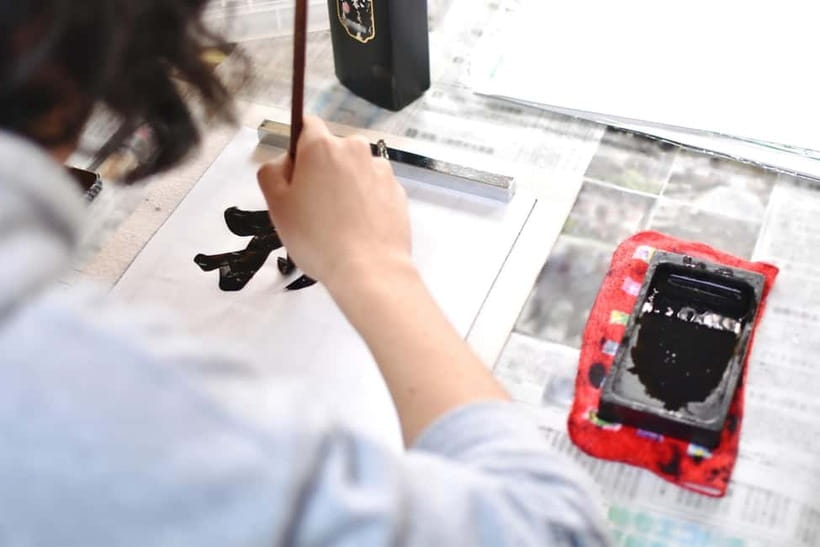
Book it if you want a short, meaningful cultural activity with a tangible take-home result. This is a beginner-friendly session with a small group size, English instruction, and the tools you need to create your own shodo. The biggest strength is the coaching style, with plenty of practice time and real guidance from Mei.
Skip it only if you need a fast, action-heavy experience and you do not want to slow down for careful practice. Otherwise, this is one of the more satisfying ways to spend 90 minutes in Tokyo because you leave with something you made, not just something you saw.
FAQ
How long is the calligraphy workshop?
The duration is 90 minutes, and it is also described as a 1 to 1.5 hour experience depending on timing.
Is this class suitable for beginners?
Yes. It is suitable for beginners and no prior calligraphy experience is required.
Is the instructor teaching in English?
Yes. The instructor provides instruction in English.
What should I expect to make during the workshop?
You practice Japanese calligraphy techniques and create your own calligraphy artwork to take home. You also write characters of your choice.
Are both traditional brushes and a fude pen included?
Yes. The workshop includes use of traditional brushes and also a modern fude pen for added precision.
How large is the group?
The group is small, limited to 10 participants.
Where is the meeting point?
You meet at Tokyo Tourist Lounge Asakusa, located on the 5th floor of the building.
Is transportation to and from the workshop included?
No. Transportation to and from the workshop is not included.
Can I cancel and get a full refund?
Yes. You can cancel up to 24 hours in advance for a full refund.
Made by Hand, and Yours to Keep

Asakusa and the Skytree, Keep Going


Newest Tokyo write-ups from the Loving Japan desk



Asakusa, Senso-ji and Tokyo Skytree, side by side.
 ★ 4.5TOKYO SKYTREE® Admission ticketFrom $1311,192 reviews
 ★ 4.8Japanese Dance Cabaret Theater Asakusa-Kaguwa TicketFrom $492,270 reviews
 ★ 4.7Meiji Shrine, Asakusa, Skytree Bus Tour and CruiseFrom $1221,986 reviews
 ★ 4.9Roll and Authentic Sushi Making Class in AsakusaFrom $581,957 reviews
 ★ 4.8Asakusa Walking Tour with Sensoji Temple VisitFrom $221,583 reviews
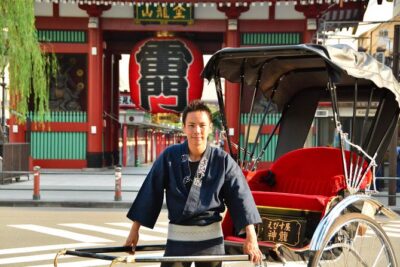 ★ 5.0Tokyo Asakusa Rickshaw TourFrom $421,375 reviews
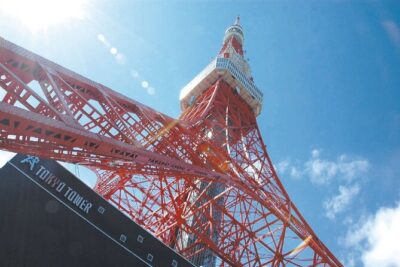 ★ 4.5Tokyo Panoramic 1 Day: Meiji Shrine, Asakusa, Odaiba and SKYTREE®From $851,222 reviews
 ★ 5.0Tokyo Go Kart: Asakusa, Skytree, and Akihabara **IDP MUST**From $99988 reviews
Filed on these lists too