
REVIEW · JAPANESE CRAFT AND CALLIGRAPHY WORKSHOPS
Tokyo: Calligraphy Workshop & Original T-Shirt Creation
Ink, brush, and your name in Kanji. In Shinjuku, you grind ink, learn brush basics, and turn your writing into a souvenir you can actually hold.
I love the inkstick-to-brush part most, because it slows you down in a very Japanese way. I also love the small-group attention in a class built for real feedback, not just watching from your seat.
One catch: the final characters take time, so your piece may look a bit playful if you rush. Also, the T-shirt is optional, and it is not included in the base price.
In This Review
- Key things to know before you go
- Shinjuku Meets Tradition: What Happens in 2 Hours
- Meeting Point at FamilyMart Okubo Station South Exit
- Traditional Workwear and First Brush Basics
- Grinding Inkstick for Real Ink and Real Calm
- Turning Your Name Into Kanji Without Getting Lost
- Optional T-Shirt Calligraphy and What You Actually Take Home
- The People Behind the Brush: English Hosts and Professional Sensei
- Price and Value: What $30 Buys in Shinjuku
- Who Should Book This Calligraphy Workshop
- Tips to Get Better Results on Your First Try
- Should You Book It?
- FAQ
- Where is the meeting point for the workshop?
- How long does the workshop last?
- How much does it cost?
- Is the workshop taught in English?
- What is included in the ticket price?
- Are the original T-shirts included?
- What will I create during the workshop?
- Is this activity suitable for children?
- Is there free cancellation?
- Can I reserve now and pay later?
Key things to know before you go
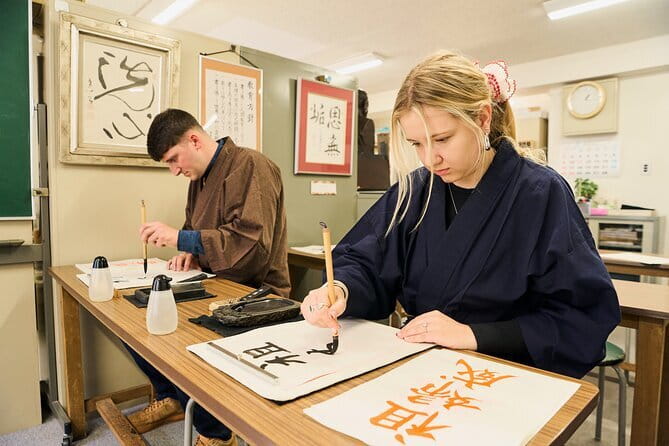
- Ink-making with a real inkstick, plus a short mindful pause that feels different from typical arts-and-crafts.
- Kanji for your name, with help on how the characters should sit next to each other.
- Professional calligrapher instruction, with patient corrections even if your strokes are shaky at first.
- Small group, limited to 10, so you can get hands-on guidance rather than passively copying.
- Optional T-shirt calligraphy, with a paper option mentioned by guests who skipped the shirt.
Make something to take home. Other workshops
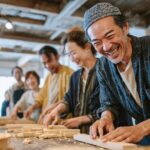
- Tokyo Shinjuku Chopsticks Making Class
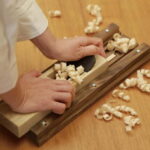
★ 5.0 · 1,763 reviews - Chopstick Making Workshop in Ginza
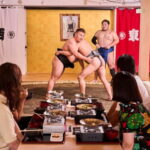
★ 4.8 · 1,366 reviews - Tokyo Sumo Experience: Chanko & Mochi with a Former Pro
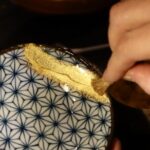
★ 4.8 · 567 reviews - Kintsugi Experience: Art of Golden Joinery in Tokyo
★ 5.0 · 467 reviews
Shinjuku Meets Tradition: What Happens in 2 Hours
This workshop is a clean, focused slice of Japanese calligraphy practice, designed to be calm even while you are in fast-moving Tokyo. You do not just make a craft. You learn the core steps that calligraphers use, from ink preparation to brush technique to character layout.
The whole class runs about 2 hours, which is a good length for beginners. Long enough to learn something, short enough that you do not feel trapped when your hand starts wobbling on the brush. And because it is a small group, you get more time correcting your stroke order and spacing.
The vibe is also surprisingly “mindful.” The ink-grinding step is not just theater. It becomes a hands-on reset, the kind where you stop thinking about the next train and just focus on the pressure of the brush and the flow of ink.
Meeting Point at FamilyMart Okubo Station South Exit
You meet at FamilyMart Okubo Station South Exit Store. The exact address is 1-23-21 Hyakunincho, Shinjuku-ku, Tokyo, Japan.
Look for a guide holding a sign that says Local Guide Stars. That sign matters. It helps you avoid the common Tokyo problem of standing around with no clue who your group is.
Also note this is set up as a guided small group session, so you generally will not need to stand in any long ticket line. The check-in is meant to get you into the class fast.
Traditional Workwear and First Brush Basics
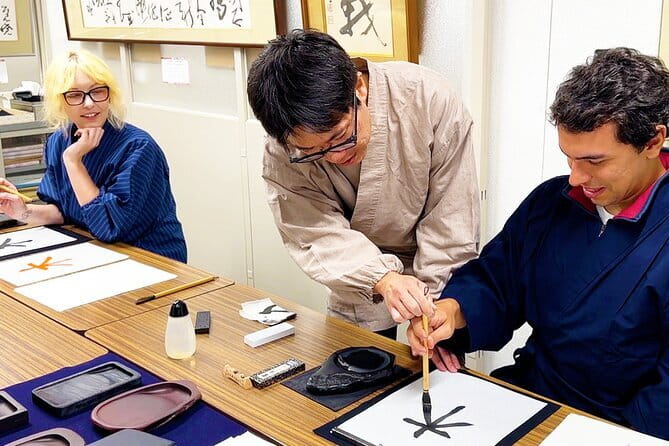
Early on, you change into traditional Japanese workwear. That does more than look cool in photos. It helps you feel like you are actually doing a traditional practice, not just playing with art supplies.
Then you start with basic brush techniques. Expect the teacher to focus on the fundamentals first, especially control. In calligraphy, the brush does not behave like a marker. Your hand pressure and the angle of the brush change the thickness of each stroke. That is why your first attempts can feel hard.
This is where the small-group format pays off. When your stroke strays off where it should go, you can get quick corrections. Guests mention getting clear feedback that helps you improve even in a short session.
- Mt Fuji and Hakone 1-Day Bus Tour Return by Bullet Train★ 5.0 · 26,383 reviews
- 1-Day Tokyo Bus Tour★ 5.0 · 14,250 reviews
- Tokyo: teamLab Planets TOKYO Digital Art Museum Entry Ticket★ 4.6 · 9,779 reviews
- Mt Fuji & Hakone Cruise, Drum Show Bullet Train 1 Day from Tokyo★ 4.0 · 7,413 reviews
- Tokyo: Shinjuku Food Tour (13 Dishes at 4 Local Eateries)★ 5.0 · 6,603 reviews
Grinding Inkstick for Real Ink and Real Calm
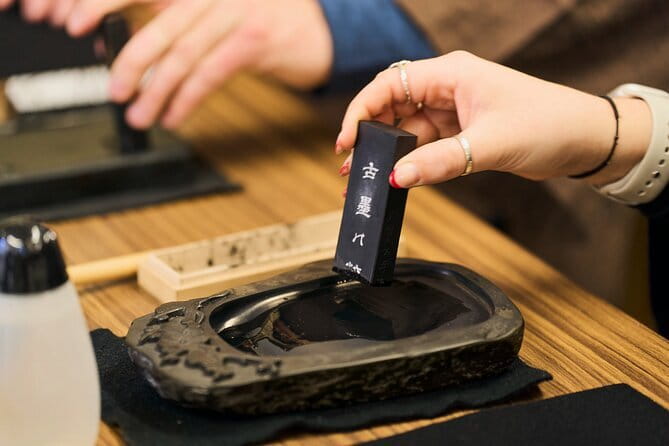
One of the most praised parts is the ink-making. You grind a solid inkstick to make your ink. It is hands-on, a little physical, and it forces you to slow down.
This step is also the mental reset. In the middle of Tokyo, grinding ink gives you a simple task that is hard to overthink. You watch the ink change, you feel the rhythm, and suddenly you are not scrambling for your next plan.
You also get authentic tools for the class, not watered-down supplies meant for a quick demo. That matters because calligraphy is sensitive. When your ink behaves the right way, the brushwork looks more intentional, even if you are new.
Turning Your Name Into Kanji Without Getting Lost

The centerpiece of the workshop is turning your name into kanji. You transform your name into Japanese characters, then work on writing them with correct stroke order and good character placement.
This is where the teacher’s coaching becomes crucial. Many guests mention learning how to write in the right order and how to position characters so they look balanced. In other words, it is not just “copy the shape.” You learn what makes a character feel right on the page.
You may also find that the class talks about the evolution of Japanese characters and what they mean for names. One guest specifically highlights learning the history of calligraphy and how characters evolved over time. Another guest mentions having choices about which kanji to use, which makes the workshop feel personal, not generic.
For you, the takeaway is simple: come ready with your name as you want it written. If you are picky about details, get that correct before you start painting. The class is short, and your best results come from starting with the right input.
Optional T-Shirt Calligraphy and What You Actually Take Home
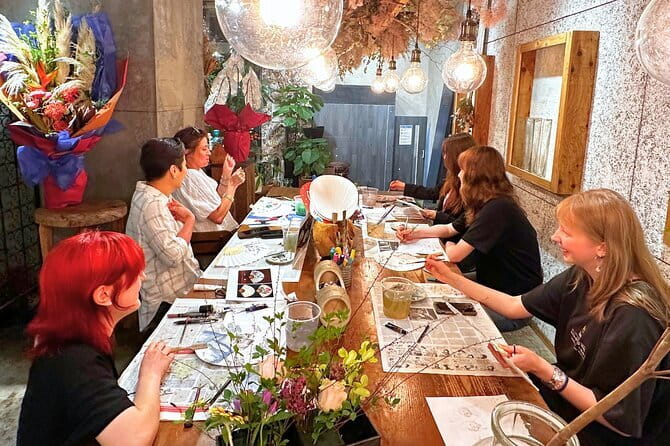
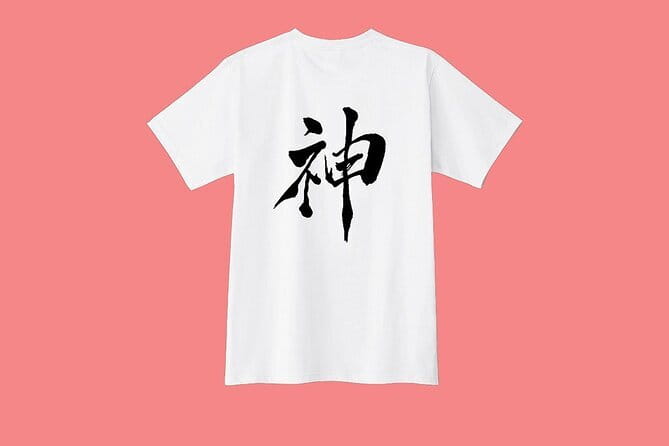
The workshop is built around a final piece, and the optional star is writing your kanji directly on a T-shirt. You can also design your original piece alongside the calligraphy.
However, the T-shirt itself is not included in the base price. This is an important budgeting point. Several guests specifically call out that the shirt can be an extra cost.
If you skip the T-shirt, you might still receive a take-home piece, sometimes in paper form made by the teacher. That is a nice option if you want the calligraphy practice and souvenir without paying for fabric.
Either way, your take-home item is part of why this class feels worth the money. In two hours, you leave with something that looks like you did the work, not something mass-produced at the end.
The People Behind the Brush: English Hosts and Professional Sensei
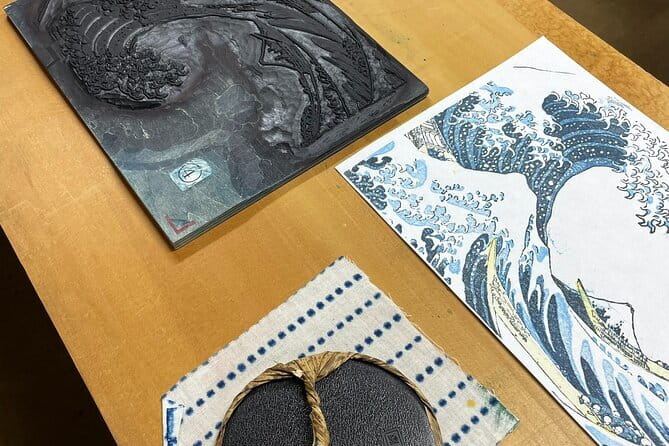
You are in English the whole time, with an English guide who helps translate the teacher’s instructions. Multiple guests mention translators like Mayuko-san providing excellent English, described as close to native level.
You may also work with a guide such as Hiromi, who comes up repeatedly for being friendly, patient, and very helpful during the class. Other names that show up across guest accounts include Nono and Naoto, plus the instructors themselves, including Sousen-sensei.
What matters for you is how the teaching feels. Guests describe the teacher as patient, careful, and focused on stroke improvement rather than just handing out tips. There is also praise for the calm atmosphere, which helps when you are still figuring out how to control the brush.
In a small group limited to 10, even if someone is the only participant that day, the teacher can still spend real time explaining and correcting. That is a big difference from “group craft class” energy.
Price and Value: What $30 Buys in Shinjuku
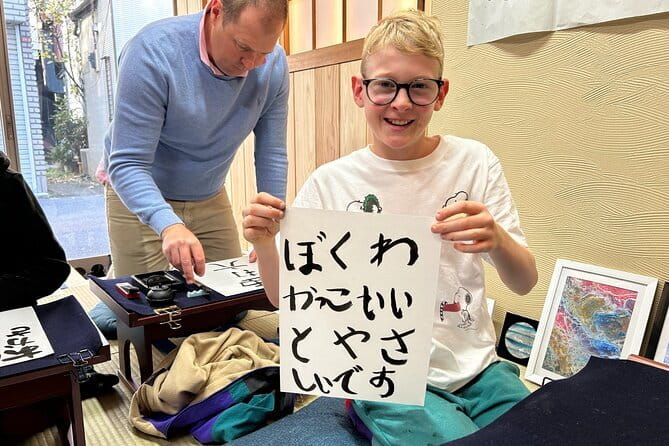
At $30 per person for a 2-hour workshop, this is priced in the reasonable zone for a professional cultural activity in Tokyo. You get English guidance, access to the calligraphy supplies used during class, and a take-home artwork.
The real value is not just the price tag. It is the structure: ink-making, brush technique, and then a personal final piece based on your name. Many casual workshops in big cities give you materials, but they do not train you to think about stroke order and layout in the same way.
The main cost consideration is the optional T-shirt. If you want the shirt, budget extra. If you do not, you still get the learning and a take-home souvenir, based on how guests described their outcomes.
If you want one practical way to judge value, use this rule: you are paying for guided instruction plus real materials, and you leave with something finished. That is exactly what this workshop is designed to deliver.
Who Should Book This Calligraphy Workshop
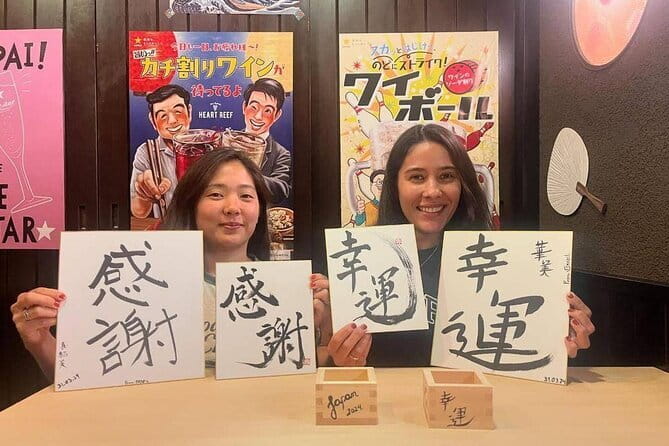
This fits best if you want something different from the standard Tokyo sightseeing loop. It is also great if you like hands-on learning and do not mind that the technique is challenging at first.
Beginners are welcome. The workshop is designed to be enjoyable even for children, and multiple guests mention how patient the instructors are with kids. If you are traveling with family, this can be a calmer break from busy streets and constant walking.
Art lovers will enjoy it because it is not just copying shapes. You practice control, brush pressure, and how characters should look when they are written with intent.
And if you are a language nerd, you will probably like that you learn about Kanji as it relates to names and you get a clear path from your Roman-letter name to Japanese characters.
Tips to Get Better Results on Your First Try
You cannot “win” calligraphy on the first attempt, and you do not need to. But you can make the experience smoother.
First, slow down. The class is short, but the correct approach is to take each stroke seriously. The mindfulness part is not an add-on. It actually helps your control.
Second, pay attention to stroke order and positioning. Guests repeatedly mention these as key lessons, and they are what turn a messy character into something that looks intentional.
Third, decide early about the T-shirt. If you want it, treat it like your main canvas. If you do not, focus on the calligraphy itself and ask about the take-home format you will receive.
Should You Book It?
Yes, if you want a calm, hands-on Shinjuku experience that teaches you something you cannot get from a museum sign. It is one of those Tokyo activities that turns the volume down.
Book it especially if you love Japanese culture, want to connect with Kanji in a personal way, or enjoy crafts that come with real instruction. If you are budget sensitive, keep the optional T-shirt in mind and go into the class with a clear plan.
If your main goal is Instagram photos only, you might feel that calligraphy is slow and technical. But if your goal is meaning, learning, and a souvenir that feels earned, this workshop is a very strong choice.
FAQ
Where is the meeting point for the workshop?
You meet at FamilyMart Okubo Station South Exit Store, at 1-23-21 Hyakunincho, Shinjuku-ku, Tokyo, Japan. A guide will be holding a sign that says Local Guide Stars.
How long does the workshop last?
The workshop duration is 2 hours.
How much does it cost?
The price is $30 per person.
Is the workshop taught in English?
Yes. The workshop includes an English live tour guide.
What is included in the ticket price?
The ticket includes the English guide, calligraphy supplies to use during the class, and you take home your own artwork.
Are the original T-shirts included?
No. Original T-shirts are not included. The class includes the option to write your kanji on a T-shirt, but you should expect extra cost if you want to use the shirt.
What will I create during the workshop?
You will practice basic brush techniques, transform your name into Kanji, and create your own artwork to take home. Writing directly on a T-shirt is an optional part.
Is this activity suitable for children?
Yes. The workshop is designed to be enjoyable even for children.
Is there free cancellation?
Yes. You can cancel up to 24 hours in advance for a full refund.
Can I reserve now and pay later?
Yes. The experience offers reserve now & pay later, so you can book your spot without paying immediately.
Made by Hand, and Yours to Keep

Newest Tokyo write-ups from the Loving Japan desk

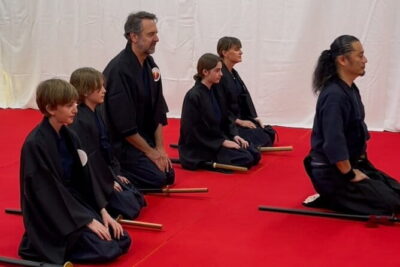


Japanese Craft and Calligraphy Workshops, side by side.
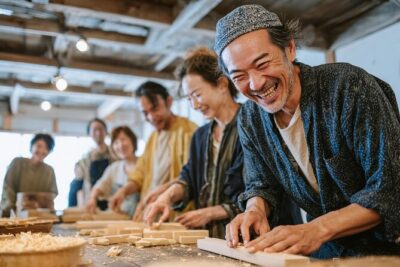 ★ 5.0Tokyo Shinjuku Chopsticks Making ClassFrom $201,763 reviews
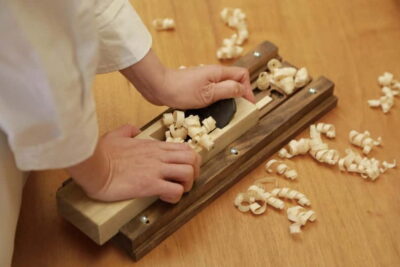 ★ 4.8Chopstick Making Workshop in GinzaFrom $251,366 reviews
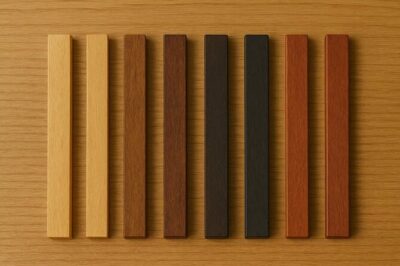 ★ 5.0Chopsticks Making Workshop in Gion with Engraving OptionFrom $15958 reviews
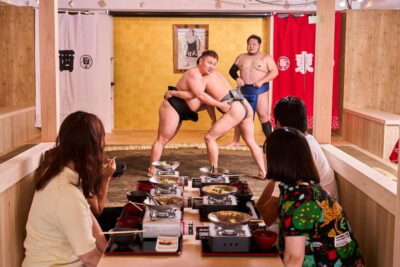 ★ 4.8Tokyo Sumo Experience: Chanko & Mochi with a Former ProFrom $103567 reviews
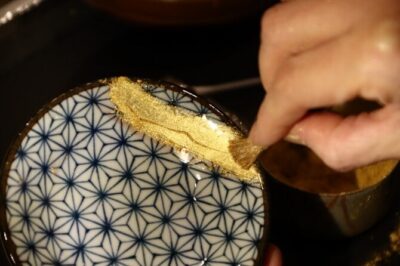 ★ 5.0Kintsugi Experience: Art of Golden Joinery in TokyoFrom $59467 reviews
 ★ 5.0Tokyo Chopstick Making Workshop with ArtisanFrom $26466 reviews
 ★ 4.9Matcha Making Experience with Mochi Sweets in AsakusaFrom $22388 reviews
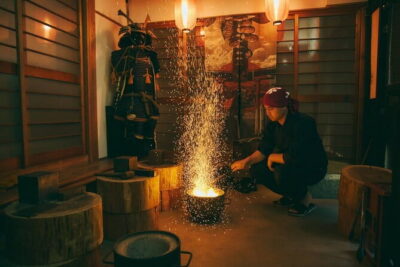 ★ 4.8Authentic knife making experience at a blacksmith in KyotoFrom $154350 reviews
Filed on these lists too