
REVIEW · SUMO WRESTLING EXPERIENCES
Tokyo: Challenge Sumo Wrestlers and Enjoy Meal
Sumo in the ring, plus lunch. This retired-wrestler show pairs English explanations with a chance to wear a sumo costume and try the dohyo, then sends you to tonkatsu or sukiyaki. The only real drawback is timing and sound, since it’s about 1.5 hours and your seat depends on booking order.
You meet near Kikukawa Station (easy walk from the A1 exit), and there’s no hotel pickup, so you control the pace. It’s a strong pick when you want sumo culture without hunting down training-stable access.
In This Review
- Key Things You Should Know Before You Go
- What This Tokyo Sumo Show Really Gives You
- Meet the Retired Wrestlers, Learn the Terms
- The Dohyo Demonstration: Moves, Meaning, and the Pace
- Your Turn in a Sumo Costume (Friendly Competition Time)
- Tonkatsu Lunch or Sukiyaki Dinner, With Real Japanese Comfort
- Photo Moment and Q&A: How to Make It Worth It
- Seating Strategy at the Venue
- Price and Value for $117
- Getting There from Shinjuku Line to Kikukawa Station
- Good Fit for Families, First-Timers, and Sumo Fans
- Should You Book This Sumo and Meal Experience?
- FAQ
- How long is the Tokyo sumo and meal experience?
- What’s included in the price?
- Is hotel pickup or transportation included?
- Where do we meet?
- What meal do I get, tonkatsu or sukiyaki?
- Is it refundable if I change my plans?
Key Things You Should Know Before You Go
- Retired sumo wrestlers lead the session, with English explanation and common sumo terminology explained as you watch.
- You get hands-on ring time by putting on a sumo costume and trying techniques yourself, not just sitting and watching.
- Your meal depends on your option, tonkatsu (deep fried pork cutlet) for lunch or sukiyaki (sweet soy hot pot) for dinner.
- There’s a photo moment plus Q&A, so you get spectacle and then real answers about daily sumo life.
- Seats are assigned by order of booking, and front seats can help you hear commentary and questions clearly.
- Getting there is simple but self-guided, no transport or hotel pickup included.
Morning practice or an evening show. Both reviewed
- Tokyo: Sumo Show and Dining Experience
★ 4.8 · 2,742 reviews - the SUMO show
★ 5.0 · 1,960 reviews - Tokyo Shinjuku Sumo Show & Experience with Photo
★ 5.0 · 1,750 reviews - Tokyo: Sumo Show and Experience in Shinjuku
★ 4.8 · 1,001 reviews
What This Tokyo Sumo Show Really Gives You
This is not the kind of sumo experience where you stand in a crowd and hope you can see. You watch former pros demonstrate how the sport works, then you step in too, wearing a costume and trying moves in the ring. That mix of show + participation is why this format keeps selling out.
I also like the structure. You get a clear flow: demonstration first, then your turn, then food, then photo and Q&A. Even if sumo is new to you, you’re never left guessing what you’re supposed to be paying attention to, because the explanation is in English (and supported by Japanese staff as needed).
The other big value point is that you’re fed. A full tonkatsu lunch or a sukiyaki dinner means you don’t have to plan extra meals around the show. For $117 per person, you’re paying for both access to retired wrestlers and the built-in meal, not just a short performance.
Meet the Retired Wrestlers, Learn the Terms
The session centers on a retired sumo wrestler as your host and teacher. That matters, because you’re not getting a generic history lesson. You’re getting the sport explained from someone who lived it, from training life to how matches and techniques make sense.
As you watch, you’ll learn commonly used terminology and what the action means inside the dohyo, the sacred wrestling ring. The teaching is paced for English speakers, with staff who can handle questions during the Q&A portion later.
This is also one of those experiences where the details stick. Once you understand a couple of terms and the basic logic of how wrestlers try to control balance and positioning, the whole sport becomes easier to follow. You’ll leave with more than a few photos, you’ll leave with a vocabulary.
The Dohyo Demonstration: Moves, Meaning, and the Pace
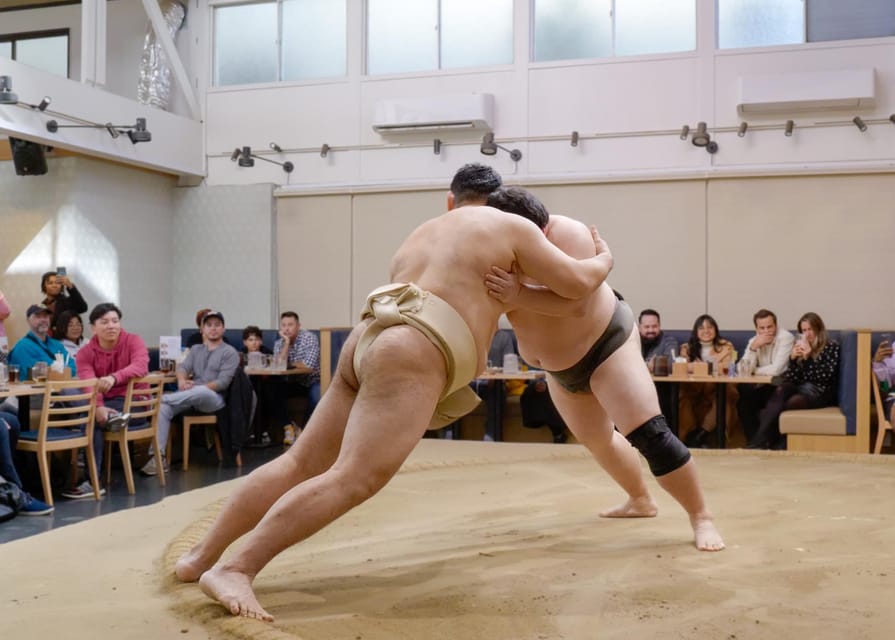
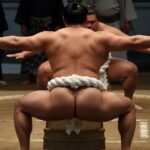
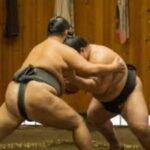
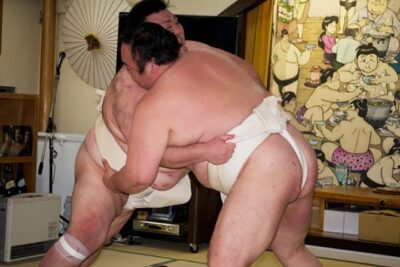
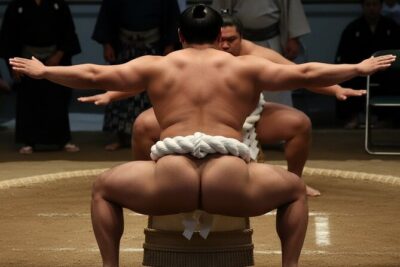
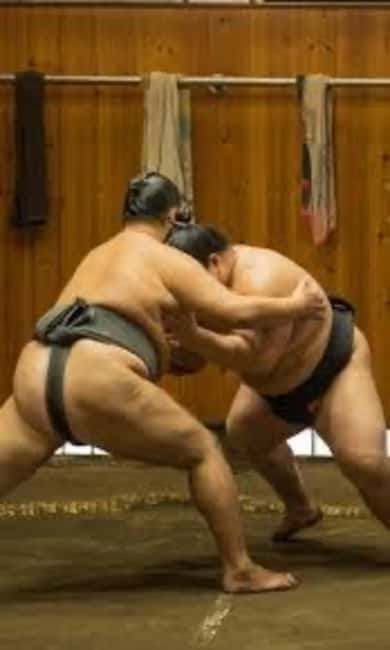
In the demonstration part, former wrestlers put on an exhibition match and show key moves you can recognize right away. The show is designed for a mixed group, so don’t expect a slow, academic pace. It’s quick, watchable, and built to keep your attention.
Pay attention to how wrestlers reset. Even in a short match, there’s rhythm. Wrestlers don’t just throw power at each other, they manage distance, grip, and footing. When you understand that, the whole thing stops feeling like random collisions.
The timing is tight because the total experience is about 1.5 hours. That’s good for energy, but it also means there’s less time for lingering questions than a longer private lesson would offer. If you’re the type who likes to slow down and ask lots of specifics, the Q&A after the meal is your chance.
- Mt Fuji and Hakone 1-Day Bus Tour Return by Bullet Train★ 5.0 · 26,383 reviews
- 1-Day Tokyo Bus Tour★ 5.0 · 14,250 reviews
- Tokyo: teamLab Planets TOKYO Digital Art Museum Entry Ticket★ 4.6 · 9,779 reviews
- Mt Fuji & Hakone Cruise, Drum Show Bullet Train 1 Day from Tokyo★ 4.0 · 7,413 reviews
- Tokyo: Shinjuku Food Tour (13 Dishes at 4 Local Eateries)★ 5.0 · 6,603 reviews
Your Turn in a Sumo Costume (Friendly Competition Time)
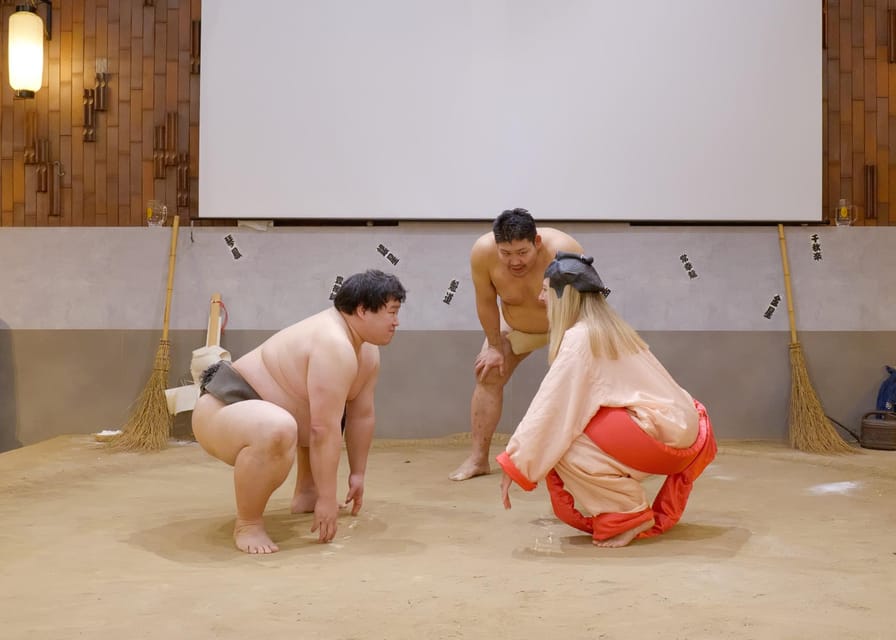
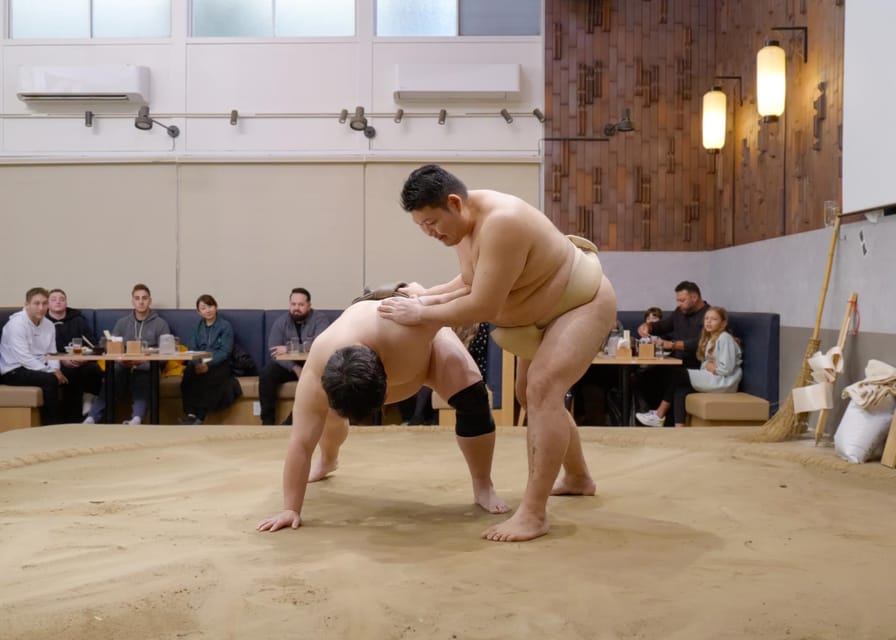
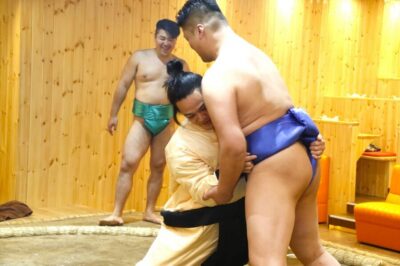
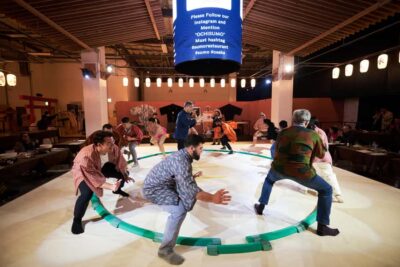
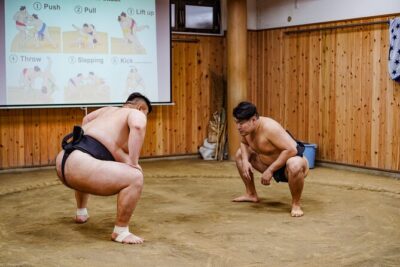
This is where the experience stops being a show and becomes something you actually do. After the demonstration, you put on a sumo costume and step into the ring to try your technique. The instructors are there, guiding the experience so you’re doing something safe and meaningful, not just hopping around for laughs.
You’ll feel the adrenaline, mostly because sumo training looks bigger than it is until you try it. Tight stance, heavy costume, and balance on a slippery surface all change the game fast. It also helps that the competition is friendly. This isn’t about humiliating anyone, it’s about letting you participate.
One useful mindset: you do not need to treat the costume ring time as a photo shortcut. Everyone gets a photo opportunity alongside the wrestlers at the end. The best use of your effort is to actually take the technique part seriously enough to enjoy it, then use the photo moment to remember the fun.
Tonkatsu Lunch or Sukiyaki Dinner, With Real Japanese Comfort
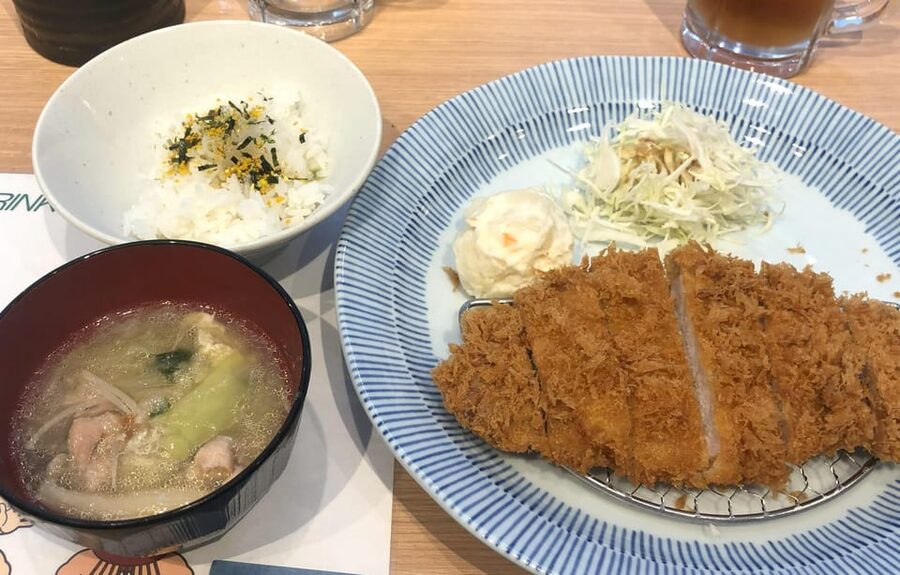
Pick the option at booking, and your meal follows that choice. If you chose lunch, you’ll get tonkatsu, deep fried pork cutlet. If you chose dinner, you’ll get sukiyaki, hot pot with beef and vegetables in a sweetened soy broth.
What makes the food part of the value is that it’s built into the experience schedule. You watch, you try, you eat, then you finish with the photo and Q&A. That rhythm keeps the whole thing feeling like one package rather than “a show and a separate meal.”
Food quality gets a lot of positive energy in the feedback you’ll see, including mentions of sides like chanko-ba in some lunches and even a Genghis Khan lunchbox style meal in certain sessions. Since the meal details can vary by what the venue is serving that day, I’d treat it as: you’re guaranteed a proper Japanese meal in the tonkatsu or sukiyaki lane, with likely extra comfort foods.
If you have dietary needs, tell the staff ahead of time. It’s also acceptable to bring your own food and drink, which is a lifesaver for allergies or strict preferences.
Photo Moment and Q&A: How to Make It Worth It
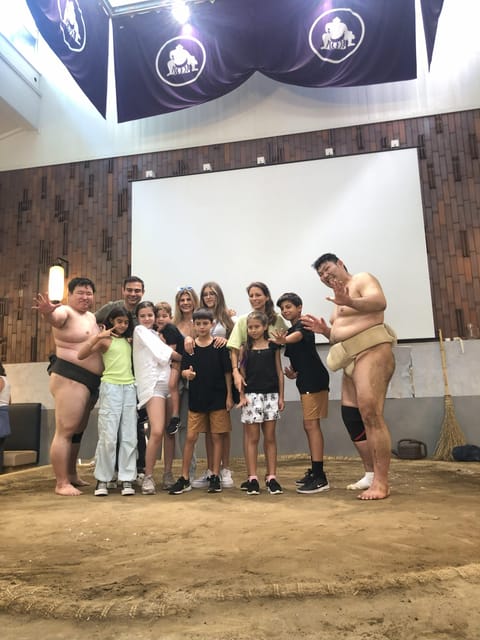
At the end, you’ll get a photo alongside the wrestlers. This matters because it’s the moment people remember later when they’re flipping through Tokyo pictures and thinking about sumo with context.
Then comes Q&A. You can ask about training life, what it takes to succeed, or what beginners usually misunderstand. Since the explanation is happening throughout the experience, your questions will make sense, even if you’re new to sumo.
Here’s a small strategy that helps: sit so you can hear the English commentary and the Q&A clearly. One solid tip from past experiences is that front seating is often helpful not just for visuals, but for audio. If the group nearby is loud, being closer to the front can reduce the frustration.
Also, be respectful during others’ questions. The room is shared, and a little kindness goes a long way in keeping the show running smoothly.
Seating Strategy at the Venue
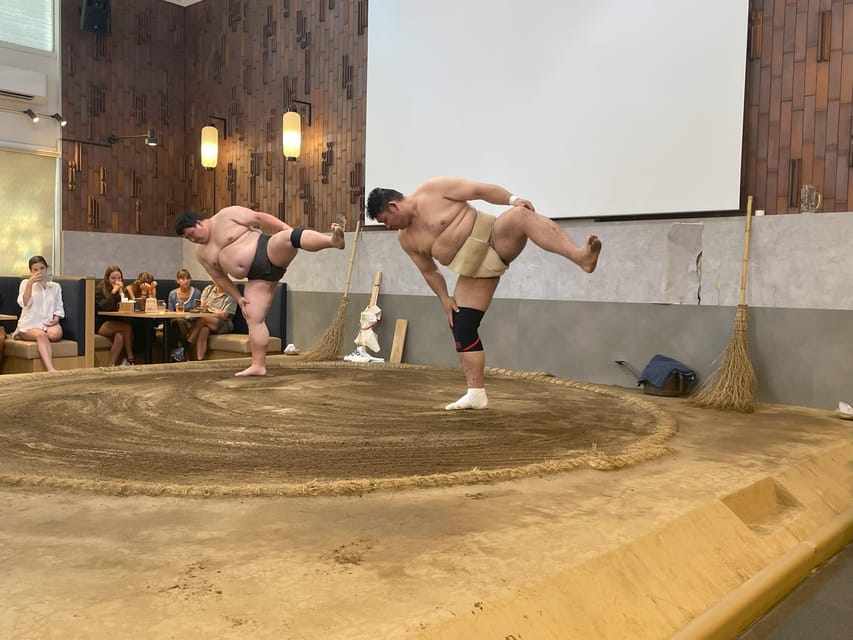
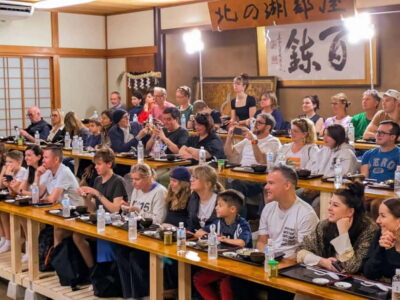
Your seat is arranged based on booking order, with the best seats going first. If you care about hearing the commentary and Q&A, try to book early.
Depending on group size, you might be seated at different tables. That’s normal for a session running with multiple groups, but it can slightly change your experience because sound and sight lines can differ.
Once you’re inside, focus on practicality:
- Go for clear sight lines to the ring.
- Prioritize ability to hear the English commentary and staff instructions.
- Be ready for the fact that participation moments may happen faster than you expect.
If you’re traveling with kids, seating comfort matters too. You’ll be wearing a costume later and standing around at photo time, so being able to listen and follow instructions makes the whole thing smoother.
Price and Value for $117
Let’s talk value, because $117 can sound steep until you see what’s included. You’re paying for:
- A hands-on session led by a retired sumo wrestler
- English explanation
- A meal (tonkatsu lunch or sukiyaki dinner depending on option)
- Costume and ring-time participation
- A photo opportunity and a Q&A segment
So you’re not paying only for entertainment. You’re also paying for access, structure, and the included food. Add in that there’s no hotel pickup, no transportation included, and extra drinks aren’t included, and you’ll see why budgeting still matters.
My rule of thumb: this is worth it if sumo is on your Tokyo checklist and you want more than passive sightseeing. If you’re just trying to tick a box for photos, you might feel the cost more than someone who plans to participate and ask questions.
Getting There from Shinjuku Line to Kikukawa Station
This is self-guided. No hotel pickup, and no transport to or from the restaurant.
Meeting point: take the Shinjuku Line and get off at Kikukawa Station. From the A1 Exit, it’s about a 5 to 8 minute walk to the venue. Since timing matters for an event that runs about 1.5 hours, I’d arrive early enough to handle station navigation and get settled before the session starts.
After the experience, it ends back at the meeting point. That means you’ll head out on your own after the meal and wrap-up.
If you’re building the rest of your day, keep some buffer. This experience has a set flow, and the participation and photo timing are part of why it works.
Good Fit for Families, First-Timers, and Sumo Fans
This is one of those activities that works for more than one type of traveler. If you’re a first-timer, the English explanation and structured flow help you enjoy the sport without needing prior knowledge.
If you’re traveling with kids, it can be a great outlet. One reason is simple: your child can participate, not just watch. The costume and ring try-on add a hands-on element that keeps attention. It’s also a nice alternative when other sumo options are hard to access due to age rules.
If you’re a sumo fan who wants more than match highlights, the Q&A is valuable. It’s a chance to ask about daily life and how retired wrestlers view the sport. You’ll leave with new perspective, not just a few facts.
Should You Book This Sumo and Meal Experience?
Book it if you want:
- A guided sumo introduction in English
- Hands-on ring time with a costume
- A built-in tonkatsu or sukiyaki meal
- Photo time and Q&A in one tidy package
Skip it if you strongly prefer to watch from a quiet, comfortable seat without participation, or if you’re the type who hates tight schedules. With a 1.5 hour format, there’s little room for wandering.
If you do book, do one thing for maximum enjoyment: arrive early enough to settle and aim for seating where you can hear the commentary. That turns the show from just fun into genuinely informative.
FAQ
How long is the Tokyo sumo and meal experience?
It lasts about 1.5 hours. The exact start times vary, so you should check availability to see when the session begins.
What’s included in the price?
You get a meeting and learning session with a retired sumo wrestler, an English explanation, and lunch or dinner depending on the option you select when booking.
Is hotel pickup or transportation included?
No. Hotel pickup and drop off are not included, and transportation to and from the restaurant is also not included.
Where do we meet?
Meet at Kikukawa Station on the Shinjuku Line. Exit from A1, then walk about 5 to 8 minutes to the venue.
What meal do I get, tonkatsu or sukiyaki?
If you choose the lunch option, you get tonkatsu (deep fried pork cutlet). If you choose the dinner option, you get sukiyaki (hot pot with beef and vegetables in a sweetened soy broth).
Is it refundable if I change my plans?
No. This activity is non-refundable. Also, you’re expected to follow staff instructions and act with good judgment, and you may be required to leave the hall with no refund if behavior is troublesome.
Practice Rooms and Show Nights
Newest Tokyo write-ups from the Loving Japan desk

Sumo Wrestling Experiences, side by side.
 ★ 4.8Sumo Show Experience with Chicken Hot Pot and a PhotoFrom $1036,678 reviews
 ★ 4.8Sumo Show and Dining ExperienceFrom $792,742 reviews
 ★ 5.0the SUMO showFrom $891,960 reviews
 ★ 5.0Tokyo Shinjuku Sumo Show & Experience with PhotoFrom $791,750 reviews
 ★ 4.8Sumo Show and Experience in ShinjukuFrom $691,001 reviews
 ★ 4.6Sumo Tournament Tour with Chair Seat TicketsFrom $141753 reviews
 ★ 4.5Sumo Show & Experience w/ Optional Kimono & Hot PotFrom $77609 reviews
 ★ 5.0Authentic Sumo Experience in Tokyo: Enter the SanctuaryFrom $171603 reviews
Filed on these lists too