
REVIEW · JAPANESE CRAFT AND CALLIGRAPHY WORKSHOPS
Tokyo: Chopstick Making Workshop with Artisan
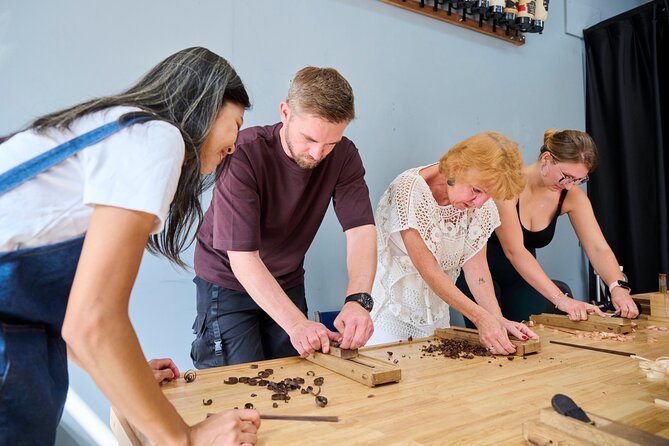
Forget plastic souvenirs, carve your own chopsticks. In this hands-on workshop at Hashiyuki Chopsticks Shop & Workshop in Taito-ku, you shape real wooden chopsticks with traditional tools and finish them yourself, then learn why chopsticks are such an important part of everyday Japanese life.
What I like most is the small-group guidance. With limited spots and an English-speaking team, you get steady help while you shave, sand, and refine your pair, and you can chat with the instructors too. I also love the practical payoff: you leave with take-home chopsticks wrapped up for use right away or gifting the same day.
One thing to keep in mind is the pace. The session is only 1 hour, and one note I saw said it can feel slightly rushed depending on timing and how many staff are available in the room.
In This Review
- Quick hits from this chopstick workshop
- Where the workshop fits into Tokyo, and why the neighborhood matters
- Inside the one-hour session: what you actually do
- Choosing wood like a pro: included options and upgrades
- The cultural lesson that makes the souvenir feel real
- Small-group attention: why 10 participants changes everything
- Engraving and personalizing: making the set a gift
- Price and value: what $16 gets you in Tokyo
- Who this workshop suits best, and who might not
- Should you book this Tokyo chopstick workshop?
- FAQ
- How long is the chopstick making workshop?
- How much does it cost per person?
- Where is the meeting point in Tokyo?
- How big is the group?
- Are the instructors able to teach in English?
- What wood choices are included?
- Will I be able to take my chopsticks home the same day?
- Is this workshop wheelchair accessible?
- Is there free cancellation?
Quick hits from this chopstick workshop
- Carve, sand, finish your own pair using traditional methods and provided tools
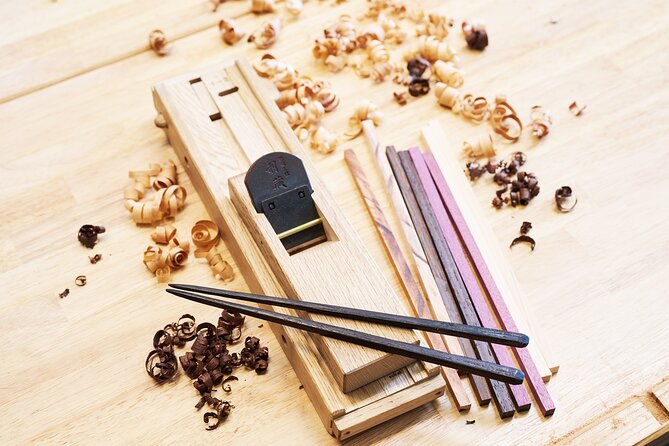
- Choose from 10+ woods, with 3 types included and higher-grade options for extra
- English-speaking instruction plus Japanese support if you want it
- Small group setup capped at 10 participants for closer attention
- Optional engraving may be available for an extra fee, often worth it for gifts
Make something to take home. Other workshops
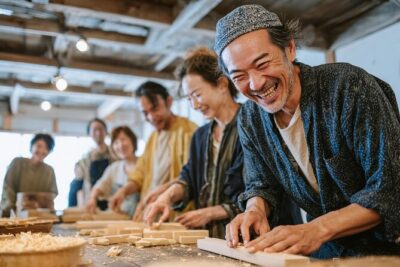
- Tokyo Shinjuku Chopsticks Making Class
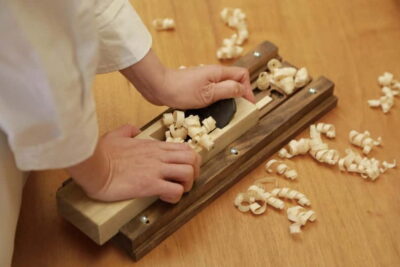
★ 5.0 · 1,763 reviews - Chopstick Making Workshop in Ginza
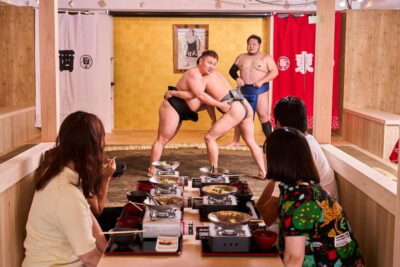
★ 4.8 · 1,366 reviews - Tokyo Sumo Experience: Chanko & Mochi with a Former Pro
★ 4.8 · 567 reviews - Kintsugi Experience: Art of Golden Joinery in Tokyo
★ 5.0 · 467 reviews
Where the workshop fits into Tokyo, and why the neighborhood matters
This experience is based at Hashiyuki Chopsticks Shop & Workshop, at 1-7-1 Misuji, Taito-ku, Tokyo (雪入紙業社 / Yukiirishigyosya). If you like Tokyo that feels less like a postcard and more like real daily life, this area is a good match. You are not just learning a craft in a classroom, you are doing it in a working setting where chopsticks are part of the local economy.
The address is straightforward, and the workshop sits in Honshu, so it’s an easy add-on to a typical Tokyo day. I’d plan to arrive a little early, not because you need extra time, but because the moment you step in, you can settle your brain. Chopstick making is repetitive and tactile, which is exactly what you want when Tokyo has been a nonstop sprint.
Also, your start point matters because the session ends with a physical souvenir. You’ll want your bags under control, and being at a dedicated shop makes that simpler than trying to fit a workshop into a busy day with multiple last-minute transfers.
Inside the one-hour session: what you actually do
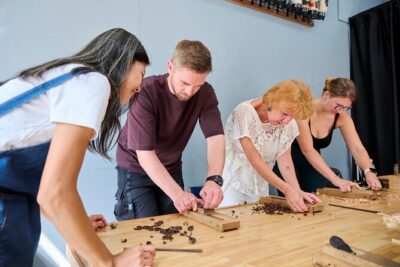
The workshop runs for about 1 hour, and that time is focused on getting you from raw wood to a usable pair. You’ll start by learning the basics from the instructors, then you’ll move into hands-on shaping. The tools and materials are provided, so you are not showing up with skills or special gear.
Here’s the flow you can expect:
- Wood selection and setup: You choose from more than 10 types of wood. You’ll also get clear guidance on how each wood behaves, which helps you decide what you want your finished chopsticks to feel like.
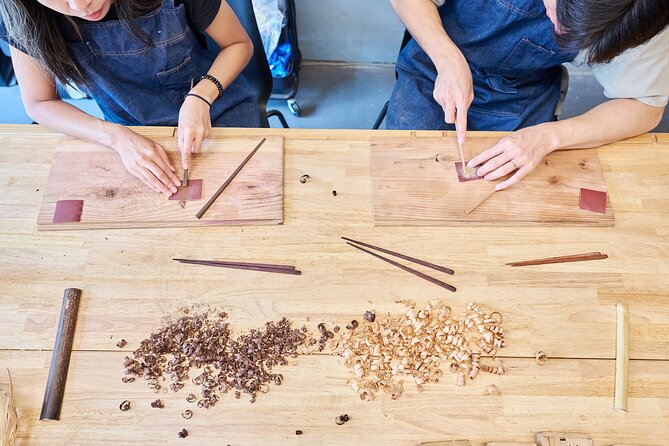
- Shaping and carving: Using traditional tools, you carve the body into chopstick form. This is where the instructors stay close, showing you how to shave down evenly.
- Sanding and smoothing: Next comes refining the surface. This is the step that turns something that looks rough into something that feels good in-hand and ready for daily use.
- Finishing: You’ll finish your chopsticks so they look polished and are ready to take home.
- Wrapping to take away: You leave with your chopsticks wrapped beautifully, so you can use them immediately or gift them without extra work.
Even if you have zero DIY experience, the structure is beginner-friendly. The better you follow the guidance on how to shave and refine, the smoother the final result tends to be. And if you get stuck, that’s where the small group really pays off.
Choosing wood like a pro: included options and upgrades
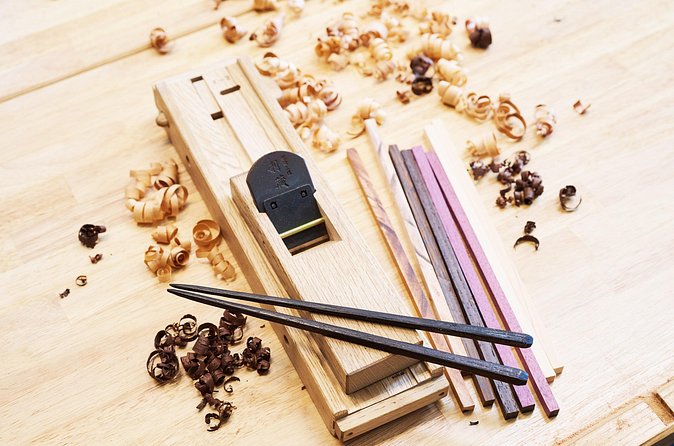
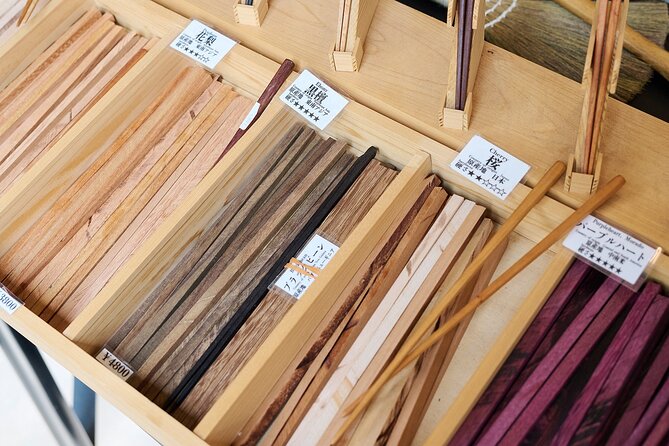
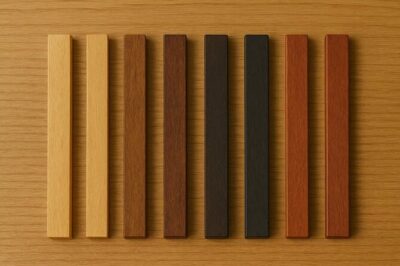
One of the smartest parts of this workshop is the wood menu. You can pick from over 10 types of wood, and 3 types are included free of charge. Higher-grade woods are available for an additional fee, and this is where the workshop becomes more personal.
What matters for you is not just the look, it’s the feel. Different woods can change how the chopsticks grip in your hands and how the finished surface behaves after carving and smoothing. If you love the idea of selecting something meaningful, take this step seriously.
Also, you get to make a decision that fits your budget. If you’re here for the craft and the souvenir value, stick with an included wood type and enjoy the process. If you want a nicer final pair, consider the upgrade options. One comment I saw praised adding extra for a finishing detail, and the sentiment was basically that spending a bit more helped the result feel extra special.
Tip for you: if you care more about the experience than the upgrade, choose a wood that sounds appealing to you and commit to the process. The instructors will help you get your shape right no matter what you pick.
- Mt Fuji and Hakone 1-Day Bus Tour Return by Bullet Train★ 5.0 · 26,383 reviews
- 1-Day Tokyo Bus Tour★ 5.0 · 14,250 reviews
- Tokyo: teamLab Planets TOKYO Digital Art Museum Entry Ticket★ 4.6 · 9,779 reviews
- Mt Fuji & Hakone Cruise, Drum Show Bullet Train 1 Day from Tokyo★ 4.0 · 7,413 reviews
- Tokyo: Shinjuku Food Tour (13 Dishes at 4 Local Eateries)★ 5.0 · 6,603 reviews
The cultural lesson that makes the souvenir feel real
Yes, you’re making chopsticks. But the workshop also pauses long enough to explain their cultural significance in Japan. That’s the part that turns a craft project into a memory you can explain later, not just an item you stash in a drawer.
When you learn what chopsticks mean in everyday life, it changes how you view the work. You stop thinking of them as disposable utensils and start seeing them as a crafted tool. That mindset makes even basic choices, like getting a smooth surface and comfortable balance, feel more purposeful.
I also like that the cultural context doesn’t feel like a lecture. It’s woven into the craft. While you’re carving and refining, you’re naturally learning how craftsmanship shows up in what people use every day. For many people, that’s what makes the workshop stick as a highlight, even in a city full of big sights.
Small-group attention: why 10 participants changes everything
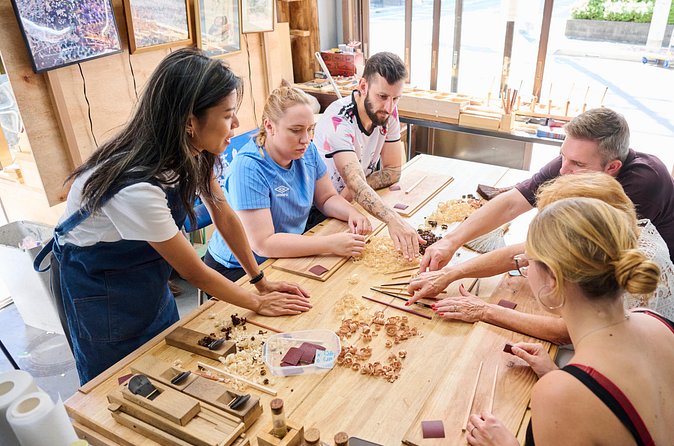
This is capped at 10 participants, and that size is a big deal. Chopstick making is hands-on, and the instructors need to be able to see your work. When the group stays small, you get help before small mistakes turn into frustration.
You’ll notice it in the way staff support the room. I saw multiple notes praising the instructors for being patient, correcting technique, and stepping in to fix issues while you were working. People mentioned instructors by name, including Yuki, Angie (Angie sensei), Chihiro, Tomo, Kaana, and even helpers like Rad, Victoria, and Anthony. That kind of repeat recognition usually means the team knows how to teach a craft without turning it into a stressful test.
There’s also a calmer energy to the session. Several comments described it as relaxing and even peaceful compared to the pace of the city. That’s a real practical benefit. If your Tokyo itinerary already has temples, lines, and crowded trains, this workshop gives your hands something to do and your mind a break.
The one caution is timing. Since the workshop is only an hour, if you’re a slower mover or your group setup starts staggered, it can feel like you have less breathing room. Still, for most people, it seems like the perfect length for a beginner-friendly craft.
Engraving and personalizing: making the set a gift
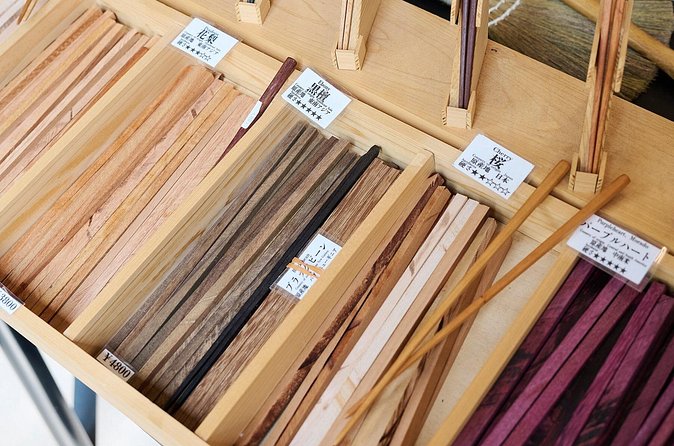
Your chopsticks are personalized, and there may be an additional option for engraving. One person noted paying extra around ¥1,000 for engraving, and they felt the upgrade made a beautiful difference.
If you’re buying this as a gift, engraving is the obvious way to push it from souvenir to keepsake. It’s also a good way to make a shared experience feel more meaningful, especially if you are traveling with a partner or making a name-themed gift for a friend back home.
If you do add engraving, plan to treat the workshop steps with extra care. Engraving tends to be the final touch, and the better your underlying finish is, the cleaner the end result looks.
Price and value: what $16 gets you in Tokyo
At $16 per person for a 1-hour workshop, the value is strong because you’re not paying for entertainment only. You’re paying for materials, tools, instruction, and a take-home product you made with your own hands.
Most craft workshops have a hidden cost you only notice later, like extra fees for materials or a limited souvenir size. Here, you get a clear structure: tools and materials are provided, your chopsticks are part of the deal, and you can choose from multiple wood types. Since 3 wood options are included, you are not forced into upgrading just to get an enjoyable outcome.
Then you have optional add-ons, like higher-grade wood and engraving. Those are clearly not required to enjoy the experience. They’re there if you want to invest a bit more in the final look and gift factor.
If you’re doing this with kids or a group of friends, the cost stays predictable. That matters when Tokyo days add up.
Who this workshop suits best, and who might not
This is a great fit if you want something tactile and low-pressure. I’d especially recommend it for:
- Beginners who want step-by-step help
- Couples and friends who like shared projects
- Families, including people with kids, since the experience is approachable and staff guidance is part of the design
- Solo travelers who want an activity where you can talk without needing advanced Japanese
It’s also a nice change from nonstop big-ticket sights. A craft session lets you slow down without giving up quality. The workshop’s vibe is often described as calm and fun, and the end product is personal in a way photos never are.
If you hate waiting and you’re on a super tight schedule, consider the hour limit. If your day is perfectly packed, you may feel the time pressure. In that case, either choose a time slot with a bit of buffer or plan a shorter sightseeing day around it.
Should you book this Tokyo chopstick workshop?
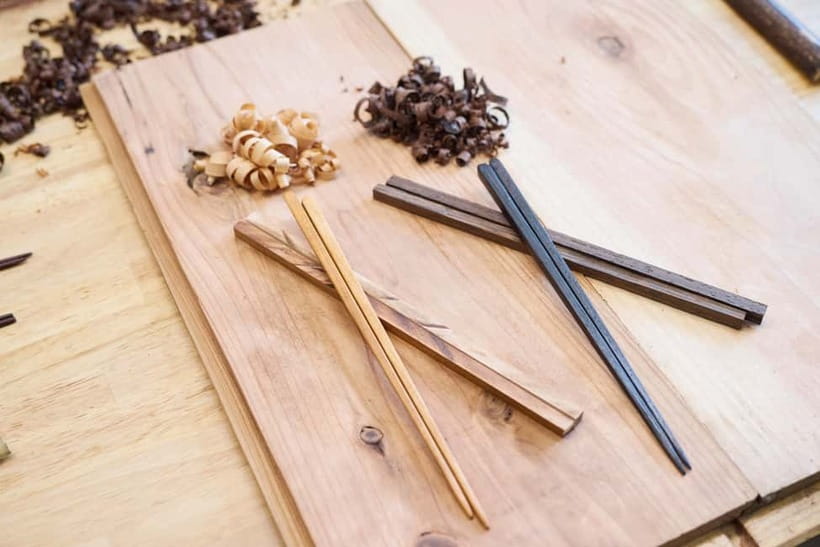
Yes, you should book it if you want a souvenir you actually made, not just bought. The combination of small-group help, real tools, and taking your chopsticks home the same day makes it a smart, satisfying use of time.
I’d also book it if you like the idea of learning the cultural importance of everyday Japanese objects while doing the craft itself. The teaching style you’ll experience tends to focus on getting the result you want without turning it into a tough challenge.
If you are very time-sensitive or you dislike workshops that run on a strict hour, pick a time when you can relax into the session. Otherwise, this is the kind of practical, memorable Tokyo activity that still feels worth it when you’re back at your hotel counting the day’s highlights.
FAQ
How long is the chopstick making workshop?
The workshop lasts 1 hour.
How much does it cost per person?
The price is $16 per person.
Where is the meeting point in Tokyo?
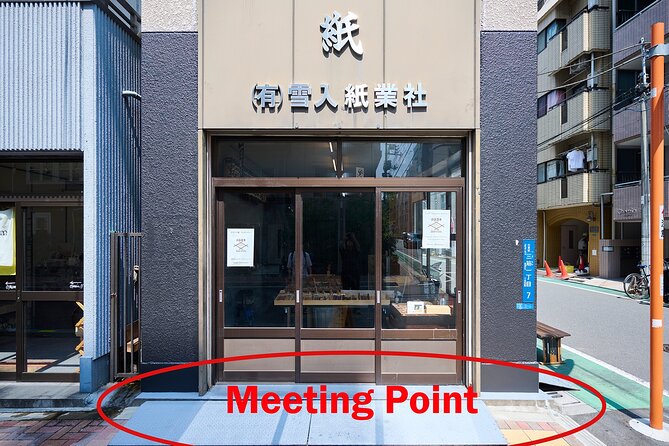
The meeting point is Hashiyuki Chopsticks Shop & Workshop, 1-7-1 Misuji, Taito-ku, Tokyo, 雪入紙業社 (Yukiirishigyosya). Coordinates are 35.7032168, 139.7853879.
How big is the group?
It is a small group limited to 10 participants.
Are the instructors able to teach in English?
Yes. The activity includes English-speaking staff, and instruction is listed as available in English and Japanese.
What wood choices are included?
You can choose from over 10 types of wood. Three types of wood are included free of charge, and other high-grade woods are available for an additional fee.
Will I be able to take my chopsticks home the same day?
Yes. You take your personalized chopsticks home on the same day.
Is this workshop wheelchair accessible?
Yes, it is listed as wheelchair accessible.
Is there free cancellation?
Free cancellation is available up to 24 hours in advance for a full refund.
Made by Hand, and Yours to Keep

Newest Tokyo write-ups from the Loving Japan desk



Japanese Craft and Calligraphy Workshops, side by side.
 ★ 5.0Tokyo Shinjuku Chopsticks Making ClassFrom $201,763 reviews
 ★ 4.8Chopstick Making Workshop in GinzaFrom $251,366 reviews
 ★ 5.0Chopsticks Making Workshop in Gion with Engraving OptionFrom $15958 reviews
 ★ 4.8Tokyo Sumo Experience: Chanko & Mochi with a Former ProFrom $103567 reviews
 ★ 5.0Kintsugi Experience: Art of Golden Joinery in TokyoFrom $59467 reviews
 ★ 5.0Tokyo Chopstick Making Workshop with ArtisanFrom $26466 reviews
 ★ 4.9Matcha Making Experience with Mochi Sweets in AsakusaFrom $22388 reviews
 ★ 4.8Authentic knife making experience at a blacksmith in KyotoFrom $154350 reviews
Filed on these lists too