
REVIEW · TOKYO TOWER, GINZA AND THE IMPERIAL PALACE
Tokyo: Edo Castle Ruins & Imperial Palace East Garden Tour
Two hours, and the power shifts fast. This tour strings together Edo Castle ruins and the Imperial Palace East Gardens into one easy walk, with a guide explaining how shoguns and emperors shaped Japan. I especially liked the story-driven stops around the Wadakura Fountain and the gate ruins, plus the calm break of Ninomaru Garden with koi in the pond. One drawback to plan around: the itinerary focuses on gardens and historical remnants, not the inside of the Imperial Palace buildings.
The best part for your day is that the guide work feels personal, not robotic. In the feedback I saw, guides including Mari-san and Isao were praised for answering questions patiently and speaking with real enthusiasm. Just know you are walking a route with multiple short segments, so if you want a slow, museum-style pace, bring comfy shoes and your camera because you will want to stop and look.
In This Review
- Key things to know before you go
- Starting at Wadakura Free Rest Area, where your walk really begins
- Wadakura Fountain National Park and Wadakura Moat, ceremony meets defense
- Otemon Gate plus the Ote San-no-mon Gate Ruins, built for control
- Guardhouse stops like Hyakunin Bansho, plus why rules mattered
- Edo Castle Ruins and the Honmaru zone, where scale clicks
- The Prefectural Trees and Suwa Tea House stops, small but purposeful pauses
- Imperial Palace East Gardens and Ninomaru Garden, the calm payoff with koi
- Price, time, and whether this tour is good value at $37
- Who should book this tour, and who might prefer DIY
- Should you book this Tokyo Edo Castle and Imperial East Gardens tour?
- FAQ
- Where is the meeting point?
- How long is the tour?
- Is this tour in English?
- What can I enter in the Imperial Palace area?
- What is included in the price?
- What is not included?
- What should I bring, and what rules do I need to follow?
Key things to know before you go
- A clear start at Wadakura Free Rest Area with your guide holding a yellow sign, which makes the meeting point stress-free.
- Wadakura Fountain and the moat are short stops, but the guide explains why water and space mattered for defense and ceremony.
- Otemon Gate and gate ruins show how entrances controlled movement, not just how things looked.
- Honmaru area views from the Tenshu-dai zone help you understand scale, even with reconstructions.
- Ninomaru Garden is the reset button, with a pond and koi to slow your pace for a bit.
- Imperial Palace buildings stay closed, so you focus on East Gardens and surrounding historical remnants.
The central Tokyo landmarks, reviewed one by one
- Flagship 2-Hours Official Street Go-Kart Tour – Tokyo Bay Shop
★ 5.0 · 4,974 reviews - Tokyo: Imperial Palace and Shogun Historical Walking Tour
★ 5.0 · 2,251 reviews - Tokyo: Meiji Shrine, Asakusa, Skytree Bus Tour and Cruise
★ 4.7 · 1,986 reviews - Tokyo Panoramic 1 Day: Meiji Shrine, Asakusa, Odaiba and SKYTREE®
★ 4.5 · 1,222 reviews
Starting at Wadakura Free Rest Area, where your walk really begins
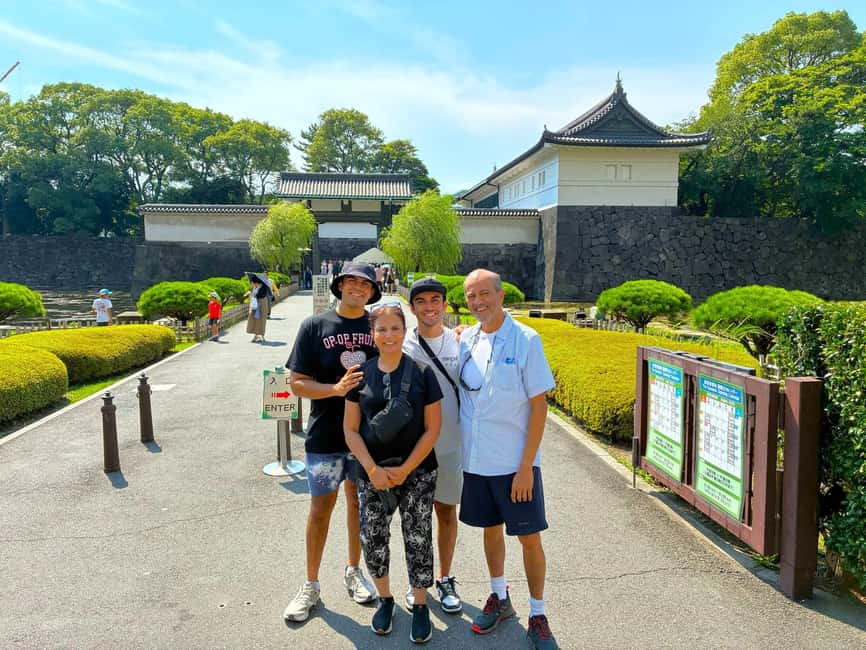
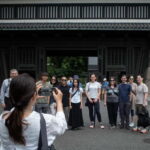
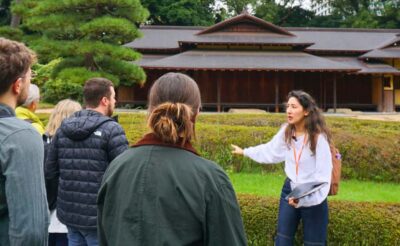
I like tours that start with an obvious place, and this one does. Meet outside the Wadakura Free Rest Area, in front of the entrance, and look for the guide holding a yellow sign. That simple detail saves time in Tokyo, where station exits and street corners can otherwise eat your energy.
From there, your guide sets the tone by linking imperial and shogunal power to the physical layout you are about to see. Even if your knowledge of Edo-period politics is basic, you will get a framework you can carry through the whole route: rulers needed space, water, gates, and controlled access, and each stop you visit is a clue.
Logistically, plan for a focused 2-hour outing. It is not a half-day wander where you stop for long breaks, so treat it like a guided “highway” of history through multiple sites. If you are prone to getting restless on structured walks, you might still enjoy it if you keep your camera handy and use the garden segments as your natural pause points.
One more practical note: the tour is in English and is described as private or small groups. That matters because questions come up naturally when the guide can slow down for you instead of rushing everyone.
Wadakura Fountain National Park and Wadakura Moat, ceremony meets defense
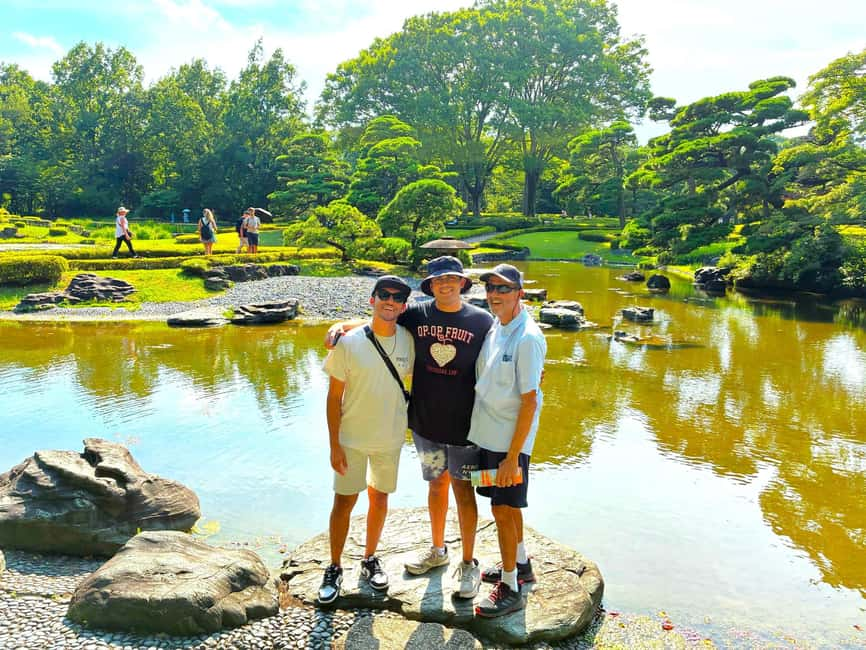
This is where the tour starts feeling more than just sightseeing. You begin at the Wadakura Fountain National Park area with a guided walk-through tied to the story behind the Wadakura Fountain, built to commemorate a royal wedding. That gives you a human hook right away. It is easier to remember a site when you know what it marked in daily life, not only when it was important to rulers.
Then you move to the Wadakura Moat for a shorter guided segment. Even in a compact time window, the moat stop helps you visualize how the castle worked as a system. Moats were not decorative borders. They slowed attackers, forced routes through choke points, and helped protect inner spaces.
Here is what I think you will appreciate as a visitor: the guide connects these features to everyday logic. Water creates delay. Layout creates control. Gates create decisions. When you walk later through Otemon and the gate ruins, the earlier moat explanation stops being trivia and starts being a lens.
The pace is quick, but not rushed. You should still bring water and plan on listening closely at these first two stops, because this is where the tour’s “why this matters” theme takes shape.
Otemon Gate plus the Ote San-no-mon Gate Ruins, built for control
Next comes the dramatic transition from water and open space to strong boundaries. The Otemon Gate stop is brief, but the guide frames it as a grand entrance that mattered because it directed who could go where. In castles and palace compounds, gates are politics made visible.
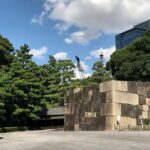
Right after that, you move into the Ote San-no-mon Gate Ruins area. Ruins can feel like just rocks if nobody explains the purpose of the structure, but with a guide, the context changes. You get stories tied to defense and the idea of layered protection, where one gate was only the first lesson in how access was restricted.
A useful way to enjoy these stops is to look for angles. Gates and gate ruins are about lines of sight and movement. Where would someone approach from? Where would defenders stand? The guide’s explanations help you read the space, even if the structures you see are not the full original buildings.
One more thing: the tour is also designed to explain the heritage behind samurai-era defense thinking. It is not just architecture. It is how people defended a place with imperfect information, limited time, and the constant problem of controlling entry.
If your history interest is more casual, you will still get value here because the guide is walking you through cause and effect. If your history interest is deeper, you will probably enjoy how the narrative links shoguns, emperors, and physical space into one consistent story.
Slower gardens, if the schedule allows
- Tokyo: Zen Meditation at a Private Temple with a Monk★ 5.0 · 510 reviews
- Imperial Palace East Garden and Edo Castle Walking Tour in Tokyo★ 5.0 · 510 reviews
- Tokyo: Imperial Palace East Gardens Walking Tour★ 4.8 · 353 reviews
- Tokyo Castle, Imperial Palace, Shogun & Garden Walking Tour★ 5.0 · 211 reviews
- Tokyo Zen Meditation at Private Temple with Monk★ 5.0 · 178 reviews
Guardhouse stops like Hyakunin Bansho, plus why rules mattered
After the gate ruins, the tour shifts toward the people and processes behind castle security. You visit the Hyakunin Bansho Guardhouse area with guided time, and the tour also connects this kind of defensive setup to related guard-related points like Doshin Bansho and other remnants tied to protection.
This segment is worth your attention because guardhouses are a shortcut to understanding how systems worked. You are not just looking at stone. You are imagining roles, schedules, and the constant question of who should be allowed through.
What I like for first-time visitors is that this kind of stop makes samurai history less like a page from a book and more like a practical job with procedures. Even if you cannot picture every detail, you can recognize the pattern: power needs enforcement, and enforcement needs spaces.
The tour stays respectful and clear about what you are seeing. You will not be asked to do homework. Instead, the guide gives you a few solid ideas and then points out what in front of you supports those ideas.
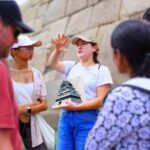
Because the stop timing is short, keep your questions ready. If something feels confusing, ask. In feedback, guides like Isao and Mari-san were praised for taking questions and making the story connect better for the group.
Edo Castle Ruins and the Honmaru zone, where scale clicks
Now you get into the heart of why the route works: the Edo Castle Ruins segment. This is where the tour starts to feel like you are standing in the shell of something bigger. The guide explains how the defenses and layout supported the role Edo Castle played as a center of power.
Then comes the site of Edo Castle Honmaru (Main Hall). This area includes an Edo Castle keep restoration model, which helps a lot if you are the type who needs to see the “before” shape to understand the “after” ruins. Even without entering closed-off interiors, you can still form a mental model of what the keep area was meant to be.
You will also get panoramic views from the Tenshu-dai zone. Views are more than a photo moment here. They help you grasp the scale of the compound and the surrounding area, which makes the earlier gate and moat logic feel real. You will see why controlling access and controlling sightlines mattered.
One practical note: ruins and view points can mean uneven surfaces. Stick with comfortable shoes, and take it slow for a minute at transitions. The tour duration is short enough that you will feel every stop, so you want your feet ready.
If you are expecting a full indoor reconstruction experience, you might be disappointed, but that is not what this tour promises. The strength is in how it uses models, viewpoints, and short explanations to get you to that understanding quickly.
The Prefectural Trees and Suwa Tea House stops, small but purposeful pauses
Between the big historical segments and the gardens, you pass two quieter named stops: 都道府県の木 (Prefectural Trees) and 諏訪の茶屋 (Suwa Chaya). These are not the headline features like Otemon or Ninomaru, but they add rhythm.
I like that because it breaks the history intensity. You are still in the Imperial compound area, still in the context of place and tradition, but you get moments that feel more like part of the lived environment rather than only a battlefield diagram.
If you are the type who likes details, the guide can help connect these points to the idea that the grounds are not frozen in time. They are part of how Tokyo preserves and interprets the past in a space people can experience.
If you are rushing and only focused on the major stops, these segments can feel brief. The best approach is to use them as orientation and rest, then refocus when you transition into the gardens.
Imperial Palace East Gardens and Ninomaru Garden, the calm payoff with koi
After the castle-focused history, the tour shifts into Imperial Palace East Gardens. This is where your pace softens. The guided time here gives you a different kind of appreciation: not the defensive logic, but the landscaped design that supports quiet movement and reflection.
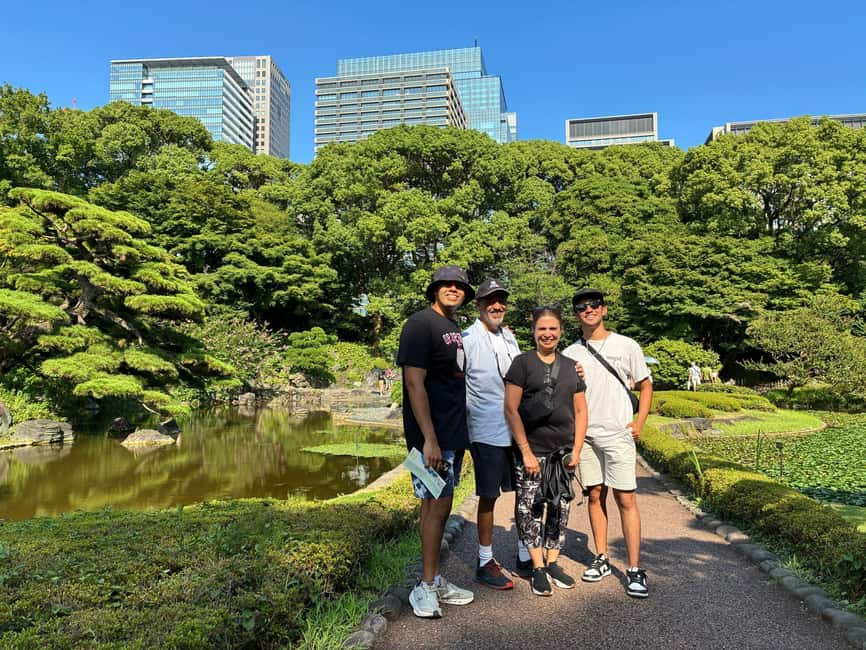
Then you end with Ninomaru Garden, including time to enjoy the pond and see koi fish. This is the stop that tends to make people exhale. It is not just a pretty view. It is a sensory contrast after gates, ruins, and models.
If you like gardens, you will understand immediately why this is the right way to finish. Gardens are part storytelling, part atmosphere. The guide helps you notice what you might otherwise gloss over, like how the garden layout guides where you look and how long you stay with each view.
For many visitors, this is also where the tour feels most memorable. You leave with images of stone and reconstructed shapes, yes, but you also leave with a gentler mental picture, koi swirling in a pond while the city hums outside.
Keep your camera ready, but remember the rules: no flash photography. Quiet moments in Japanese gardens feel right when you respect the space.
Price, time, and whether this tour is good value at $37
At $37 per person for about 2 hours, the value is mainly in the pairing: Edo Castle ruins plus the Imperial Palace East Gardens, with a live English guide and admission. You are not just paying for entry tickets. You are paying for someone to explain what the spaces mean so the walk becomes more than a photo loop.
The price also makes sense for time efficiency. Two hours in Tokyo is not a lot, and transportation across multiple sites could stretch your day. This tour is designed to bundle the key points into one guided route with short stops that keep momentum.
What you should weigh is what is not included. You are not getting hotel pickup or drop-off, and you are not getting palace building entry because those are not open to the public. If your dream is to step inside the main palace halls, this is not that tour. If your dream is to understand the grounds, the gardens, and the former castle layout through guided storytelling, it fits well.
Because the group is private or small, it is also easier to ask questions without feeling rushed. That can be the difference between collecting facts and leaving with a story you remember.
Who should book this tour, and who might prefer DIY
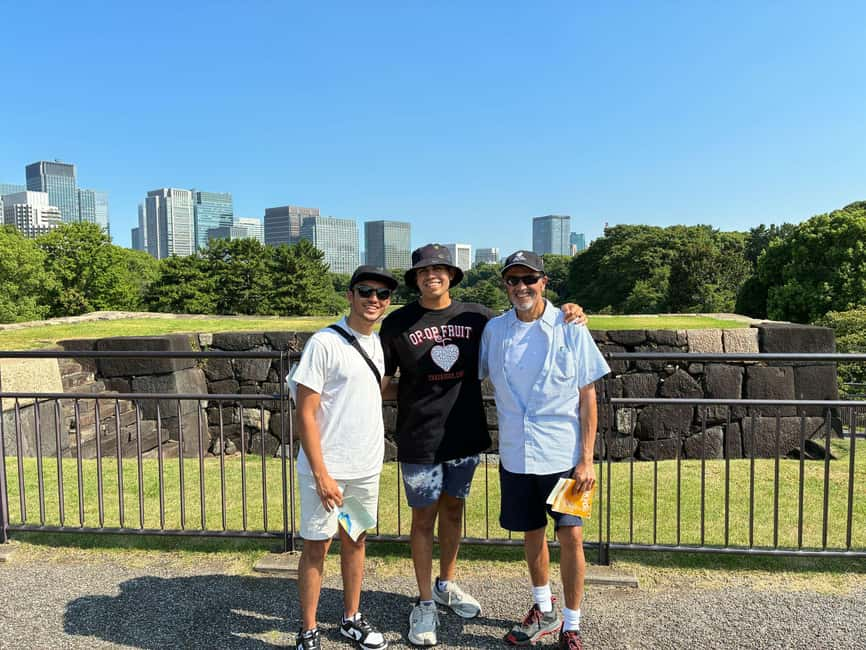
This tour is best for you if you want a structured introduction to Tokyo power history without spending the day sorting clues on your own. It works especially well if you enjoy guided explanation and you like being shown where to look, how to interpret ruins, and why a fountain or moat matters.
It is also a strong choice if you want an easy morning or afternoon plan. You get a meeting point that is easy to find, a tight route, and a garden payoff at the end. That rhythm is friendly for people who do not want to over-plan.
I would think twice if you are a wheelchair user or you have mobility impairments, since the tour is not suitable for those needs. It is also not suitable for children under 6, so families with younger kids may need a different option.
For DIY travelers, you might find the grounds approachable on your own. But you would be missing the quick, guided connections between shoguns, emperors, and the layout logic of gates, guardhouses, and defensive structures.
Should you book this Tokyo Edo Castle and Imperial East Gardens tour?
If you want a 2-hour guided orientation that combines Edo Castle ruins with the Imperial Palace East Gardens, I think this is a smart booking. The value is in how the guide turns ruins and gardens into an understandable story, and the end point with Ninomaru Garden and koi makes it feel satisfying, not rushed.
Book it if you like practical history, short stops with meaning, and a calm finish. Skip it if your main goal is entering the closed palace buildings, because this tour focuses on gardens and historical remnants on the accessible grounds.
If you do book, wear comfortable shoes, bring a camera, and keep your questions ready. The guide time is short, and a good question can turn one stop from scenery into understanding.
FAQ
Where is the meeting point?
Please meet outside the Wadakura Free Rest Area, in front of the entrance. The guide will be waiting holding a yellow sign.
How long is the tour?
The tour lasts about 2 hours.
Is this tour in English?
Yes. The live tour guide provides English.
What can I enter in the Imperial Palace area?
You are unable to enter the inner grounds of the Imperial Palace, and the tour focuses on the East Gardens and historical ruins rather than the palace buildings, which are not open to the public.
What is included in the price?
The tour includes a live tour guide, admission to Edo Castle and the Imperial Palace, and a commemorative photo opportunity.
What is not included?
Hotel pickup and drop-off, food and drinks, and personal expenses are not included. Entry to the Imperial Palace palace buildings is not included because they are not open to the public.
What should I bring, and what rules do I need to follow?
Bring comfortable shoes, a camera, and water. Smoking is not allowed, and flash photography is not allowed.
Gardens Worth Slowing For

Central Tokyo Landmarks



Newest Tokyo write-ups from the Loving Japan desk






Tokyo Tower, Ginza and the Imperial Palace, side by side.
 ★ 5.0Flagship 2-Hours Official Street Go-Kart Tour – Tokyo Bay ShopFrom $644,974 reviews
 ★ 4.6Tokyo Tower: Admission TicketFrom $93,661 reviews
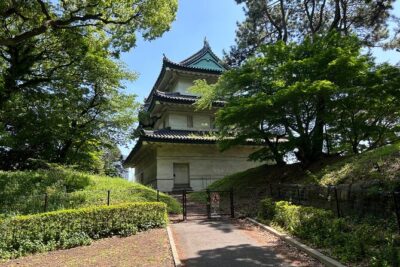 ★ 5.0Imperial Palace and Shogun Historical Walking TourFrom $222,251 reviews
 ★ 4.7Meiji Shrine, Asakusa, Skytree Bus Tour and CruiseFrom $1221,986 reviews
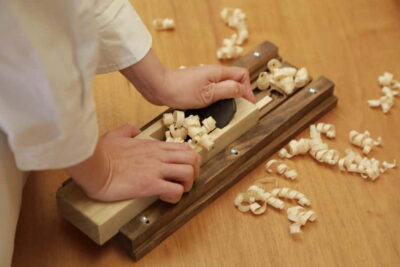 ★ 4.8Chopstick Making Workshop in GinzaFrom $251,366 reviews
 ★ 4.5Tokyo Panoramic 1 Day: Meiji Shrine, Asakusa, Odaiba and SKYTREE®From $851,222 reviews
 ★ 4.9Imperial Palace Japanese History Walking TourFrom $32987 reviews
 ★ 4.9Imperial Palace and Shogun Walking TourFrom $16935 reviews
Filed on these lists too