

REVIEW · WORKSHOPS
Tokyo: Edo Kiriko Traditional Glass Carving Class
Asakusa glasswork teaches your hands fast. This Edo Kiriko class is interesting because you get to choose your color and pattern and then carve with real traditional techniques, guided in a patient, English-friendly way. The one catch is that precision matters, so your first attempts may look a bit crooked until the instructor fine-tunes your cuts.
I like how the workshop keeps things practical. You spend 90 minutes in a quiet space above or near a glass shop, not bouncing around town. And since Sokichi is a 30-second walk from Asakusa Station, you can build this into a normal Asakusa day without stress.
You also leave with an actual keepsake, not just a photo. Edo Kiriko has more than 180 years behind it, and the class focuses on making something you can hold and use or display at home. One consideration: transportation is on you, so plan to arrive on foot or by train and short walk.
In This Review
- Key points to know before you go
- Why Edo Kiriko carving feels different from other Tokyo workshops
- Meeting Sokichi near Asakusa Station, the simplest part of the day
- Picking your glass and patterns, where your artwork starts
- How the 90-minute class works, step by step
- What instruction feels like, especially if you are nervous
- Value and price, why $30 makes sense in Tokyo
- What to bring and how to prep for smooth carving
- Where this fits in your Asakusa day
- Who should book this Tokyo glass carving class
- Should you book Edo Kiriko in Asakusa?
- FAQ
- How long is the Tokyo Edo Kiriko glass carving class?
- Where is the meeting point?
- Is transportation included in the price?
- What is included in the class price?
- What should I bring with me?
- What languages are available for instruction?
Key points to know before you go

- Choose your look upfront with clear and colored glass options, including blue, pink, and yellow.
- Practice first before your final carving, so you are not guessing with your good design.
- Small-group support keeps the teacher close enough to correct mistakes quickly.
- Beginner to expert levels are available, so you can match the challenge to your comfort.
- Easy Asakusa location starts at Sokichi, just a short walk from Asakusa Station.
Still weighing up options in Tokyo? These are the ones our reviewers rated highest.
- Mt Fuji and Hakone 1-Day Bus Tour Return by Bullet Train
★ 5.0 · 26,383 reviews - 1-Day Tokyo Bus Tour
★ 5.0 · 14,250 reviews - Tokyo: teamLab Planets TOKYO Digital Art Museum Entry Ticket
★ 4.6 · 9,779 reviews - Mt Fuji & Hakone Cruise, Drum Show Bullet Train 1 Day from Tokyo
★ 4.0 · 7,413 reviews
Why Edo Kiriko carving feels different from other Tokyo workshops
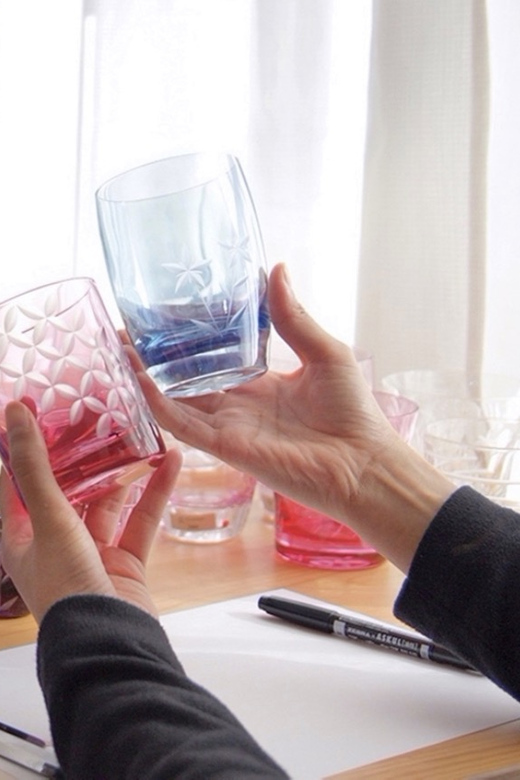
Edo Kiriko is a traditional Japanese craft built around cutting and carving glass so patterns catch the light. It has been around for more than 180 years, and the workshop is designed to teach you the same basic ideas in a way that fits a visitor schedule. You are not watching from a chair. You are doing the work.
What makes it special for me is the balance. You get structure and guidance, but the final piece still reflects your choices. You select the glass type and the pattern, then the instructor helps you translate that design into accurate cuts. It is the kind of hands-on activity that turns a novelty afternoon into a real skill you can feel in your fingertips.
Meeting Sokichi near Asakusa Station, the simplest part of the day
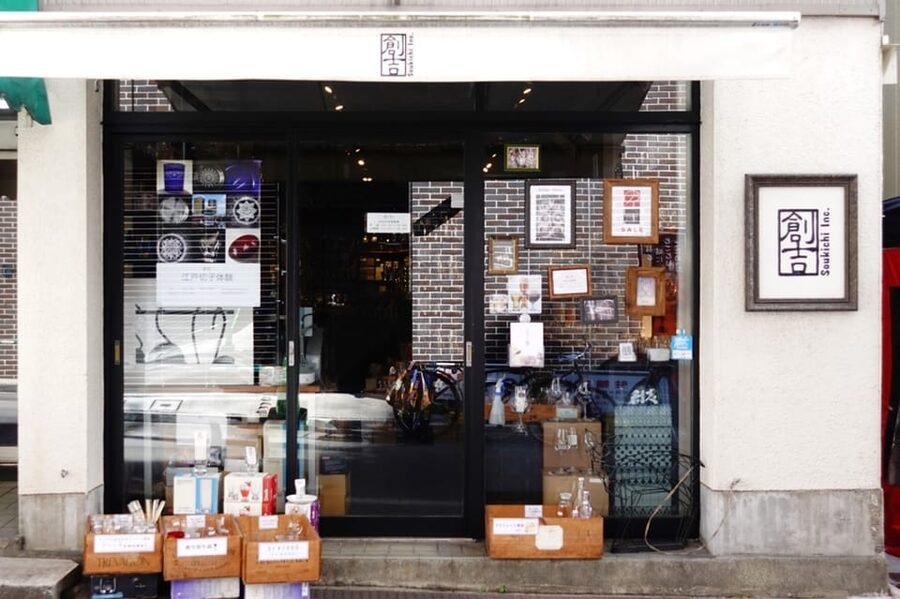
The meeting point is Sokichi. The shop is about a 30-second walk from Asakusa Station, so you do not need a scavenger hunt with multiple transfers. When you arrive, talk to the staff member and they will escort you to the room for the class.
In practice, the location works well with nearby sights. You are also close to major landmarks in the Asakusa area, including Senso-ji and the Skytree, so this fits nicely before or after sightseeing. One common pattern here is: you show up, you get guided inside quickly, and you start the class without waiting around forever.
Picking your glass and patterns, where your artwork starts

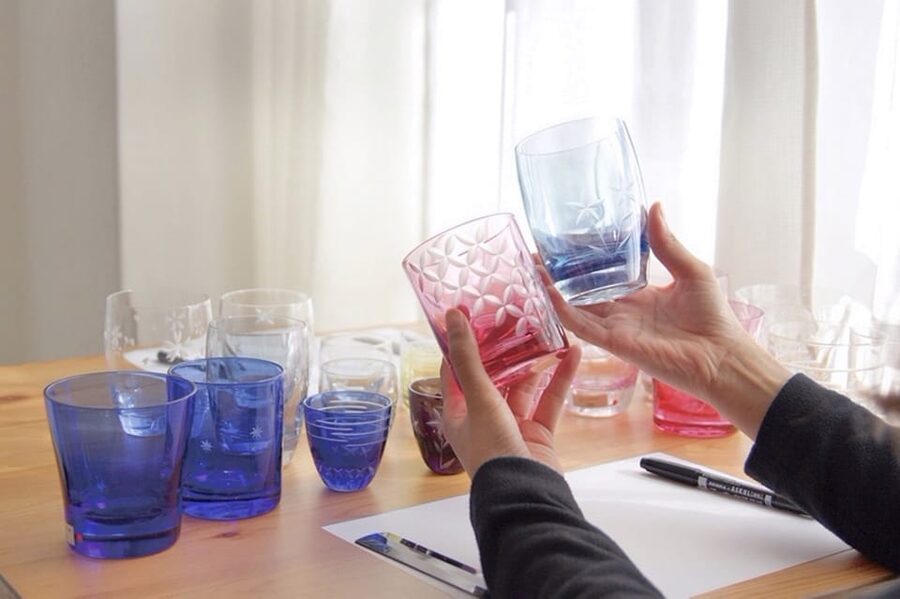
This class lets you choose your design right away. You can select from more than 20 types of glass and dozens of pattern samples, which means you are not stuck with one generic template. The course includes six types of clear and colored glass, with colored options in blue, pink, and yellow.
This choice matters more than it sounds. Glass color changes how the carved lines reflect. Clear glass can look crisp and airy. Colored glass can feel deeper and moodier, because the cut areas interact with the color underneath. The instructor also talks about how different designs look on different glasses, so you are making an informed choice, not just picking what looks pretty.
If you are worried about being too beginner or too picky, do not. You can choose a beginner level or an expert level, and the teacher can help adjust your approach as you go. You will still make something original, but the class should meet your skill level.
- Mt Fuji and Hakone 1-Day Bus Tour Return by Bullet Train★ 5.0 · 26,383 reviews
- 1-Day Tokyo Bus Tour★ 5.0 · 14,250 reviews
- Tokyo: teamLab Planets TOKYO Digital Art Museum Entry Ticket★ 4.6 · 9,779 reviews
- Mt Fuji & Hakone Cruise, Drum Show Bullet Train 1 Day from Tokyo★ 4.0 · 7,413 reviews
- Tokyo: Shinjuku Food Tour (13 Dishes at 4 Local Eateries)★ 5.0 · 6,603 reviews
How the 90-minute class works, step by step
The format is built to move at a visitor-friendly pace. You are in the room for the full 90 minutes, and the time tends to feel quick because you are doing more than one task.
Here is the flow you can expect:
- Orientation and practice
You start with simple practice cuts. One popular approach is practicing shapes first, so you get the feel of the tool and the glass surface before committing to your real pattern.
- Select your glass and finalize your design
Once you have the feel, you pick the glass you want to work with and lock in your pattern from the sample options. This is where your preferences take over: you choose the look, and then you learn how to translate it into cuts.
- Carving with traditional technique
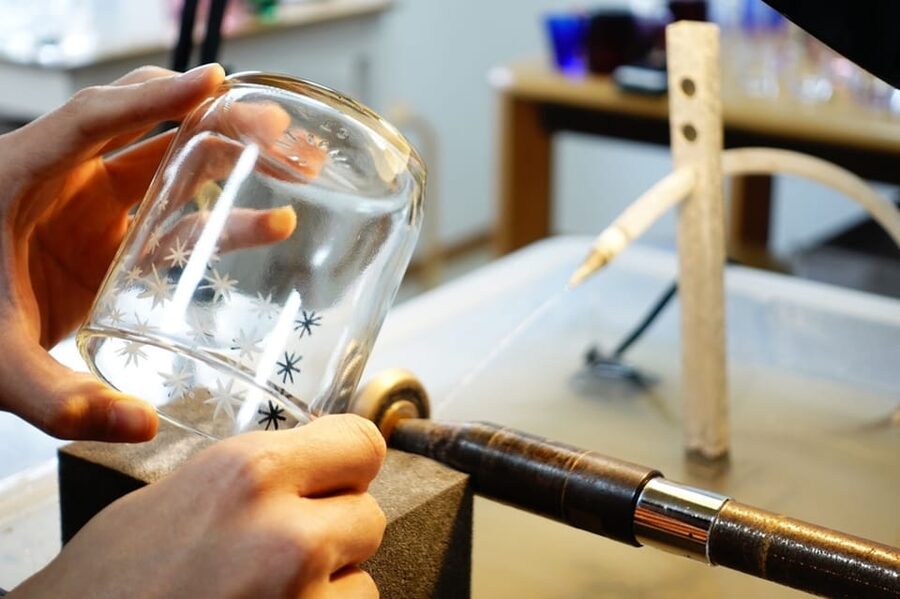
With a lecturer by your side, you cut the glass using traditional methods. The carving itself is straightforward in concept. The tricky part is accuracy, meaning the steadiness of your line and how evenly you control the cuts.
- Instructor refinements as you work
The teacher stays close and helps correct issues as they appear. In one case, the instructor refined crooked etching lines, and the student still walked away with something they created themselves.
- Finish and take your piece home
By the end, you have a finished Edo Kiriko glass artwork to take home. Many people leave with a standout keepsake. Some classes may allow you to make more than one item depending on your pace and the session style, but the core promise is one original glass carving.
What instruction feels like, especially if you are nervous
I like that the instruction is both calm and direct. Reviews consistently point to instructors who are patient and helpful, and the guidance is especially strong for people who do not already have steady hands with carving tools.
The biggest practical win is that you get to practice first. That reduces the pressure to perform perfectly right away. When you are learning something hands-on, that first test run is everything.
Language support is also built in. The class offers instruction in English and Japanese, and the teacher’s explanations are clear enough that you can focus on the technique, not on translating in your head. If you want that extra assurance, aim for a time slot where you can take your time during the practice phase, because that is when you learn how the glass behaves under your tool.
Value and price, why $30 makes sense in Tokyo
At around $30 per person, this is a hands-on craft class that competes well with other Tokyo experiences. The value is not just the materials. The real value is the combination of:
- you pick your design and glass color
- you get close instruction during carving
- you take home something you made yourself
Tokyo has no shortage of workshops, but many are either too short to learn, or too “show-and-tell” to feel rewarding. Here, the 90-minute timing gives enough room to get both practice and a finished piece. And because the class is nearby in Asakusa, you are not spending a bunch of time traveling just to do one activity.
What to bring and how to prep for smooth carving
You only have one clear requirement: bring a hair tie. That is it. Still, you can prepare a little mentally.
Carving glass is physical work. You need steady focus. If you are tired from a long day of walking, consider scheduling this when you still have good energy. Also plan to arrive a few minutes early so you can settle in and start right away.
If you want the best chance of a satisfying result, choose a design that matches your comfort with precision. The instructor can help, but your first goal is to learn control. After that, you can go bolder with pattern complexity.
Where this fits in your Asakusa day
This class is a smart add-on because it sits in a classic Tokyo neighborhood. You can pair it with Asakusa sightseeing, then head to Sokichi for a quieter activity away from the busiest streets. It also works well if you want one day with more “make” than “look.”
A good rhythm looks like this:
- Morning or afternoon Asakusa walk and temple time
- Glass carving class at Sokichi
- Finish the day with a nearby snack or shopping stop
Because transportation is not included, build your day around getting to Asakusa Station first. Once you are there, the walk to the shop is brief and straightforward.
Who should book this Tokyo glass carving class
Book this if you want a memorable Tokyo souvenir that is also tied to a real craft. It is ideal for:
- couples or solo travelers who like hands-on learning
- anyone who wants an Asakusa activity that feels calm and focused
- people who care about making something beautiful with their own hands, even if they are beginner-level
It is also a great pick if you worry about technique. The class supports different levels, and the instructor can help correct small problems early so you do not spiral into frustration.
If you are the type who hates sitting still, this may feel different in a good way. You are actively carving, so you are not stuck in a lecture. But you do have to stay attentive. This is not a multitask activity.
Should you book Edo Kiriko in Asakusa?
I would book it if you want a craft experience with real instruction and a finished take-home piece. The price is reasonable for Tokyo, the location is easy from Asakusa Station, and the practice-first approach removes a lot of beginner anxiety.
Go for it if you want the kind of souvenir that actually tells a story, because your choice of glass color and pattern becomes part of the final look. If you want the safest route to enjoyment, pick a design you like and be ready for the accuracy part to take a few minutes to click. Once it does, this becomes one of those rare workshops that feels genuinely satisfying.
FAQ
How long is the Tokyo Edo Kiriko glass carving class?
The class runs for 90 minutes.
Where is the meeting point?
Start at Sokichi. The store is about a 30-second walk from Asakusa Station. Staff will escort you to the room for the class.
Is transportation included in the price?
No. Transportation is not included.
What is included in the class price?
Included items are the glass carving class, a lecturer, and colored glass.
What should I bring with me?
Bring a hair tie.
What languages are available for instruction?
Instruction is available in English and Japanese.
Newest Tokyo write-ups from the Loving Japan desk



Workshops, side by side.
 ★ 5.0Sushi Making Tokyo Roll and Authentic Japanese Sushi ClassFrom $593,971 reviews
 ★ 4.345-Minute Tea Ceremony Lesson ExperienceFrom $222,378 reviews
 ★ 4.9Roll and Authentic Sushi Making Class in AsakusaFrom $581,957 reviews
 ★ 5.0Ramen Cooking Class at Ramen Factory in KyotoFrom $1311,937 reviews
 ★ 5.0Tokyo Shinjuku Chopsticks Making ClassFrom $201,763 reviews
 ★ 4.9Sushi Making Class in a Happi Coat near a Famous SpotFrom $421,377 reviews
 ★ 4.8Chopstick Making Workshop in GinzaFrom $251,366 reviews
 ★ 5.0Sushi Making Osaka Roll and Authentic Japanese Sushi ClassFrom $311,220 reviews
Filed on these lists too