
REVIEW · JAPANESE GARDENS AND ZEN MEDITATION
Tokyo: Hama-rikyu Gardens tour with Japanese Tea & Sweets
A garden and tea, in 90 minutes. Hama-rikyū Gardens makes that time count with an Edo period setting plus clear guide-led stops that explain what you are actually looking at. I love how the walk is shaped around key design ideas like the Karesansui dry landscape garden, so the scenery feels meaningful, not random.
Next up is the tea room, where a calm matcha break turns the garden lessons into a real Japanese ritual. I like the mix of history and nature views, plus the chance to enjoy seasonal plants and trees at a relaxed pace. One possible drawback: with guided time and a full tea session, you get less free wandering than on a self-guided visit.
In This Review
- Key points worth knowing
- Hama-rikyū Gardens: why this Edo-era stop feels practical
- Where to start and how the walk lands near Shiodome
- The 30 minutes of guided walking: what your guide is really doing
- Karesansui and Kaiyushiki: seeing the design, not just the scenery
- Seasonal plants and trees: what changes, and why you should care
- Matcha and sweets in the tea room: the calm payoff
- It is a walking tour, so pack for comfort
- Small group size and English guide: the value of not being rushed
- Price and value: is $85 per person fair for 90 minutes?
- Photo stops and pacing: how to enjoy it without turning it into a chore
- Who should book this garden and tea tour?
- Should you book this Hama-rikyū Gardens tour?
- FAQ
- How long is the Hama-rikyū Gardens tour with Japanese tea and sweets?
- Is there a guide during the garden portion?
- What is included in the tour fee?
- What parts of the gardens are highlighted?
- Where does the tour start and end?
- How large is the group?
- What language is the tour conducted in?
- Is the tour a walking experience?
- Can I cancel for a refund?
Key points worth knowing
- Edo period setting with design features you can spot as you walk
- Karesansui dry landscape garden and the Kaiyushiki circular garden as highlight stops
- English live guide in a small group of up to 4, so questions are easy
- Matcha green tea and Japanese sweets included, not an add-on
- Tea ceremony room experience inside the garden for a slower, calmer finale
- Comfortable walking shoes are recommended for the garden stroll
Slower gardens, if the schedule allows
- Tokyo: Zen Meditation at a Private Temple with a Monk
★ 5.0 · 510 reviews - Imperial Palace East Garden and Edo Castle Walking Tour in Tokyo
★ 5.0 · 510 reviews - Tokyo: Imperial Palace East Gardens Walking Tour
★ 4.8 · 353 reviews - Tokyo Castle, Imperial Palace, Shogun & Garden Walking Tour
★ 5.0 · 211 reviews
Hama-rikyū Gardens: why this Edo-era stop feels practical
Tokyo has plenty of gardens, but Hama-rikyū has a specific charm. It began in the Edo period, so you get that older garden logic, where paths, sightlines, and rock or pond ideas all play a role in how you experience the space.
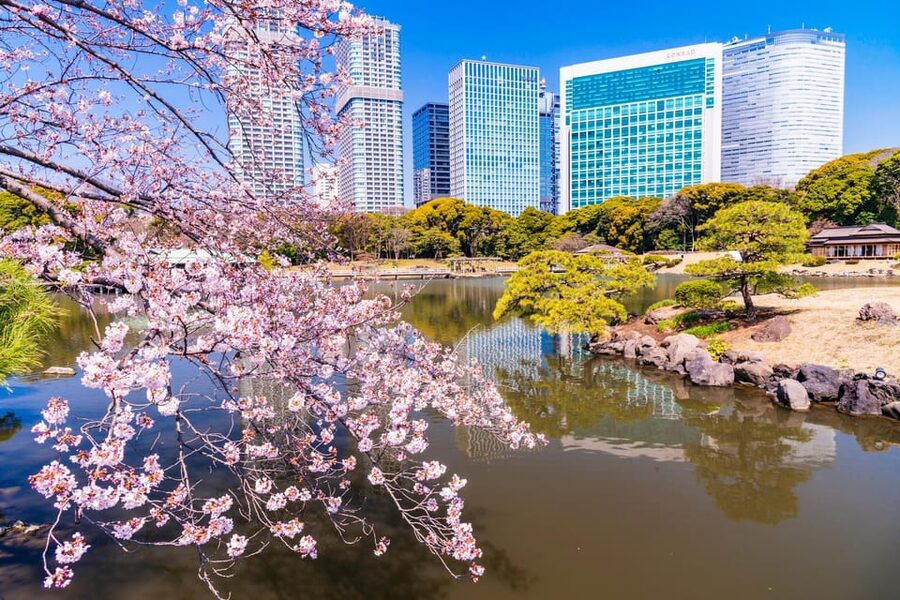
What makes it especially useful on a tour is the way the highlights are taught. Instead of just strolling, you learn how a dry landscape garden (Karesansui) works, and how the Kaiyushiki circular garden changes the feel as you move. That turns photos into something more satisfying because you understand why each view lands the way it does.
Where to start and how the walk lands near Shiodome
This tour uses two starting options, with the main meeting point listed as 大手門橋 (Otemon Bridge), and then you exit at 汐留駅 (Shiodome Station). Meeting points can vary by option, so check your exact booking details before you head out.
I like that the ending point is Shiodome, because it is a convenient area to connect back into your Tokyo day. You can treat this as a tidy mid-day reset: a short culture focus, then you move on without a long commute back to where you started.
The 30 minutes of guided walking: what your guide is really doing
The tour starts with a guided garden walk of about 30 minutes. That time is short on purpose, because it keeps you from getting lost in a maze of plants without context. The guide explains the garden’s background and the thinking behind its design, then points out the specific features you came for.
The best part is the pacing. You get enough time to orient your eye, then you can slow down during the tea portion when everything is quieter. If you’ve ever stood in a garden and thought, Okay, cool plants, what am I supposed to notice, this format is designed to fix that feeling fast.
Also, the group is small, limited to 4 participants. That matters. In a larger group, guides have to speak to the average listener. In a tiny group, explanations can land on what you are actually curious about.
- Mt Fuji and Hakone 1-Day Bus Tour Return by Bullet Train★ 5.0 · 26,383 reviews
- 1-Day Tokyo Bus Tour★ 5.0 · 14,250 reviews
- Tokyo: teamLab Planets TOKYO Digital Art Museum Entry Ticket★ 4.6 · 9,779 reviews
- Mt Fuji & Hakone Cruise, Drum Show Bullet Train 1 Day from Tokyo★ 4.0 · 7,413 reviews
- Tokyo Mt Fuji 5th St & Hakone Cruise Bus Tour w/Bullet Train★ 4.4 · 5,024 reviews
Karesansui and Kaiyushiki: seeing the design, not just the scenery
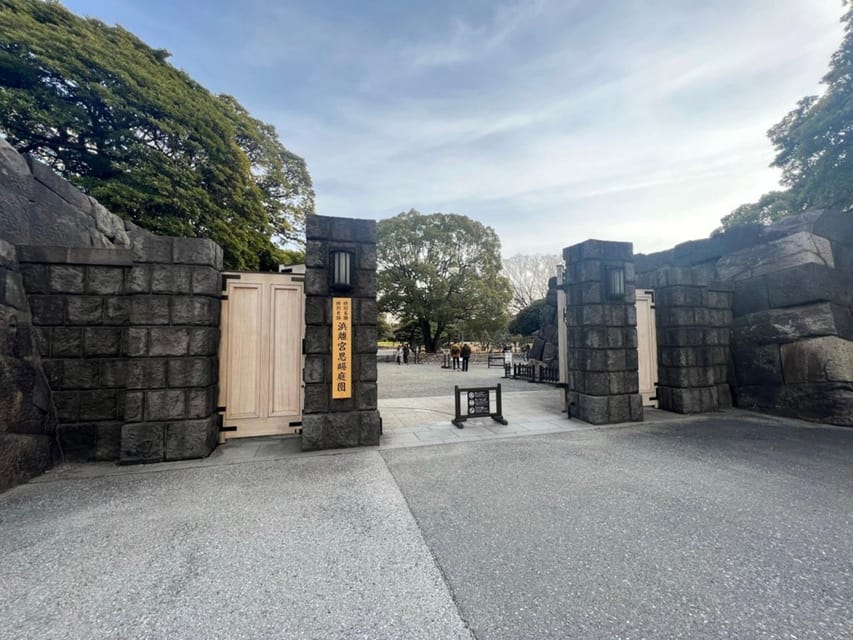
Hama-rikyū includes two major highlight styles: the Karesansui dry landscape garden and the Kaiyushiki circular garden. Even if you have zero background in garden design, your guide’s job is to translate those terms into what you can observe right there in front of you.
Karesansui is often misunderstood as rocks plus sand. The point is the controlled feel: the arrangement suggests water or movement in a stylized way, so your eye follows the composition like it is telling a story. When you understand that, it becomes less like a decorative feature and more like a mindful way of looking.
Then there is Kaiyushiki, the circular layout. The circular design encourages a rhythm to your movement and your viewing. As you shift position, the garden’s feel can change, even if you are not walking far. This is a good reminder that Japanese garden design often cares about how you experience space over time, not just how it looks from one postcard angle.
Seasonal plants and trees: what changes, and why you should care
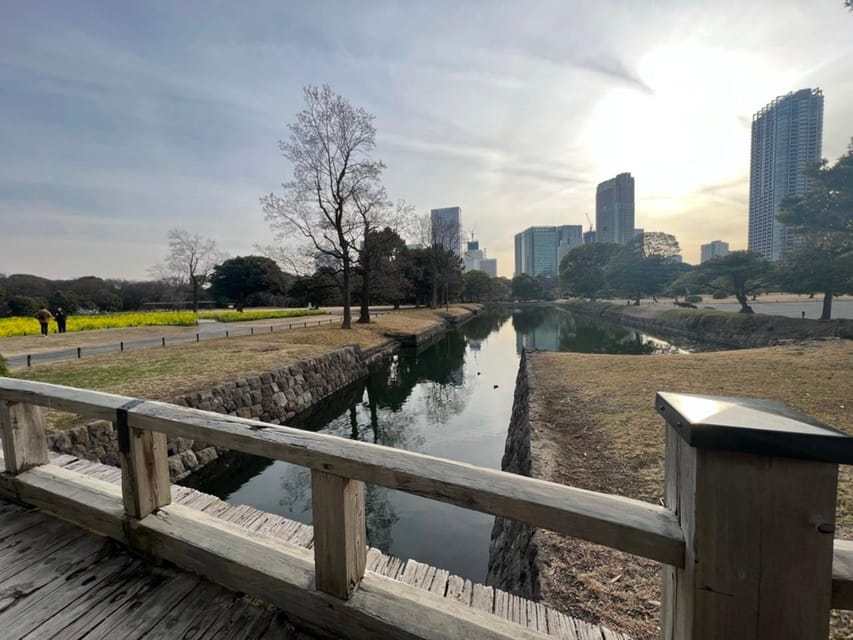
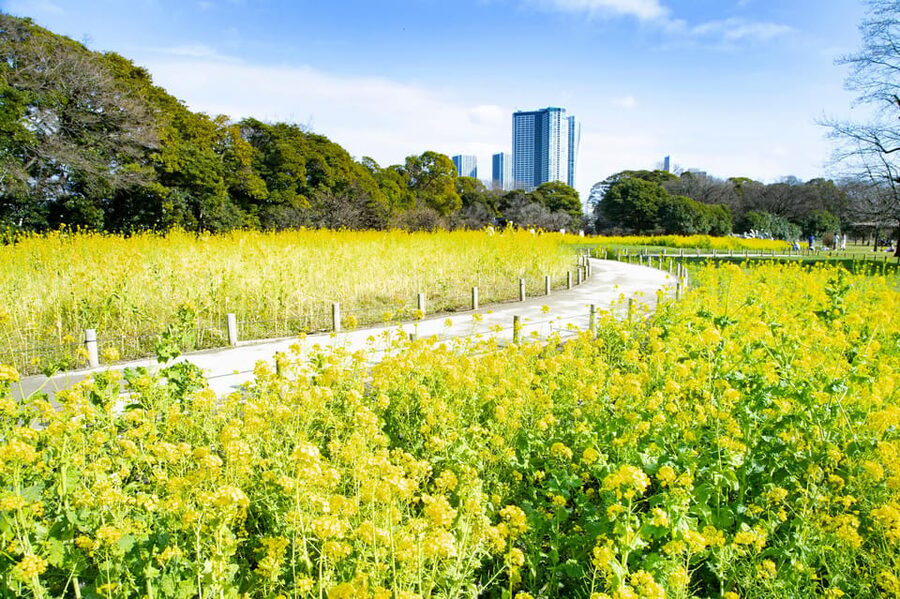
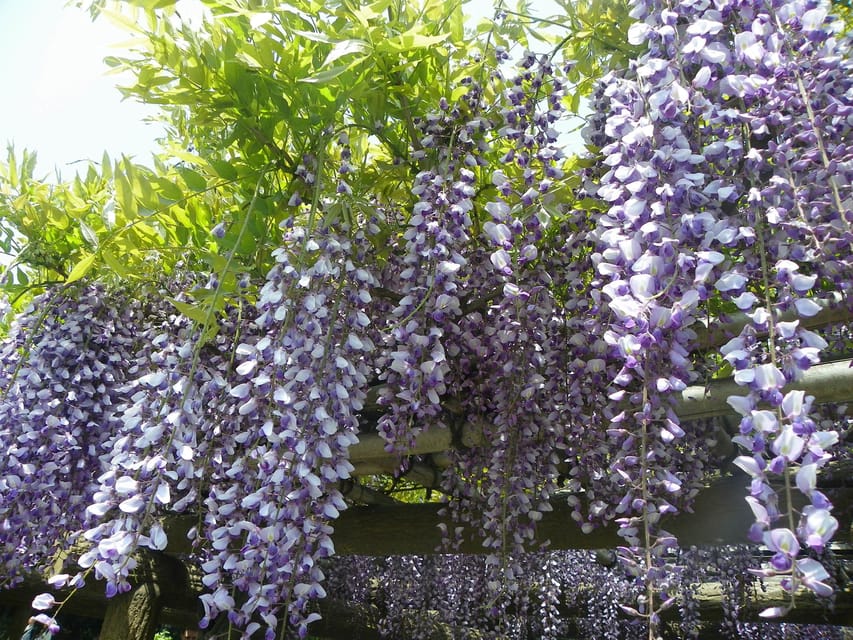
One of the garden’s selling points is that its beauty changes with the seasons. That is not just a poetic line. In practice, it means the same paths can feel different depending on what is blooming, what is turning color, and what the light is doing that day.
If your Tokyo trip overlaps with a seasonal highlight, you will feel it immediately. If it does not, you can still enjoy the garden because the structure and design elements remain the backbone of the experience. That is why the tour works year-round. You are not relying only on flowers.
I also like that your guide helps you notice the plant and tree character in a way that connects to garden design thinking. You start to see the garden as a planned composition, not a random collection of greens.
Matcha and sweets in the tea room: the calm payoff
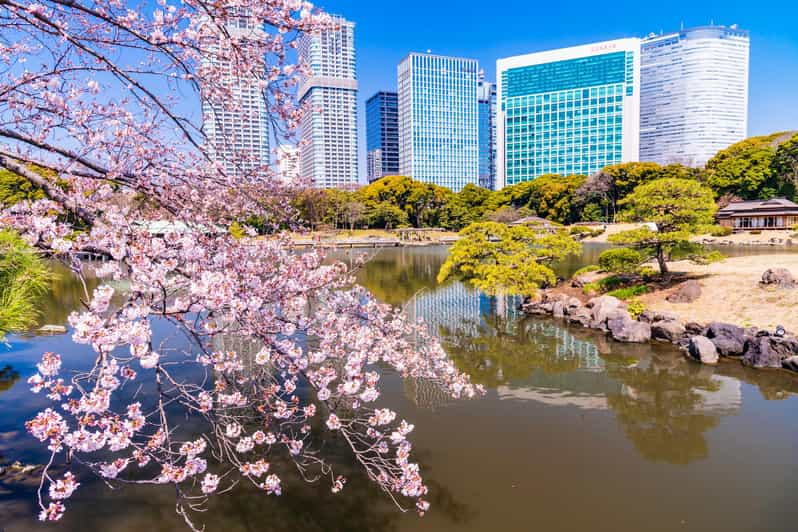
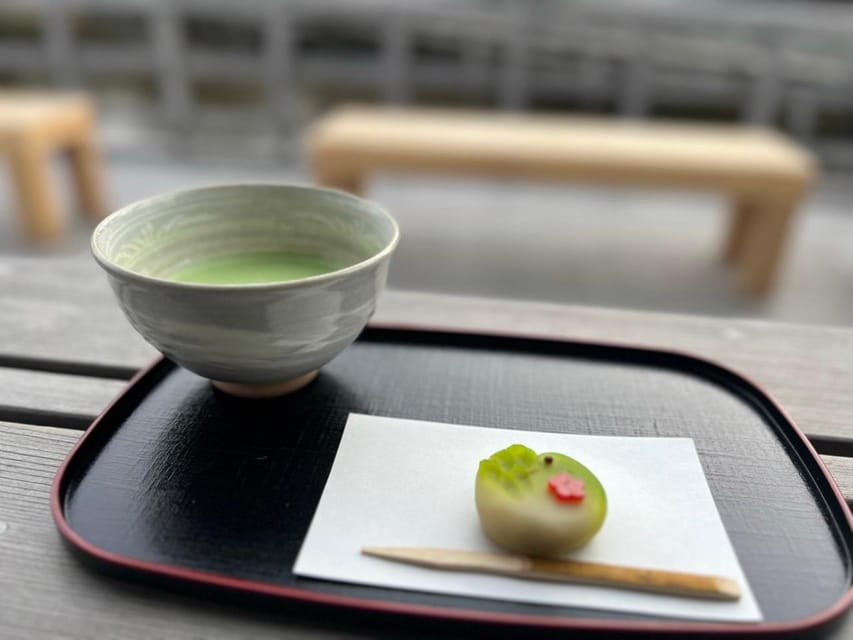
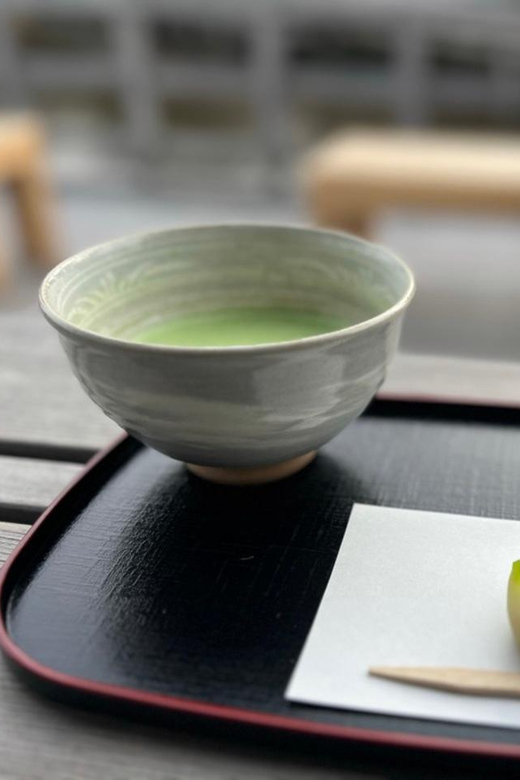
After the garden walk, you move into the tea ceremony room within the garden. The tea portion lasts about 1 hour, and matcha green tea and Japanese sweets are included in the tour price.
This is a smart pairing. The garden gets you into a slower, observant mindset, and then the tea room reinforces that with a more ritual pace. You are not rushing out right after taking photos. You sit, you taste, and you let the earlier explanations settle.
If you like matcha, you will probably enjoy this part even more because it is not just a beverage stop. It is integrated into the garden visit, so the flavor and the setting feel connected. And if matcha is new for you, this format is a gentle way to try it without turning the experience into a complicated lesson.
It is a walking tour, so pack for comfort
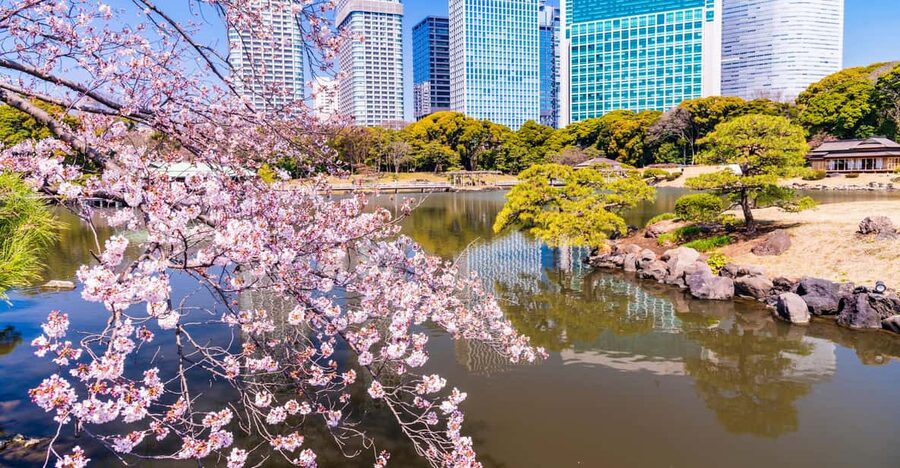
This is a walking tour in the garden. You are specifically recommended to wear comfortable walking shoes, and I agree. Gardens can be deceptively uneven, and you will want sure footing so you can focus on the design details your guide is pointing out.
If you are the type who wears stylish shoes even on long days, this is one time where comfort should win. Your feet will thank you, and your brain will have less distraction.
Small group size and English guide: the value of not being rushed
The tour is listed as English with a live guide, and the group is capped at 4. That combination tends to create a better experience than you get with bigger groups. You can ask about what you are seeing, and you can get clarification when something is confusing, like how dry landscape design is meant to suggest other elements.
From the quality of the guide experiences, the main pattern is consistent: people appreciated the explanations, and they were happy to have history and garden culture tied to real viewing. Guides named in feedback include Ayaku, Hiro, and Mr. Ito, and the common thread is that they make the garden easier to understand instead of just reciting dates.
Even if your Japanese is limited, an English guide in a small group is a big help. You are not stuck guessing what a feature is or why it is there.
Price and value: is $85 per person fair for 90 minutes?
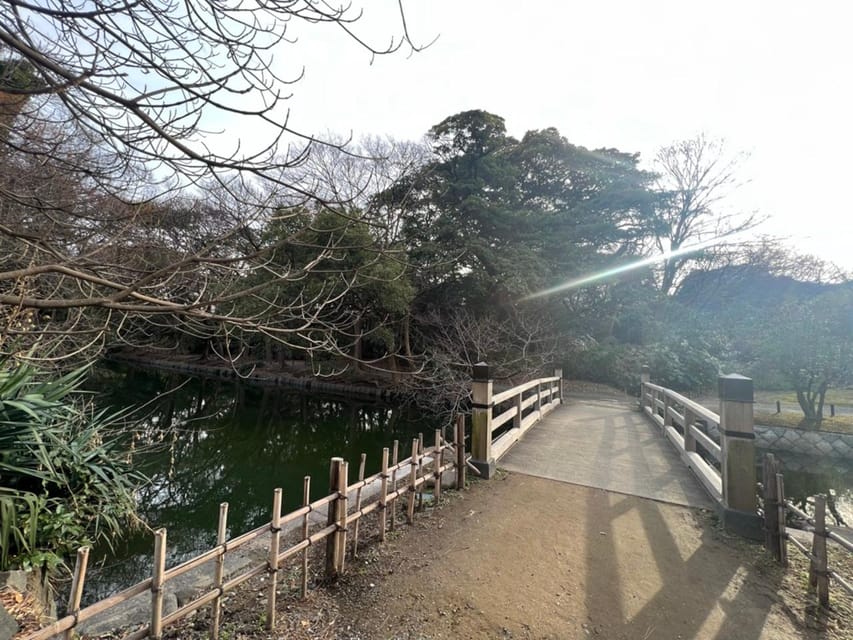
The price is $85 per person for about 90 minutes, with the guided garden walk and the tea ceremony included. That sounds like a short window, but the structure is efficient: about 30 minutes of guidance, then about 60 minutes to enjoy the tea session in the garden’s calm setting.
Where the value shows up is in what’s included and what you avoid. You avoid paying separately for tea and sweets during the visit. You also avoid spending your limited garden time trying to decode design terms on your own. In other words, you pay for translation and pacing, not just entry into a pretty place.
If you already feel confident reading Japanese garden design on your own, you might skip a guided format. But if you want your photos to mean something and you want a smoother way to understand Karesansui and Kaiyushiki, this is a straightforward way to get it without turning your afternoon into a research project.
Photo stops and pacing: how to enjoy it without turning it into a chore
I recommend treating your garden time like a sequence of short pauses. When your guide highlights the Karesansui and Kaiyushiki features, take your pictures after you understand the point of the view, not before. That helps you frame photos in a way that matches what the design is communicating.
Then in the tea room, put the camera down for a while. The hour is there for tasting and sitting, and rushing that part can make the whole experience feel more like errands than travel. You will likely remember the quiet break more than the action shots.
Who should book this garden and tea tour?
This tour fits best if you want a compact cultural experience with guided context and a relaxing finish. It works well for:
- First-time visitors who want Japanese garden terms explained in plain language
- People who enjoy matcha and want tea plus sweets included
- Travelers who prefer small groups with time to ask questions
- Anyone who likes nature, but also likes structure and direction
You might skip it if you want a long, self-paced garden day with lots of unstructured wandering. At 90 minutes total, you will have less room to roam freely than on a do-it-yourself visit.
Should you book this Hama-rikyū Gardens tour?
I think you should book it if you want your time in Tokyo to feel focused. The combination of Edo period garden highlights, guided explanation, and an included tea ceremony makes the visit efficient and satisfying. For $85, you are paying for understanding plus a built-in break, not just a stroll.
If you are already a serious garden aficionado and you love researching design details on your own, you may be happier with a self-guided visit. But if you want to walk into Karesansui and Kaiyushiki and actually get it by the end, this is a strong choice.
FAQ
How long is the Hama-rikyū Gardens tour with Japanese tea and sweets?
The total duration is about 90 minutes.
Is there a guide during the garden portion?
Yes, there is a live English tour guide, and the guided garden portion takes about 30 minutes.
What is included in the tour fee?
Matcha green tea and Japanese sweets are included.
What parts of the gardens are highlighted?
The tour highlights include the Karesansui (dry landscape garden) and the Kaiyushiki garden (circular garden).
Where does the tour start and end?
There are two starting options, including 大手門橋 (Otemon Bridge), and the drop-off location is 汐留駅 (Shiodome Station). The exact meeting point may vary depending on the option booked.
How large is the group?
The tour is a small group limited to 4 participants.
What language is the tour conducted in?
The tour guide speaks English.
Is the tour a walking experience?
Yes. It is a walking tour, and comfortable walking shoes are recommended.
Can I cancel for a refund?
Yes. Free cancellation is available up to 24 hours in advance for a full refund.
Gardens Worth Slowing For


Newest Tokyo write-ups from the Loving Japan desk





Japanese Gardens and Zen Meditation, side by side.
 ★ 4.5teamLab Botanical Garden Entry TicketFrom $111,710 reviews
 ★ 5.0Kyoto Arashiyama Walking Tour: Bamboo, Monkeys, Gardens & SecretsFrom $651,216 reviews
 ★ 5.0Zen Meditation at a Private Temple with a MonkFrom $55510 reviews
 ★ 5.0Imperial Palace East Garden and Edo Castle Walking Tour in TokyoFrom $25510 reviews
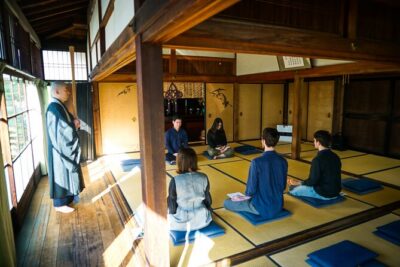 ★ 5.0Kyoto Zen Meditation & Garden Tour at a Zen Temple with LunchFrom $110441 reviews
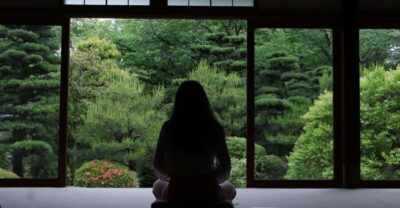 ★ 5.0Zen Experience in a Hidden TempleFrom $109437 reviews
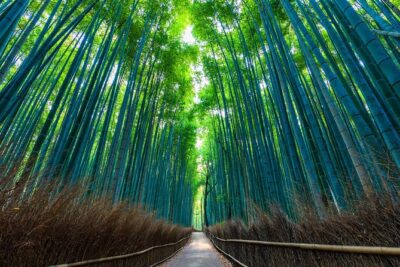 ★ 5.0Kyoto Arashiyama Bamboo forest & Garden Half-Day Walking TourFrom $129413 reviews
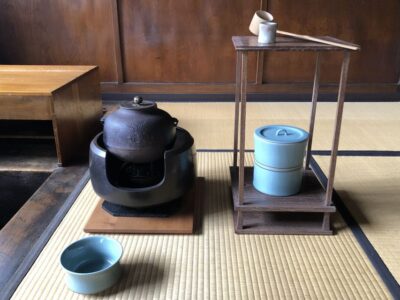 ★ 4.8Tea Ceremony Meditation – Make Matcha with Tea MasterFrom $45406 reviews
Filed on these lists too