
REVIEW · JAPANESE CRAFT AND CALLIGRAPHY WORKSHOPS
Tokyo Ikebana, Japanese Traditional Flower Arrangement Experience
Stop and smell the lesson.
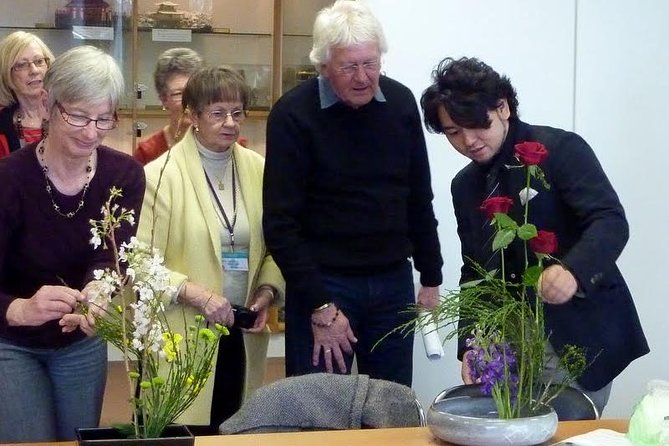
This Tokyo ikebana class turns a centuries-old art into something you can do right away, with hands-on arranging plus beginner-friendly guidance. You learn the ideas behind Japanese flower arrangement, then apply them while working with seasonal local flowers.
I especially like two things: the balance of explanation and hands-on practice, and the fact that all materials are provided so you can focus on the craft, not logistics. In addition, the instructor reviews your finished arrangement and gives advice you can actually use.
One possible drawback is the class is short, about 1 hour 10 minutes, so it is best for learning the basics rather than becoming advanced. Also, it is non-refundable, so double-check your dates before booking.
In This Review
- Key things you will care about
- Where the class happens in Tokyo: Nakano and 一葉式いけ花本部
- What you learn in ikebana basics (and what to do with it)
- Your 1 hour 10 minutes of ikebana making: local seasonal flowers to your design
- What to bring, what you do not need to bring, and how the class stays stress-free
- Small group vibe: how having up to 10 travelers changes the experience
- Price and value: is $67.28 worth it for Tokyo ikebana?
- The real itinerary: one stop, a clear flow from basics to your finished arrangement
- Language, comfort, and age fit for this ikebana class
- Who should book, and who might pass
- Should you book this Tokyo Ikebana class?
- FAQ
- How long is the Tokyo Ikebana experience?
- What does the class cost?
- Where do I meet for the class?
- Do I need to bring flowers or arranging tools?
- Is it suitable for beginners?
- How many people are in a class?
- What are the age requirements?
- Can the instructor be sent to a Tokyo hotel?
- Is it refundable if I cancel?
Key things you will care about
- Beginner focus: instruction adjusts to your level, even if this is your first try
- Seasonal local flowers: your arrangement uses flowers in season, so it feels extra current
- Instructor feedback: they look at what you made and offer improvement tips
- Photo time: you get time to take plenty of pictures of your finished work
- Small group size: capped at 10 travelers, which helps the teacher keep an eye on everyone
Make something to take home. Other workshops
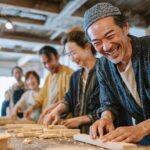
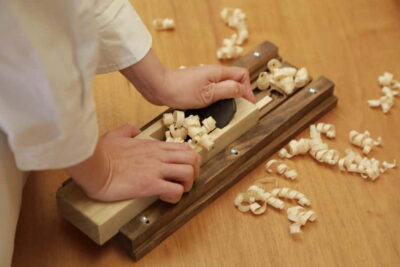
- Tokyo Shinjuku Chopsticks Making Class
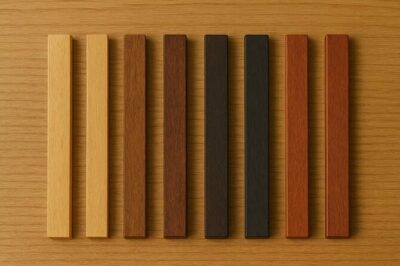
★ 5.0 · 1,763 reviews - Chopstick Making Workshop in Ginza
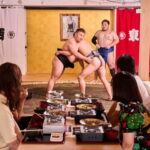
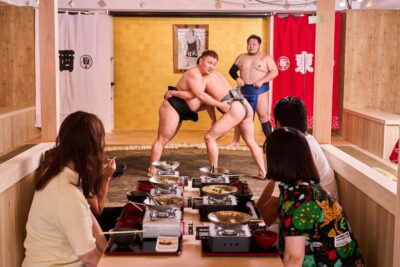
★ 4.8 · 1,366 reviews - Tokyo Sumo Experience: Chanko & Mochi with a Former Pro
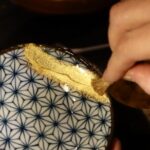
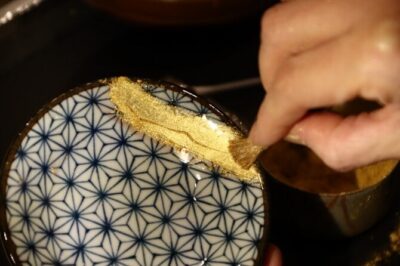
★ 4.8 · 567 reviews - Kintsugi Experience: Art of Golden Joinery in Tokyo
★ 5.0 · 467 reviews
Where the class happens in Tokyo: Nakano and 一葉式いけ花本部
Your experience is based in Nakano City, in Tokyo, at 4-chōme-20-5 Nakano. The activity starts and ends at the same meeting point, so you do not have to worry about hopping around the city or timing multiple transfers.
Nakano is a practical choice for a short, focused class. You can get there using public transportation, then settle in without losing most of your limited time to transit. The school is described as easy to find, and the course is designed so most travelers can participate without special prep.
The class size is also capped at 10 travelers, which matters for an art form that depends on angles, proportions, and close guidance. If you are hoping to ask questions, a smaller group makes that more realistic.
What you learn in ikebana basics (and what to do with it)
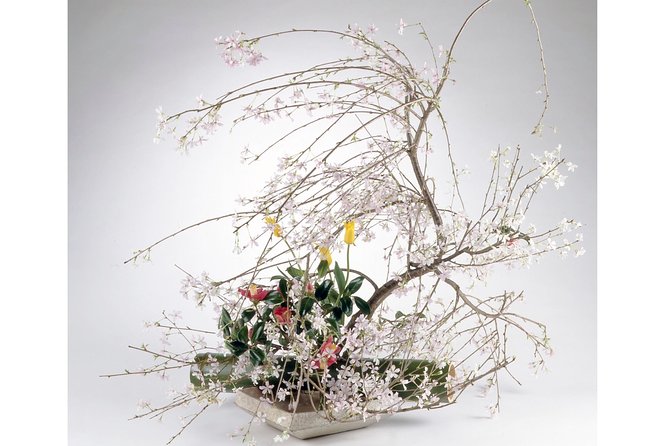
Ikebana is not just putting flowers in a vase. It is a way to express the beauty and character of the materials you are working with. The core idea you will practice is bringing out the charm of the plants, vase, and overall arrangement. You will learn what style looks best, which angle can be more attractive, and which combinations create stronger shapes.
You also get the thinking behind it, not just the steps. The class covers geometric and philosophic principles, then turns those ideas into something your hands can do. In plain terms, you will learn how to see your arrangement as structure: movement, balance, and form. That is why ikebana feels different from casual flower arranging.
If you have a nervous first-time feeling, this class is built to reduce it. The instructor teaches to your level, so you are not expected to already know how to handle stems, shape lines, or interpret the aesthetic rules. For a beginner, that kind of scaffolding is a big deal.
Also, ikebana is connected to Japanese tradition, and the course frames it as an art that samurai used to take part in. Even if you do not care about the political or social backdrop, that context helps you understand why the tradition values discipline, form, and intention.
Your 1 hour 10 minutes of ikebana making: local seasonal flowers to your design
After the basics, you move into the part that makes ikebana click: arranging your own creation. This is where the “learning” becomes real, because you translate the rules into a layout you can be proud of.
You will work with local flowers that are in season. That is not just a nice touch. Seasonal materials tend to look more natural, more alive, and more interesting in shape and color variation than out-of-season substitutes. It also means your arrangement feels tied to Tokyo’s current moment.
What happens during the making phase is simple in concept:
1) You learn how to position and shape elements
2) You build your arrangement using what you just learned
3) The instructor checks your work
The instructor then looks at your piece and gives advice on how to improve it. That feedback loop is one of the highest-value parts of the experience. You leave knowing not only that you made something, but also how to make the next one better.
You also get plenty of time to take photos of your arrangement. That is especially helpful if you want to recreate the look later at home or just keep a memory of your first ikebana attempt.
One more useful thing: the course emphasizes that ikebana is popular overseas, because it can be done with flowers from all over the world. So you are not only learning a Tokyo-specific moment, you are learning a flexible approach you can practice wherever you live.
- Mt Fuji and Hakone 1-Day Bus Tour Return by Bullet Train★ 5.0 · 26,383 reviews
- 1-Day Tokyo Bus Tour★ 5.0 · 14,250 reviews
- Tokyo: teamLab Planets TOKYO Digital Art Museum Entry Ticket★ 4.6 · 9,779 reviews
- Mt Fuji & Hakone Cruise, Drum Show Bullet Train 1 Day from Tokyo★ 4.0 · 7,413 reviews
- Tokyo Mt Fuji 5th St & Hakone Cruise Bus Tour w/Bullet Train★ 4.4 · 5,024 reviews
What to bring, what you do not need to bring, and how the class stays stress-free
The best part for many people is that you do not need to bring anything. Flowers and equipment are provided, so you can show up and get started fast. That is a huge value add in Tokyo, where it is easy to spend time and money hunting for supplies you did not plan on.
Even better, the class is set up to feel stress-free. The instructor explains the process, guides you step-by-step, then supports you as you work. For first timers, that reduces the typical fear of messing up. You are not alone with a vase and a vague set of instructions.
Practical notes to keep in mind:
- Keep valuables and belongings with you
- Be responsible for your own safety during the experience
- The school is not responsible for anything left behind or lost
If you are wearing something comfortable enough to handle and adjust flowers, you will be happier. The data does not specify dress requirements, so I would just aim for clothes that allow you to work with your hands easily.
You will also use a mobile ticket. That is good for a short class because it cuts down on paper tickets and last-minute confusion.
Small group vibe: how having up to 10 travelers changes the experience
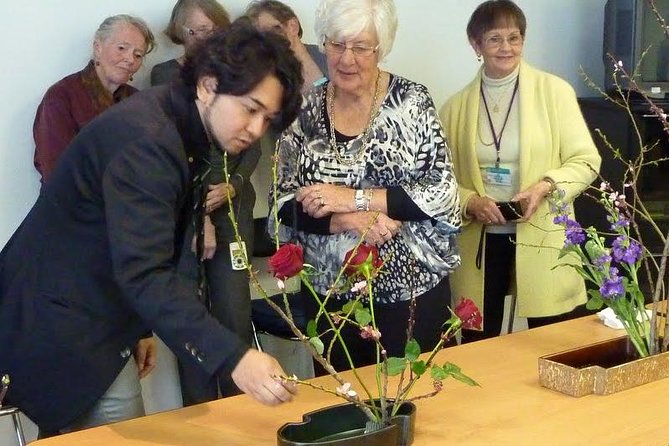
With a maximum of 10 travelers, this does not feel like a rushed workshop where you wait your turn. In a small group setting, the instructor can notice what is not working and correct it before your arrangement gets stuck.
It also helps for communication. Some reviews highlight teachers being supportive and enthusiastic, with one mention of an instructor apologizing for English but still being very understandable. Even if you do not speak Japanese, you should be able to follow the demonstration and the hands-on guidance.
One more detail that can shape the vibe: the class can be quite intimate. In at least one experience, the group was effectively very small, which makes it easier to get personal coaching. You should not bank on that, but the small-group cap makes it possible.
Price and value: is $67.28 worth it for Tokyo ikebana?
At $67.28 per person, this is not the cheapest thing you can do in Tokyo. But it does not try to compete with bargain group tours either.
Here is the value math that matters:
- All materials are provided (flowers and tools), so you are not paying extra to hunt supplies
- You get structured instruction on basics and form, not just free arranging time
- The instructor gives feedback on your finished piece
- You can take plenty of photos, which turns the session into a memory you can share and recreate later
For an art class, paying for guidance is normal. The key is whether the time feels productive. The course is designed to balance explanation and application, and you end up with something you can see and photograph.
If you love flowers, or you want a calm cultural activity that is not just watching, this price starts to look fair. If you are looking for a long, deep course with advanced techniques, you may feel the 1 hour 10 minutes is too brief. But as a beginner entry point, the structure is a good match.
The real itinerary: one stop, a clear flow from basics to your finished arrangement
This experience is built around one main location: the school area at 一葉式いけ花本部. Since the start and end are the same place, your day stays simple.
Here is the flow you should expect in that time:
- You meet at the Nakano address and get settled
- The instructor teaches the basics and how to think about angles, style, and form
- You move into the hands-on ikebana experience
- The instructor reviews your arrangement and offers improvement advice
- You take photos of your finished work
Because everything happens in one place, you avoid losing energy to moving between sites. That is a practical advantage for a creative class, where focus and calm matter.
Language, comfort, and age fit for this ikebana class
The program is designed for people 6 years of age and over. If you are booking for children age 12 and younger, you need a parent to accompany them.
It is also described as suitable for most travelers, which suggests you do not need special background. If you are an adult beginner, this is the exact type of class that helps you get started without embarrassment.
Since the instruction includes explanation plus direct guidance at the arrangement table, you can still enjoy it even if your Japanese is limited. The visuals of stems, angles, and vase positioning do a lot of the teaching work.
Finally, you will likely spend more time using your hands than talking. So bring patience, not perfection.
Who should book, and who might pass
This is a strong fit if:
- You want a beginner-friendly creative activity in Tokyo
- You like photography and want something tangible to show for your time
- You want a cultural class with structure, not just a casual craft
- You enjoy learning the “why” behind a traditional art
You might consider passing if:
- You already know advanced ikebana styles and want a longer, deeper training course
- You want a half-day or full-day excursion with lots of sightseeing (this is only about 1 hour 10 minutes)
- You cannot take the non-refundable nature of the experience into account
Should you book this Tokyo Ikebana class?
I would book this if you want a structured, beginner-friendly art experience that includes materials, teaching, and feedback, without wasting time on extra planning. The strongest reason to choose it is the combination of basics plus practice, capped by photos of what you made.
If you are on the fence, I’d decide based on one simple question: do you want a calm, hands-on Tokyo moment that ends with a real object and a clearer way to arrange flowers later? If yes, this is a good bet.
FAQ
How long is the Tokyo Ikebana experience?
It lasts about 1 hour 10 minutes.
What does the class cost?
The price is $67.28 per person.
Where do I meet for the class?
You meet at 4-chōme-20-5 Nakano, Nakano City, Tokyo 164-0001, Japan, and the activity ends back at the same meeting point.
Do I need to bring flowers or arranging tools?
No. Flowers and equipment are provided, and you do not need to bring anything.
Is it suitable for beginners?
Yes. The program is described as perfect for beginners and the instructor teaches to your level.
How many people are in a class?
The class has a maximum of 10 travelers.
What are the age requirements?
The program is for people age 6 and over. Children aged 12 and younger must be accompanied by a parent.
Can the instructor be sent to a Tokyo hotel?
The instructor can be sent to any hotel you stay in Tokyo.
Is it refundable if I cancel?
No. The experience is non-refundable and cannot be changed for any reason.
Made by Hand, and Yours to Keep


Newest Tokyo write-ups from the Loving Japan desk






Japanese Craft and Calligraphy Workshops, side by side.
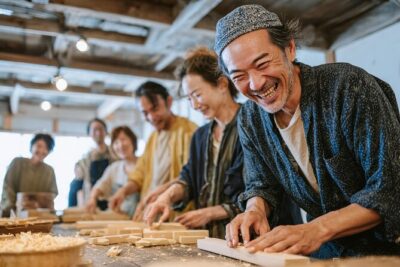 ★ 5.0Tokyo Shinjuku Chopsticks Making ClassFrom $201,763 reviews
 ★ 4.8Chopstick Making Workshop in GinzaFrom $251,366 reviews
 ★ 5.0Chopsticks Making Workshop in Gion with Engraving OptionFrom $15958 reviews
 ★ 4.8Tokyo Sumo Experience: Chanko & Mochi with a Former ProFrom $103567 reviews
 ★ 5.0Kintsugi Experience: Art of Golden Joinery in TokyoFrom $59467 reviews
 ★ 5.0Tokyo Chopstick Making Workshop with ArtisanFrom $26466 reviews
 ★ 4.9Matcha Making Experience with Mochi Sweets in AsakusaFrom $22388 reviews
 ★ 4.8Authentic knife making experience at a blacksmith in KyotoFrom $154350 reviews
Filed on these lists too