
REVIEW · JAPANESE CRAFT AND CALLIGRAPHY WORKSHOPS
Tokyo: Kintsugi Workshop to Learn the Art of Golden Joinery
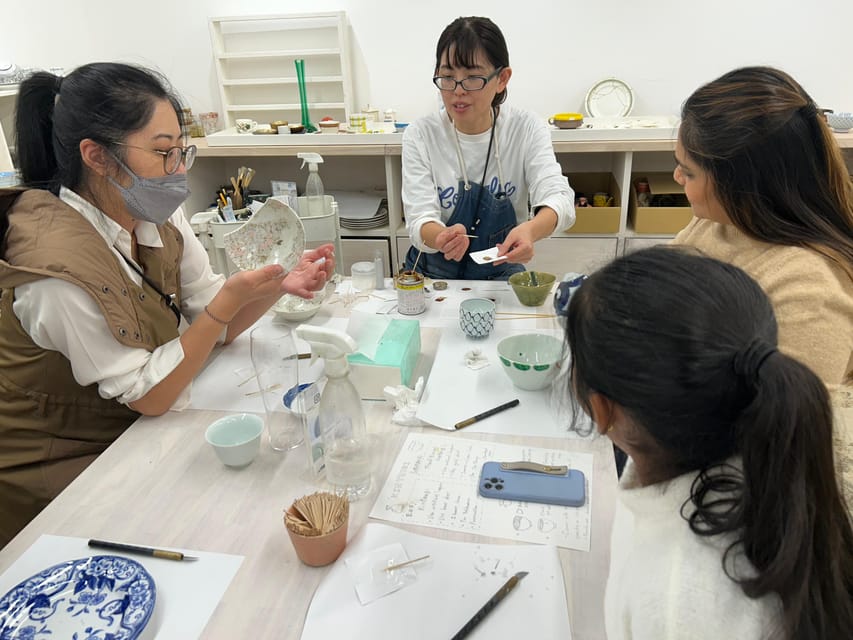
Gold seams change how you see broken things. In a small 2-hour workshop near Gakugei Daigaku Station, you learn Kintsugi, the Japanese “golden joinery” method using lacquer and gold powder. You’re also given the calm philosophy behind it, so it feels more like mindful repair than a rushed craft class.
What I like most is the Kintsugi philosophy of embracing flaws and turning them into part of the object’s story. You also get a truly hands-on process with materials provided, and you leave with a repaired keepsake that feels personal, not souvenir-mass-produced.
One thing to think about: the workshop price plus the cost of the piece you repair. If you’re expecting to fix a large item from start to finish, you might find the time and scope feel tighter than you hoped, so set your expectations for a small, focused mend.
In This Review
- Key things to know before you go
- Gold Joinery 101: What Kintsugi Changes in Your Head
- Meeting at Gakugei Daigaku Station and the Calm Small-Group Setup
- What You Mend in Tokyo: Pottery Pieces and the Extra Cost to Plan For
- The Workshop Steps: Filing, Lacquer Work, and Creating the Golden Seam
- Teaching Styles You’ll Actually Feel: Guides Like Anne and Chiara
- Timing and Finishing: What Two Hours Lets You Complete
- Price and Value in Tokyo: Is $63 a Fair Deal?
- Who Should Book, and Who Might Not Love It
- Should You Book This Kintsugi Workshop in Tokyo?
- FAQ
- How long is the Kintsugi workshop?
- What is the price per person?
- Where do I meet the guide?
- Is the workshop taught in English?
- What is included in the workshop fee?
- Do I need to bring pottery to repair?
- How many people are in the group?
- Is it wheelchair accessible?
- What is the cancellation policy?
Key things to know before you go
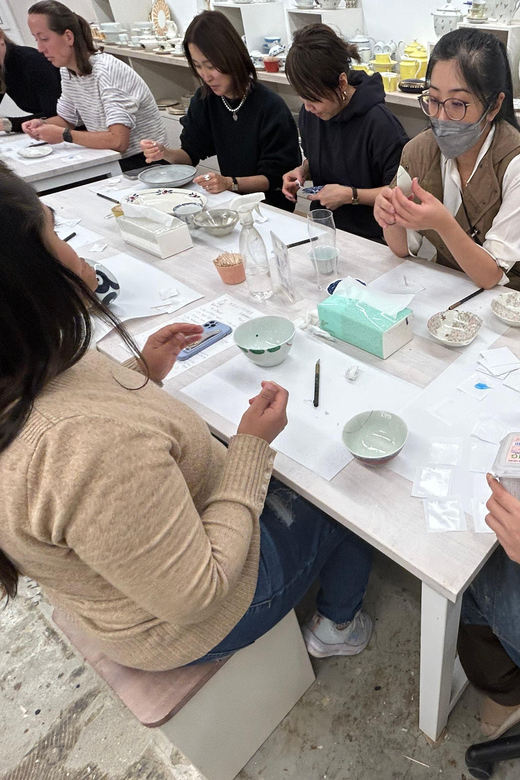
- Small group, 2 hours: Limited to 6 participants, with enough time to do each step without feeling frantic
- Gold seams, lacquer, and gold powder: The tools for the joinery are provided, so you can focus on the technique
- Wabi-sabi in practice: You’ll learn the philosophy that celebrates imperfection and impermanence
- Hands-on time includes filing: You may spend about half an hour filing the pottery, so plan for focus and care
- English instruction: The workshop is taught in English, with extra help depending on the session
- Take-home result: You repair a ceramic piece and bring it home as a meaningful keepsake
Make something to take home. Other workshops
- Tokyo Shinjuku Chopsticks Making Class
★ 5.0 · 1,763 reviews - Chopstick Making Workshop in Ginza
★ 4.8 · 1,366 reviews - Tokyo Sumo Experience: Chanko & Mochi with a Former Pro
★ 4.8 · 567 reviews - Kintsugi Experience: Art of Golden Joinery in Tokyo
★ 5.0 · 467 reviews
Gold Joinery 101: What Kintsugi Changes in Your Head
Kintsugi is simple to explain and oddly hard to forget. A ceramic breaks, instead of hiding the damage or throwing it away, you repair it and highlight the “seam.” In Kintsugi, those lines are not flaws to erase. They are evidence of an object’s life.
The workshop also connects this to Japanese aesthetics, especially wabi-sabi, the appreciation of imperfection and impermanence. That matters for two reasons. First, it helps you slow down during the repair. Second, it gives the finished piece an emotional logic, not just a decorative one.
You’ll learn that Kintsugi dates back centuries, and the basic idea is to join cracks using lacquer mixed with powdered gold, silver, or platinum. The class is designed to make that philosophy feel doable in real hands, not like a concept you read once and forget.
Meeting at Gakugei Daigaku Station and the Calm Small-Group Setup
Logistics are refreshingly straightforward. You meet your guide at Gakugei Daigaku Station. The guide sends a picture of themselves so you can find the right person without wandering around Tokyo playing station roulette.
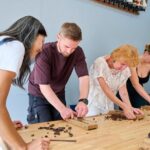
The class runs for 2 hours, and it’s built as a small group capped at 6. That small size is not a marketing line. It’s what keeps the workshop reflective, not chaotic. You get time to work, ask questions, and actually watch how your instructor thinks through each step.
Also, the teaching is in English. In one session, an additional translator who knew the craft was part of the setup, which is a great sign that the instructor team cares about getting details across clearly.
What You Mend in Tokyo: Pottery Pieces and the Extra Cost to Plan For
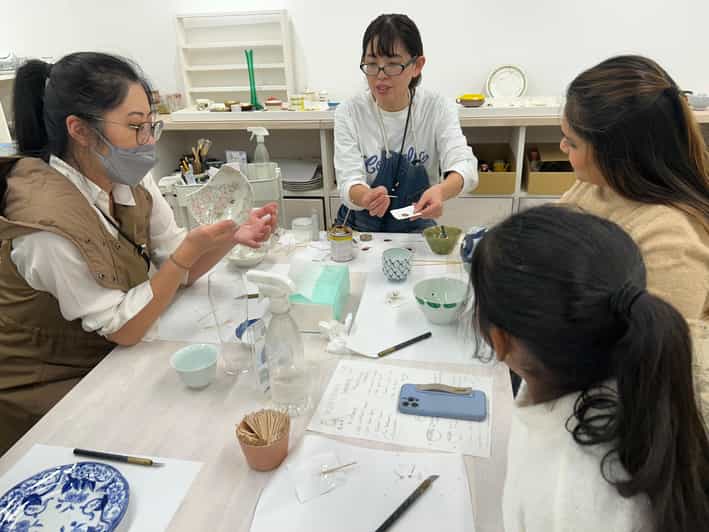
Here’s the practical part. You learn Kintsugi using provided materials like lacquer and gold powder. The workshop also refers to broken pottery as part of what you’ll work on, but it also notes a separate cost for the plate or ceramic to repair.
The data you should plan around is this: the plate to work with is not included, and you may arrange one for about ¥1,000 to ¥2,000. So even though the workshop price is listed as $63 per person, your real total in yen depends on what piece you select or how the provider supplies it for your session.
This matters because Kintsugi is very hands-on. If you want a particular kind of piece to turn into a keepsake, you’ll want to budget for that choice. If you just want the gold joinery experience and a meaningful result, the provided options should still feel special, but you’ll want to confirm exactly what you’ll be repairing on your chosen date.
- Mt Fuji and Hakone 1-Day Bus Tour Return by Bullet Train★ 5.0 · 26,383 reviews
- 1-Day Tokyo Bus Tour★ 5.0 · 14,250 reviews
- Tokyo: teamLab Planets TOKYO Digital Art Museum Entry Ticket★ 4.6 · 9,779 reviews
- Mt Fuji & Hakone Cruise, Drum Show Bullet Train 1 Day from Tokyo★ 4.0 · 7,413 reviews
- Tokyo: Shinjuku Food Tour (13 Dishes at 4 Local Eateries)★ 5.0 · 6,603 reviews
The Workshop Steps: Filing, Lacquer Work, and Creating the Golden Seam
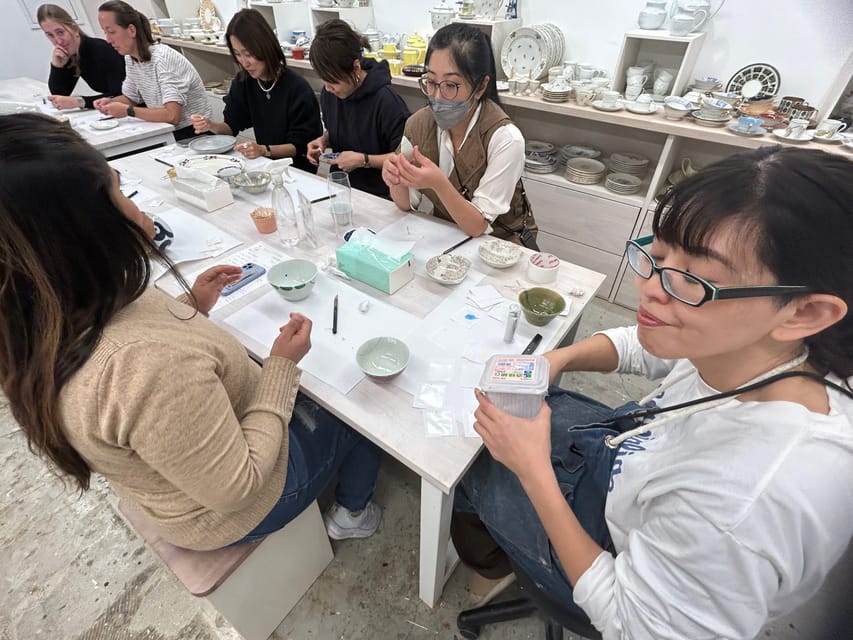
A Kintsugi workshop should be slow enough to be calming, and this one is timed that way. You get a brief intro to the art and philosophy first, then you move into the practical joinery.
One of the most concrete details you can plan for is filing. In a recent session, the class included about half an hour of filing the pottery. That’s not a random filler step. It’s where the seams start to make sense, because you need the broken surfaces to be treated in a way that lets the joinery materials work properly.
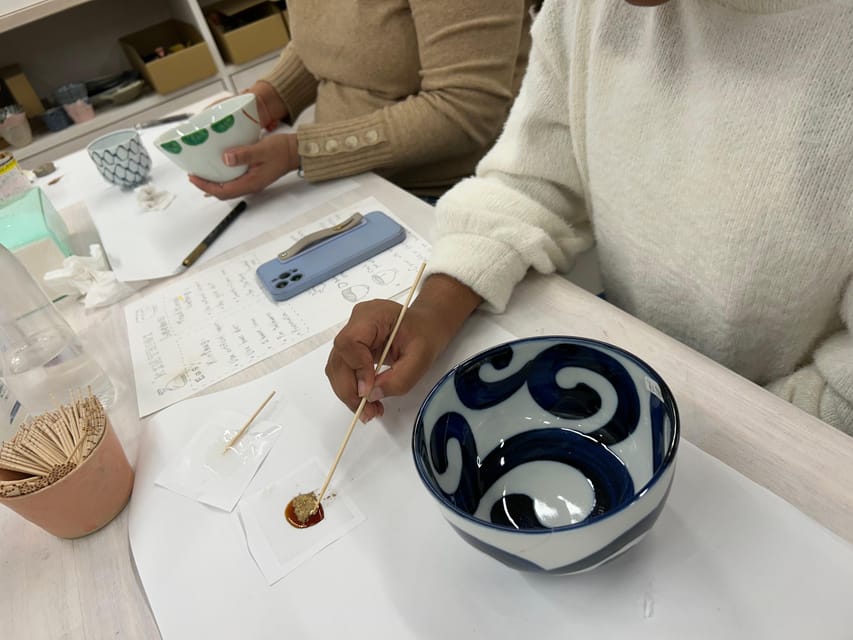
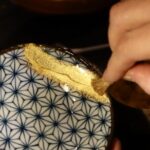
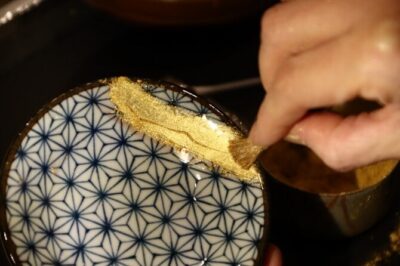
After that, the process centers on lacquer work and applying gold powder. The key idea is that the repair is not just glue and concealment. The technique produces a seam that reads visually as intentional. You’ll learn how to work carefully so the gold line looks like part of the design, not like an accident.
And while the steps sound technical, the vibe is meant to be reflective. The workshop’s whole point is that you pay attention to the cracks instead of rushing past them. That’s why people come away feeling like the experience changed how they look at damage in general, not just pottery.
Teaching Styles You’ll Actually Feel: Guides Like Anne and Chiara
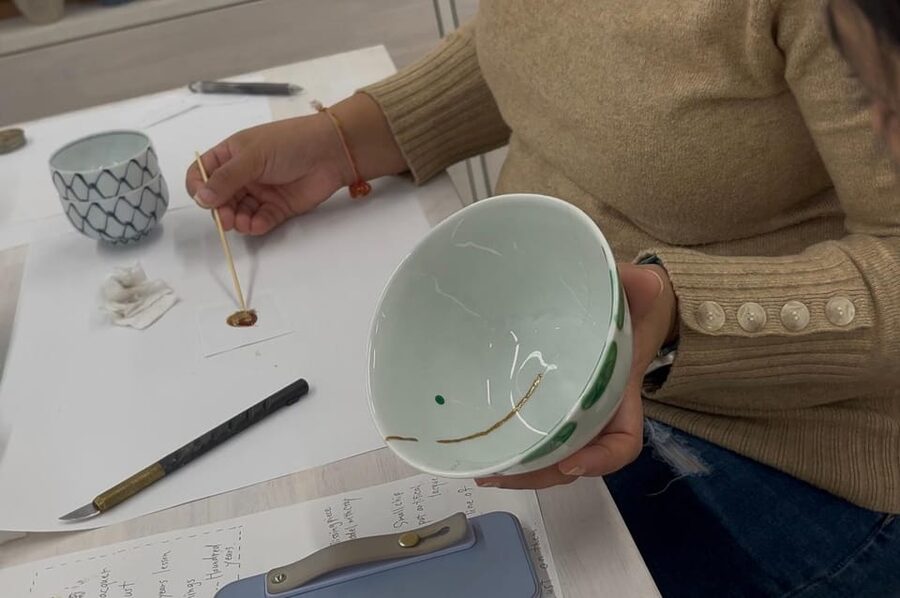
The best craft workshops do two things: they explain clearly and they let you do the work. This one aims for both.
In one session, the guide Anne was praised for being well prepared and for explaining all the steps clearly. That same session also included discussion of how glue was made in older times, which is a small detail but a useful one. It gives the method a cultural texture, so you understand why it was valued for generations, not just how it’s done today.
Another session highlighted Chiara, with an additional translator who also knew the craft. That pairing is a good sign for anyone who worries about language barriers during technical steps. It also points to the workshop’s teaching approach, which seems to focus on helping you work independently while still stepping in when precision matters.
So if you’re the type who likes to learn by doing, this class fits. If you need constant supervision to feel confident, you’ll probably still be okay. The instructor support seems built for that middle ground: you get hands-on time, but someone experienced is there with a steady hand.
Timing and Finishing: What Two Hours Lets You Complete
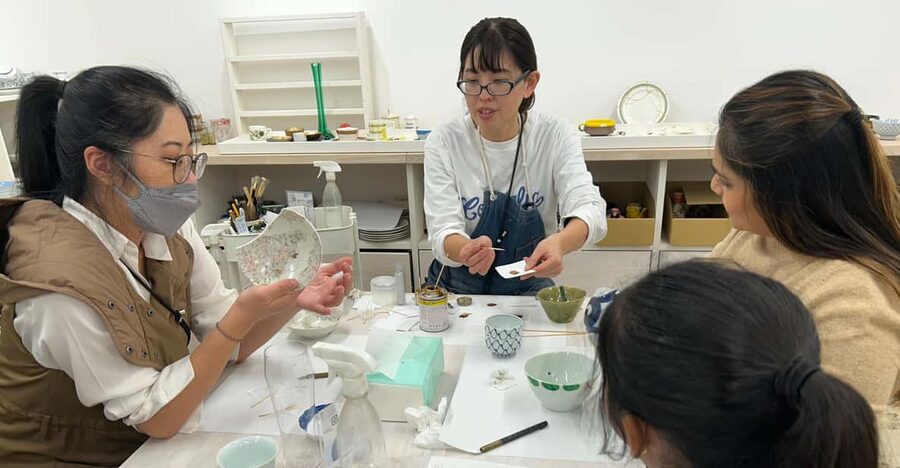
Two hours sounds short, but for Kintsugi it can be just right. You’ll have time for instruction, the practical steps, and enough completion to walk away with a finished repaired piece.
The group size helps here. When there are only a few people in the room, you’re not waiting around while someone else hogs the instructor. That also tends to make the lesson feel more personal, even when you’re working at a shared table.
One consideration from a real-world perspective: if you expect a huge, dramatic repair on a large object, you may feel the class doesn’t cover everything you imagined. Kintsugi is exacting, and your time is limited. The upside is that you still get a real result you can take home, with the gold seam you came for.
Price and Value in Tokyo: Is $63 a Fair Deal?
At $63 per person, this workshop sits in the mid-range for hands-on cultural activities in Tokyo. The value comes from three things that are hard to fake.
First, you’re paying for real technique, using lacquer and gold powder, not just watching someone demonstrate. Second, you’re taking home an object you personally repaired, which is the kind of souvenir that actually keeps meaning after the trip. Third, you’re learning the philosophy behind the method, especially the wabi-sabi idea that flaws can be part of beauty.
The main value wrinkle is the additional piece cost. Since the plate to work with can run ¥1,000 to ¥2,000, your total depends on what you choose and how the session provides materials. Still, even with that add-on, the workshop stays reasonable because the outcome is tangible: you get your own repaired ceramic.
If you’re deciding between this and a purely decorative craft class, I’d choose Kintsugi if you want something reflective and not disposable. If you want a big transformation on a large item, you might want to confirm what size and type of piece you’ll be repairing in your session.
Who Should Book, and Who Might Not Love It
This workshop is a strong fit for adults and older teens who like thoughtful hands-on activities. One review specifically pointed out that it works well for solo travelers, couples, and families with kids over 12 years old, with a note that filing the pottery for about half an hour could be challenging for younger kids.
If you’re a person who loves slow processes, you’ll likely enjoy it. If you get restless with anything delicate and step-by-step, you might find the pacing a bit meditative.
Wheelchair details are worth extra attention. The activity information says wheelchair accessible, but it also states not suitable for wheelchair users. Because that’s inconsistent, don’t assume. If you need mobility access support, message the operator or confirm directly before booking so you know how tables, seating, and the filing step will work for your needs.
It’s also not suitable for babies under 1 year. If you’re traveling with very young infants, plan a different kind of cultural activity.
Should You Book This Kintsugi Workshop in Tokyo?
I think you should book if you want a meaningful, hands-on experience with a real takeaway. The gold seam result, the wabi-sabi philosophy, and the small group size make this feel like more than a class. It’s a process you can remember, and a keepsake you can display without feeling like it came from a factory.
You might skip it or at least clarify details if you’re budget-sensitive once you add the piece cost, or if you’re expecting a large, dramatic repair on a big item in just 2 hours. The workshop is designed for a focused mend, not an all-day restoration.
If you like careful work, gentle thinking, and the idea that cracks can become art, this is one of those Tokyo experiences that stays with you.
FAQ
How long is the Kintsugi workshop?
The workshop lasts 2 hours.
What is the price per person?
The price is listed as $63 per person.
Where do I meet the guide?
Meet the guide at Gakugei Daigaku Station.
Is the workshop taught in English?
Yes, the instructor is listed as English.
What is included in the workshop fee?
Materials and main tools like lacquer and gold powder are provided, plus a brief introduction to the art and philosophy of Kintsugi.
Do I need to bring pottery to repair?
The plate to work with is not included, and you may arrange one for about ¥1,000 to ¥2,000.
How many people are in the group?
The group is limited to 6 participants.
Is it wheelchair accessible?
The activity information lists wheelchair accessible, but it also notes not suitable for wheelchair users. You should confirm directly with the operator before booking.
What is the cancellation policy?
Free cancellation is available up to 24 hours in advance for a full refund.
Made by Hand, and Yours to Keep
Newest Tokyo write-ups from the Loving Japan desk



Japanese Craft and Calligraphy Workshops, side by side.
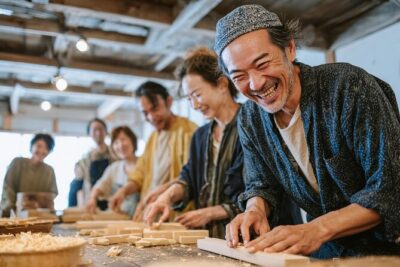 ★ 5.0Tokyo Shinjuku Chopsticks Making ClassFrom $201,763 reviews
 ★ 4.8Chopstick Making Workshop in GinzaFrom $251,366 reviews
 ★ 5.0Chopsticks Making Workshop in Gion with Engraving OptionFrom $15958 reviews
 ★ 4.8Tokyo Sumo Experience: Chanko & Mochi with a Former ProFrom $103567 reviews
 ★ 5.0Kintsugi Experience: Art of Golden Joinery in TokyoFrom $59467 reviews
 ★ 5.0Tokyo Chopstick Making Workshop with ArtisanFrom $26466 reviews
 ★ 4.9Matcha Making Experience with Mochi Sweets in AsakusaFrom $22388 reviews
 ★ 4.8Authentic knife making experience at a blacksmith in KyotoFrom $154350 reviews
Filed on these lists too